The main types of dresses are the maxi, mini, wrap, shirt dress, bodycon, slip dress, sundress, cocktail dress, off-shoulder dress, little black dress, ball gown, and wedding dress. Each one below has a picture, what makes it different, and when to wear it, so you can pick the right dress for the occasion and for your shape.

Types of Dresses at a Glance
| Dress | Length | Fit | Best for |
|---|---|---|---|
| Maxi dress | Ankle to floor | Loose, flowing | Summer, holidays, casual events |
| Mini dress | Above the knee | Any | Parties and nights out |
| Wrap dress | Knee to midi | Fitted waist | Work and daytime events |
| Shirt dress | Knee to midi | Relaxed | Office and weekends |
| Bodycon dress | Mini to midi | Very fitted | Evenings out |
| Slip dress | Midi | Skims the body | Dinners and layering |
| Sundress | Short to midi | Loose | Hot weather |
| Cocktail dress | Around the knee | Fitted or flared | Semi-formal events |
| Off-shoulder dress | Any | Any | Dates and summer events |
| Little black dress | Around the knee | Any | Almost any occasion |
| Ball gown | Floor length | Fitted top, full skirt | Black-tie events |
| Wedding dress | Floor length | Any | Weddings |
Different Types of Dresses with Pictures
1. Maxi Dress
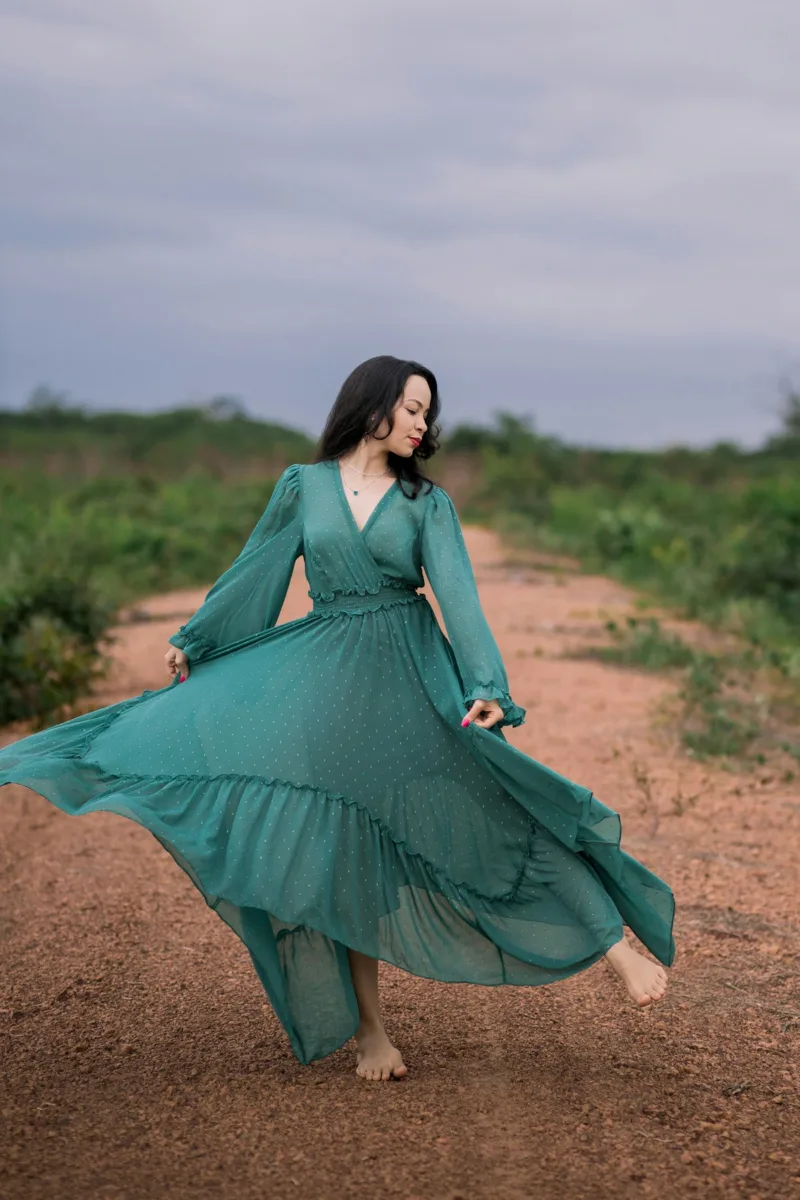
A maxi dress is a long dress that reaches the ankles or the floor. It is usually cut loose and flowing from the waist down, and it is made in light fabrics such as cotton, jersey, or chiffon. The style became popular in the late 1960s and has stayed a summer favorite ever since. It covers the legs while staying cool, and it can be dressed up or down with a change of shoes.
- What defines it: An ankle-length or floor-length hem and a relaxed, flowing skirt.
- Best worn with: Flat sandals and a denim jacket by day, or wedges and statement earrings in the evening.
- Who it suits: All body shapes. Petite women look best in a maxi with a defined waist, a small print, and a hem that does not drag on the ground.
2. Mini Dress
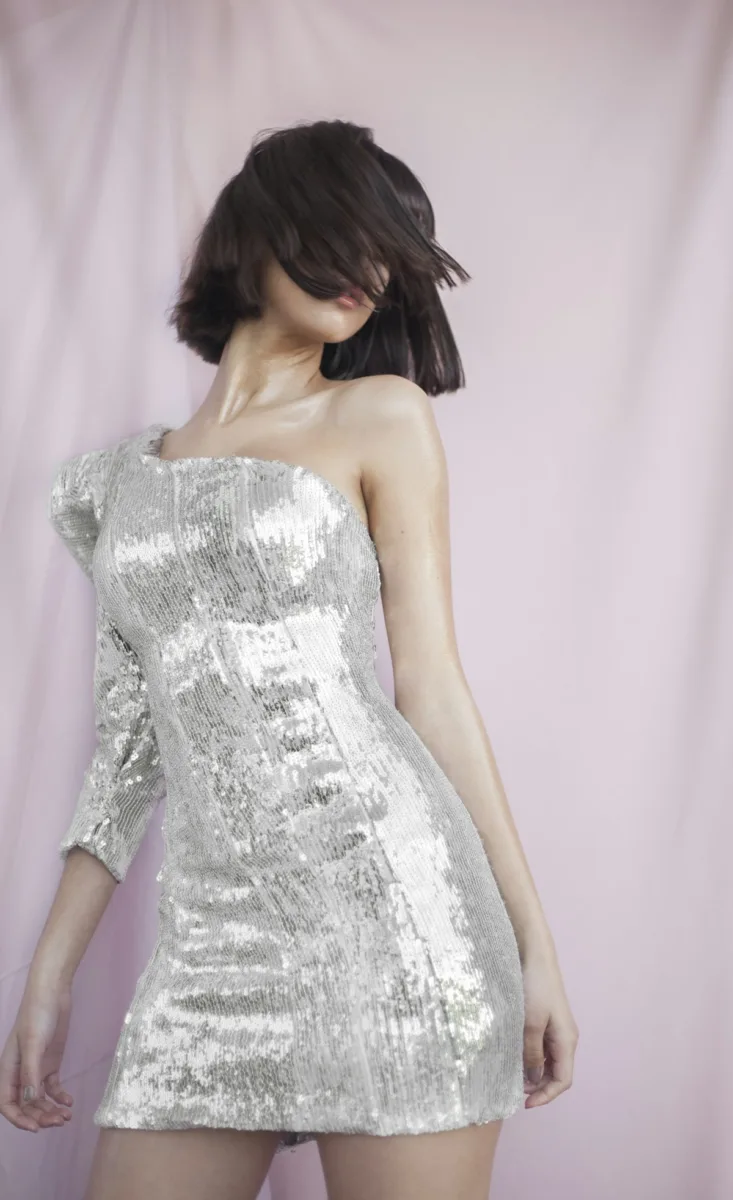
A mini dress has a hem that ends well above the knee, usually at mid-thigh. It became a symbol of 1960s London fashion and is closely linked with the designer Mary Quant. Mini dresses come in many shapes, from straight shifts to fitted or flared styles. The short length draws the eye to the legs.
- What defines it: A hemline that sits at mid-thigh or higher.
- Best worn with: Sneakers or ankle boots for a casual look, heels for a night out, and opaque tights in cold weather.
- Who it suits: Anyone who likes showing their legs. It is especially flattering on petite women, since it makes the legs look longer.
3. Wrap Dress
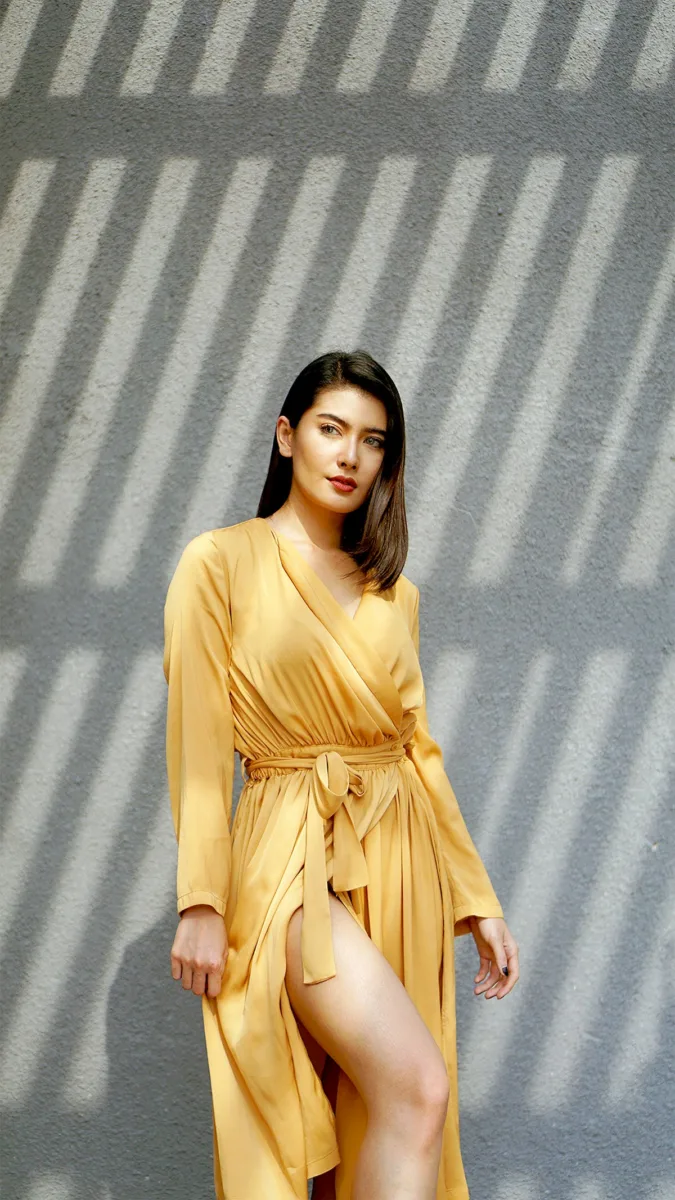
A wrap dress closes by crossing one side of the front over the other and tying at the waist. This creates a V-shaped neckline and pulls the fabric in at the narrowest part of the body. The designer Diane von Furstenberg made the jersey wrap dress famous in 1974, and it has been a wardrobe staple since. Because the tie is adjustable, the fit can be changed from day to day.
- What defines it: A crossover front, a V-neck, and a tie at the waist.
- Best worn with: Heels or pointed flats for work, and sandals or white sneakers at the weekend.
- Who it suits: Nearly every body shape. It defines the waist, flatters the bust, and skims over the hips.
4. Shirt Dress
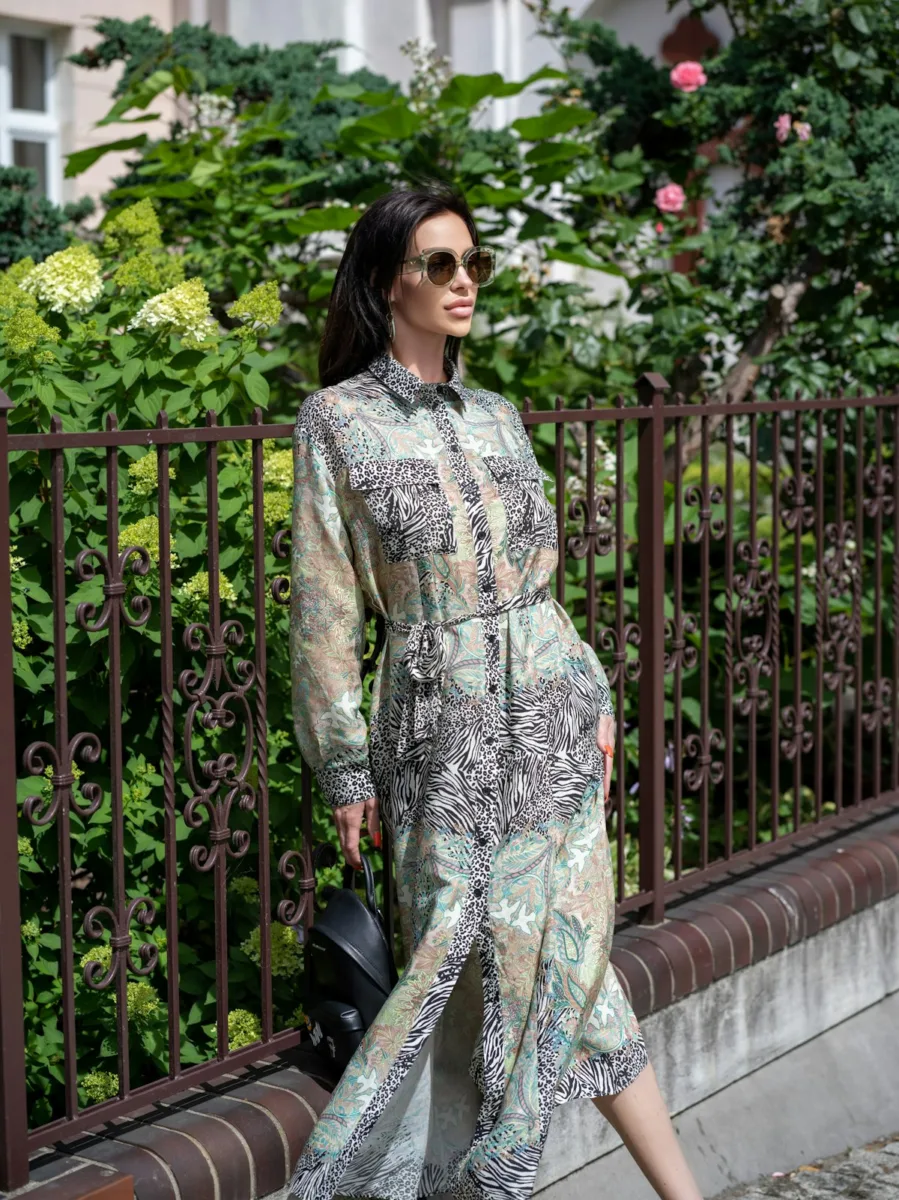
A shirt dress borrows its details from a man’s button-down shirt: a collar, a row of buttons down the front, and cuffed sleeves. It usually comes with a belt or can be worn loose. The style is neat enough for the office and easy enough for the weekend. Cotton poplin, denim, and linen are the most common fabrics.
- What defines it: A collar, a button front, and shirt-style sleeves.
- Best worn with: A belt at the waist with loafers, sneakers, or ankle boots. It can also be worn open over jeans and a T-shirt.
- Who it suits: Anyone who wants a smart-casual dress. Belted styles suit those who want to define the waist.
5. Bodycon Dress
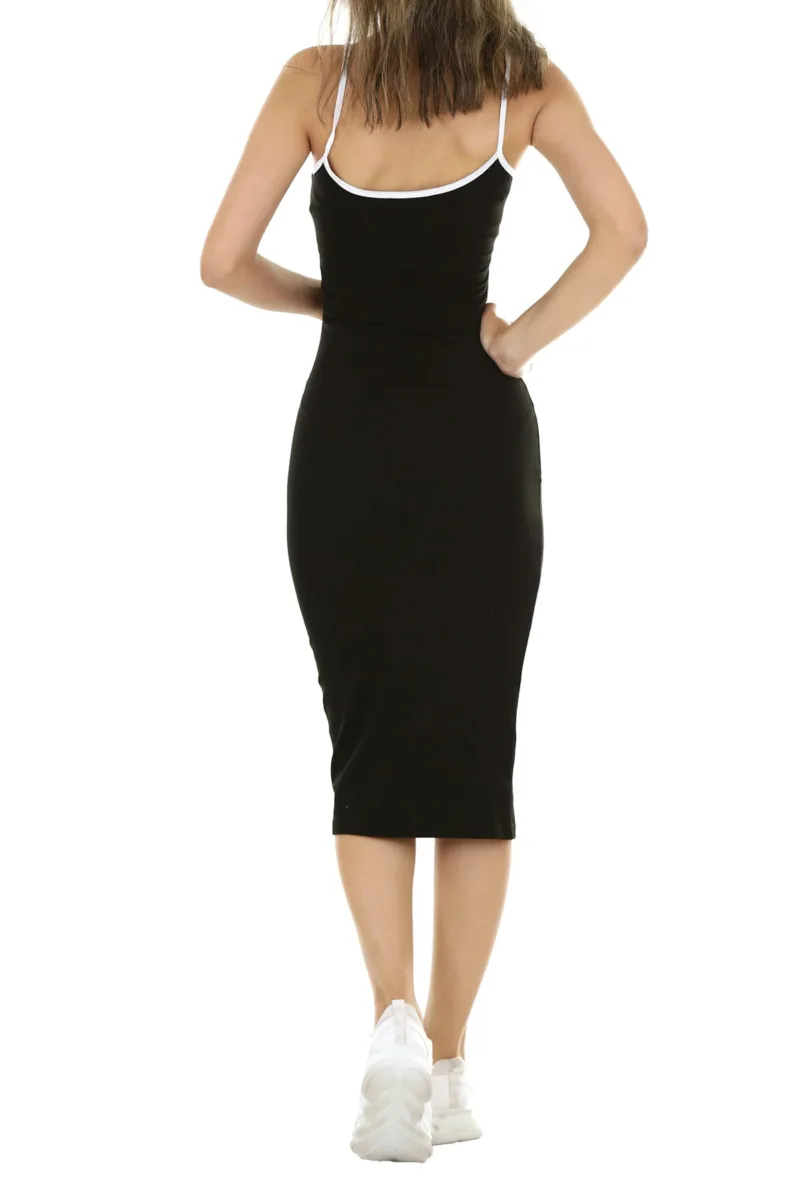
Bodycon is short for body-conscious. A bodycon dress is made from thick, stretchy fabric that clings to the body from the bust to the hem and follows every curve. The look became famous in the 1980s and 1990s through the bandage dress. A thicker fabric smooths the figure, while a thin one shows every line.
- What defines it: A tight, stretchy fit that hugs the whole body.
- Best worn with: Heels and a blazer or leather jacket. Seamless underwear gives the cleanest finish.
- Who it suits: Anyone who feels confident in a close fit. It highlights curves on an hourglass figure.
6. Slip Dress
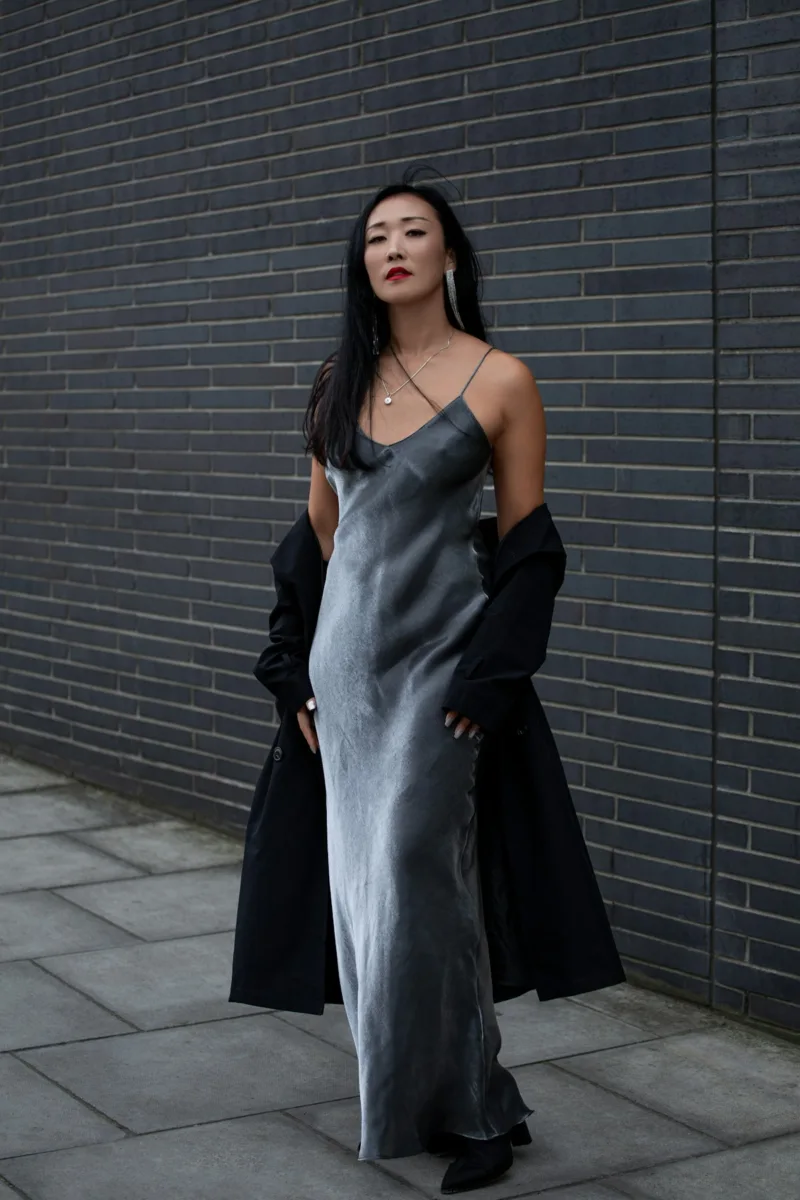
A slip dress is modeled on the slip, a piece of underwear once worn beneath dresses. It has thin spaghetti straps and a simple shape, and it is cut on the bias, meaning diagonally across the fabric, so that it drapes softly over the body. It is usually made of satin or silk. The slip dress was one of the defining looks of the 1990s.
- What defines it: Thin straps, a light satin or silk fabric, and a loose, draping fit.
- Best worn with: A white T-shirt underneath or a chunky sweater on top for daytime, and heels with fine jewelry at night.
- Who it suits: Slim and athletic figures in particular, though a heavier satin and a bias cut flatter most shapes.
7. Sundress
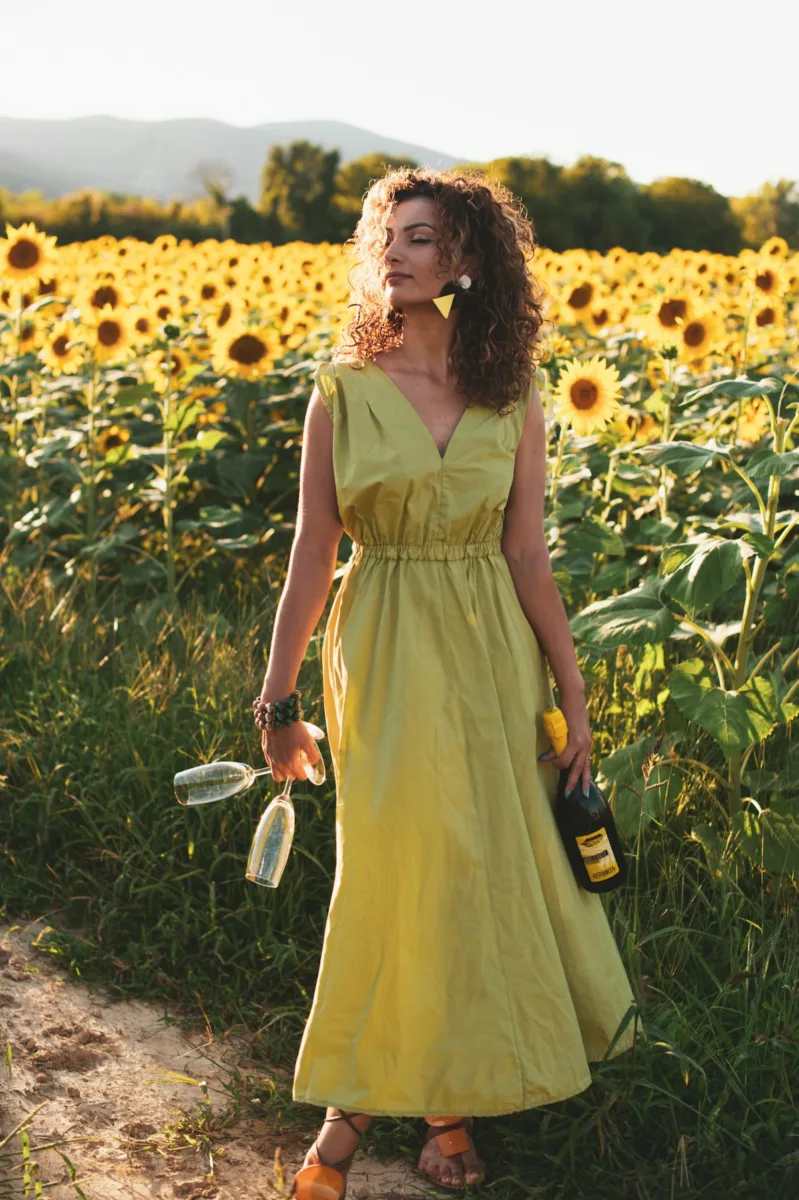
A sundress is a light, sleeveless dress made for hot weather. It is usually cotton or linen, with thin or wide straps, a loose fit, and often a floral, striped, or gingham pattern. It is meant to be worn with nothing layered over it. The loose shape lets air move around the body.
- What defines it: A sleeveless, lightweight, casual design.
- Best worn with: Flat sandals, espadrilles, a straw hat, and sunglasses.
- Who it suits: Everyone. It is the easiest dress to wear on holidays, at picnics, and on the beach.
8. Cocktail Dress
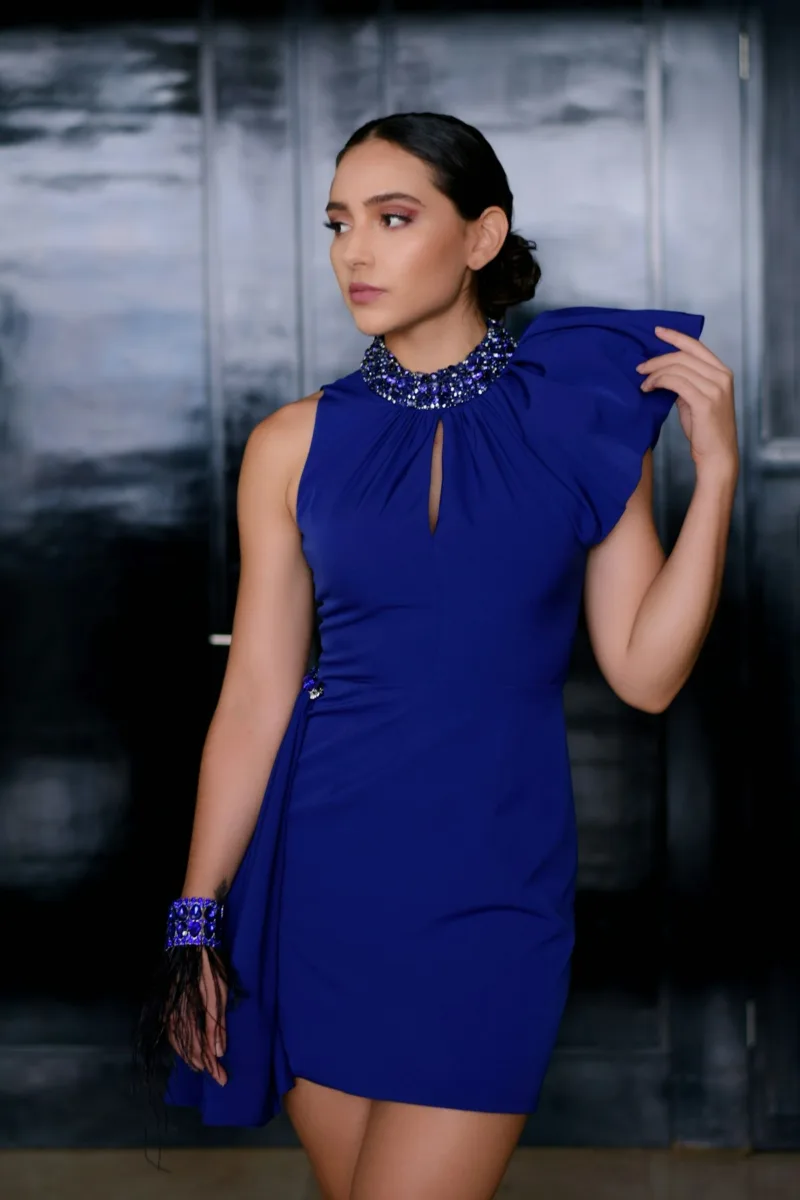
A cocktail dress is a semi-formal dress for evening events. It is dressier than a day dress but shorter and less grand than a ball gown, with a hem that normally falls somewhere between just above the knee and mid-calf. The style appeared in the 1920s, when early-evening cocktail parties became fashionable. Typical fabrics are satin, silk, lace, and chiffon. It is the right choice when an invitation says cocktail attire.
- What defines it: A knee-length or midi hem in a dressy fabric.
- Best worn with: Heels, a clutch bag, and elegant jewelry.
- Who it suits: Wedding guests, parties, and work events. Choose a cut that matches your shape, such as a fitted waist with a flared skirt.
9. Off-Shoulder Dress
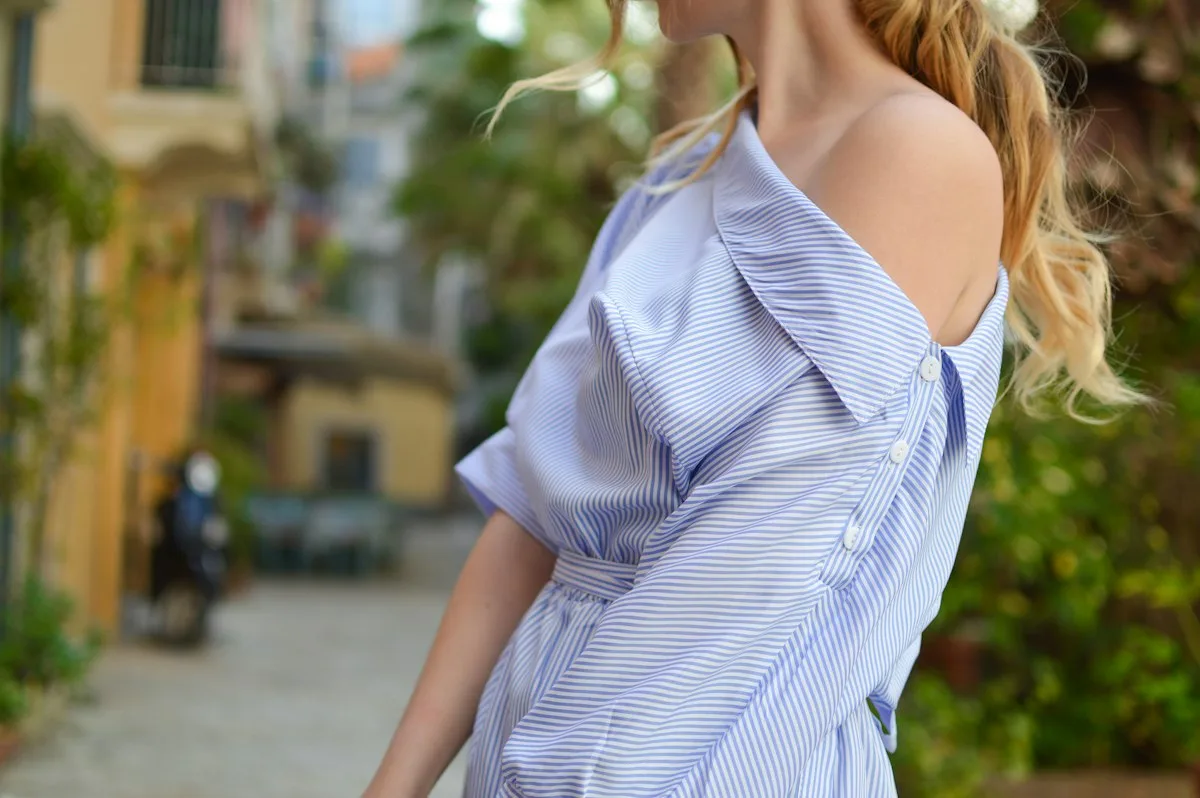
An off-shoulder dress has a neckline that sits below the shoulders and across the upper arms, leaving the shoulders and collarbones bare. It is also known as a Bardot neckline, after the French actress Brigitte Bardot, who wore the style in the 1950s and 1960s. The neckline is usually held in place with elastic. It can appear on anything from a casual cotton dress to an evening gown.
- What defines it: A wide neckline that exposes both shoulders.
- Best worn with: A strapless bra, statement earrings, and hair worn up to show the neckline. Skip the necklace or keep it delicate.
- Who it suits: Women who want to show off their shoulders and collarbones. It balances wider hips by adding width to the top half.
10. Little Black Dress
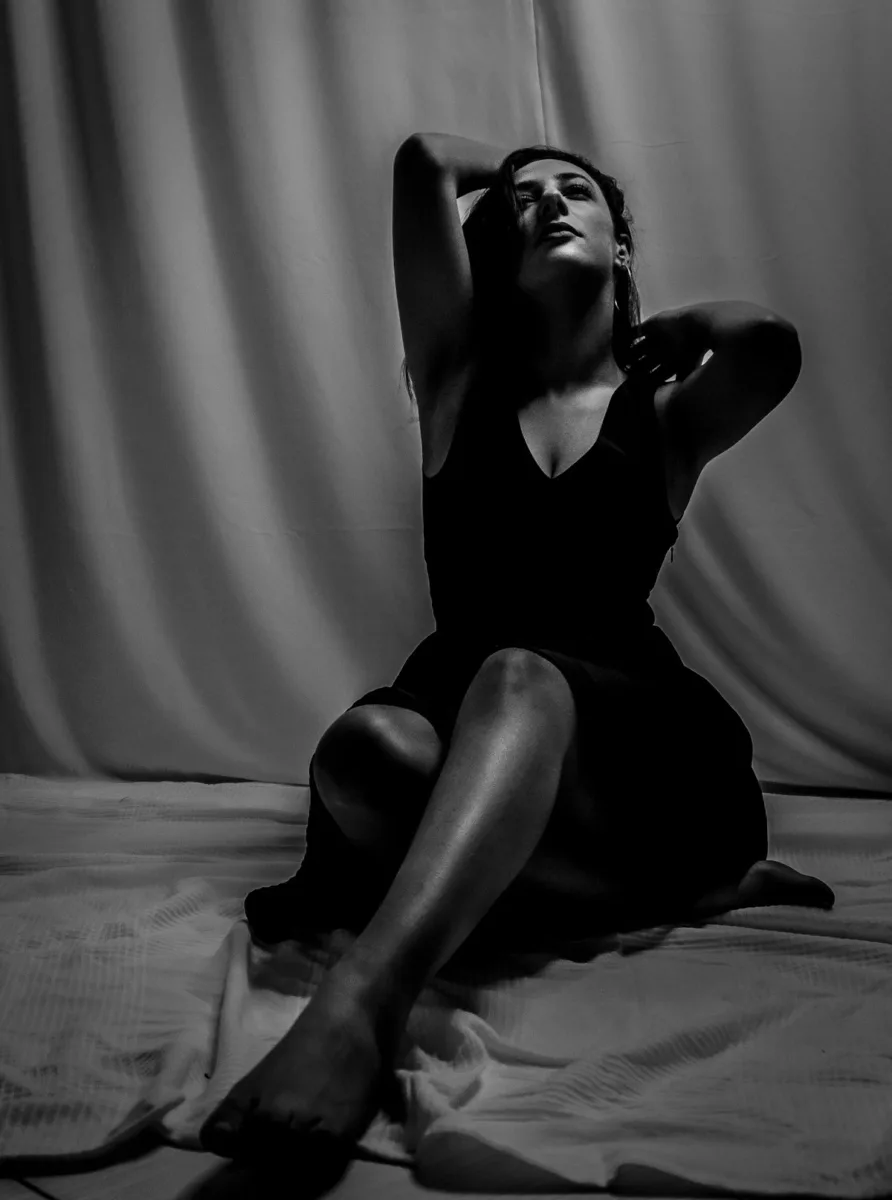
The little black dress, often shortened to LBD, is a simple black dress that can be worn to almost any occasion. Coco Chanel introduced the idea in 1926, when a magazine published her plain black design and predicted it would become a uniform for all women. Audrey Hepburn’s black dress in the 1961 film Breakfast at Tiffany’s made it iconic. The cut can vary, but the idea stays the same: plain, black, and easy to style.
- What defines it: A plain black dress in a simple shape, usually knee-length or shorter.
- Best worn with: Almost anything: pearls and heels for formal events, or a denim jacket and sneakers for daytime.
- Who it suits: Every woman. Pick the cut that suits your figure and it will work for years.
11. Ball Gown
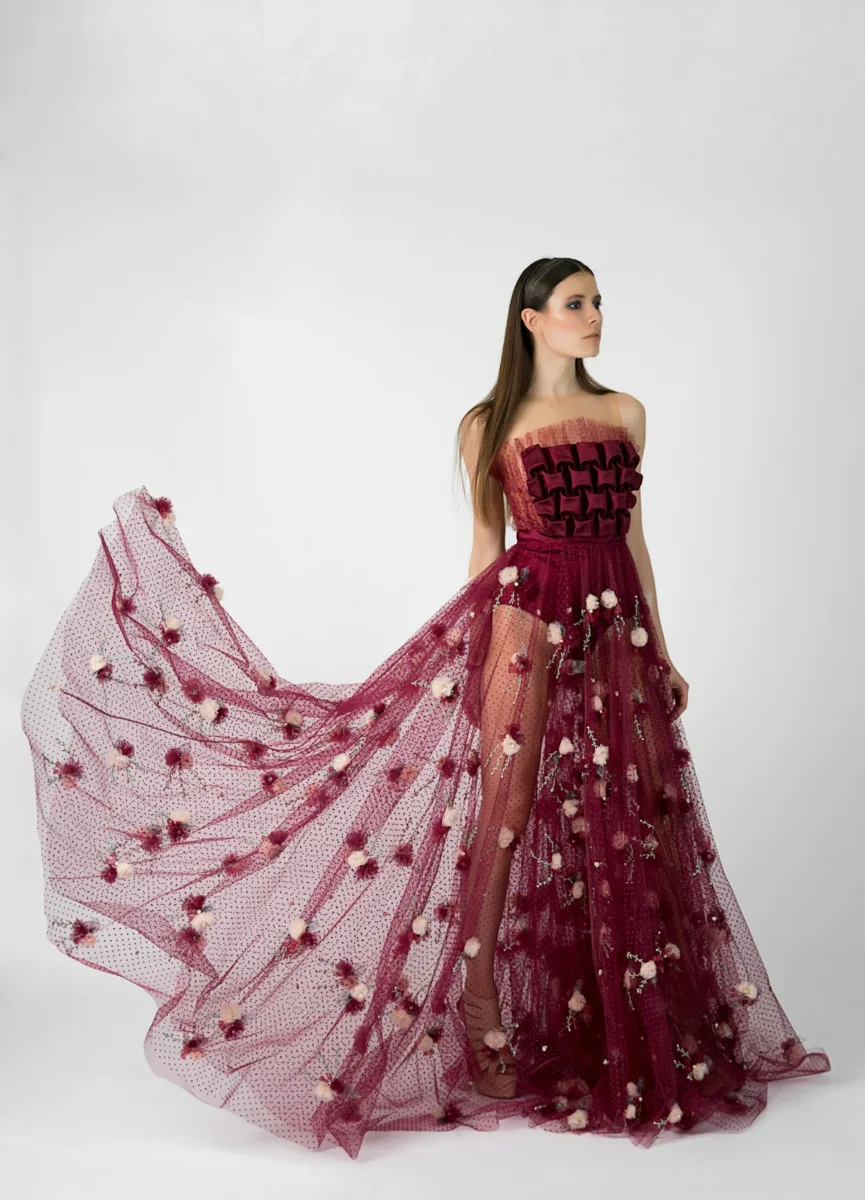
A ball gown is the most formal type of dress. It has a fitted bodice and a very full, floor-length skirt that is often held out by layers of tulle or a petticoat. It is made of rich fabrics such as satin, taffeta, and silk. Ball gowns are worn to white tie events, formal balls, galas, and opera evenings.
- What defines it: A fitted top and a wide, full skirt that reaches the floor.
- Best worn with: Heels, long gloves for the most formal events, fine jewelry, and an updo.
- Who it suits: Most figures, since the full skirt hides the hips and legs. Very petite women can look overwhelmed by too much fabric.
12. Wedding Dress
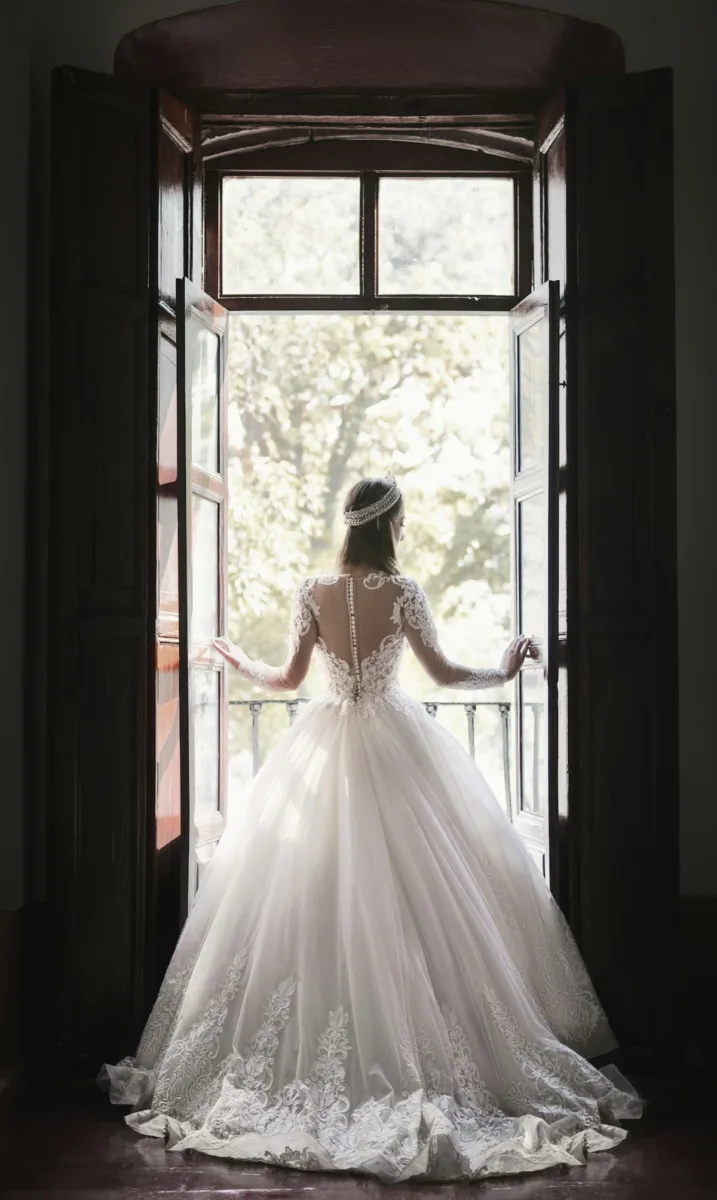
A wedding dress is the dress a bride wears at her wedding ceremony. In Western countries it is traditionally white or ivory, a custom that spread after Queen Victoria wore white at her wedding in 1840. In other cultures brides wear different colors, such as red in China and India. The main shapes are the ball gown, the A-line, the mermaid, which is fitted to the knee and then flares, and the straight sheath.
- What defines it: A formal gown made for the bride, usually white or ivory, often with lace, beading, or a train.
- Best worn with: A veil, bridal shoes, and simple jewelry that does not compete with the dress.
- Who it suits: Every bride. An A-line shape is the most widely flattering, while a mermaid cut suits those who want to show their curves.
Dress Shapes to Know
- A-line: fitted at the top and gradually wider toward the hem, like the letter A.
- Shift: hangs straight from the shoulders with little shaping at the waist.
- Sheath: a slim, fitted dress that follows the body in a straight line.
- Fit and flare: fitted through the bodice and waist with a skirt that flares out.
- Empire waist: the waistline sits just under the bust and the skirt falls loosely from there.
- Mermaid: fitted to the knee and then flaring out to the floor.
How to Choose the Right Type of Dress
Start with the dress code. Ball gowns and long evening dresses are for black-tie events, cocktail dresses are for semi-formal ones, and sundresses, shirt dresses, and maxi dresses are for everyday wear. Then choose a shape that you feel comfortable in: wrap and A-line dresses define the waist, while shift and slip dresses hang more loosely. To finish the outfit, see our guides to types of heels, types of earrings, and types of handbags.
Frequently Asked Questions
What are the main types of dresses?
The main types are maxi, midi, and mini dresses by length, and wrap, shirt, bodycon, slip, A-line, and shift dresses by shape. Formal types include cocktail dresses and ball gowns.
What is the difference between a maxi and a midi dress?
A maxi dress reaches the ankles or the floor. A midi dress ends somewhere between the knee and the ankle, usually at mid-calf.
Which type of dress suits every body shape?
Wrap dresses and A-line dresses are the most widely flattering because they define the waist and skim over the hips.
What is a cocktail dress?
A cocktail dress is a semi-formal dress, usually knee length, worn to weddings, parties, and evening events.
What does bodycon mean?
Bodycon is short for body-conscious. It describes a tight, stretchy dress that follows the shape of the body.