The most popular types of cake are chocolate cake, cheesecake, red velvet, carrot cake, Victoria sponge, pound cake, cupcakes, Bundt cake, loaf cake, tiramisu, and tiered wedding cake. Each one below has a picture, what it is made of, and what makes it different. Further down you will find the two baking families that almost every cake belongs to.
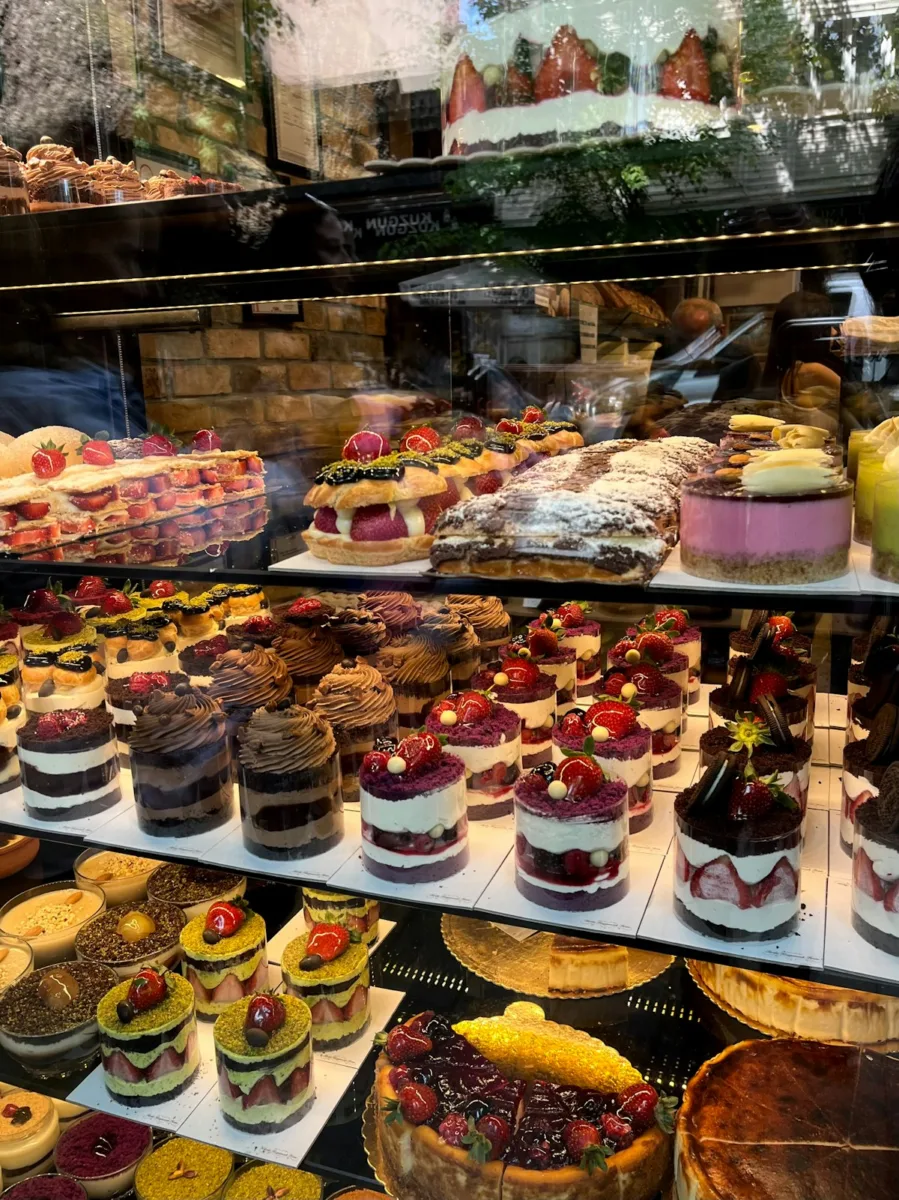
Types of Cake at a Glance
| Cake | Texture | Main flavor | Typical topping |
|---|---|---|---|
| Chocolate cake | Moist, rich | Cocoa or chocolate | Chocolate frosting or ganache |
| Cheesecake | Dense, creamy | Cream cheese | Fruit or plain |
| Red velvet | Soft, fine | Light cocoa, tangy | Cream cheese frosting |
| Carrot cake | Moist, textured | Carrot and spice | Cream cheese frosting |
| Victoria sponge | Light, airy | Vanilla and butter | Jam and cream |
| Pound cake | Dense, buttery | Butter and vanilla | Plain or glazed |
| Cupcakes | Soft | Any | Buttercream |
| Bundt cake | Moist, firm | Any | Glaze or icing sugar |
| Loaf cake | Moist, firm | Lemon, banana, or vanilla | Icing or drizzle |
| Tiramisu | Soft, creamy | Coffee and cocoa | Cocoa powder |
| Wedding cake | Firm layers | Any | Fondant or buttercream |
Different Types of Cake with Pictures
1. Chocolate Cake
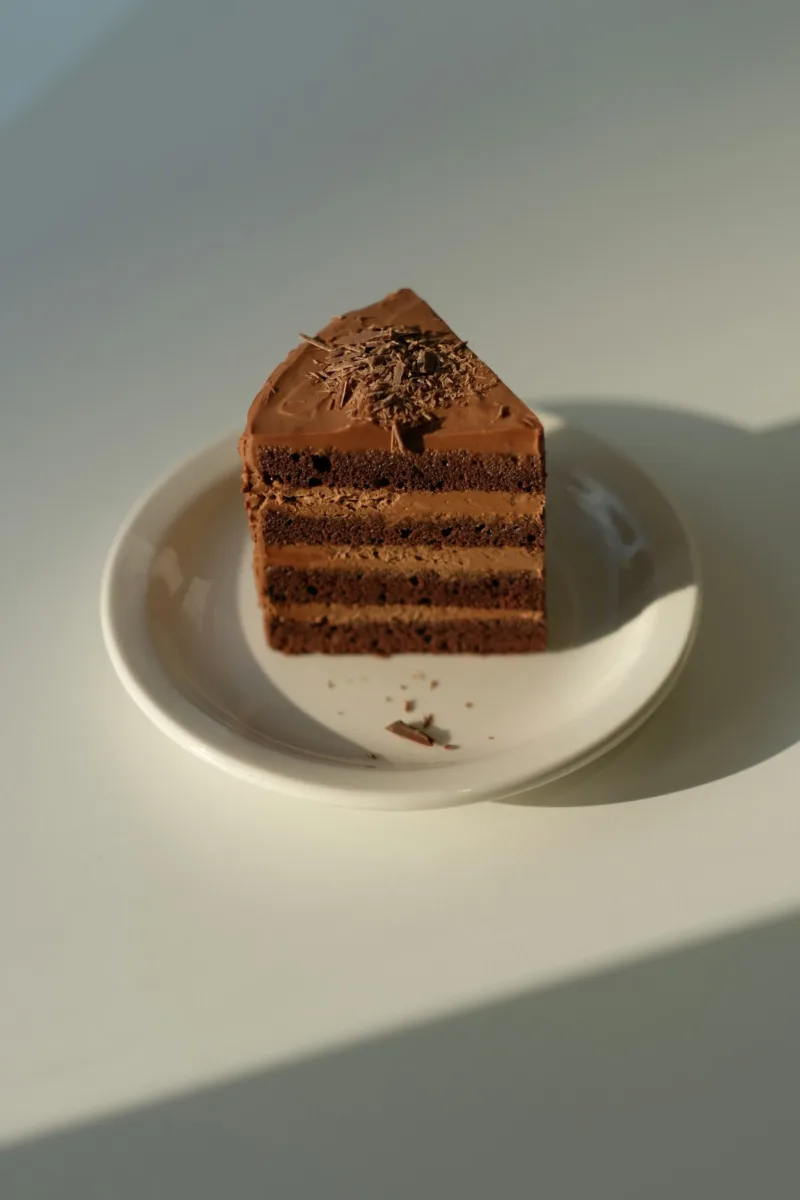
Chocolate cake is a cake flavored with cocoa powder, melted chocolate, or both. It ranges from a light, airy sponge to a dense, almost fudge-like cake made with very little flour. Well-known versions include devil’s food cake, which is dark and soft, German chocolate cake with its coconut and pecan topping, and flourless chocolate cake. A little coffee or hot water in the batter deepens the chocolate flavor without making the cake taste of coffee.
- What defines it: Cocoa or melted chocolate in the batter, usually with a chocolate frosting or ganache.
- Taste and texture: Rich and sweet with a slight bitterness. The crumb can be light and fluffy or dense and moist.
- Best for: Birthdays, celebrations, and anyone who loves chocolate. It is the safest choice for a crowd.
2. Cheesecake
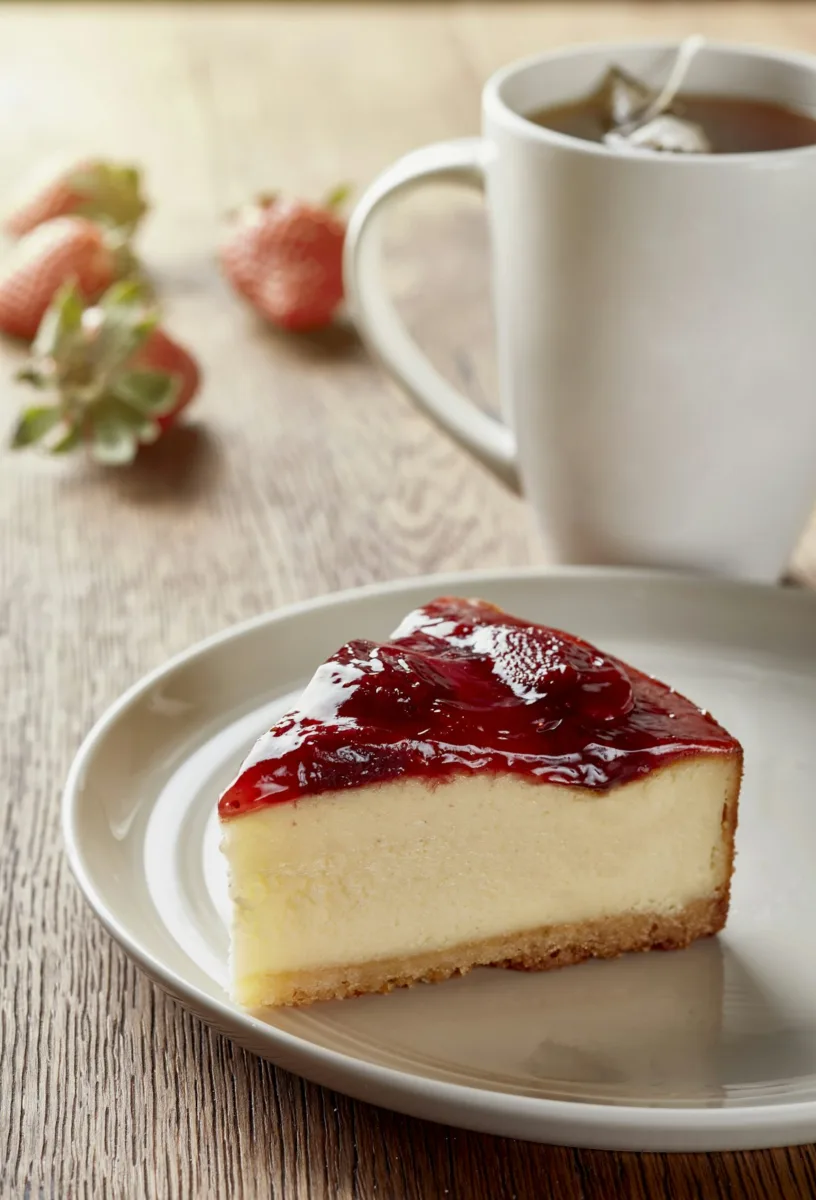
Cheesecake has a thick filling made from soft cheese, sugar, and usually eggs, sitting on a base of crushed biscuits or graham crackers. New York cheesecake is baked, dense, and made with cream cheese. No-bake cheesecake is set in the fridge and is lighter. Basque cheesecake has no crust and a dark, burnt top, and Japanese cheesecake is tall, airy, and jiggly. Baked cheesecakes should cool slowly to stop the top from cracking.
- What defines it: A soft-cheese filling on a crumb base, baked or chilled until set.
- Taste and texture: Creamy, smooth, and tangy, with a crunchy, buttery base.
- Best for: Dinner parties and make-ahead desserts. It needs several hours in the fridge, so it is best made the day before.
3. Red Velvet Cake
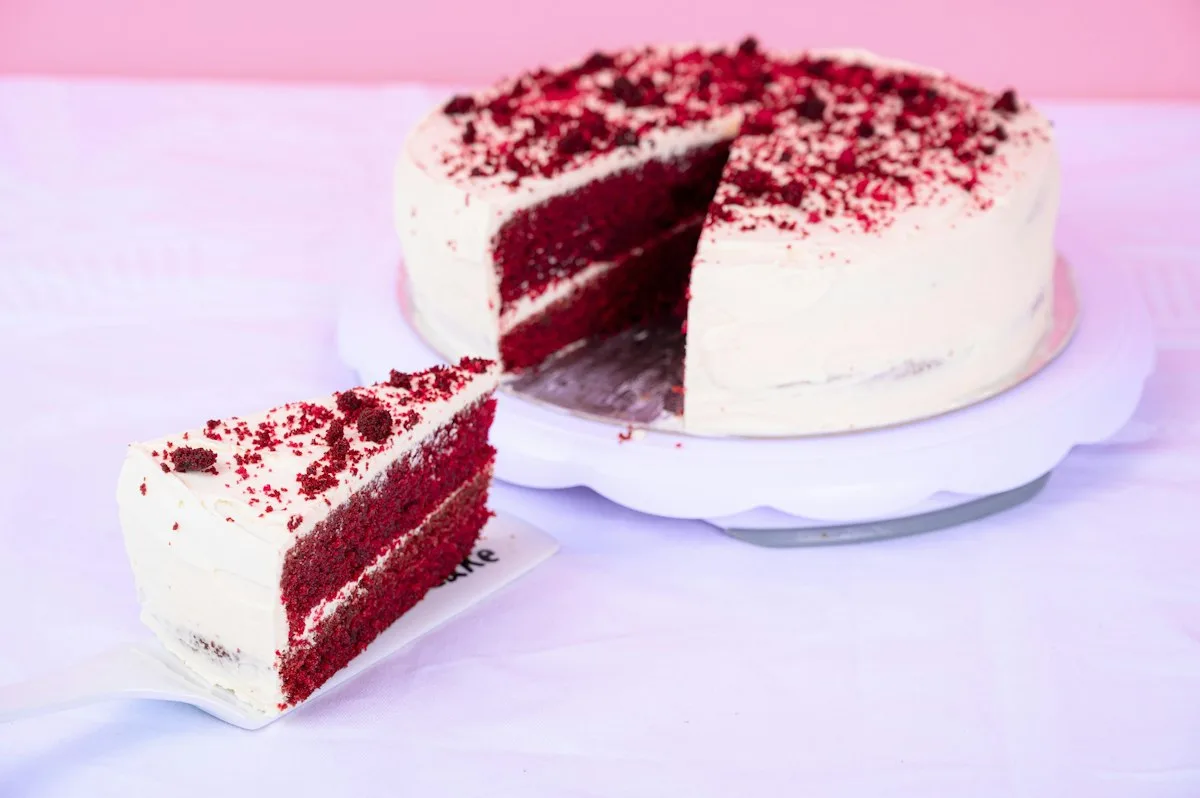
Red velvet cake is a soft, fine-crumbed layer cake with a deep red color and a small amount of cocoa. Buttermilk and a little vinegar in the batter give it a gentle tang and a very tender texture. In older recipes the red tint came from a reaction between natural cocoa and the acidic ingredients, while most modern recipes use red food coloring or beet juice. It is almost always covered in white cream cheese frosting.
- What defines it: A red crumb, a hint of cocoa, buttermilk in the batter, and cream cheese frosting.
- Taste and texture: Mild chocolate and vanilla with a slight tang. The crumb is soft and velvety.
- Best for: Valentine’s Day, Christmas, weddings, and birthdays where you want a striking slice.
4. Carrot Cake
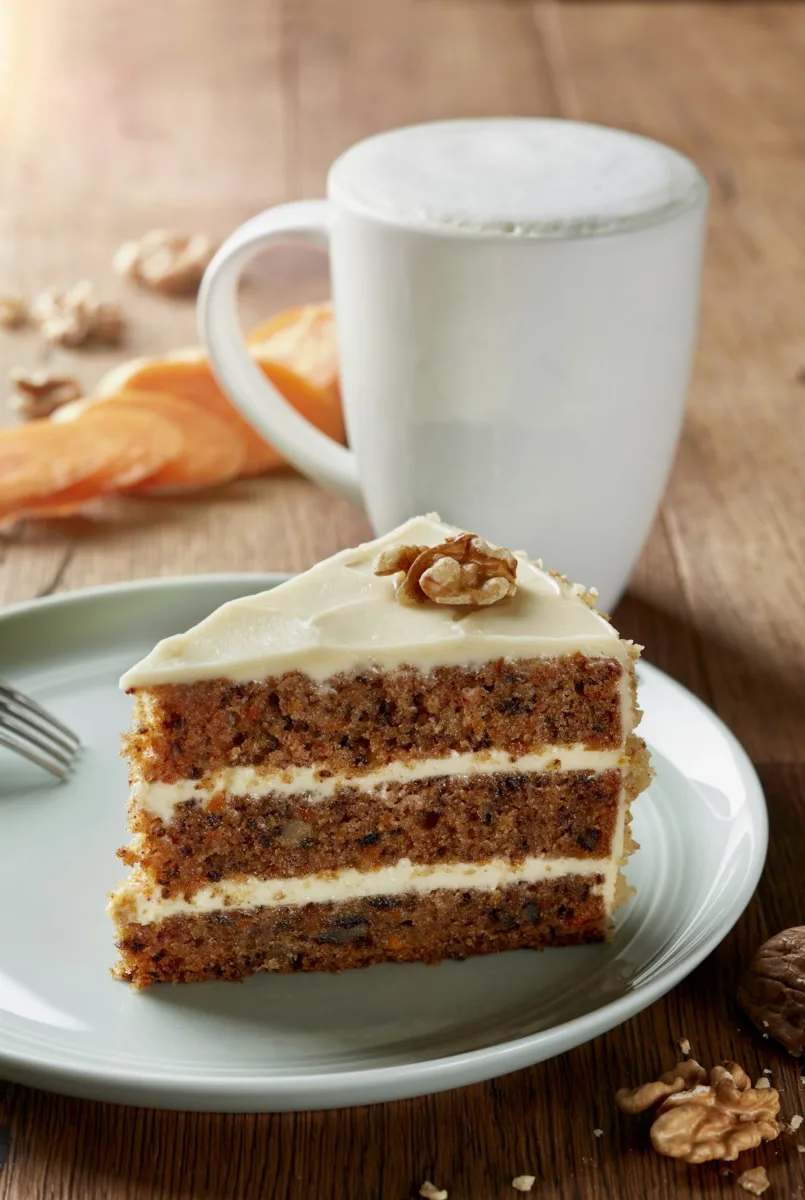
Carrot cake is a moist, spiced cake made with finely grated carrots and oil instead of butter. The carrots soften as the cake bakes and add sweetness and moisture, so the cake stays fresh for days. Cinnamon, nutmeg, and ginger provide the warmth, and many recipes add walnuts, pecans, raisins, or crushed pineapple. It is traditionally finished with cream cheese frosting.
- What defines it: Grated carrots, warm spices, an oil-based batter, and cream cheese frosting.
- Taste and texture: Moist, tender, and gently spiced, with a little crunch if nuts are added.
- Best for: Easter, spring gatherings, afternoon tea, and people who find chocolate cake too rich.
5. Victoria Sponge
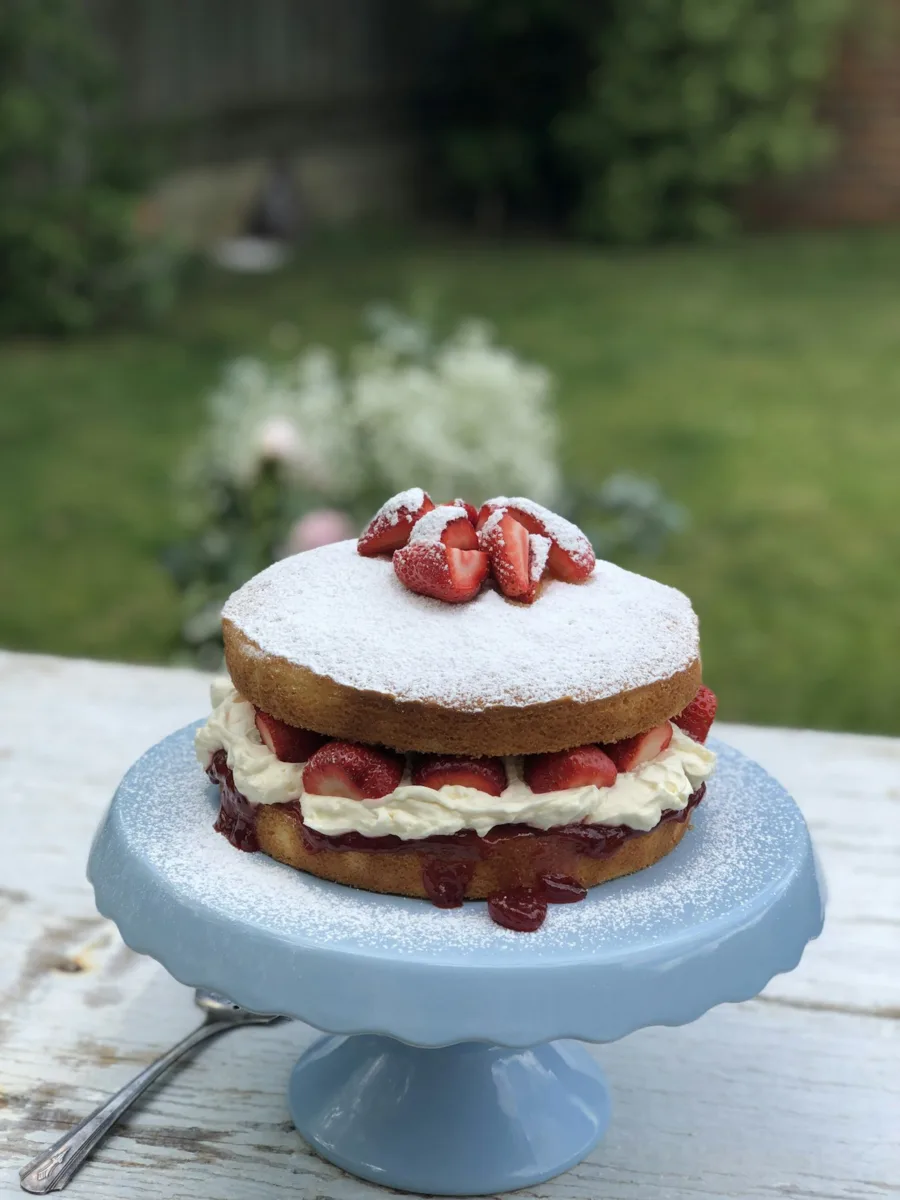
Victoria sponge is the classic British tea-time cake: two layers of plain butter sponge sandwiched with raspberry or strawberry jam and whipped cream or buttercream, with a dusting of sugar on top. It is named after Queen Victoria, who is said to have enjoyed a slice with her afternoon tea. The traditional recipe uses equal weights of butter, sugar, eggs, and flour. It is best eaten on the day it is made.
- What defines it: Two sponge layers filled with jam and cream, with no frosting on the outside.
- Taste and texture: Light, buttery, and soft, with sweet fruit and cool cream in the middle.
- Best for: Afternoon tea, summer parties, and beginner bakers learning the basics.
6. Pound Cake
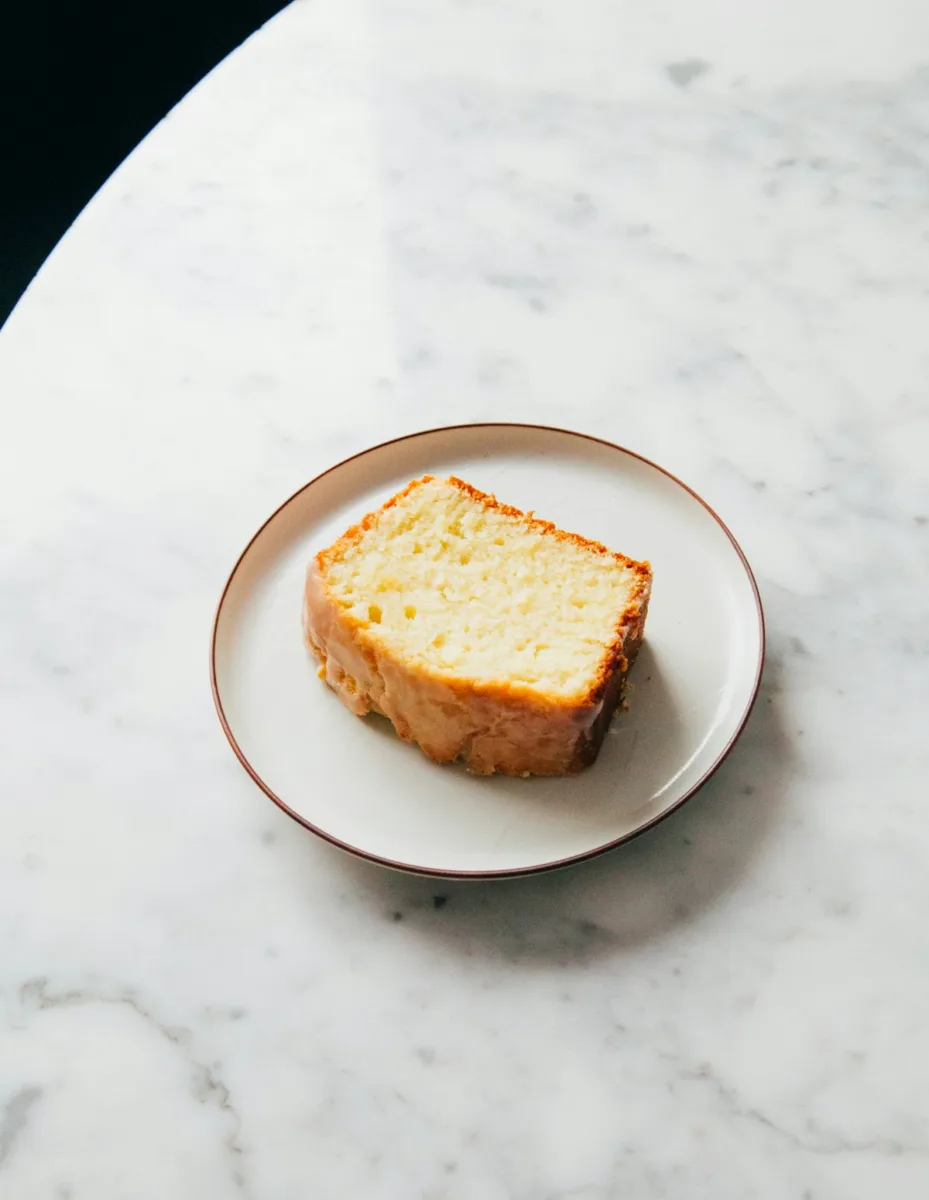
Pound cake gets its name from the original recipe, which called for a pound each of butter, sugar, eggs, and flour. It has no baking powder in its oldest form, and the rise comes from air beaten into the butter and eggs. The result is a dense, close-textured cake that slices cleanly and keeps well. It is usually baked in a loaf or tube pan and served plain or with a thin glaze.
- What defines it: Equal parts butter, sugar, eggs, and flour, baked into a dense, golden cake.
- Taste and texture: Rich, buttery, and firm, with a fine, tight crumb.
- Best for: Serving with berries and cream, toasting, trifles, and cakes that need to travel.
7. Cupcakes
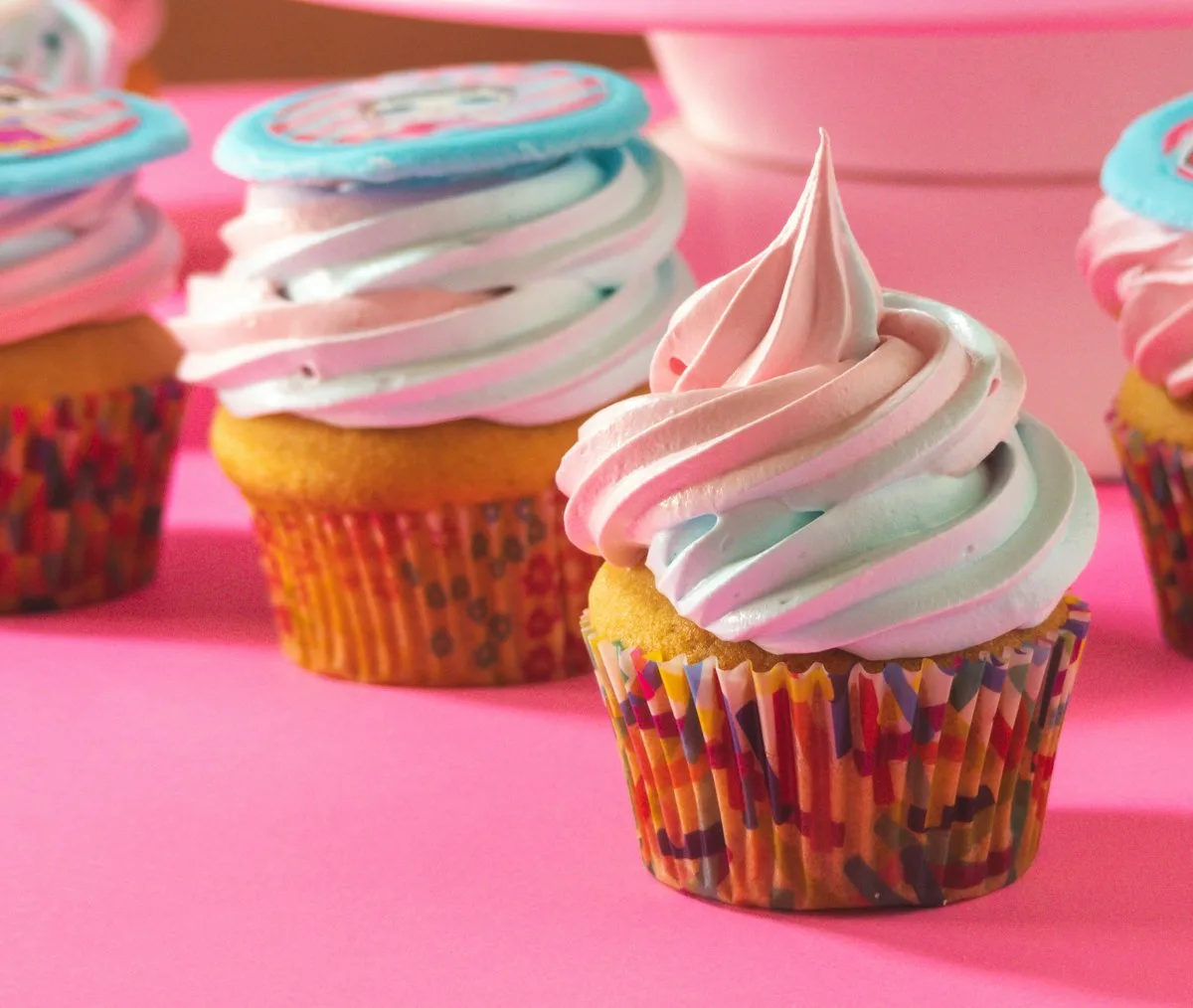
Cupcakes are small, single-serving cakes baked in paper liners in a muffin tin. They take about 20 minutes to bake, far less than a full cake, and can be made in any flavor. Each one is finished with a swirl of frosting and often sprinkles or other decorations. Because they need no cutting, plates, or forks, they are one of the easiest cakes to serve to a group.
- What defines it: An individual cake baked in a paper cup and topped with frosting.
- Taste and texture: Soft and light, with a generous layer of sweet frosting.
- Best for: Children’s parties, bake sales, office treats, and any event where people eat standing up.
8. Bundt Cake
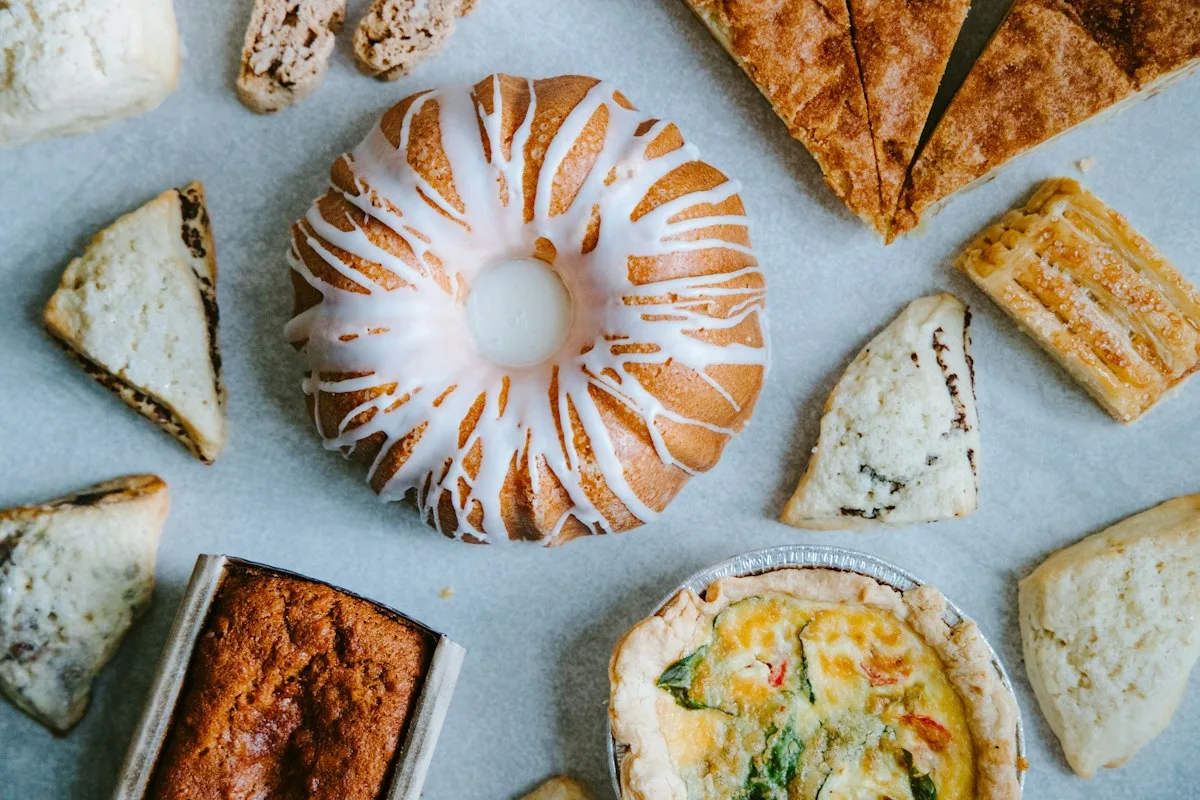
A Bundt cake is defined by its pan, not its recipe. The pan is round with fluted, decorative sides and a hollow tube in the center, which helps a thick batter bake evenly all the way through. The shape was inspired by a European ring cake and became popular in American homes in the 1960s. Because the pan gives the cake its pattern, it needs only a simple glaze or a dusting of sugar. Greasing every groove of the pan is essential so the cake comes out in one piece.
- What defines it: A ring shape with ridged sides, made in a fluted tube pan.
- Taste and texture: Usually dense and moist, similar to pound cake, since firm batters hold the pattern best.
- Best for: Brunches, potlucks, and holidays when you want a good-looking cake without decorating skills.
9. Loaf Cake
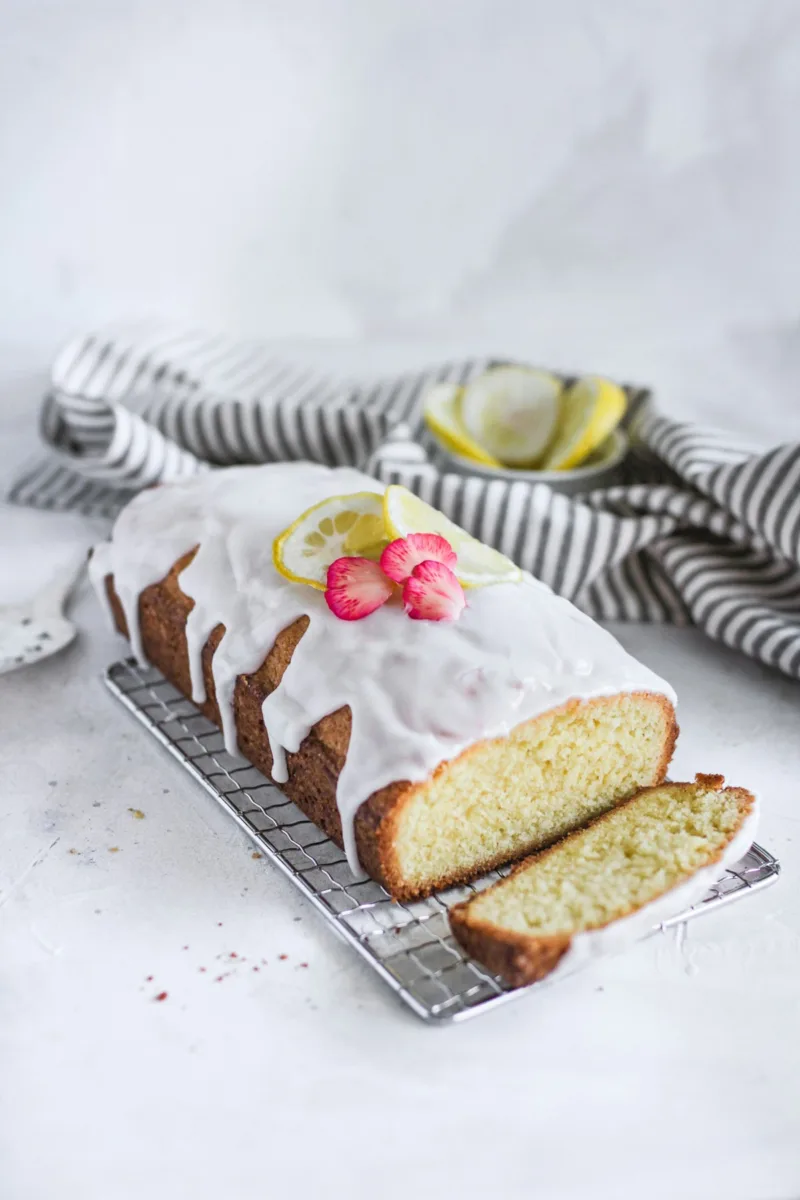
Loaf cake is any cake baked in a rectangular loaf pan and cut into slices like bread. Lemon drizzle, banana bread, marble cake, and gingerbread loaf are all familiar examples. They are simple to mix, usually in one bowl, and need no layering or filling. Most are finished with a drizzle of icing or left plain. They wrap and freeze well.
- What defines it: A rectangular cake that is sliced, not cut into wedges.
- Taste and texture: Moist and sturdy, with a slightly denser crumb than a layer cake.
- Best for: Everyday baking, lunch boxes, coffee breaks, and gifts.
10. Tiramisu
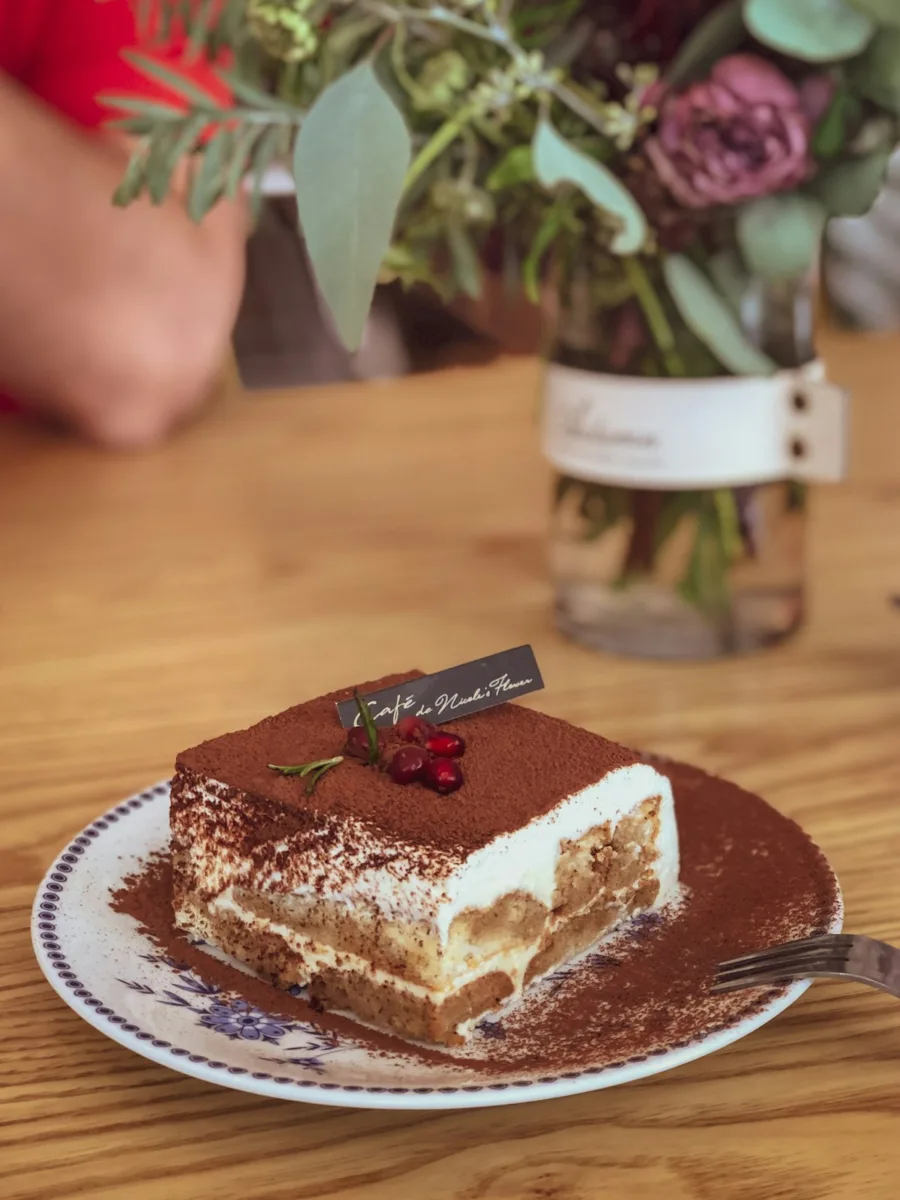
Tiramisu is an Italian dessert that is assembled, not baked. Sponge fingers, called ladyfingers or savoiardi, are dipped quickly in strong coffee and layered with a cream made from mascarpone cheese, eggs, and sugar. The top is dusted with cocoa powder. The name means “pick me up” in Italian, a nod to the coffee. Many recipes add a splash of Marsala wine, rum, or coffee liqueur. It needs at least six hours in the fridge to set.
- What defines it: Coffee-soaked sponge fingers layered with mascarpone cream and topped with cocoa.
- Taste and texture: Soft, creamy, and cool, with coffee and cocoa balancing the sweetness.
- Best for: Dinner parties and make-ahead desserts. It contains coffee and often alcohol, so it is mainly for adults.
11. Wedding Cake
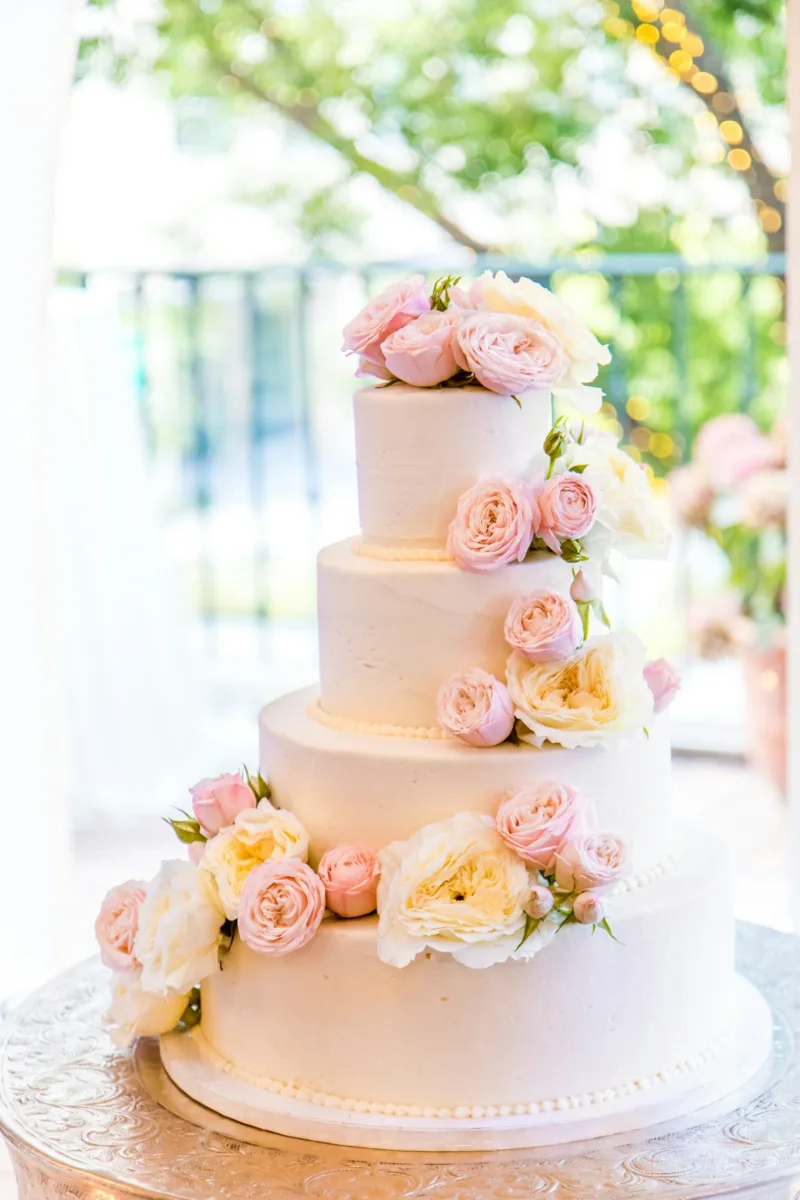
A wedding cake is a large celebration cake, usually built from two or more tiers stacked on top of each other. Inside, each tier is supported by hidden dowels and boards so the cake does not sink under its own weight. The outside is covered in buttercream or smooth fondant and decorated with flowers, piping, or fruit. In Britain the traditional wedding cake is a rich fruitcake, while in the United States it is more often vanilla, lemon, or chocolate sponge. Couples commonly choose a different flavor for each tier.
- What defines it: Stacked tiers, a smooth finish, and decoration matched to the wedding.
- Taste and texture: Depends on the flavor chosen. The cake must be firm enough to stack.
- Best for: Weddings, anniversaries, and other large formal events.
The Two Main Families of Cake
Almost every cake belongs to one of two groups. Butter cakes, also called shortened cakes, get their richness from butter or oil and rise with baking powder or baking soda. Chocolate cake, pound cake, carrot cake, and red velvet are butter cakes. Foam cakes rise mainly from air beaten into eggs and contain little or no fat. Sponge cake, angel food cake, and genoise are foam cakes. Chiffon cake is a mix of the two: it uses oil for moisture and whipped egg whites for lift.
More Types of Cake
- Angel food cake: a tall, white, fat-free cake made with whipped egg whites.
- Black Forest cake: a German chocolate cake layered with cherries and whipped cream.
- Fruit cake: a dense cake packed with dried fruit and nuts, traditional at Christmas.
- Upside-down cake: a cake baked with fruit at the bottom of the pan, then turned over to serve.
- Coffee cake: a simple cake with a crumb topping, made to be eaten with coffee.
- Ice cream cake: layers of ice cream, sometimes with sponge, served frozen.
Planning a celebration? See our guide to types of wedding themes. For holiday baking, see types of Christmas cookies, and for something to drink with your slice, see types of coffee and types of tea.
Frequently Asked Questions
What are the main types of cake?
Cakes fall into two main families: butter cakes, which are rich and made with butter or oil, and foam cakes, which are light and rise from whipped eggs.
What is the most popular type of cake?
Chocolate cake is generally the most popular flavor, followed by vanilla, red velvet, and cheesecake.
What is the difference between sponge cake and pound cake?
Sponge cake is light and airy because it rises from whipped eggs. Pound cake is dense and buttery because it contains a large amount of butter.
Is cheesecake a cake or a pie?
Cheesecake has a crust and a custard-like filling, so it is technically closer to a tart or pie. It is called a cake because of how it is shaped and served.
Which type of cake is best for stacking in tiers?
Firm, dense cakes such as pound cake, sturdy butter cakes, and fruit cake are best for tiers. Very light sponges can collapse under the weight.
Related Guides
- Types of Christmas Cookies
- Types of Bread
- Types of Coffee Drinks
- Types of Berries
- Types of Wedding Themes