There are six types of true tea: green, black, white, oolong, pu-erh, and yellow. All six come from the same plant, Camellia sinensis, and the difference between them is how much the leaves are oxidized after picking. Herbal teas such as peppermint, chamomile, and hibiscus are made from other plants. This guide explains each type, how it tastes, and how much caffeine it has.
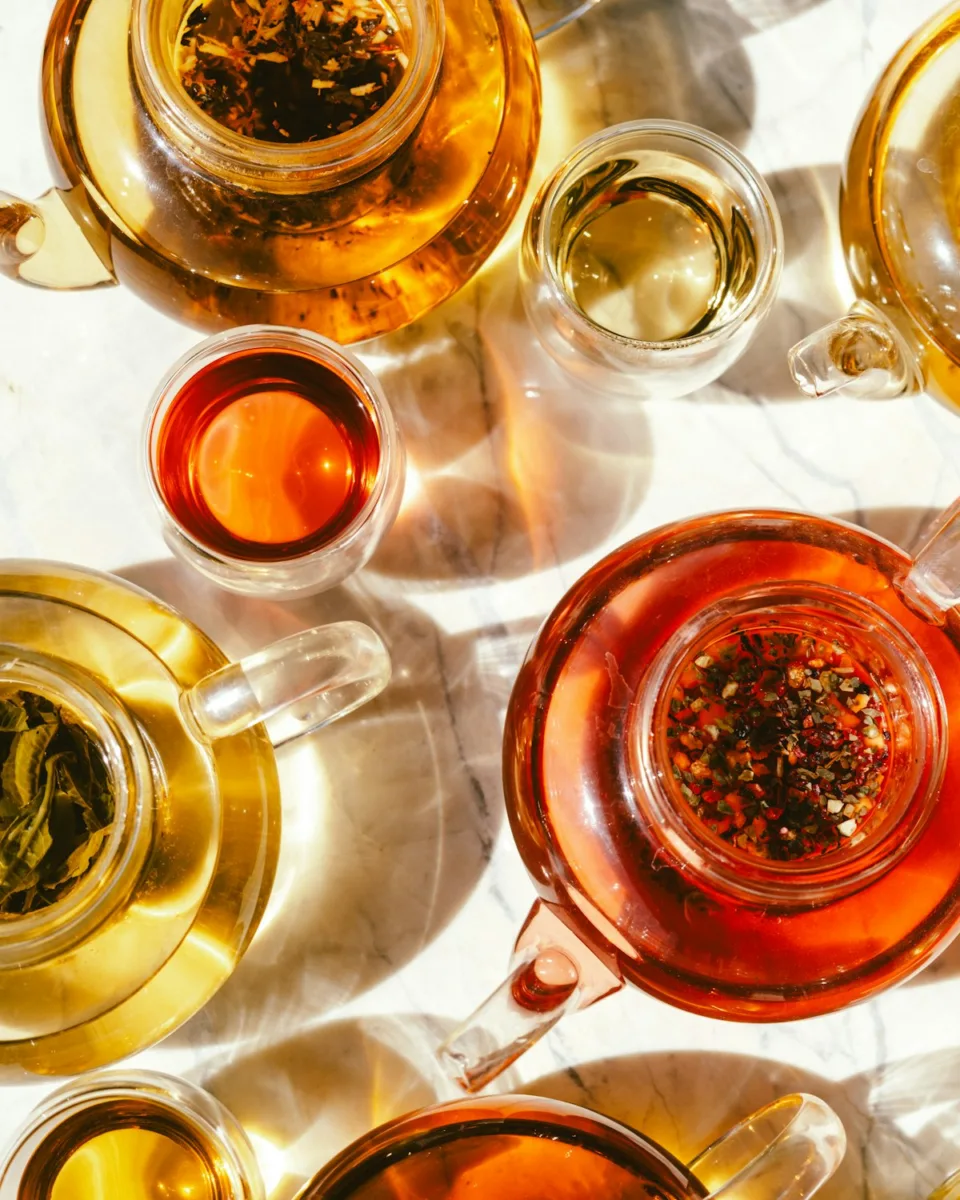
Types of Tea at a Glance
| Tea | Processing | Taste | Caffeine |
|---|---|---|---|
| Green | Not oxidized | Fresh, grassy | Low to medium |
| Black | Fully oxidized | Bold, malty | Medium to high |
| White | Withered and dried only | Delicate, slightly sweet | Low |
| Oolong | Partly oxidized | Floral to roasted | Medium |
| Pu-erh | Fermented and aged | Earthy, smooth | Medium |
| Yellow | Lightly oxidized, slowly dried | Mellow, sweet | Low to medium |
| Herbal teas | Dried herbs, flowers, or fruit | Varies | None |
The 6 True Teas
1. Green Tea
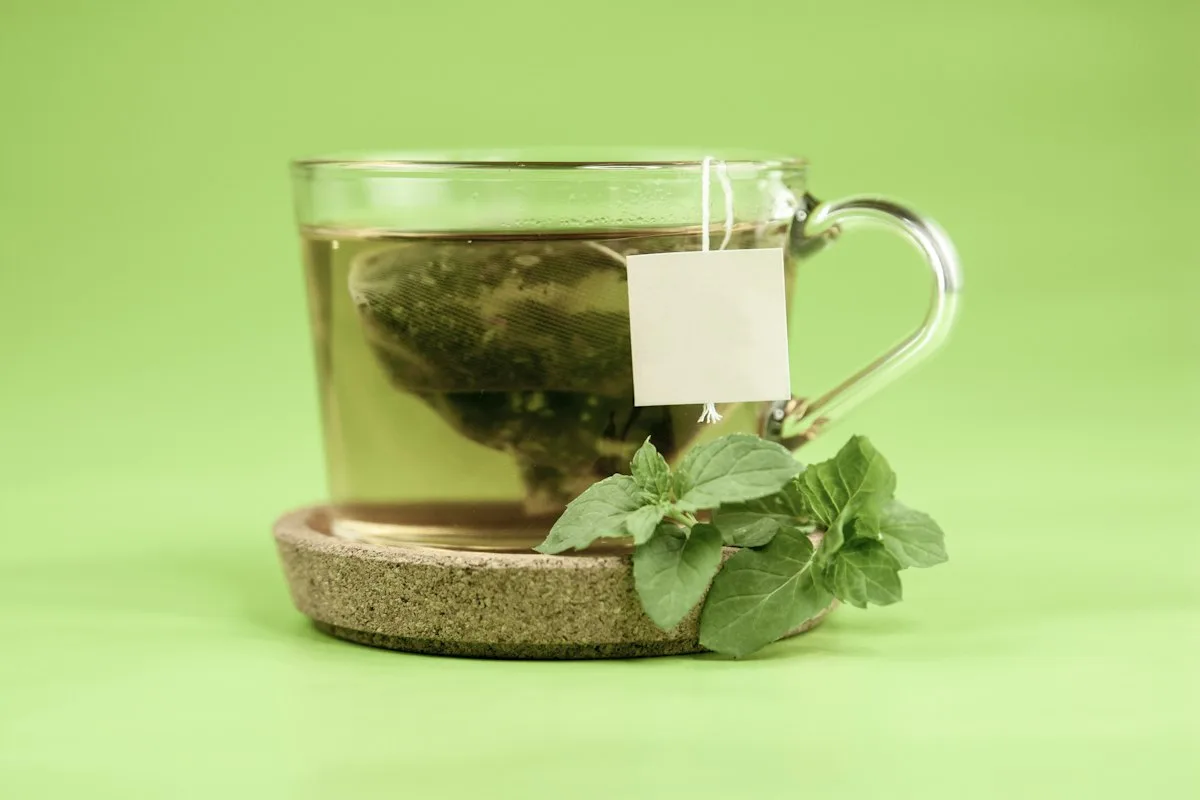
Green tea is made by heating the leaves soon after they are picked, which stops oxidation and keeps them green. The method of heating shapes the flavor. In China the leaves are usually tossed in a hot pan, which gives a toasty, nutty taste, and in Japan they are steamed, which gives a brighter, more grassy taste. Well-known green teas include Sencha and Gyokuro from Japan, and Dragon Well (Longjing) and gunpowder from China. Green tea has less caffeine than black tea, roughly a third to half as much per cup.
Taste: Fresh and grassy, sometimes nutty or slightly sweet, with a gentle bitterness if it is brewed too hot.
How to brew it: Use water at about 175°F (80°C), well below boiling, and steep for two to three minutes. Boiling water makes green tea bitter.
2. Black Tea
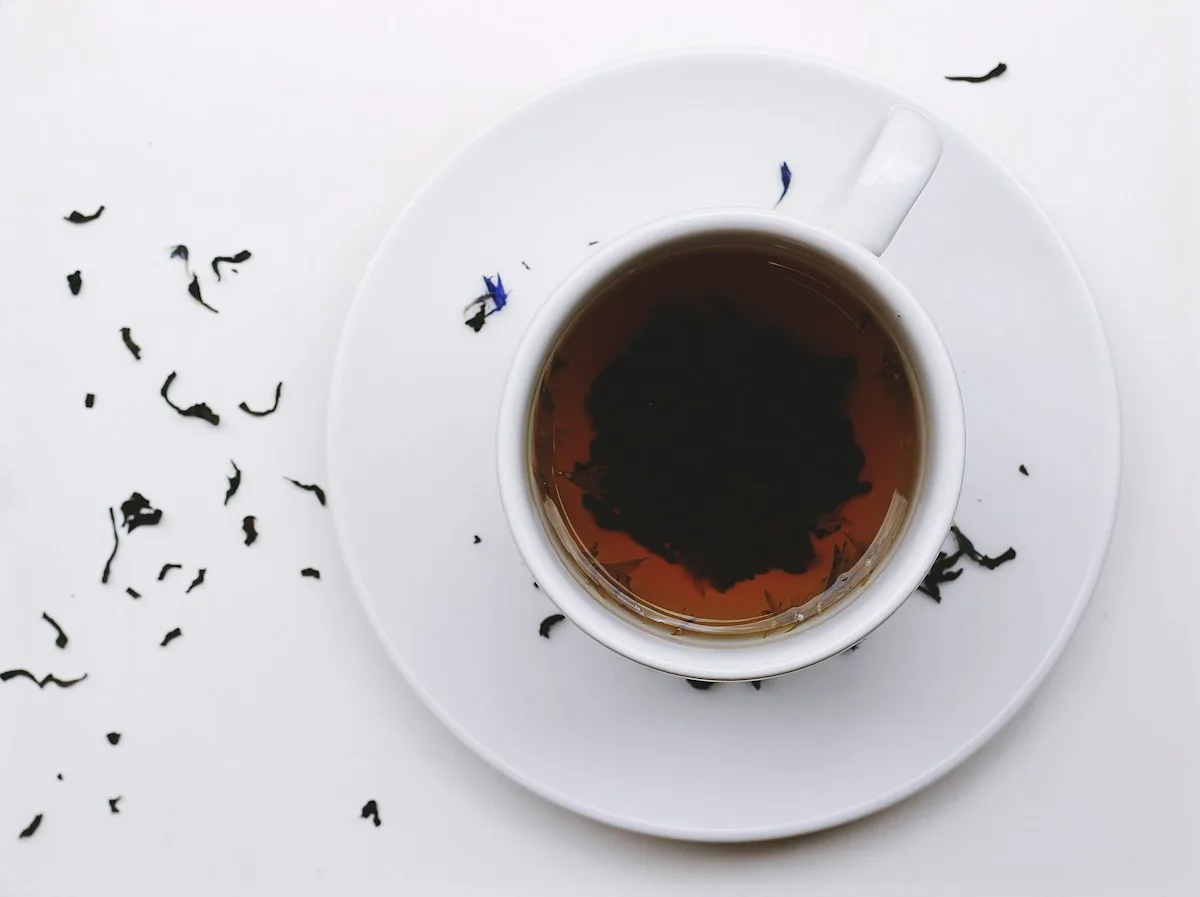
Black tea is fully oxidized. After picking, the leaves are withered, rolled to break their cells, and left exposed to the air until they turn dark brown, then dried. This gives the strongest flavor and the longest shelf life of any tea, which is why black tea became the main tea of world trade. Assam is malty and strong, Darjeeling is lighter and floral, Ceylon from Sri Lanka is brisk and citrusy, and Keemun from China is smooth and slightly smoky. Black tea is the base for breakfast blends, Earl Grey, iced tea, and chai.
Taste: Bold, malty, and brisk, sometimes fruity or smoky. It has the most caffeine of the true teas.
How to brew it: Use water just off the boil and steep for three to five minutes. It is the tea that stands up best to milk and sugar.
3. White Tea
White tea is the least processed of all teas. Young buds and leaves are picked, left to wither, and then dried, with no rolling or heating in a pan. The name comes from the fine silvery-white hairs that cover the unopened buds. It comes mainly from Fujian province in China. Silver Needle is made only from buds and is the most prized, while White Peony includes the first leaves and has a fuller flavor.
Taste: Delicate, light, and slightly sweet, with floral or honey notes and almost no bitterness.
How to brew it: Use water at 175 to 185°F (80 to 85°C) and steep for three to five minutes. Use a generous amount of leaf, because white tea is light and fluffy.
4. Oolong Tea
Oolong is partly oxidized, so it sits between green and black tea, and it covers a very wide range. The leaves are bruised by shaking or rolling, allowed to oxidize partway, and then heated to stop the process. Lightly oxidized oolongs, such as Tieguanyin, are green, floral, and creamy. Heavily oxidized and roasted oolongs, such as Da Hong Pao, are dark, toasty, and rich. Most oolong comes from Fujian in China and from Taiwan, and the leaves are often rolled into tight balls that open up in the pot.
Taste: From floral and buttery to roasted, nutty, and fruity, depending on how far it was oxidized.
How to brew it: Use water at about 195°F (90°C) and steep for three to four minutes. Good oolong can be steeped several times, and the flavor changes with each cup.
5. Pu-erh Tea
Pu-erh is a fermented tea from Yunnan province in China. After the leaves are processed, they go through a slow microbial fermentation and are aged, sometimes for decades, which makes it the only tea that is expected to improve with age like wine. It is usually pressed into round cakes or bricks, and pieces are broken off to brew. Raw pu-erh ages slowly and naturally, while ripe pu-erh is fermented quickly to give an aged taste sooner.
Taste: Deep, earthy, and smooth, sometimes woody or sweet, with very little bitterness in ripe pu-erh.
How to brew it: Rinse the leaves quickly with boiling water and pour that away, then steep in boiling water for two to four minutes. It can be steeped many times.
6. Yellow Tea
Yellow tea is the rarest of the six types and is made almost only in China, in small amounts. It starts like green tea, but after heating, the warm, damp leaves are wrapped in cloth or paper and left to rest. This slow step, called sealed yellowing, turns the leaves slightly yellow and removes the sharp, grassy edge of green tea. Junshan Yinzhen is the most famous example.
Taste: Mellow, smooth, and sweet, like a softer and rounder green tea.
How to brew it: Use water at 175 to 185°F (80 to 85°C) and steep for two to three minutes.
Matcha
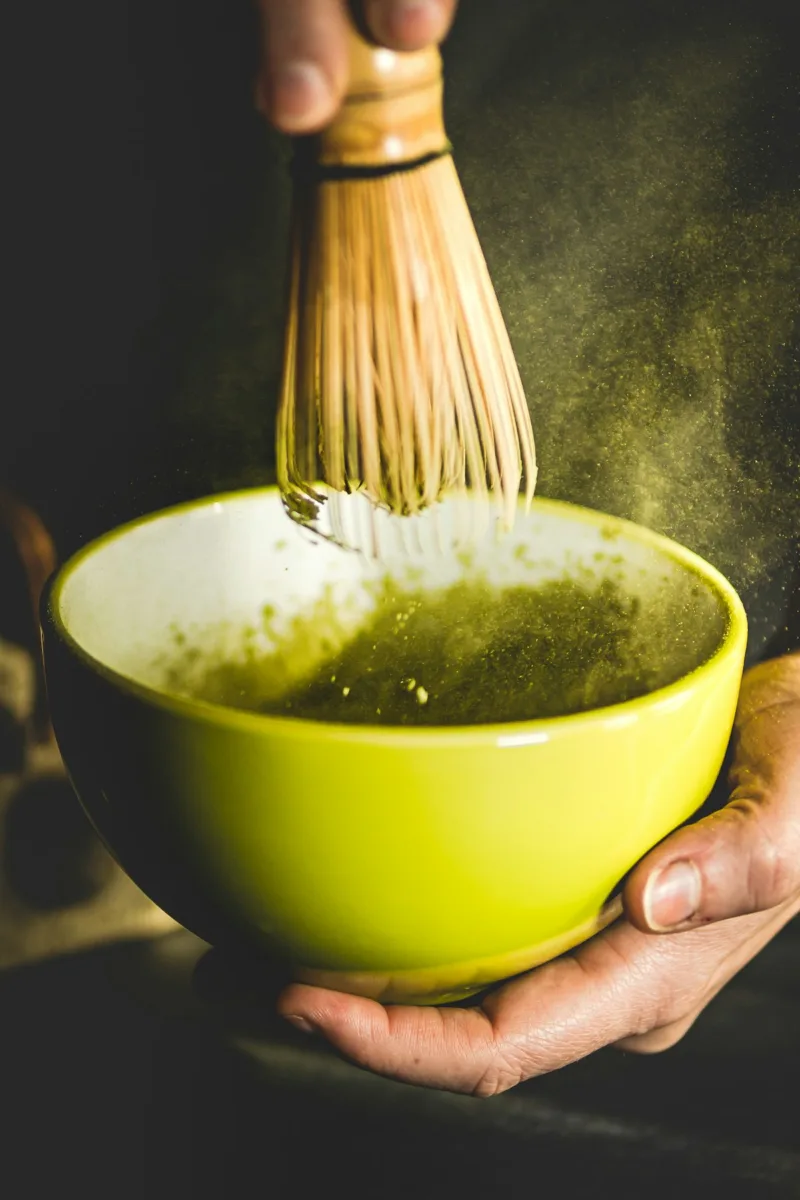
Matcha is a Japanese green tea made from shade-grown leaves that are ground into a fine powder. The powder is whisked into hot water, so you drink the whole leaf instead of an infusion. That makes matcha stronger in flavor and higher in caffeine than regular green tea.
Popular Herbal Teas
Herbal teas, also called tisanes, are not true teas because they do not come from the tea plant. Most are naturally caffeine-free.
Peppermint Tea
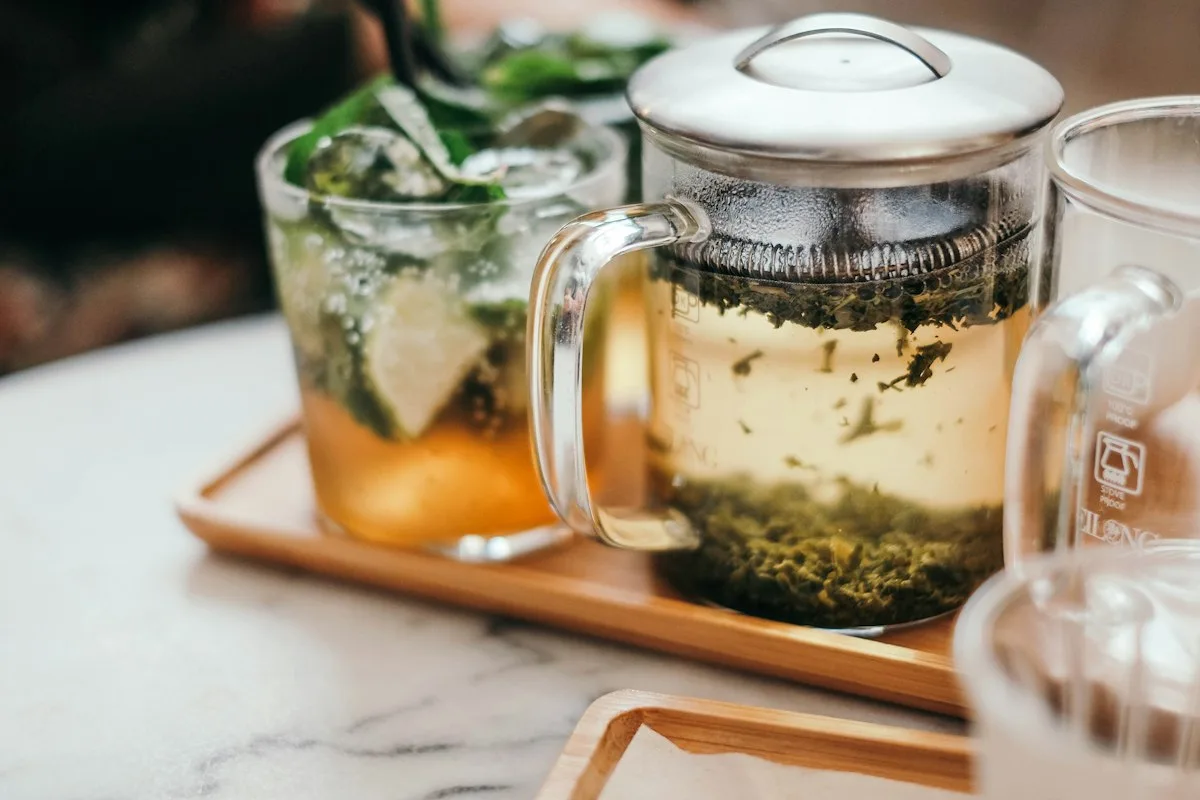
Peppermint tea is made by steeping fresh or dried peppermint leaves in hot water. It contains no tea leaves and no caffeine. The cooling sensation comes from menthol, the natural oil in the plant. It is one of the most popular herbal teas in the world and is traditionally drunk after meals.
Taste: Cool, clean, and refreshing, with a natural sweetness.
How to brew it: Pour boiling water over the leaves and steep for five to seven minutes. It is also very good iced.
Hibiscus Tea
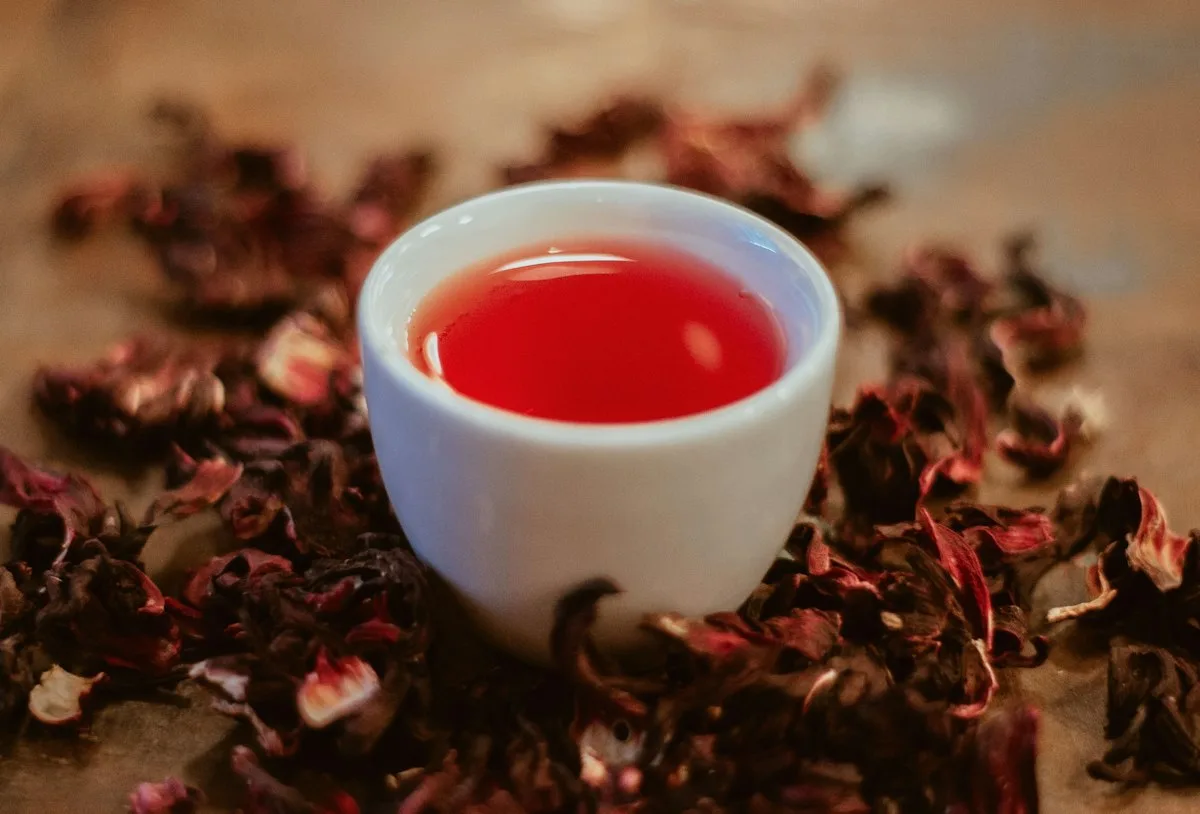
Hibiscus tea is made from the dried, deep red calyces of the roselle hibiscus flower. It is drunk around the world under different names: agua de Jamaica in Mexico, karkade in Egypt and Sudan, and sorrel in the Caribbean. It brews a brilliant ruby-red color and has no caffeine.
Taste: Sour and fruity, similar to cranberry, and usually sweetened with sugar or honey.
How to brew it: Steep in boiling water for five to ten minutes, then sweeten to taste. It is most often served cold over ice.
Chamomile Tea
Chamomile tea is made from the small, daisy-like flowers of the chamomile plant. It has been used as a calming bedtime drink for centuries and contains no caffeine. The dried flower heads are steeped whole, and the tea brews a clear golden yellow.
Taste: Mild and soothing, with a light apple and honey flavor.
How to brew it: Steep in boiling water for five minutes. A spoonful of honey suits it well.
Rooibos Tea
Rooibos, pronounced ROY-boss and also called red bush tea, comes from a shrub that grows only in the Cederberg region of South Africa. The needle-like leaves are cut, fermented until they turn red-brown, and dried. It has no caffeine and very little bitterness, so it can be steeped for a long time without turning harsh. It is often used as a caffeine-free base for flavored and latte-style drinks.
Taste: Sweet, smooth, and nutty, with hints of vanilla and honey.
How to brew it: Steep in boiling water for five to seven minutes. It takes milk well, like black tea.
Popular Tea Blends
Masala Chai
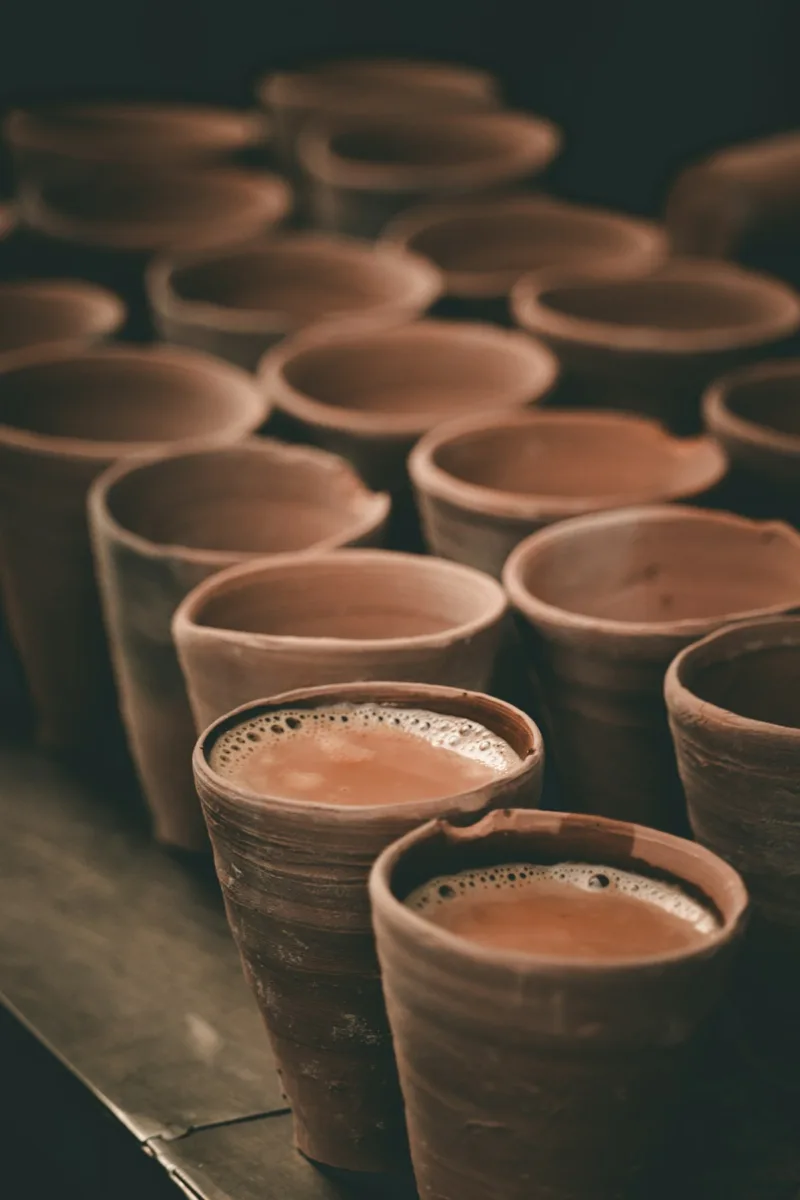
Masala chai is the spiced milk tea of India, where it is sold on almost every street corner by vendors called chai wallahs. Strong black tea, usually Assam, is simmered in a pot with milk, sugar, and a mix of spices. Cardamom and ginger are the most common, often with cinnamon, cloves, and black pepper. Each family and vendor has a slightly different recipe. In India the word chai simply means tea, and masala means spice mix.
Taste: Rich, sweet, creamy, and warming, with a spicy kick from the ginger and pepper.
How to brew it: Simmer water with crushed spices, add tea leaves, then milk and sugar, bring it back to a boil, and strain into cups.
Earl Grey and English Breakfast
Earl Grey is black tea flavored with oil from the bergamot orange. English Breakfast is a strong blend of black teas, usually Assam, Ceylon, and Kenyan, made to be drunk with milk.
How to Brew Each Type of Tea
Water that is too hot makes delicate teas bitter. Brew green and white tea with water at about 175°F (80°C) for two to three minutes. Brew oolong at about 195°F (90°C) for three to four minutes. Brew black tea, pu-erh, and herbal teas with water just off the boil for three to five minutes. If you prefer coffee, see our guide to types of coffee drinks, and for something cold try types of juice.
Frequently Asked Questions
What are the six types of tea?
The six types of true tea are green, black, white, oolong, pu-erh, and yellow. They all come from the Camellia sinensis plant.
Which tea has the most caffeine?
Black tea usually has the most caffeine of the regular brewed teas. Matcha can have even more per cup because you consume the whole powdered leaf.
Is herbal tea really tea?
No. Herbal teas are made from herbs, flowers, fruit, or roots, not from the tea plant. The correct name for them is tisanes.
What is the difference between green tea and black tea?
They come from the same plant. Green tea is heated right away so it does not oxidize, which keeps it light and grassy. Black tea is fully oxidized, which makes it dark and strong.
Which tea has no caffeine?
Herbal teas such as peppermint, chamomile, hibiscus, and rooibos are naturally caffeine-free.