There are 14 main types of hats that most people wear today, from the baseball cap and beanie to the fedora and Panama hat. Each one below comes with a picture, what makes it different, and when to wear it.

Types of Hats at a Glance
| Hat | Brim | Best for |
|---|---|---|
| Fedora | Medium, all around | Smart-casual and formal |
| Beanie | None | Cold weather |
| Baseball Cap | Curved bill at the front | Everyday and sports |
| Bucket Hat | Short, sloping down | Casual, rain and sun |
| Beret | None | Dressy casual |
| Cowboy Hat | Wide, curled sides | Outdoor work, western wear |
| Panama Hat | Medium, all around | Summer |
| Sun Hat | Very wide | Beach and gardening |
| Flat Cap | Small, stiff front | Autumn and winter casual |
| Top Hat | Narrow | Very formal events |
| Boater | Flat, stiff | Summer events |
| Snapback | Flat bill at the front | Streetwear |
| Visor | Bill only, no crown | Tennis, golf, running |
| Trapper Hat | None, with ear flaps | Extreme cold |
Different Types of Hats with Pictures
1. Fedora
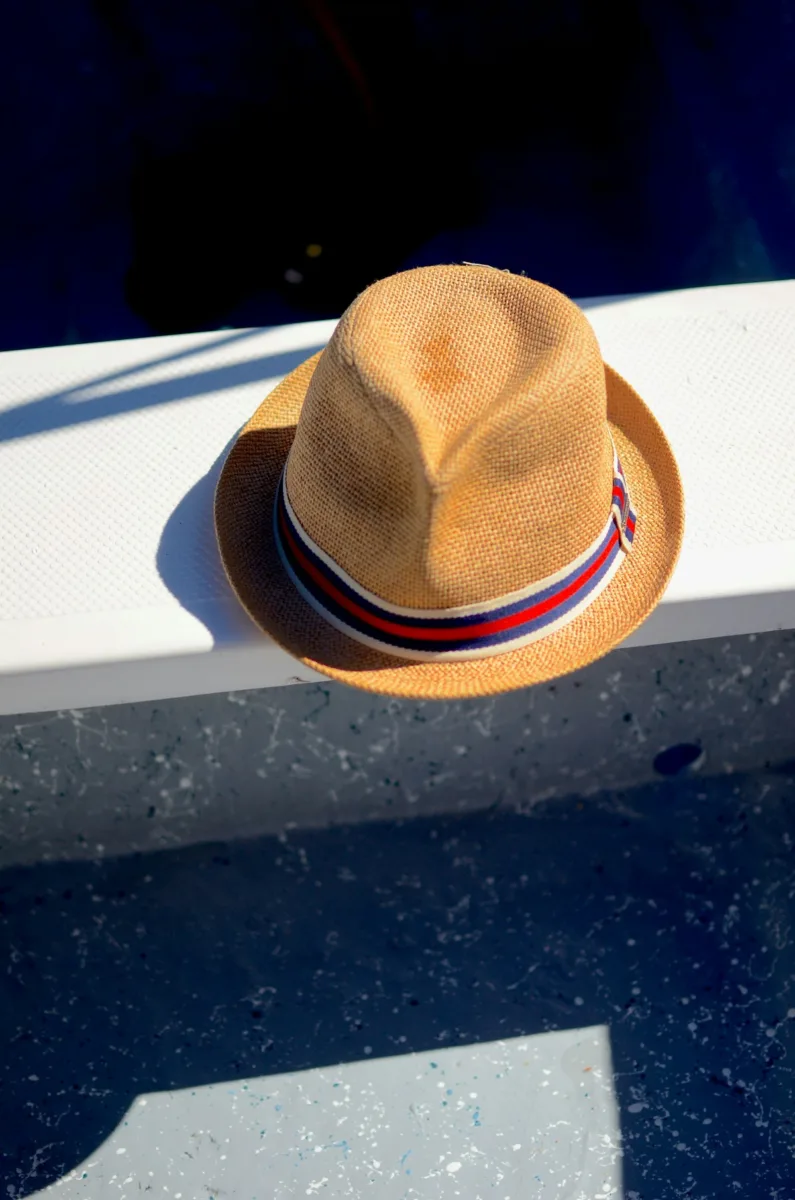
The fedora is a soft felt hat with a creased crown, a pinch at the front, and a flexible brim that runs all the way around. It takes its name from an 1882 play, Fedora, in which the actress Sarah Bernhardt wore one. It became the standard hat for men from the 1920s to the 1950s and is linked forever with film detectives and gangsters. The trilby is a close relative with a much narrower brim.
- Best worn with: Suits, overcoats, and smart-casual outfits with a blazer.
- Who it suits: Most face shapes. People with a round face look best in a taller crown, and a wider brim balances a long face.
2. Beanie
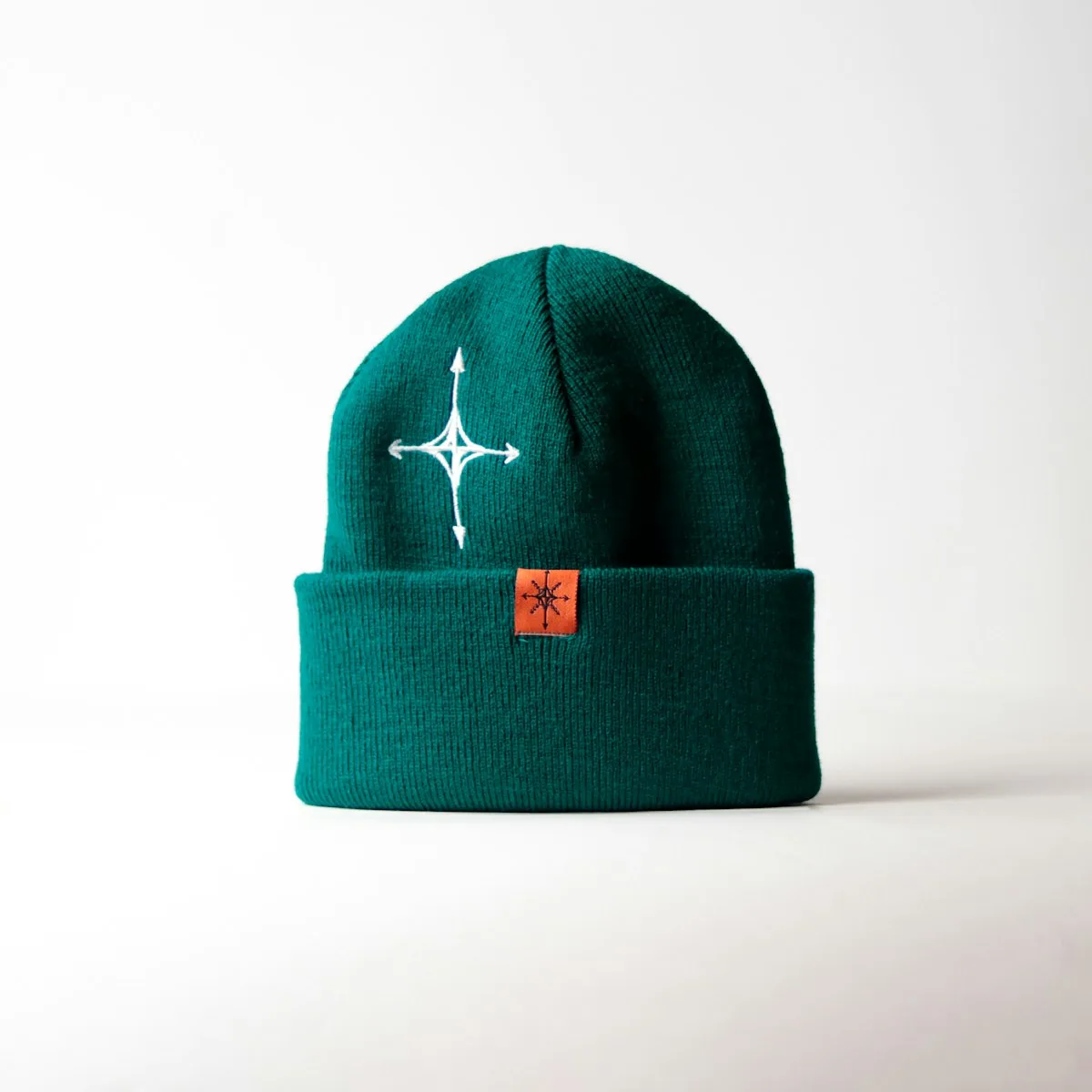
A beanie is a close-fitting knitted cap with no brim, made of wool, acrylic, or cotton. It started as practical headwear for sailors, dockworkers, and outdoor laborers and is now the most common winter hat in the world. It can be worn snug, folded up at the cuff, or loose and slouchy at the back.
- Best worn with: Coats, puffer jackets, hoodies, and almost any casual winter outfit.
- Who it suits: Everyone. A cuffed beanie adds width to a narrow face, and a slouchy one softens strong features.
3. Baseball Cap
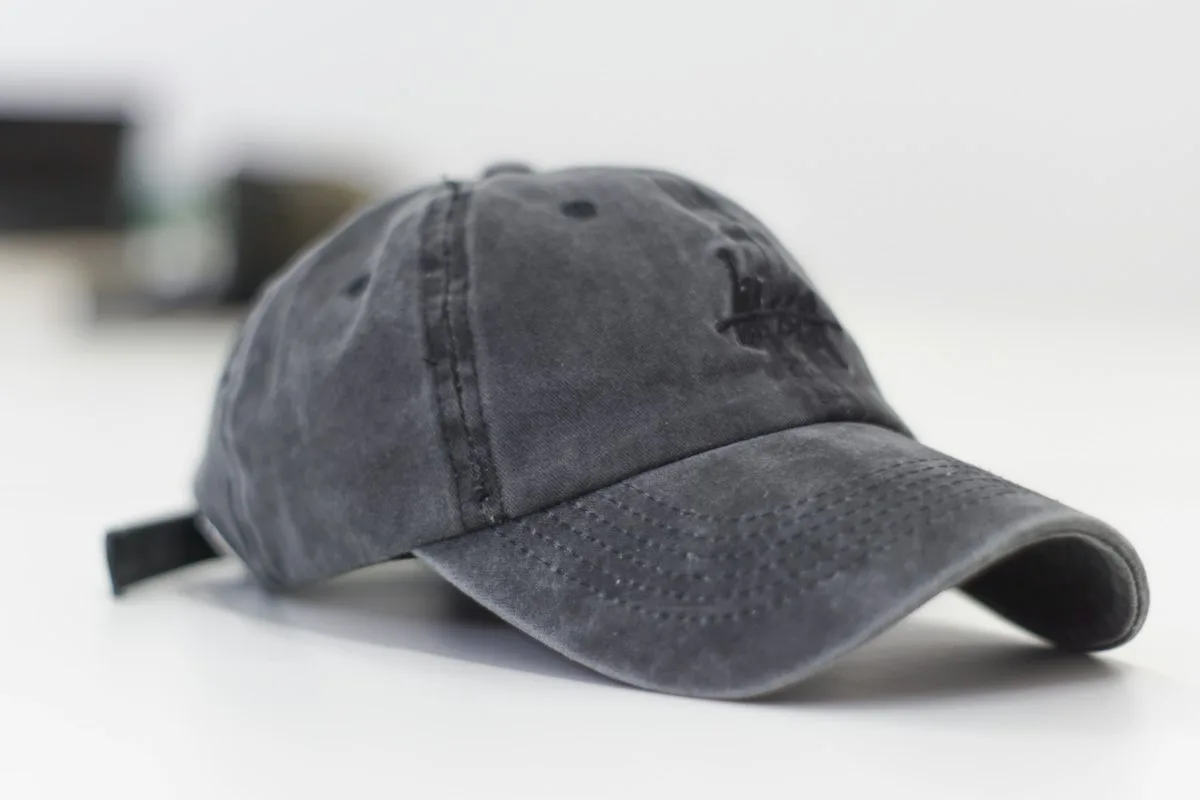
The baseball cap has a rounded crown made of six panels and a stiff, curved peak at the front. It was first worn by baseball players in the 1860s to keep the sun out of their eyes and has since become the most widely worn hat in America. The back is fitted or has an adjustable strap. The soft, unstructured version with a low crown is often called a dad hat.
- Best worn with: Jeans, T-shirts, sportswear, and casual jackets.
- Who it suits: Everyone. It is the easiest hat to wear and is also practical for sport and sun.
4. Bucket Hat

A bucket hat has a soft crown and a short brim that slopes downward all the way around. It began as a rain hat for Irish farmers and fishermen in the early 1900s, made of wool that shed water. It became a fashion item with hip hop artists in the 1980s and returned strongly in recent years. It folds flat, so it travels well.
- Best worn with: Streetwear, summer outfits, and festival or beach clothes.
- Who it suits: Oval and long faces in particular. It gives good shade for the face and neck.
5. Beret

The beret is a soft, round, flat-crowned cap, usually made of wool felt, with a small stalk in the center. It is associated with France and the Basque Country, with artists and writers, and with military units around the world, who wear it in colors that identify their regiment. It is worn pulled to one side.
- Best worn with: Trench coats, turtlenecks, striped tops, and tailored coats.
- Who it suits: Oval and heart-shaped faces. It adds a touch of polish without being formal.
6. Cowboy Hat
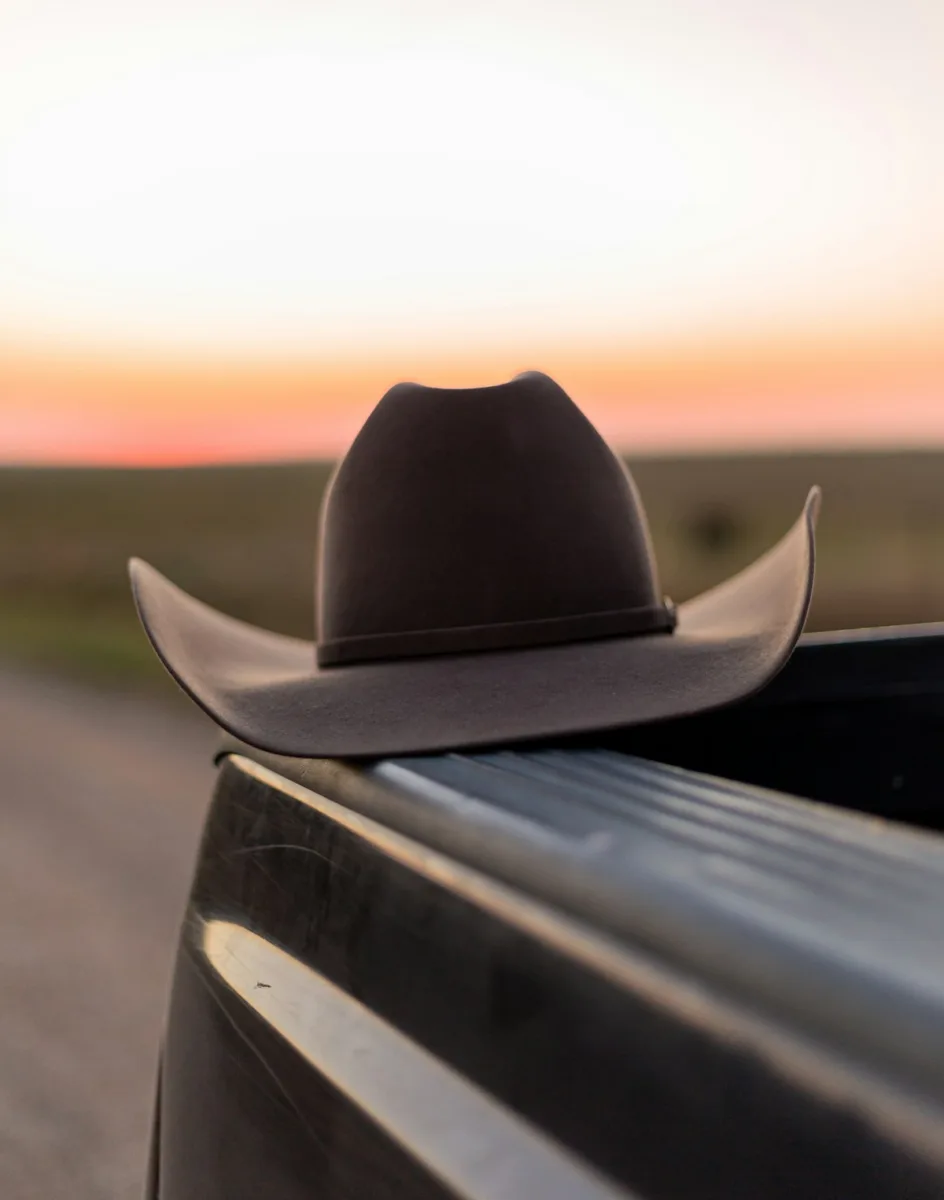
The cowboy hat has a tall crown and a wide brim that curls up at the sides. The modern form goes back to 1865, when John B. Stetson designed the “Boss of the Plains” for the weather of the American West. The wide brim gives shade and sheds rain, and the tall crown keeps the head cool. Felt versions are worn in cooler months and straw in summer.
- Best worn with: Jeans, boots, denim or western shirts, and belt buckles.
- Who it suits: Ranchers, riders, and country music fans. Choose a crown height that matches the length of your face.
7. Panama Hat
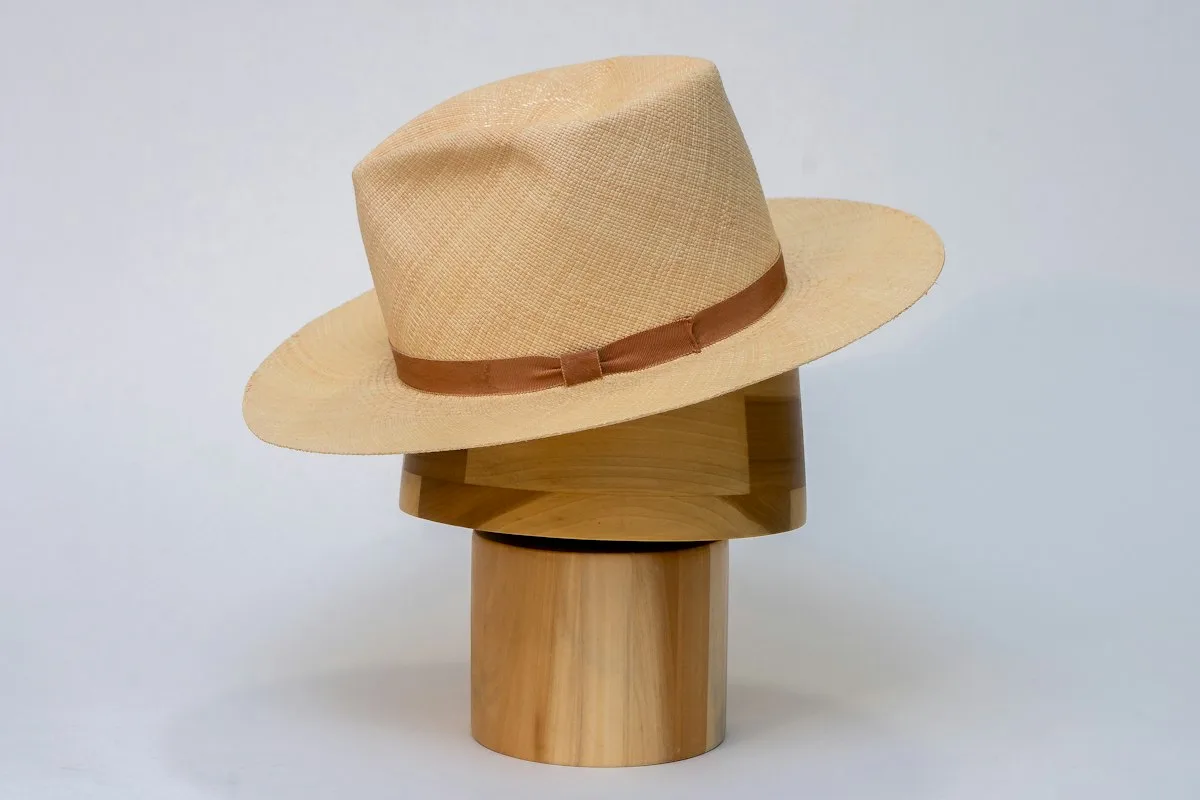
Despite the name, the Panama hat comes from Ecuador. It is woven by hand from the fibers of the toquilla palm, and the finest ones can take months to make. The hats were shipped through Panama in the 1800s, which is how they got their name, and the art of weaving them was recognized by UNESCO in 2012. They are light, breathable, and cream-colored, usually with a dark band.
- Best worn with: Linen suits, summer shirts, chinos, and resort wear.
- Who it suits: Anyone who needs a smart hat for hot weather, summer weddings, or travel.
8. Sun Hat

A sun hat is any hat with a wide brim made to shade the face, neck, and shoulders. It may be made of straw, cotton, or a fabric with a UPF sun protection rating. Floppy, wide-brimmed versions are popular for the beach and garden. For real protection, dermatologists generally suggest a brim of at least three inches.
- Best worn with: Sundresses, swimwear, linen clothes, and gardening or beach outfits.
- Who it suits: Everyone who spends time in strong sun, and especially people with fair or sensitive skin.
9. Flat Cap

A flat cap is a rounded cap with a small, stiff brim at the front, to which the body of the cap is sewn or snapped down. It has been worn in Britain and Ireland since at least the 1500s and became the everyday cap of working men, usually in wool tweed. The newsboy cap is a fuller version with eight panels and a button on top.
- Best worn with: Tweed jackets, waxed jackets, knitwear, and smart-casual outfits.
- Who it suits: Most face shapes. It is a good choice for people who find brimmed hats too formal.
10. Top Hat
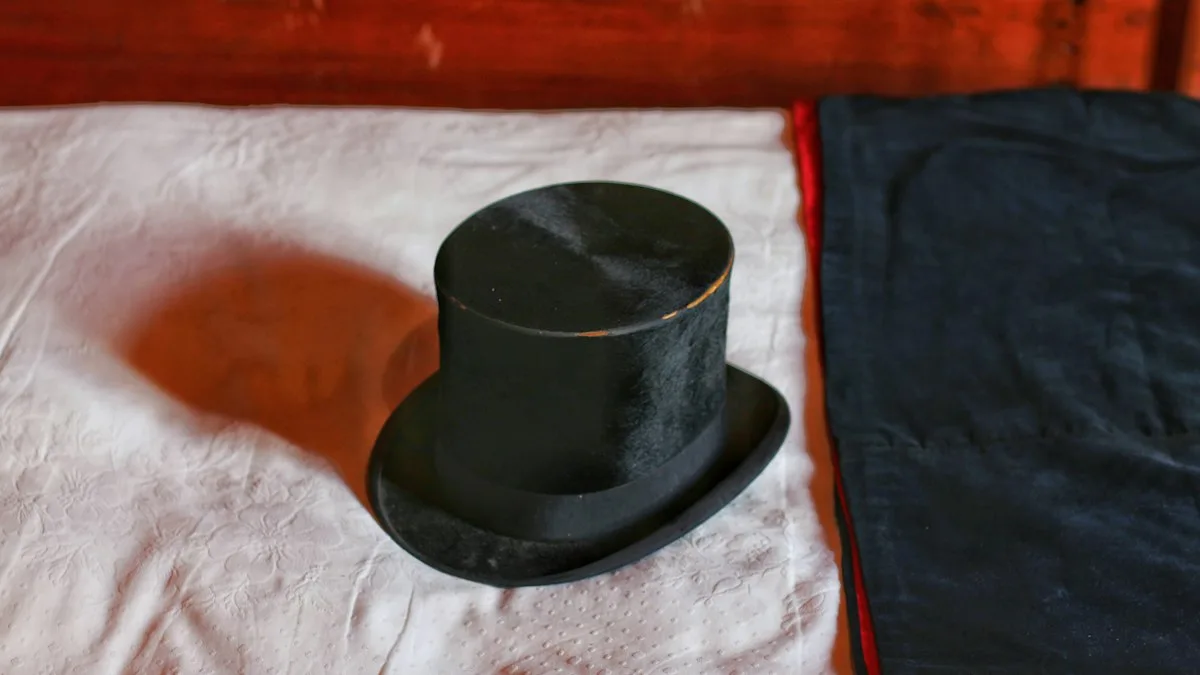
The top hat is a tall, flat-crowned, cylindrical hat with a narrow brim, traditionally covered in black silk. It was the mark of a gentleman through the 1800s. Today it survives only in the most formal dress: morning dress at events such as Royal Ascot and some weddings, and white tie in the evening. It is also the classic hat of the stage magician.
- Best worn with: Morning suits and white-tie evening dress.
- Who it suits: Formal occasions only, and costume or performance.
11. Boater Hat
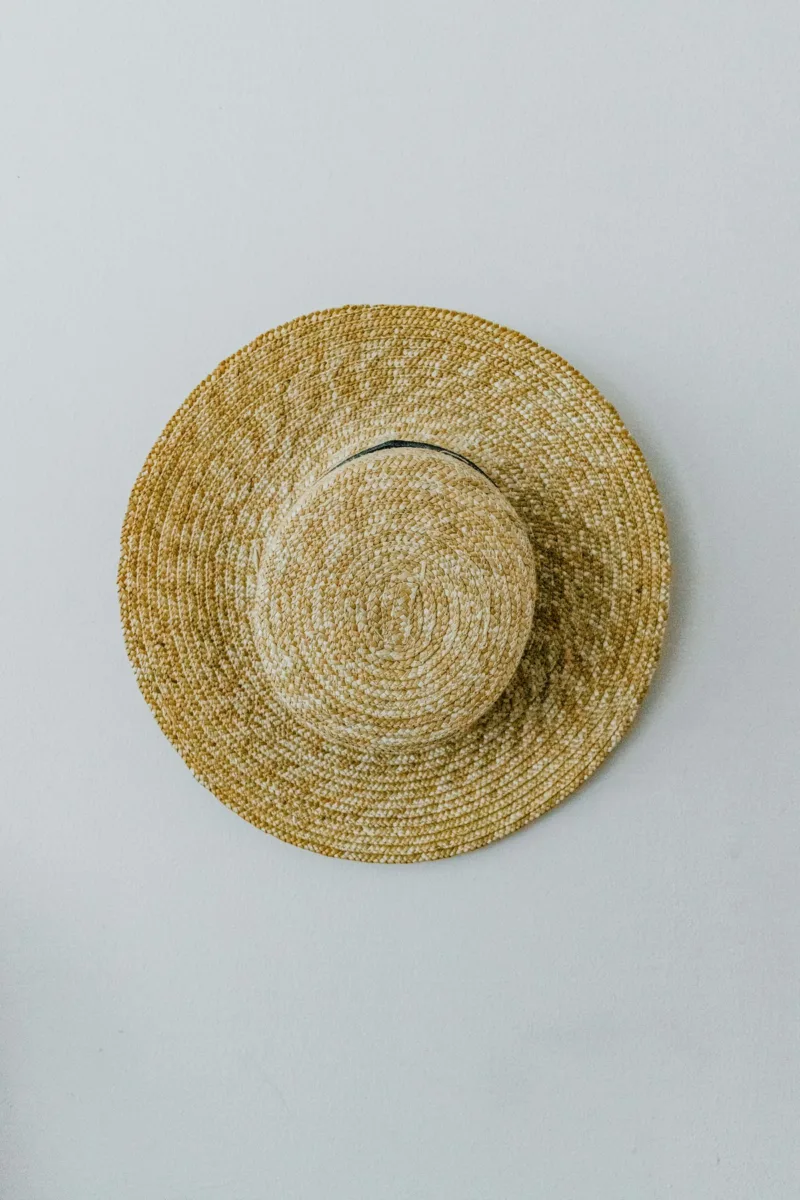
A boater is a stiff straw hat with a flat top, a flat brim, and a ribbon around the crown, often striped. It was the fashionable summer hat for men in the late 1800s and early 1900s and was worn for boating and sailing, which gave it its name. It is still part of some school uniforms and is worn at rowing regattas and by barbershop quartets.
- Best worn with: Blazers, summer suits, and summer dresses.
- Who it suits: Summer events, garden parties, and vintage-inspired outfits.
12. Snapback
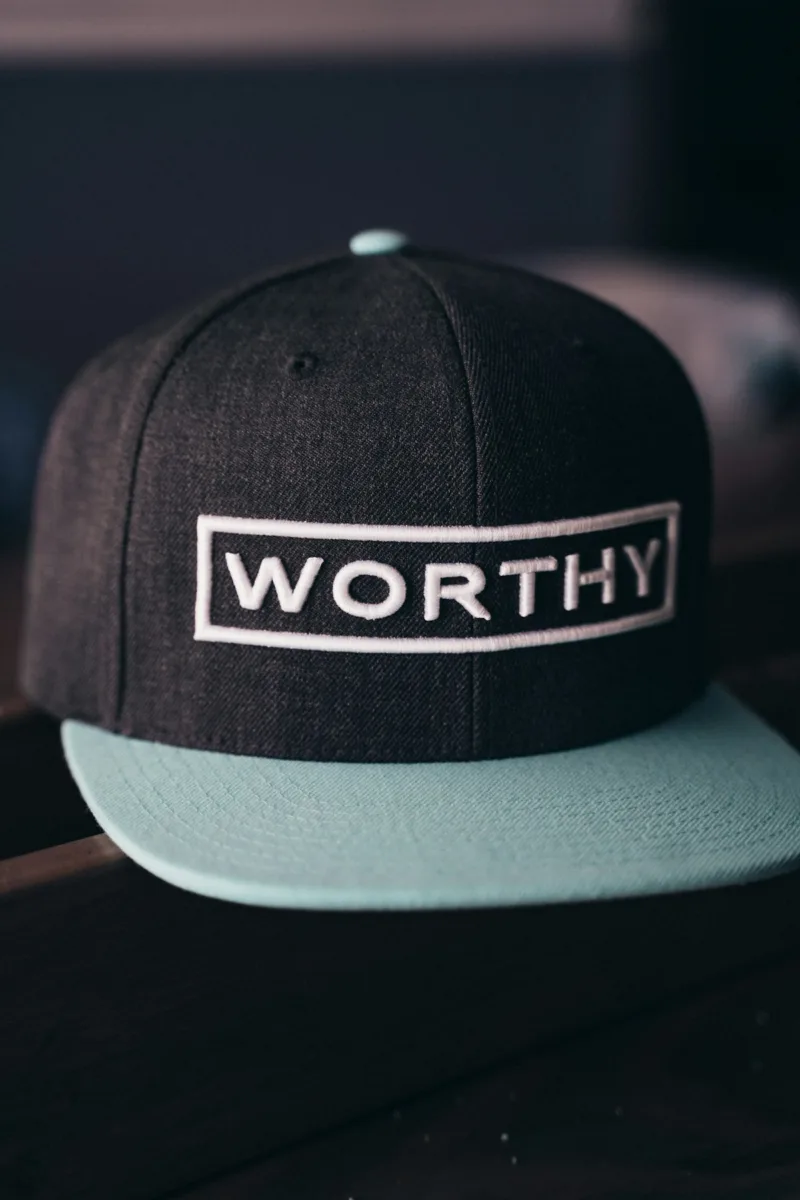
A snapback is a style of baseball cap with a flat, wide brim and a high, structured front. It closes at the back with an adjustable plastic snap strap, which is where the name comes from. It became a part of hip hop fashion in the 1990s and usually carries the logo of a sports team or brand on the front.
- Best worn with: Streetwear, sneakers, hoodies, and sports jerseys.
- Who it suits: People who like a bolder, more structured cap than a standard curved-brim baseball cap.
13. Visor
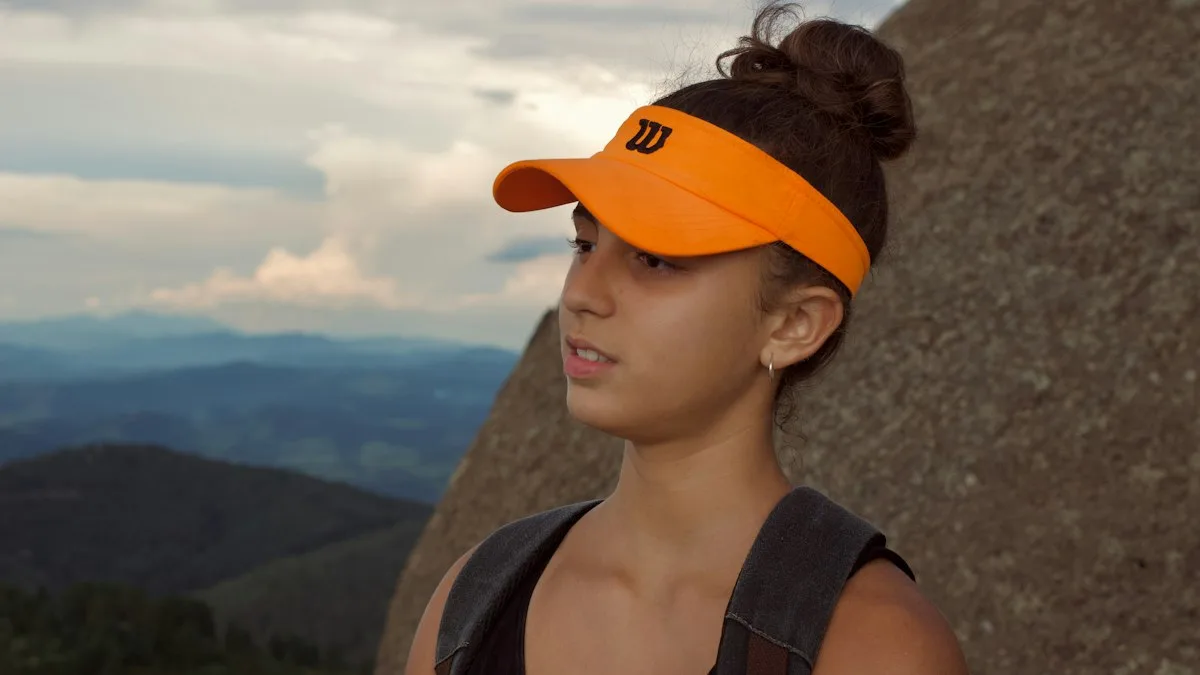
A visor is a brim attached to a band or strap, with no crown at all. It shades the eyes while leaving the top of the head open to the air, which keeps the wearer cooler. It is most often seen on tennis courts, golf courses, and running tracks.
- Best worn with: Sportswear and beachwear.
- Who it suits: Athletes and anyone who wants shade without heat. It gives no protection to the scalp, so sunscreen is still needed.
14. Trapper Hat

A trapper hat is a warm winter hat with ear flaps that can be tied up over the crown or fastened under the chin. It is lined with fur, faux fur, or shearling. It is related to the Russian ushanka and to the leather caps worn by early aviators. Few hats are warmer.
- Best worn with: Parkas, heavy coats, and outdoor winter clothing.
- Who it suits: People in very cold climates, and anyone who works or plays outdoors in winter.
How to Choose the Right Type of Hat
Start with the weather. For sun, choose a hat with a brim all the way around, such as a Panama, sun hat, or bucket hat. For cold, choose a beanie or trapper hat that covers the ears. Then match the hat to the outfit: caps and bucket hats are casual, flat caps and berets sit in the middle, and fedoras and top hats are the dressiest. Building the rest of the outfit? See our guides to types of jackets, types of T-shirts, and types of jeans.
Frequently Asked Questions
What is the most popular type of hat?
The baseball cap is the most widely worn hat in the world. It is cheap, adjustable, and works with almost any casual outfit.
What is the difference between a fedora and a trilby?
Both have a pinched, creased crown. A fedora has a wider brim that can be worn flat or snapped down. A trilby has a short brim that is angled down at the front and turned up at the back.
What is the difference between a snapback and a baseball cap?
A snapback has a flat brim, a taller structured crown, and a plastic snap closure. A standard baseball cap has a curved brim and a lower crown, with a strap, buckle, or fitted back.
Which type of hat is best for sun protection?
A wide-brimmed sun hat gives the most cover because the brim shades the face, ears, and neck. A baseball cap or visor only shades the front of the face.
Where do Panama hats come from?
Panama hats are made in Ecuador. They got their name because they were exported and sold through Panama in the 1800s.