There are five main types of wine: red, white, rosé, sparkling, and dessert or fortified wine. Every bottle you see in a shop fits into one of these groups. Below you will find each type explained, plus the 15 most popular varieties and what they taste like.
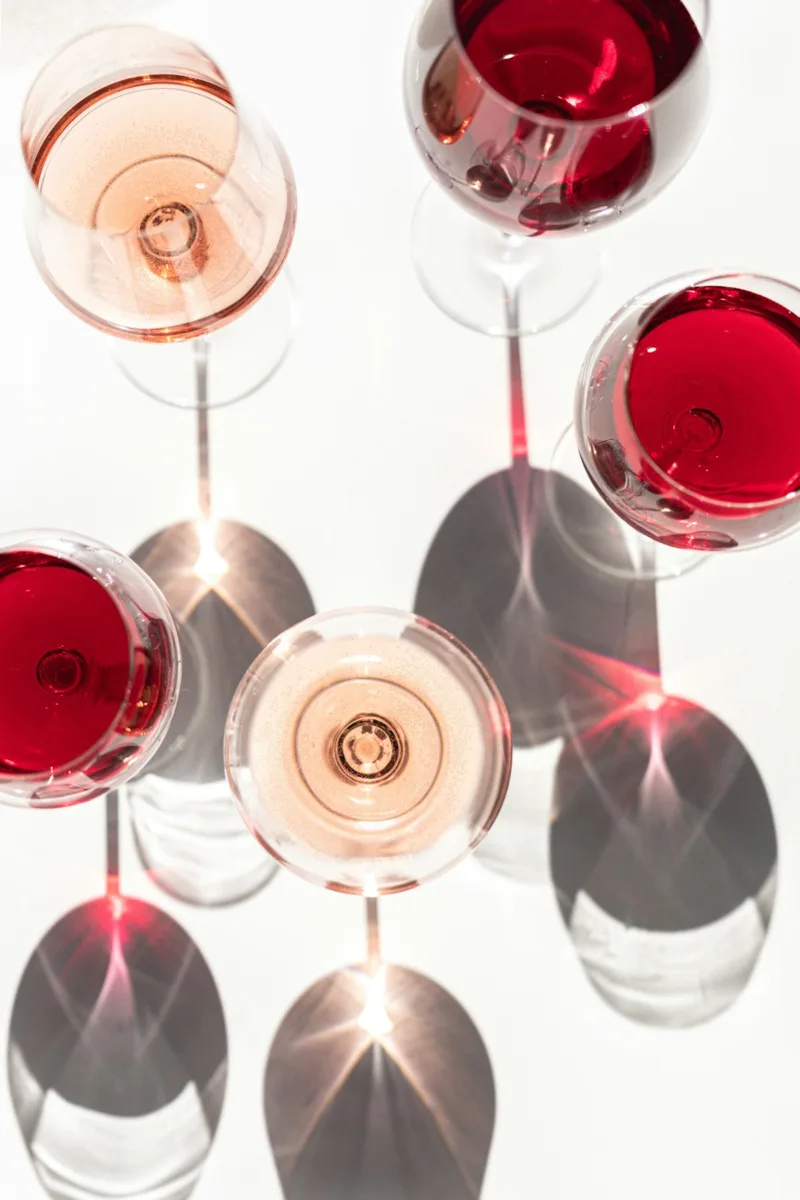
Types of Wine at a Glance
| Type | Popular varieties | Taste | Serve at |
|---|---|---|---|
| Red | Cabernet Sauvignon, Merlot, Pinot Noir, Syrah, Malbec, Zinfandel | Dry, bold, dark fruit | 60 to 68°F (15 to 20°C) |
| White | Chardonnay, Sauvignon Blanc, Riesling, Pinot Grigio, Moscato | Crisp, citrus, floral | 45 to 55°F (7 to 13°C) |
| Rosé | Provence rosé, White Zinfandel | Light, fresh, red berries | 45 to 55°F (7 to 13°C) |
| Sparkling | Champagne, Prosecco, Cava | Bubbly, crisp | 40 to 50°F (4 to 10°C) |
| Dessert and fortified | Port, Sherry, Sauternes, Ice wine | Sweet, rich | Slightly chilled |
1. Red Wine
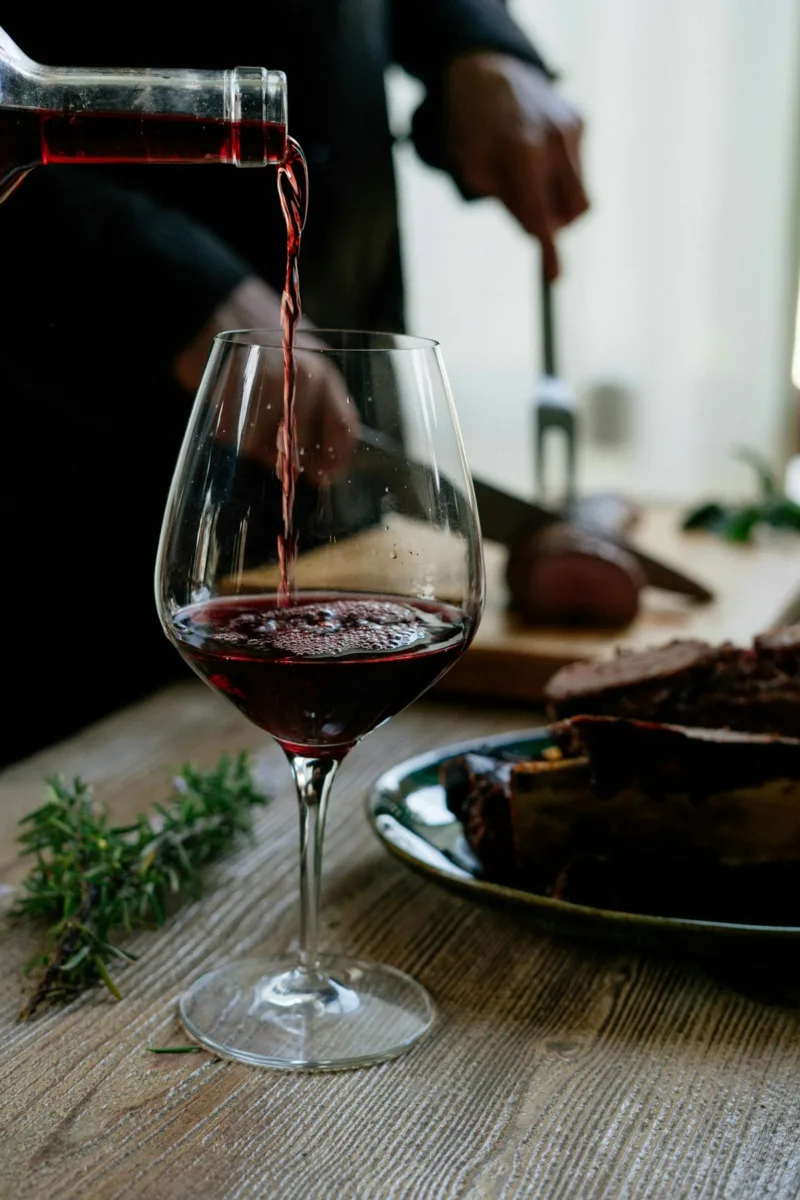
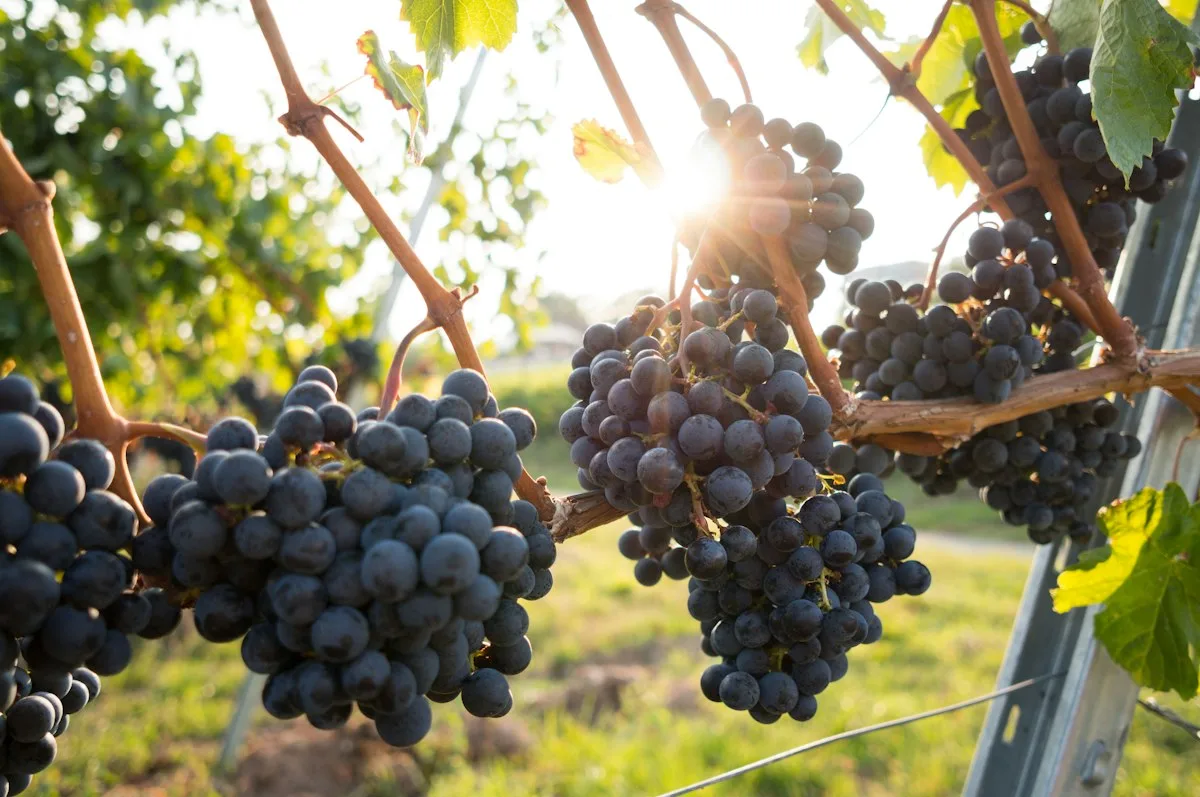
Red wine is made from dark-skinned grapes that are fermented together with their skins. The skins give the wine its color and its tannins, the compounds that create a dry, slightly grippy feeling in the mouth. Red wines range from light and fruity to dark and full-bodied.
Cabernet Sauvignon
Cabernet Sauvignon is the most widely planted wine grape in the world. It originated in Bordeaux, France, as a natural cross between Cabernet Franc and Sauvignon Blanc, and it is now the signature grape of Napa Valley, Chile, and Coonawarra in Australia. The wine is deep in color and full-bodied, with firm tannins, the compounds that make the mouth feel dry.
Expect flavors of blackcurrant, black cherry, and cedar, often with vanilla from oak barrels. Its structure stands up to rich, fatty food, so it is the classic match for steak, lamb, and aged cheddar. It also ages better than almost any other red.
Merlot
Merlot is the most planted grape in Bordeaux and the main grape of the famous wines of Pomerol and Saint-Emilion. It ripens earlier than Cabernet Sauvignon and has softer tannins, so the wine feels rounder and smoother. This makes it one of the easiest reds for beginners to enjoy.
It tastes of plum, black cherry, and chocolate. Merlot is very flexible with food and goes well with roast chicken, pork, burgers, pasta in tomato sauce, and mushroom dishes.
Pinot Noir
Pinot Noir is the grape of red Burgundy and is also grown with great success in Oregon, New Zealand, and cooler parts of California. It has thin skins, which give a pale color, light body, and low tannins. It is notoriously difficult to grow, which is why good bottles are rarely cheap.
The flavors are red fruit, such as cherry, raspberry, and strawberry, with earthy notes of mushroom as the wine ages. It is one of the few reds that suits fish, and it is excellent with salmon, duck, roast chicken, and mushrooms. Serve it slightly cool.
Syrah (Shiraz)
Syrah and Shiraz are the same grape. It is called Syrah in France, where it comes from the Rhone Valley, and Shiraz in Australia, where it is the country’s most planted grape. French Syrah tends to be more savory and peppery, while Australian Shiraz, especially from the Barossa Valley, is riper and jammier.
The wine is dark, full-bodied, and spicy, with flavors of blackberry, plum, black pepper, and sometimes smoked meat. It is a natural partner for barbecue, grilled meat, sausages, and stews.
Malbec
Malbec began in southwest France, around the town of Cahors, but it found its true home in Argentina. The high, sunny vineyards of Mendoza now produce most of the world’s Malbec. The wine is inky purple and full-bodied, with softer tannins than Cabernet Sauvignon.
It tastes of blackberry, plum, and cocoa, with a smooth finish. In Argentina it is poured with grilled beef, and it suits steak, burgers, and anything cooked over a fire. It also offers good value for money.
Zinfandel
Zinfandel is regarded as California’s own grape, although DNA testing has shown that it is identical to Primitivo from southern Italy and to an old Croatian variety. As a red wine it is bold, fruity, and often high in alcohol. The same grape is used to make White Zinfandel, a sweet pink wine that was hugely popular in the 1980s.
Red Zinfandel tastes of blackberry jam, raspberry, and black pepper. It is a good choice for barbecue ribs, pizza, burgers, and spicy sausage.
2. White Wine
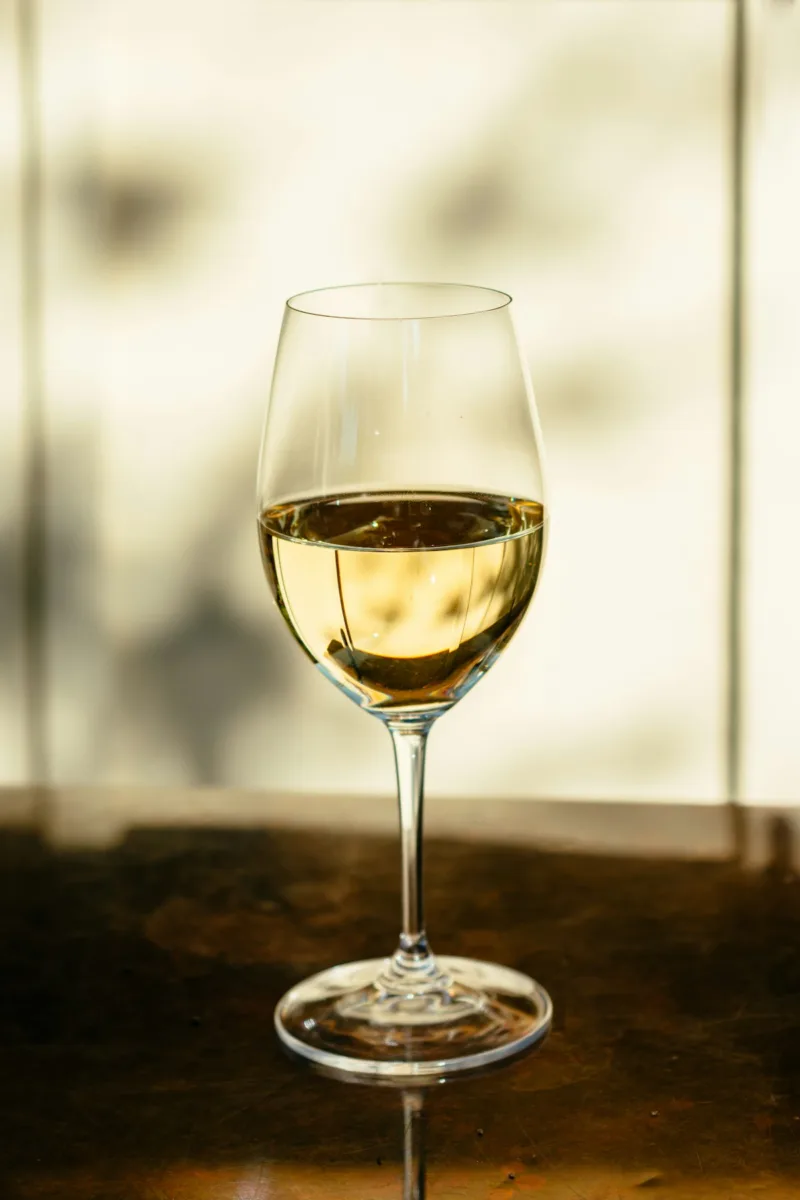
White wine is usually made from green or yellow grapes, and the juice is fermented without the skins. That is why it has a pale color and very little tannin. White wines are generally lighter and more acidic than reds and are served chilled.
Chardonnay
Chardonnay is the world’s most popular white grape and comes from Burgundy in France. It has a fairly neutral flavor of its own, so the style depends heavily on where it is grown and how it is made. Unoaked Chardonnay, such as Chablis, is crisp and lean, with flavors of green apple and lemon. Oaked Chardonnay, common in California and Australia, is rich and creamy, with notes of butter, vanilla, and tropical fruit.
It is also one of the three main grapes of Champagne. Lighter styles suit oysters and white fish, and richer styles suit roast chicken, lobster, and pasta in cream sauce.
Sauvignon Blanc
Sauvignon Blanc is a crisp, aromatic white from the Loire Valley and Bordeaux in France. The Marlborough region of New Zealand made it famous worldwide with an intensely fruity style. It is high in acidity and almost never aged in oak, so it tastes fresh and sharp.
Typical flavors are lime, grapefruit, gooseberry, passion fruit, and freshly cut grass. It is one of the best wines for goat cheese, salads, green vegetables such as asparagus, and seafood.
Riesling
Riesling is Germany’s great white grape, and it is also grown in Alsace in France, Austria, and Australia. It can be made in every style from bone dry to very sweet, so it is worth checking the label. Its high acidity keeps even the sweet versions tasting fresh, and it can age for decades.
It is highly aromatic, with flavors of lime, green apple, peach, and honey. Off-dry Riesling is one of the best matches for spicy Thai, Indian, and Chinese food, because the touch of sweetness cools the heat. It is also good with pork.
Pinot Grigio (Pinot Gris)
Pinot Grigio and Pinot Gris are two names for the same grape. The Italian style, Pinot Grigio, is light, dry, and crisp. The French style from Alsace, Pinot Gris, is richer, fuller, and sometimes slightly sweet. Oregon also makes well-regarded Pinot Gris.
Italian Pinot Grigio has delicate flavors of lemon, green apple, and pear. It is an easy wine to drink on its own in warm weather and goes well with light pasta, salads, and seafood.
Moscato
Moscato is made from the Muscat grape, one of the oldest grape families in the world. The best-known style is Moscato d’Asti from Piedmont in Italy, which is sweet, lightly fizzy, and low in alcohol, at around 5 to 6 percent. It is one of the most approachable wines for people who do not like dry wine.
It smells and tastes of peach, orange blossom, and fresh grapes. Serve it well chilled with fruit desserts, pastries, or spicy food, or on its own at brunch.
3. Rosé Wine
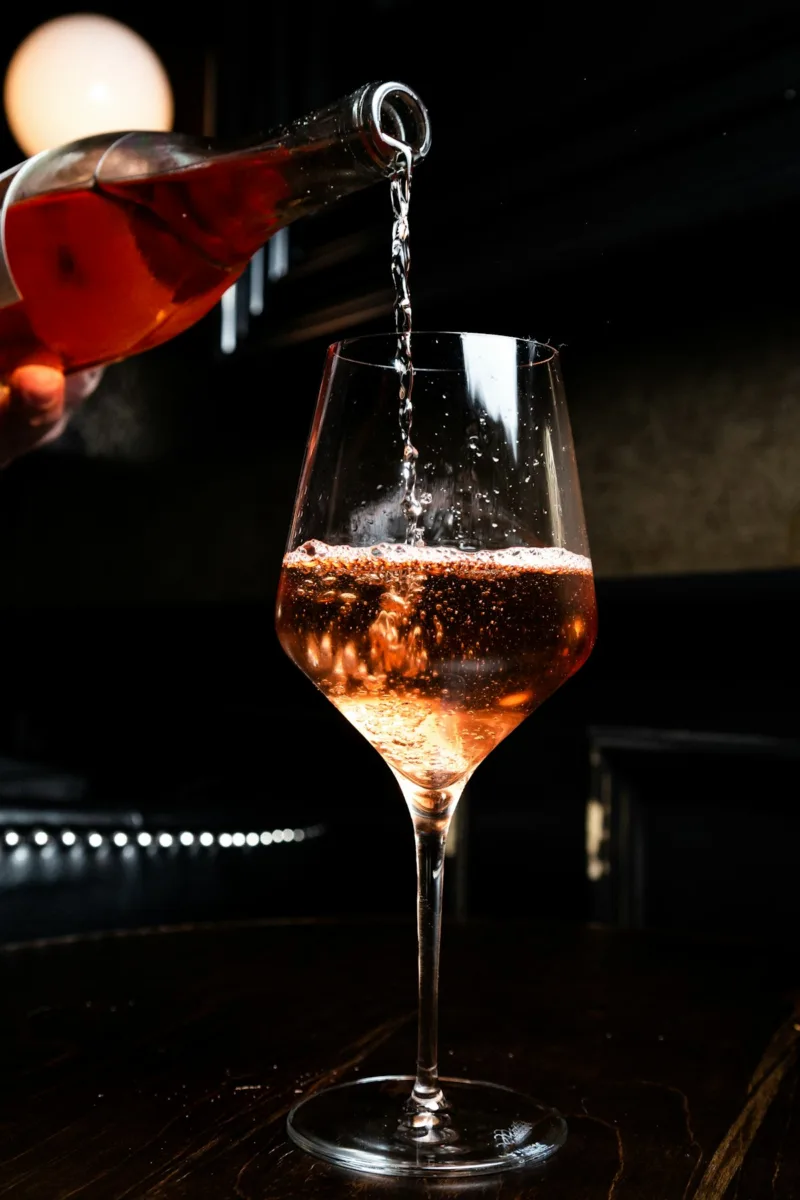
Rosé is made from red grapes, but the juice stays in contact with the skins for only a short time, from a few hours to a couple of days. That gives it a pink color and a taste between red and white: light and fresh, with strawberry and melon notes. Provence in France is the most famous rosé region. Most rosé is dry, while White Zinfandel is a sweeter style.
4. Sparkling Wine

Sparkling wine contains bubbles of carbon dioxide created by a second fermentation. It can be white or rosé, and ranges from very dry (brut) to sweet.
Champagne
Champagne is sparkling wine that comes only from the Champagne region of northeastern France. The name is protected by law. It is made by the traditional method, in which a second fermentation takes place inside the bottle and creates the bubbles. The main grapes are Chardonnay, Pinot Noir, and Pinot Meunier. Most Champagne is labeled Brut, which means dry.
It has fine bubbles, high acidity, and flavors of apple, citrus, and toasted bread or brioche from its long aging. Apart from celebrations, it is very good with oysters, fried food, and salty snacks.
Prosecco
Prosecco is Italy’s most popular sparkling wine. It comes from the Veneto and Friuli regions in the northeast and is made from the Glera grape. Unlike Champagne, its bubbles are created in large pressurized tanks, which is faster and cheaper and keeps the wine fresh and fruity.
It is lighter and a little sweeter than Champagne, with flavors of green apple, pear, and white flowers. It is the wine used in the Bellini and the Aperol Spritz, and it works well as an aperitif with light starters.
Cava
Cava is Spain’s sparkling wine, and most of it comes from the Penedes area of Catalonia, near Barcelona. It is made by the same traditional method as Champagne, with the second fermentation in the bottle, but from local Spanish grapes: Macabeo, Xarel-lo, and Parellada.
It is dry and crisp, with flavors of citrus, apple, and almond, and it usually costs far less than Champagne. It is a natural match for tapas, cured ham, fried seafood, and paella.
5. Dessert and Fortified Wine
Dessert wines are sweet wines usually served in small glasses at the end of a meal. Fortified wines have grape spirit added, which raises the alcohol level and often leaves natural sweetness in the wine.
Port
Port is a sweet, fortified wine from the Douro Valley in northern Portugal. Grape spirit is added partway through fermentation, which stops the yeast before all the sugar is used up. The result is a sweet, strong wine of about 19 to 20 percent alcohol. Ruby Port is young, deep red, and fruity, while Tawny Port is aged in wooden barrels until it turns amber and nutty.
It is served in small glasses after dinner. Ruby Port goes well with chocolate desserts, and both styles are classic with blue cheese, especially Stilton, and with nuts.
Sherry
Sherry is a fortified wine from the area around Jerez in Andalusia, southern Spain, made mainly from the Palomino grape. Contrary to its reputation, most Sherry is dry. Fino and Manzanilla are pale, light, and bone dry. Amontillado and Oloroso are darker and nuttier. Pedro Ximenez, usually shortened to PX, is thick, dark, and intensely sweet.
Dry Sherry is served chilled with olives, almonds, cured ham, and seafood. Sweet Sherry is poured with desserts or over vanilla ice cream.
Sauternes and Ice Wine
Sauternes is a sweet wine from Bordeaux, made from grapes affected by noble rot. This is a beneficial fungus that shrivels the grapes and concentrates their sugar and flavor. The wine is golden, rich, and tastes of honey, apricot, and marmalade. Ice wine, or Eiswein, is made in Canada and Germany from grapes that are left to freeze on the vine and are pressed while still frozen, which leaves the water behind as ice.
Both wines are expensive, because each vine yields very little juice. They are served chilled in small glasses with fruit tarts, creme brulee, blue cheese, or foie gras.
Wine and cheese are a classic pairing, so see our guide to types of cheese next. For dinner ideas, try types of pasta and types of bread.
Frequently Asked Questions
What are the 5 main types of wine?
The five main types are red, white, rosé, sparkling, and dessert or fortified wine.
Which type of wine is best for beginners?
Lighter, fruitier wines are easiest to start with. Try Moscato or Pinot Grigio for white, Merlot or Pinot Noir for red, or a dry rosé.
What does “dry” wine mean?
A dry wine has little or no sugar left after fermentation, so it does not taste sweet. Most red wines and many whites are dry.
What is the difference between Champagne and Prosecco?
Champagne comes from France and gets its bubbles from a second fermentation inside the bottle. Prosecco comes from Italy, is made from the Glera grape, and gets its bubbles in a tank. Prosecco is usually fruitier and less expensive.
Which type of wine is the sweetest?
Dessert wines such as Port, Sauternes, and ice wine are the sweetest. Among everyday wines, Moscato and sweet Riesling are the sweetest choices.