There are 12 main types of pants that cover almost every outfit, from jeans and chinos to leggings and palazzo pants. Each one below has a picture, what makes it different, and when to wear it.
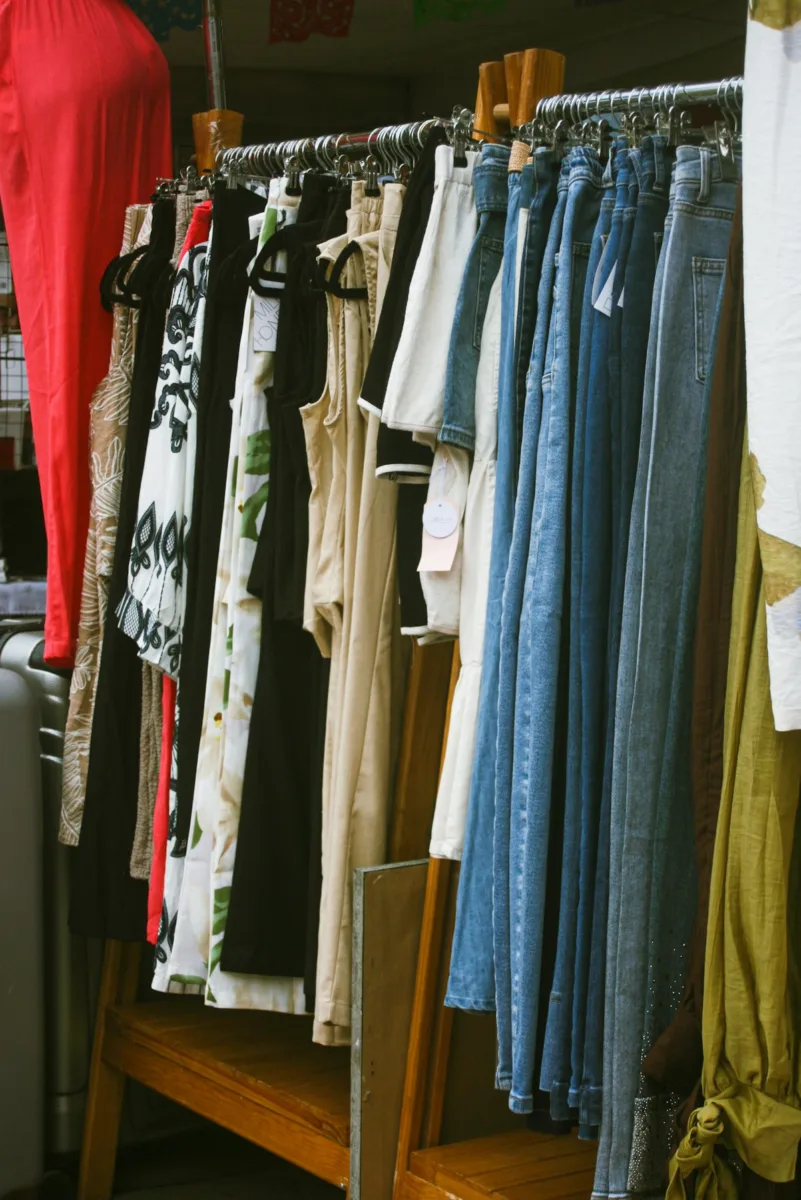
Types of Pants at a Glance
| Pants | Fit | Best for |
|---|---|---|
| Jeans | Skinny to wide | Everyday casual |
| Chinos | Slim or straight | Smart-casual |
| Joggers | Tapered, cuffed ankle | Casual and sport |
| Sweatpants | Loose | Lounging and sport |
| Leggings | Skin-tight | Exercise and casual |
| Dress Pants | Tailored | Office and formal |
| Wide-Leg Pants | Loose from the hip | Casual and office |
| Palazzo Pants | Very wide and flowing | Summer and dressy casual |
| Capri Pants | Cropped at the calf | Warm weather |
| Leather Pants | Slim | Evening and street style |
| Shorts | Above the knee | Hot weather |
| Overalls | Loose, with a bib | Casual and workwear |
Different Types of Pants with Pictures
1. Jeans
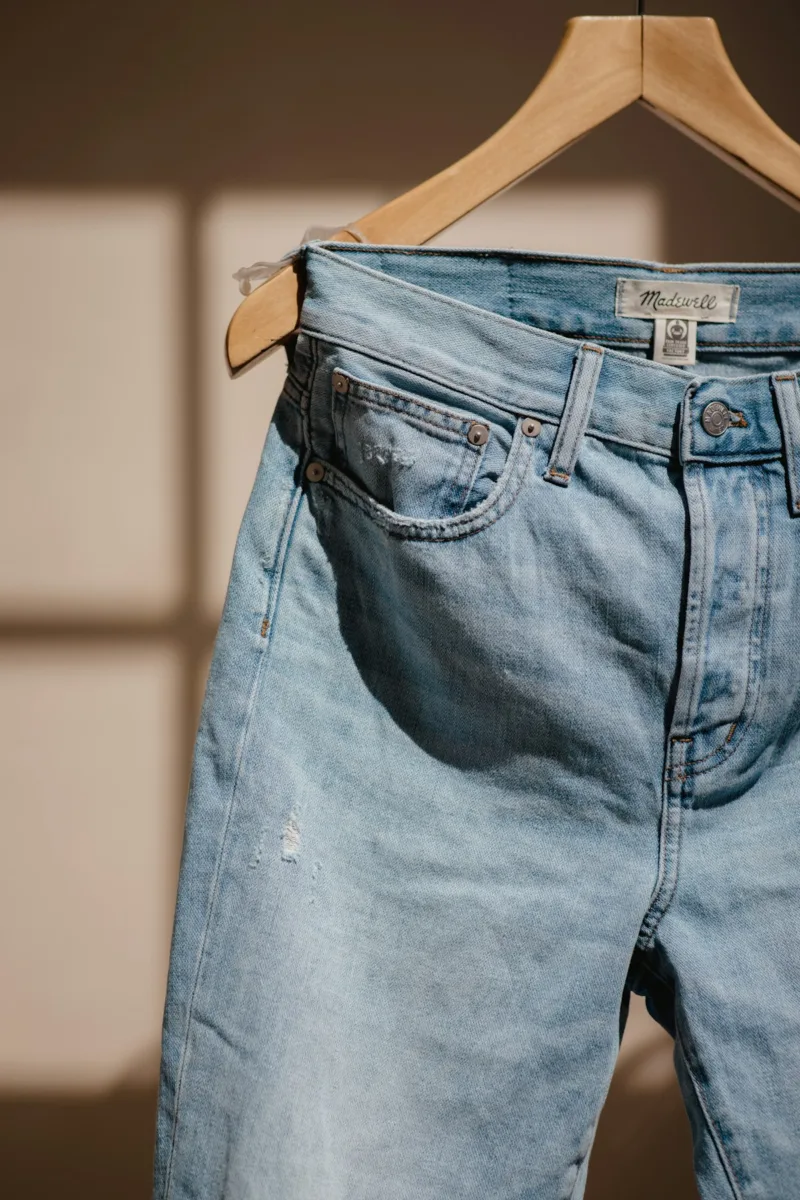
Jeans are trousers made of denim, a tough cotton twill, with riveted pockets and visible stitching. They were patented in 1873 by Levi Strauss and the tailor Jacob Davis as hard-wearing workwear for miners and laborers in the American West. Today they are the most widely worn pants in the world and come in every fit, from skinny to wide-leg.
- Best worn with: T-shirts, shirts, sweaters, and sneakers or boots. Dark jeans work with a blazer.
- Who it suits: Everyone. Straight and slim fits in a dark wash are the most versatile.
2. Chinos
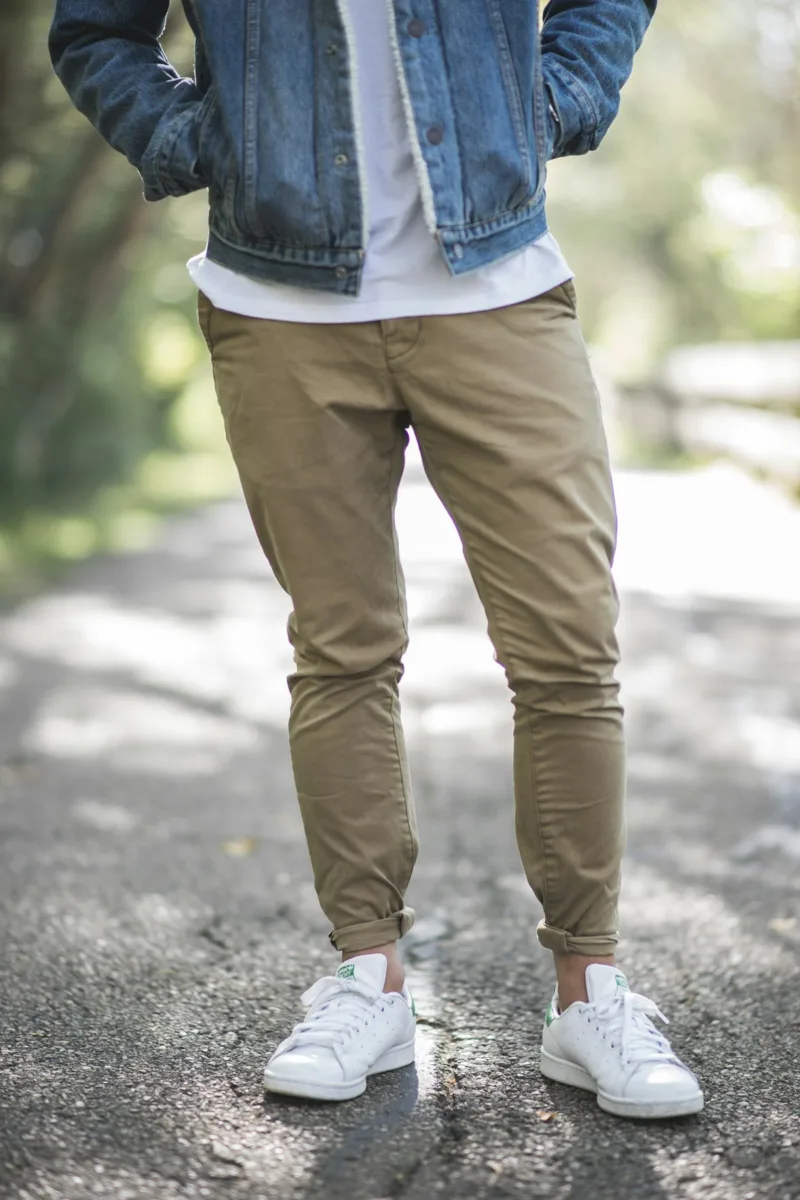
Chinos are lightweight cotton twill trousers with a flat front and a clean, simple finish. They began as military uniform trousers in the 1800s, and the name is linked to the cloth, which originally came from China. They sit between jeans and dress pants in formality, which makes them a staple for smart-casual dress.
- Best worn with: Polo shirts, button-down shirts, knitwear, loafers, and clean sneakers.
- Who it suits: Anyone who needs pants for the office and the weekend. Navy, beige, and olive are the classic colors.
3. Joggers
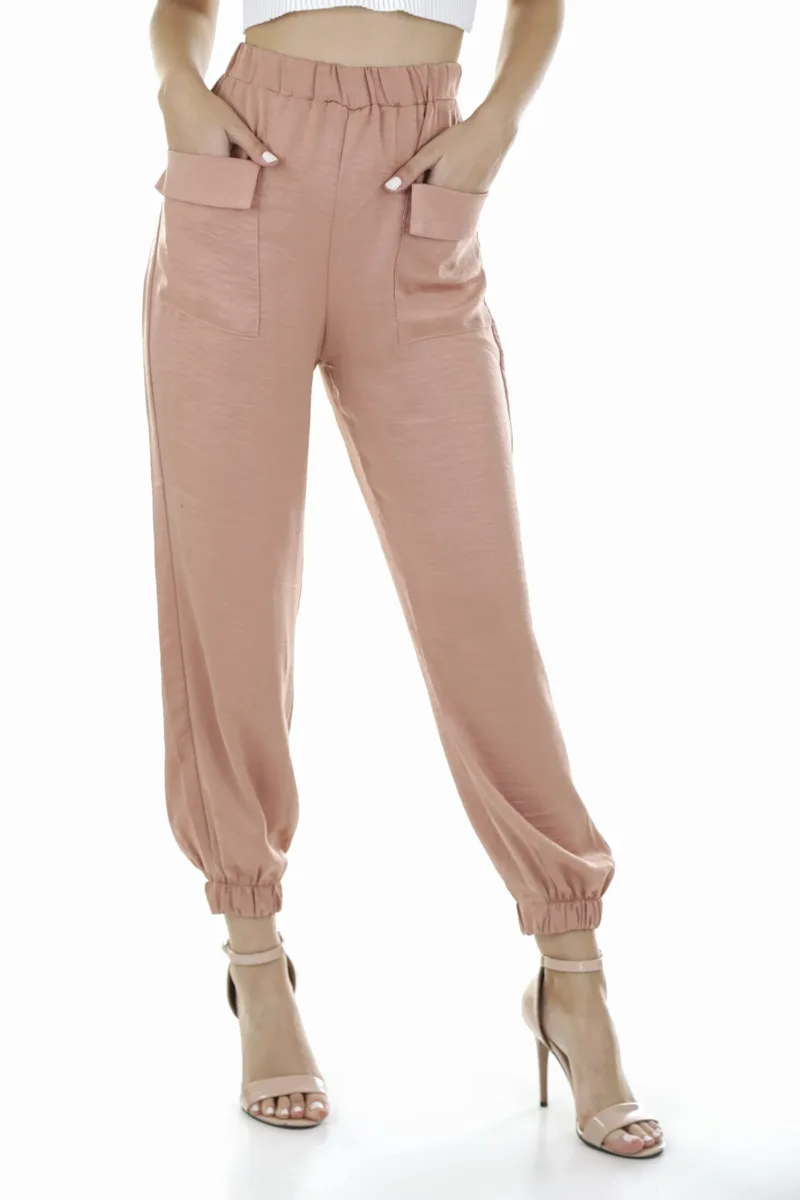
Joggers are soft pants with an elastic or drawstring waist and elastic cuffs at the ankles, which give a tapered shape. They grew out of sweatpants but are slimmer and neater. They are made of cotton jersey, fleece, or technical fabrics, and smarter versions come in woven cloth.
- Best worn with: Hoodies, T-shirts, bomber jackets, and sneakers.
- Who it suits: People who want comfort for travel, exercise, and casual wear, with a tidier look than sweatpants.
4. Sweatpants
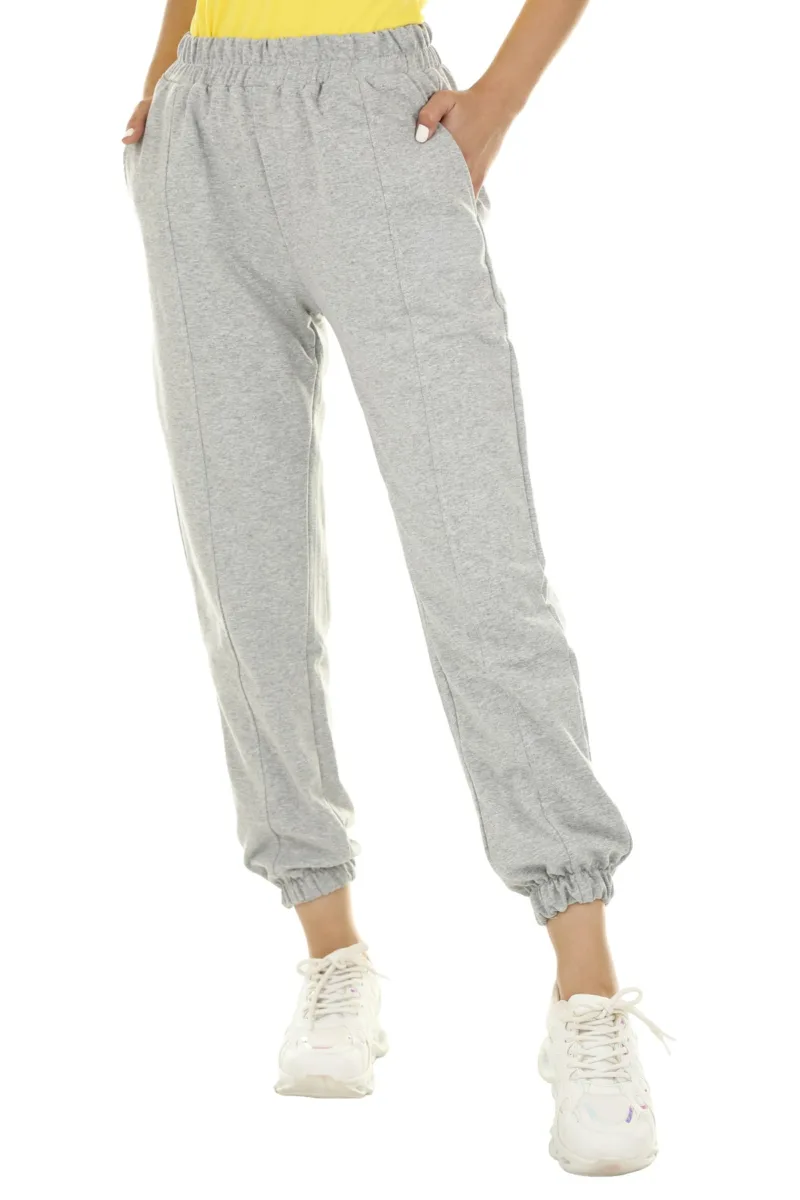
Sweatpants are loose, soft pants made of thick cotton fleece, designed for warming up, exercising, and relaxing. They were introduced in the 1920s by Emile Camuset, the founder of the French sportswear brand Le Coq Sportif. They have a relaxed, straight leg, and the hem may be open or gathered.
- Best worn with: Sweatshirts, hoodies, T-shirts, and trainers.
- Who it suits: Everyone, for lounging at home, the gym, and cold-weather comfort.
5. Leggings
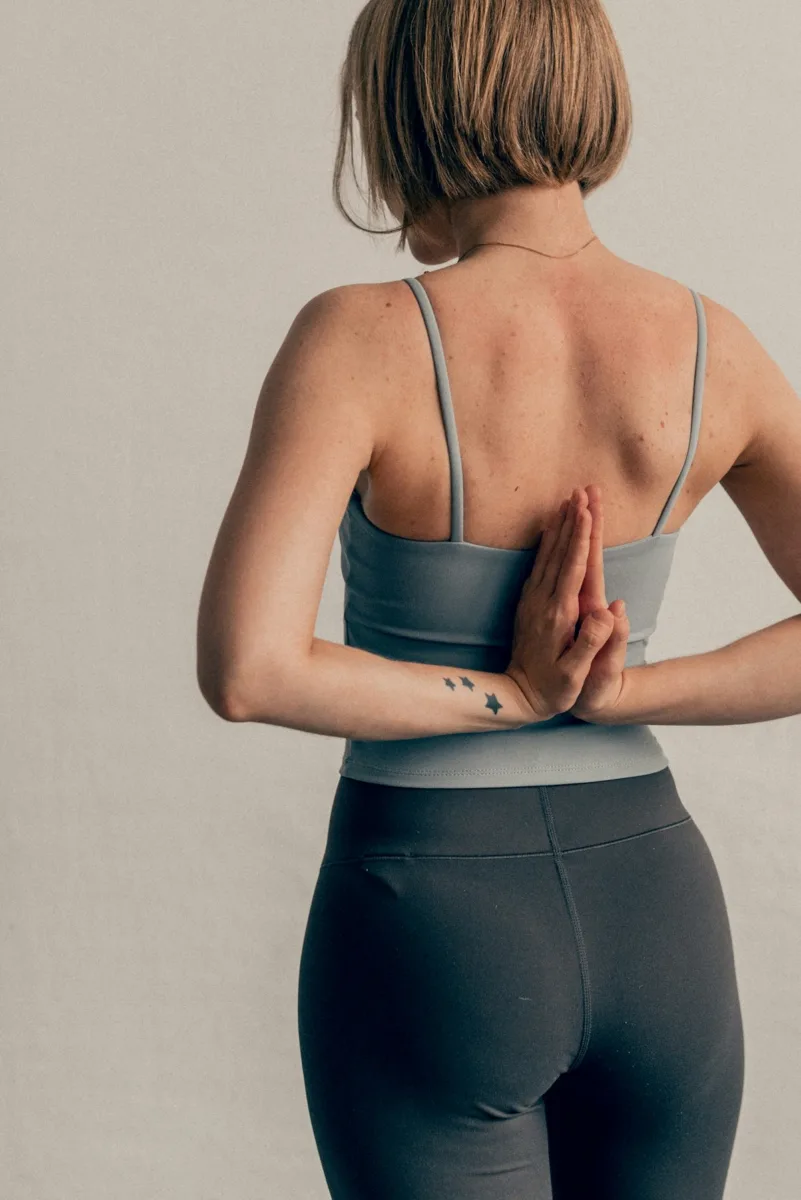
Leggings are tight, stretchy pants that fit like a second skin from the waist to the ankle. Modern leggings depend on elastane, also called spandex or Lycra, which was invented in 1958. Athletic leggings are made of thick, sweat-wicking fabric, while fashion leggings may be cotton, faux leather, or fleece-lined.
- Best worn with: Long tops, oversized sweaters, tunics, and sports tops.
- Who it suits: Anyone who wants freedom of movement for yoga, running, or everyday comfort. Thicker fabrics are more flattering and less see-through.
6. Dress Pants
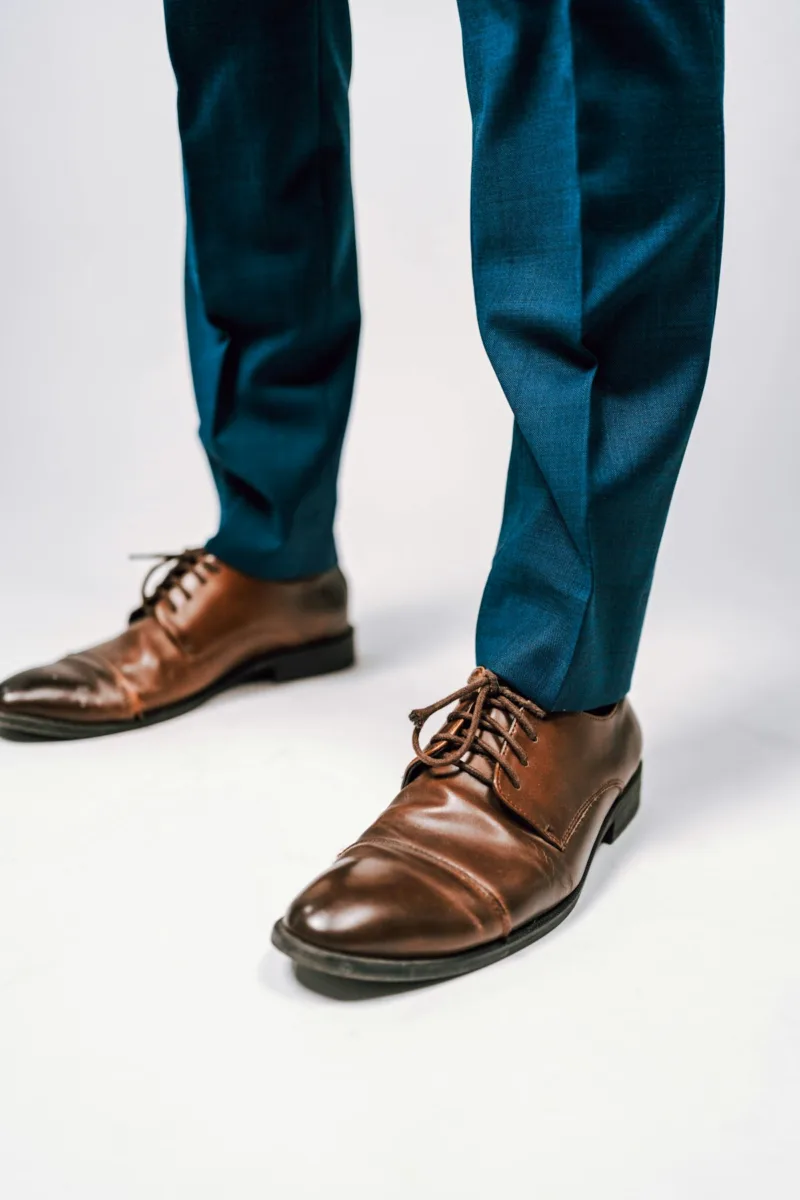
Dress pants, also called slacks or suit trousers, are tailored trousers with a pressed crease down the front of each leg. They are made of wool, wool blends, or polyester and have a waistband with belt loops or side adjusters. They are the standard pants for offices, interviews, and formal events.
- Best worn with: Dress shirts, blazers, suit jackets, and leather shoes.
- Who it suits: Anyone who needs to dress formally. A tailor can adjust the length and waist for a clean fit.
7. Wide-Leg Pants
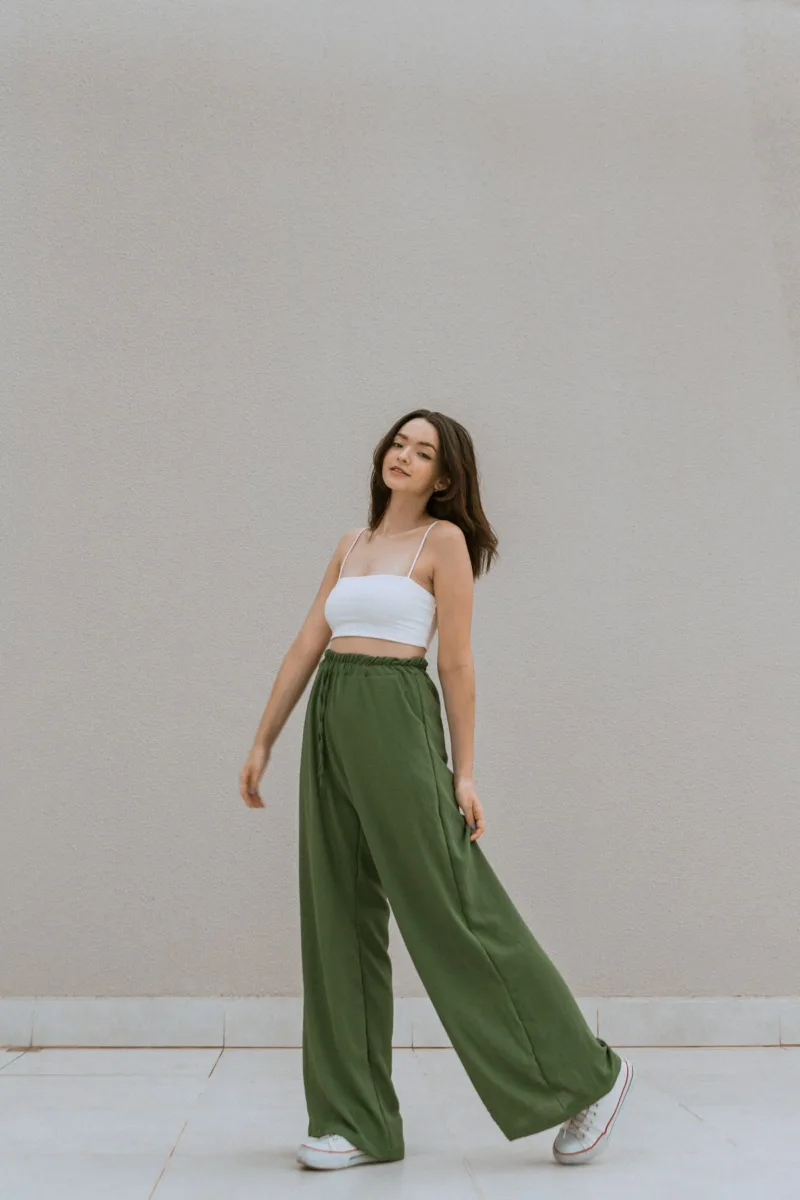
Wide-leg pants are fitted at the waist and hips and then fall straight and wide all the way to the hem. They move easily and feel cool, and they make the legs look longer, especially with a high waist and heels. They were fashionable in the 1930s and the 1970s and have returned as an alternative to skinny styles.
- Best worn with: Fitted or tucked-in tops, cropped jackets, and heels or platform shoes.
- Who it suits: Most figures. Tall people carry them easily, and petite people should choose a high waist and a hem that just covers the shoe.
8. Palazzo Pants
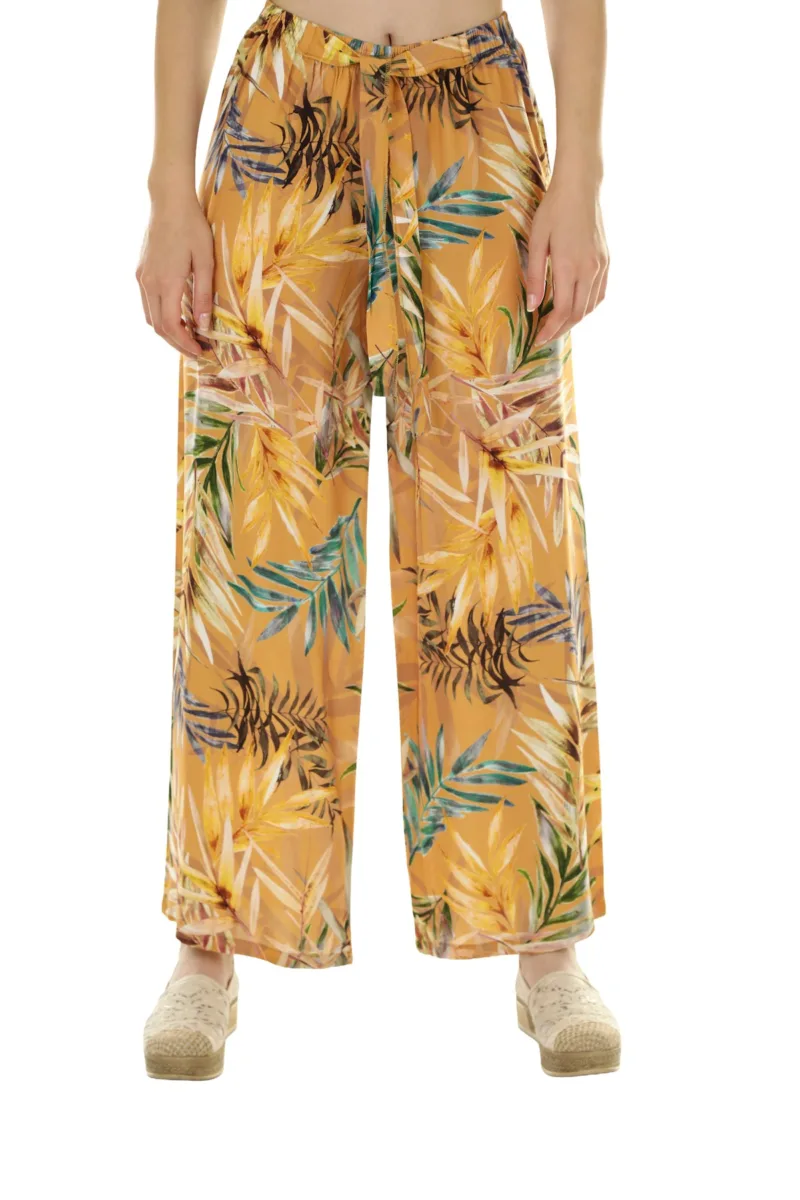
Palazzo pants are very wide, flowing trousers that flare out from the waist, so that they can look like a long skirt when the wearer stands still. They are made of light, draping fabrics such as crepe, chiffon, and jersey. They became fashionable in the late 1960s and are a favorite for hot weather and holidays.
- Best worn with: Fitted tops, crop tops, tucked-in blouses, and sandals or wedges.
- Who it suits: Warm climates, and anyone who wants the ease of a skirt with the coverage of pants.
9. Capri Pants
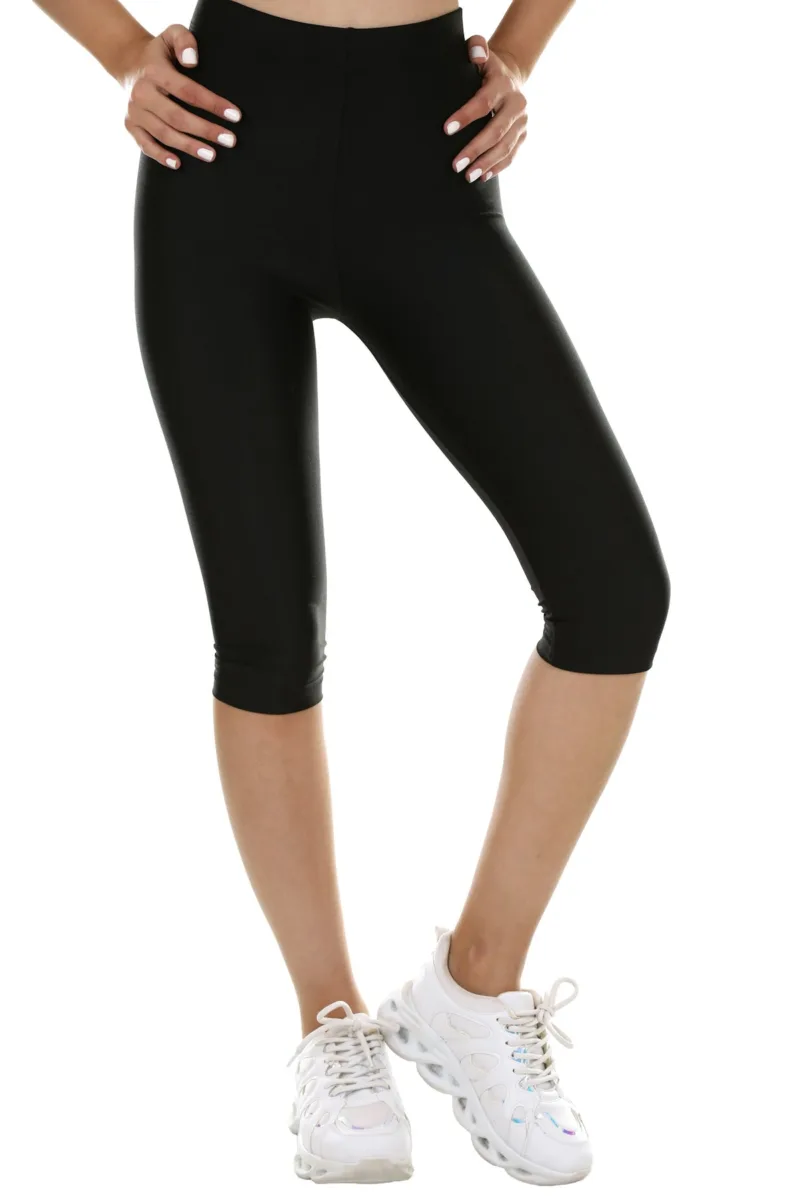
Capri pants end between the knee and the mid-calf. They were designed in 1948 by Sonja de Lennart and named after the Italian island of Capri. Film stars such as Audrey Hepburn and Grace Kelly made them famous in the 1950s. They are slim-fitting and are worn in spring and summer.
- Best worn with: Ballet flats, sandals, espadrilles, and light shirts.
- Who it suits: Slim and tall figures in particular. A hem at the narrowest part of the calf is the most flattering.
10. Leather Pants
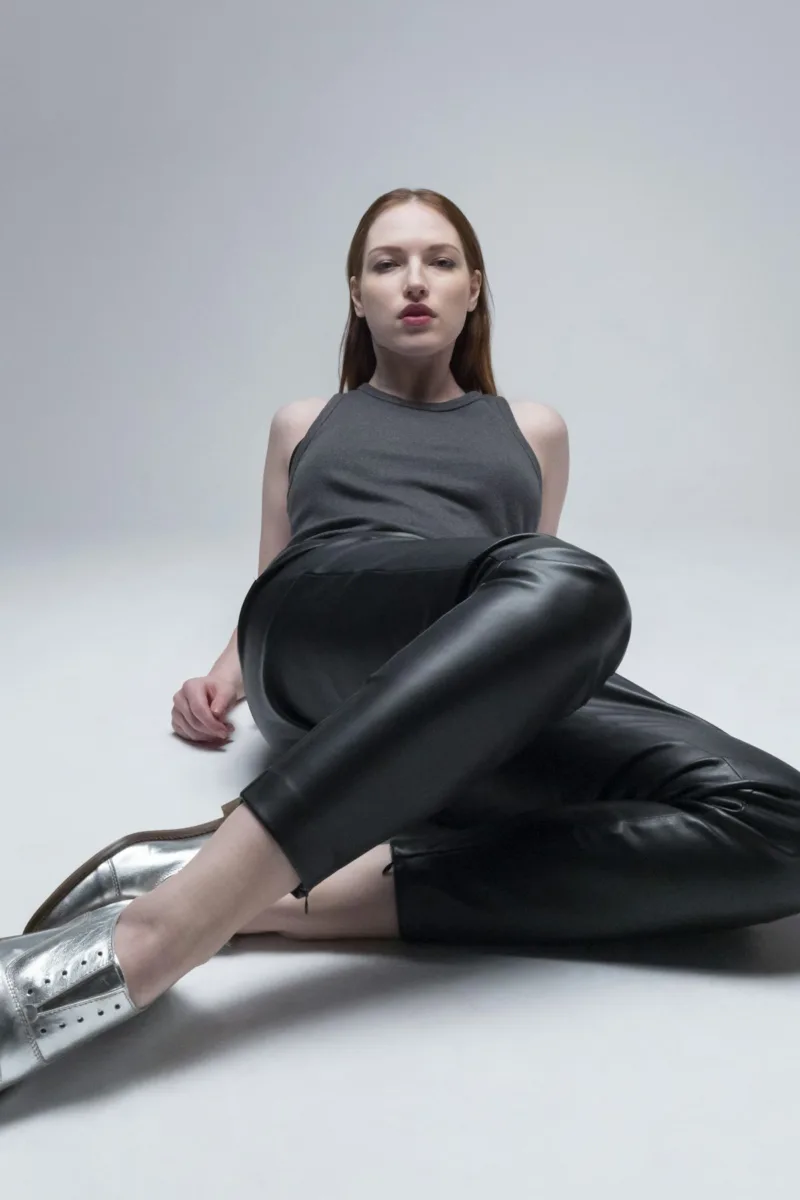
Leather pants are made of real leather or a synthetic alternative, often called vegan or faux leather. They were first worn for protection by riders and motorcyclists, and rock musicians turned them into a fashion statement in the 1960s and 1970s. They are windproof and hard-wearing but not breathable.
- Best worn with: Plain knitwear, simple T-shirts, and ankle boots, to balance the shine.
- Who it suits: People who want a bold piece for evenings and cooler weather.
11. Shorts
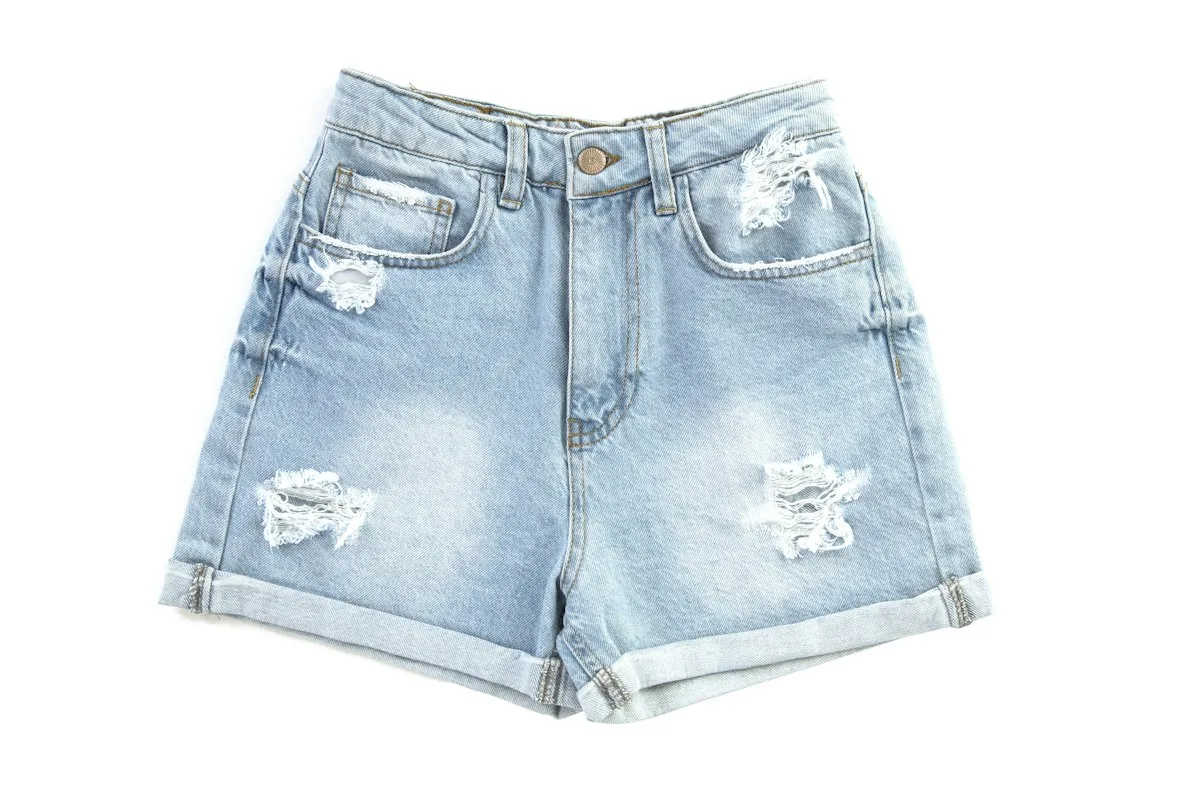
Shorts are pants cut off above the knee. They range from tailored chino and Bermuda shorts, which end just above the knee, to denim cut-offs and athletic shorts. The length of the inside leg seam, called the inseam, is usually given in inches. They are worn in hot weather and for sport.
- Best worn with: T-shirts, polo shirts, linen shirts, sneakers, and sandals.
- Who it suits: Everyone, in warm weather. Tailored shorts ending just above the knee are the smartest option.
12. Overalls
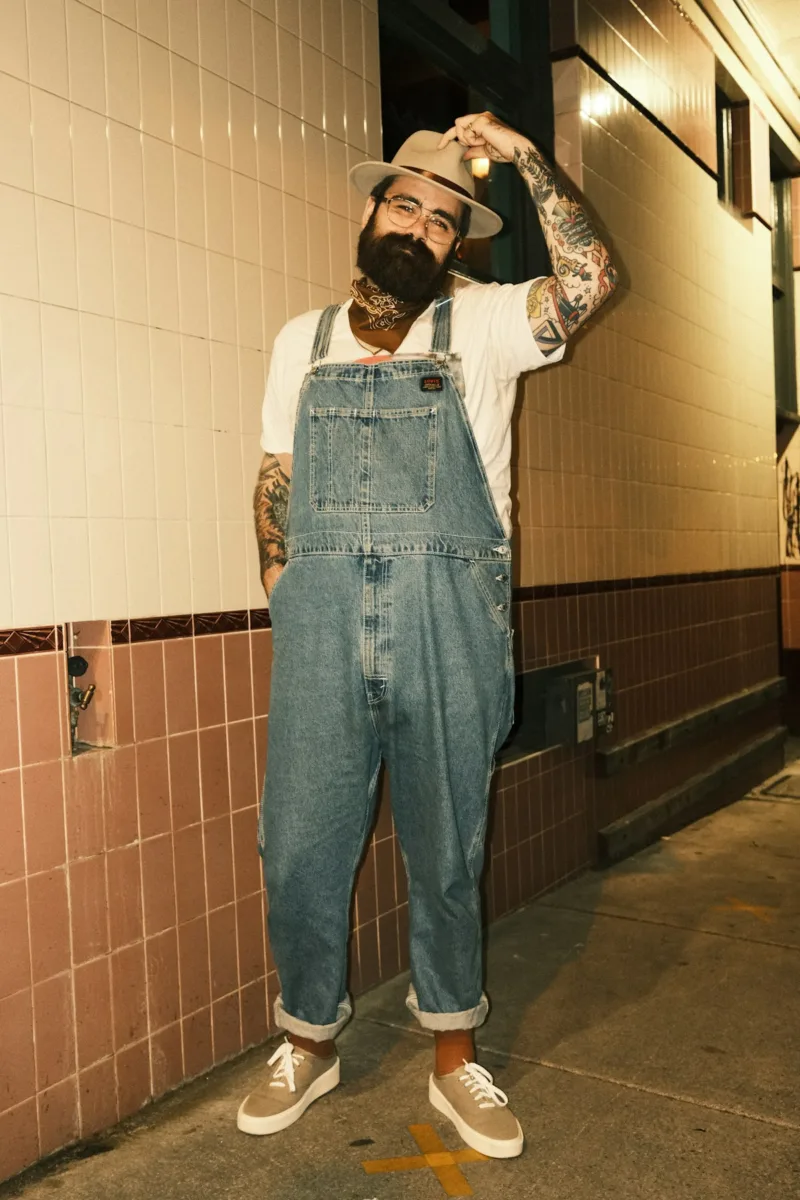
Overalls are pants with a bib that covers the chest and is held up by straps over the shoulders. In Britain they are called dungarees. They were created in the 1800s as protective workwear for farmers, railroad workers, and mechanics, and denim is still the usual fabric. Since the 1970s, and again in the 1990s, they have been worn as casual fashion.
- Best worn with: T-shirts, striped tops, and sweaters underneath, with sneakers or boots.
- Who it suits: Anyone who likes relaxed, practical clothes. They are also popular for children and for gardening and painting.
How to Choose the Right Type of Pants
Think about the occasion first. For the office, choose dress pants, chinos, or tailored wide-leg pants. For weekends, jeans and joggers are the easiest choice. For exercise, go with leggings, joggers, or sweatpants. In hot weather, pick shorts, capri pants, or palazzo pants in a light fabric. To finish the outfit, see our guides to types of tops, types of jackets, and types of skirts.
Frequently Asked Questions
What is the difference between pants and trousers?
They are the same garment. “Pants” is the usual word in American English, and “trousers” is the usual word in British English, where “pants” means underwear.
What is the difference between joggers and sweatpants?
Joggers are slimmer and have a tapered leg with a cuff at the ankle. Sweatpants are looser and thicker, and often have an open or lightly gathered hem.
What is the difference between chinos and khakis?
Chinos are made from a lighter, smoother cotton twill and have a dressier look. Khakis are made from heavier cotton and have a more rugged, casual look. Khaki is also the name of the tan color.
What is the difference between palazzo pants and wide-leg pants?
Both are loose, but palazzo pants are wider and made from light, flowing fabric that flares from the waist. Wide-leg pants are usually made from firmer fabric and keep a straighter shape.
Which type of pants is the most comfortable?
Sweatpants, joggers, and leggings are the most comfortable because they are made from soft, stretchy fabric with an elastic waist.