The most popular types of dance are ballet, contemporary, hip hop, breakdancing, ballroom, tango, Latin dances such as salsa, and flamenco. Some are performed on stage, some are danced with a partner, and some started on the street. Each one below has a picture and explains where it comes from and what makes it different.
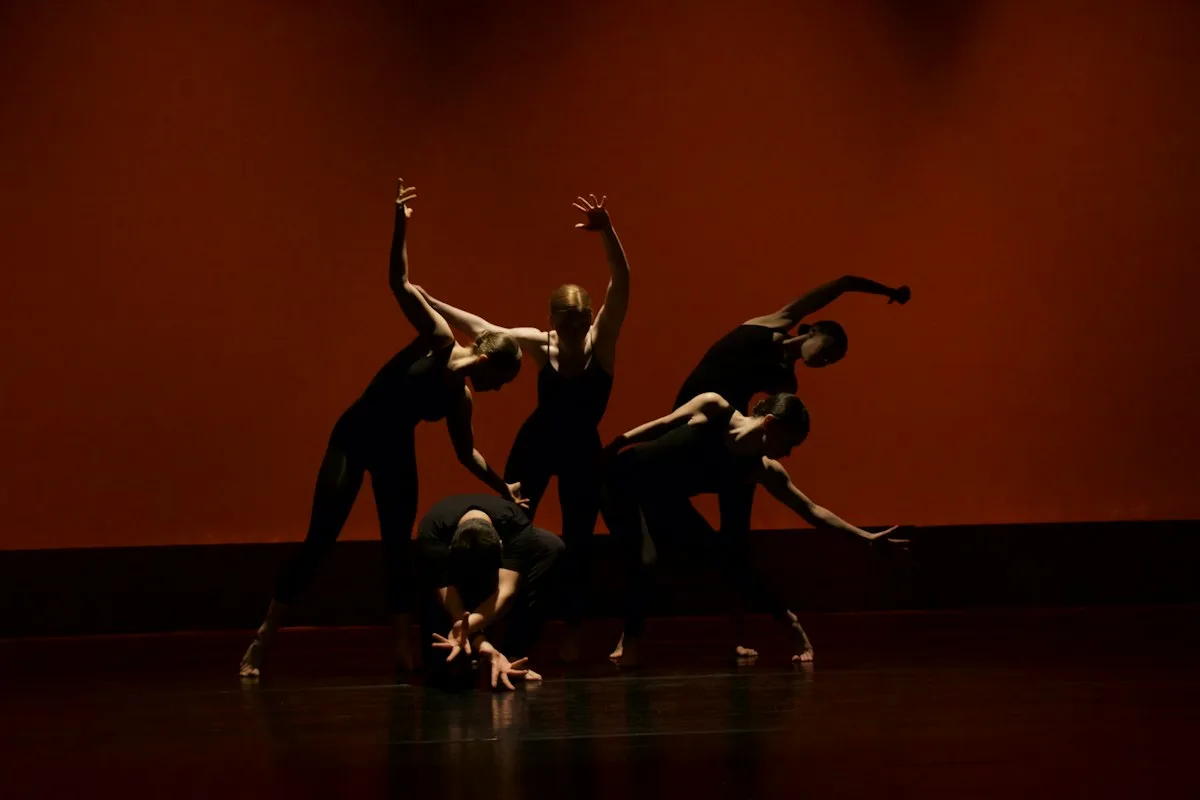
Types of Dance at a Glance
| Dance | Origin | Danced | Music |
|---|---|---|---|
| Ballet | Italy and France | Solo or company | Classical |
| Contemporary | United States and Europe | Solo or group | Any |
| Hip hop | New York City | Solo or crew | Hip hop |
| Breakdancing | New York City | Solo, in battles | Breakbeats |
| Ballroom | Europe | With a partner | Waltz, foxtrot, and more |
| Tango | Argentina and Uruguay | With a partner | Tango |
| Salsa | Cuba and New York City | With a partner | Salsa |
| Flamenco | Southern Spain | Solo | Guitar, singing, clapping |
Different Types of Dance with Pictures
1. Ballet
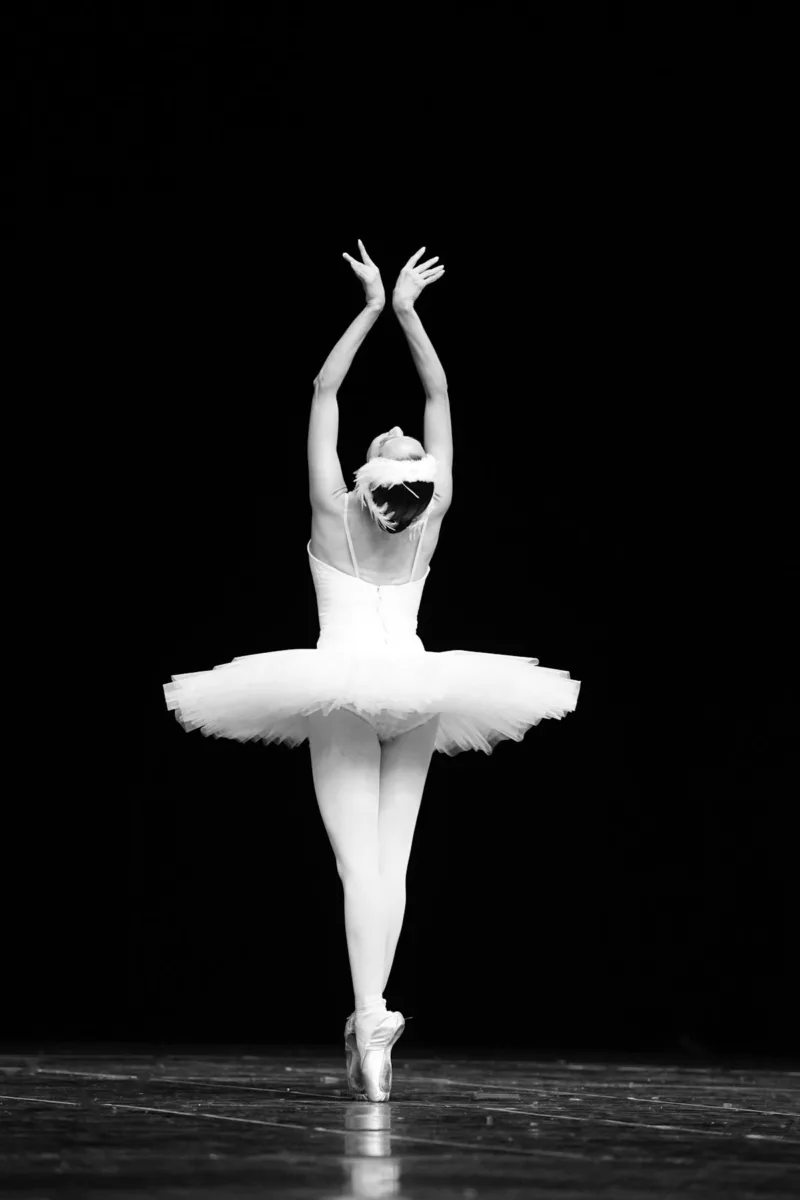
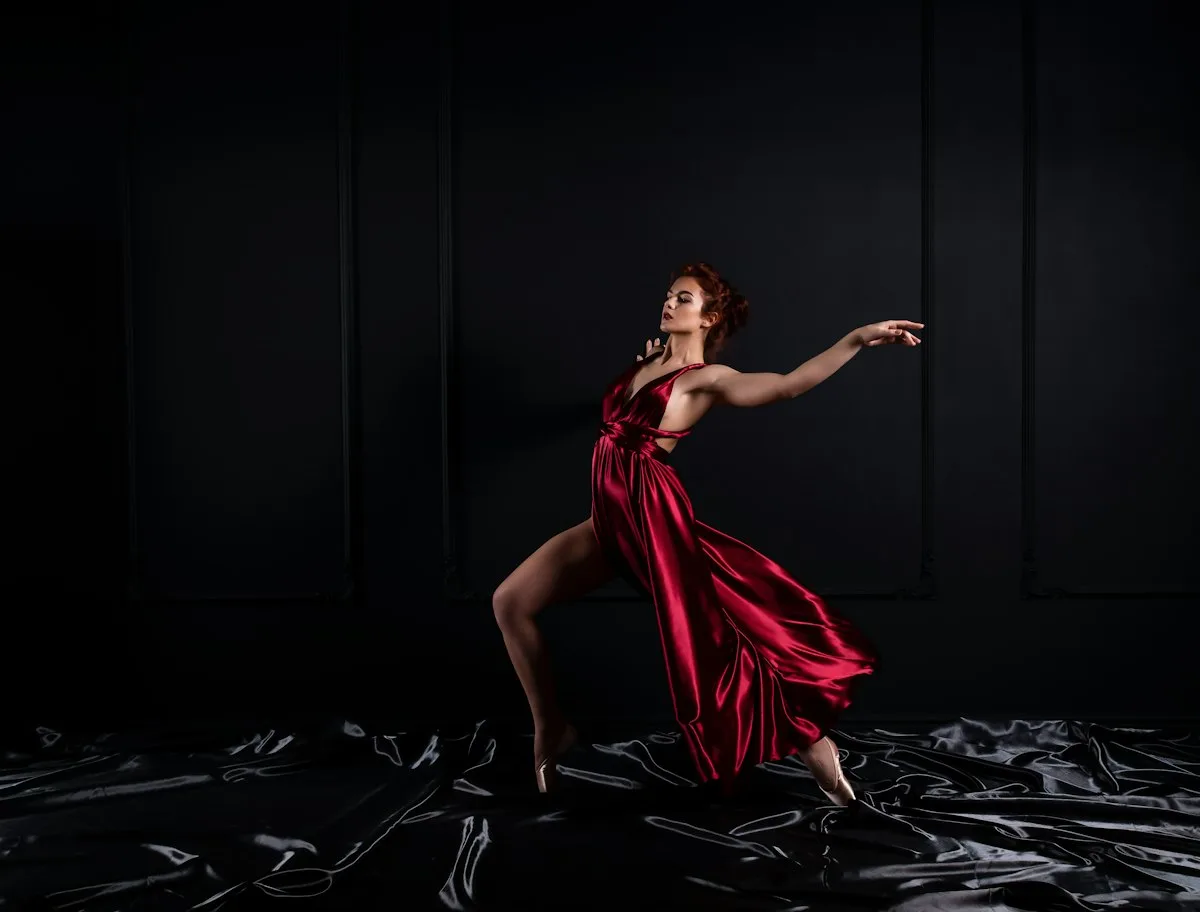
Ballet is a formal dance style that began in the royal courts of Italy and France in the 1400s and 1500s and was later refined in Russia. Its steps still carry French names, such as plie, tendu, and pirouette. Dancers train for years to build turnout, which is the outward rotation of the legs from the hips, along with balance, long lines, and control. Advanced female dancers perform en pointe, on the tips of their toes, in stiffened shoes. Famous ballets such as Swan Lake and The Nutcracker tell a whole story without words.
Classes follow the same order everywhere in the world: exercises at the barre, then work in the center of the room, then jumps and turns across the floor, usually to piano or orchestral music. Children often begin at around five to eight years old, and the posture, balance, and discipline they learn carry over into nearly every other style. Adult beginner classes are common too, and no one expects a grown beginner to go on pointe.
2. Contemporary Dance
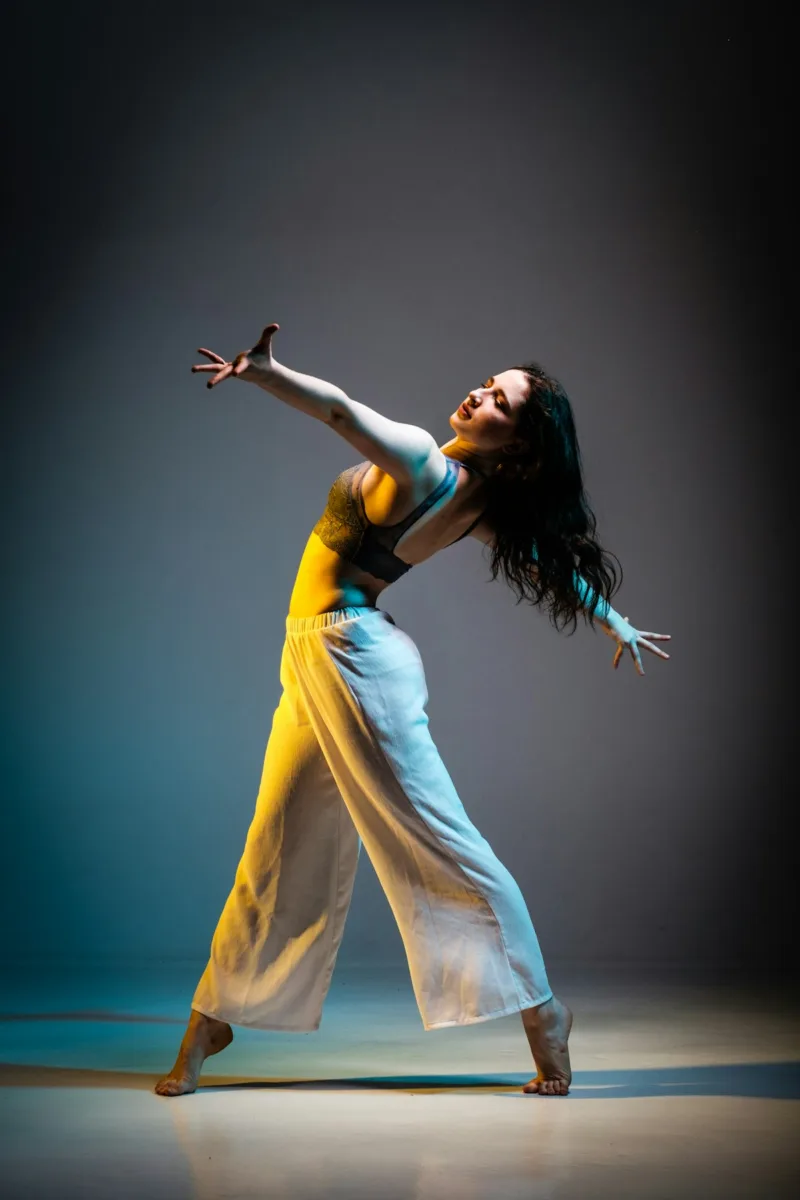
Contemporary dance developed in the mid-1900s as dancers moved away from the strict rules of ballet. It borrows from ballet, modern dance, and jazz, and adds floor work, falling and recovering, and movement that starts from the torso and the breath. Dancers often perform barefoot. The focus is on expressing an emotion or an idea, so two contemporary pieces can look completely different from each other.
The music can be almost anything: a pop ballad, a solo piano piece, electronic sound, spoken word, or silence. Pioneers such as Martha Graham and Merce Cunningham laid the groundwork in the last century, and television dance competitions made the style familiar to a wide audience. It suits expressive dancers who want more freedom than ballet allows, although some ballet or jazz training makes the technique much easier.
3. Hip Hop Dance
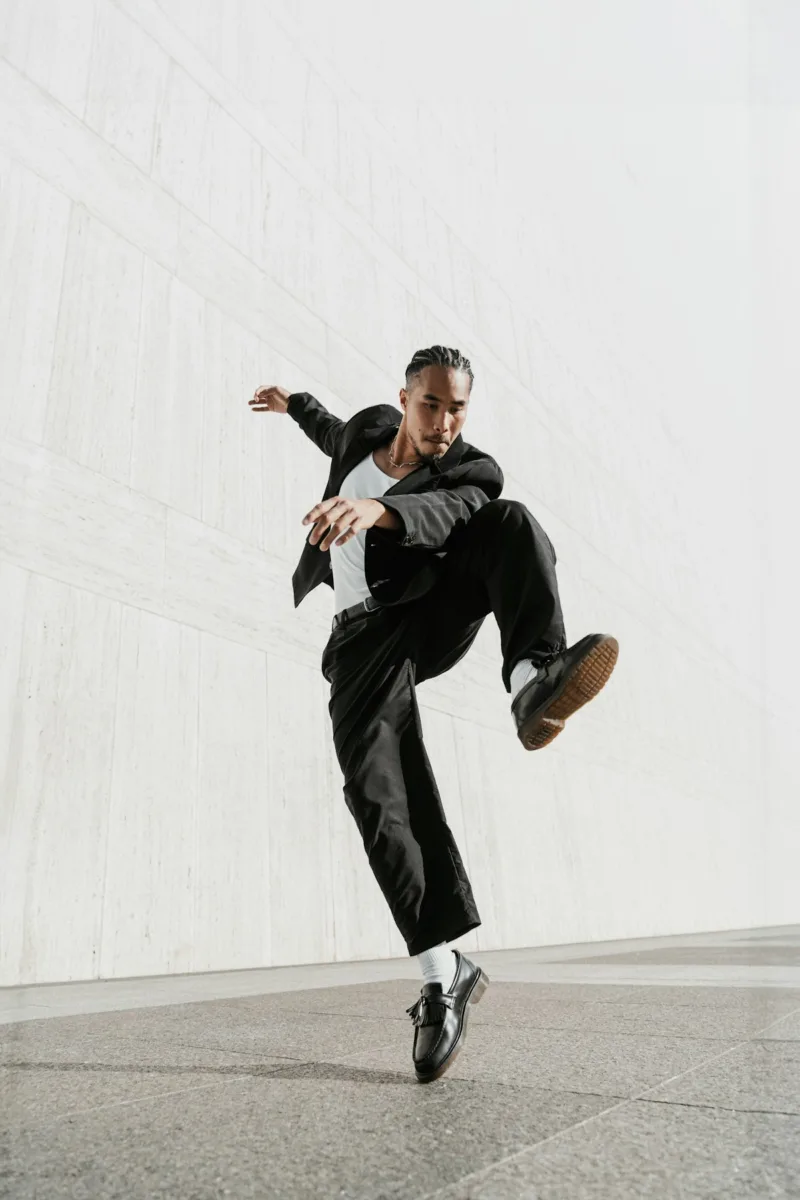
Hip hop dance grew out of the street culture of New York City in the 1970s, alongside rap, DJing, and graffiti. It is an umbrella term for several styles, including popping, locking, and krumping, and it has a strong tradition of freestyle, where dancers make up movement on the spot. The dancing is grounded, with bent knees and a relaxed bounce that follows the beat. Today it is taught in studios worldwide and appears in music videos, films, and competitions.
Classes are usually danced in sneakers to rap, R&B, and funk, and they tend to finish with a short routine that the group learns together. There is also a difference between hip hop as it is danced socially, in circles called cyphers, and the choreographed studio style seen in music videos. It is one of the most welcoming styles for beginners, since no earlier training is needed and personal style counts for as much as precision.
4. Breakdancing
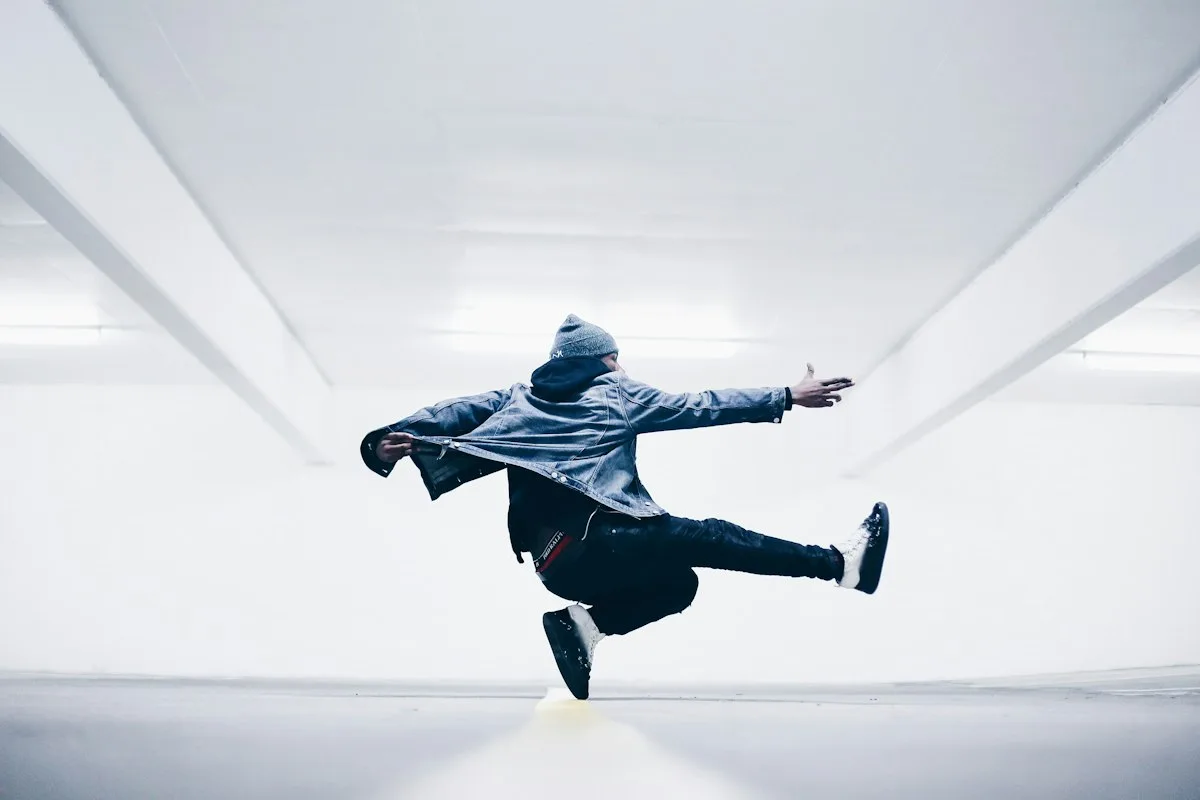
Breakdancing, properly called breaking, is the original hip hop dance style. It began in the Bronx in the early 1970s, when dancers saved their best moves for the instrumental break of a record. It has four main parts: toprock, the standing steps; downrock, the footwork on the floor; power moves, such as windmills and head spins; and freezes, where the dancer holds a difficult pose. Dancers, known as b-boys and b-girls, face each other in battles. Breaking made its Olympic debut at the 2024 Games in Paris.
The music is built on breakbeats, the drum-heavy sections of funk and soul records that the first hip hop DJs looped to keep dancers moving. In a battle, dancers take turns answering each other, and judges score originality, technique, and how well the moves fit the music. Breaking demands strong shoulders, wrists, and core muscles, so beginners start with toprock and simple footwork long before they attempt a head spin.
5. Ballroom Dance
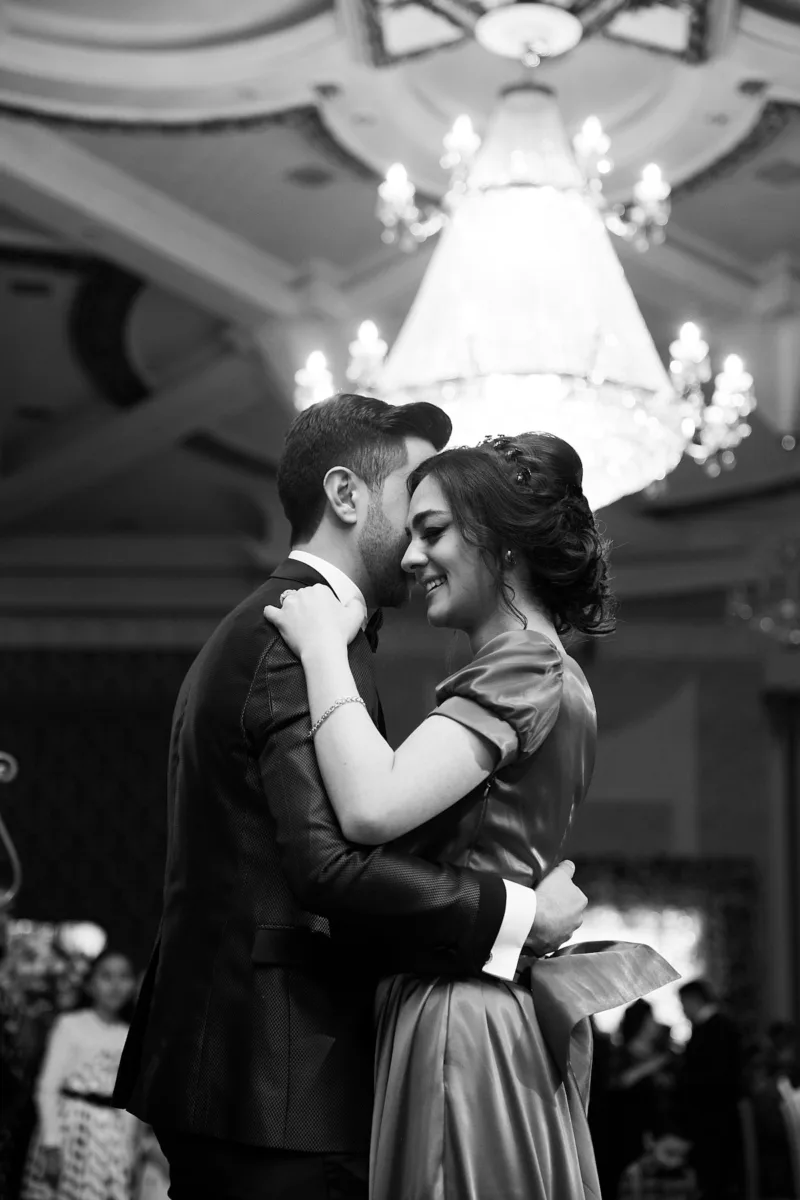
Ballroom dance is a group of partner dances performed in a closed hold, with one person leading and the other following. The standard dances are the waltz, tango, Viennese waltz, foxtrot, and quickstep, and couples travel around the floor in a counterclockwise direction. It is danced socially at weddings and dance halls and competitively as DanceSport, where couples are judged on posture, timing, and footwork. Men traditionally wear tailcoats and women wear long, flowing gowns.
The music has a steady, clear tempo, from the three-beat sway of a waltz to the brisk swing of a quickstep. Ballroom is unusual among dance styles because people take it up at any age: couples learn a first dance for their wedding, and many keep dancing socially into their seventies and eighties. It is a good fit for anyone who wants a sociable hobby and enjoys working with a partner.
6. Tango
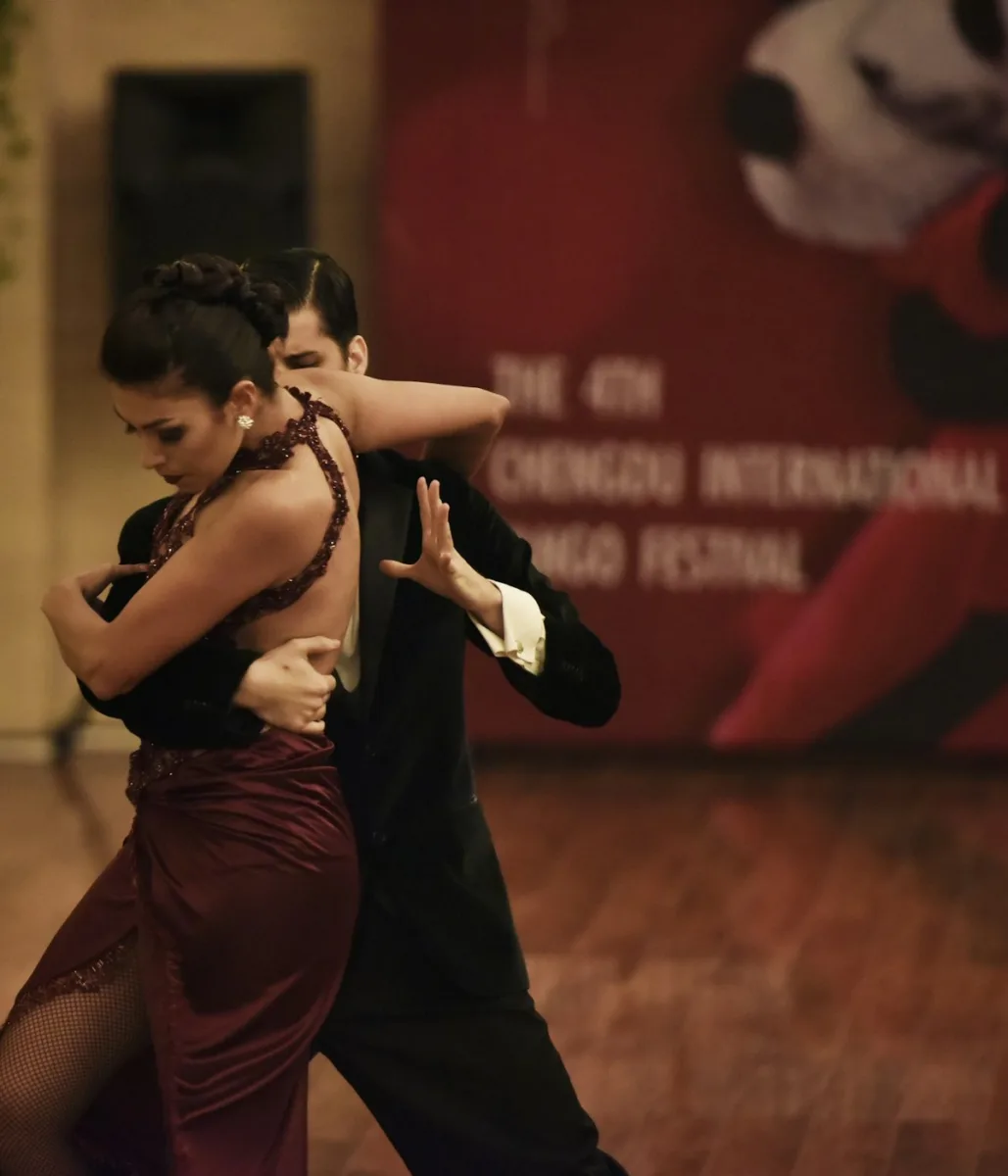
Tango was born in the late 1800s in the working-class port districts of Buenos Aires in Argentina and Montevideo in Uruguay. It is danced in a close embrace, with the couple walking together and adding sudden pauses, sharp turns, and quick leg flicks. Argentine tango is improvised, with the leader choosing each step in the moment, while ballroom tango uses set figures and snappy head movements. The mood is serious and intense, and there is no bouncing or swaying of the hips.
Tango music is traditionally led by the bandoneon, a small relative of the accordion, together with violin, piano, and double bass. The composer Astor Piazzolla later brought it into concert halls. Social dances are called milongas, and in 2009 UNESCO recognized tango as part of the cultural heritage of Argentina and Uruguay. It rewards patient dancers who care more about connection and improvisation than speed.
7. Salsa
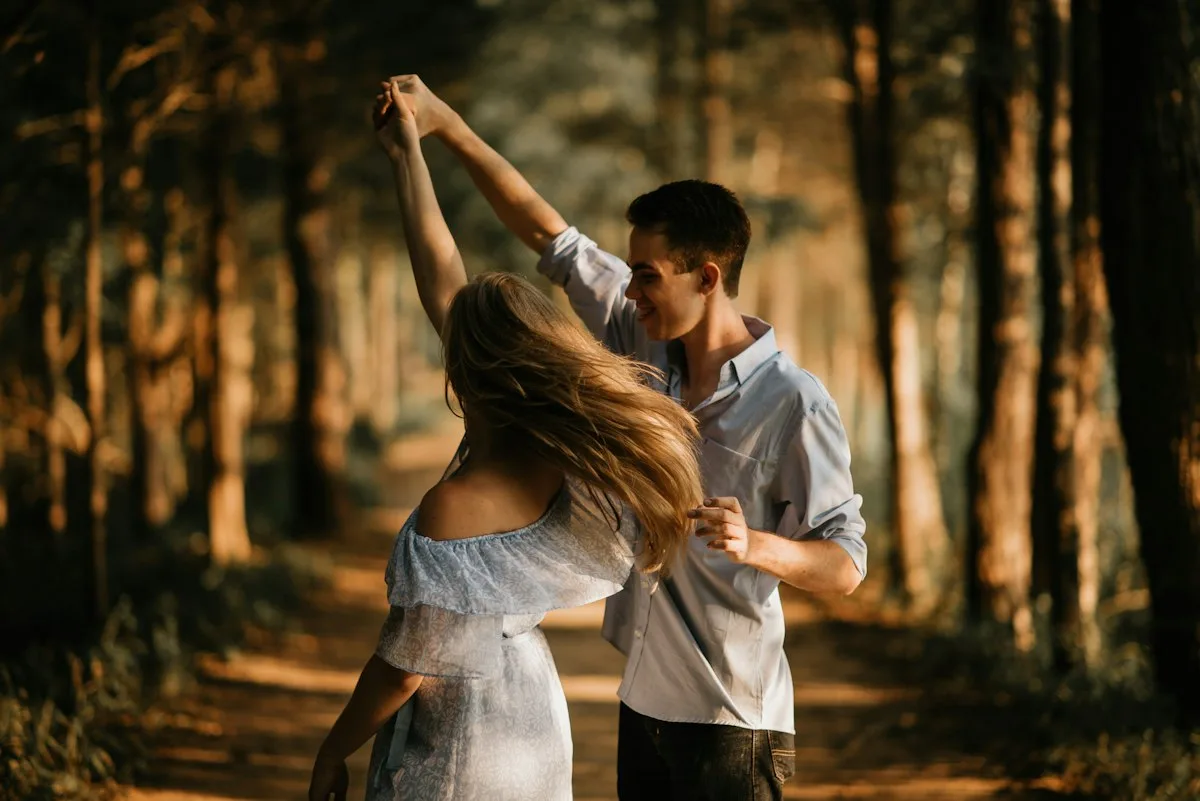
Salsa is a lively partner dance with roots in Cuban son and other Afro-Caribbean dances. It took shape among Latin communities in New York City in the 1960s and 1970s. The basic step uses three steps over four beats of music, with a pause or tap on the fourth, and the hips move as the weight shifts from foot to foot. Partners add turns and spins on top of the basic step. Salsa is danced in clubs and at socials all over the world, and most venues offer a beginner lesson at the start of the night.
The sound is driven by congas, timbales, piano, and brass, with a rhythm pattern called the clave underneath. Styles differ by city: in the Los Angeles and New York styles the couple moves back and forth along a line, while in Cuban style they circle around each other. It is the easiest partner dance to try, because most salsa nights begin with a beginner lesson, partners rotate, and nobody needs to arrive with one.
8. Flamenco
Flamenco comes from Andalusia in southern Spain and is closely tied to the Romani people of the region. It is an art form made of three parts: singing, guitar playing, and dance. The dancer stands tall and proud, strikes the floor with fast, rhythmic footwork, and moves the arms and hands in curving shapes. Hand claps, finger snaps, and sometimes castanets add to the rhythm. Women traditionally wear long, ruffled dresses, and may dance with a shawl or a fan.
A flamenco performance depends on the bond between the dancer, the singer, and the guitarist, with palmas, or rhythmic hand clapping, holding everything together. The different forms, called palos, range from the slow and sorrowful solea to the fast and festive alegrias. Flamenco was added to UNESCO’s cultural heritage list in 2010. It is usually danced solo, so it suits people who love rhythm and strong expression and do not want to depend on a partner.
More Types of Dance
- Tap dance: danced in shoes with metal plates that turn the feet into a percussion instrument.
- Jazz dance: an energetic, showy style seen in musicals and music videos.
- Belly dance: a Middle Eastern dance based on movements of the hips and torso.
- Bharatanatyam: a classical dance from southern India that tells stories with hand gestures and facial expressions.
- Irish step dance: fast footwork with the upper body held still.
- Swing: a family of lively partner dances from the 1920s to 1940s, including the Lindy Hop.
- Folk dance: traditional dances passed down within a country or community.
How to Choose a Type of Dance to Learn
Think about what you want from it. For fitness and fun with no partner, try hip hop or jazz. For a social hobby, salsa and ballroom classes are easy to find and welcome beginners. For strong technique that carries over to every other style, start with ballet. If you are also interested in the music behind the movement, see our guides to types of guitars, types of drums, and types of pianos.
Frequently Asked Questions
What are the main types of dance?
The main types are ballet, contemporary, jazz, tap, hip hop, ballroom, Latin, and folk dance. Most other styles are branches or blends of these.
What is the easiest type of dance to learn?
Social dances with simple basic steps, such as salsa, swing, and the waltz, are among the easiest for beginners. Hip hop is also beginner friendly because it has no strict positions.
What is the hardest type of dance?
Ballet is widely considered the hardest because it demands years of training, great strength, and exact technique.
What is the difference between ballroom and Latin dance?
In competitions, ballroom covers the smooth, travelling dances such as the waltz and foxtrot. Latin covers rhythmic dances such as the cha-cha, rumba, samba, and jive, which are danced more on the spot with more hip action.
Is breakdancing an Olympic sport?
Breaking made its Olympic debut at the Paris 2024 Games.