There are more than 60 types of balls used in sports and games, from the soccer ball and basketball to the cricket ball, bocce ball, and medicine ball. This guide lists 65 of them with pictures and a short description of what each one is and how it is used.
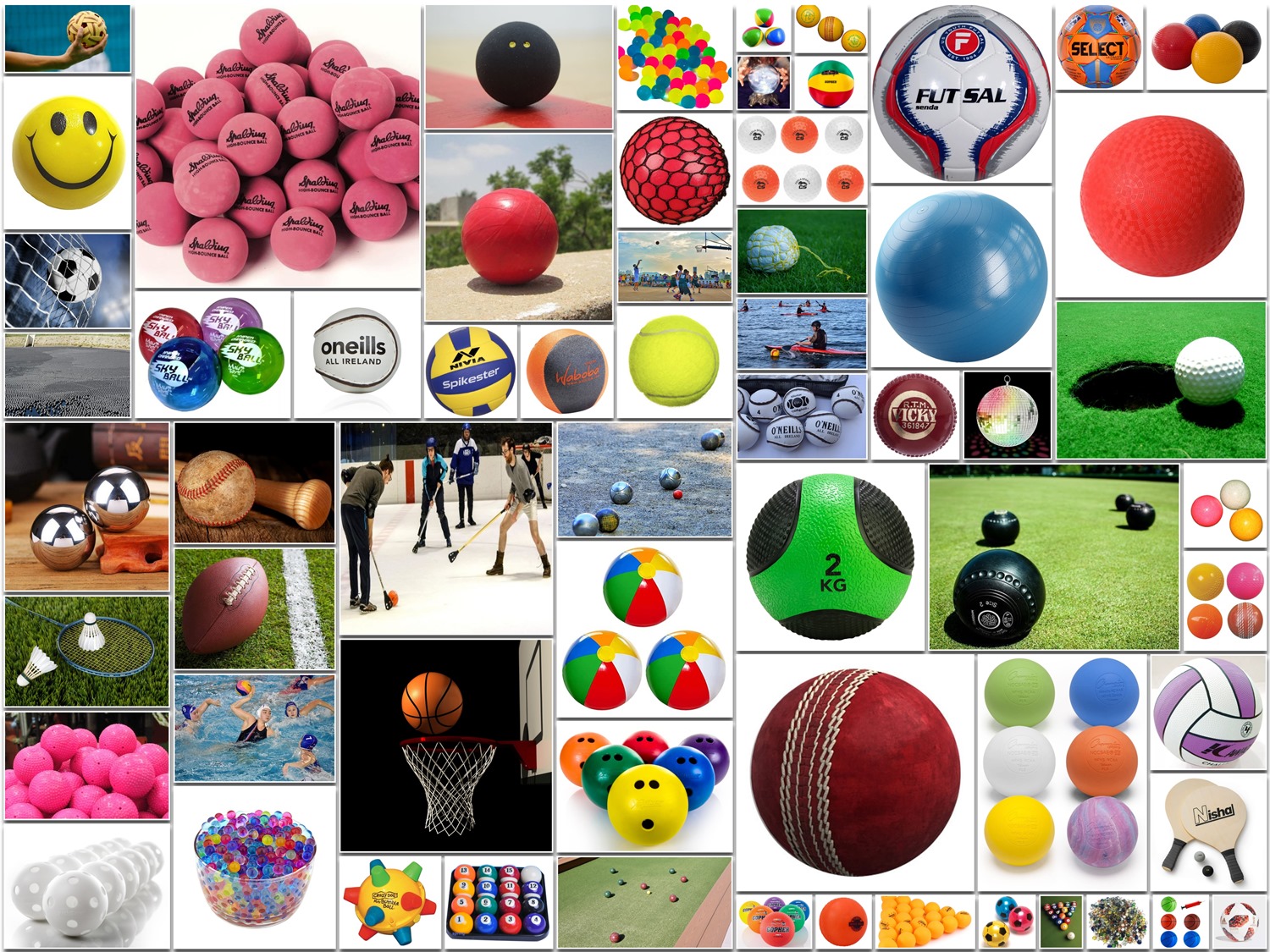
Types of Balls Outside of Sports
Not every ball is made for a game. Besides sports balls, the main types of balls are:
- Toy balls: rubber bouncy balls, super balls, playground balls, foam and sponge balls, and plastic ball pit balls.
- Exercise and therapy balls: stability (Swiss) balls, medicine balls, massage balls, and stress balls.
- Decorative balls: Christmas baubles, disco balls, and glass gazing balls for the garden.
- Industrial and mechanical balls: steel ball bearings, valve balls, and the grinding balls used in mills.
- Household and craft balls: cotton balls, wool and yarn balls, pom-poms, and cat toy balls.
- Food balls: meatballs, matzo balls, rice balls, melon balls, and cake pops.
- Nature and science: snowballs, hail, and the ball-shaped models used for globes and atoms.
The full list below starts with sports balls and then covers the toy, exercise and everyday balls in more detail.
65 Types of Balls with Names and Pictures
The list begins with the balls used in the major sports and moves on to games, toys, exercise equipment, and a few balls that are not used for play at all. Where a sport sets an official size and weight, those figures are included.
1. American Football
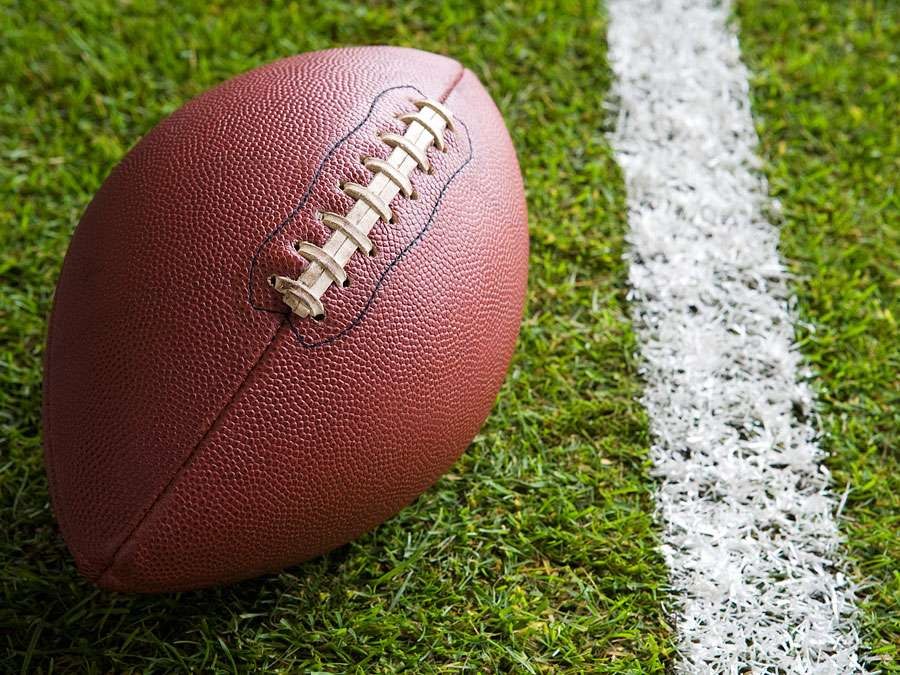
The American football is not round at all. It is a prolate spheroid, which means it is stretched and pointed at both ends. That shape lets a quarterback throw it in a tight spiral, and it also makes the ball bounce unpredictably when it hits the ground. Players and fans call it a pigskin, but modern footballs are made of cowhide leather with a pebbled surface and raised white laces that help the thrower grip it.
The official NFL ball, nicknamed “The Duke”, has been made by Wilson since 1941.
Size: about 11 inches long and 28 inches around the long way.
Weight: 14 to 15 ounces, inflated to 12.5 to 13.5 psi.
2. Basketball
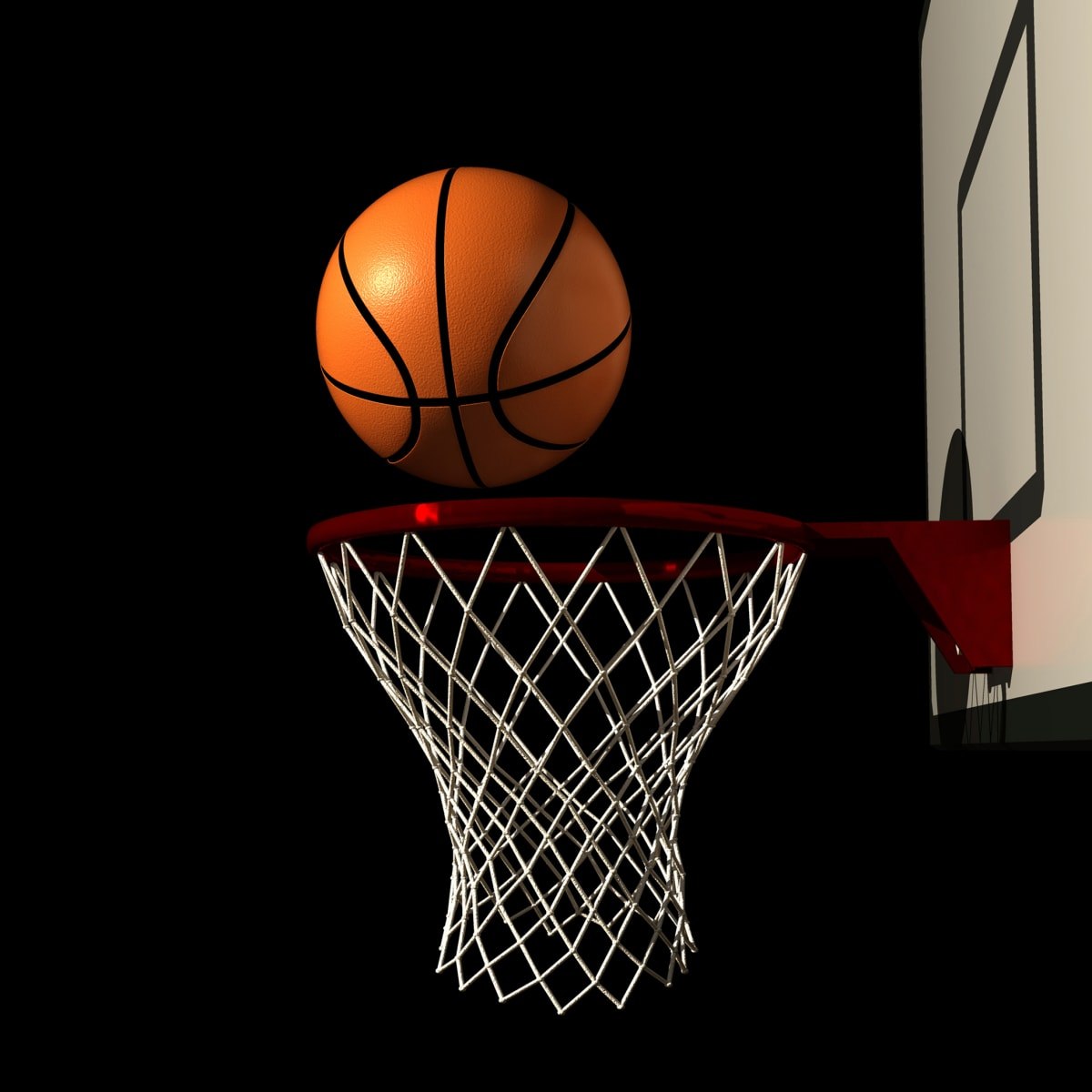
Basketball was invented in 1891 by James Naismith, a physical education teacher in Springfield, Massachusetts, and the first games were played with a soccer ball and peach baskets. The modern ball is orange so that players and spectators can follow it easily, and it is covered in tiny bumps, called pebbling, for grip. Black channels divide the surface into eight panels.
Indoor balls are made of leather or composite leather, while outdoor balls are rubber so that they survive concrete courts. A properly inflated ball dropped from six feet should bounce back to roughly four feet.
Size: 29.5 inches around for men (size 7) and 28.5 inches for women (size 6). Younger children use size 5.
Weight: about 22 ounces for men and 20 ounces for women.
3. Tennis Ball
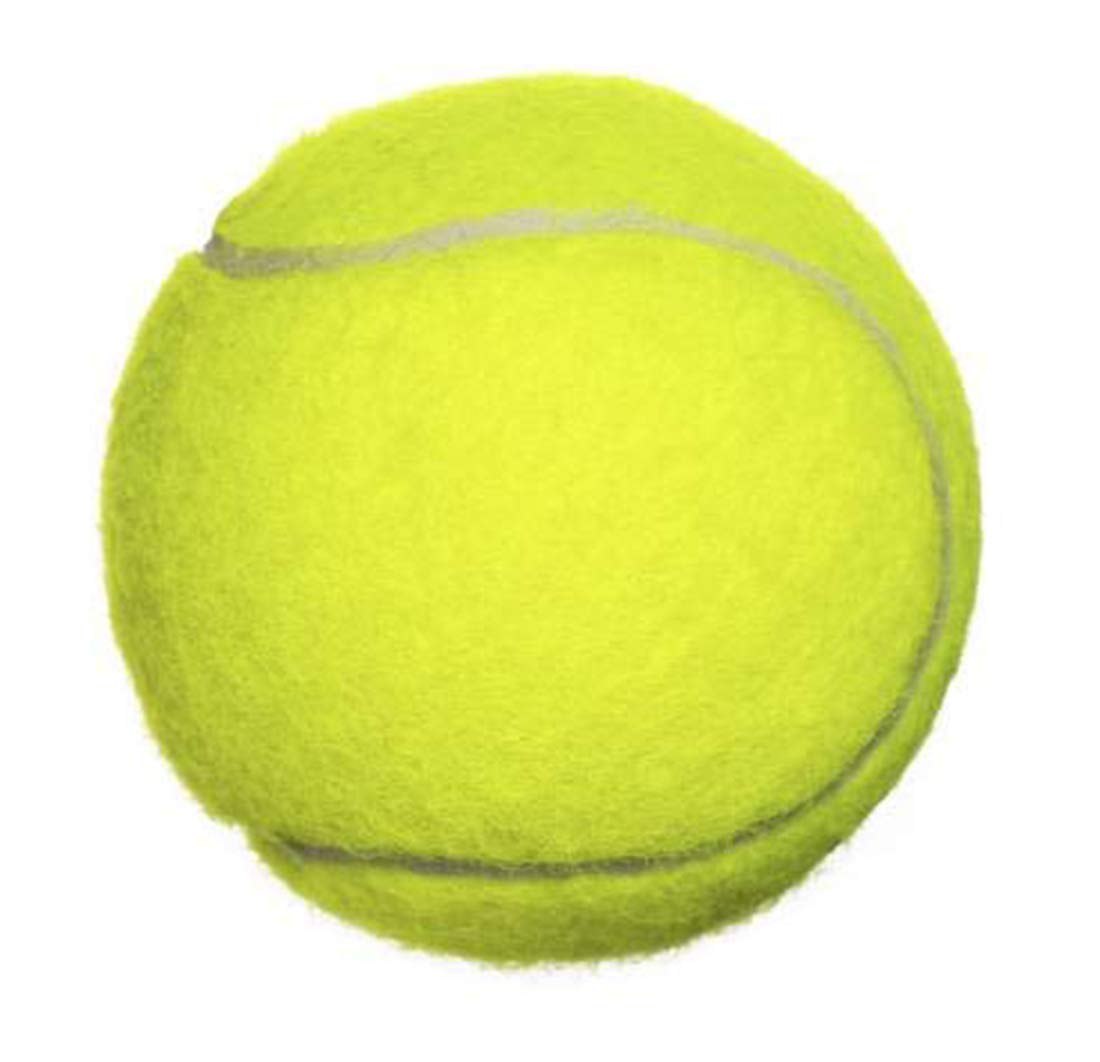
A tennis ball is a hollow rubber ball filled with pressurized air and covered in felt. The felt slows the ball in the air and helps the strings grip it for spin. Tennis balls were white or black until 1972, when the bright fluorescent color known as optic yellow was introduced because it showed up better on color television.
Balls are sold in sealed, pressurized cans because they begin to lose their bounce as soon as the can is opened. In professional matches the balls are replaced after the first seven games and then every nine games.
Size: 2.57 to 2.70 inches (6.54 to 6.86 cm) in diameter.
Weight: 56 to 59.4 grams, or about 2 ounces.
4. Baseball
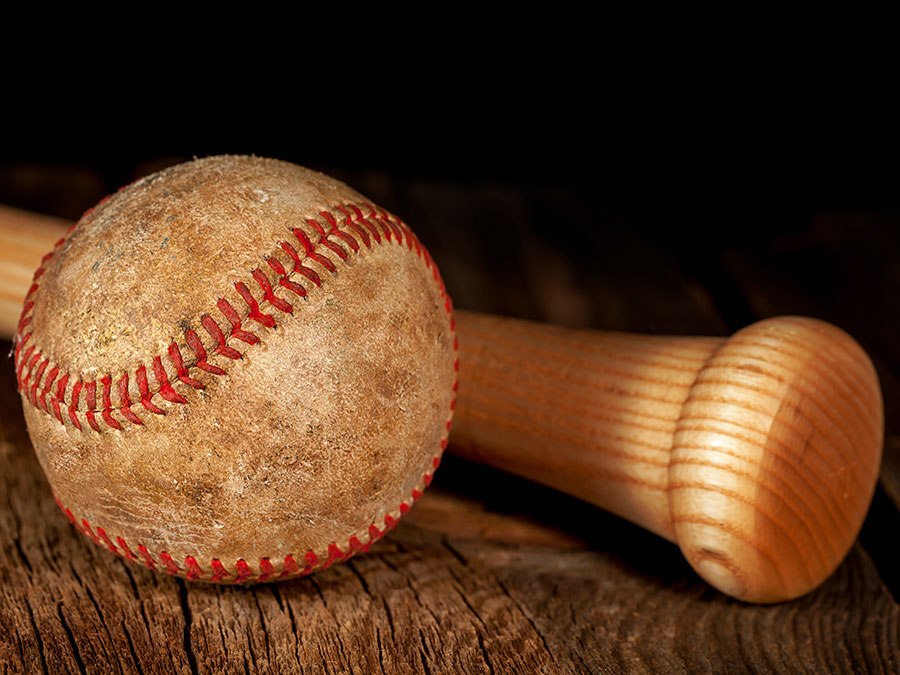
A baseball is built in layers. At the center is a small core of cork and rubber. This is wound tightly with hundreds of yards of wool and cotton yarn, and the whole thing is covered with two pieces of white cowhide shaped like figure eights. The cover is sewn by hand with red thread using 108 double stitches.
The raised stitches are what make pitching interesting. They catch the air as the ball spins, which allows a pitcher to throw curveballs, sliders, and other pitches that move.
Size: 9 to 9.25 inches in circumference.
Weight: 5 to 5.25 ounces.
5. Soccer Ball (Football)
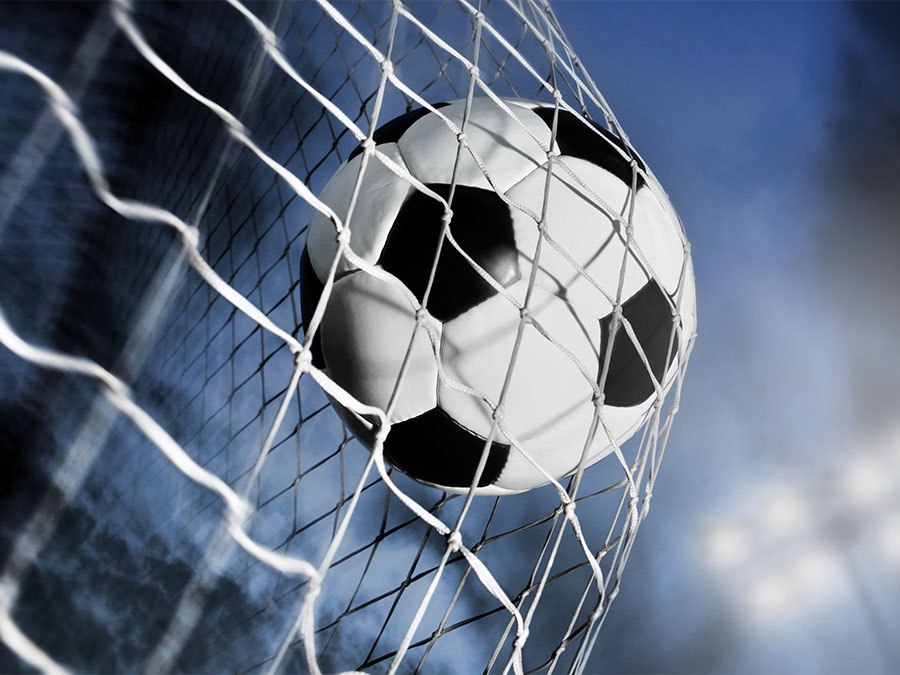
The soccer ball, called a football in most of the world, is the most widely used ball on Earth. The classic design of 32 panels, with 20 white hexagons and 12 black pentagons, first appeared at the 1970 World Cup, where it was chosen because it was easy to see on black-and-white television.
Modern match balls have far fewer panels, and the panels are bonded together with heat instead of being stitched, which keeps water out and makes the flight more consistent. The cover is synthetic leather over a latex or butyl bladder.
Size: 27 to 28 inches (68 to 70 cm) around for the adult size 5. Children use sizes 3 and 4.
Weight: 14 to 16 ounces (410 to 450 g).
6. Volleyball
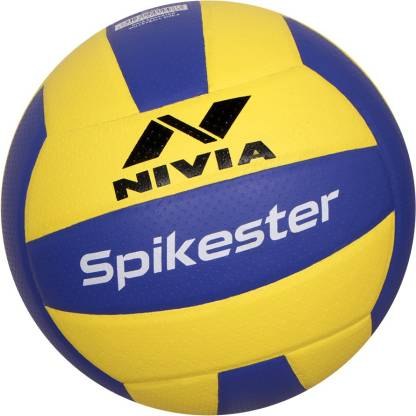
Volleyball was invented in 1895 by William G. Morgan in Holyoke, Massachusetts, as a gentler alternative to basketball. The ball is light and soft so that it can be struck with bare hands and forearms without pain. Indoor balls are made of leather or synthetic leather panels around a rubber bladder.
Beach volleyballs are slightly larger, softer, and less inflated, so they move more slowly through the wind.
Size: 25.6 to 26.4 inches (65 to 67 cm) around.
Weight: 9.2 to 9.9 ounces (260 to 280 g).
7. Bowling Ball

A ten-pin bowling ball is a heavy sphere with holes drilled for the thumb and two fingers. What you cannot see matters most: inside is a dense, shaped weight block, or core, that affects how the ball rolls and hooks. The outer shell, called the coverstock, is made of polyester, urethane, or reactive resin.
Polyester balls slide straight and are the usual house balls at bowling alleys. Reactive resin balls grip the lane and curve sharply toward the pins, which is why serious bowlers use them. Other forms of bowling, such as candlepin and duckpin, use much smaller balls without finger holes.
Size: about 8.5 inches in diameter.
Weight: up to 16 pounds. Most adults use 12 to 16 pounds, and children use 6 to 10 pounds.
8. Golf Ball
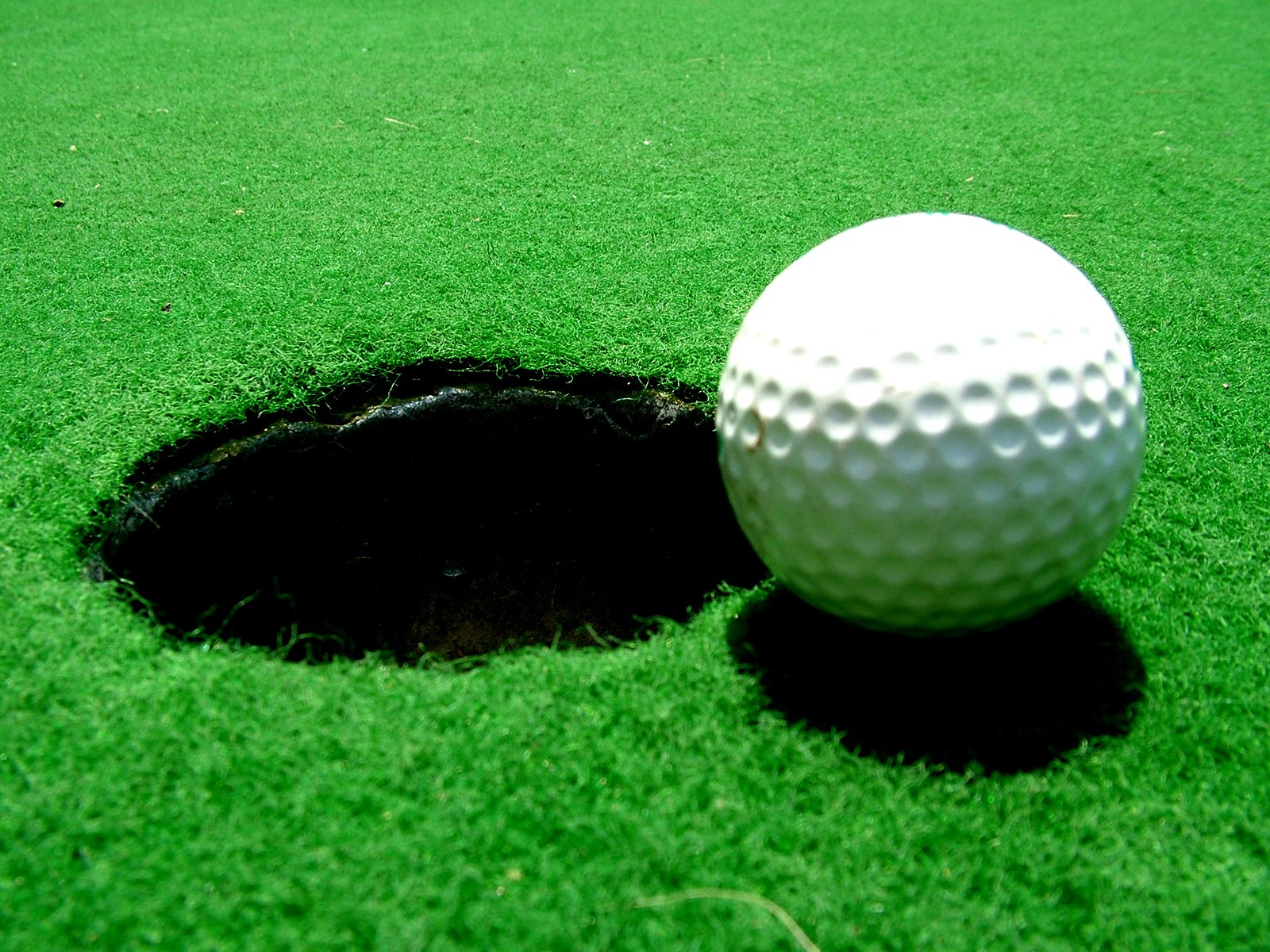
A golf ball is small and hard, and its surface is covered with between 300 and 500 dimples. The dimples are not decoration. They create a thin layer of turbulent air around the ball that reduces drag and adds lift, so a dimpled ball travels roughly twice as far as a smooth one would.
Early golf balls were leather pouches stuffed with feathers. Modern balls have a rubber core and a cover of urethane or a tough plastic called ionomer. Balls with a soft urethane cover spin more and give better control around the green, while firmer two-piece balls are more durable and suit beginners.
Size: at least 1.68 inches (42.67 mm) in diameter.
Weight: no more than 1.62 ounces (45.93 g).
9. Beach Ball
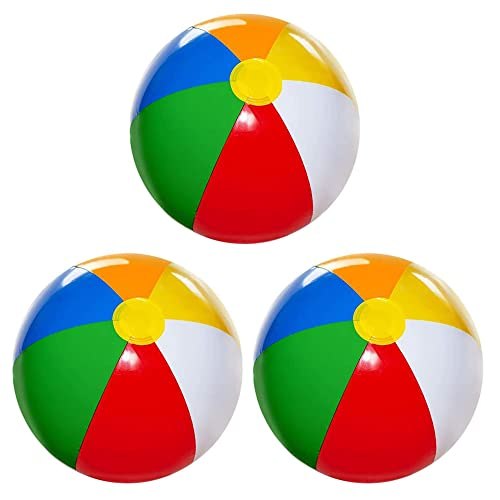
The beach ball is a large, very light inflatable ball made of thin, soft plastic panels in bright colors. It is credited to Jonathon DeLonge, who made the first one in California in 1938. Because it weighs almost nothing, it moves slowly and floats on the breeze, which makes it safe for small children and useless for serious sport.
Beach balls range from about a foot across to giants several feet wide. They deflate flat, so they are easy to pack for the beach or pool.
10. Pool Ball
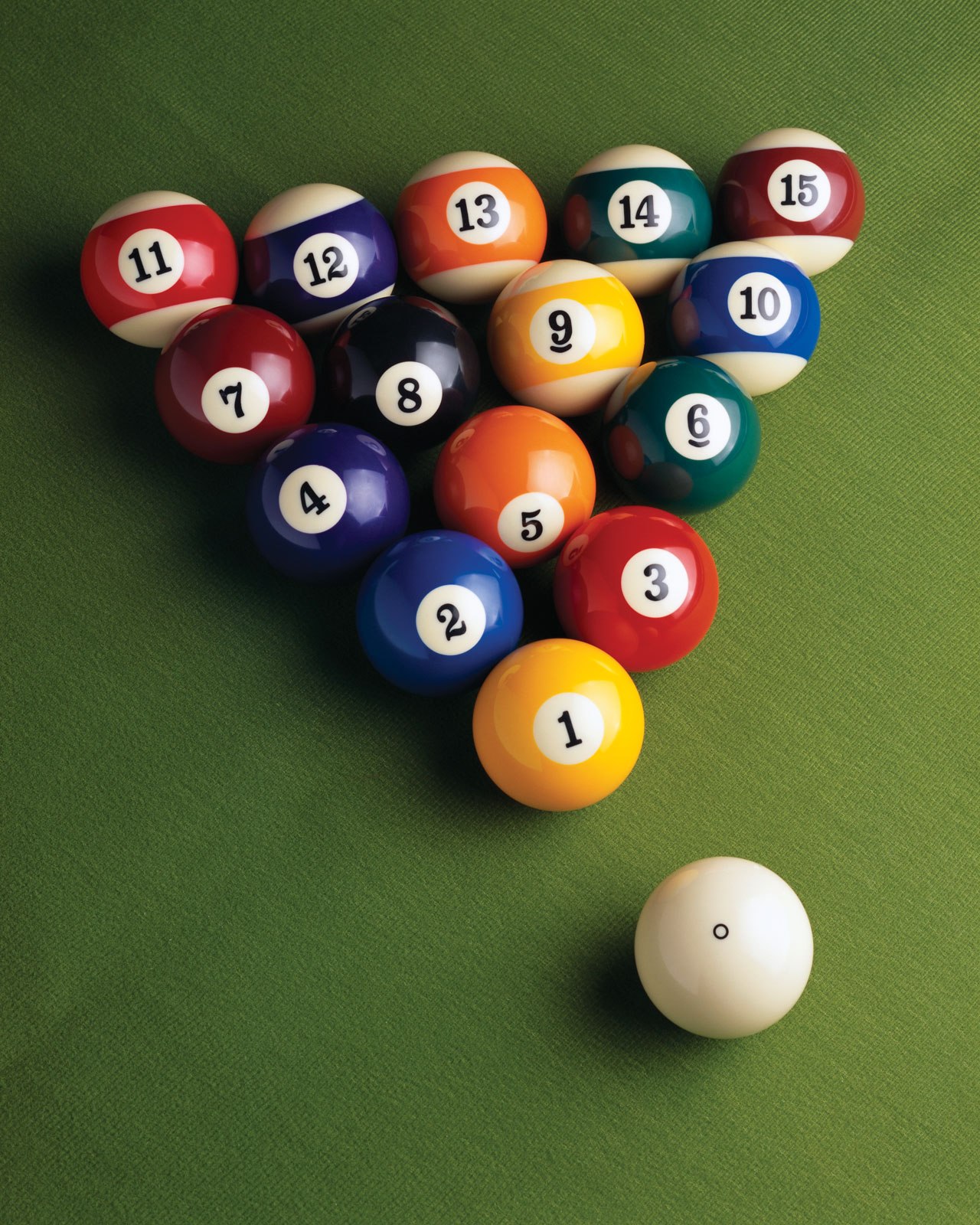
Pool balls are hard, glossy balls made of phenolic resin, a material that resists chipping and stays perfectly round for years. A standard set has sixteen balls: a white cue ball, seven solid-colored balls numbered 1 to 7, the black 8 ball, and seven striped balls numbered 9 to 15.
Size: 2.25 inches in diameter.
Weight: 5.5 to 6 ounces.
11. Hockey Ball
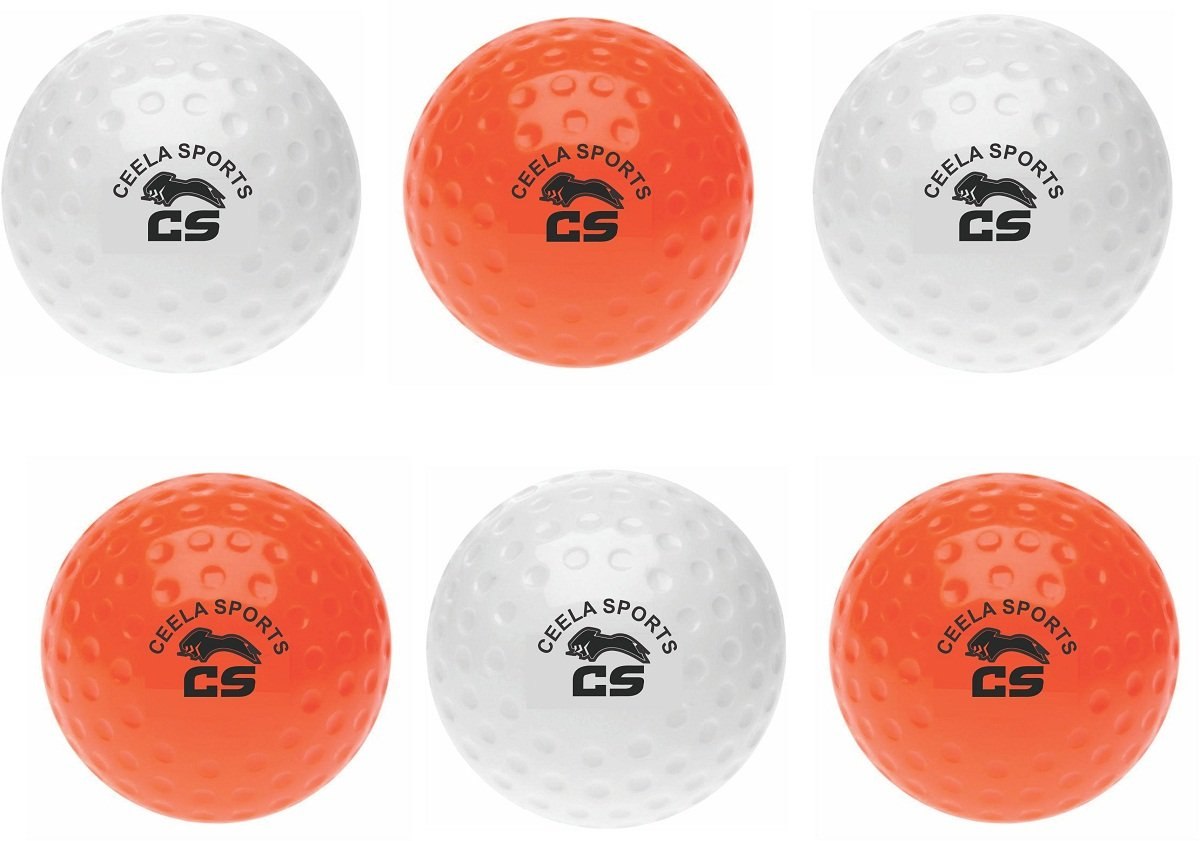
A field hockey ball is a small, very hard ball made of solid plastic, sometimes over a cork core. It is usually white, though other colors are used to contrast with the playing surface. Many balls have shallow dimples, like a golf ball, which help them run smoothly and predictably on wet artificial turf.
It is about the same size as a cricket ball and can travel at well over 60 miles per hour when struck, which is why goalkeepers wear heavy padding and helmets.
Size: 8.8 to 9.25 inches (224 to 235 mm) around.
Weight: 5.5 to 5.75 ounces (156 to 163 g).
12. Playground Ball

The playground ball is the textured, bouncy rubber ball, most often red, that generations of schoolchildren know from recess. It is inflated but soft enough not to hurt, and its rough surface makes it easy to catch.
It is the standard ball for kickball, four square, and schoolyard dodgeball. The most common size is 8.5 inches across.
13. Badminton
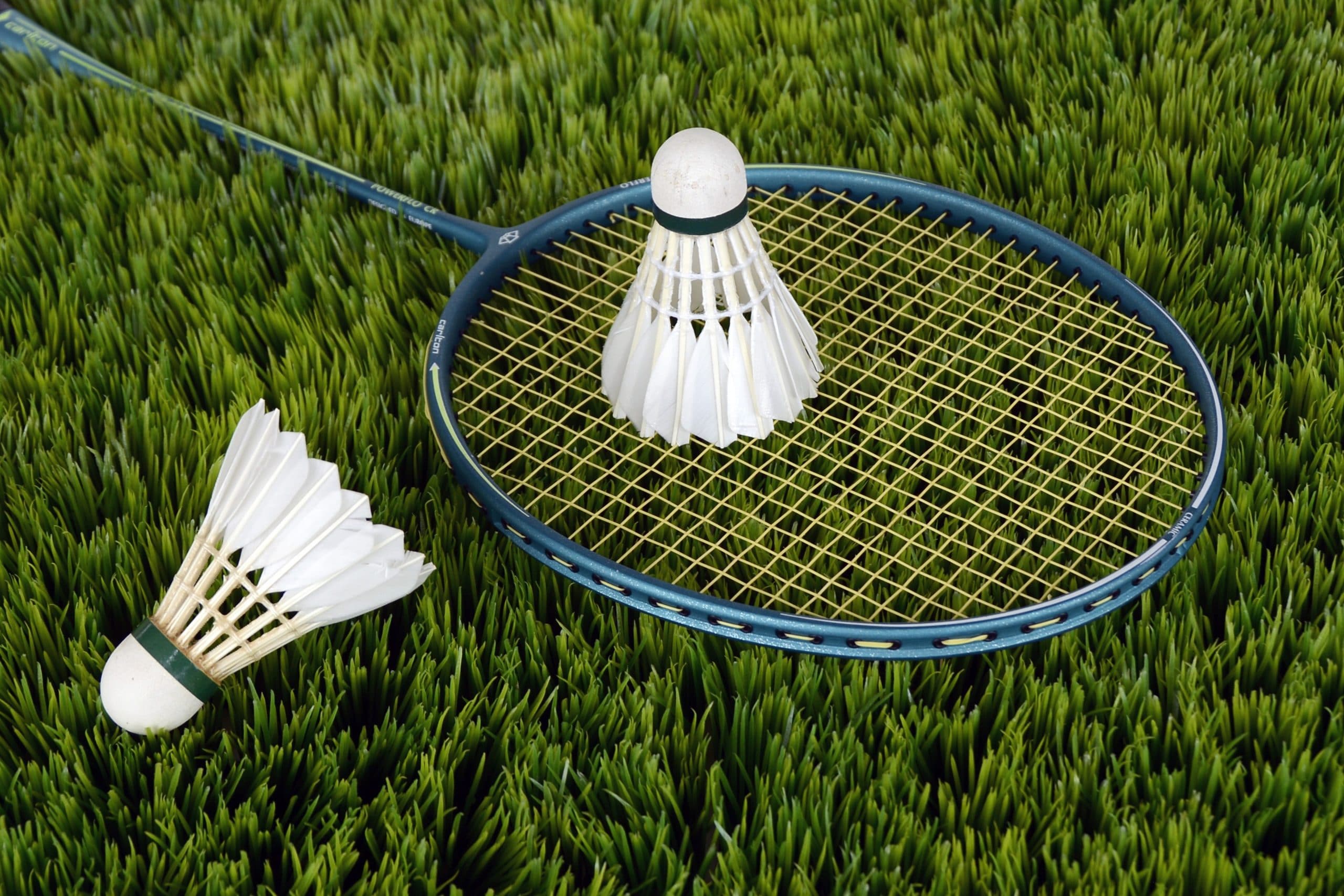
Badminton does not use a ball. It uses a shuttlecock, also called a birdie or shuttle. A traditional shuttlecock has 16 goose or duck feathers fixed into a rounded cork base covered with thin leather. Cheaper practice shuttles have a plastic skirt in place of the feathers.
The cone shape makes the shuttlecock behave unlike any ball. It always turns to fly cork-first, and it slows down very quickly in the air. Even so, a smash by a top player leaves the racket at more than 250 miles per hour, the fastest of any racket sport.
Weight: only 4.74 to 5.50 grams.
14. Water Polo
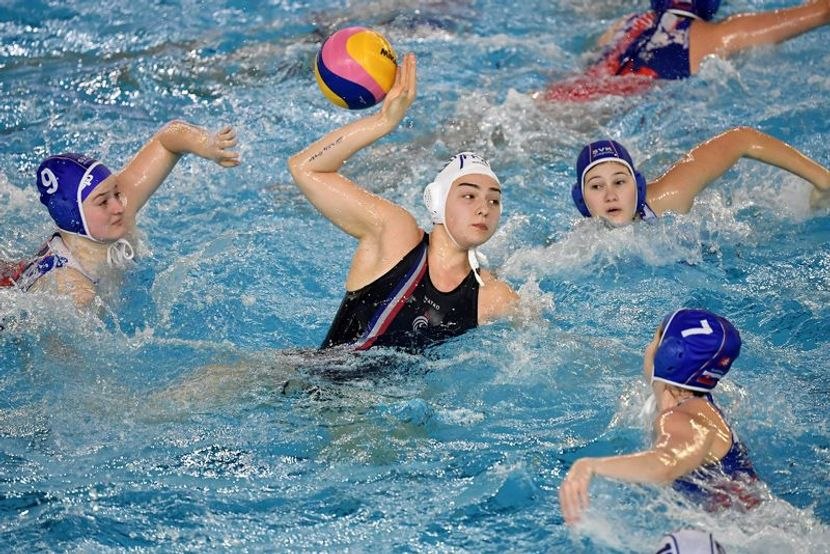
A water polo ball is about the size of a soccer ball but is made to be gripped with one wet hand. The surface is a rough, grippy rubber, and the ball is bright yellow, often with colored stripes, so it is easy to see against the water. It is inflated so that it floats high and skims across the surface.
Size: 27 to 28 inches around for men (size 5) and about 26 inches for women (size 4).
Weight: 14 to 16 ounces (400 to 450 g).
15. Lawn Bowls
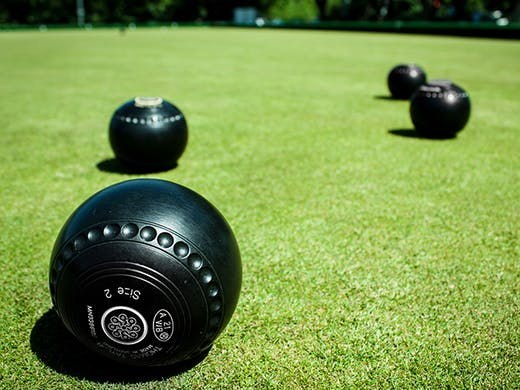
The balls used in lawn bowls are called bowls, and they are not perfectly round. One side is slightly flatter than the other, which gives the bowl a bias and makes it curve as it slows down. Players use that curve to steer around other bowls and finish as close as possible to a small white target ball called the jack.
Bowls were once made of a very dense wood called lignum vitae and are now made of hard plastic resin. They come in several sizes to fit the hand, and they weigh up to about 3.5 pounds.
16. Squash Ball
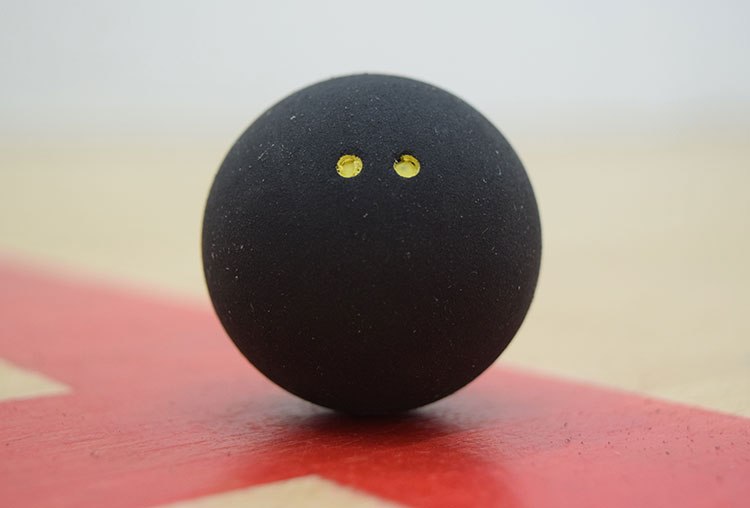
A squash ball is a small, hollow ball made of soft black rubber. Unlike a tennis ball, it has very little bounce when cold. Players hit it hard for a few minutes before a match to warm the air inside, and only then does it bounce properly.
Colored dots show how lively the ball is. A double yellow dot marks the slowest ball, used by professionals and experienced players. Single yellow, red, and blue dots mark progressively bouncier balls, and beginners are better off with a blue or red dot.
Size: about 1.6 inches (40 mm) in diameter.
Weight: 23 to 25 grams.
17. Paddle Ball
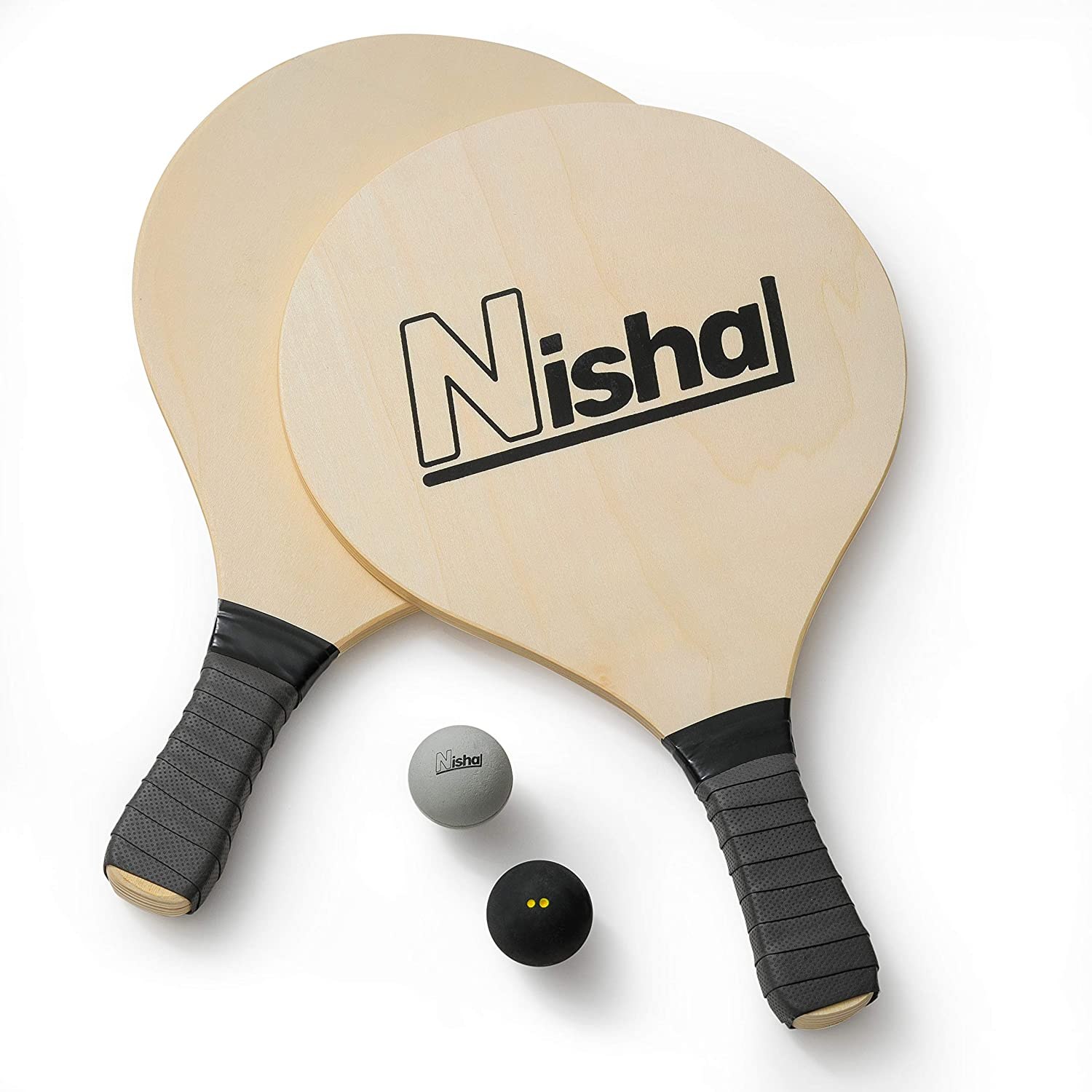
The name paddle ball covers two things. The first is the classic toy: a small rubber ball attached to a wooden paddle by an elastic string, which the player tries to hit again and again without missing. The second is the sport of paddleball, played against a wall with solid paddles and a small, hollow rubber ball.
The toy has been sold since the 1920s and is a test of rhythm and hand-eye coordination.
18. Wiffle Ball
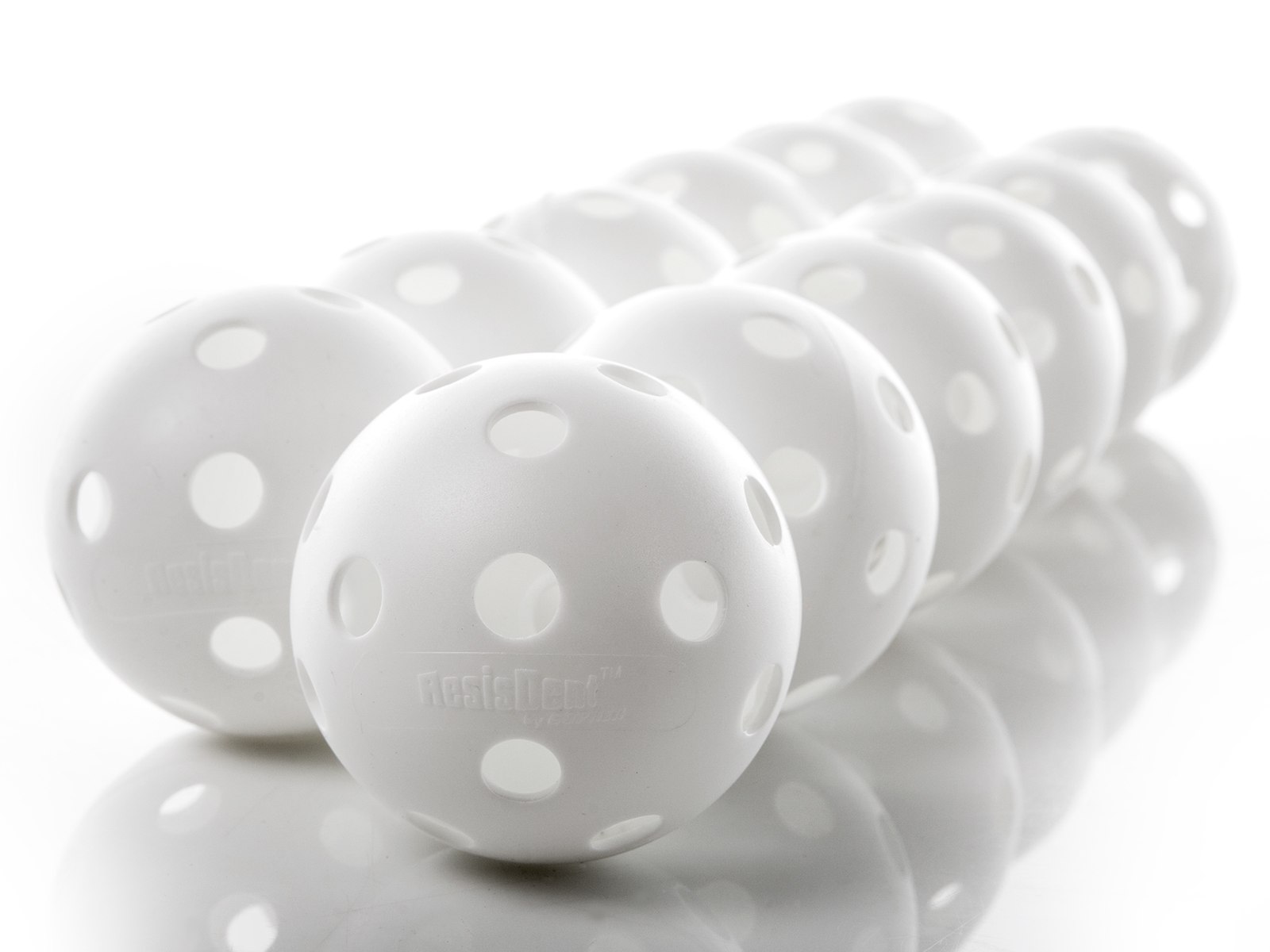
The Wiffle ball is a light, hollow plastic ball with eight oblong holes on one side. David N. Mullany designed it in Connecticut in 1953 so that his son could play baseball in the backyard without breaking windows or straining his arm.
The holes make the ball curve dramatically with very little effort, and it will not travel far however hard it is hit. The name comes from “whiff”, a slang word for a strikeout.
19. Cricket Ball
A cricket ball is hard and heavy. It has a cork core wound tightly with string and a leather cover held together by a raised, hand-stitched seam around the middle. Bowlers use the seam and the condition of the leather to make the ball swing through the air or change direction off the pitch, and fielding teams polish one side of the ball for that reason.
The color depends on the format. Red balls are used in Test matches, white balls in one-day and Twenty20 games, and pink balls in day-night Tests.
Size: 8.8 to 9 inches (22.4 to 22.9 cm) around.
Weight: 5.5 to 5.75 ounces (155.9 to 163 g).
20. Hurling Ball
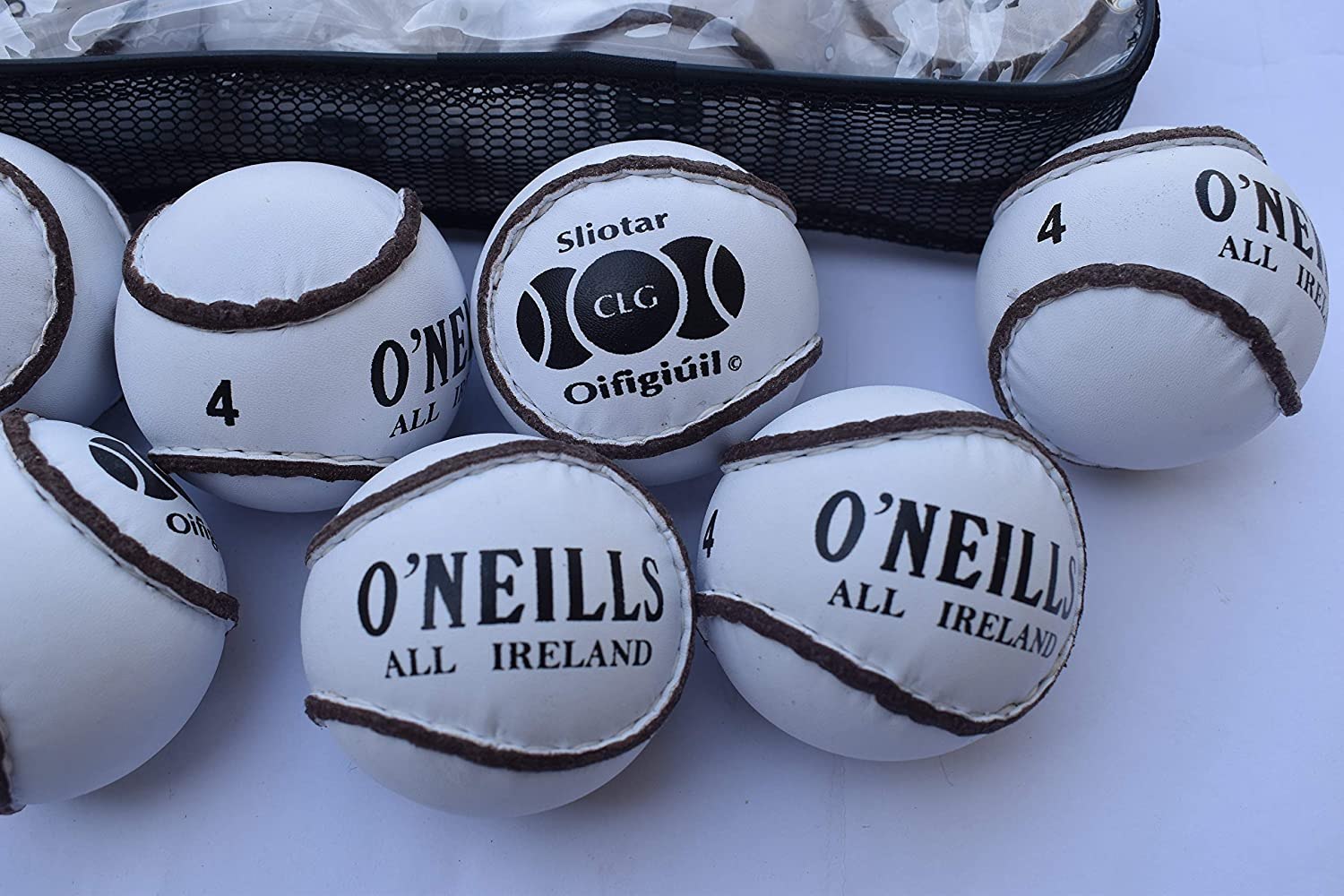
Hurling is an ancient Irish field sport, often described as the fastest game on grass. Players strike a small leather ball with a wooden stick called a hurley and may also catch it and carry it balanced on the stick. The ball itself is called a sliotar, and it is covered in more detail further down this list.
A well-struck ball can travel more than 90 miles per hour and cover over 100 yards, which is why helmets with face guards are compulsory.
21. Rugby Ball (Football)
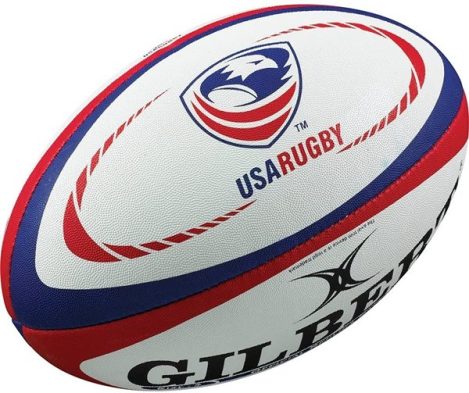
The rugby ball is oval, like an American football, but larger, rounder at the ends, and without laces. The shape dates back to the 1800s, when balls were made from inflated pig bladders, which are naturally plum-shaped. Modern balls have four panels of synthetic material with a dimpled surface for grip in wet weather.
The shape suits a game in which the ball is carried, passed sideways or backward by hand, and kicked.
Size: 11 to 12 inches (28 to 30 cm) long.
Weight: 14.5 to 16 ounces (410 to 460 g).
22. Lacrosse Ball

A lacrosse ball is a smooth ball of solid rubber. It is dense and bouncy, and it can leave a player’s stick at more than 100 miles per hour. Game balls are usually white, yellow, or orange. Because of its firmness, the lacrosse ball has also become a popular tool for massaging sore muscles.
Size: about 2.5 inches in diameter.
Weight: 5 to 5.25 ounces.
23. Handball
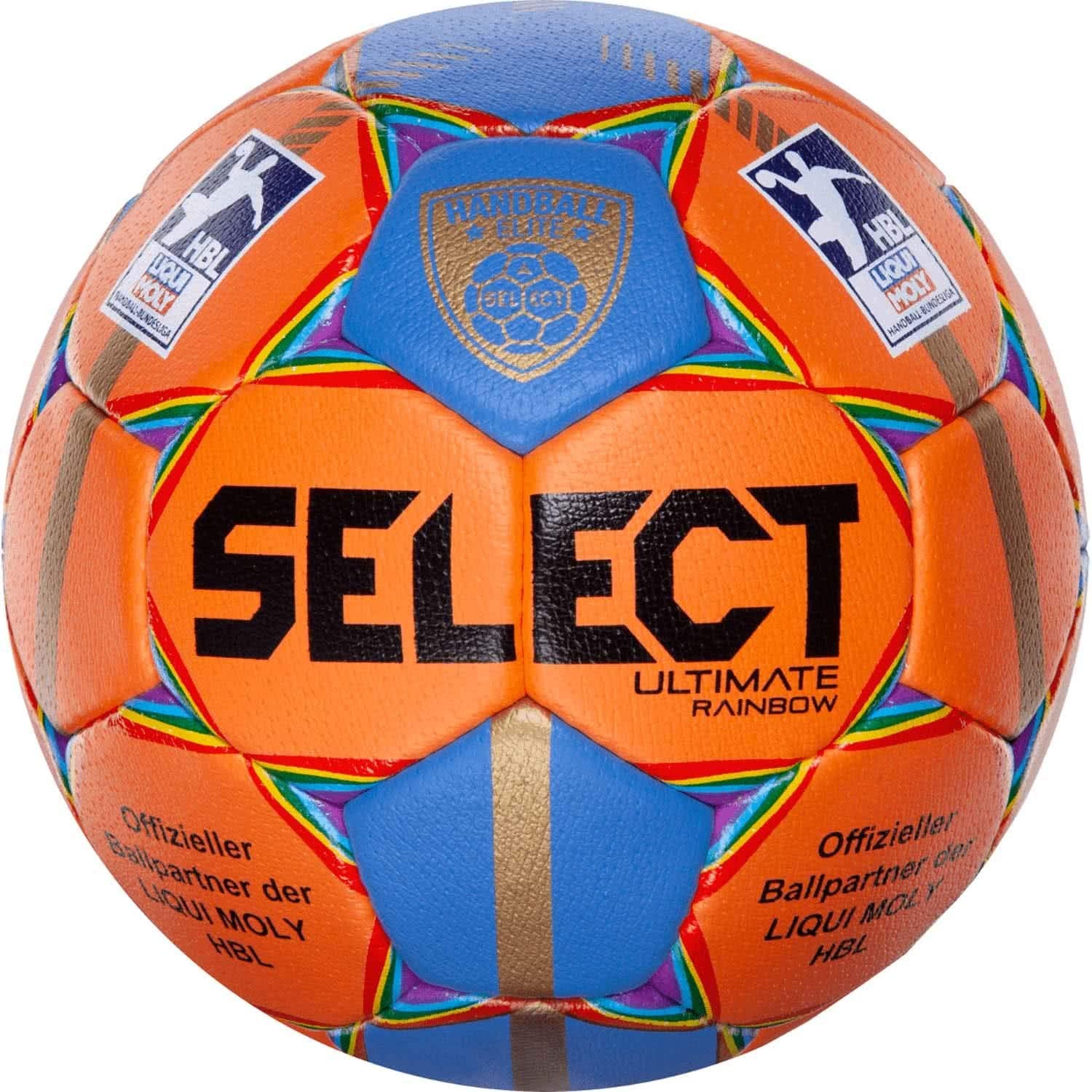
In team handball, an Olympic sport especially popular in Europe, players pass and throw the ball with their hands to score in a goal. The ball is smaller than a soccer ball so that it can be held and thrown with one hand. It is made of leather or synthetic material, and players often use sticky resin on their fingers for extra grip.
The name also refers to a different game, American handball, in which a small rubber ball is struck against a wall with the palm.
Size: 23 to 24 inches (58 to 60 cm) around for men and 21 to 22 inches for women.
Weight: 15 to 17 ounces for men.
24. Sepak Takraw
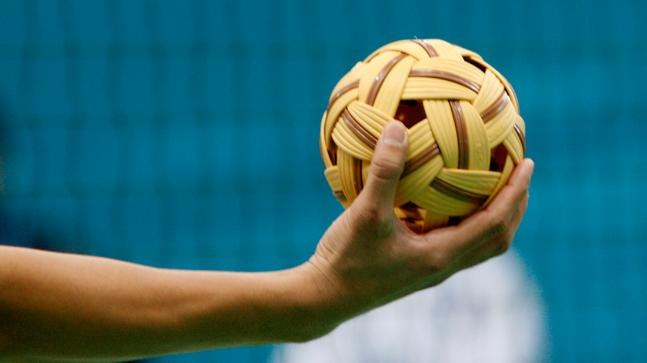
Sepak takraw is a sport from Southeast Asia that looks like volleyball played with the feet. Players send the ball over a net using their feet, knees, chest, and head, and the best can spike it with an overhead bicycle kick. The game is especially popular in Thailand, Malaysia, Indonesia, and the Philippines.
The ball is a hollow sphere traditionally woven from strips of rattan, with 12 holes in the weave. Competition balls today are woven from synthetic fiber or plastic and are sometimes coated in soft rubber.
Size: about 5.3 inches across.
Weight: around 6 ounces (170 to 180 g).
25. Penny Floater Ball
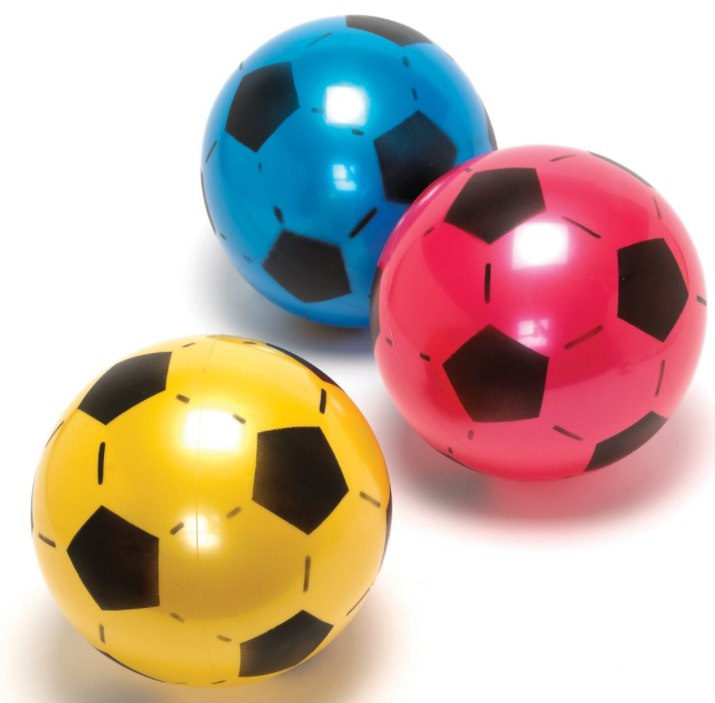
The penny floater was a cheap, thin plastic football sold in British corner shops and seaside stores from the 1960s onward. It was so light that it swerved and floated in the slightest wind, which made it both frustrating and fun. For many British children it was the first football they owned.
The name is still used for any shot or pass that drifts gently through the air.
26. Billiard Ball
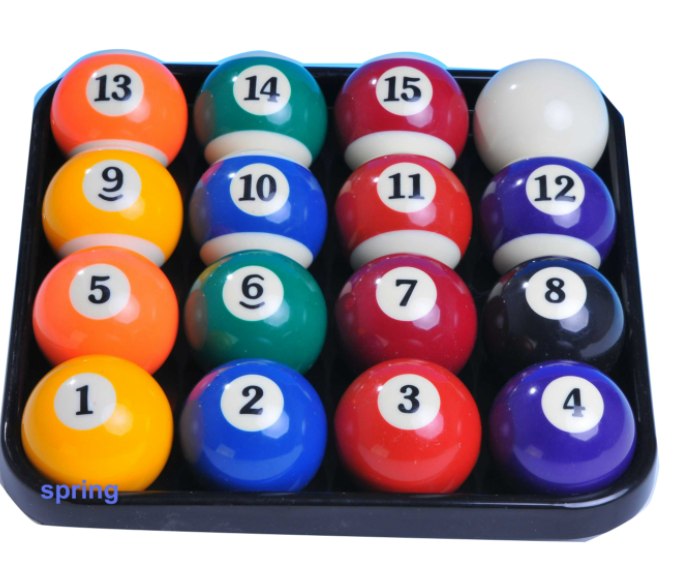
Billiard balls are used in cue sports played on a cloth-covered table. In carom billiards, which has no pockets, there are only three balls and they are larger than pool balls, at about 2.4 inches across. Snooker uses 22 smaller balls: fifteen reds, six colors, and a white cue ball.
Until the late 1800s the best billiard balls were carved from elephant ivory. The search for a substitute led to celluloid, one of the first plastics. Today the balls are made of phenolic resin.
27. Super Ball (Bouncy Ball)
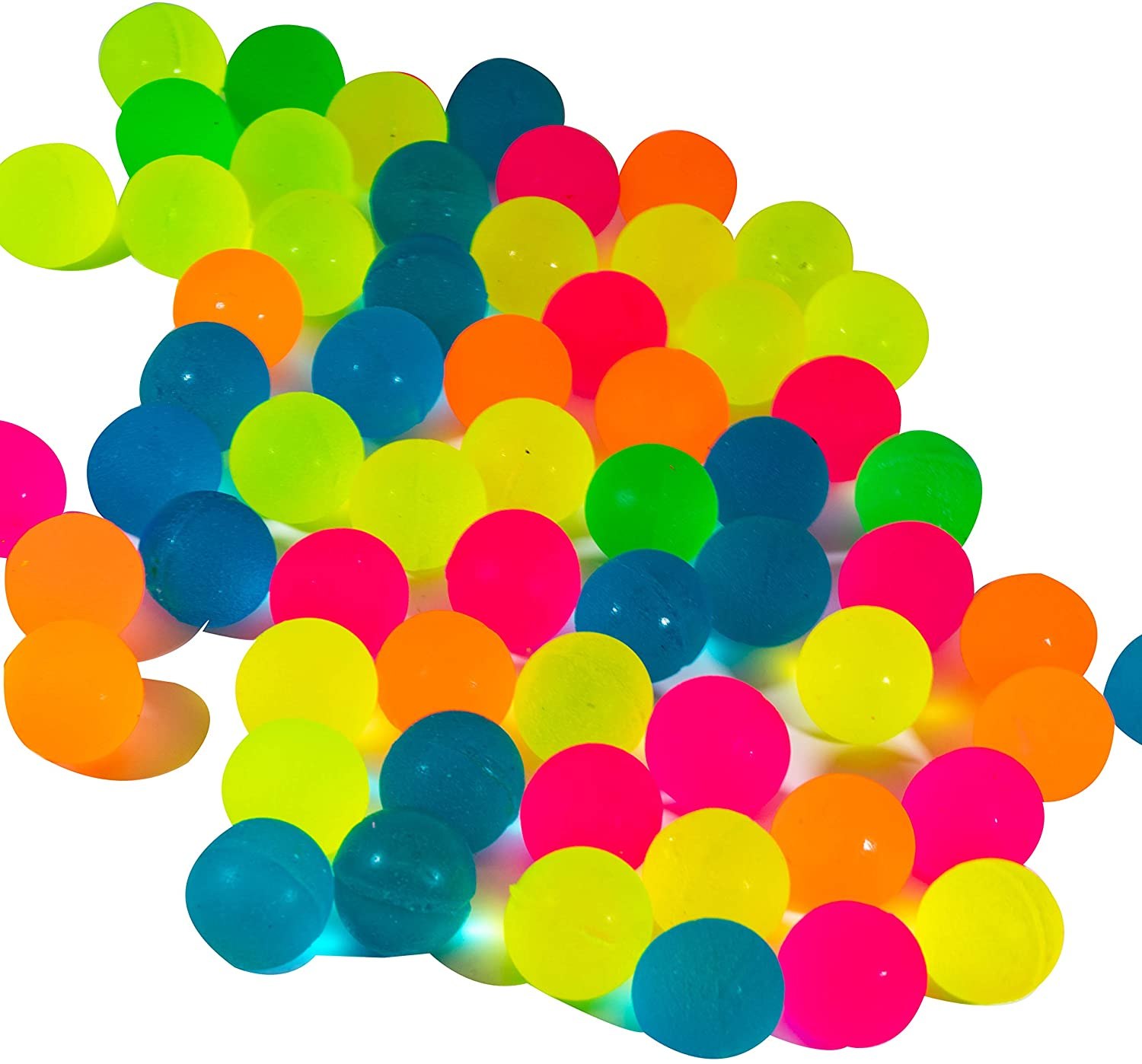
The Super Ball was introduced by the toy company Wham-O in 1965. It was invented by the chemist Norman Stingley, who compressed a synthetic rubber under high pressure to create a material he called Zectron. A Super Ball dropped on a hard floor bounces back to about 90 percent of the height it fell from, and one thrown down hard can clear a house.
Millions were sold in the first year. The toy is also said to have inspired the name of the Super Bowl, after football executive Lamar Hunt saw his children playing with one.
28. Juggling Ball
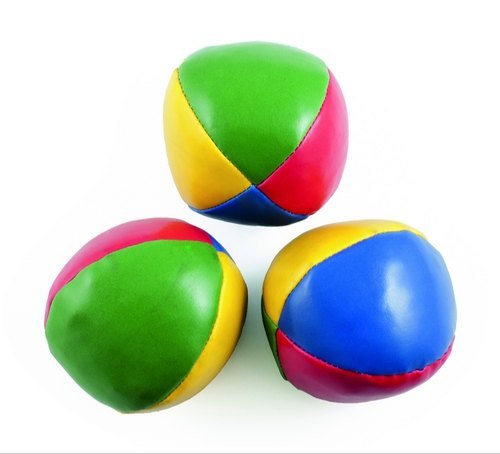
Juggling balls are made to be caught, not bounced. The most common kind is the beanbag, a soft ball filled with millet, birdseed, or plastic pellets. It has a little give, so it settles in the hand and does not roll away when dropped. Most are about 2.5 inches across and weigh 4 to 5 ounces.
Performers also use smooth, hard stage balls that are easier for an audience to see, and silicone balls for bounce juggling, where the balls are thrown down at the floor.
29. Marbles
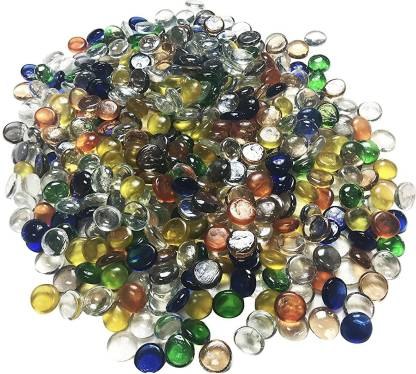
Marbles are small, hard balls, usually made of glass, used in children’s games that go back thousands of years. Marbles of clay and stone have been found in ancient Egyptian and Roman sites. A standard marble is about five-eighths of an inch across, and the larger marble a player flicks with the thumb is called a shooter or taw.
Well-known kinds include the cat’s eye, which has a colored swirl inside clear glass; the aggie, originally made of agate; and the steelie, a metal ball bearing. Old handmade marbles are collected and can be valuable.
30. Netball
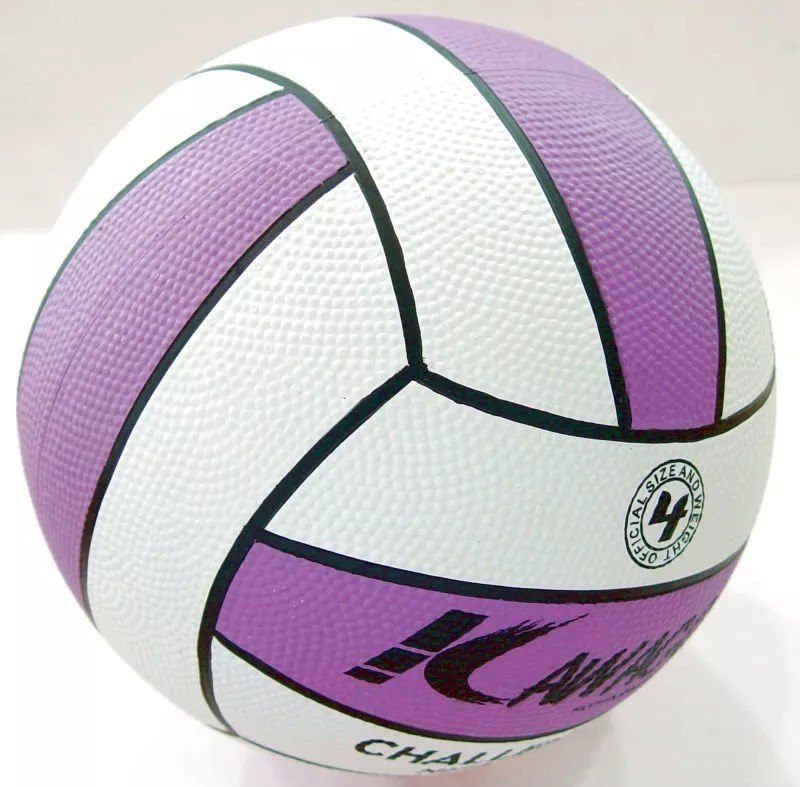
Netball is played mainly in Commonwealth countries, including Australia, New Zealand, England, and Jamaica. It grew out of early basketball in the 1890s, but players cannot dribble or run with the ball. The ball is similar in size to a soccer ball and is made of leather or rubber with a grippy, pimpled surface so it can be caught cleanly.
Size: 27 to 28 inches (69 to 71 cm) around for the adult size 5.
Weight: 14 to 16 ounces (400 to 450 g).
31. Ping Pong Ball
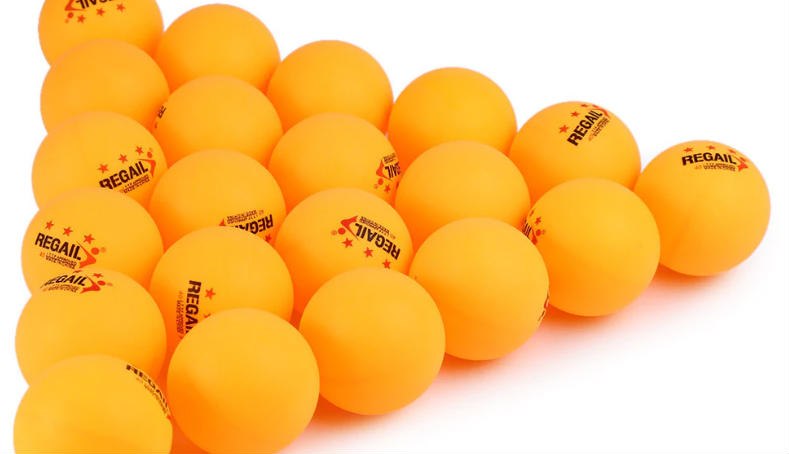
The ball used in table tennis is a very light, hollow sphere with a matte finish. It is white or orange, chosen to contrast with the table and the surroundings. For more than a century the balls were made of celluloid, but since 2014 competition balls have been made of a non-flammable plastic and are marked “40+”.
Stars printed on the ball show its quality. Three-star balls are the roundest and most consistent and are the ones used in tournaments.
Size: 40 millimeters (about 1.57 inches) in diameter.
Weight: 2.7 grams.
32. Park Golf Ball
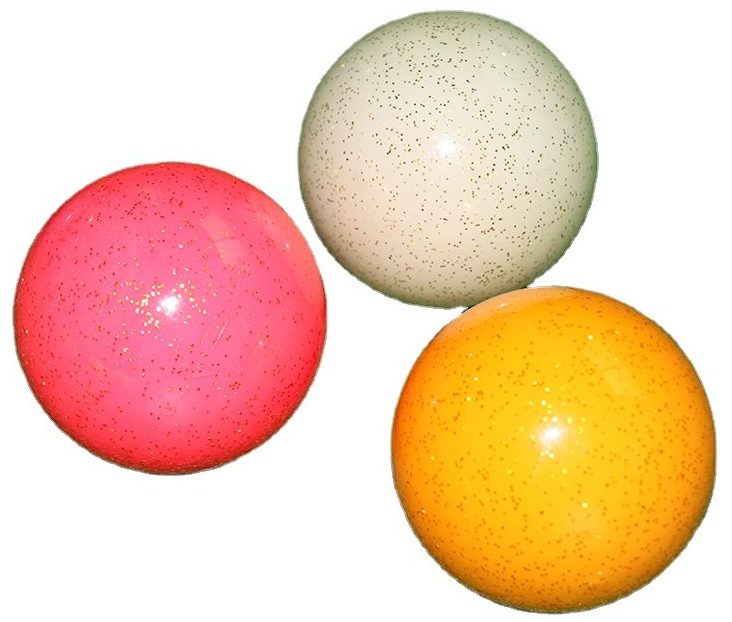
Park golf was created in 1983 in the town of Makubetsu on the Japanese island of Hokkaido. It is a simplified form of golf played in public parks with a single wooden club and a plastic ball that is much bigger than a golf ball. The ball is rolled or lofted only slightly, so the game is safe in shared spaces and popular with older players.
Size: about 2.4 inches (6 cm) in diameter.
Weight: roughly 3 to 3.4 ounces (80 to 95 g).
33. Stress Ball
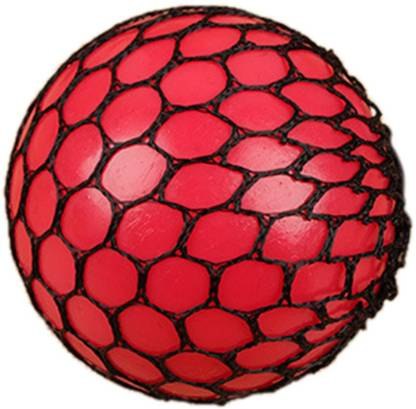
A stress ball is a soft ball, about the size of a small orange, that is squeezed in the hand. Most are made of squashy polyurethane foam, and others are a rubber skin filled with gel or fine powder. Squeezing and releasing one works the muscles of the hand and forearm, and many people find the repetitive motion calming.
They are also used in physical therapy to rebuild grip strength, and they are a very common promotional giveaway printed with company logos.
34. Sponge Ball
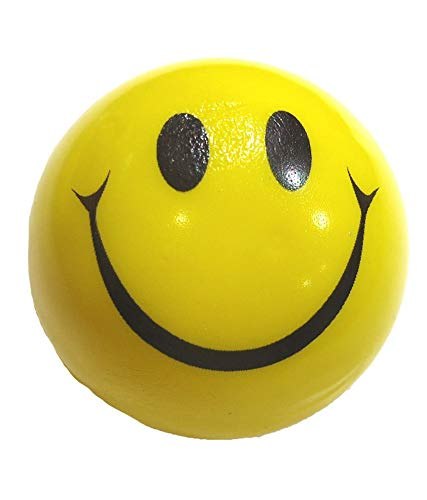
A sponge ball is made of soft, open-celled foam, the same kind of material as a bath sponge. It weighs almost nothing, compresses in the hand, and springs back to shape. Because it cannot break a window or hurt anyone, it is the usual choice for playing indoors and for teaching small children to throw and catch.
Foam balls are also used in beginner tennis, where the slow bounce gives learners more time, and by magicians, who can squeeze several of them out of sight in one hand.
35. Plastic Ball
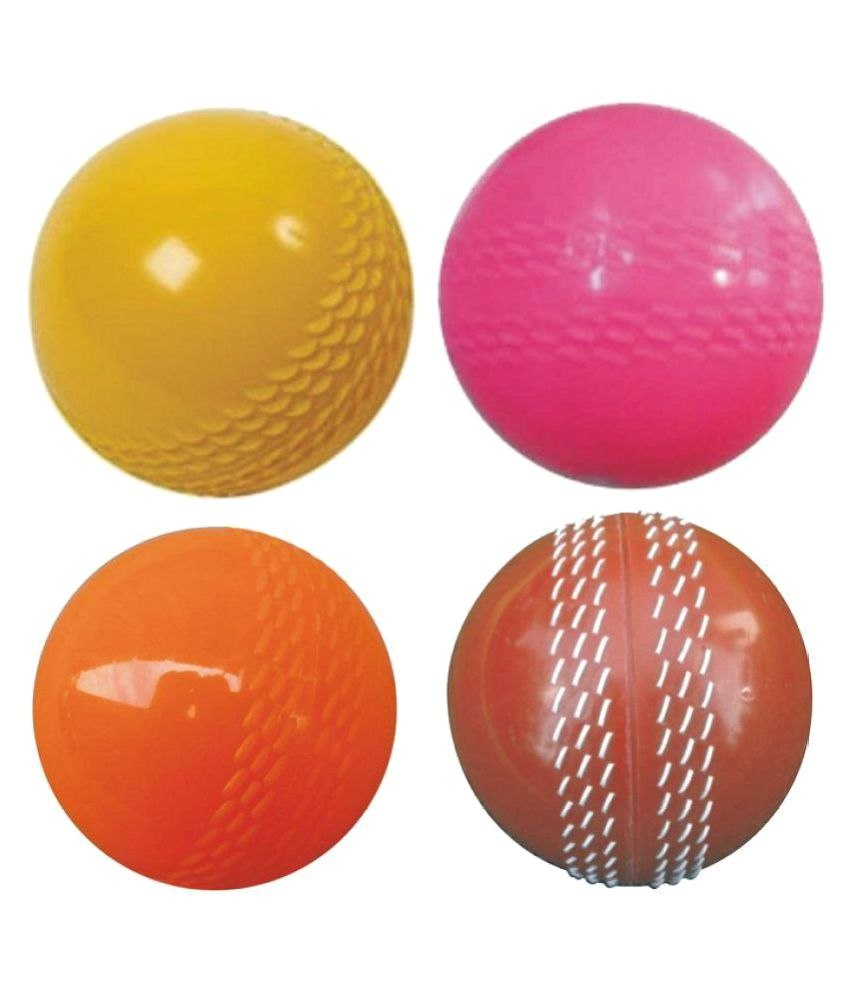
Plastic balls are hollow, lightweight balls molded from polyethylene or a similar plastic. The best-known kind are the brightly colored balls that fill children’s ball pits, each about 2.5 to 3 inches across and strong enough to be sat on without being crushed.
Hollow plastic balls with holes are also used for practice in baseball, golf, and pickleball, because they fly a short distance and cause no damage.
36. Rubber Ball
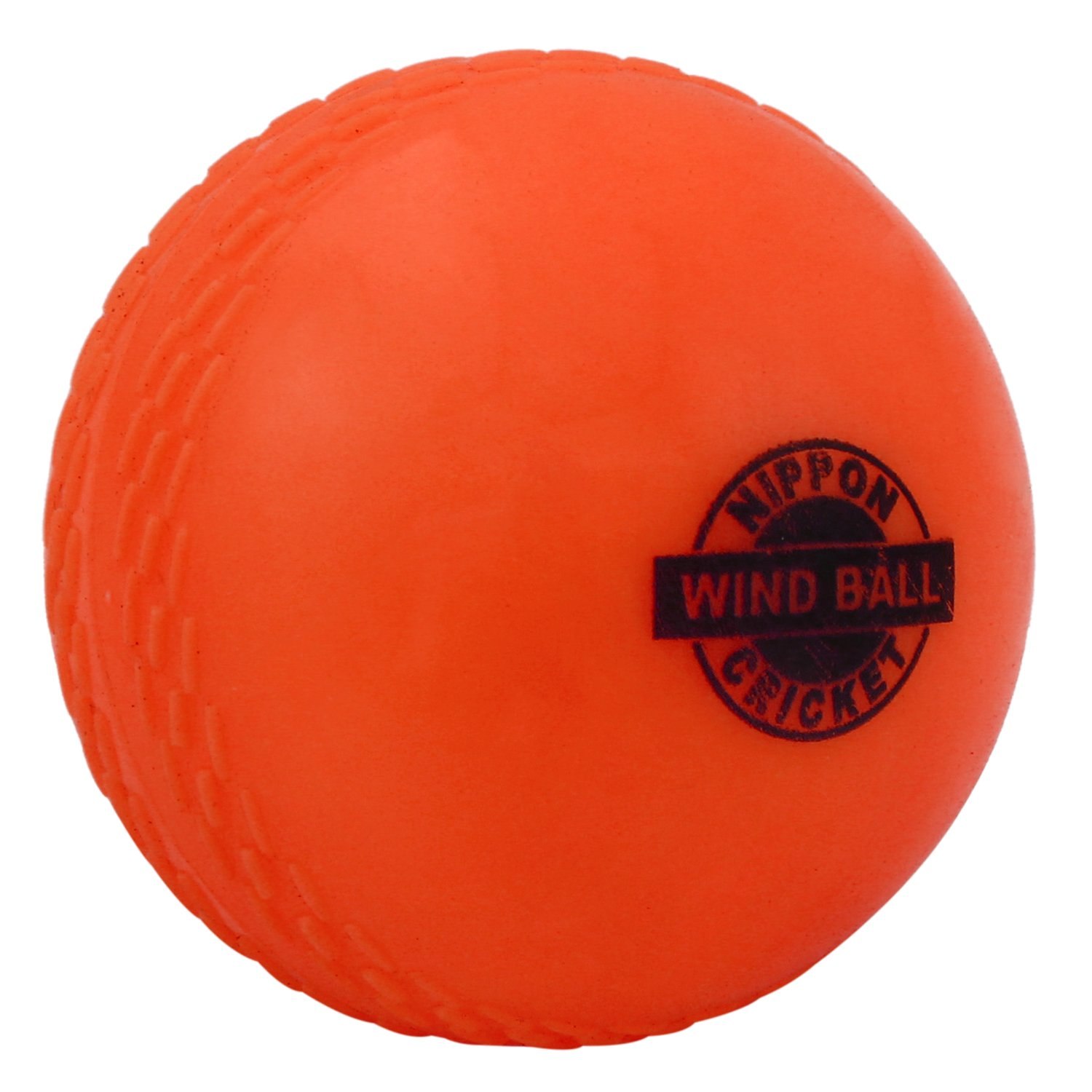
The rubber ball is far older than most people expect. The peoples of ancient Mesoamerica, including the Olmec, were making solid rubber balls more than 3,000 years ago. They collected latex from rubber trees and mixed it with the juice of a morning glory vine, which made the rubber tough and bouncy. The balls were used in a ritual ball game played on stone courts.
Europeans had never seen anything bounce like it when they arrived in the Americas. Today rubber balls range from small hollow play balls and solid high-bounce balls to the inflated rubber balls used on playgrounds. Rubber is also the hidden layer inside tennis balls, basketballs, and soccer balls.
37. Cork Ball
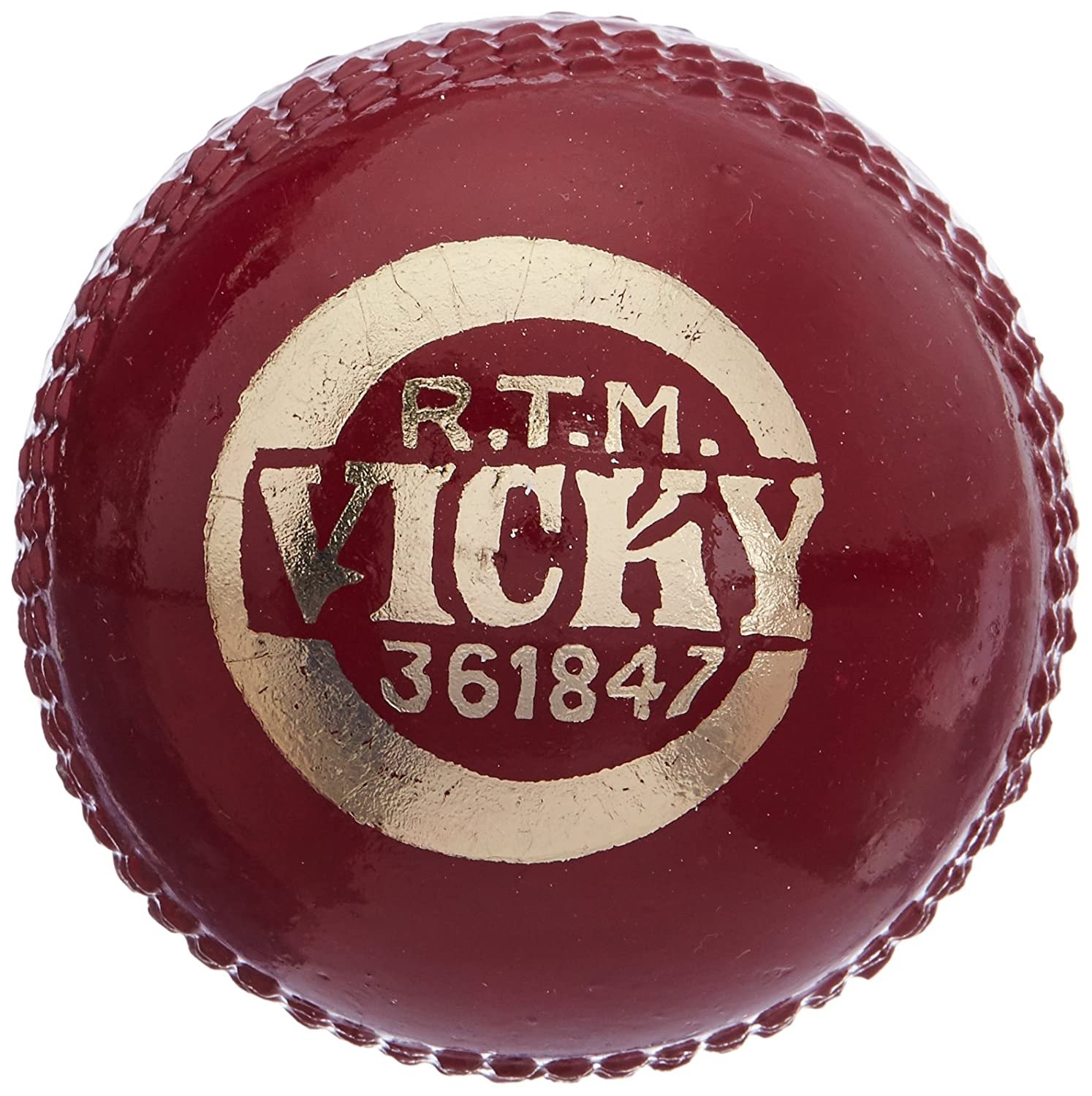
A cork ball is a small ball with a cork center, covered in leather and stitched like a miniature baseball. It is used in corkball, a pocket-sized version of baseball that grew up in St. Louis, Missouri, around 1900. The game needs only a narrow bat, a ball about two inches across, and a few players, and it has no base running.
Cork also sits at the center of baseballs, cricket balls, and the sliotar used in hurling, where it gives the ball its firmness and lively bounce.
38. Leather Ball
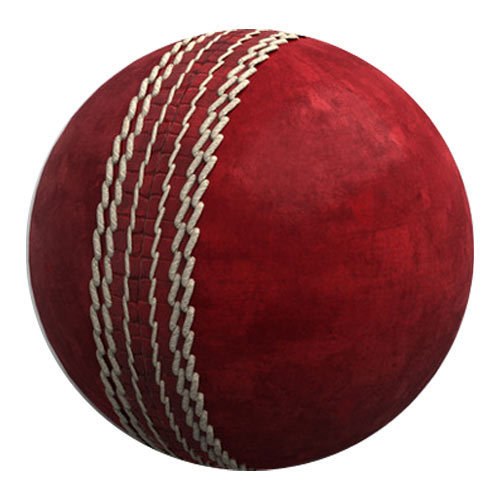
For centuries, leather was the standard covering for sports balls. Early footballs were inflated animal bladders wrapped in stitched leather, and they soaked up water in the rain and became heavy and hard. Leather is still used for baseballs, cricket balls, American footballs, and top-level indoor basketballs, because of the grip and feel it gives.
In soccer and volleyball it has been replaced almost entirely by synthetic leather, usually polyurethane, which does not absorb water and keeps its shape.
39. Futsal Ball
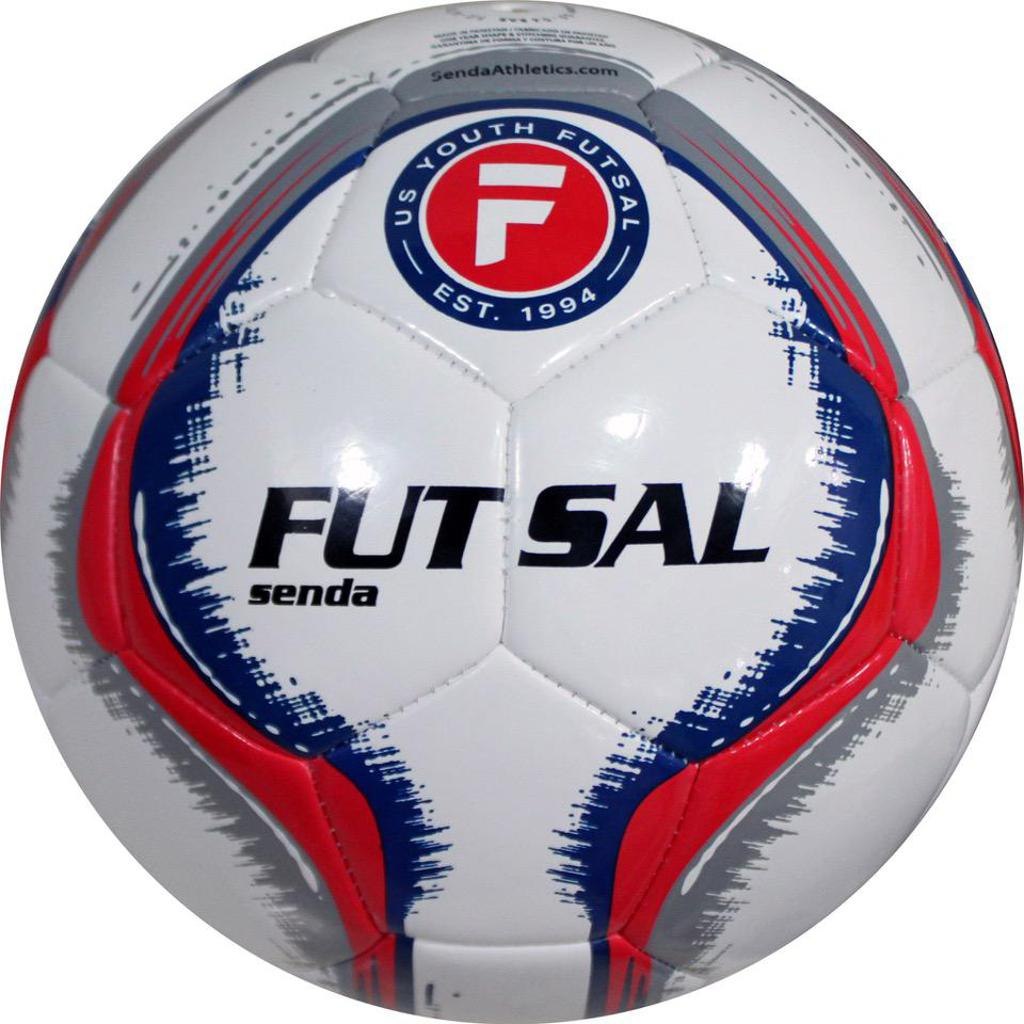
Futsal is a fast, five-a-side form of soccer played on a hard indoor court. Its ball is smaller than a standard soccer ball and is filled with foam or built with a special bladder so that it hardly bounces. This keeps the ball on the floor and at the players’ feet, which rewards close control and quick passing. Many famous Brazilian players learned their skills in futsal.
Size: 24.4 to 25.2 inches (62 to 64 cm) around, known as size 4.
Weight: 14 to 15.5 ounces (400 to 440 g).
40. Match Ball
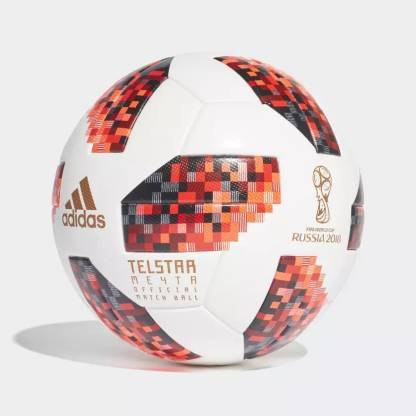
A match ball is the official ball used in a competitive game, as opposed to a training or replica ball. Match balls are built to the tightest standards. In soccer, the top balls are tested for weight, roundness, bounce, water absorption, and shape retention before they can carry a FIFA Quality Pro mark.
Major tournaments have their own match ball. Adidas has supplied the ball for every FIFA World Cup since 1970, and each design is given its own name. The replica balls sold in stores look the same but are made with cheaper materials.
41. Street Ball
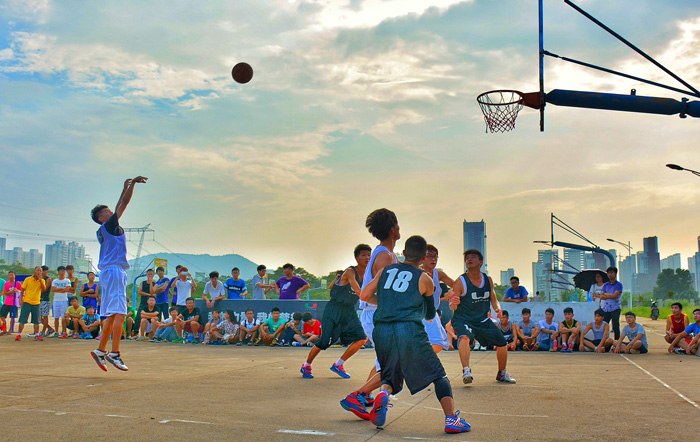
A street ball is made for rough outdoor surfaces such as asphalt and concrete, which quickly wear out an ordinary indoor ball. Street basketballs have a thick, durable rubber cover with deep channels for grip. Street soccer balls are tougher and often have a lower bounce so they are easier to control on a hard surface.
The word streetball also describes the informal, showy style of basketball played on city playground courts.
42. Indoor Ball
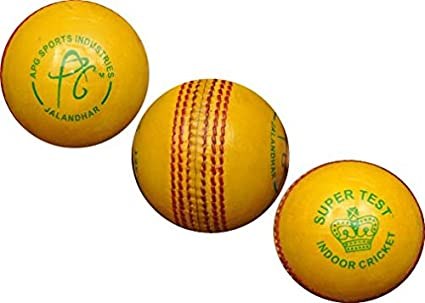
Indoor balls are designed for wooden or synthetic floors. An indoor basketball has a leather or composite leather cover that grips well on a clean court but would be ruined outdoors. An indoor volleyball is firmer and heavier than a beach volleyball.
Indoor soccer balls are often covered in felt, like a giant tennis ball, which slows the ball and reduces its bounce on hard floors.
43. Mini Ball
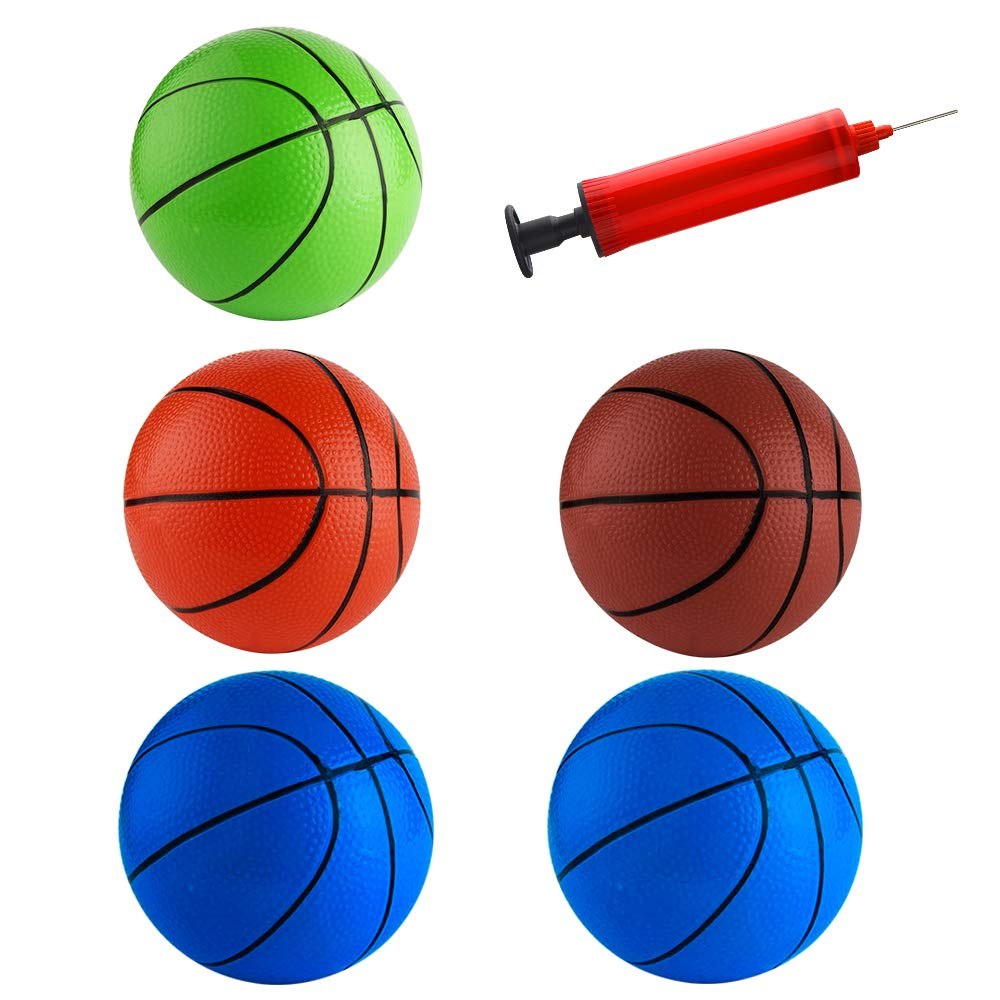
Mini balls are scaled-down versions of sports balls. A size 1 soccer ball, also called a skills ball, is about 18 inches around and is used for practicing footwork and juggling, as well as for souvenirs and promotions. Mini basketballs are made for small children and for the hoops that hang on a bedroom door.
Their small size makes them a good first ball for toddlers.
44. Boules
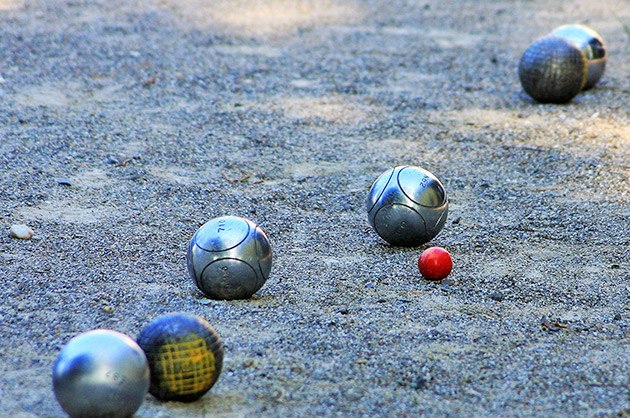
Boules is the French name for a family of games in which heavy balls are thrown or rolled toward a small target ball. The most popular is petanque, which began in Provence in the south of France in 1907. Players stand with both feet inside a small circle and throw hollow steel balls toward a little wooden target called the cochonnet, or jack.
Size: 2.8 to 3.1 inches (70.5 to 80 mm) in diameter.
Weight: 1.4 to 1.8 pounds (650 to 800 g).
45. Bocce Ball
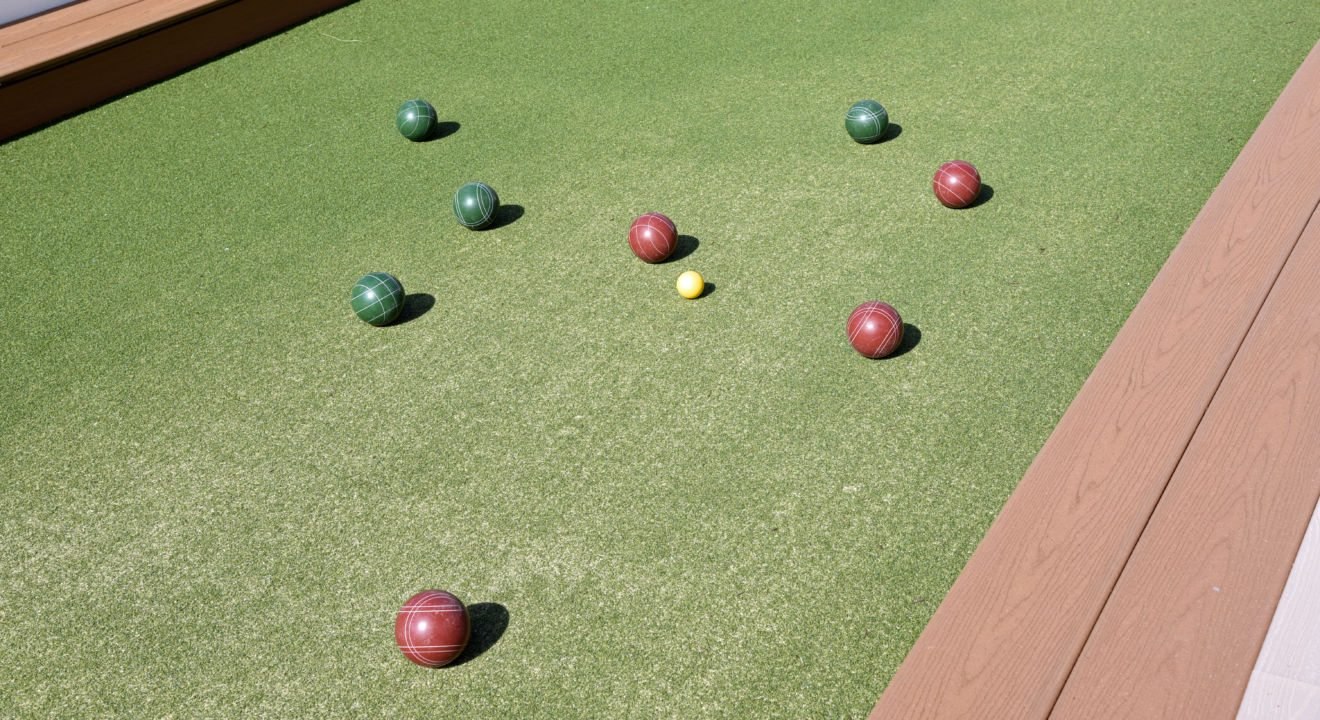
Bocce is the Italian member of the boules family and one of the oldest lawn games still played. Two teams take turns rolling their balls along a long, narrow court, trying to finish closest to a small target ball called the pallino. A set has eight large balls, four in each of two colors, plus the pallino.
Bocce balls are solid, made of hard resin or sometimes wood, and are larger and heavier than petanque balls. They are rolled along the ground, not thrown through the air.
Size: about 4.2 inches (107 mm) in diameter.
Weight: about 2 pounds (920 g).
46. Broomball
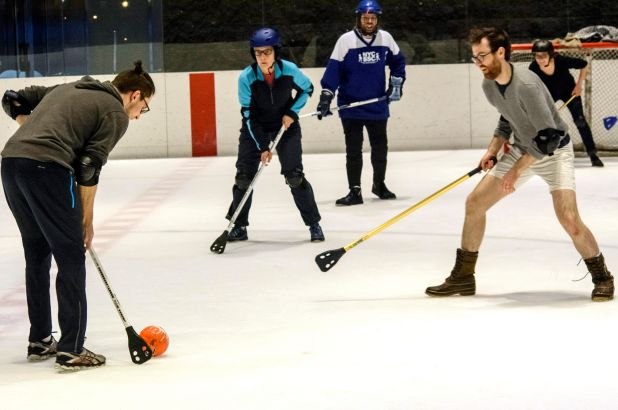
Broomball is a winter sport from Canada that resembles ice hockey, except that players wear rubber-soled shoes instead of skates and use a stick with a molded, broom-shaped head. The ball is about the size of a small soccer ball, roughly six inches across, and is made of rubber or plastic that stays lively in freezing temperatures. It is usually orange or blue so it stands out on the ice.
47. Canoe Polo
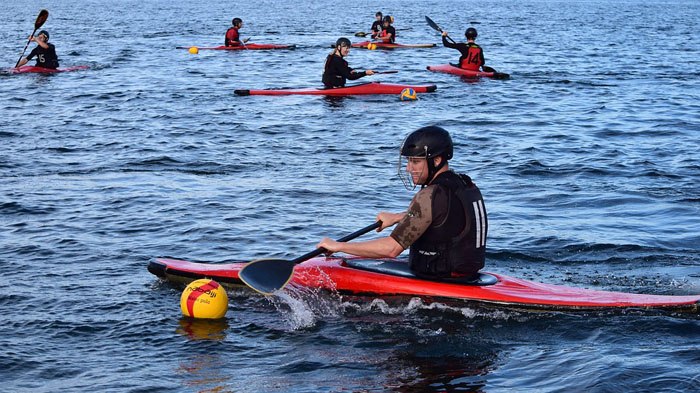
Canoe polo, also called kayak polo, is a team sport played in short kayaks on a pool or a stretch of flat water. Five players on each side pass a ball by hand or flick it with the paddle, and they try to throw it into a goal hung about six feet above the water.
The ball is a standard water polo ball: yellow, grippy, and buoyant. Players wear helmets with face guards because paddles and boats come very close together.
48. Croquet Ball
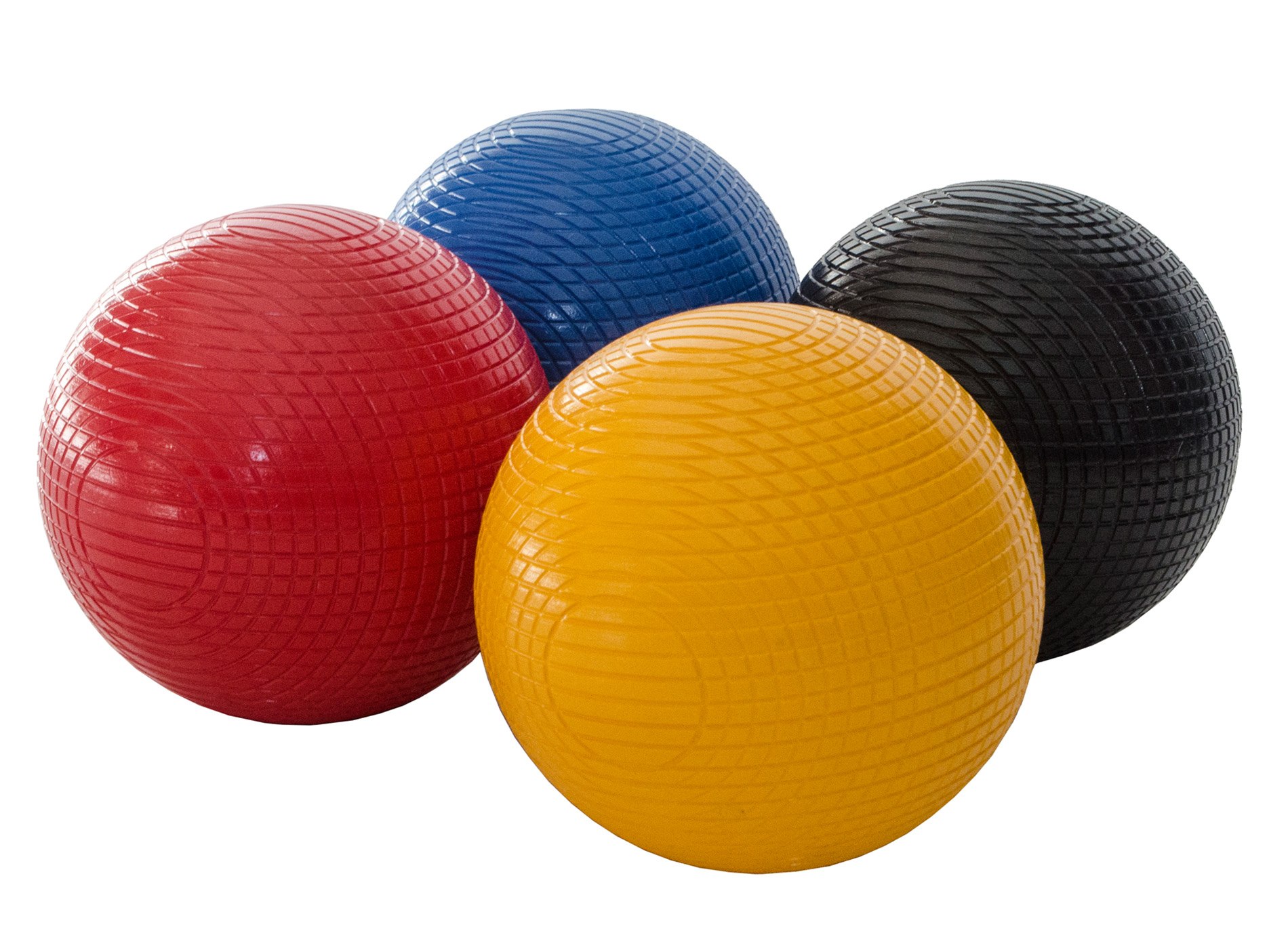
Croquet is a lawn game in which players use long-handled mallets to knock balls through a course of hoops. The balls are solid and heavy. They were originally turned from wood and are now molded from a hard composite plastic with a milled, ribbed surface. The traditional colors are blue, red, black, and yellow.
Size: 3 5/8 inches (92 mm) in diameter.
Weight: one pound (about 453 g).
49. Dodgeball
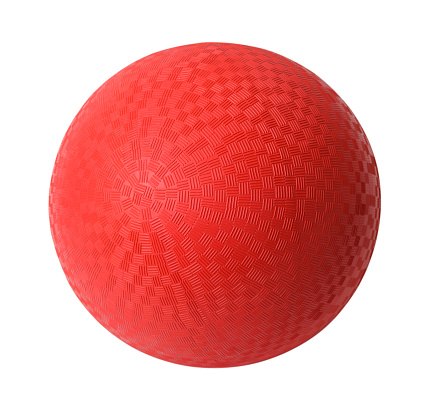
Dodgeball is the game in which players throw balls at the opposing team and try to avoid being hit themselves. School games traditionally use an 8.5-inch inflated rubber playground ball. Organized leagues today mostly use balls of about 7 inches, made either of soft foam with a tough skin or of cloth-covered rubber.
The softer balls sting less and are easier to grip and throw with one hand, which has made the adult game faster.
50. Medicine Ball

A medicine ball is a weighted ball used for strength training and rehabilitation. Weights run from about 2 pounds to 25 pounds or more. The idea is very old, since Greek physicians are said to have had patients toss stuffed animal skins for exercise, and the name dates from the 1800s, when “medicine” was used to mean anything good for the health.
Traditional medicine balls are covered in leather or vinyl and can be thrown and caught with a partner. Slam balls have a thick rubber shell and do not bounce, so they can be thrown hard at the floor. Wall balls are larger and softer, made for throwing at a target on a wall.
51. Gym Ball
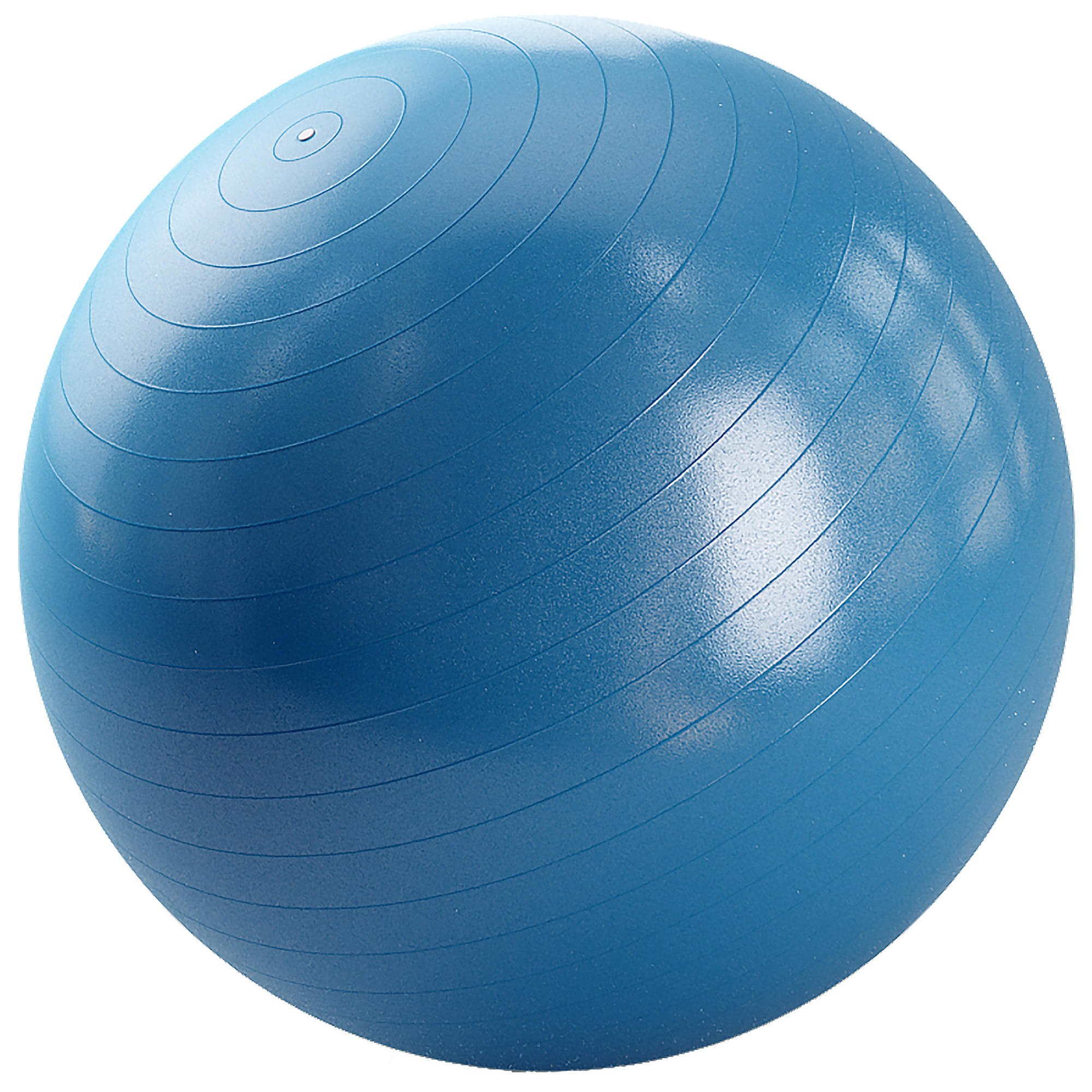
The gym ball goes by many names: exercise ball, stability ball, yoga ball, and Swiss ball. It is a large, air-filled ball of thick, elastic plastic. It was created in 1963 by Aquilino Cosani, an Italian plastics manufacturer, and was first used by physical therapists in Switzerland, which is where the name Swiss ball comes from.
Sitting or lying on the ball forces the muscles of the abdomen and back to work to keep the body steady, so it is widely used for core exercises, stretching, and as a desk chair. Choose the size by your height: about 55 cm if you are under 5 feet 7 inches, 65 cm up to about 6 feet 1 inch, and 75 cm if you are taller.
52. Disco Ball
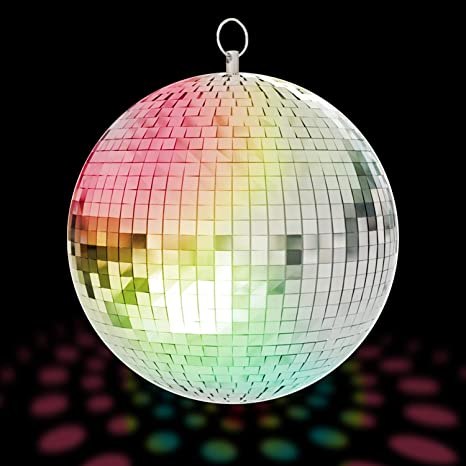
A disco ball, or mirror ball, is a sphere covered in hundreds or thousands of small mirror tiles. It hangs from the ceiling and turns slowly on a motor. When a spotlight is aimed at it, each mirror throws a moving dot of light around the room.
It is older than disco itself. Mirror balls were hanging in dance halls in the 1920s, and a patent for one was granted in the United States in 1917. They became a worldwide symbol of nightlife during the disco boom of the 1970s.
53. Bandy Ball
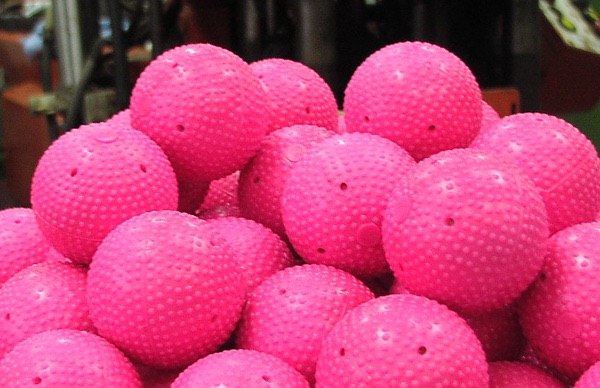
Bandy is a winter team sport played on a sheet of ice the size of a soccer field, with eleven skaters on each side using curved sticks. It is most popular in Sweden, Russia, Finland, and Norway. Instead of a puck, bandy uses a small, hard ball with a cork center and a rubber or plastic shell. The ball is bright orange or pink so that it can be seen against the ice and snow.
Size: about 2.5 inches (63 mm) in diameter.
Weight: about 2.2 ounces (60 to 65 g).
54. Baoding Ball
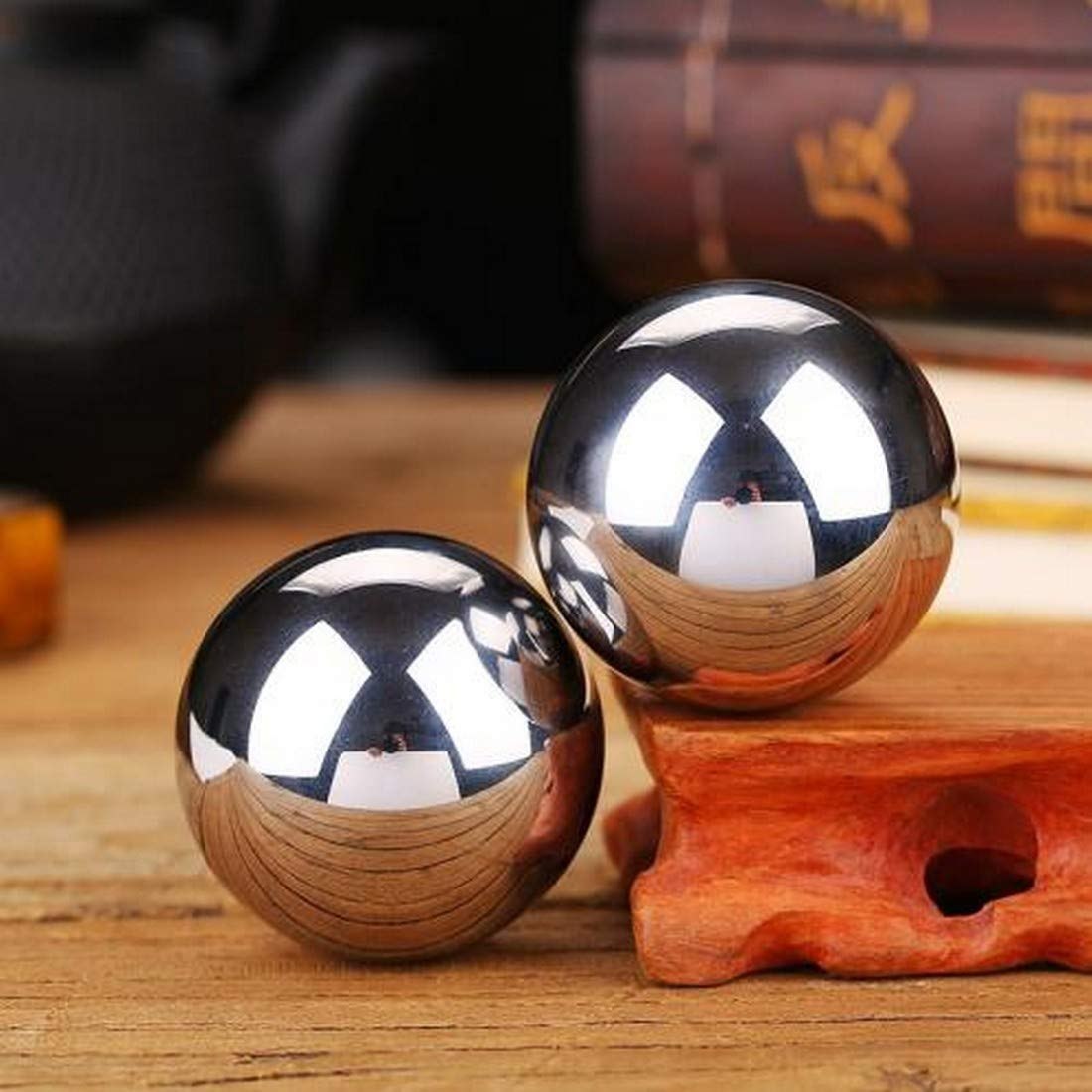
Baoding balls are pairs of metal balls that are rotated in the palm of one hand. They come from the city of Baoding in Hebei Province, China, and date back to the Ming dynasty. The first ones were solid iron. Modern pairs are usually hollow steel with a small chime inside, so they ring softly as they move.
Turning them without letting them touch exercises the fingers and wrist, and many people use them to relax or to keep their hands supple.
55. Waboba Ball
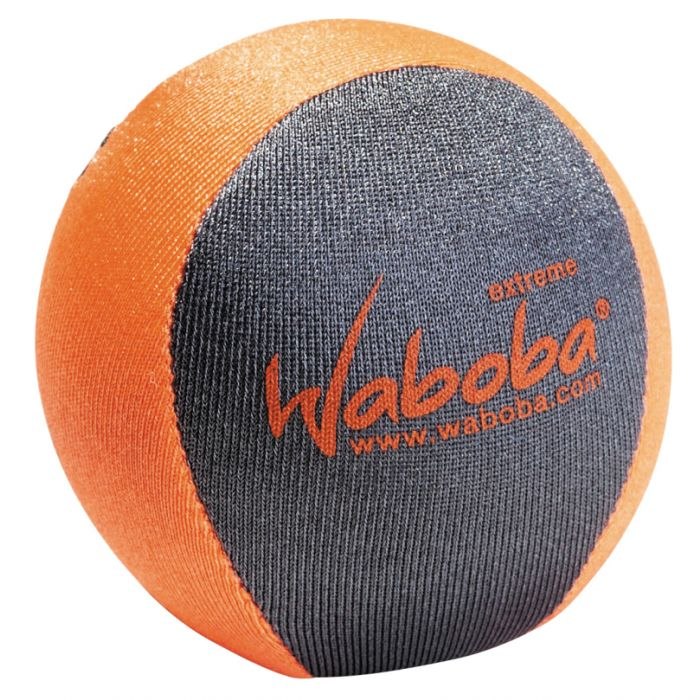
The Waboba is a ball that bounces on water. It was invented in Sweden by Jan von Heland and went on sale in 2005. The ball has a soft gel core and a stretchy fabric skin. When it is thrown at a low angle, it flattens slightly on impact and skips across the surface like a flat stone.
It is used for games of catch in lakes, pools, and the sea, usually in water that is about waist deep.
56. Water Ball
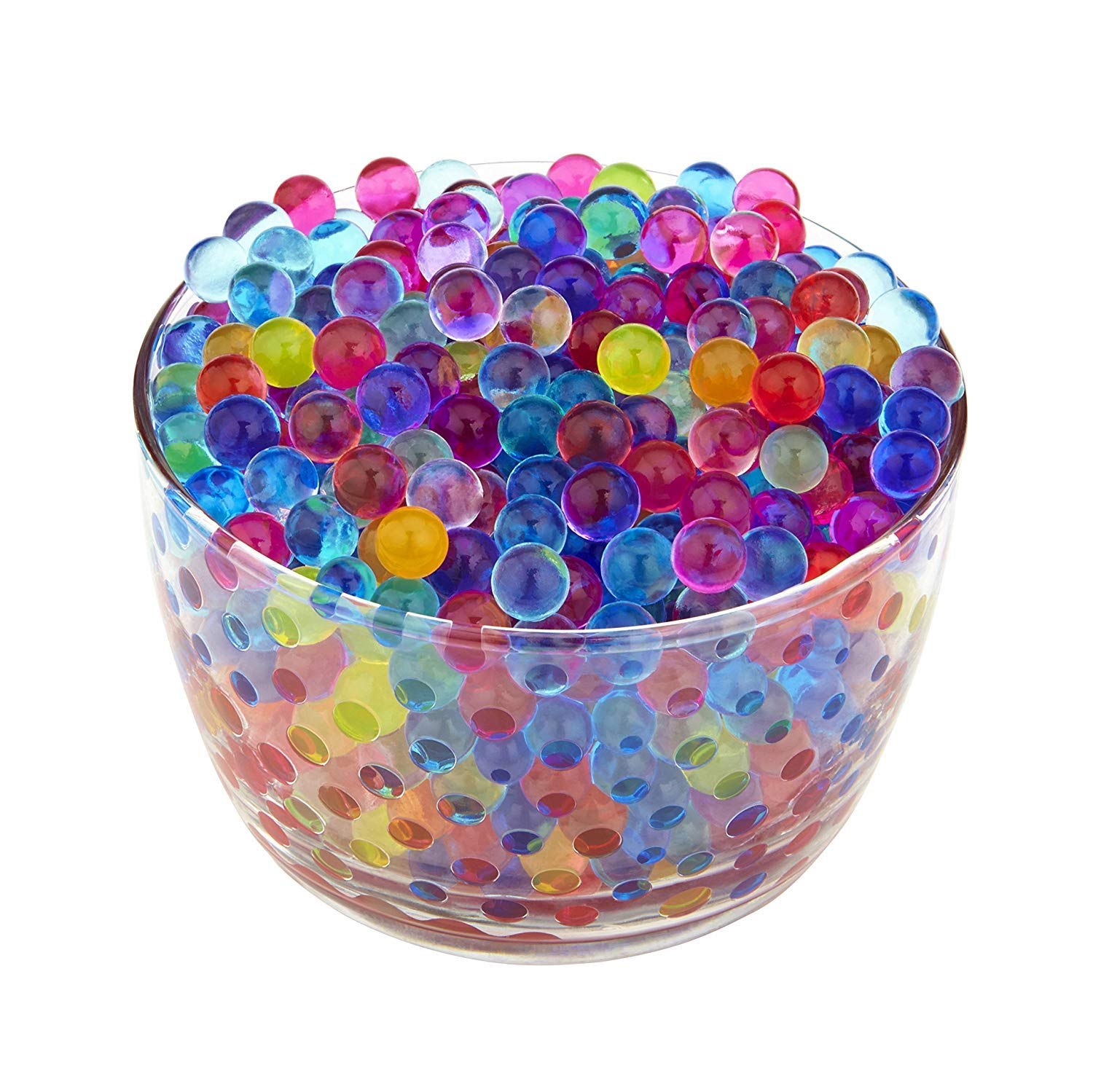
A water ball, or water walking ball, is a giant, clear inflatable sphere about six and a half feet across. A person climbs inside, the ball is zipped shut and filled with air, and it is pushed onto a pool or lake, where the person can try to walk, run, or roll across the water.
They are a common attraction at fairs and resorts, but they carry real risks. The air inside is limited, and the person cannot get out without help. In 2011 the US Consumer Product Safety Commission warned the public about the danger of suffocation and drowning.
57. Tape Ball
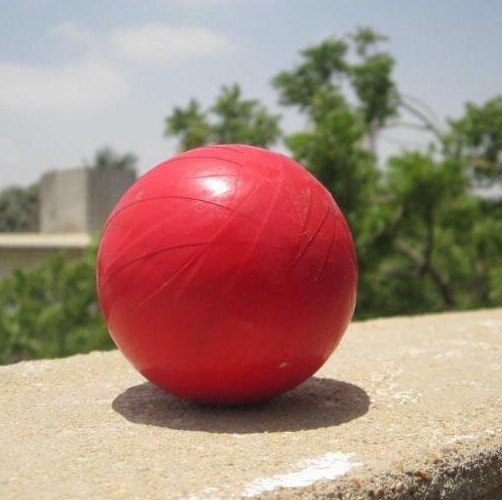
The tape ball is a tennis ball tightly wrapped in electrical tape. It was devised by street cricketers in Karachi, Pakistan, in the 1960s and 1970s. The tape makes the ball heavier and smoother, so it travels faster and can be made to swing in the air, but it is still far softer than a real cricket ball. This means the game can be played in streets and car parks without pads or helmets.
Tape ball cricket is hugely popular across Pakistan and South Asia, and it is often credited with producing the country’s famous fast bowlers.
58. Shade Balls
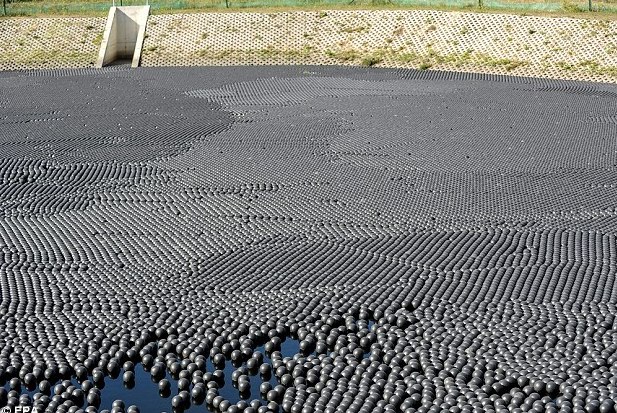
Shade balls are small, black plastic balls that are floated in huge numbers on the surface of reservoirs. They are about four inches across and partly filled with water so the wind does not blow them away. Los Angeles drew worldwide attention in 2015 when it finished covering one reservoir with about 96 million of them.
The balls block sunlight, which prevents chemical reactions that can form harmful compounds in treated water. They also reduce evaporation and discourage algae. They are black because the carbon pigment protects the plastic from the sun, so the balls last for years.
59. Skyball
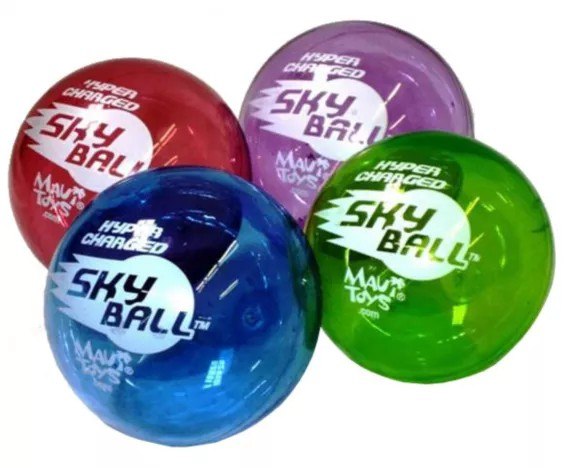
SkyBall is the brand name of a toy ball known for its very high bounce. It is a light, hollow ball made of a springy plastic and filled with a mix of helium and compressed air. Thrown down onto a hard surface, it can rebound as high as a tall building. It is sold as an outdoor toy and for bouncing games.
60. Sliotar Ball
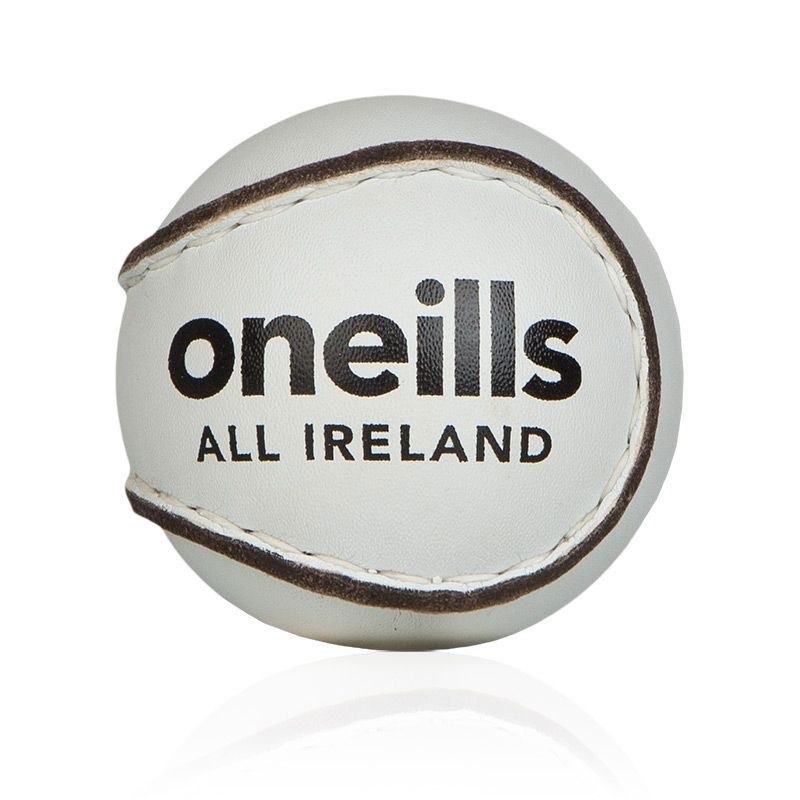
The sliotar, pronounced “shlit-er”, is the ball used in the Irish sports of hurling and camogie. It has a cork core, sometimes wound with yarn, inside a cover made from two pieces of white leather. The leather is stitched together so that raised ridges run around the ball. The ridges help players catch it and balance it on the flat end of the hurley while running.
Size: 2.7 to 2.8 inches (69 to 72 mm) in diameter.
Weight: 3.9 to 4.2 ounces (110 to 120 g).
61. Spaldeen Ball
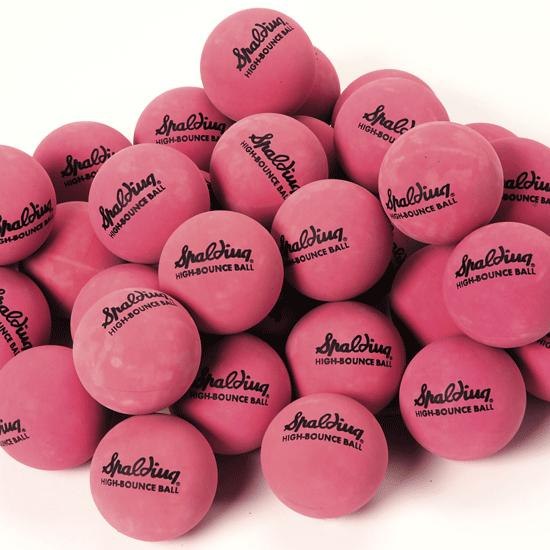
The Spaldeen is the small pink rubber ball that defined street games in New York City in the middle of the 1900s. Its proper name is the Spalding High-Bounce Ball, and “Spaldeen” is simply how New Yorkers pronounced Spalding. The balls began as the rubber cores of tennis balls, sold without the felt.
Children used them for stickball, stoopball, punchball, and handball against walls. Production stopped in 1979 and was restarted in 1999 after years of nostalgia.
62. Bumble Ball
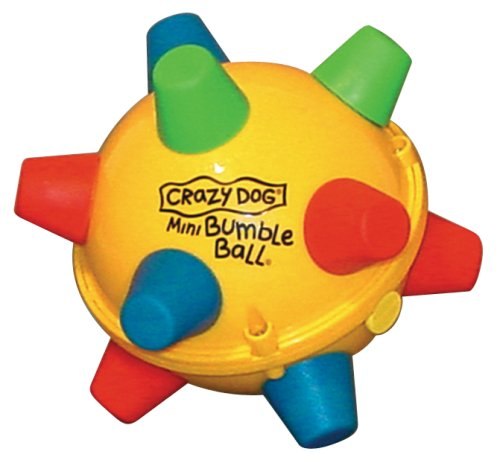
The Bumble Ball was a hit toy of the early 1990s, made by the Ertl company. It is a battery-powered plastic ball covered in soft rubber knobs. An off-center motor inside makes it shake, jump, and roll around the floor on its own in an unpredictable way.
It was sold for babies and toddlers, who chase and grab it, and it has also been used in therapy as a sensory toy.
63. Cage Ball
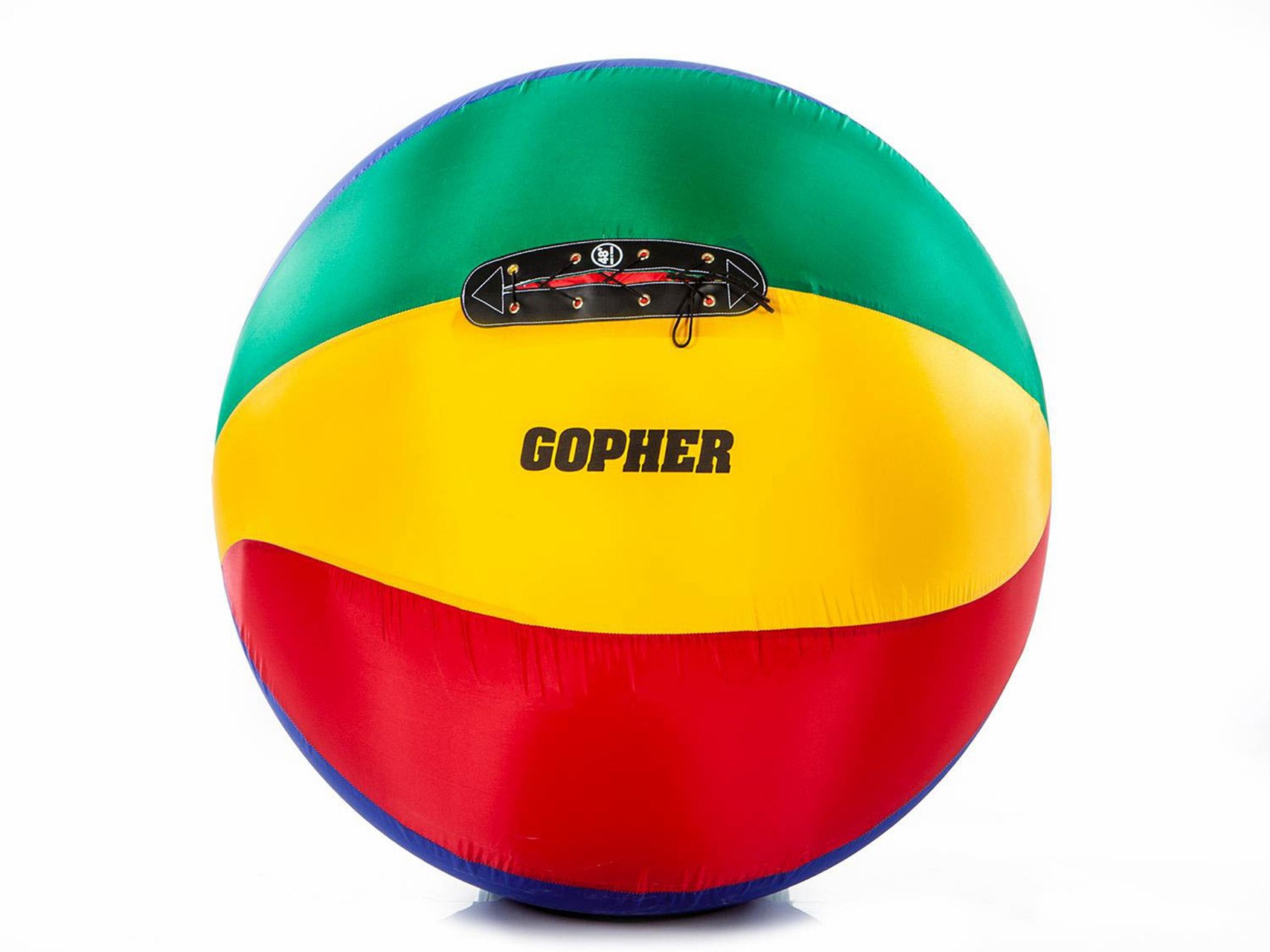
A cage ball, also called an earth ball, is an enormous inflatable ball used in physical education classes, camps, and team-building events. Sizes run from about three feet to six feet across, or even larger. It has a heavy canvas or nylon cover over an air bladder.
It is far too big for one person to control, so the games played with it depend on a group working together to push, lift, or roll it. It descends from pushball, a sport invented in the 1890s.
64. Crystal Ball

A crystal ball is a solid sphere of clear glass or, traditionally, quartz crystal. It is best known as the fortune teller’s tool: the practice of gazing into a reflective surface in the hope of seeing visions is called scrying. Today glass spheres are also sold as decorations and for photography, since a clear ball shows the scene behind it upside down.
One practical warning: a clear glass ball focuses sunlight like a magnifying glass and can scorch furniture or start a fire, so it should be kept away from sunny windows.
65. Garbage Ball
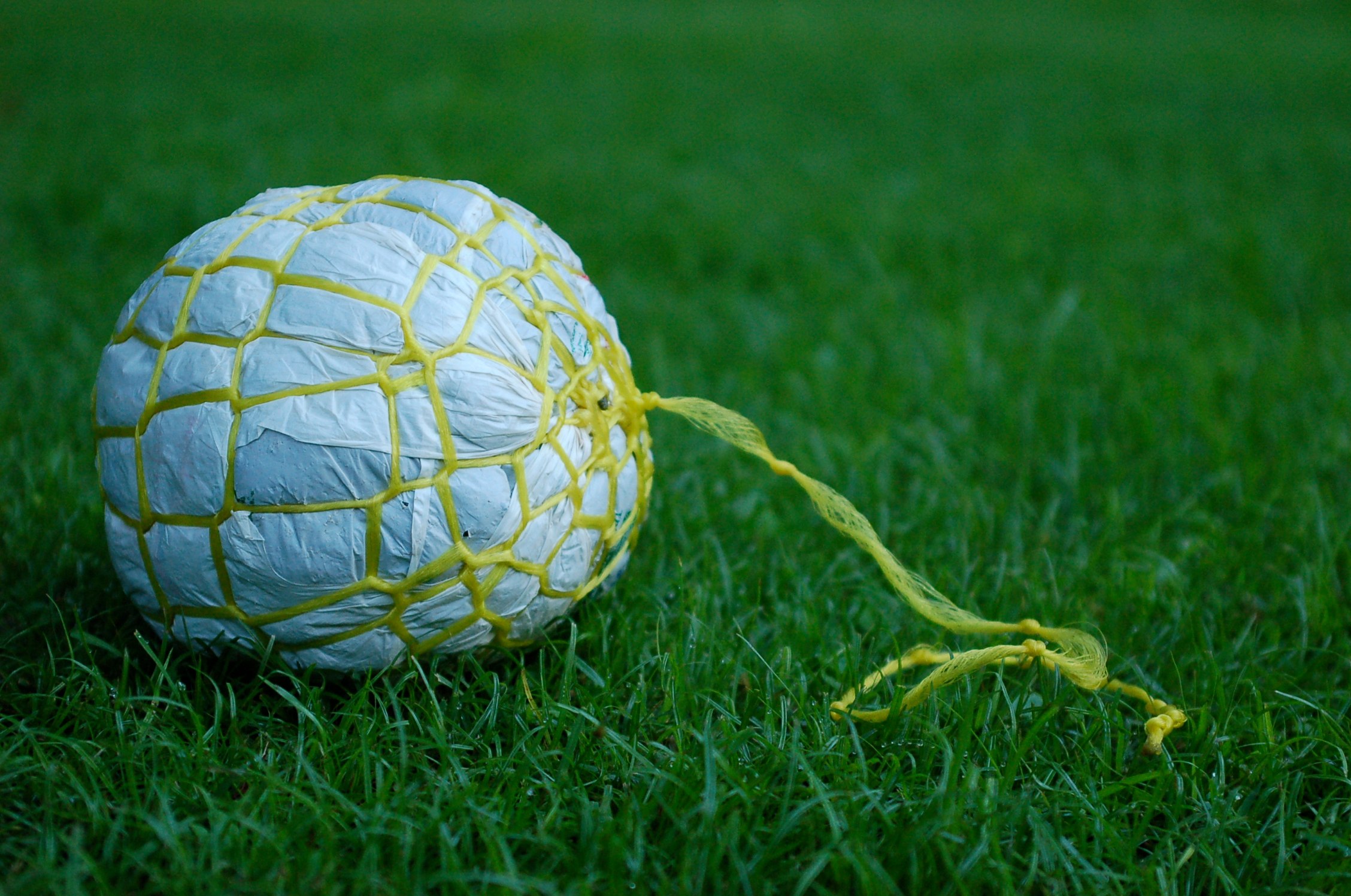
The garbage ball is football associated with street football and other informal games that do not use manufactured soccer balls. Garbage balls are made up of different types of garbage, often discarded from plastic that is held together with string.
Seattle Sounders FC player Handwalla Bwana, who spent six years in a refugee camp in Kenya as a child, said: “We used to make a garbage ball. We used to go through the garbage cans and make as much soccer ball as we could” and explained the use of the garbage ball by his feet are better.
Good and informative about balls. You rally worked hard to make a collection of all.