There are hundreds of mango varieties grown around the world, and India alone grows more than a thousand. This guide covers 45 of the best-known types of mangoes with pictures, including Alphonso, Kesar, Ataulfo, Haden, Kent, and Keitt, and what makes each one different.
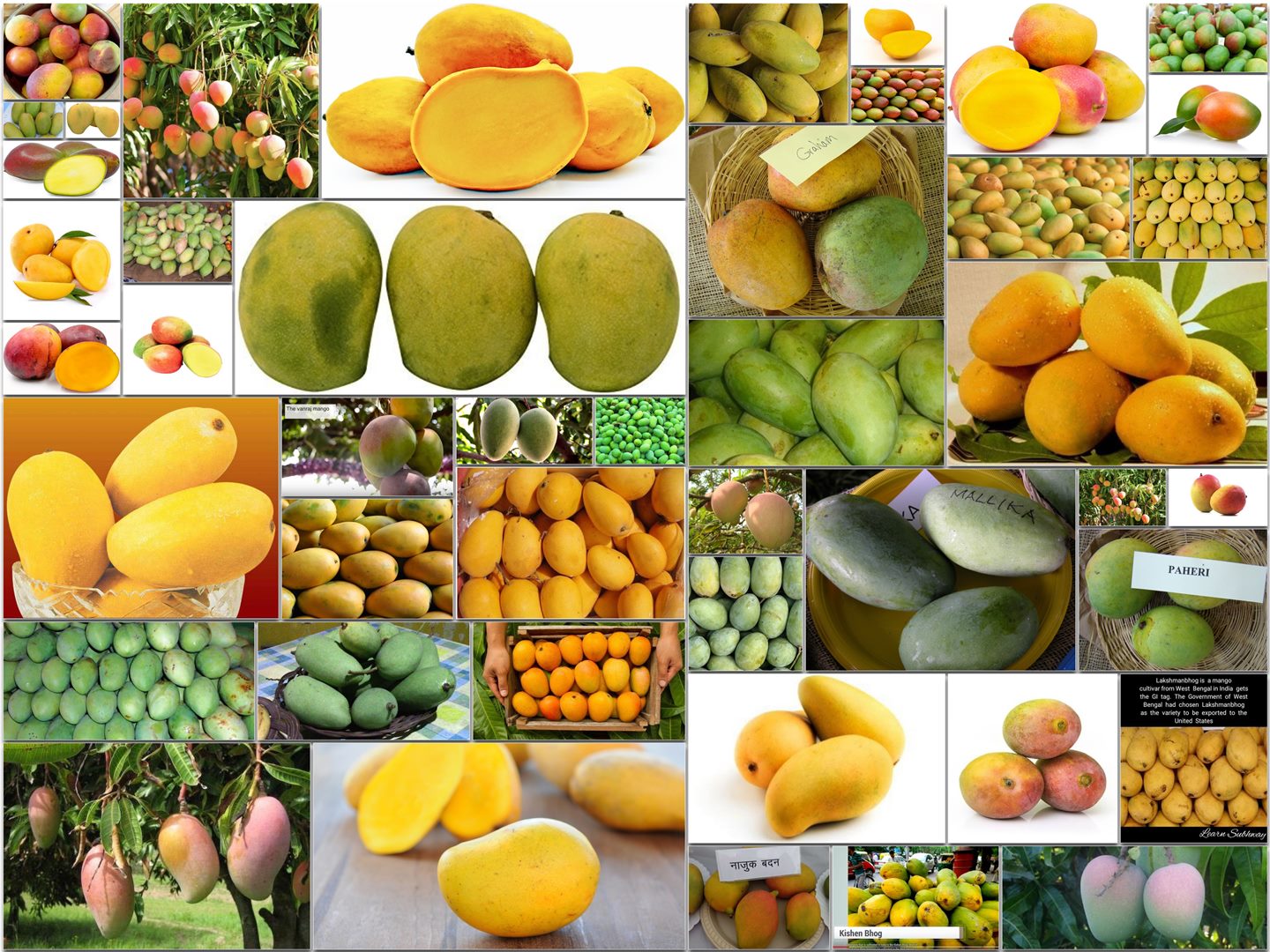
45 Types of Mangoes with Pictures
Most of the mangoes below are Indian varieties, since India grows more kinds of mango than any other country. The list also covers the Florida-bred mangoes that fill supermarkets in the United States and Europe, and well-known varieties from Mexico, Haiti, the Philippines, Thailand, and Myanmar.
1. Alampur Baneshan Mango
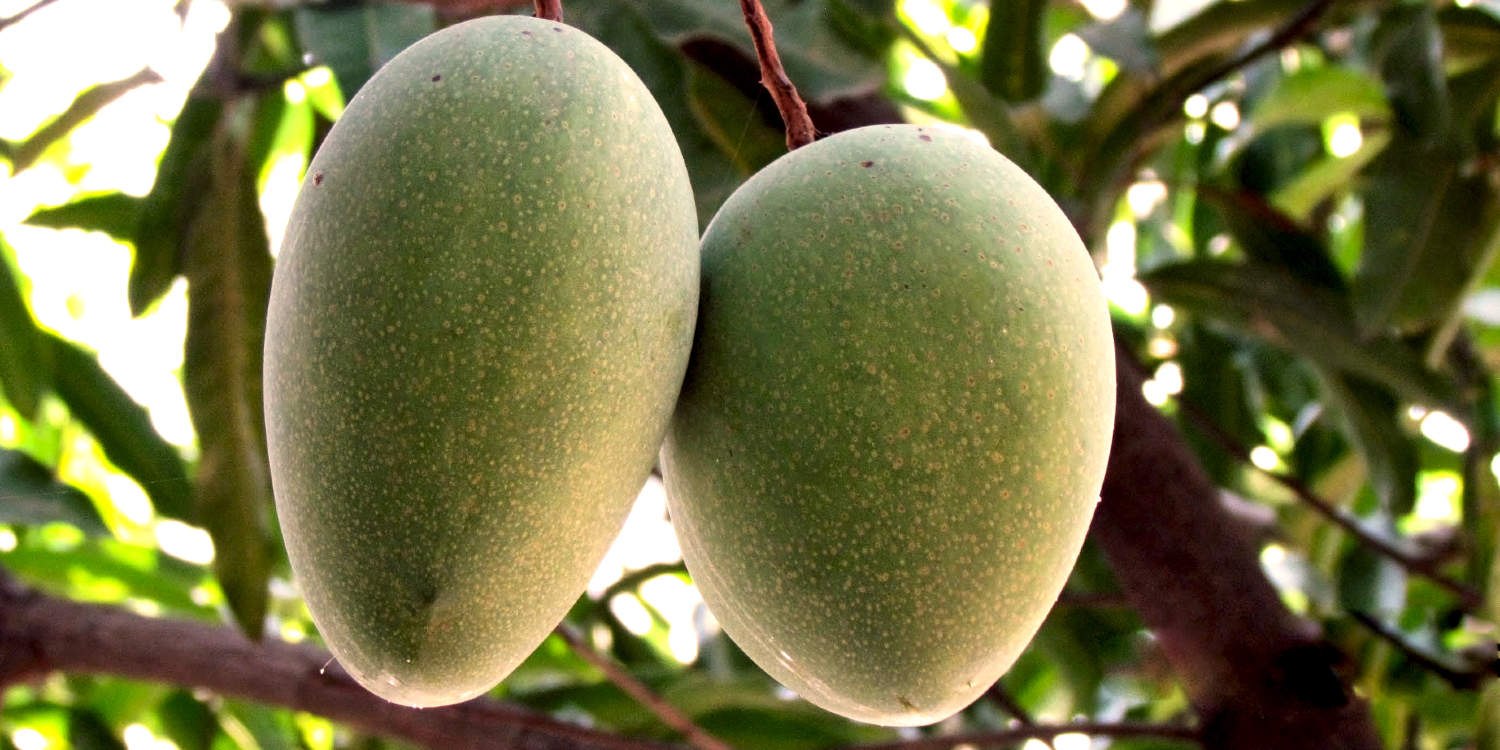
Alampur Baneshan comes from the Alampur area of Telangana in southern India and belongs to the wider Baneshan group, the same family as the famous Banganapalli. It is a large mango that stays green even when fully ripe, so it is judged by smell and touch, not by color. It ripens later than most southern varieties.
The flesh is firm, pale yellow, and almost free of fiber, with a strong, distinctive aroma that people tend to either love or find too intense. It is mainly a connoisseur’s mango and is seldom seen outside Telangana and Andhra Pradesh.
2. Alphonso Mango
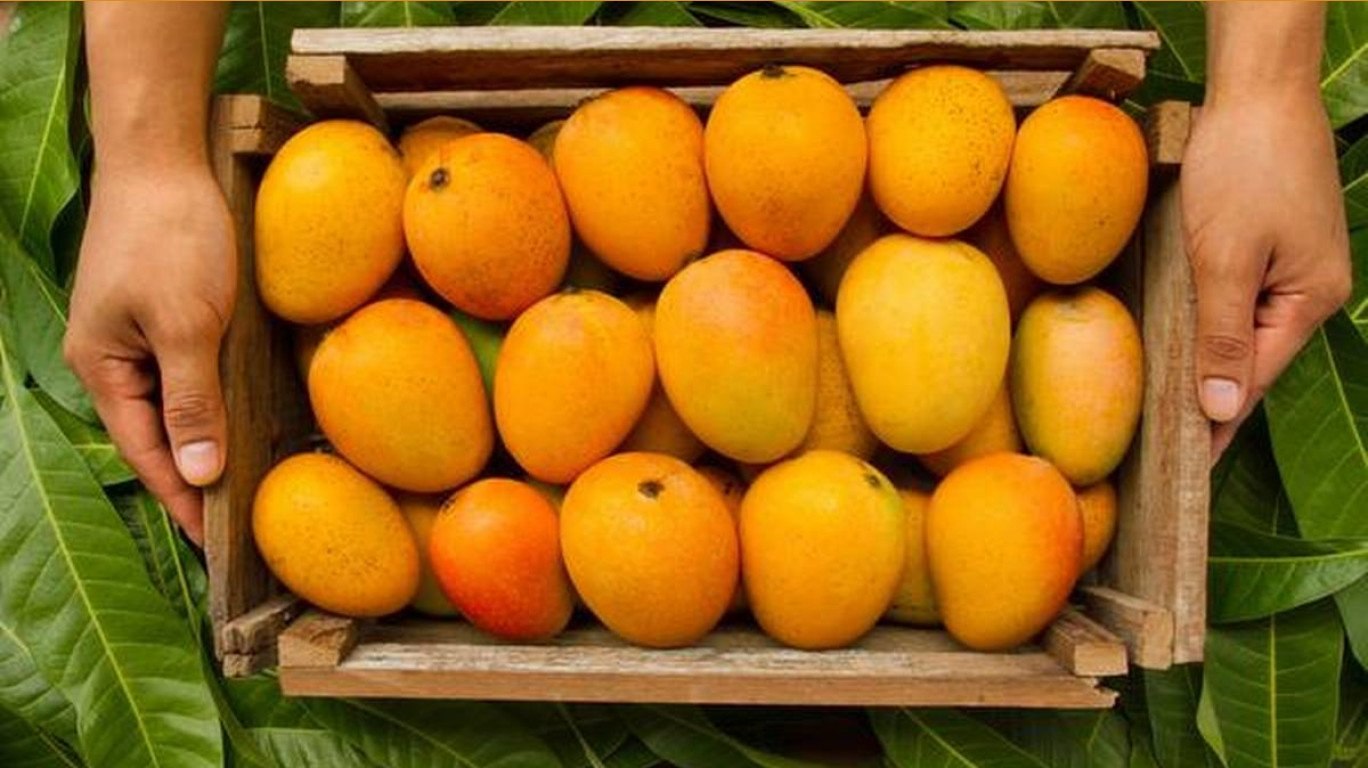
Alphonso, known locally as Hapus, is the mango most often called the king of mangoes in India. It is named after Afonso de Albuquerque, the Portuguese general whose countrymen introduced grafting techniques to the west coast of India in the 1500s. The finest fruit comes from the coastal Konkan belt of Maharashtra, especially Ratnagiri and Devgad, and Alphonso from this region received a Geographical Indication tag in 2018.
The fruit is medium-sized and egg-shaped, with golden-yellow skin that often carries a faint red blush. Inside, the saffron-colored flesh is smooth, rich, and free of fiber, with a perfume that fills a room. It is one of the most expensive mangoes in India and one of the country’s main export varieties.
Season: April to June, which is much earlier than many north Indian mangoes.
Best for: eating fresh and for aamras, the sweet mango pulp served with puri.
3. Amrapali Mango
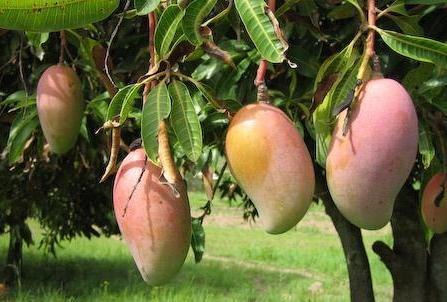
Amrapali is a hybrid developed in 1971 by the Indian Agricultural Research Institute in New Delhi, from a cross between Dasheri and Neelam. The tree is naturally dwarf and bears fruit every year, which makes it popular for high-density orchards and home gardens.
The fruit is small to medium with green-yellow skin, but the flesh is a striking deep orange, much darker than most mangoes, and very sweet. It does not keep as long as the big commercial varieties, so it is best eaten soon after it ripens in late June and July.
4. Ataulfo Mango
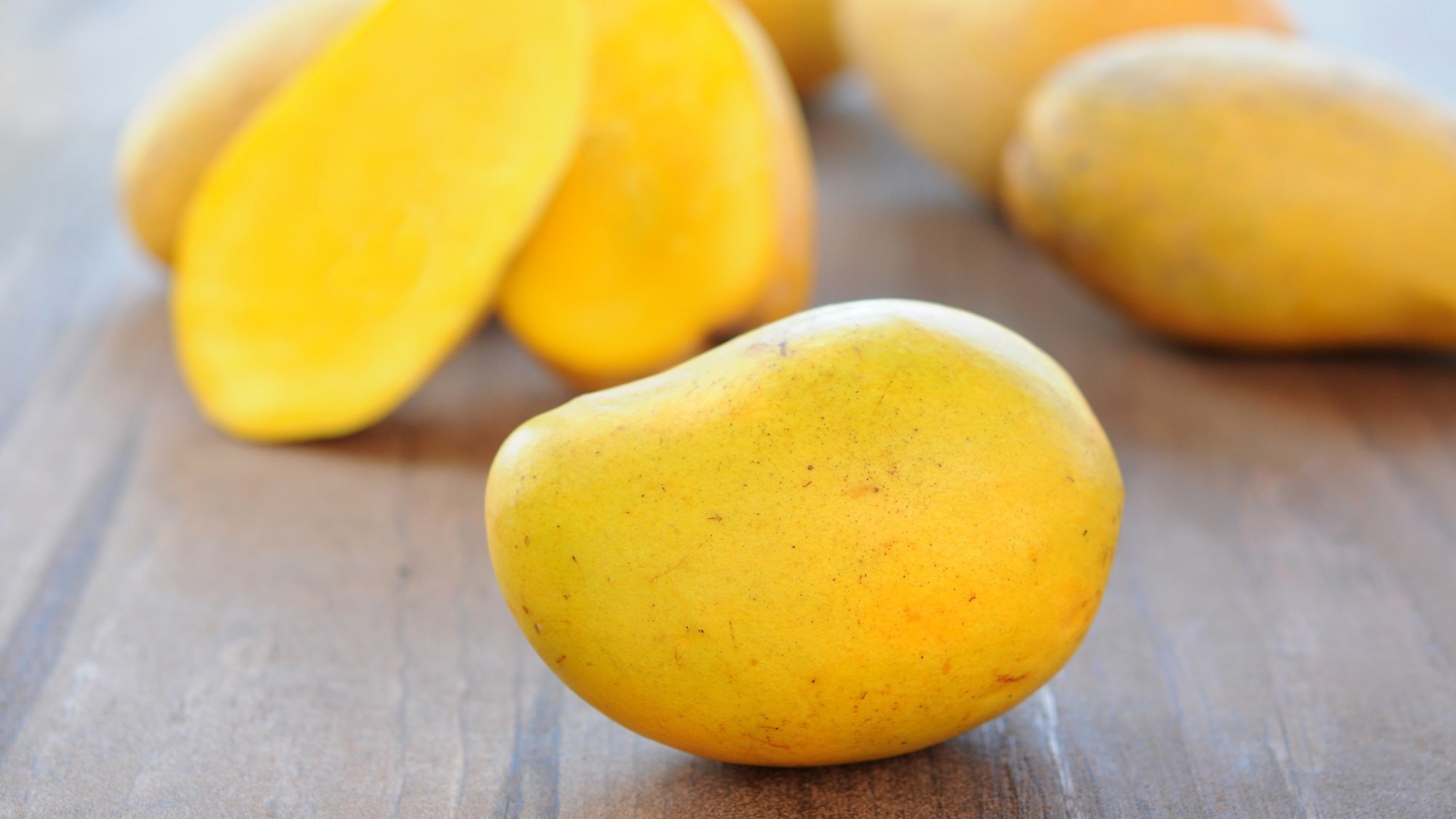
Ataulfo is the small golden mango sold in North American stores as the Honey mango or Champagne mango. It comes from the Soconusco region of Chiapas in southern Mexico and is named after Ataulfo Morales Gordillo, on whose land the original trees grew. Mexico granted it a protected designation of origin in 2003.
It is kidney-shaped and weighs only 6 to 10 ounces, with a thin seed that leaves plenty of flesh. The skin turns deep gold and wrinkles slightly when ripe. The flesh is buttery, very sweet, and completely free of fiber, which makes it one of the best mangoes for eating with a spoon, for smoothies, and for desserts.
Season: March to July in US stores.
Ripeness sign: deep golden skin with small wrinkles.
5. Badami Mango
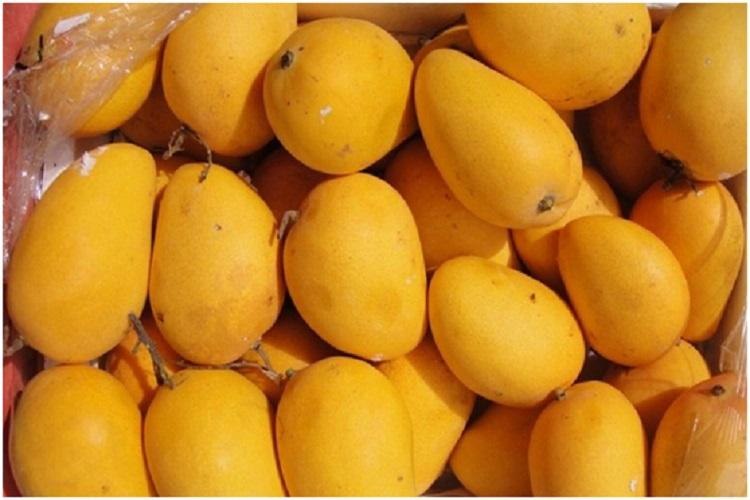
Badami is grown mainly in northern Karnataka and is often described as the Alphonso of Karnataka, because the two are very close in appearance and flavor. Many growers consider it the same variety raised in a different climate.
It has thin, pale yellow skin and soft, sweet, fiberless flesh. It reaches markets in April and May, a little ahead of many other varieties, and is widely used for milkshakes, juice, and mango pulp.
6. Benishan/Banginapalli Mango
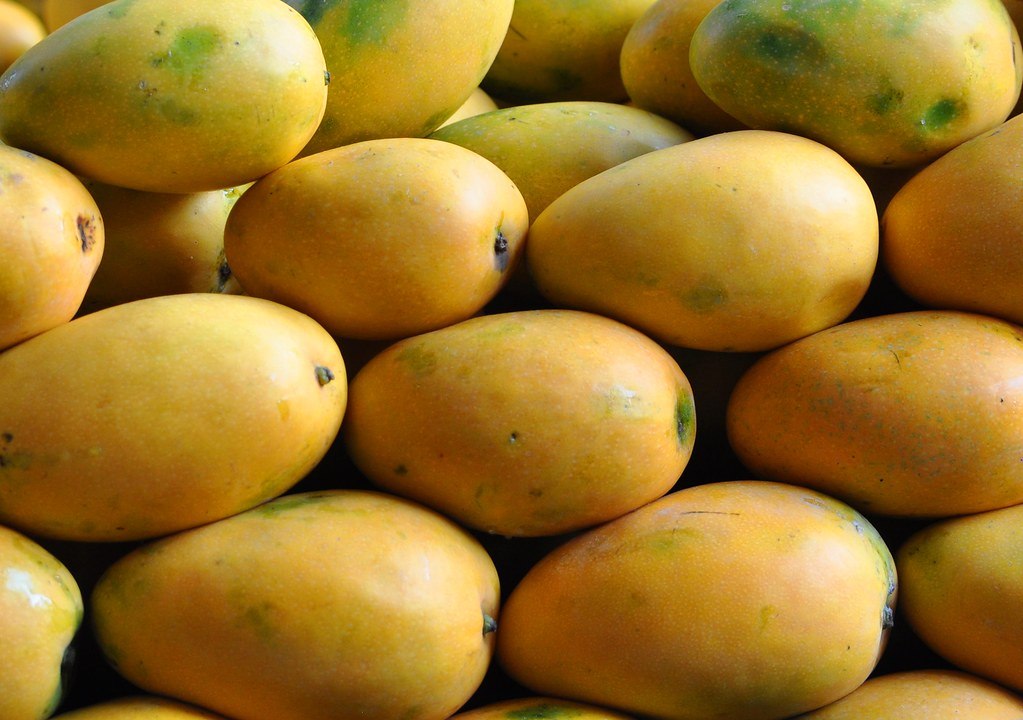
Banganapalli, also written Benishan or Baneshan, is the leading mango of Andhra Pradesh and is named after the town of Banganapalle in the Kurnool district. It received a Geographical Indication tag in 2017. In north India the same mango is commonly sold as Safeda.
The fruit is large, often 12 ounces to a pound, and oval with a slightly slanted tip. The skin is thin, smooth, and bright yellow, and it is clean enough that many people eat it. The flesh is firm, pale yellow, mildly sweet, and free of fiber, so it slices neatly.
Season: April to June.
Best for: slicing, fruit salads, and anyone who finds richer mangoes too heavy.
7. Bombay Green Mango
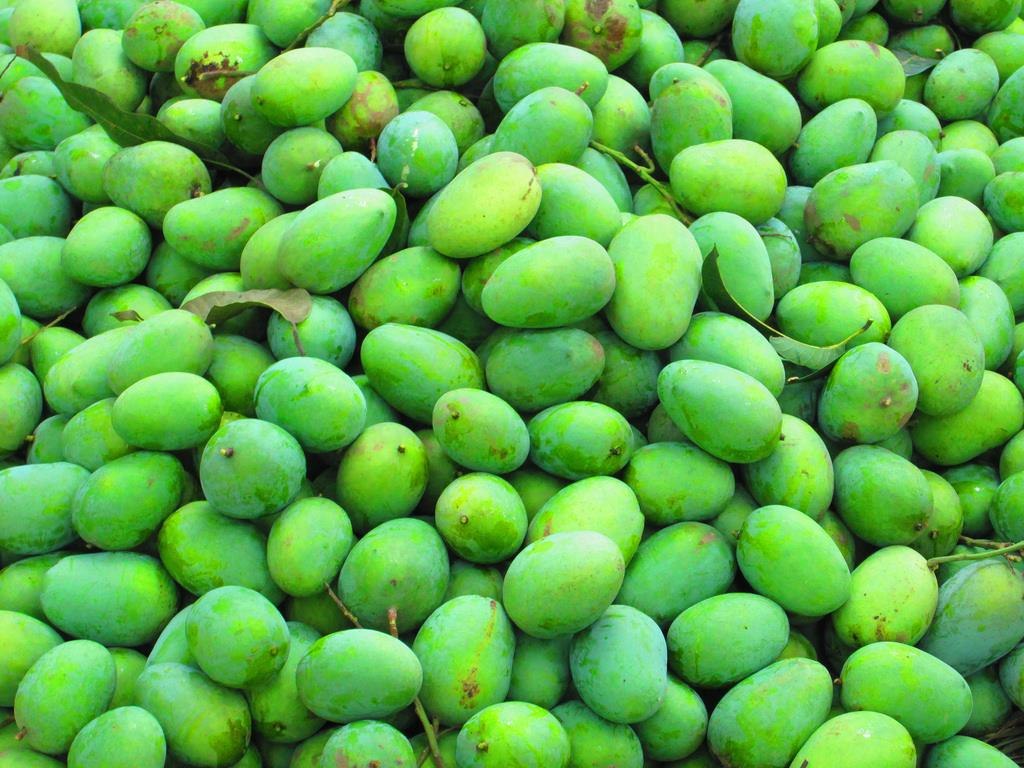
Bombay Green is an early north Indian mango, grown in Uttar Pradesh, Delhi, and neighboring states, where it is also known as Malda or Sehroli. It is one of the first varieties to appear in northern markets, usually in May.
As the name suggests, the skin stays green when the fruit is ripe. The flesh is deep yellow, soft, and sweet, with a strong, pleasant aroma. It has a short shelf life, so it is mostly sold close to where it is grown.
8. Carabao Mango
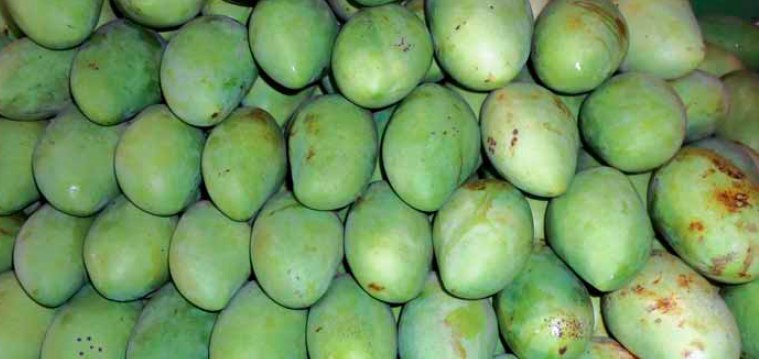
Carabao is the national fruit of the Philippines and is sold abroad as the Manila or Philippine mango. It is named after the carabao, the country’s native water buffalo. The island province of Guimaras is especially known for it.
The fruit is kidney-shaped with bright yellow skin and tender, golden flesh that has very little fiber. It is regarded as one of the sweetest mangoes in the world. It is eaten fresh, dried into the chewy mango slices that the Philippines exports widely, and, when green, served with salty shrimp paste.
9. Chausa / Chaunsa Mango
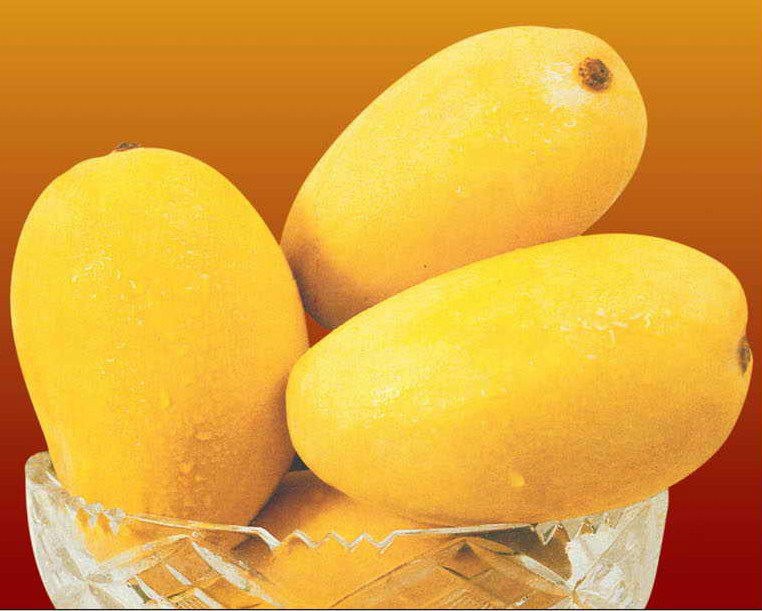
Chaunsa, also spelled Chausa, is a late-season mango prized in both northern India and Pakistan. According to tradition, the ruler Sher Shah Suri named it to mark his victory at the Battle of Chausa in Bihar in 1539. Today the best-known fruit comes from Uttar Pradesh in India and from Multan and Rahim Yar Khan in Pakistan.
It has pale golden-yellow skin and very soft, juicy flesh with almost no fiber and an intense, honeyed sweetness. Many people do not slice it at all: they soften the fruit in their hands, make a small opening at the top, and drink the pulp.
Season: July and August, when most other varieties have finished.
10. Chok Anan Mango
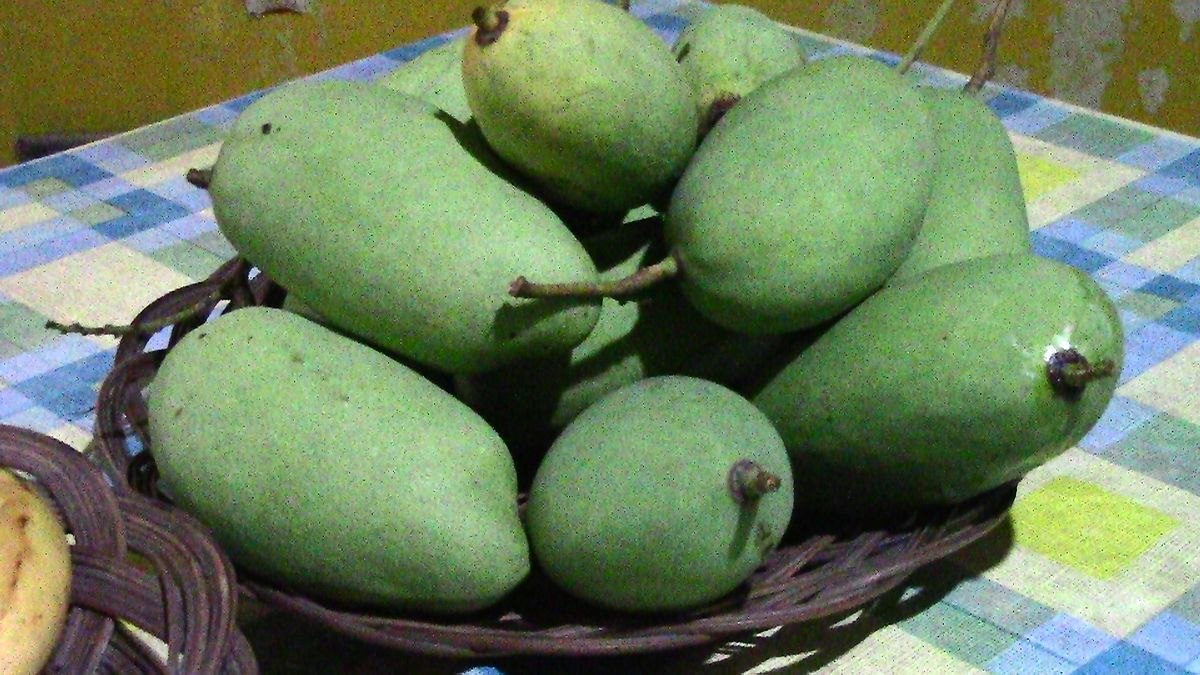
Chok Anan is a Thai variety that is also widely grown in Malaysia, India, Bangladesh, and Pakistan. It is often called the honey mango. The tree is unusual because it can fruit more than once a year, which earns it the nickname “miracle mango” in some countries.
The fruit is oval with a tapered tip and light yellow skin. The flesh is sweet with low acidity and a mild fragrance. It is eaten fresh and is a common choice for Thai mango sticky rice.
11. Dasheri Mango
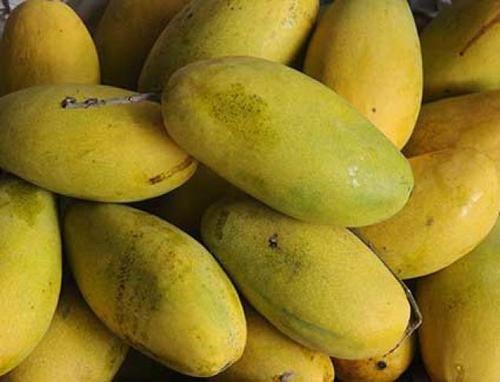
Dasheri is one of the most loved mangoes of north India. It traces back to a single mother tree in Dasheri village near Kakori, close to Lucknow in Uttar Pradesh, which is said to be around 200 years old. The nearby town of Malihabad is the center of Dasheri growing.
The fruit is medium-sized and long, with green-yellow skin. The flesh is sweet, aromatic, and free of fiber, with a thin stone. It is traditionally a mango for sucking as much as slicing.
Season: June to mid-July.
12. Fazli Mango
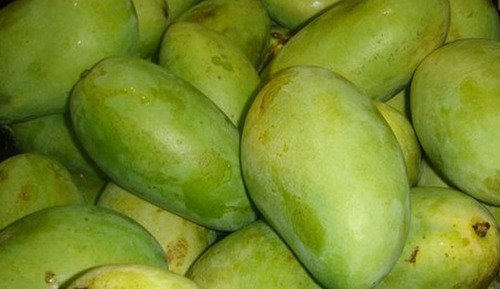
Fazli is a large, late-season mango grown in Bihar and the Malda district of West Bengal in India and in the Rajshahi region of Bangladesh. A single fruit can weigh a pound or more, and some reach two pounds.
The skin stays greenish-yellow when ripe, and the flesh is firm, pale, and sweet with a mild tang. Because it arrives in July and August and holds its shape, it is used for jams and pickles as well as for eating fresh.
13. Francis Mango
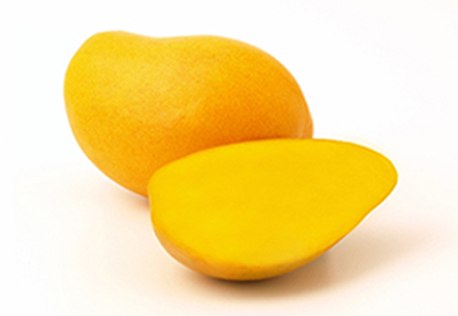
Francis, sold in Haiti as Madame Francique, is the main export mango of Haiti and is grown on small farms across the country. It has a flattened, slightly S-shaped form and greenish-yellow skin that turns more golden as it ripens.
The flesh is deep orange, soft, and juicy, with a rich, spicy sweetness. It contains more fiber than varieties such as Ataulfo or Kent. It is good for eating fresh, chutneys, and sauces.
Season: roughly April to July in US stores.
14. Graham Mango
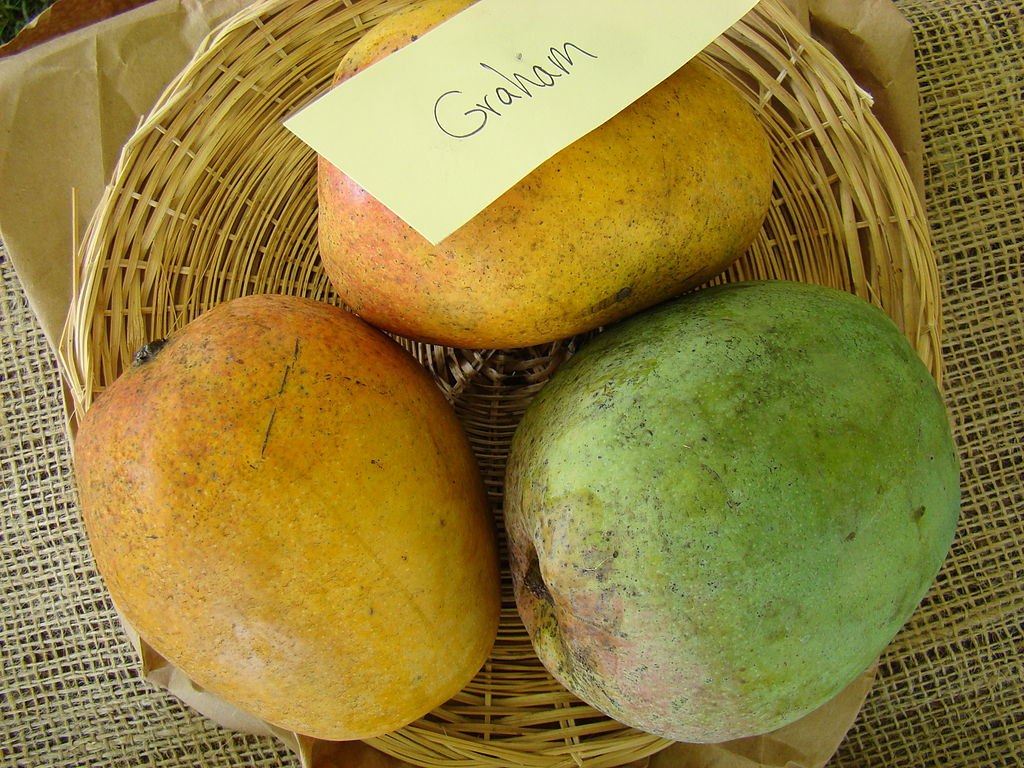
Graham originated in Trinidad as a seedling of the Julie mango, the best-loved variety of the Caribbean. The tree is compact and copes well with humid weather, so it is a common choice for home gardens.
The fruit is oval and medium to large, with bumpy yellow skin when ripe. The flesh is golden, aromatic, sweet, and free of fiber.
15. Gulab Khas Mango
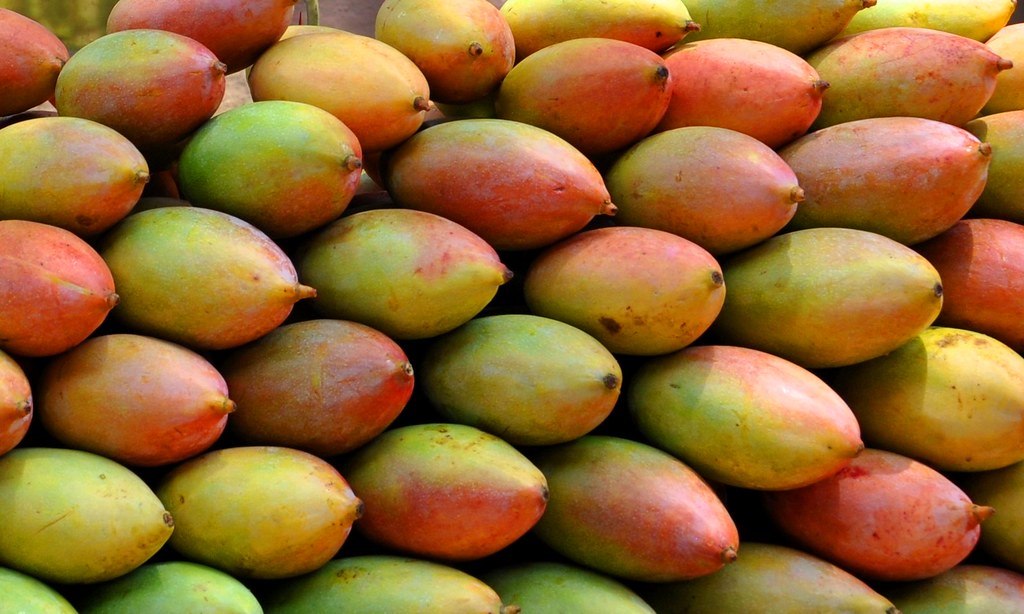
Gulab Khas takes its name from gulab, the Hindi word for rose. The fruit has a rosy pink blush over pale yellow skin and a light, flowery scent and taste that set it apart from other mangoes. It is grown in Bihar, Jharkhand, and West Bengal.
It is small to medium in size with soft flesh that has no fiber. It ripens in late May and June and is especially popular for mango desserts and milk-based sweets.
16. Haden Mango
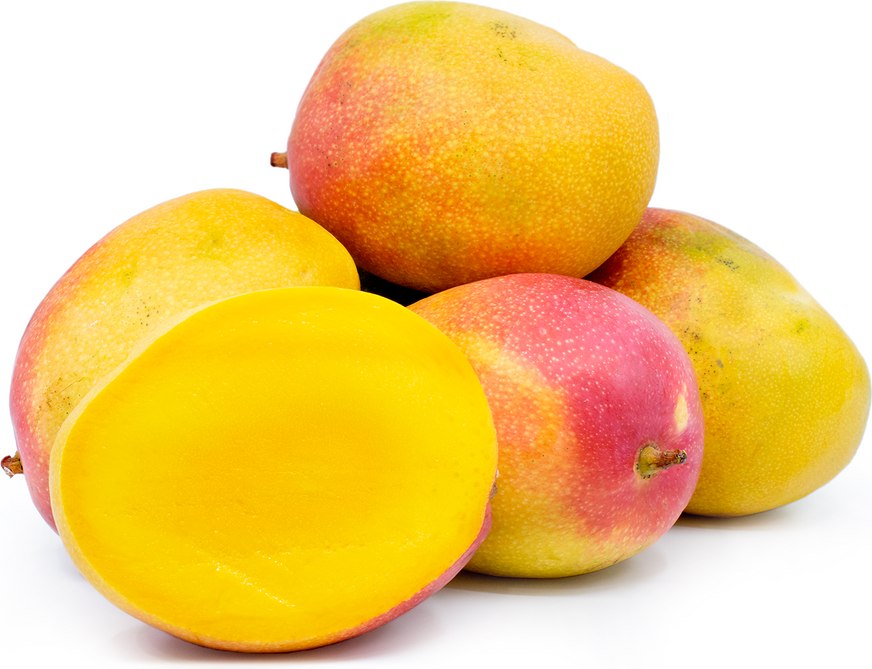
Haden is the mango that launched the modern American mango industry. In 1902, retired army captain John J. Haden planted seeds of the Indian Mulgoba mango in Coconut Grove, Florida. One of the trees first fruited in 1910, after his death, and his wife Florence introduced the bright red and yellow fruit to the public.
Haden became the leading commercial mango in Florida for decades. It is also the parent or ancestor of many later Florida varieties, including Tommy Atkins, Kent, and Keitt, which now dominate world trade.
The fruit is medium to large and oval to round, with a red blush over a yellow background and small white dots. The flesh is firm, rich, and sweet with a slight tang and some fine fiber near the stone. Most Haden mangoes sold today are grown in Mexico.
Season: March to May.
17. Vanraj Mango
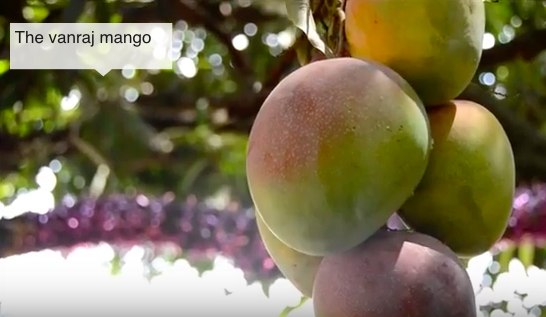
Vanraj is a prized variety from Gujarat, particularly the Vadodara area. Its name means “king of the forest”. The fruit is oval and medium-sized, with a clear red blush on the shoulders.
The flesh is sweet with a gentle tartness and keeps well after picking. It usually sells for a higher price than more common varieties.
18. Himsagar Mango
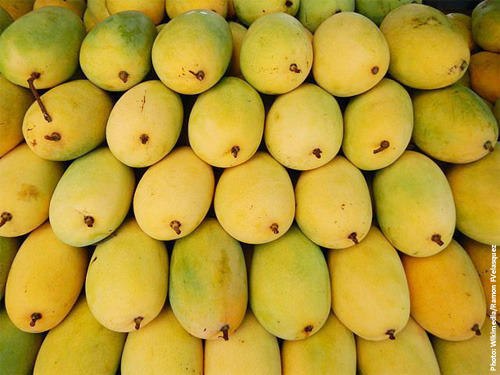
Himsagar is the pride of West Bengal, grown in the districts of Murshidabad, Nadia, and Hooghly. In Bangladesh a very similar mango is called Khirsapat. Many Bengalis consider it the best mango of all.
The fruit is medium-sized with skin that stays greenish when ripe. Inside, the flesh is deep yellow to orange, creamy, very sweet, and entirely free of fiber, with a rich aroma. Almost three quarters of the fruit is flesh.
Season: short, from mid-May to the end of June.
19. Imam Pasand Mango
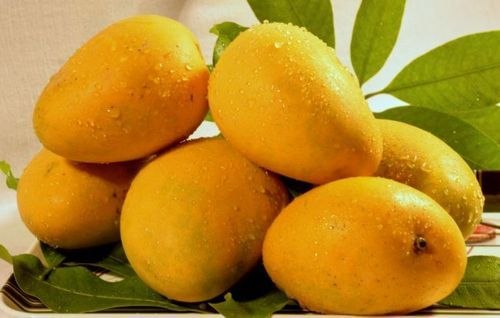
Imam Pasand, also called Himayat or Himam Pasand, is a large mango from Andhra Pradesh, Telangana, and Tamil Nadu. The name means “the Imam’s favorite”, and it has long had a reputation as a mango of royalty.
A single fruit often weighs more than a pound. The skin is thin and green with a yellow tinge, and the flesh is soft, creamy, and very sweet with a distinct aftertaste that some compare to coconut or citrus. It is available for a short time in May and June.
20. Keitt Mango
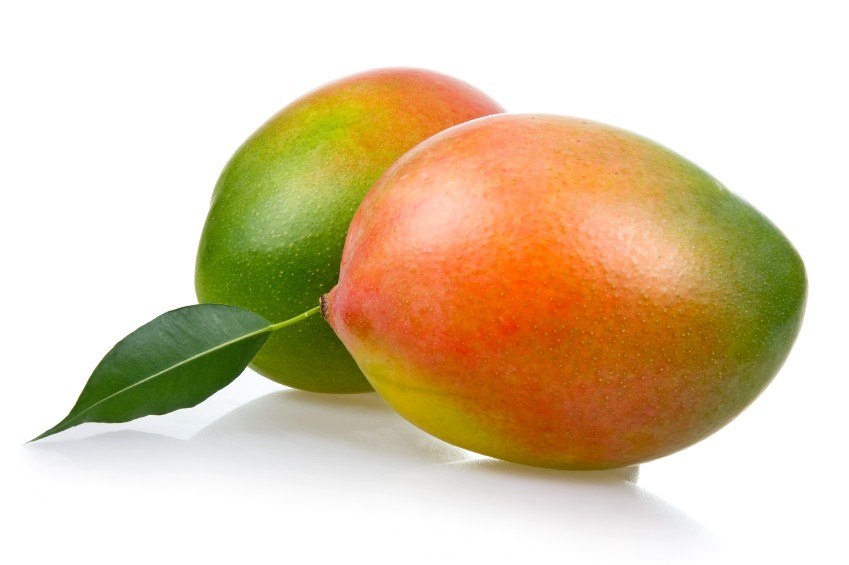
Keitt is a late-season mango from Florida. It grew from a seed planted in 1939 on the property of Mrs. J.N. Keitt in Homestead and was named in 1945. It is now grown in Mexico, Ecuador, Peru, Brazil, and California.
The most important thing to know is that a Keitt stays green when ripe, sometimes with a slight pink blush, so many shoppers pass it by thinking it is not ready. Judge it by a gentle squeeze. The fruit is large, often well over a pound, with a small seed. The flesh is firm, juicy, sweet with a hint of tartness, and has very little fiber.
Season: August and September, when most other mangoes are over.
Best for: slicing, salads, and salsa.
21. Kent Mango
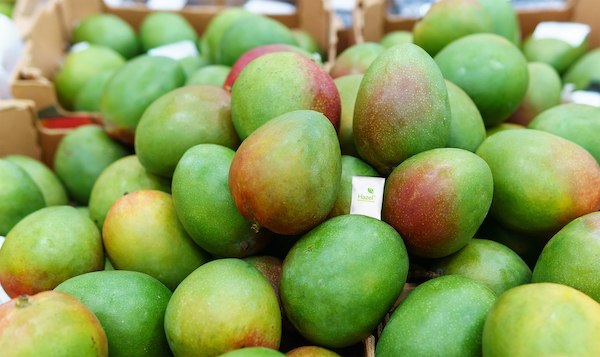
Kent was raised in Coconut Grove, Florida, on the property of Leith D. Kent, from a seed planted in the 1930s, and was named in 1945. It is now grown mainly in Mexico, Ecuador, and Peru, and it is one of the most important mangoes in European markets.
The fruit is large and oval, with dark green skin and a deep red blush. Yellow dots or shading appear as it ripens. The flesh is tender, very juicy, sweet, and rich, with few fibers, which makes Kent a top choice for juicing and drying as well as eating fresh.
Season: December to February from South America, and June to August from Mexico.
22. Kesar Mango
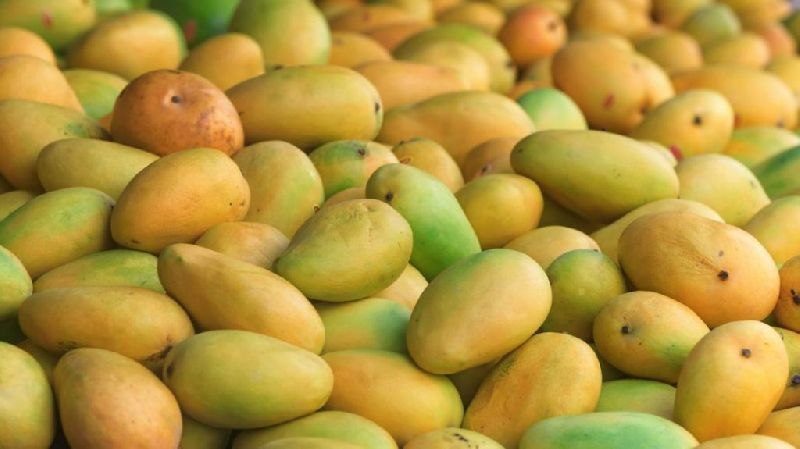
Kesar is known as the queen of mangoes in India. It is grown in the foothills of Girnar in the Junagadh and Amreli districts of Gujarat, and Gir Kesar received a Geographical Indication tag in 2011. Kesar means saffron, a reference to the color of the flesh.
The fruit is small to medium and roundish, with a curved tip and dull yellow skin tinged with green. The pulp is bright saffron-orange, very sweet, and intensely fragrant. Along with Alphonso, it is one of the main mangoes India exports.
Season: May to July.
Best for: aamras, milkshakes, ice cream, and pulp.
23. Kilichundan Mango
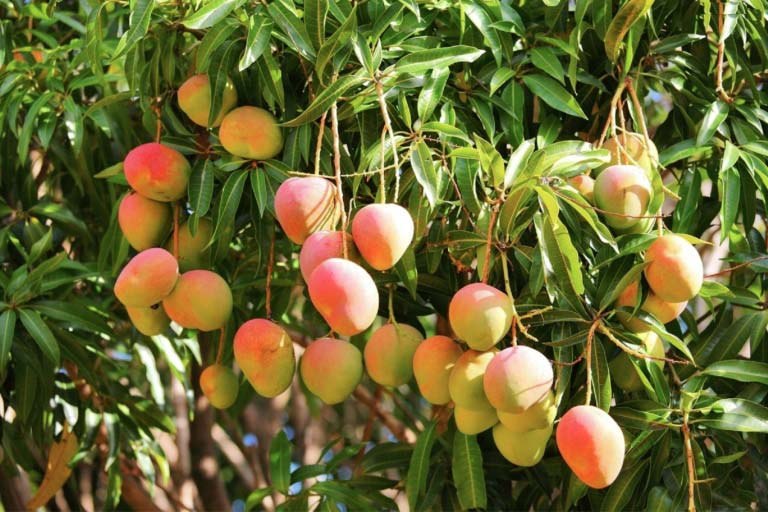
Kilichundan is a mango from Kerala. Its name describes its shape: in Malayalam, kili means parrot and chundan means beak, and the tip of the fruit curves to a point. It is a large fruit, with skin that is green with a yellow or reddish tinge.
It is valued in the kitchen as much as at the table. Unripe fruit goes into pickles and into Kerala fish and vegetable curries, while the ripe fruit is sweet with a pleasant tang.
24. Kishan Bhog Mango
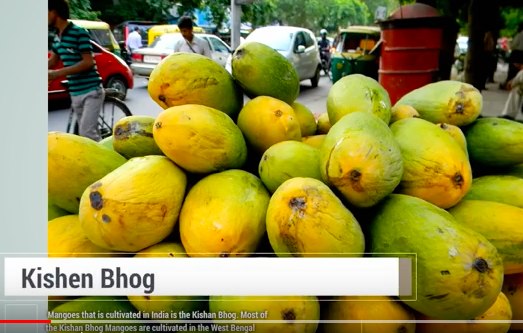
Kishan Bhog is a traditional variety from West Bengal and Bihar. The fruit is round, medium to large, and turns yellow when ripe.
The flesh is firm, sweet, and aromatic, with a little fiber. It ripens in June and is eaten fresh. It also holds up well in transport, which makes it a reliable market mango.
25. Konkan Raja Mango
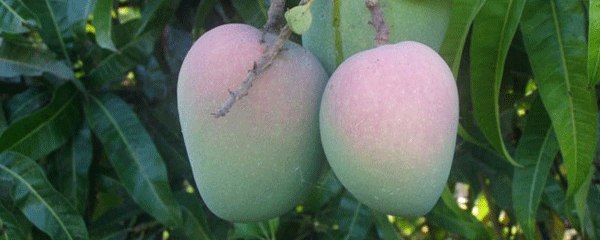
Konkan Raja is a modern hybrid released by the agricultural university at Dapoli, in the Konkan region of Maharashtra. It was bred to give large, attractive fruit and regular crops in a coastal climate where the delicate Alphonso can be unreliable.
The fruit is big, with a red blush on yellow skin and sweet flesh. It is still a minor variety and is mostly found in Maharashtra.
26. Lakshmanbhog Mango
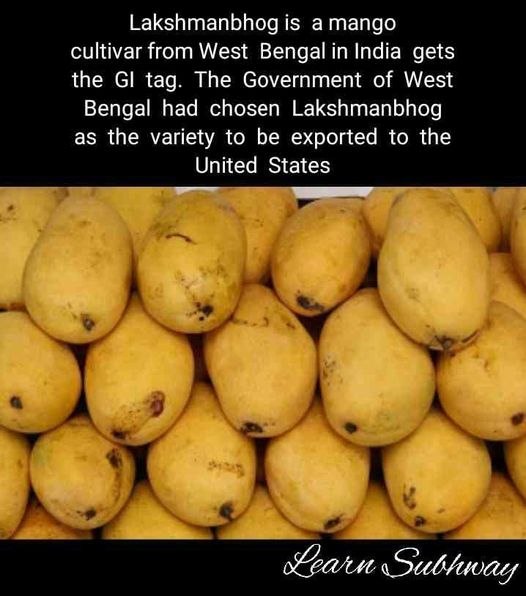
Lakshmanbhog comes from the Malda district of West Bengal, one of the great mango-growing areas of India, and it holds a Geographical Indication tag. The fruit is medium-sized with golden skin that often shows a reddish tinge.
It is moderately sweet, not as sugary as Himsagar, with a pleasant aroma. It ripens in June and has been one of the varieties chosen for export from West Bengal.
27. Lalbagh Mango
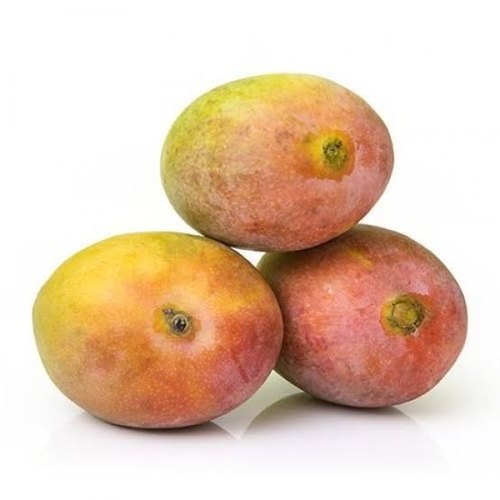
Lalbagh, more often written Lalbaug, is a small to medium mango sold in the markets of Maharashtra and Karnataka. Lal means red, and the fruit is recognized by the red color on its skin. Many traders treat it as the same mango as Sindhura or a very close relative.
It arrives early in the season and is less expensive than Alphonso. The flesh is sweet with a slight tang, and the fruit is popular for juice and milkshakes.
28. Langra Mango
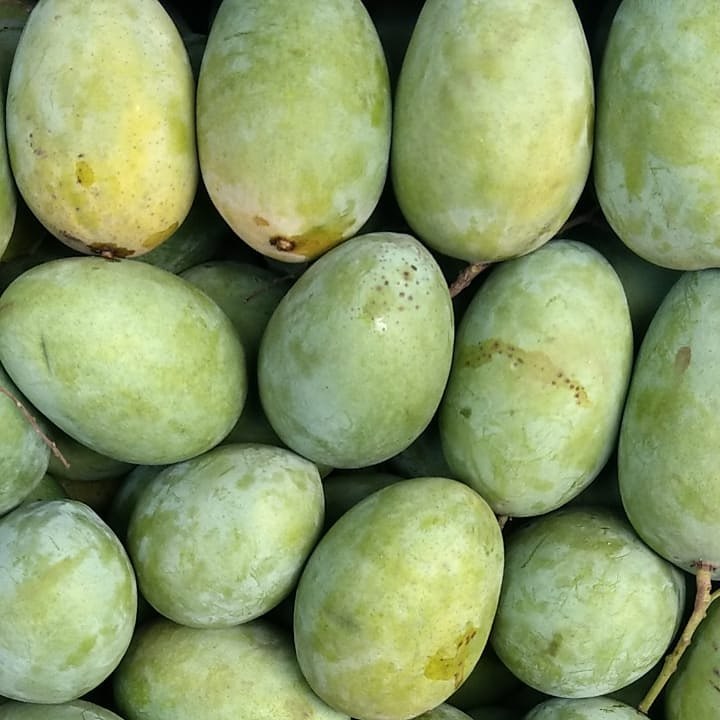
Langra is one of the classic mangoes of north India and is associated above all with Varanasi in Uttar Pradesh. Langra means “lame”, and the story goes that the first tree grew in the garden of a man who walked with a limp. It is also grown in Bihar, West Bengal, and Pakistan.
The skin stays green even when the fruit is fully ripe. The flesh is lemon-yellow, juicy, and free of fiber, with a sweet-tart taste and a strong, slightly resinous aroma that fans find unmistakable.
Season: mid-June to the end of July.
29. Totapuri Mango
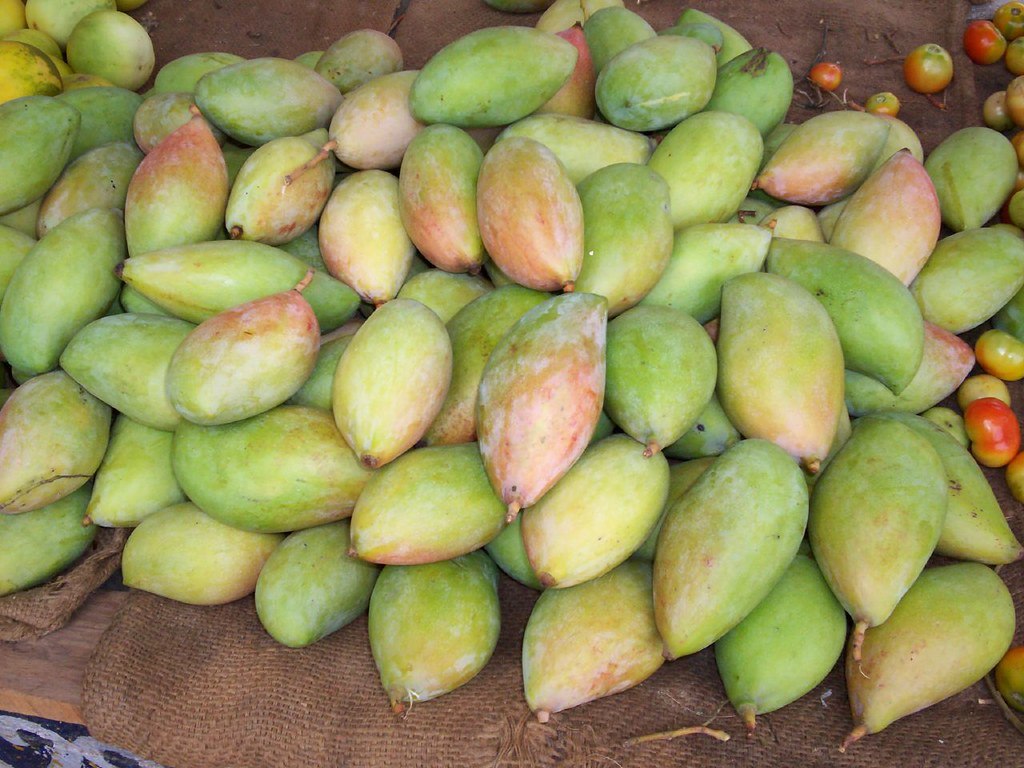
Totapuri is easy to recognize. Tota means parrot, and the fruit is long with a pointed, beak-like tip. It is also called Bangalora, Ginimoothi, or Sandersha, and it is grown in Karnataka, Andhra Pradesh, and Tamil Nadu.
It is not a very sweet mango. The flesh is firm and tangy, and the skin is thin enough to eat. This is why it is commonly eaten half-ripe with salt and chili powder. Its real importance is industrial: a large share of the mango pulp, juice, and concentrate made in India comes from Totapuri.
Season: May to July.
30. Malgoa/Mulgoba Mango
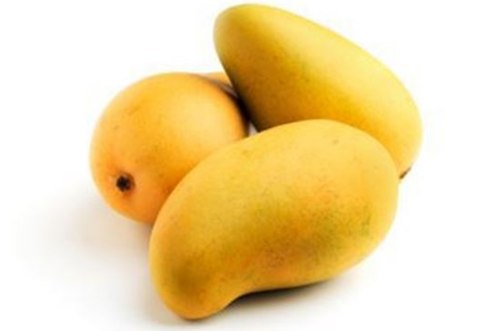
Malgova, also written Malgoa or Mulgoba, is a big, round mango from Tamil Nadu, particularly the Salem district, and it is also grown in Karnataka and Kerala. A single fruit can weigh a pound or more.
The skin stays mostly green, sometimes with a yellow tint, and the flesh is pale yellow, juicy, sweet, and almost free of fiber. Malgova also has a place in history: a tree sent from India to Florida in the late 1800s became the mother of Haden, and through Haden, the ancestor of most mangoes in world trade.
31. Mallika Mango
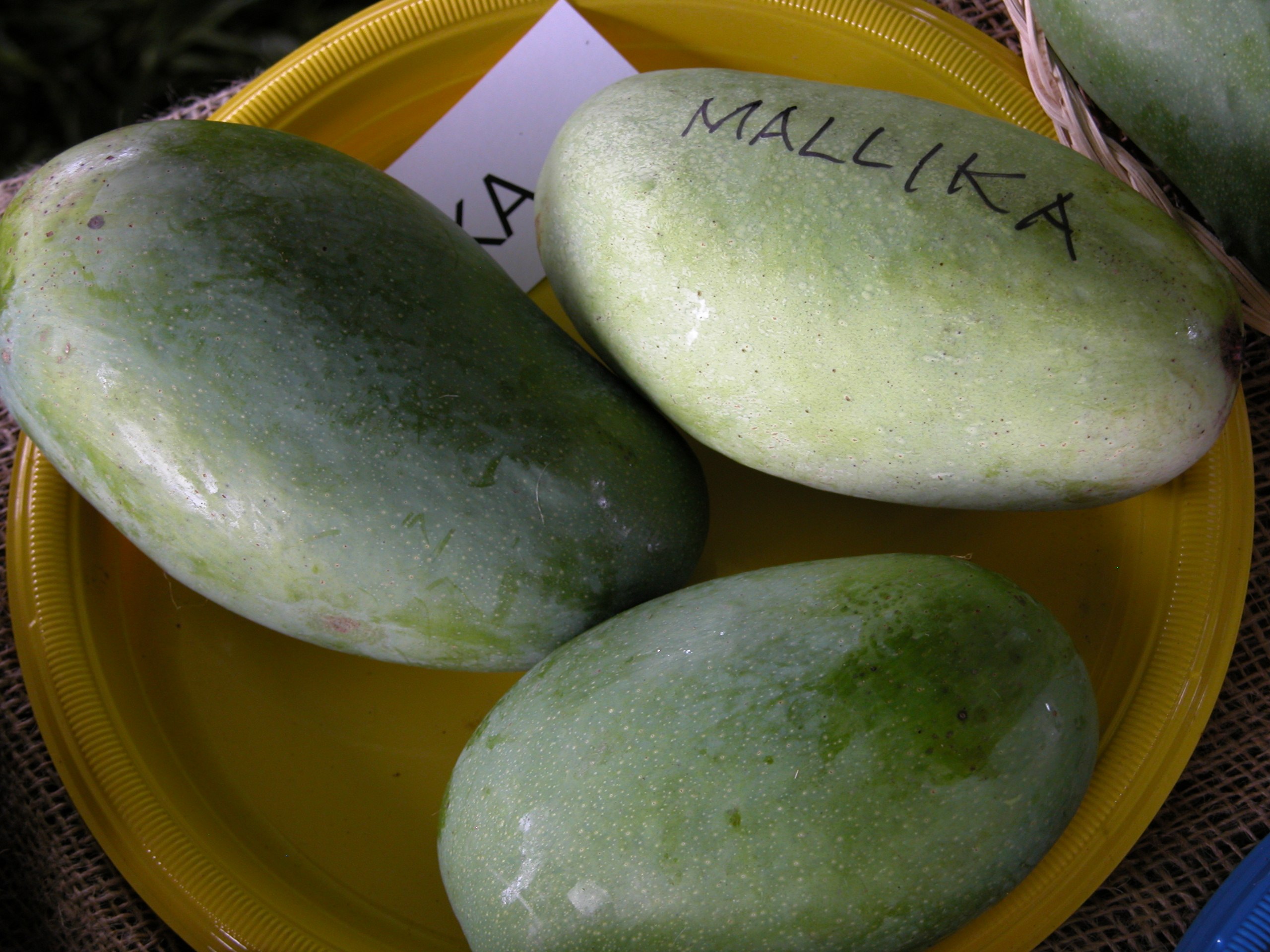
Mallika is a hybrid of Neelam and Dasheri, the same two parents as Amrapali, but crossed the other way around. Its name means “queen”.
The fruit is long and medium to large, with a flat stone and deep orange flesh that has no fiber. The flavor is very sweet with notes of honey and citrus. Growers often pick it mature and green and let it ripen in storage. It appears in June and July.
32. Mankurad Mango
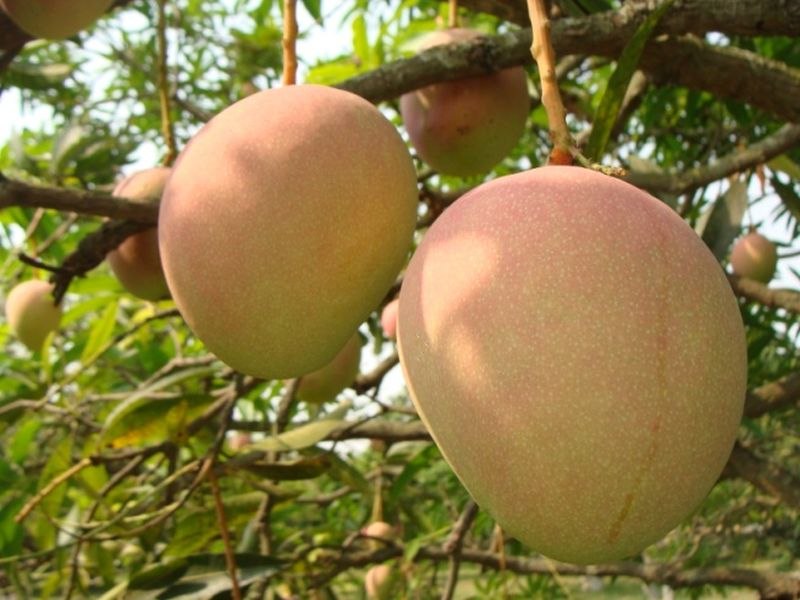
Mankurad is the favorite mango of Goa, where many people rate it above Alphonso. The name is said to come from the Portuguese “malcorado”, meaning poorly colored, a comment on its plain yellow skin.
It is medium-sized with firm, deep yellow flesh that has little fiber and a good balance of sweetness and acidity. It is one of the earliest mangoes of the season, arriving in March and April, and early fruit sells for high prices.
33. Najuk Mango
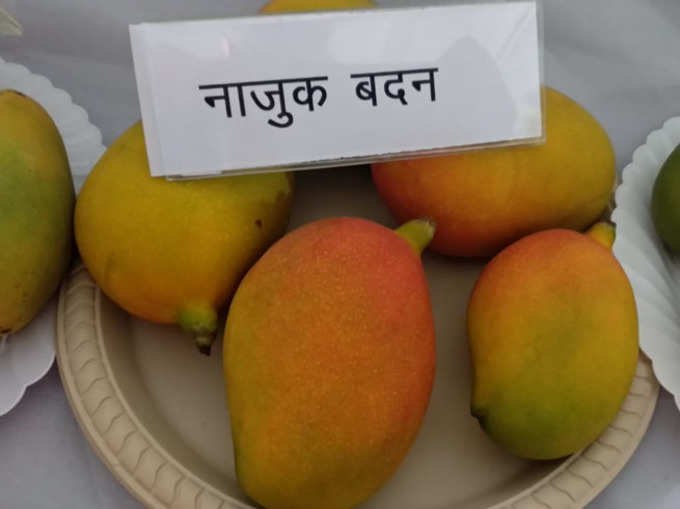
During the festival, junk mango is one of the most valuable varieties of mango to be seen during the festival. These mangoes are delicious and look fantastic. They are red mangoes, huge, and taste similar to the sweet mangoes.
34. Neelam Mango
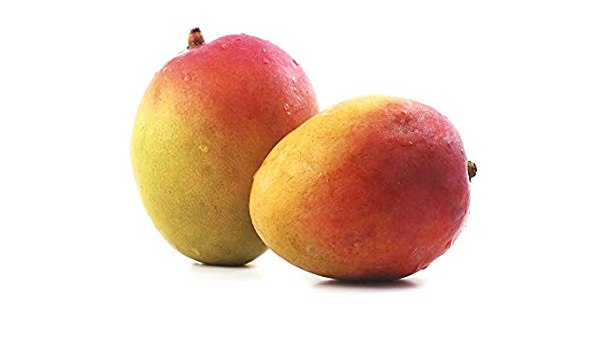
Neelam is a late mango from southern India, grown in Andhra Pradesh, Telangana, Tamil Nadu, and Karnataka. It is a heavy, regular bearer, which is why breeders have used it as a parent for hybrids such as Amrapali and Mallika.
The fruit is small to medium with a pointed base and smooth orange-yellow skin. The flesh is sweet and has a distinctive floral aroma. It comes into its own in June, when the monsoon begins, and lasts into July and August.
35. Paheri/Pairi Mango
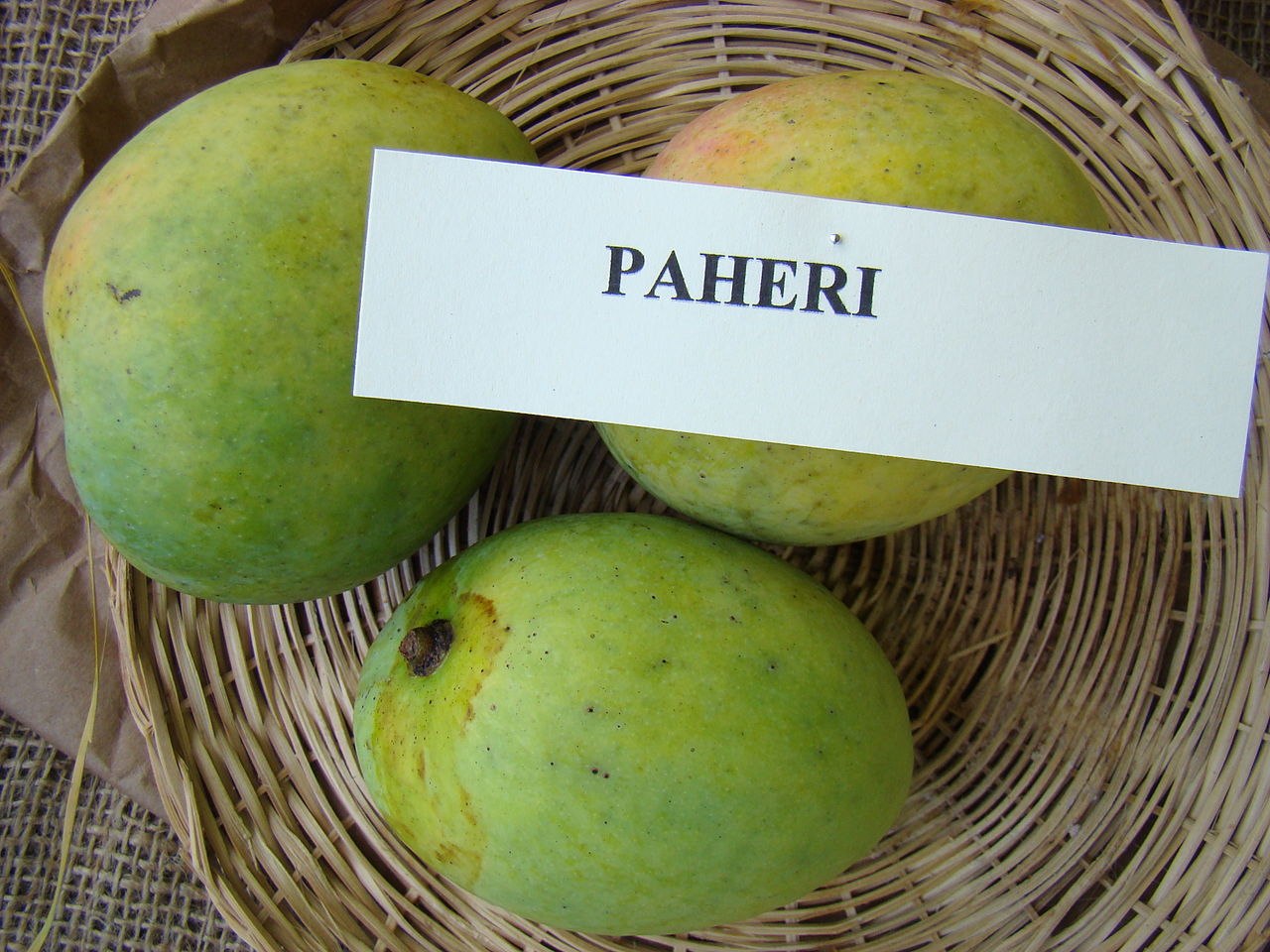
Pairi, also written Paheri or Payri, is one of the first mangoes of the season on the west coast of India. It is grown in Maharashtra, Gujarat, and Goa and is easy to spot by the red tinge on its skin.
The flesh is juicy and a little fibrous, with a sweet taste and a noticeable tang. It does not keep for long. In Maharashtra and Gujarat it is the traditional mango for aamras, often blended with Alphonso.
36. Palmer Mango
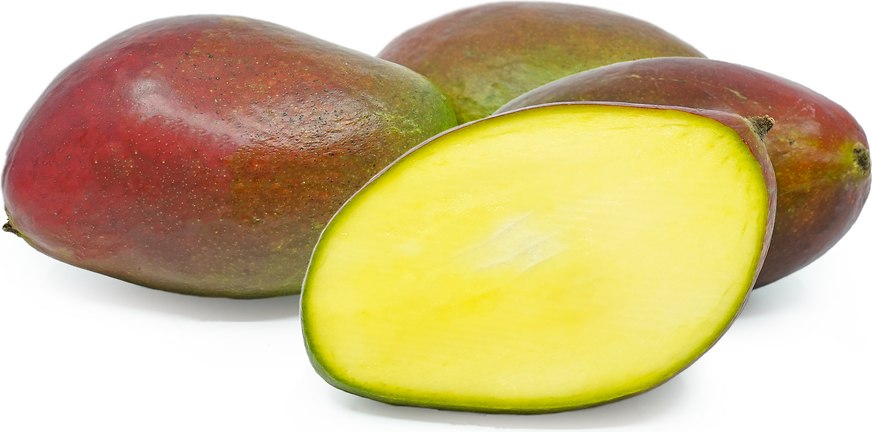
Palmer is another Florida variety. It grew from a seed planted in Miami around 1925 and was named in 1949. Today it is especially important in Brazil, which exports it in large quantities.
The fruit is long and large, often over a pound. It is purple when young and turns red with yellow as it ripens. The flesh is orange-yellow, firm, and mild, with little fiber.
37. Philihara Mango
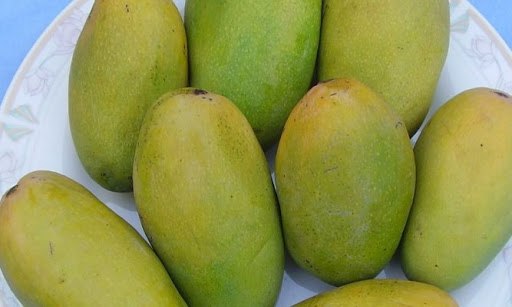
Malihabad of Lucknow district is a popular mango belt in northern India, known for its list of different varieties of mangoes in India such as Dussheri, Chausa, Fazli, Lucknowa, Jauhari, Lakhnaua Safeda, Munzar Aamin, Nazeer Pasand, Japani Lakhnaua, Kaccha Meetha, Paan mango, Ramkela, and Kala Pahad.
38. Rajapuri Mango
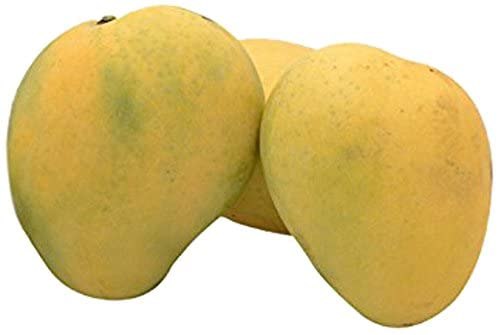
Rajapuri is a large mango from Gujarat, also grown in Maharashtra and Karnataka. Fruits commonly weigh a pound or more.
When green, it is one of the most popular mangoes for making pickles, because of its size and firm flesh. Ripe fruit is sweet and juicy and is used for aamras and pulp.
39. Raspuri Mango
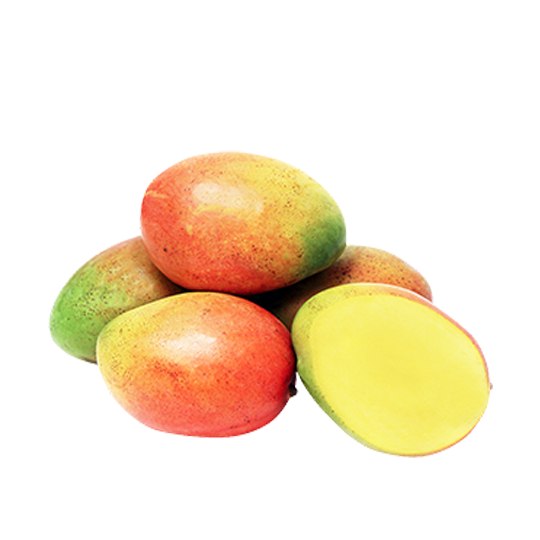
Raspuri is the best-known mango of the old Mysuru region of Karnataka, grown around Bengaluru, Ramanagara, Kolar, and Tumakuru. It is oval, with skin that turns yellow with a hint of red.
The flesh is extremely juicy and sweet, which makes it ideal for juice, milkshakes, and jam. It ripens in May and June. The peel can taste bitter, so the fruit is usually peeled or squeezed, not eaten with the skin.
40. Rumani Mango
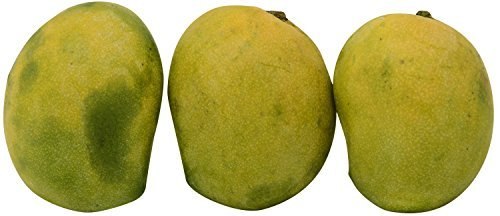
Rumani is a round mango that looks a little like an apple. It is grown in Tamil Nadu and Andhra Pradesh. The skin is thin and smooth, ripening to greenish-yellow.
The flesh is soft and juicy with a sweet and slightly sour taste and a strong smell. It is a mid to late season variety and is used mostly for juice and for eating fresh.
41. Safeda Mango
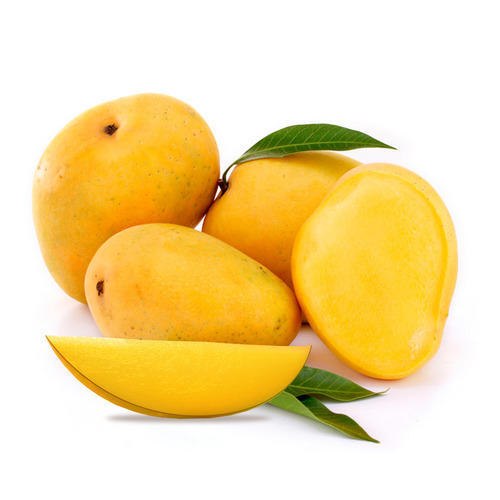
Safeda is the name used in Delhi and across north India for the Banganapalli mango of Andhra Pradesh. It is the first mango to reach northern markets in bulk each year, arriving from the south in April.
It is large and bright yellow, with pale, firm flesh that has no fiber. The taste is mildly sweet with a light sour note. Because it slices cleanly, it is a favorite for milkshakes and fruit plates.
42. Sein Ta Lone Mango
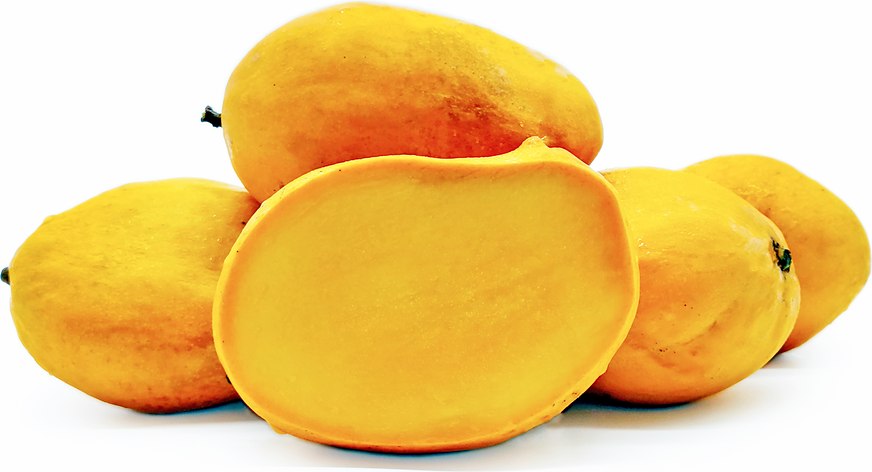
Sein Ta Lone is the most celebrated mango of Myanmar. The name means “one diamond” or “diamond solitaire”. It is grown mainly in the central regions around Mandalay and is exported to neighboring countries.
The fruit is medium-sized and yellow when ripe. The flesh is juicy, very sweet, fragrant, and nearly free of fiber. The season is short, lasting about two months from April to June.
43. Sindhura Mango
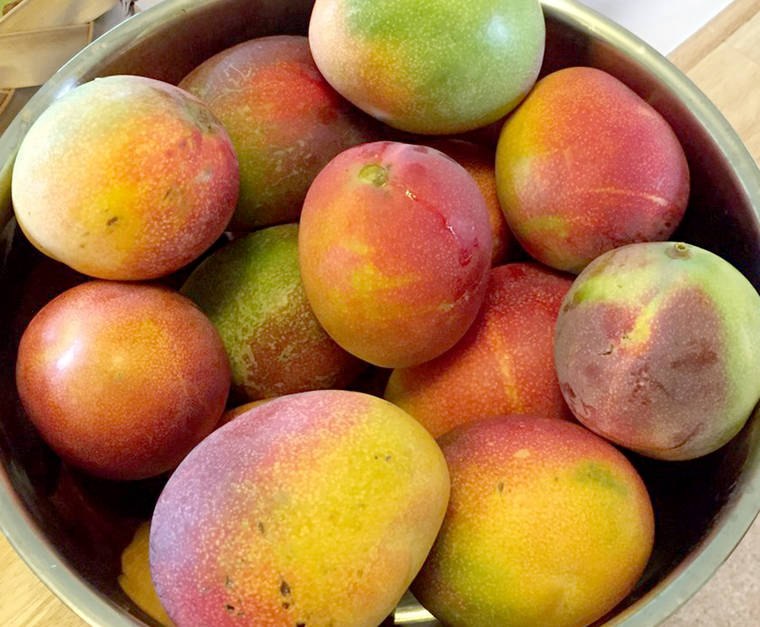
Sindhura, or Sindhoora, is named after sindoor, the red powder traditionally worn by married Hindu women, because of the bright red color on the upper part of the fruit. It is grown in Karnataka, Tamil Nadu, and Andhra Pradesh.
The flesh is deep yellow, sweet, and slightly tangy, with a lingering aroma. Its bright color and juicy pulp make it a common choice for milkshakes and juice.
44. Subarnarekha Mango
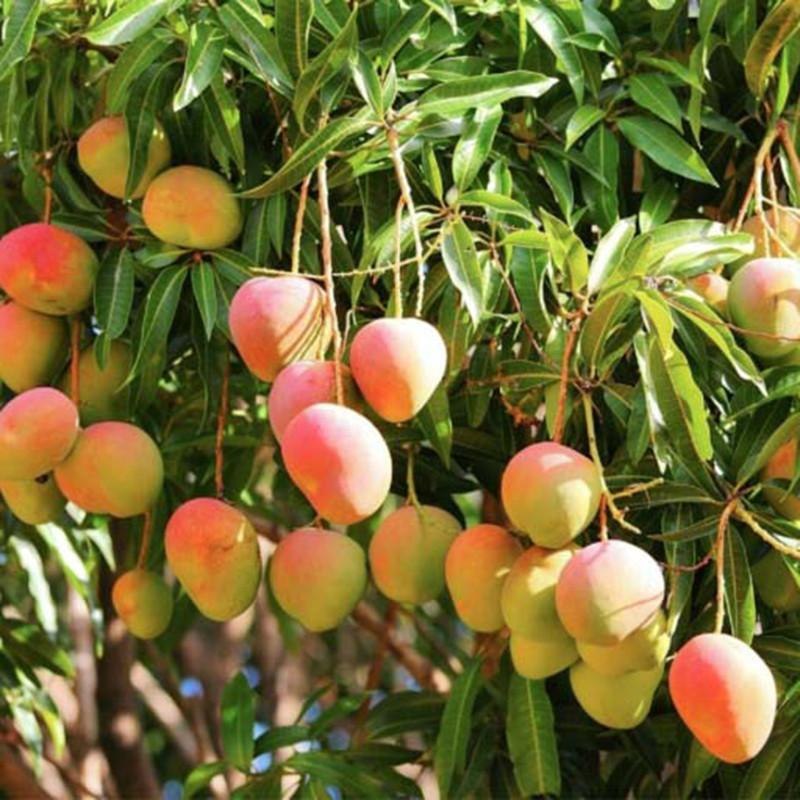
Suvarnarekha, also written Subarnarekha, means “golden line”. It is an early mango from Andhra Pradesh, especially the Visakhapatnam and Srikakulam areas, and from Odisha. In north India it is often sold as Sundari.
The fruit is medium-sized, with golden-yellow skin and a clear red blush on the shoulder. The flesh is soft and sweet with a mild flavor. It keeps fairly well, which helps it travel to distant markets early in the season.
45. Tommy Atkins Mango
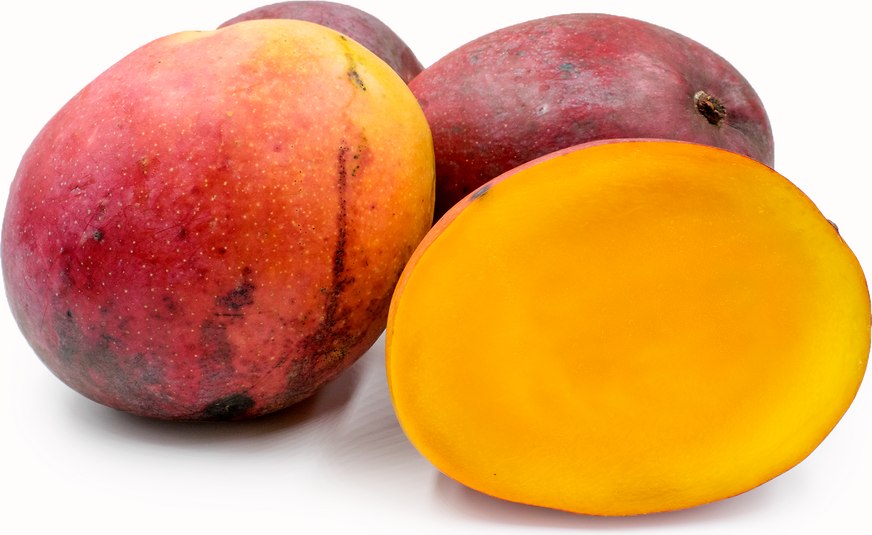
Tommy Atkins is the mango most people in the United States and Europe have eaten, whether they know its name or not. It originated in the 1920s on the property of Thomas H. Atkins in Fort Lauderdale, Florida, probably as a seedling of Haden. It is grown on a large scale in Mexico, Brazil, Ecuador, Peru, and Guatemala.
Growers and supermarkets favor it for practical reasons. The trees crop heavily and resist disease, and the thick-skinned fruit survives long journeys and stays in good condition on the shelf for a long time. It also looks the part, with a dark red blush covering much of the green and orange-yellow skin.
Flavor is not its strongest point. The flesh is firm, mildly sweet, and noticeably fibrous compared with Kent, Keitt, or Ataulfo. It is still a good mango for dicing into salsa or salads, where its firmness is an advantage.
Season: March to July.
Ripeness sign: the red color is not a guide. Squeeze gently and smell the stem end.
Mango Varieties in US Stores and When They Are in Season
Only a handful of the varieties above are sold widely in the United States, and almost all of the fruit is imported. Because each one comes from a different country at a different time, there is a good mango in stores nearly all year.
| Variety | Peak months | Flesh | Ripe color |
|---|---|---|---|
| Tommy Atkins | March to July | Firm, mild, fibrous | Red blush is not a guide |
| Ataulfo (Honey) | March to July | Buttery, very sweet, no fiber | Deep gold, slightly wrinkled |
| Haden | March to May | Rich, sweet, some fiber | Green areas turn yellow |
| Francis | April to July | Soft, spicy-sweet, fibrous | Green fades to gold |
| Kent | December to February, June to August | Juicy, sweet, little fiber | Yellow dots or shading appear |
| Keitt | August and September | Firm, sweet-tart, little fiber | Stays green |
Frequently Asked Questions
Which mango is called the king of mangoes?
The Alphonso mango is widely called the king of mangoes in India because of its rich, sweet flavor and smooth, fiber-free flesh.
Which country produces the most mangoes?
India is the largest mango producer in the world and grows a large share of the global crop.
Which types of mangoes are sold in the United States?
The varieties most often found in US stores are Tommy Atkins, Ataulfo (also called Honey), Kent, Keitt, Haden, and Francis.
How can you tell if a mango is ripe?
Squeeze it gently. A ripe mango gives slightly and has a fruity smell near the stem. Color is not a reliable guide, because it changes from one variety to another.