Dragons appear in the myths of almost every culture on Earth, from the fire-breathing monsters of European legend to the wise rain-bringing dragons of China. This guide covers 47 types of dragons with pictures, in four groups: the main dragon shapes and families, famous dragons from world mythology, dragons from books and games, and the dragons of Dungeons and Dragons.
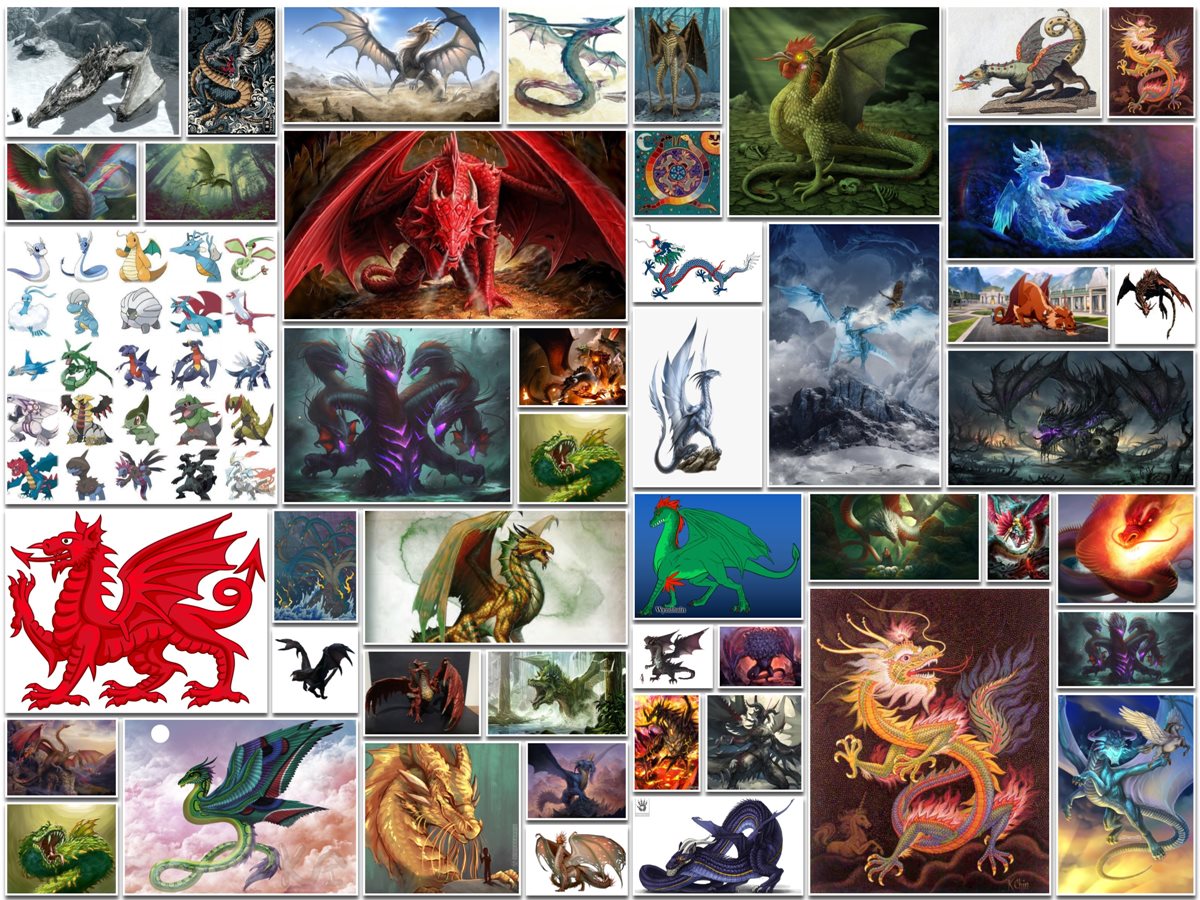
Dragon Shapes and Families
1. Western Dragon
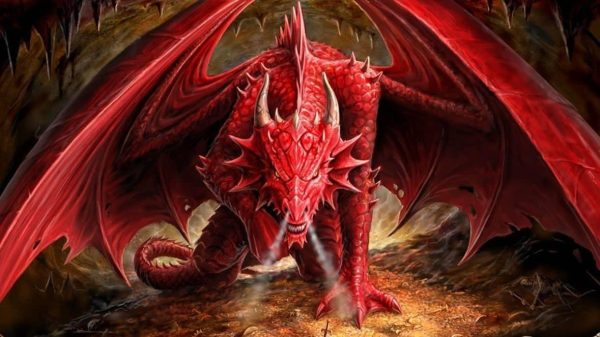
The Western dragon is the classic dragon of European legend: a huge, scaly, four-legged reptile with bat-like wings, horns, a long tail, and fiery breath. It usually lives in a cave or on a mountain, guarding a hoard of gold, and it stands for greed, chaos, and danger. Stories of heroes slaying dragons, such as Saint George, Beowulf, and Sigurd, are central to European folklore.
2. Eastern Dragon
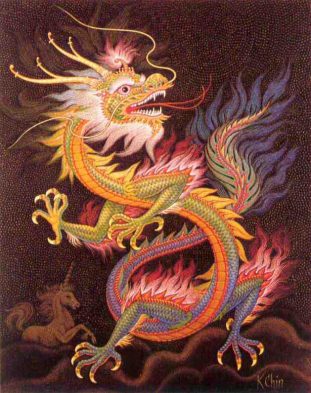
The Eastern dragon of China, Korea, Japan, and Vietnam looks and behaves very differently. It has a long, snake-like body, four short legs, whiskers, and a mane, and it usually has no wings, though it can fly through the clouds. Instead of fire, it controls water and rain. It is wise and lucky, a symbol of power and good fortune, and in imperial China it stood for the emperor himself.
3. Wyvern
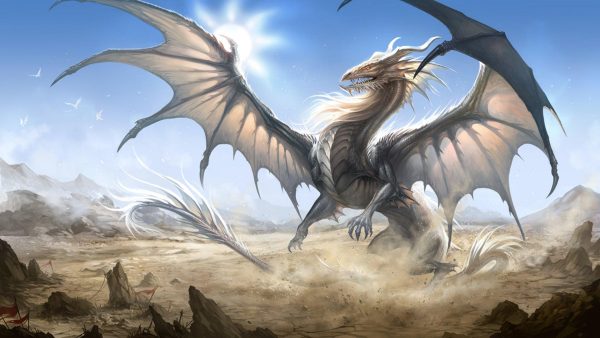
A wyvern is a dragon with two legs and two wings, instead of four legs plus wings. Its wings act as its front limbs, much like a bat’s, and it often has a barbed or venomous tail. Wyverns are common in English heraldry and appear on many coats of arms. In modern fantasy games, they are often smaller, less intelligent cousins of true dragons.
4. Drake
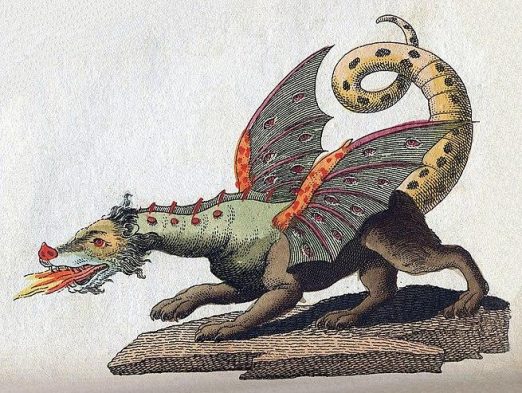
A drake is usually a wingless dragon with four legs that walks on the ground like a giant lizard. The word comes from the Latin draco, the same root as dragon, and in some old texts it simply means a dragon. A firedrake is a fire-breathing drake. In fantasy fiction, drakes are often smaller and more animal-like than full dragons.
5. Amphiptere
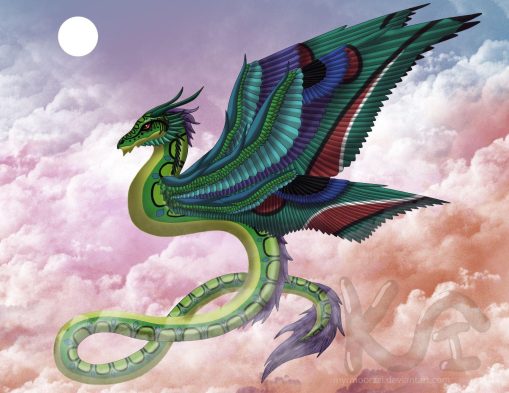
An amphiptere is a winged serpent with no legs at all. It appears in European heraldry and in tales of flying snakes. The feathered serpents of Mesoamerica, such as Quetzalcoatl, are sometimes placed in the same group because they also combine a serpent’s body with the power of flight.
6. Hydra
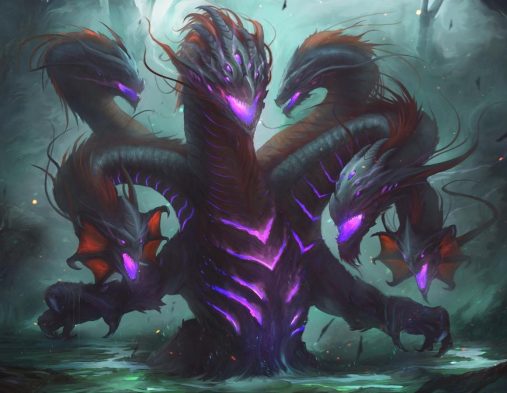
A hydra is a dragon or serpent with many heads. The most famous is the Lernaean Hydra of Greek myth, a nine-headed monster with poisonous breath that lived in the swamps of Lerna. Each time a head was cut off, two grew back. Heracles defeated it as his second labor, with his nephew Iolaus burning each neck stump so that no new heads could grow.
7. Lindworm
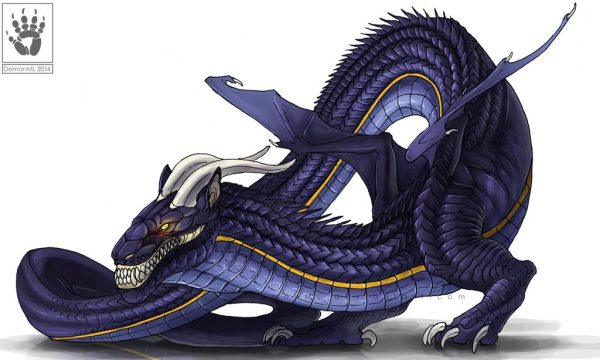
A lindworm is a huge serpent-like dragon with two front legs and no wings, or sometimes small wings. It appears in Scandinavian and German folklore and in heraldry. In the Danish fairy tale King Lindworm, a queen gives birth to a lindworm who must be transformed into a prince through the cleverness of his bride.
8. Wyrm
Wyrm, from the Old English word for serpent or dragon, describes a long, wingless, legless dragon that looks like a giant snake. The dragon in Beowulf is called a wyrm. In some modern fantasy, wyrm also means a very old and powerful dragon.
9. Dragonet
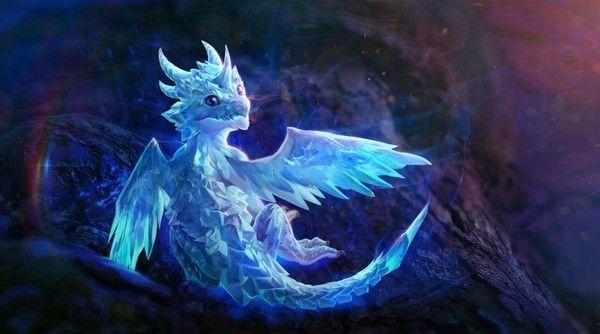
A dragonet is a small or young dragon. The word appears in medieval writing and heraldry, and in fantasy stories dragonets are often pet-sized dragons or hatchlings. Some authors use it for a separate species of tiny dragons that live alongside people.
10. Cockatrice
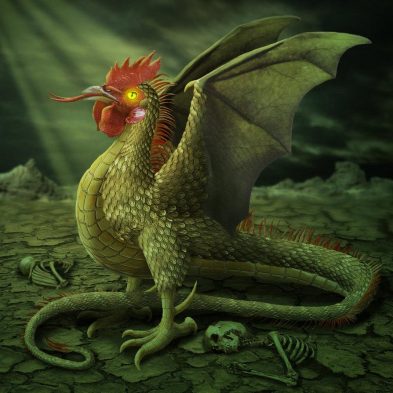
The cockatrice is a monster with the head, legs, and wings of a rooster and the tail of a serpent or dragon. Medieval writers said it hatched from an egg laid by a rooster and kept warm by a toad. Its glance or breath could kill or turn people to stone, and the only creatures said to be immune were the weasel and the rooster, whose crow could kill it.
11. Anthropomorphic Dragon
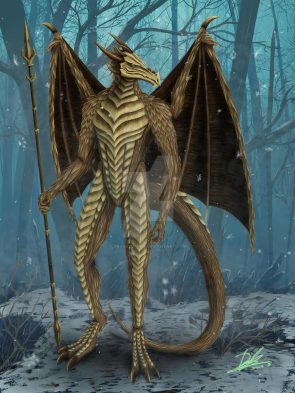
Anthropomorphic dragons have human qualities. They may walk upright, speak, use tools, or change between dragon and human form. Shape-shifting dragons appear in Chinese folklore, where dragon kings live in underwater palaces and take human form, and they are common in modern fantasy, from the dragonborn of Dungeons and Dragons to many novels.
12. Draconic Beasts
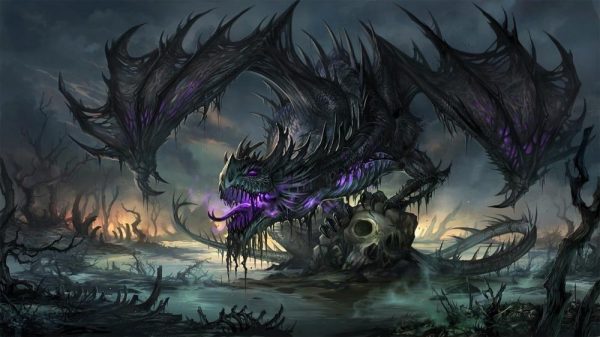
Some creatures are not quite dragons but share many of their features, such as scales, wings, or venom. The basilisk, the wyvern, and giant sea serpents are often grouped with dragons in bestiaries, and modern fantasy games use the term for any monster with dragon blood.
Dragons from World Mythology
13. Chinese Dragon (Long)
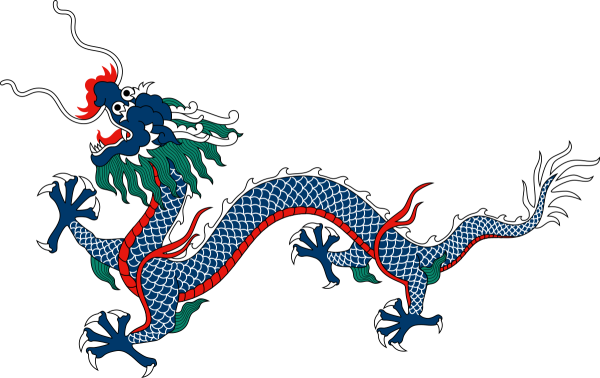
The Chinese dragon, or long, is the best known of the Eastern dragons. Traditional descriptions say it combines nine animals, including the horns of a deer, the eyes of a demon, the claws of an eagle, and the scales of a carp. It brings rain and governs rivers and seas. It is one of the twelve animals of the Chinese zodiac, and dragon dances and dragon boat races are part of major festivals.
14. Ryūjin
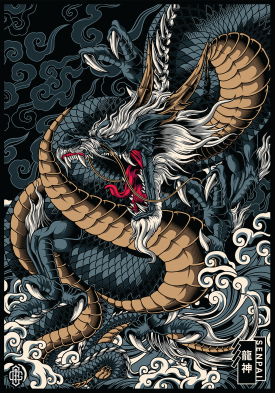
Ryūjin is the dragon god of the sea in Japanese mythology. He was said to live in a palace of red and white coral beneath the ocean and to control the tides with magical jewels. In the folk tale of Urashima Tarō, a fisherman visits his undersea palace and returns home to find that centuries have passed.
15. Yamata no Orochi
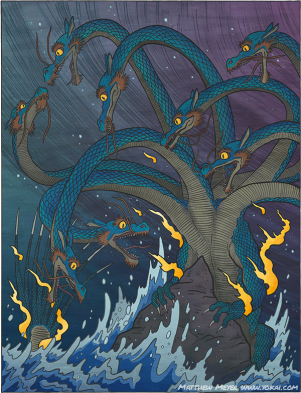
Yamata no Orochi is an eight-headed, eight-tailed serpent from Japanese mythology, so large that it stretched across eight valleys and eight hills. Each year it ate one of a family’s daughters. The storm god Susanoo made it drunk on strong sake and cut it to pieces, and inside one tail he found the sword Kusanagi, which became one of the three imperial regalia of Japan.
16. Fucanglong
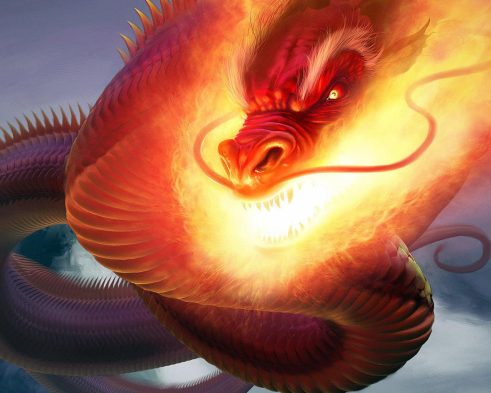
Fucanglong is the “hidden treasure dragon” of Chinese mythology, one of several types of dragon with a particular job. It lives deep underground, guarding buried treasure and precious metals. Volcanoes were said to form where a fucanglong burst out of the earth to report to heaven.
17. Druk
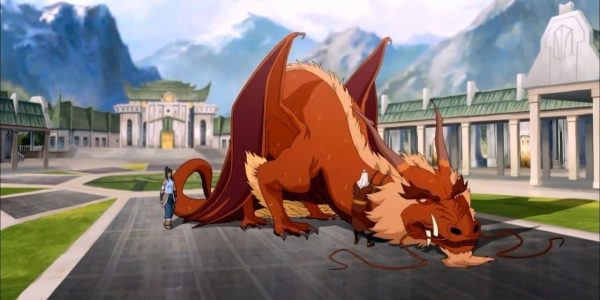
Druk is the Thunder Dragon of Bhutan, a Himalayan kingdom whose name in its own language, Druk Yul, means “Land of the Thunder Dragon”. The white dragon on the national flag holds jewels in its claws, standing for the wealth and security of the nation, and the king is known as the Druk Gyalpo, or Dragon King.
18. Pakhangba
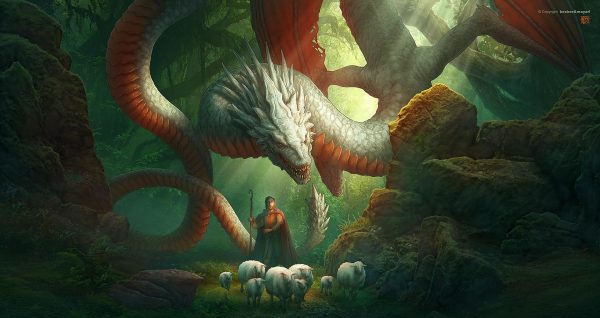
Pakhangba is a serpent-dragon deity of the Meitei people of Manipur in northeast India. He is regarded as an ancestor of the ruling dynasty and is often shown as a dragon biting its own tail. His image appears in temples and on traditional art and coats of arms in Manipur.
19. Vritra
Vritra is a serpent or dragon in the oldest Hindu scriptures, the Rig Veda. He coiled around the mountains and held back the waters of the world, bringing drought. The god Indra killed him with his thunderbolt weapon, releasing the rivers, a story told as one of the great victories of the gods.
20. Jawzahr
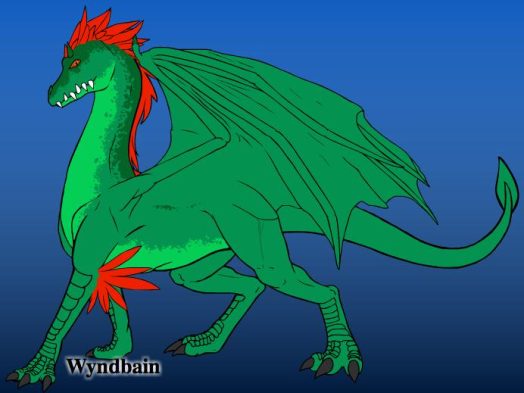
Jawzahr is a dragon of Persian and Islamic astronomy and astrology. It was said to chase the sun and moon, and eclipses happened when it swallowed one of them. In technical astronomy, its head and tail stood for the two points where the moon’s path crosses the sun’s, which are the points where eclipses can occur.
21. Tiamat
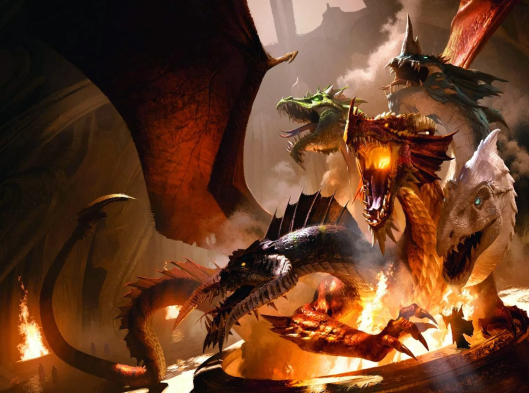
Tiamat is the primordial goddess of the salt sea in the Babylonian creation epic, the Enuma Elish. She went to war with the younger gods and was killed by the god Marduk, who split her body in two to form the sky and the earth. Later writers often pictured her as a sea serpent or dragon, and in Dungeons and Dragons, Tiamat is the five-headed queen of evil dragons.
22. Kur
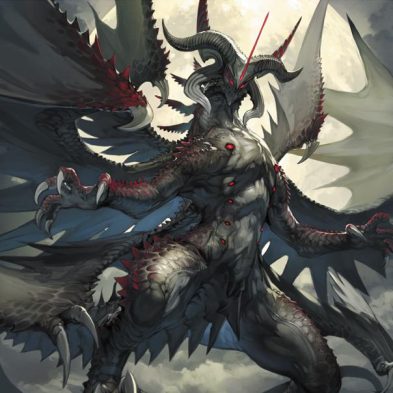
In Sumerian mythology, Kur was the name of the underworld and also of a monstrous being, often described as a dragon, that lived there. In one of the oldest surviving myths, gods or heroes travel to fight Kur. It is among the earliest dragon-like figures in recorded history.
23. Ladon
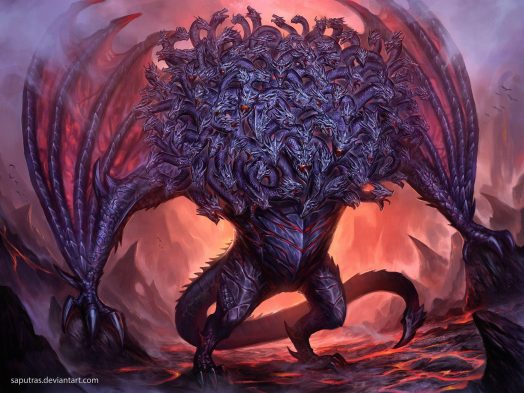
Ladon was the serpent-dragon of Greek mythology that coiled around the tree of golden apples in the garden of the Hesperides and never slept. Heracles killed it, or in some versions tricked his way past it, to take the apples as one of his labors. The goddess Hera then placed it in the sky as the constellation Draco.
24. Fafnir
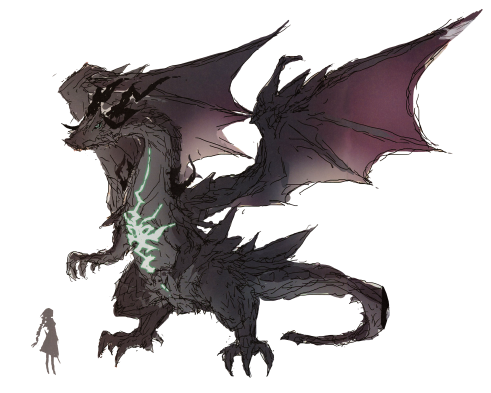
Fafnir is a dragon from Norse legend. He began as a dwarf, but after killing his father for a hoard of cursed gold, his greed turned him into a dragon to guard it. The hero Sigurd killed him by hiding in a pit and stabbing him from below, as told in the Völsunga saga. The story inspired both Wagner’s Ring operas and Tolkien’s dragon Smaug.
25. Zmey Gorynych
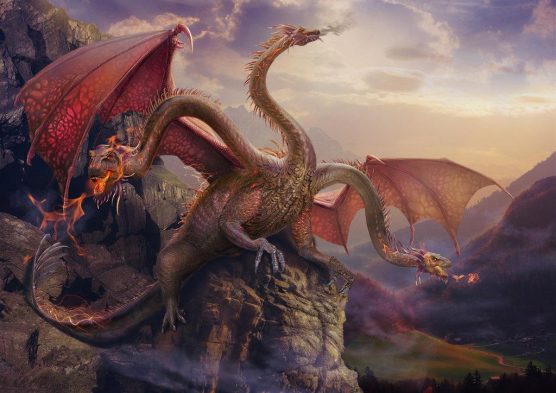
Zmey Gorynych is a three-headed dragon from Russian folklore that breathes fire, walks on its hind legs, and carries off princesses. In the epic poems known as byliny, the hero Dobrynya Nikitich fights and defeats it. Dragons called zmey appear throughout Slavic folklore.
26. Wawel Dragon of Kraków
According to Polish legend, a dragon lived in a cave under Wawel Hill in Kraków and terrorized the town until it was tricked into eating a sheep stuffed with sulfur. Burning with thirst, it drank from the Vistula River until it burst. A metal statue of the dragon outside the cave breathes real fire every few minutes, and the cave can be visited.
27. Y Ddraig Goch
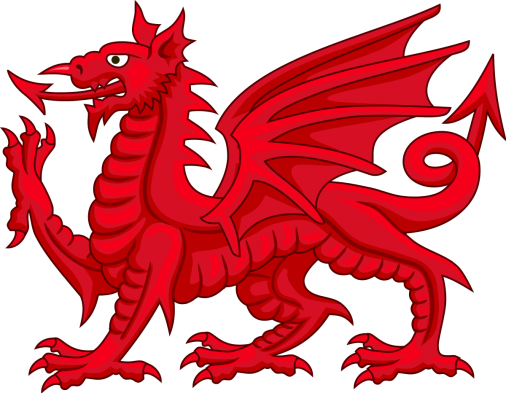
Y Ddraig Goch, the Red Dragon, is the national symbol of Wales and appears on the Welsh flag. Legend tells of a red dragon, standing for the Britons, fighting a white dragon, standing for the Saxons, beneath a hill until the red dragon won. The story is linked to the wizard Merlin in medieval tales.
28. St. Leonard’s Forest Dragon
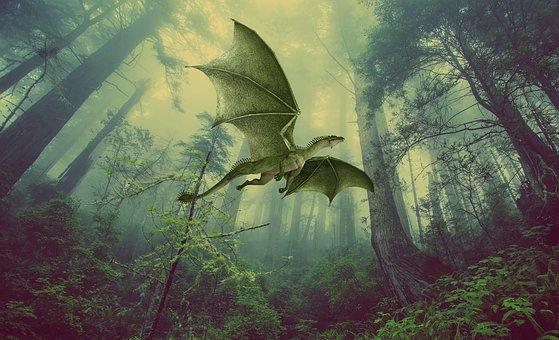
In 1614, a pamphlet printed in London described a dragon living in St. Leonard’s Forest in Sussex, England. It was said to be nine feet long, to leave a trail of slime, and to kill people and dogs with its venom. It is one of the best-documented English dragon reports, and it still features in local folklore.
29. Vishap
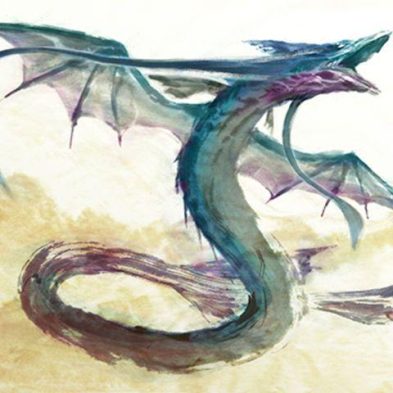
Vishaps are dragons of Armenian mythology, linked with water and storms. Ancient carved stones called vishapakar, or dragon stones, stand in the highlands of Armenia, some more than four meters tall and thousands of years old. Many are shaped like fish or carved with the hide of a bull.
30. African Dragon
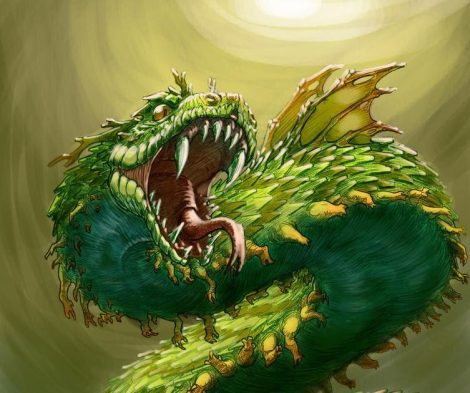
Dragon-like creatures appear in many African traditions. Ninki Nanka is a dragon said to live in the swamps of the Gambia and West Africa, and anyone who sees it is believed to fall ill. Aido Hwedo is a rainbow serpent of the Fon people of Benin who carried the creator goddess and supports the earth.
31. Ayida-Weddo
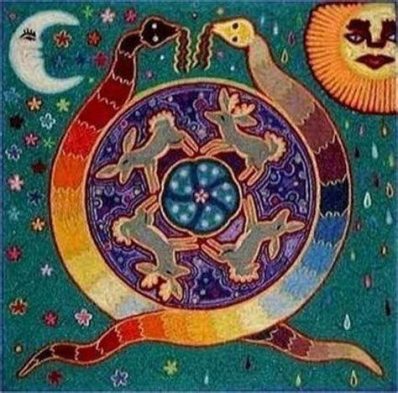
Ayida-Weddo is a lwa, or spirit, of Haitian Vodou, associated with fertility, rainbows, and snakes. She is the wife of Damballa, the serpent spirit of creation, and together they are often pictured as two snakes forming a rainbow. Her roots lie in the rainbow serpents of West African religion.
32. Quetzalcoatl
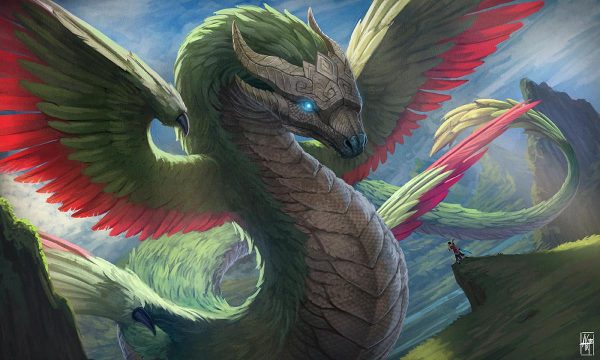
Quetzalcoatl, whose name means “feathered serpent”, was one of the most important gods of the Aztecs and other peoples of central Mexico. He was linked to wind, learning, and the creation of humanity. He was pictured as a serpent covered in the green feathers of the quetzal bird.
33. Kukulkan
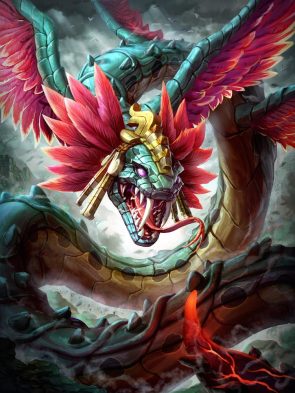
Kukulkan is the feathered serpent god of the Maya, closely related to Quetzalcoatl. At the pyramid of El Castillo at Chichen Itza in Mexico, the afternoon sun at the spring and autumn equinoxes creates a pattern of light and shadow on the stairs that looks like a serpent sliding down to the carved stone head at the bottom.
34. Gaasyendietha
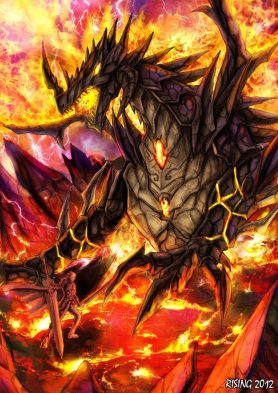
Gaasyendietha is a lake dragon from the legends of the Seneca, one of the nations of the Haudenosaunee Confederacy. It lived in deep waters, including Lake Ontario, breathed fire, and could fly across the sky on a trail of fire, which some say described meteors.
Dragons in Books and Games
35. Harry Potter Dragons
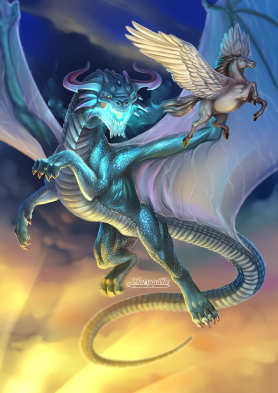
The Harry Potter books include ten breeds of dragon. In the Triwizard Tournament, Harry faces the Hungarian Horntail, considered the most dangerous breed. Hagrid secretly hatches a Norwegian Ridgeback called Norbert, and Harry, Ron, and Hermione escape from Gringotts bank on the back of a Ukrainian Ironbelly.
36. Pokémon Dragons
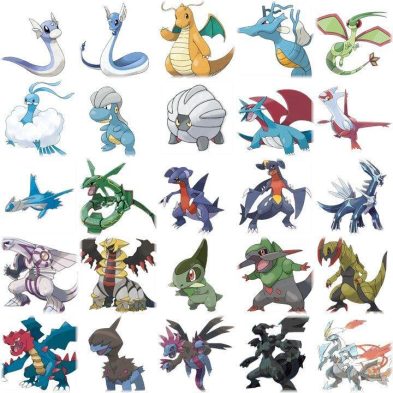
Dragon is one of the eighteen Pokémon types, and Dragon-type Pokémon are often among the strongest in the games. Famous examples include Dragonite, Garchomp, Salamence, and the legendary Rayquaza. Charizard looks like a dragon but is officially a Fire and Flying type, except in some of its special forms.
37. Skyrim Dragons
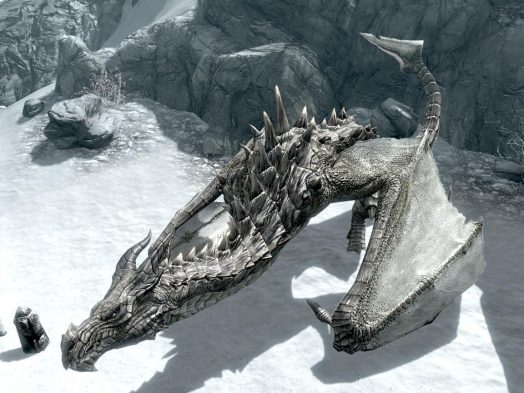
In The Elder Scrolls V: Skyrim, dragons return to the land after thousands of years. They speak a language of power called the Thu’um, and the player character, the Dragonborn, can absorb their souls to learn shouts. Alduin is the main villain, and the wise Paarthurnax helps the player.
38. Dark Souls Dragons
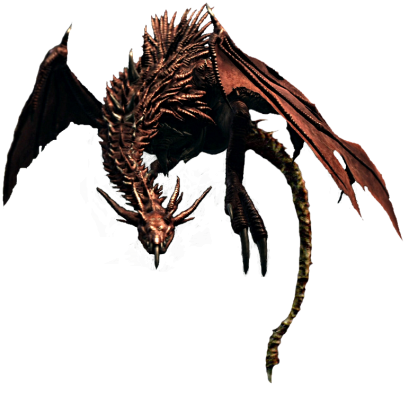
In the Dark Souls games, the ancient Everlasting Dragons once ruled a gray world before the Age of Fire. The pale, scaleless traitor Seath and the Black Dragon Kalameet are among the most memorable boss fights, and dragons and dragon worship run through the story of the series.
Dungeons and Dragons Dragons
39. Ancient White Dragon
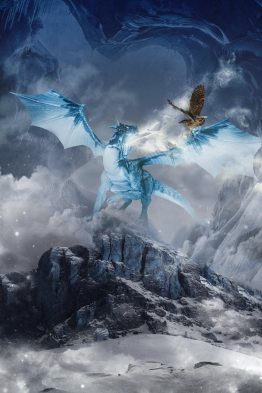
In Dungeons and Dragons, white dragons are the smallest and least intelligent of the evil chromatic dragons. They live in arctic regions and breathe a blast of freezing cold. An ancient white dragon is over a thousand years old and has a sharp memory for every enemy.
40. Ancient Black Dragon
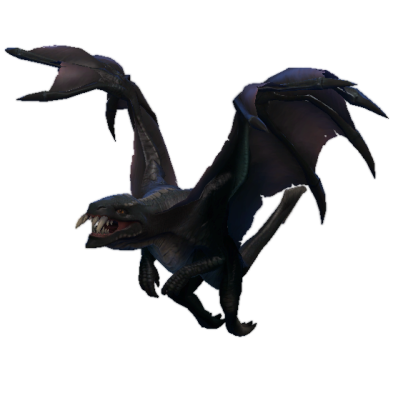
Black dragons are cruel chromatic dragons that live in swamps and ruins. They breathe a line of acid, and their faces look like skulls because their scales wear away around the horns. They love to watch weaker creatures suffer.
41. Ancient Green Dragon
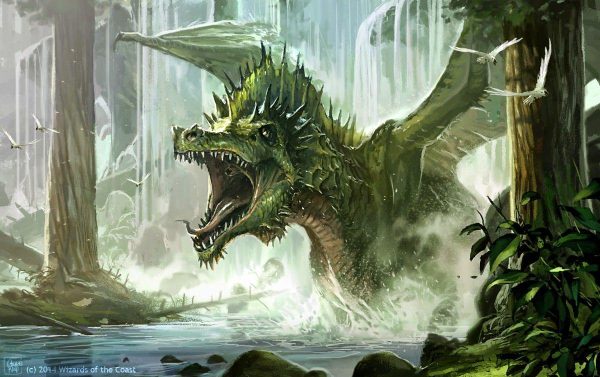
Green dragons live in old forests and are known for lies, schemes, and manipulation. They breathe clouds of poison gas. They prefer to bend other creatures to their will instead of simply killing them.
42. Ancient Blue Dragon
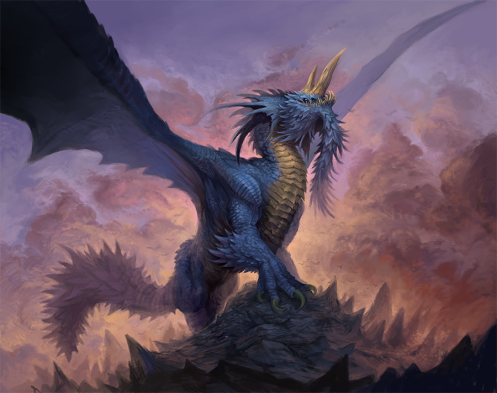
Blue dragons are proud, territorial chromatic dragons that live in deserts and on dry coasts. They breathe a line of lightning and can burrow beneath the sand to ambush prey. They are among the most organized of the evil dragons.
43. Ancient Red Dragon
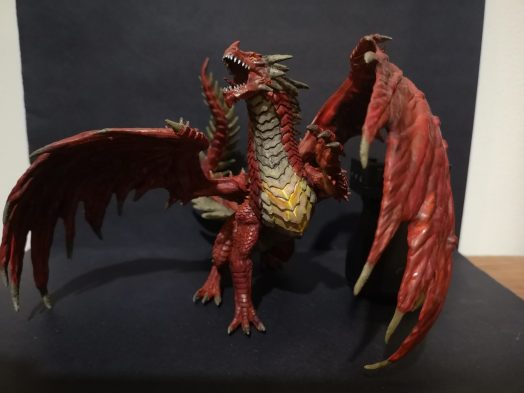
Red dragons are the largest, most powerful, and most arrogant of the chromatic dragons. They live in mountains and volcanoes and breathe a cone of fire. An ancient red dragon is one of the most feared monsters in the game.
44. Ancient Copper Dragon
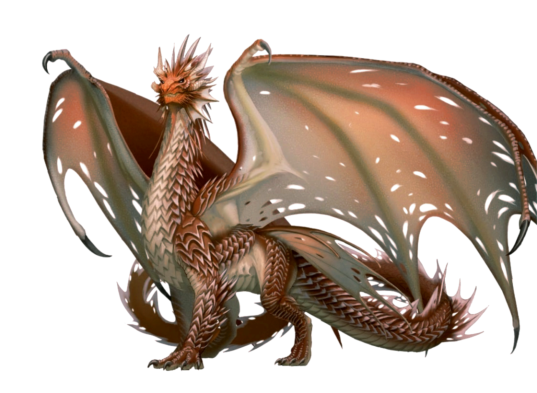
Copper dragons are good-natured metallic dragons who love jokes, riddles, and tricks. They live in hills and rocky uplands and can breathe acid or a gas that slows creatures down.
45. Ancient Bronze Dragon
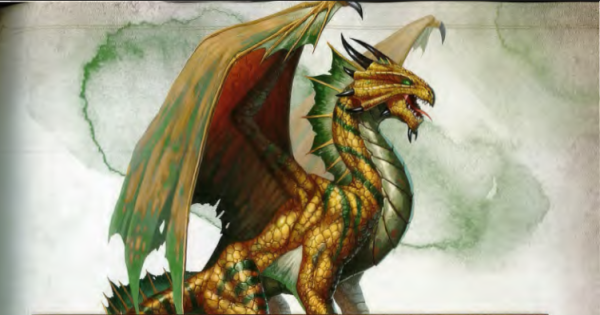
Bronze dragons are good metallic dragons that live along coasts and love to watch ships. They breathe lightning or a gas that pushes enemies away, and they often take the shape of animals to observe people.
46. Ancient Silver Dragon
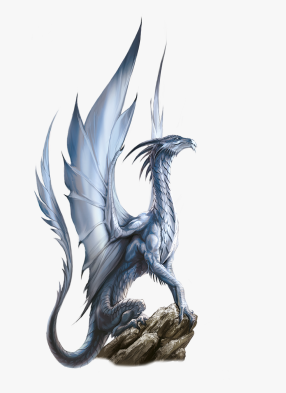
Silver dragons are kind, friendly metallic dragons that enjoy the company of humans and often live among them in human form. They make their homes on high mountain peaks and breathe freezing cold or a paralyzing gas.
47. Ancient Gold Dragon
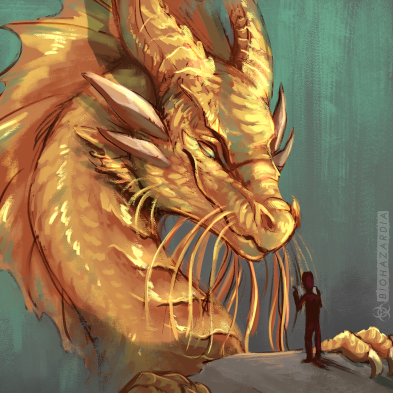
Gold dragons are the wisest and most powerful of the good metallic dragons. They oppose evil and injustice, often disguise themselves as animals or people, and breathe fire or a gas that weakens their foes.
Western Dragons and Eastern Dragons Compared
Most dragons in myth and fiction fall into one of two traditions, and they could hardly be more different.
| Feature | Western dragon | Eastern dragon |
|---|---|---|
| Body | Heavy, four-legged, lizard-like | Long and snake-like, with four short legs |
| Wings | Large, bat-like wings | Usually none, yet it can fly |
| Element | Fire | Water, rain, rivers, and seas |
| Character | Greedy, destructive, a monster to be slain | Wise, lucky, a bringer of rain and good fortune |
| Home | Caves and mountains, guarding treasure | Rivers, lakes, the sea, and the sky |
| Symbolizes | Chaos, danger, a test for heroes | Power, prosperity, and imperial authority |
The European type appears in stories such as Saint George and the Dragon and Beowulf. The Chinese dragon, or long, is one of the twelve animals of the Chinese zodiac and is honored in dragon dances and dragon boat races.
Frequently Asked Questions
What is the difference between a dragon and a wyvern?
In European heraldry, a dragon has four legs and two wings, while a wyvern has only two legs and two wings.
What is the difference between Western and Eastern dragons?
Western dragons are usually winged, fire-breathing, and dangerous. Eastern dragons, such as the Chinese dragon, are long and serpent-like, usually have no wings, and are linked with water, rain, and good fortune.
What is a dragon with many heads called?
A many-headed dragon or serpent is called a hydra. The best known is the Lernaean Hydra of Greek mythology, which was killed by Heracles.
Were dragons real?
No. Dragons are mythical creatures. Some historians think that ancient discoveries of dinosaur and other large fossils may have helped inspire dragon legends.
Related Guides
- Types of Magic
- Types of Art
- Types of Hindu Gods
- Types of Books and Genres
- Types of Figurative Language
About Polish dragon. Krak was a King, who lived with his wife Wanda in castle on the mountain Wawel. In the mountain lived dragon (which has no name, everybody call him ”Smok Wawelski” – ”Wawel dragon”). This Dragon was eating people so one shoemaker – Kuba (Jakob) stuffed the sheepskin with sulfur and left in the entrance of Dragon’s cave. The dragon ate it and he began to burn with thirst. He went down to the river and drank so much water that he burst open and died.
Name of the city build near the mountain Wawel is named after king Krak – Kraków. It was the first capital of Poland. Near Wawel is a statue of that dragon which breathes fire every hour… quite nice in the evening…