The main types of noodles are ramen, udon, soba, rice noodles, glass noodles, egg noodles, and Italian pasta such as spaghetti. They differ mainly in what they are made from: wheat, rice, buckwheat, or starch. This guide shows 10 popular noodles and noodle dishes with pictures and explains what each one is made of and how it is served.
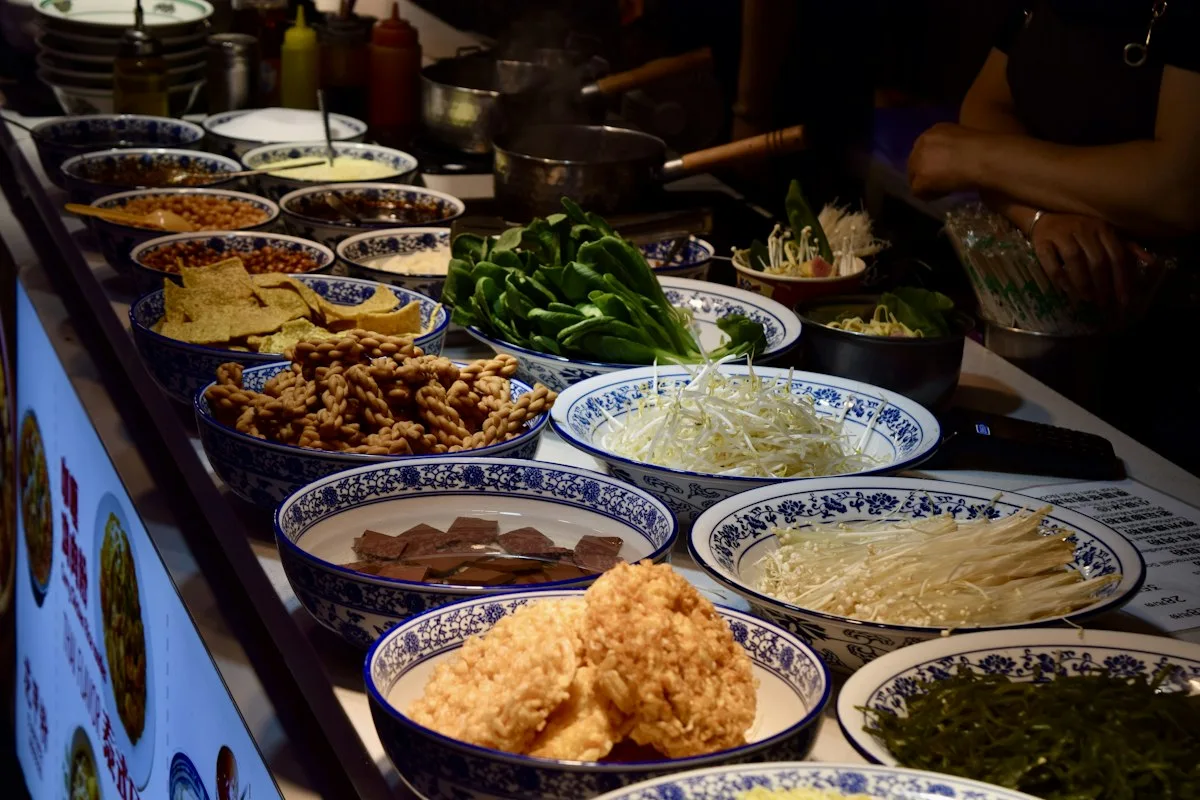
Types of Noodles at a Glance
| Noodle | Made from | Origin | Usually served |
|---|---|---|---|
| Ramen | Wheat | Japan | In hot broth |
| Udon | Wheat | Japan | In broth or stir-fried |
| Pho (flat rice noodles) | Rice | Vietnam | In beef or chicken broth |
| Pad Thai (rice stick noodles) | Rice | Thailand | Stir-fried |
| Glass noodles | Mung bean or sweet potato starch | China and Korea | Stir-fried or in soup |
| Chow mein | Wheat and egg | China | Stir-fried until crisp |
| Lo mein | Wheat and egg | China | Tossed in sauce |
| Rice vermicelli | Rice | Southeast Asia | In salads, rolls, and soups |
| Instant noodles | Wheat | Japan | In broth |
| Spaghetti | Durum wheat | Italy | With sauce |
Different Types of Noodles with Pictures
1. Ramen
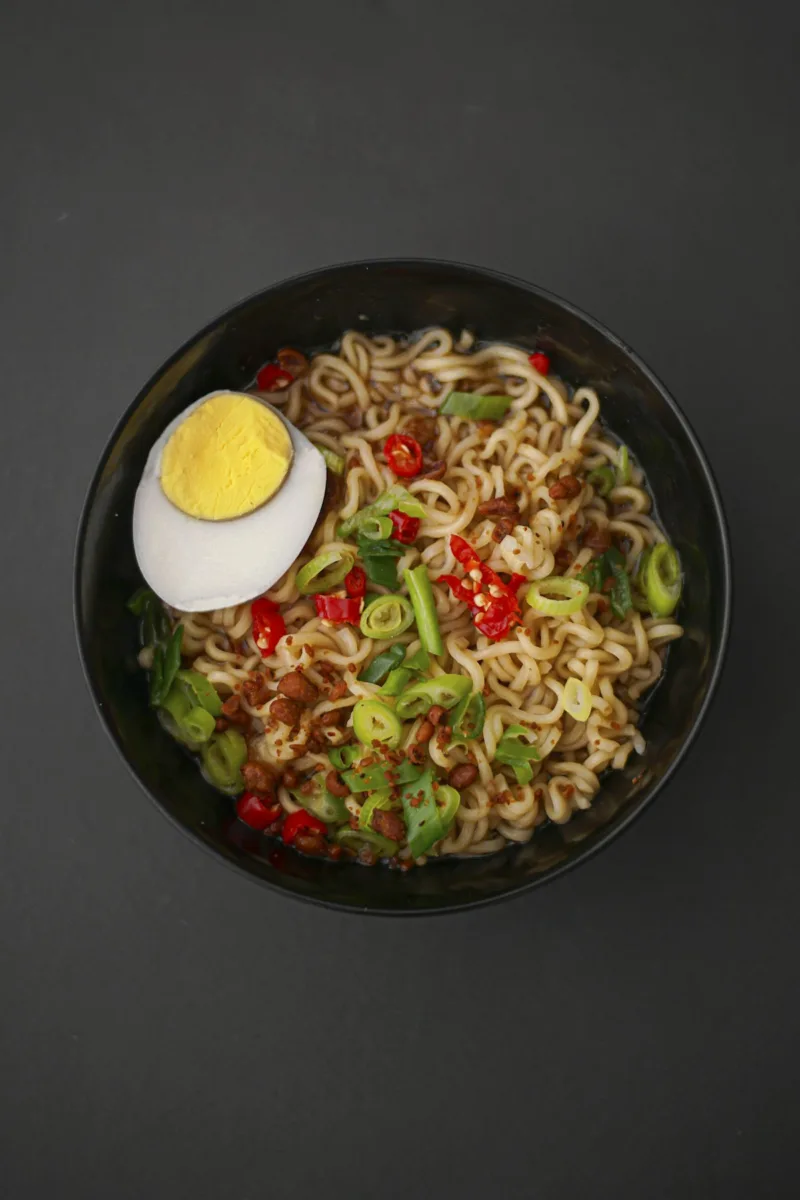
Ramen is a Japanese noodle soup made with thin wheat noodles. The noodles get their yellow color, springy bite, and distinctive flavor from kansui, an alkaline mineral water added to the dough. The dish came to Japan from China in the late 1800s and grew into a national favorite with many regional styles. The four main broths are shoyu, flavored with soy sauce; shio, flavored with salt; miso; and tonkotsu, a rich, cloudy broth made by boiling pork bones for many hours.
Taste and texture: Firm, chewy noodles in a deeply savory soup.
How it is served: In a deep bowl with toppings such as sliced pork, a soft-boiled egg, seaweed, bamboo shoots, and spring onions. Slurping is normal and polite in Japan.
2. Udon
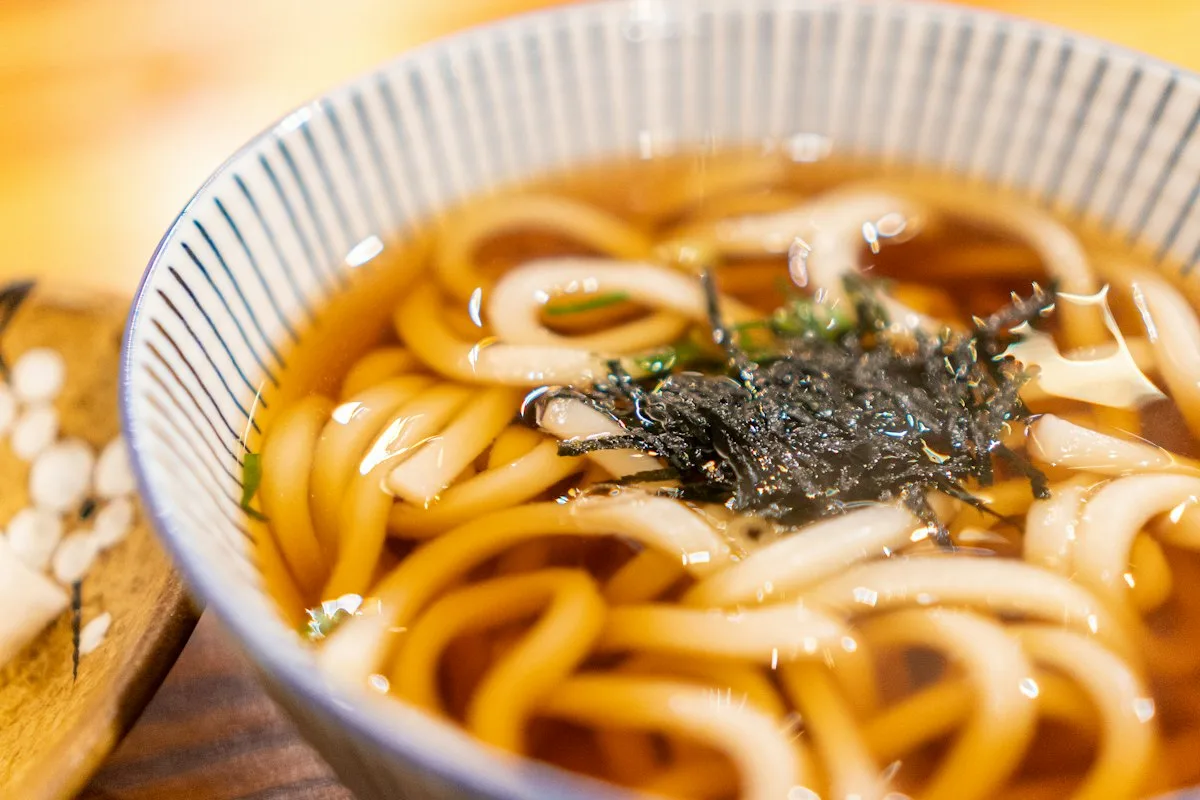
Udon are the thickest of the Japanese noodles. They are made from wheat flour, water, and salt, and they are white, smooth, and soft with a pleasant chew. The flavor is mild, so they take on the taste of the broth or sauce around them. Kagawa Prefecture in Japan is especially famous for its udon.
Taste and texture: Mild and neutral, with a bouncy, slippery texture.
How it is served: Hot in a light broth of dashi, soy sauce, and mirin, often topped with tempura or fried tofu. They are also served cold with a dipping sauce or stir-fried as yaki udon.
3. Pho
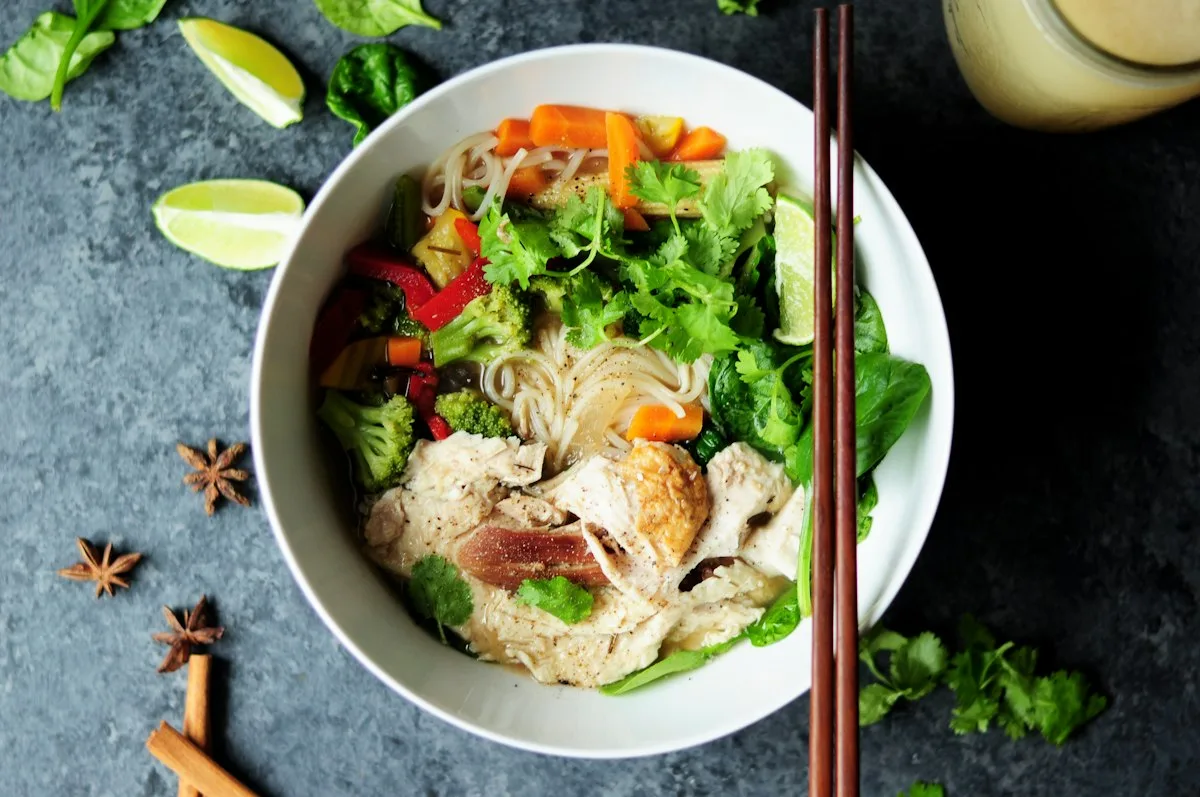
Pho is the national dish of Vietnam. It is a soup of flat rice noodles, called banh pho, in a clear broth that has been simmered for hours with beef bones, charred onion and ginger, and spices such as star anise, cinnamon, and cloves. It developed in northern Vietnam in the early 1900s. The two main versions are pho bo, with beef, and pho ga, with chicken. The name is pronounced “fuh”.
Taste and texture: Soft, silky noodles in a light but aromatic soup.
How it is served: With a plate of fresh herbs, bean sprouts, lime wedges, and sliced chili on the side, so each person can season the bowl to taste.
4. Pad Thai
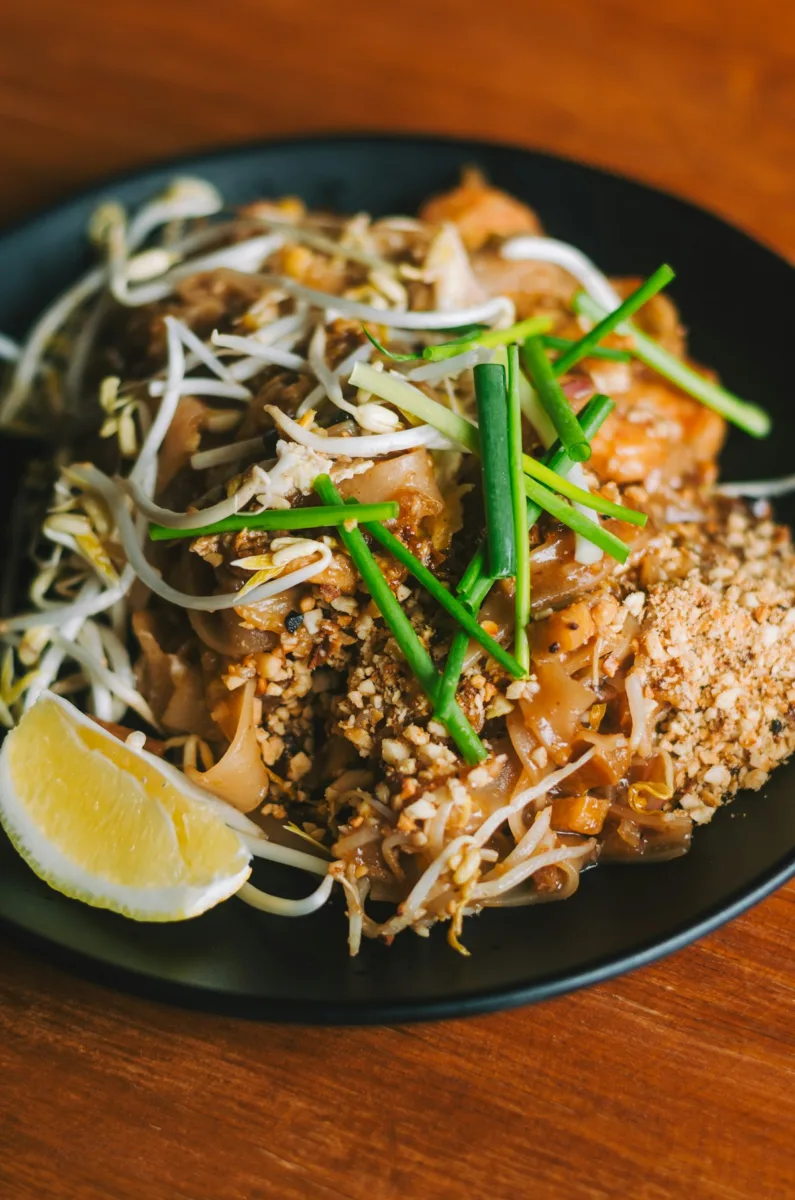
Pad Thai is a stir-fried noodle dish and one of the best-known foods of Thailand. Flat rice noodles are fried in a hot wok with egg, tofu or shrimp, bean sprouts, and garlic chives. The sauce is made from tamarind, fish sauce, and palm sugar, which together give a balance of sour, salty, and sweet. The dish was promoted by the Thai government in the 1930s and 1940s as part of a campaign to build a national identity.
Taste and texture: Sweet, sour, and salty at once, with soft noodles and crunchy sprouts and peanuts.
How it is served: On a plate with crushed peanuts, a wedge of lime, and dried chili flakes on the side.
5. Glass Noodles
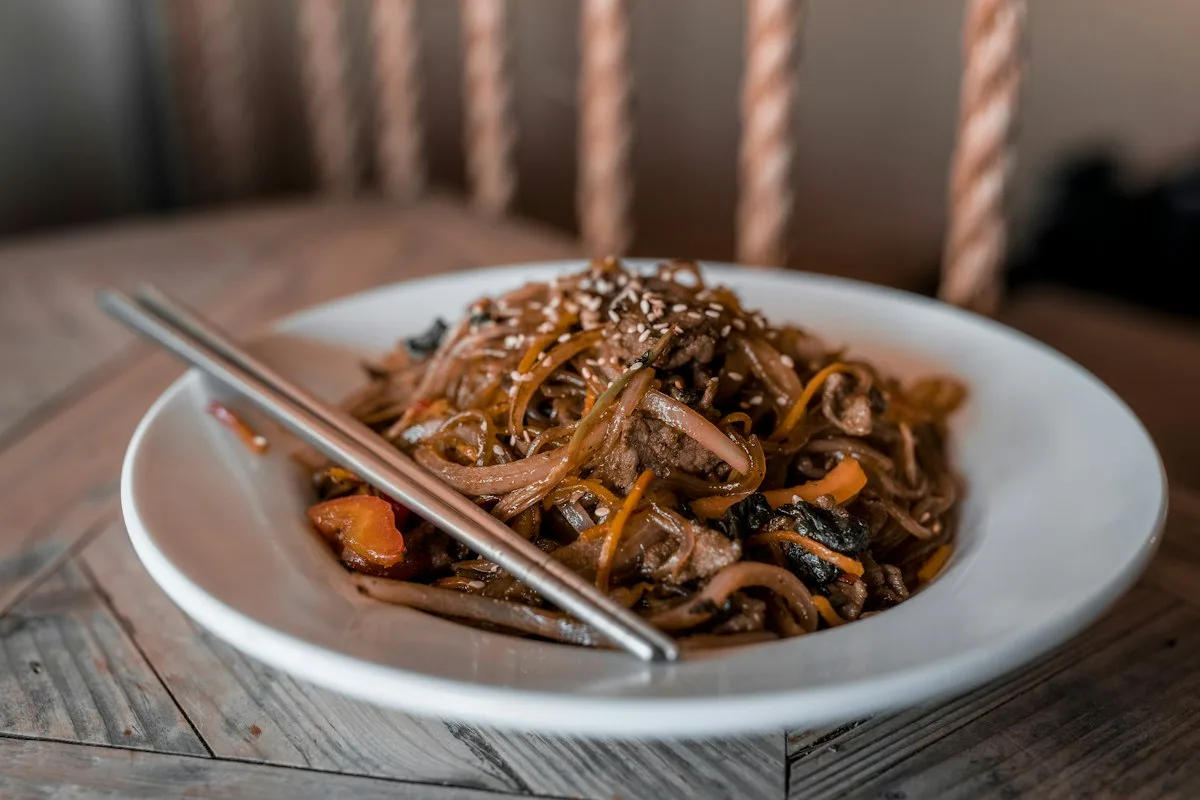
Glass noodles are thin noodles made from starch, not flour. Mung bean starch is the most common, and sweet potato starch is used for the thicker Korean kind. They are white and brittle when dry and turn clear when cooked, which is how they got their name. They are also called cellophane noodles or bean thread noodles. Because they contain no wheat, they are naturally gluten-free.
Taste and texture: Almost no flavor of their own. Slippery, springy, and good at soaking up sauces.
How it is served: In the Korean stir-fry japchae, in Thai glass noodle salad, in soups and hot pots, and as a filling for spring rolls.
6. Chow Mein
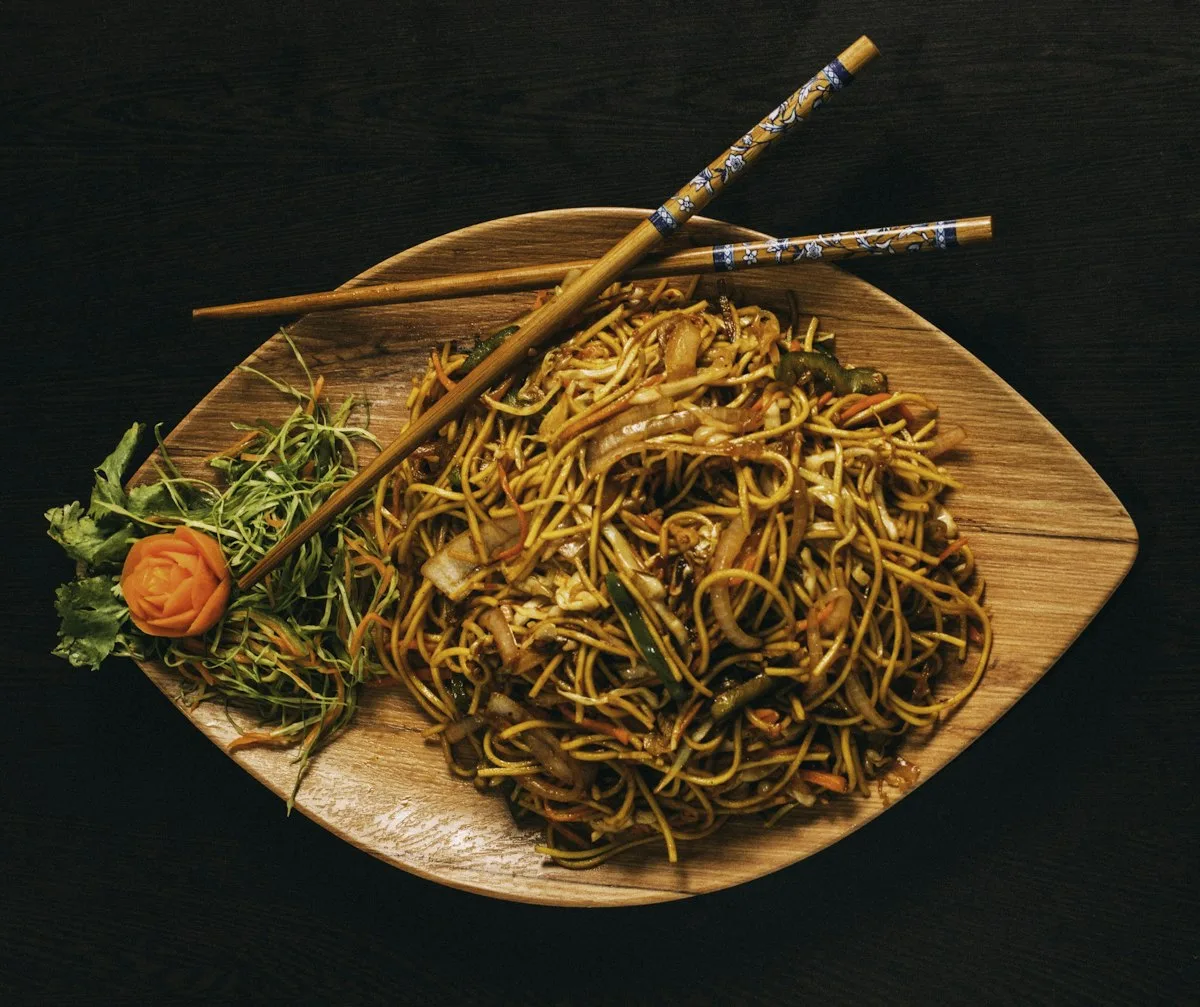
Chow mein means “fried noodles” in Chinese. Wheat-and-egg noodles are boiled briefly and then stir-fried in a hot wok until they pick up some color and crispness. Vegetables such as cabbage, bean sprouts, and carrots are added, along with chicken, pork, beef, or shrimp. In some styles the noodles are fried into a crisp cake and the topping is poured over.
Taste and texture: Savory, with noodles that are drier, firmer, and crisper than lo mein.
How it is served: As a main dish or a side with only a light coating of soy-based sauce.
7. Lo Mein
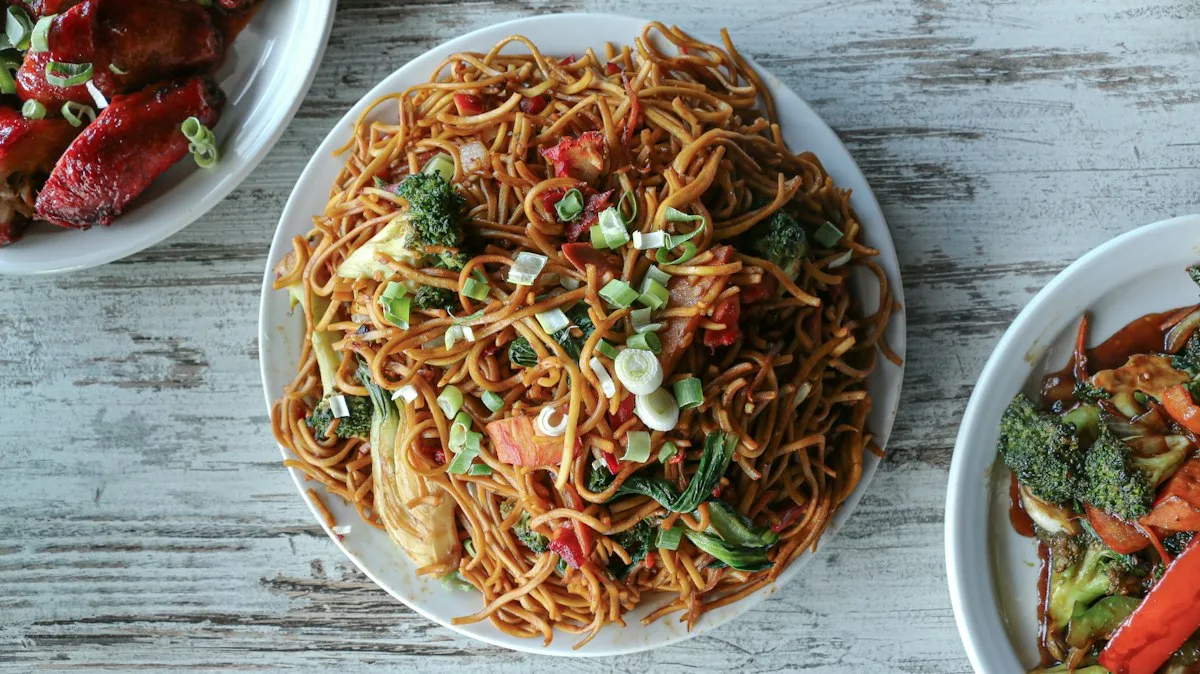
Lo mein means “tossed noodles”. It uses the same kind of wheat-and-egg noodles as chow mein, but the cooking method is different. The noodles are boiled until fully cooked and then tossed with sauce, vegetables, and meat at the very end, so they are never fried until crisp. The dish has more sauce than chow mein.
Taste and texture: Soft, smooth, and saucy, with a rich flavor of soy and sesame.
How it is served: As a main dish with vegetables and chicken, beef, pork, or shrimp. It is a staple of Chinese-American takeout.
8. Rice Vermicelli
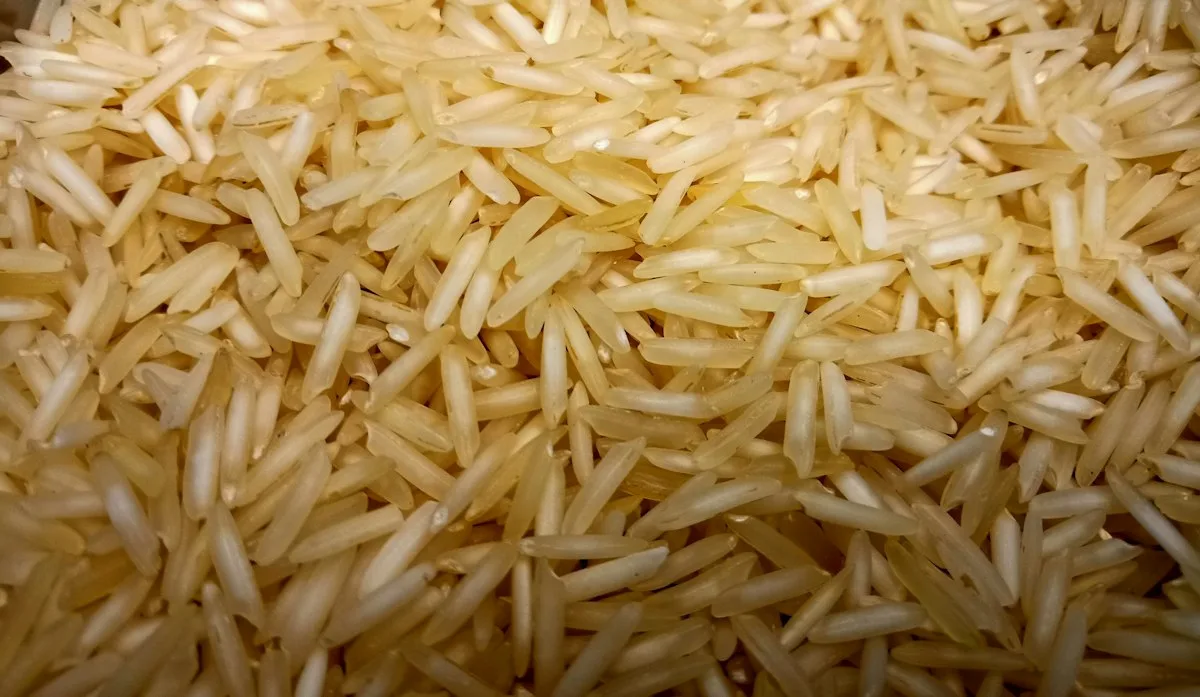
Rice vermicelli are very thin noodles made from rice flour and water. They need only a few minutes of soaking in hot water to be ready. They are used across Southeast Asia and southern China, and are known as bun in Vietnam and bee hoon in Singapore and Malaysia. They are different from glass noodles: rice vermicelli stay white when cooked.
Taste and texture: Mild and light, with a soft, delicate texture.
How it is served: In fresh Vietnamese summer rolls, in noodle bowls with grilled pork and herbs, in soups, and stir-fried as Singapore noodles. They are gluten-free.
9. Instant Noodles
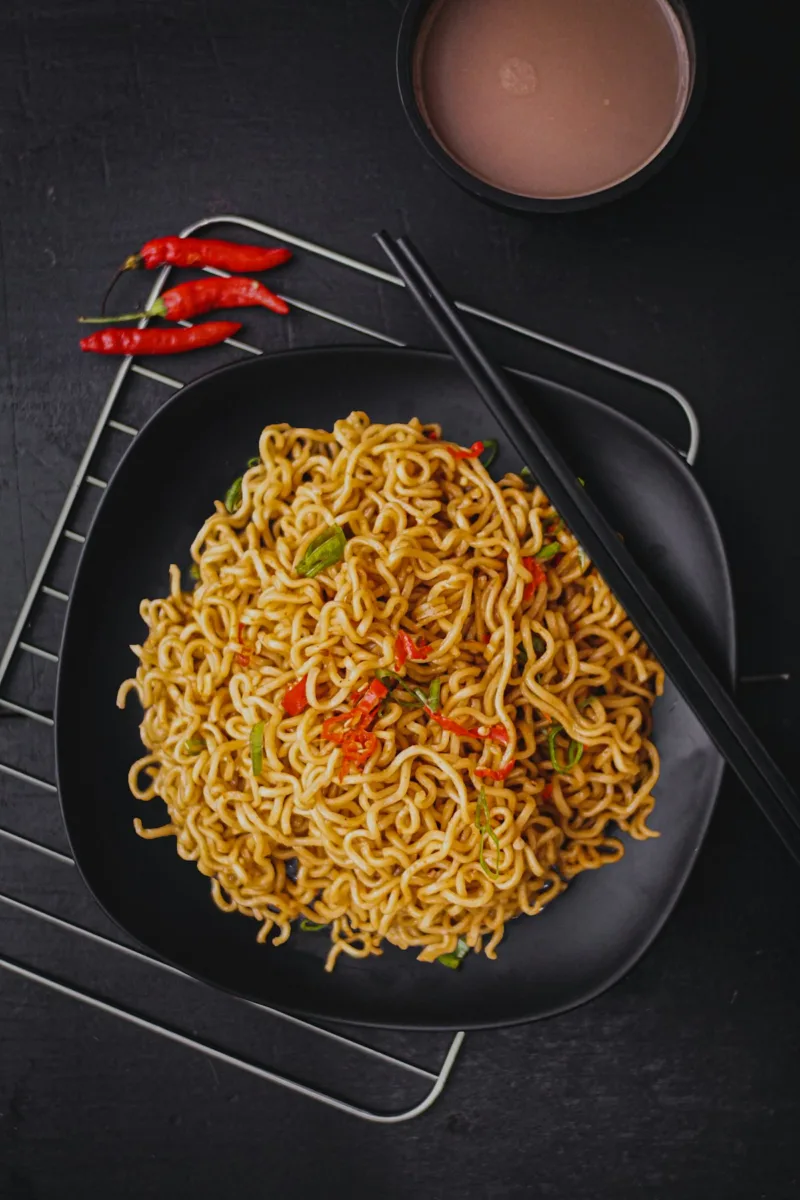
Instant noodles are blocks of noodles that have been cooked and then dried, usually by flash-frying, so that they are ready after only a few minutes in boiling water. They were invented in Japan in 1958 by Momofuku Ando, the founder of Nissin, who followed up with the cup noodle in 1971. They are sold with a packet of powdered or liquid seasoning. More than 100 billion servings are eaten around the world every year.
Taste and texture: Salty and savory, with soft, wavy noodles.
How it is served: In the broth made from the seasoning packet. Adding an egg, spring onions, and vegetables makes a more balanced meal.
10. Spaghetti
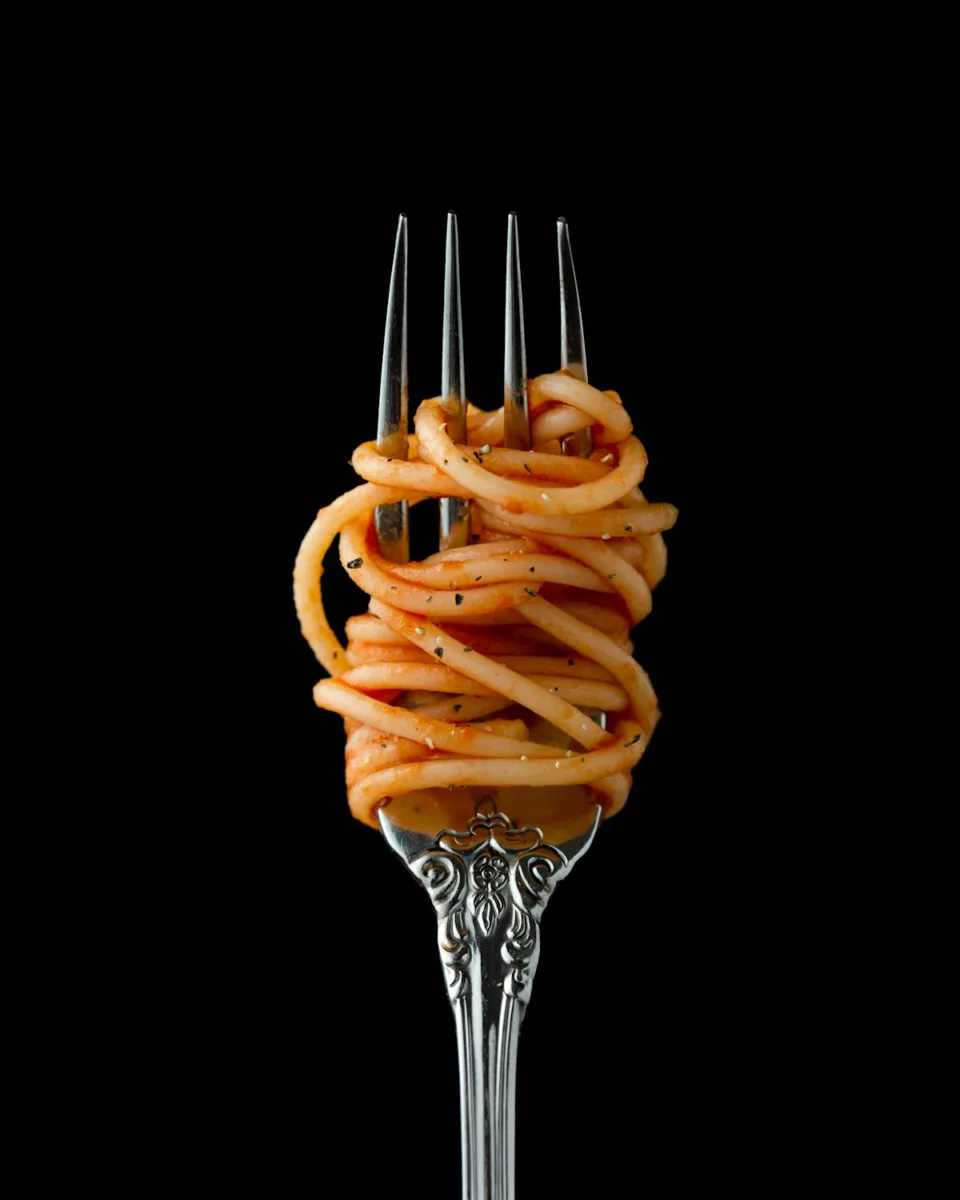
Spaghetti is the most famous Italian pasta. It is made from durum wheat semolina and water and is shaped into long, thin, solid strands. The name comes from the Italian word spago, meaning string or twine. It is boiled in well-salted water until al dente, which means “to the tooth”: cooked through but still firm when bitten. Unlike most Asian noodles, it is extruded through a die, not cut or pulled.
Taste and texture: A mild, wheaty flavor and a firm bite when cooked al dente.
How it is served: With tomato sauce, bolognese, carbonara, or garlic and olive oil, and twirled around a fork.
More Types of Noodles
- Soba: thin Japanese noodles made from buckwheat, with a nutty taste, served hot or cold.
- Somen: very thin white Japanese wheat noodles, usually served chilled.
- Ho fun: wide, flat Chinese rice noodles used in stir-fries such as beef chow fun.
- Egg noodles: wheat noodles enriched with egg, used in both Chinese and European cooking.
- Naengmyeon: chewy Korean noodles served in an icy cold broth.
- Zucchini noodles: spiral-cut zucchini used as a low-carb substitute.
Noodles vs Pasta: What Is the Difference?
Pasta is a type of noodle. Italian pasta is made from durum wheat semolina, which makes it firm, and it comes in hundreds of shapes. Asian noodles are made from softer wheat, rice, buckwheat, or starch, and are usually long strands. For Italian shapes, see our guide to types of pasta. For more food guides, see types of pizza, types of salad, and types of bread.
Frequently Asked Questions
What are the main types of noodles?
The main types are wheat noodles such as ramen and udon, rice noodles, buckwheat noodles such as soba, starch-based glass noodles, and egg noodles.
What is the difference between chow mein and lo mein?
Both use egg noodles. Chow mein is stir-fried so the noodles become slightly crisp. Lo mein noodles are boiled until soft and then tossed with sauce.
What is the difference between ramen and udon?
Ramen noodles are thin, yellow, and springy. Udon noodles are thick, white, and soft. Both are made from wheat.
Which noodles are gluten-free?
Rice noodles and most glass noodles are naturally gluten-free. Soba is only gluten-free when it is made from 100 percent buckwheat, so check the label.
Who invented instant noodles?
Instant noodles were invented in Japan in 1958 by Momofuku Ando, the founder of Nissin.