The most popular types of cookies are chocolate chip, oatmeal, peanut butter, sugar cookies, shortbread, gingerbread, double chocolate, macarons, sandwich cookies, and fortune cookies. Bakers also group cookies by how the dough is shaped, such as drop, rolled, molded, and pressed cookies. Each cookie below has a picture and explains what it is made of and what makes it different.
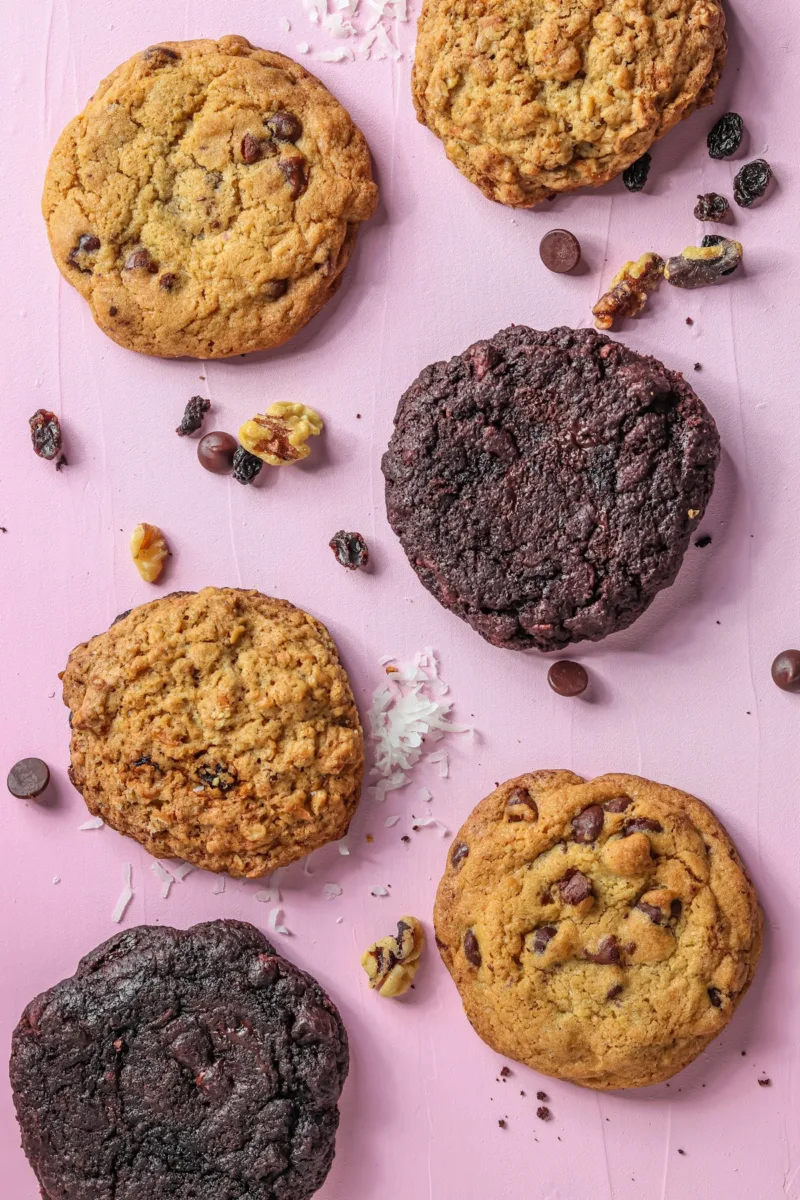
Types of Cookies at a Glance
| Cookie | Texture | Main flavor | How it is shaped |
|---|---|---|---|
| Chocolate chip | Soft or crisp | Butter, brown sugar, chocolate | Drop |
| Oatmeal | Chewy | Oats, cinnamon, raisins | Drop |
| Peanut butter | Soft, crumbly | Peanut butter | Molded |
| Peanut butter blossoms | Soft | Peanut butter and chocolate | Molded |
| Double chocolate | Fudgy | Cocoa and chocolate | Drop |
| Sugar cookies | Soft or crisp | Butter and vanilla | Rolled and cut |
| Shortbread | Crumbly | Butter | Rolled or pressed in a pan |
| Gingerbread | Firm | Ginger and molasses | Rolled and cut |
| Macarons | Crisp shell, soft inside | Almond | Piped |
| Sandwich cookies | Crisp | Varies, with cream filling | Rolled and filled |
| Fortune cookies | Thin, crisp | Vanilla | Folded |
Different Types of Cookies with Pictures
1. Chocolate Chip Cookies
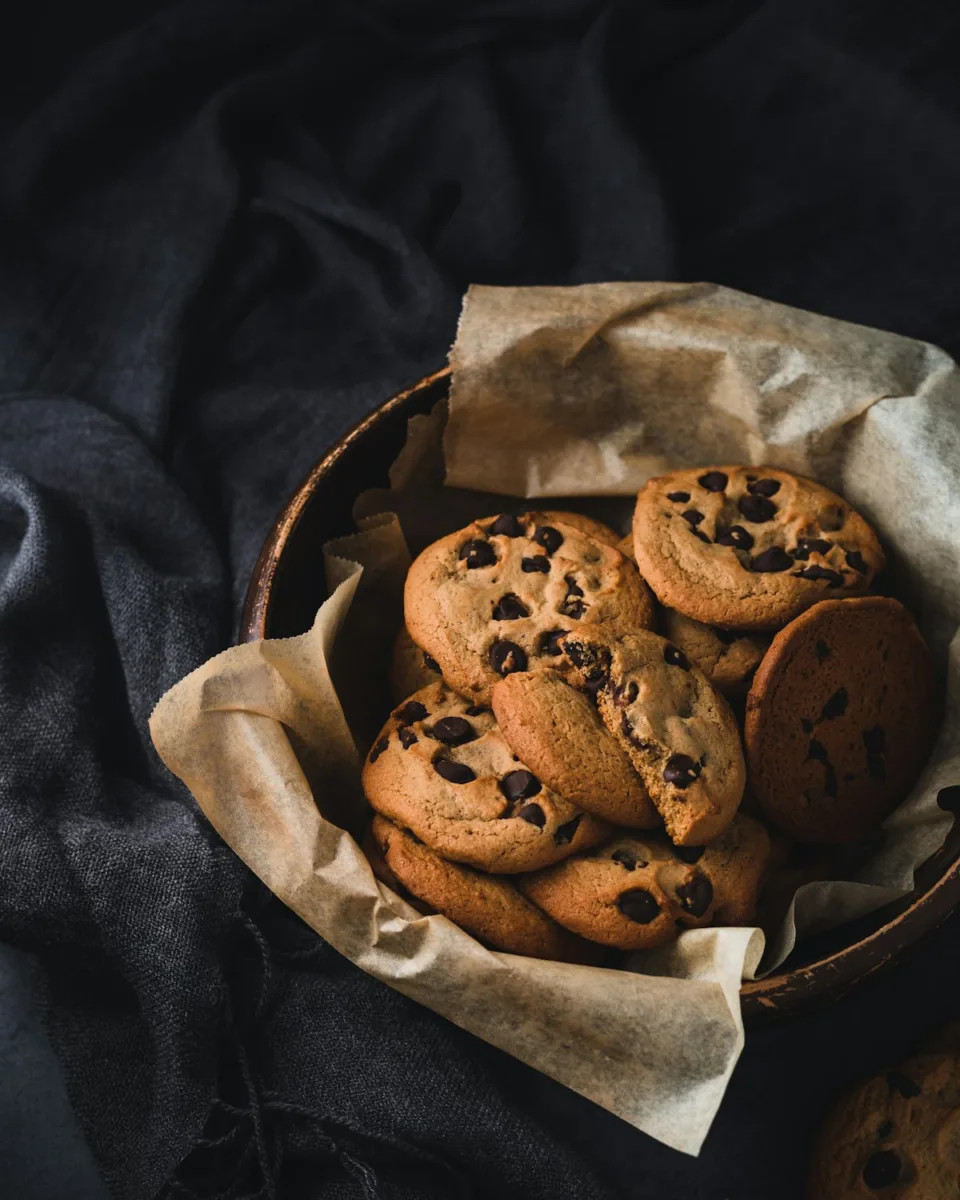
The chocolate chip cookie is the most popular cookie in the United States. It was invented in the 1930s by Ruth Wakefield at the Toll House Inn in Massachusetts, when she added chopped pieces of a chocolate bar to a butter cookie dough. The dough is made from butter, brown and white sugar, eggs, vanilla, and flour, with chocolate chips stirred in at the end. More brown sugar gives a chewier cookie, and more white sugar gives a crisper one.
Taste and texture: Sweet and buttery with pockets of melted chocolate. Crisp at the edges and soft in the middle.
Baking tip: Chill the dough for at least an hour, and take the cookies out while the centers still look slightly underdone. They firm up as they cool.
2. Oatmeal Cookies
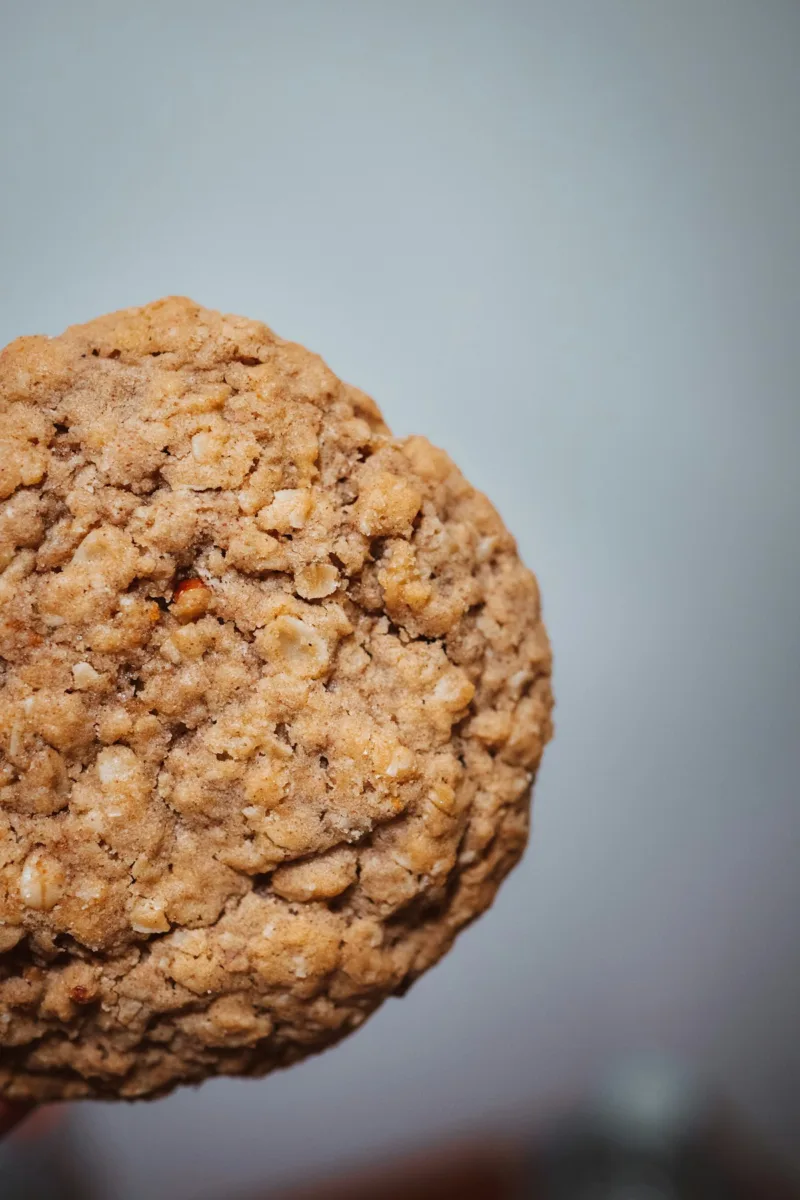
Oatmeal cookies are made with rolled oats mixed into the dough, which gives them a hearty, chewy texture and a slightly nutty flavor. Oatmeal raisin is the classic version, flavored with cinnamon, but chocolate chips, dried cranberries, and nuts are common swaps. They grew out of Scottish oatcakes, and the recipe spread widely in the United States in the early 1900s, when it was printed on boxes of oats.
Taste and texture: Chewy, hearty, and lightly spiced, with a rough, rustic surface.
Baking tip: Use old-fashioned rolled oats, not instant oats, for the best chew. Soaking the raisins in warm water first keeps them plump.
3. Peanut Butter Cookies
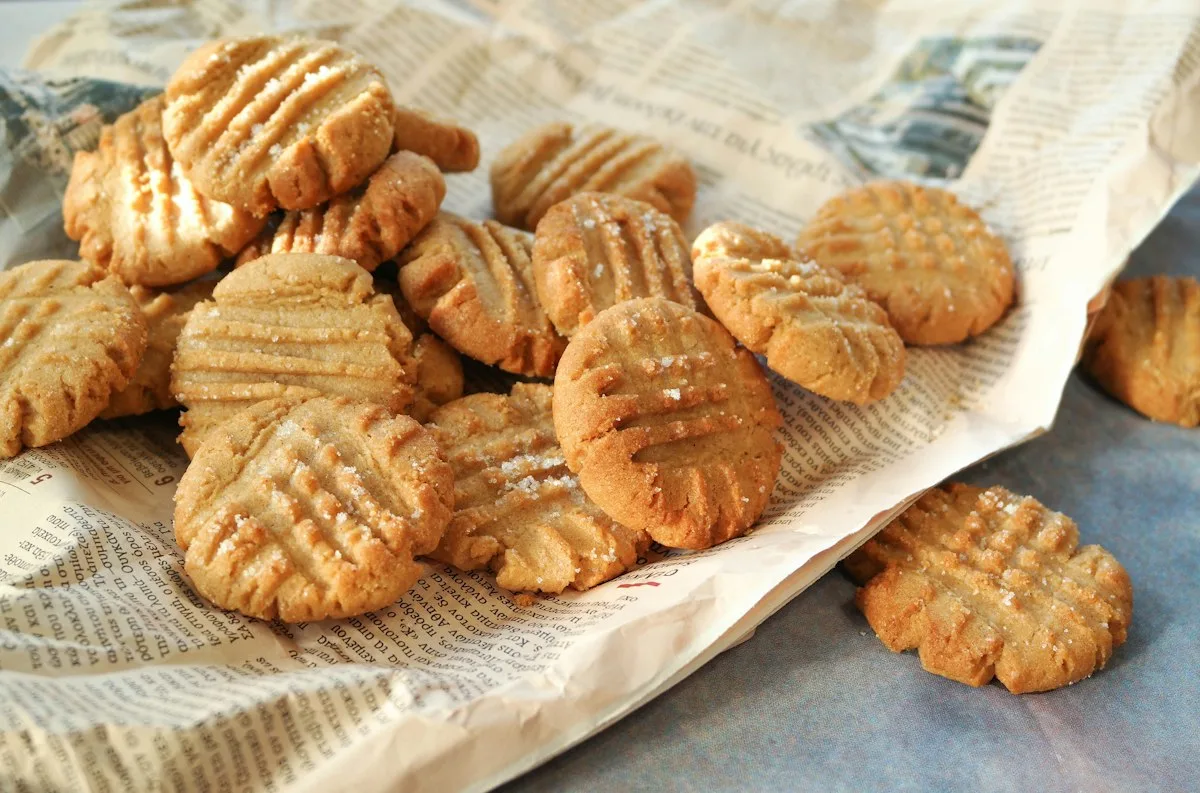
Peanut butter cookies get their flavor and much of their fat from peanut butter. They are easy to spot because of the crisscross pattern pressed into the top with a fork. The pattern has a purpose: the dough is dense, so flattening it helps the cookie bake evenly. A recipe from the 1930s first told bakers to press the dough this way, and it has been the tradition ever since.
Taste and texture: Rich, nutty, and a little salty. Soft and crumbly, or crisp if baked longer.
Baking tip: Regular creamy peanut butter gives more reliable results than natural peanut butter, which can make the cookies oily or dry.
4. Peanut Butter Blossoms
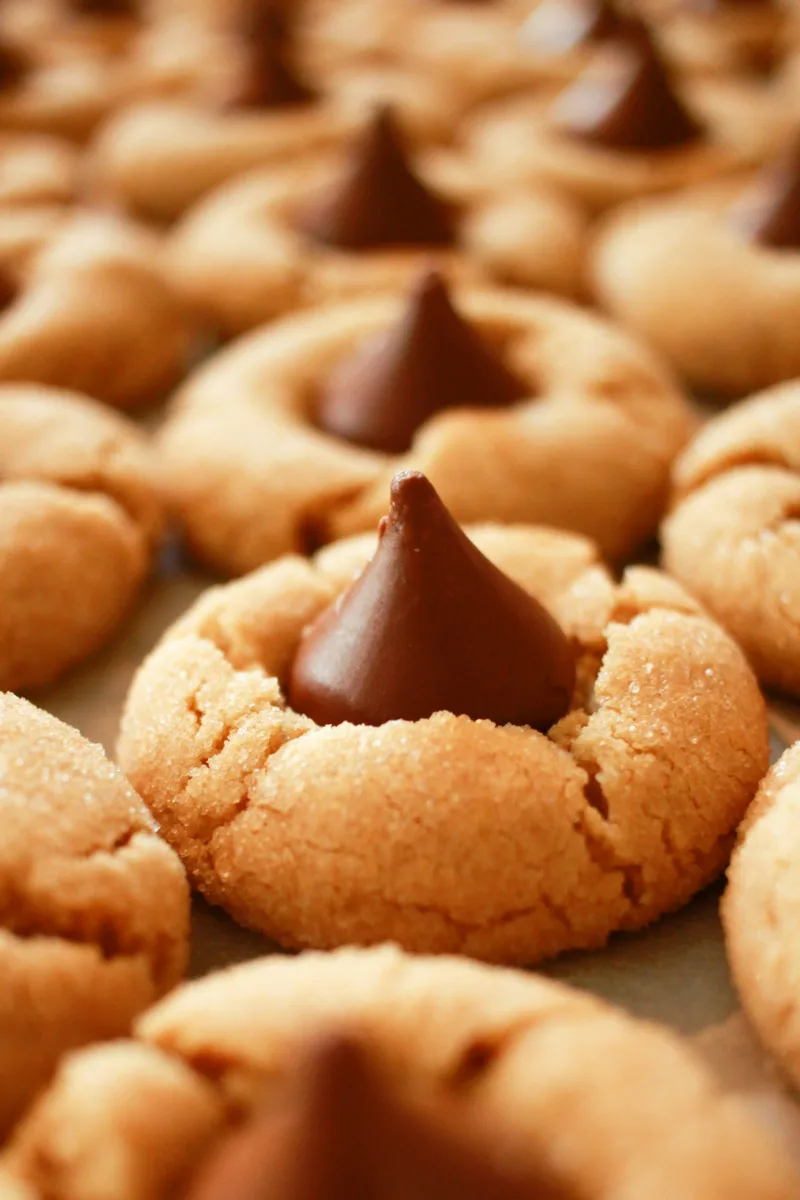
Peanut butter blossoms are soft peanut butter cookies rolled in sugar and topped with a chocolate candy kiss pressed into the center. The recipe was created by Freda Smith of Ohio for a national baking contest in 1957, and it became a favorite on American holiday cookie trays. The chocolate softens from the heat of the cookie but keeps its shape.
Taste and texture: Soft, nutty cookie with a solid bite of milk chocolate in the middle.
Baking tip: Press the chocolate in as soon as the cookies leave the oven, so the cookie cracks around it and holds it in place. Unwrap the chocolates before you start baking.
5. Double Chocolate Cookies
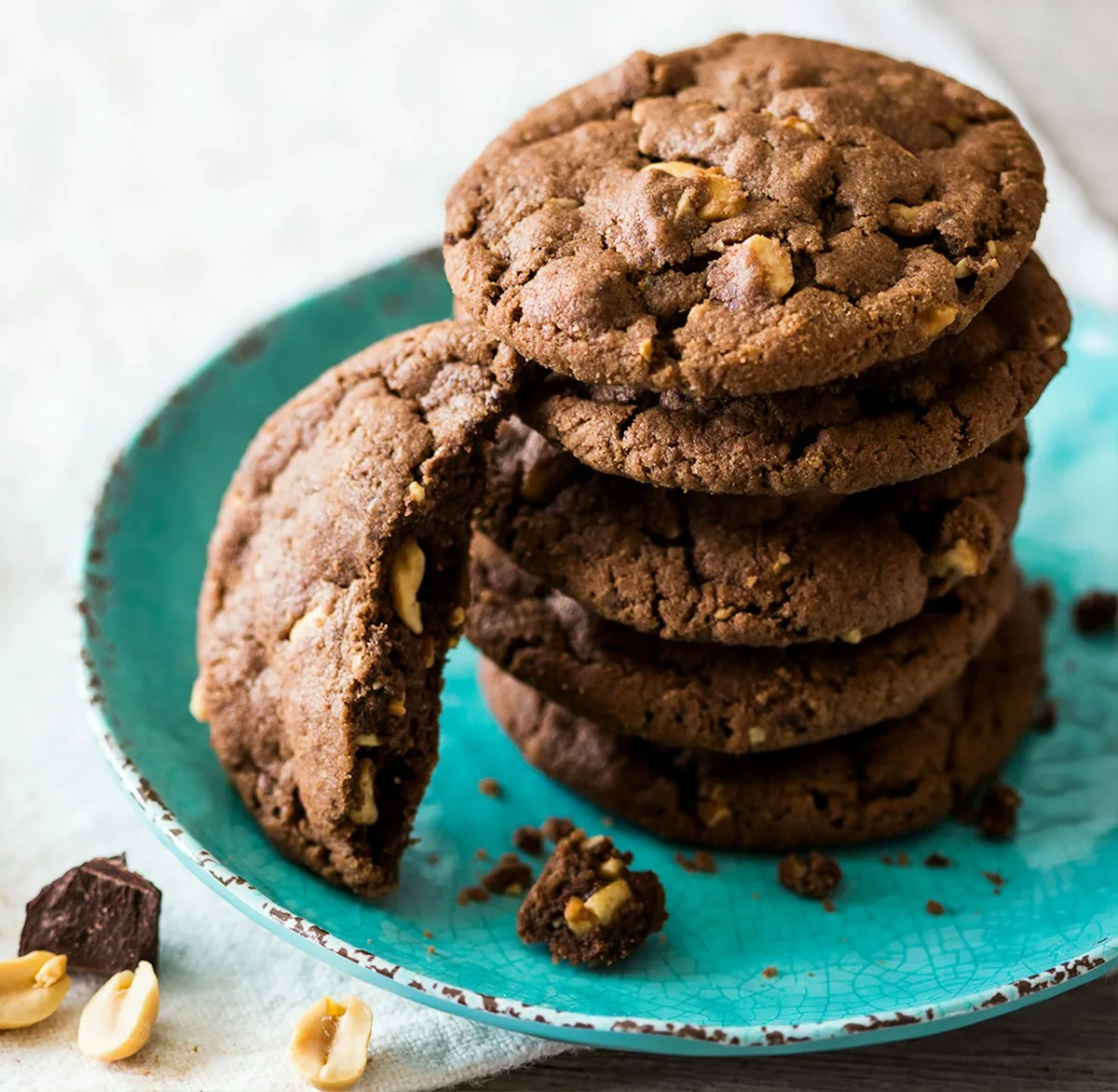
Double chocolate cookies have chocolate in two forms: cocoa powder in the dough and chocolate chips or chunks mixed through it. The result is dark, rich, and close to a brownie in flavor. Some recipes add a third chocolate, such as white chocolate chips, for contrast. A little espresso powder is often added to deepen the chocolate taste.
Taste and texture: Deep, intense chocolate. Soft and fudgy in the center.
Baking tip: They are already dark, so color will not tell you when they are done. Take them out when the edges are set and the tops look dry and cracked.
6. Sugar Cookies
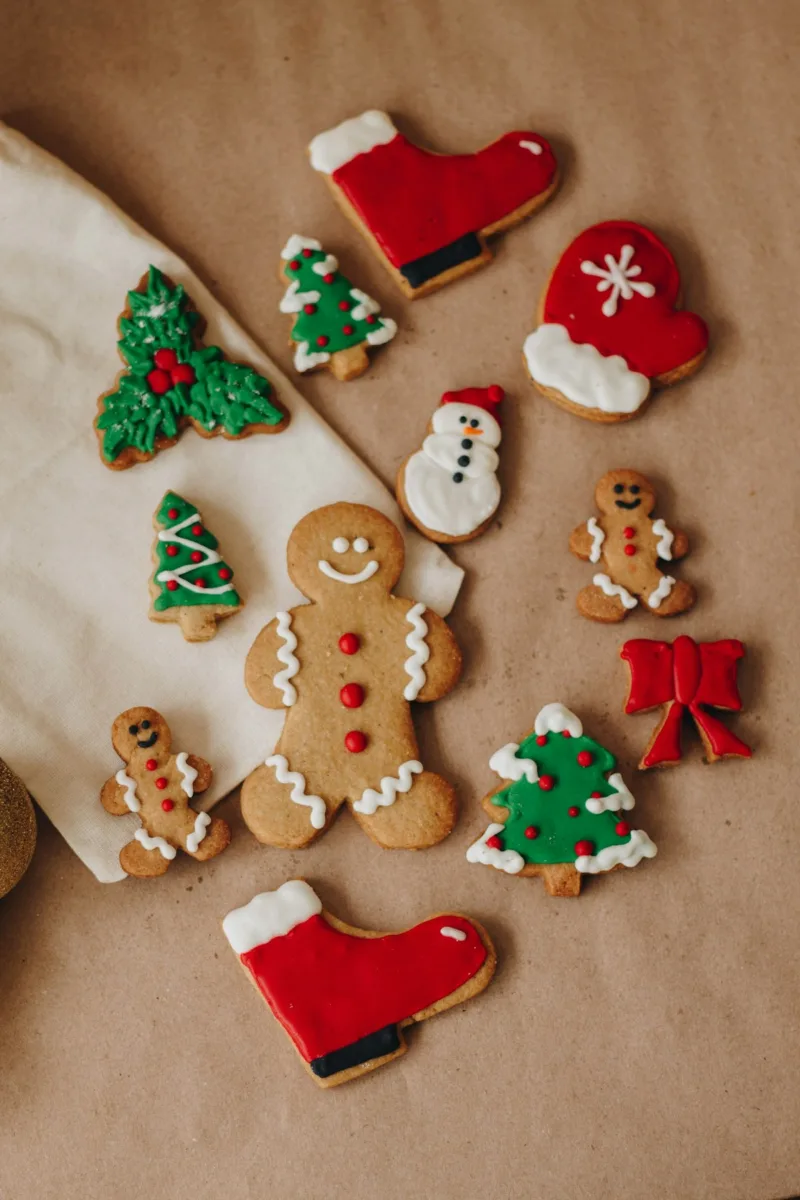
Sugar cookies are plain, sweet cookies made from butter, sugar, eggs, flour, and vanilla. The dough holds its shape well, so it is rolled out flat and cut with cookie cutters into stars, hearts, trees, and other shapes. Once cool, the cookies are decorated with royal icing, buttercream, or sprinkles. They trace back to the 1700s and German settlers in Nazareth, Pennsylvania.
Taste and texture: Sweet and buttery with a mild vanilla flavor. Soft or crisp, depending on thickness.
Baking tip: Chill the dough before rolling and again after cutting, so the shapes keep their sharp edges in the oven.
7. Shortbread
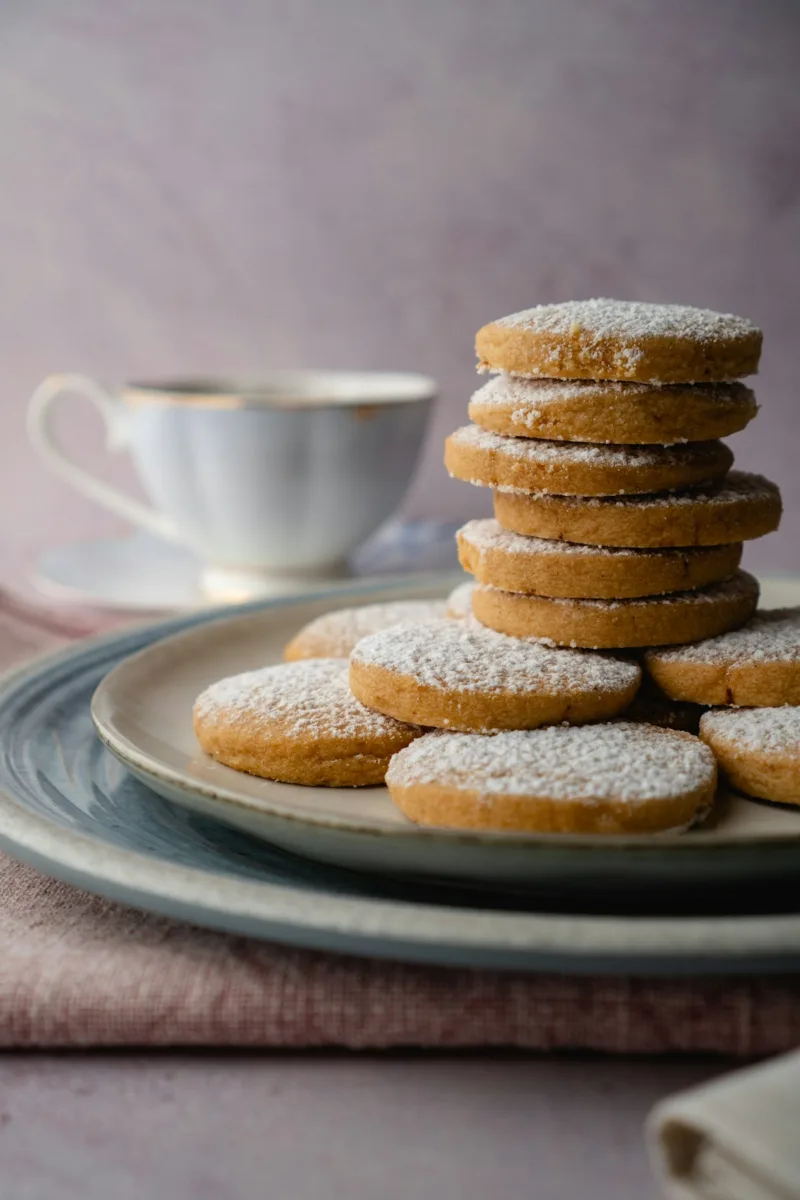
Shortbread is a Scottish biscuit made from just three ingredients: butter, sugar, and flour. There are no eggs and no raising agent. The word “short” is an old baking term for a crumbly texture, which comes from the large amount of butter. It is traditionally shaped into fingers, round biscuits, or a large circle cut into wedges called petticoat tails. In Scotland it is closely linked with Christmas and New Year.
Taste and texture: Very buttery and only lightly sweet. Crumbly, sandy, and melt-in-the-mouth.
Baking tip: Use the best butter you can, since it is the main flavor. Bake at a low temperature so the shortbread stays pale, and prick it with a fork to stop it from puffing.
8. Gingerbread Cookies
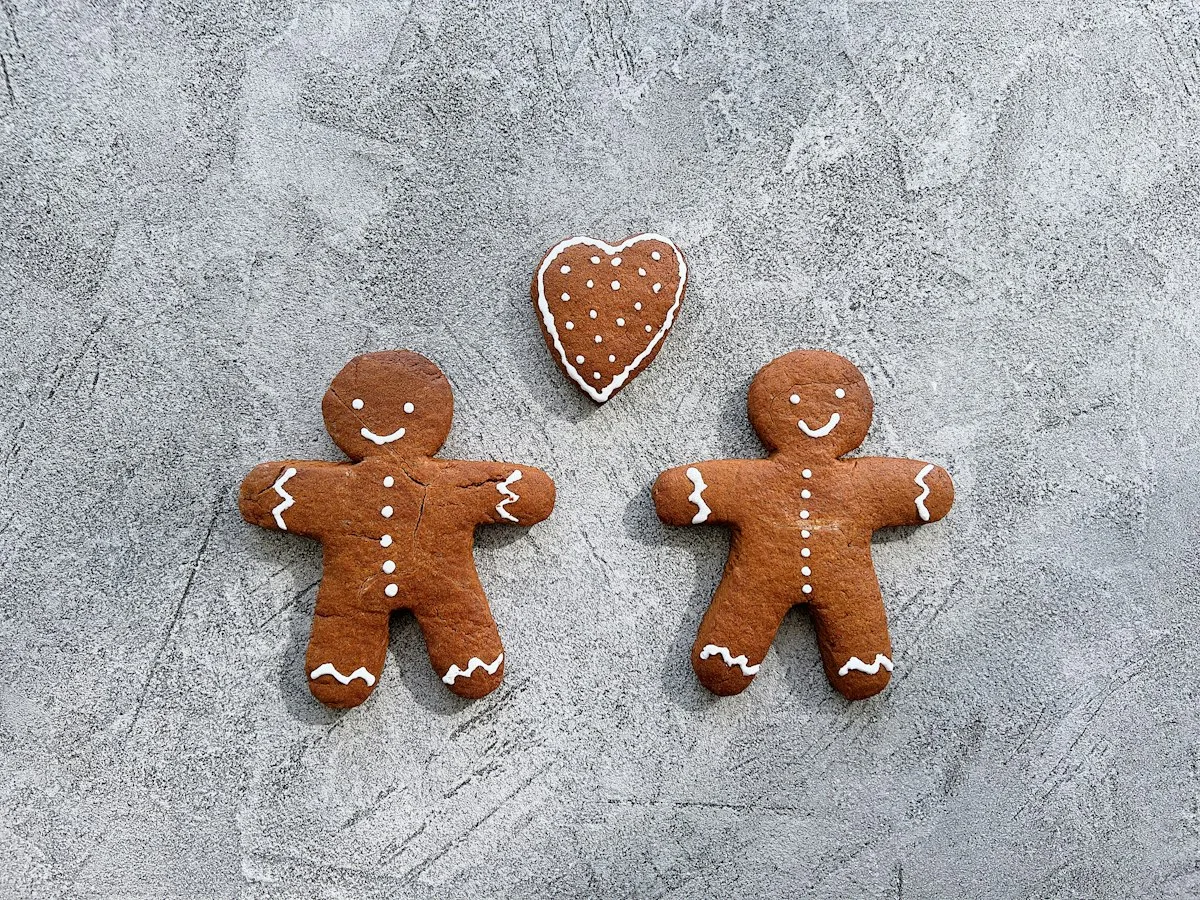
Gingerbread cookies are firm, dark cookies flavored with ginger, cinnamon, cloves, and molasses. The dough is rolled out and cut into shapes, most famously gingerbread men, and decorated with white icing. Shaped gingerbread figures are often traced back to the court of Queen Elizabeth I of England. The same sturdy dough is used to build gingerbread houses at Christmas.
Taste and texture: Warm, spicy, and deeply sweet from the molasses. Firm with a slight snap.
Baking tip: Roll the dough to an even thickness so the cookies bake at the same rate. Bake a little longer if you want pieces strong enough for a gingerbread house.
9. Macarons
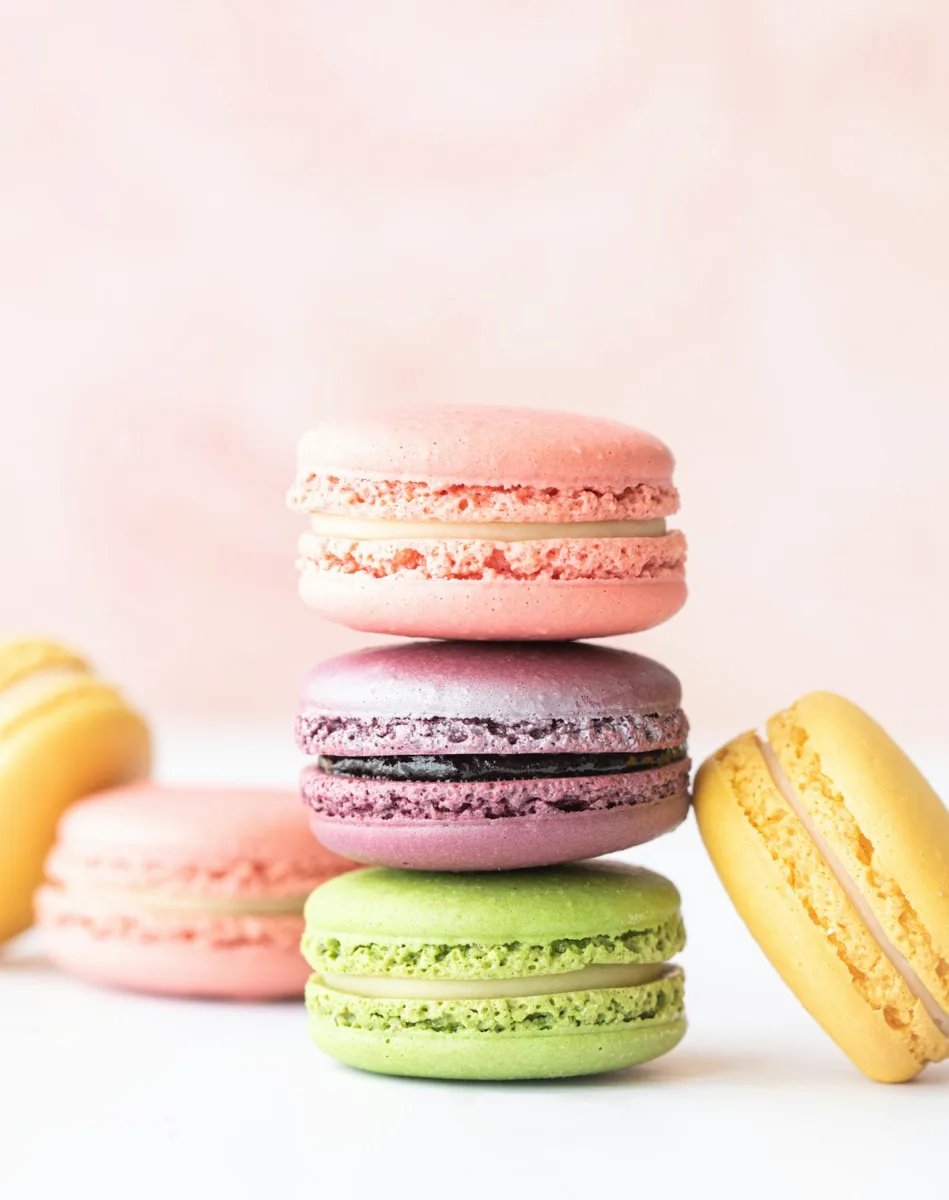
Macarons are delicate French sandwich cookies made from almond flour, egg whites, and sugar. Two smooth, round shells are joined with a filling of ganache, buttercream, or jam. A well-made macaron has a ruffled ring around the base of each shell, known as the foot. They come in a rainbow of colors and flavors. They should not be confused with macaroons, which are chewy mounds of shredded coconut.
Taste and texture: Sweet and nutty. A thin, crisp shell gives way to a soft, chewy inside.
Baking tip: Weigh the ingredients, sift the almond flour, and let the piped shells rest until a skin forms before baking. They taste best after a day in the fridge.
10. Sandwich Cookies
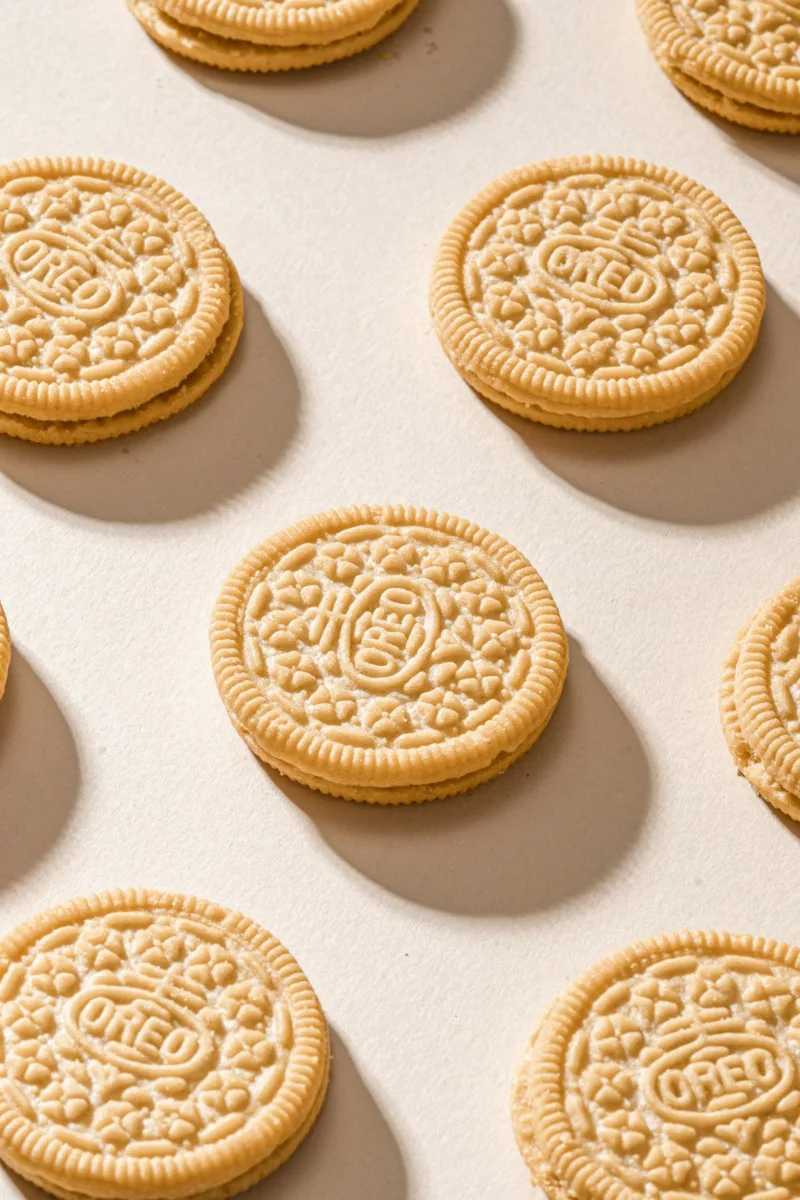
A sandwich cookie is made of two cookies or wafers with a layer of filling between them. The best-known example is the chocolate wafer cookie with a white cream center, which has been sold in the United States since 1912. Other kinds include whoopie pies, alfajores from South America filled with dulce de leche, and jam-filled Linzer cookies. The filling can be cream, jam, chocolate, or caramel.
Taste and texture: A contrast of crisp or soft cookie and smooth, sweet filling.
Baking tip: Bake the cookies to the same size so they pair up neatly, and let them cool completely before filling so the filling does not melt.
11. Fortune Cookies
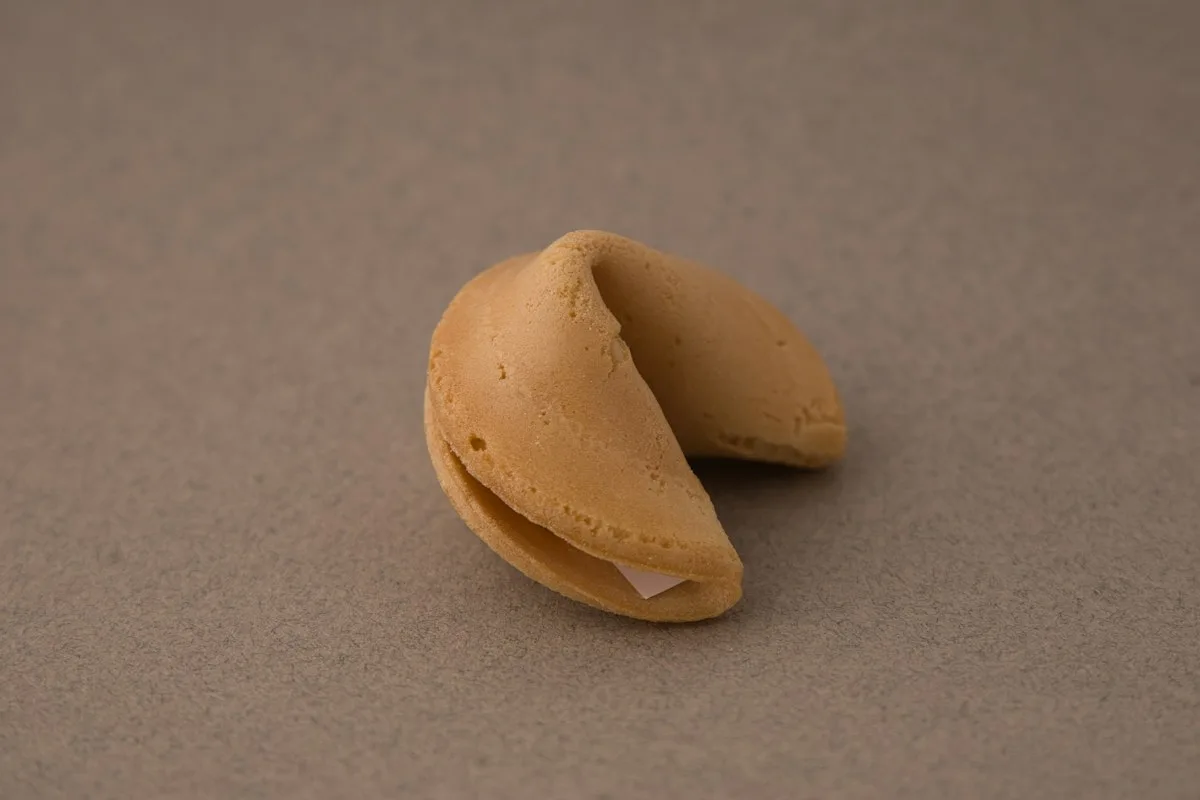
Fortune cookies are thin, crisp, folded cookies with a small slip of paper inside that carries a saying or a prediction. They are served at the end of the meal in Chinese restaurants in the United States, but they are not from China. Most historians trace them to a similar cracker made in Kyoto, Japan, and to Japanese immigrant bakers in California in the early 1900s. The batter is made from flour, sugar, egg whites, and vanilla.
Taste and texture: Lightly sweet with a hint of vanilla. Thin, dry, and crunchy.
Baking tip: The cookies must be folded within seconds of leaving the oven, while they are still soft, so bake only two or three at a time.
How Cookies Are Classified by Method
- Drop cookies: soft dough spooned onto the tray, such as chocolate chip and oatmeal.
- Rolled cookies: dough rolled flat and cut with cutters, such as sugar cookies and gingerbread.
- Molded cookies: dough shaped by hand, such as peanut butter cookies and snickerdoodles.
- Pressed cookies: soft dough pushed through a cookie press, such as spritz.
- Bar cookies: baked in a pan and cut into squares, such as brownies and blondies.
- Refrigerator cookies: dough chilled in a log and sliced, such as pinwheels.
- No-bake cookies: set in the fridge or on the counter without an oven.
For holiday baking, see our guide to types of Christmas cookies. For more sweets, see types of cake and types of candy, and for what to drink with them, types of coffee and types of tea.
Frequently Asked Questions
What is the most popular type of cookie?
The chocolate chip cookie is the most popular cookie in the United States and one of the most popular in the world.
What are the main types of cookies?
By method, the main types are drop, rolled, molded, pressed, bar, refrigerator, sandwich, and no-bake cookies.
What is the difference between a cookie and a biscuit?
In American English, a cookie is a small sweet baked treat and a biscuit is a soft, savory bread. In British English, most crisp cookies are called biscuits.
What is the difference between macarons and macaroons?
Macarons are smooth almond sandwich cookies from France. Macaroons are chewy mounds made from shredded coconut.
Why are my cookies flat?
Cookies usually spread too much when the butter is too warm or the dough has not been chilled. Chilling the dough for 30 minutes before baking helps them keep their shape.