Choosing glasses comes down to two decisions: the shape of the frame and the type of lens. The frame decides how the glasses look on your face, and the lens decides what they do for your eyes.
This guide shows six of the most common frame shapes with pictures, explains which face shapes each one flatters, and then covers frame construction, lens types, and a simple way to find your own best match.
Types of Glasses at a Glance
| Frame | Shape | Best on | Look |
|---|---|---|---|
| Aviator | Teardrop lenses, double bridge | Oval, square, heart | Classic, confident |
| Round | Circular lenses | Square, rectangular, heart | Vintage, creative |
| Square | Straight sides, equal width and height | Round, oval | Bold, modern |
| Rectangle | Wider than tall | Round, oval, heart | Smart, professional |
| Oversized | Large lenses that extend past the brow or cheek | Oval, square, long | Glamorous |
| Sport and wraparound | Curved to follow the face | All | Athletic |
6 Types of Glasses Frames with Pictures
1. Aviator Glasses
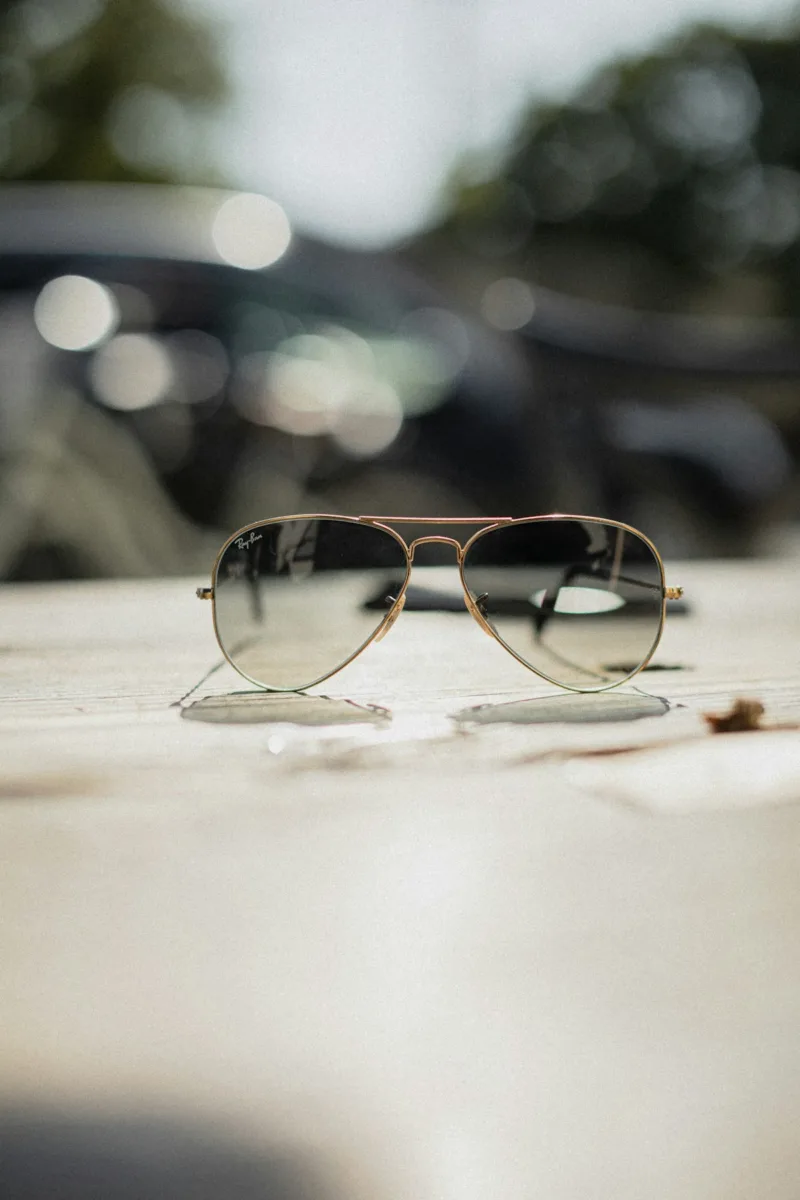
Aviators have large teardrop-shaped lenses, a thin metal frame, and a double bridge across the nose. They were developed in the 1930s for American military pilots, whose eyes needed protection from glare at high altitude, and the teardrop shape was designed to cover the whole field of view. They became a civilian fashion staple after the Second World War. Although best known as sunglasses, the same shape is now widely used for prescription frames.
- Face shapes it suits: Oval, square, and heart-shaped faces. The curved lower edge softens a strong jaw.
- Style note: Gold frames with green or brown lenses are the classic choice. Very small or very narrow faces can be overwhelmed by large aviators, so look for a smaller size.
2. Round Glasses
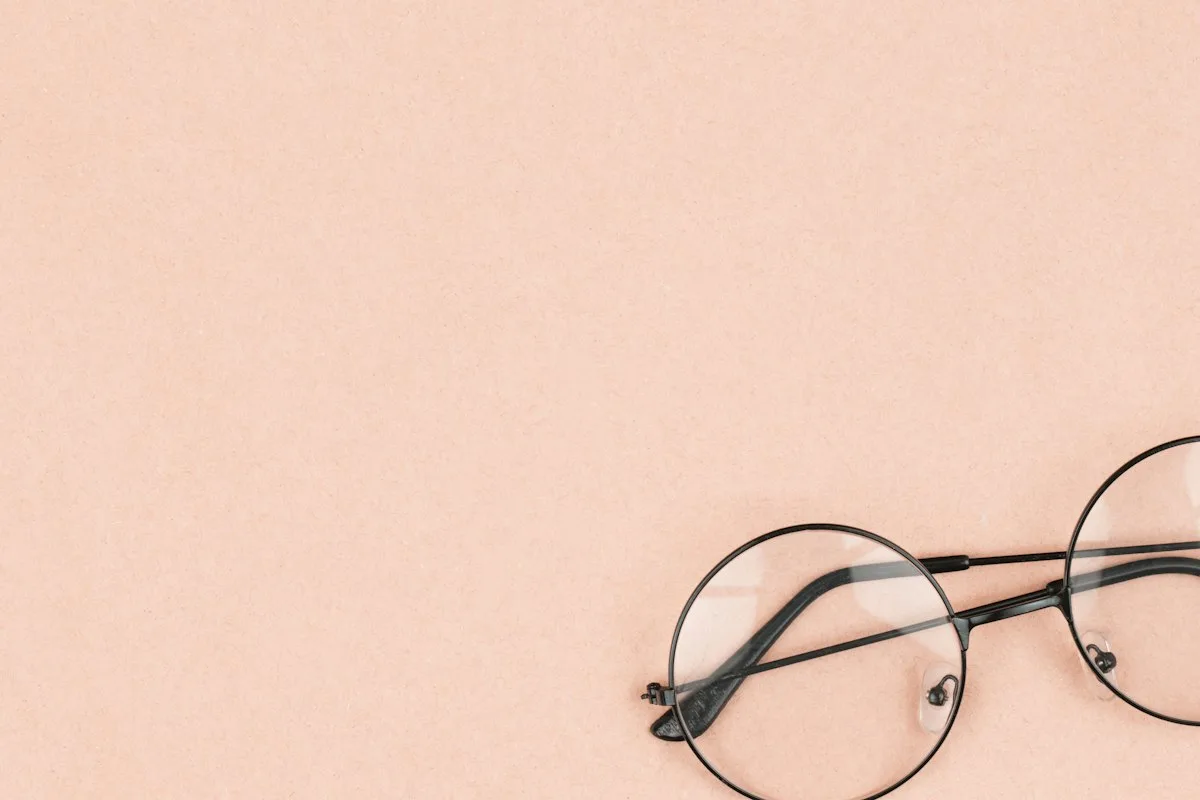
Round glasses have circular lenses, usually in a thin wire or slim acetate frame. They were the standard shape for spectacles for centuries, simply because round lenses were the easiest to grind. In the modern era they are tied to figures such as John Lennon, Mahatma Gandhi, and Harry Potter, and they carry an intellectual, artistic image.
- Face shapes it suits: Square, rectangular, and heart-shaped faces, where the curves balance sharp angles.
- Style note: On a round face they can make the face look rounder. If you have a round face and like the style, try the slightly squared-off version known as panto.
3. Square Glasses
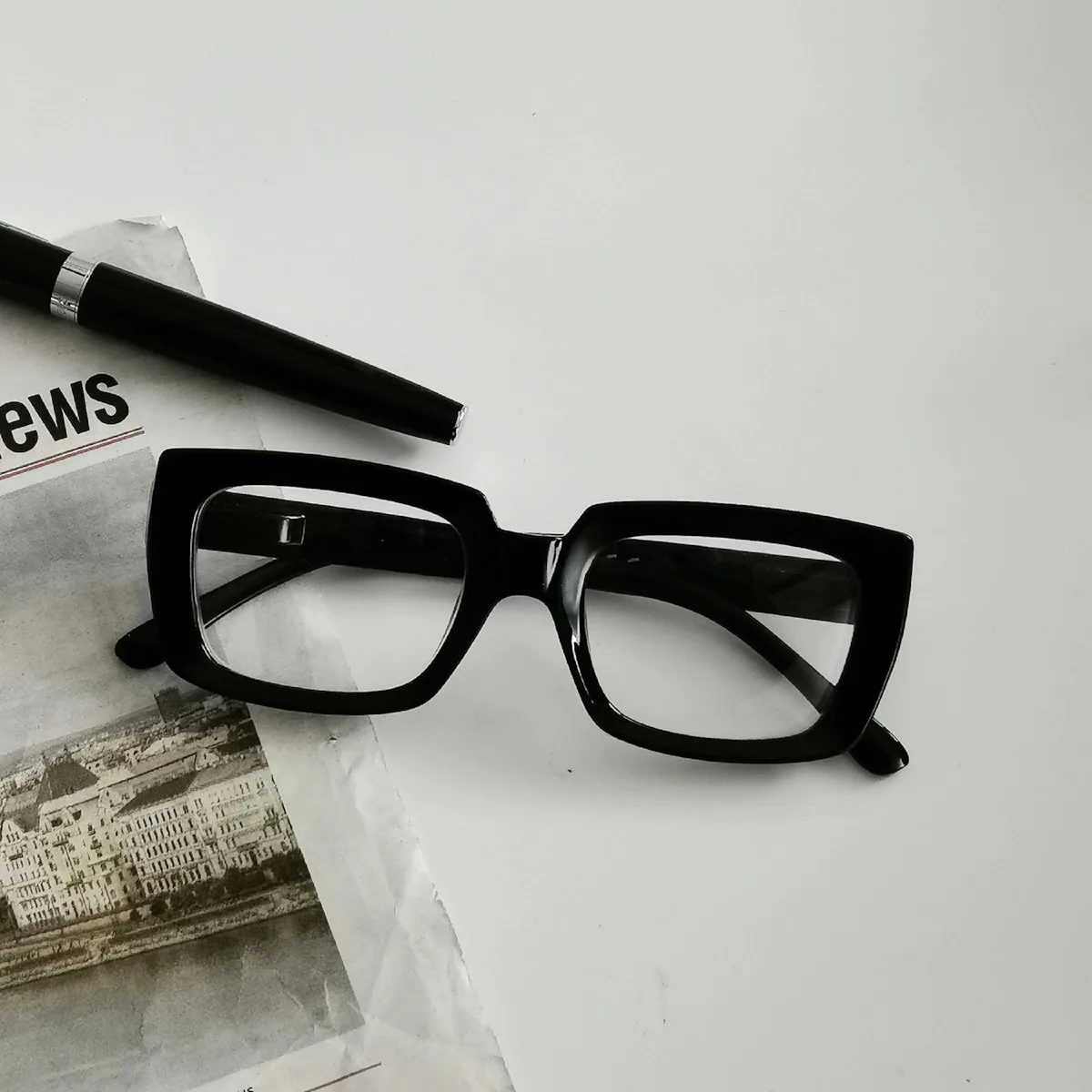
Square frames have straight sides and sharp or lightly rounded corners, and the lenses are about as tall as they are wide. Thick black or tortoiseshell acetate is the most typical material, which gives a strong, bold line across the face. The wayfarer, introduced in the 1950s, is the most famous relative of this shape, with a slightly wider top edge.
- Face shapes it suits: Round and oval faces. The straight lines add structure and make a soft face look more defined.
- Style note: Thick frames draw attention to the eyes and make a statement. People with a square jaw may find that they emphasize the angles of the face too much.
4. Rectangle Glasses
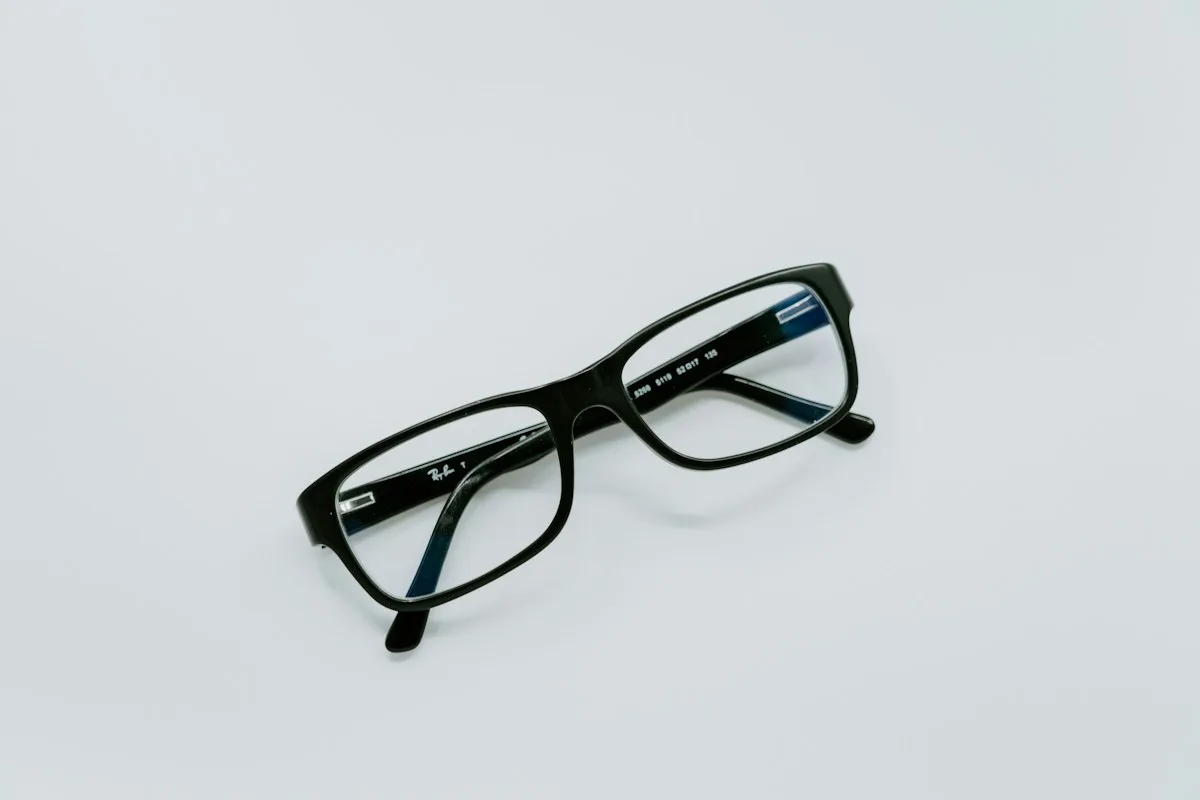
Rectangular frames are clearly wider than they are tall. They are the most common shape for everyday prescription glasses and for reading glasses, because they suit many faces and look neat and businesslike. They come in full-rim, semi-rimless, and rimless versions, in both metal and plastic.
- Face shapes it suits: Round, oval, and heart-shaped faces. The horizontal shape makes a round face look longer and slimmer.
- Style note: Narrow rectangular lenses leave less room for progressive lenses, which need some height to fit the distance, middle, and reading zones.
5. Oversized Glasses
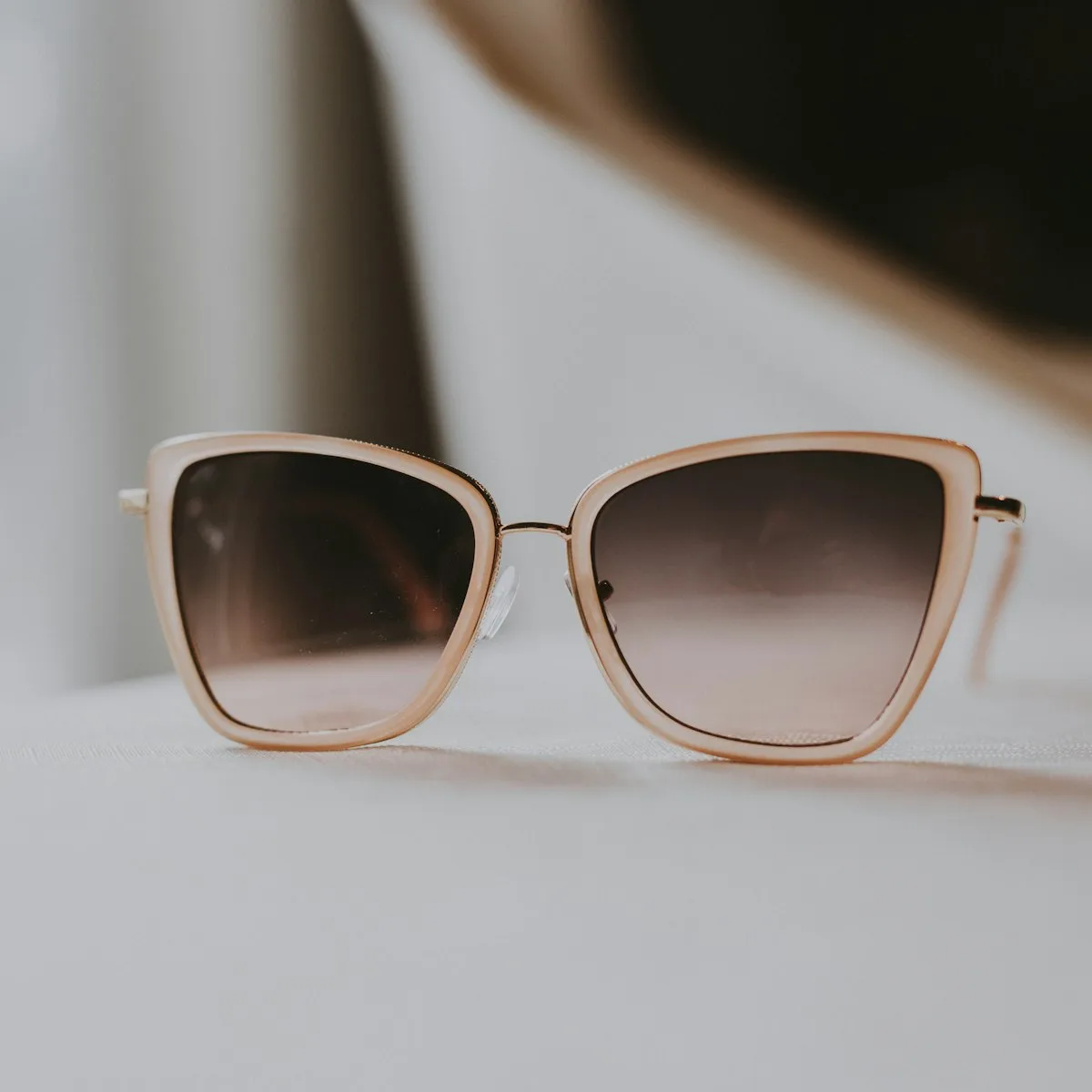
Oversized glasses have lenses that are much bigger than the eye area, often reaching above the eyebrows and down onto the cheeks. They were made famous in the 1960s and 1970s by Jacqueline Kennedy Onassis, and they have been linked with glamour and celebrities ever since. As sunglasses they also give more protection, because they shield a larger area of skin around the eyes.
- Face shapes it suits: Oval, square, and long faces. The size balances a longer face and softens a strong jaw.
- Style note: On a small or narrow face, very large frames can slide down and dominate the features. The frame should not be much wider than the widest part of your face.
6. Sport and Wraparound Glasses
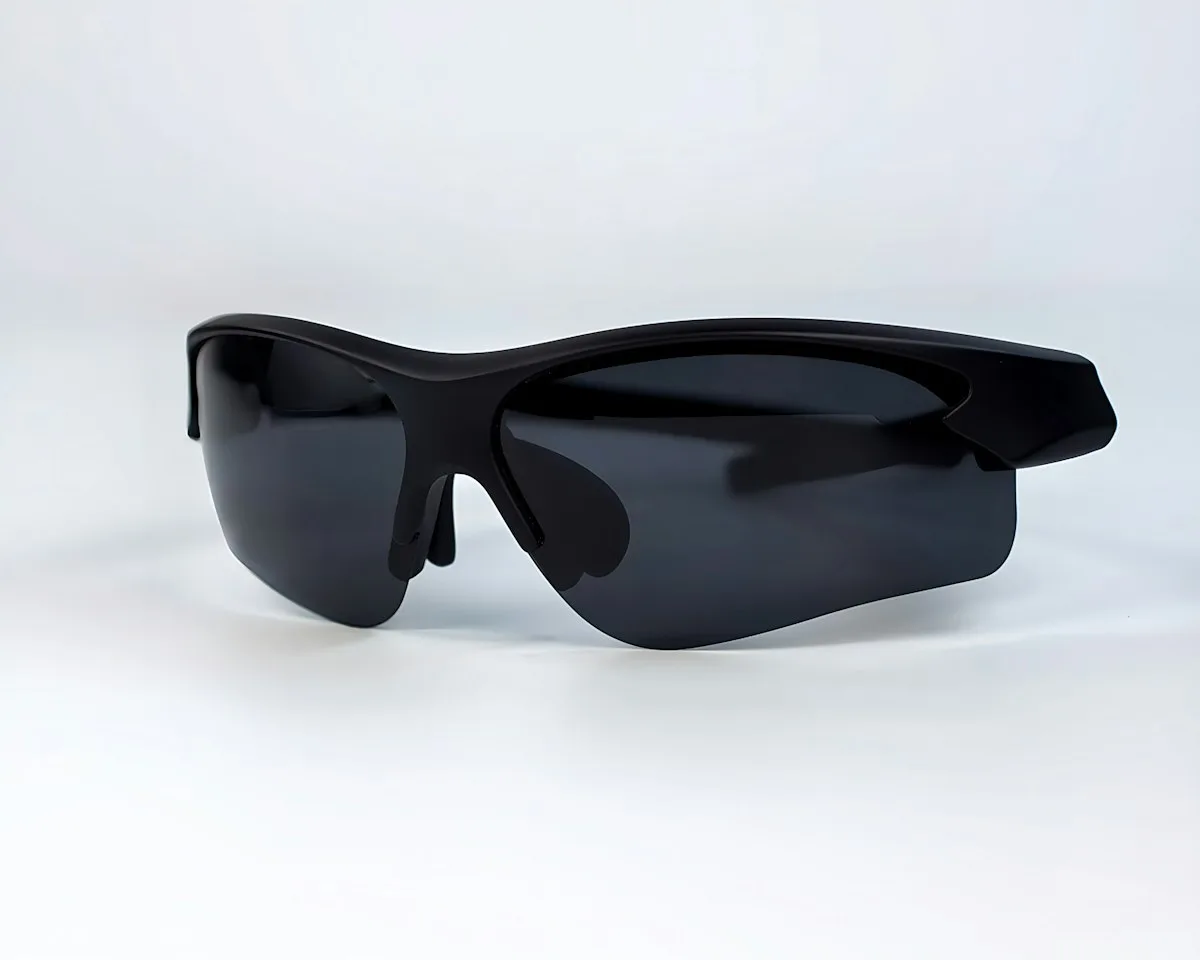
Sport glasses curve around the face so that the lenses protect the eyes from the front and the sides. The frames are made of light, flexible plastics such as nylon, with rubber grips at the nose and temples so they stay in place during movement. The lenses are usually polycarbonate, which is light and highly resistant to impact.
- Face shapes it suits: All face shapes, since the fit is chosen for function.
- Style note: They are made for cycling, running, skiing, fishing, and ball sports. Polarized lenses cut glare from water, snow, and roads. Strong prescriptions can be harder to fit into a highly curved lens.
More Frame Shapes
- Cat-eye: the upper outer corners sweep upward. A 1950s style that lifts the face and suits square and oval faces.
- Wayfarer: a thick plastic frame with a trapezoid shape, wider at the top.
- Browline: a bold upper rim that follows the eyebrows, with a thin wire around the bottom of the lens.
- Geometric: hexagonal or octagonal lenses.
- Oval: a softer, slightly flattened version of the round frame.
Frame Construction: Full-Rim, Semi-Rimless, and Rimless
- Full-rim frames surround the whole lens. They are the strongest and suit thick lenses.
- Semi-rimless frames hold the lens along the top only, with a thin nylon cord underneath.
- Rimless glasses have no frame around the lenses at all. The bridge and temples attach directly to the lenses, so they are very light and almost invisible.
Types of Lenses
| Lens | What it does | Who uses it |
|---|---|---|
| Single vision | One prescription across the whole lens | Most people under about 40 |
| Bifocal | Two zones, distance on top and reading below, with a visible line | People who need help with both distance and near vision |
| Progressive | A gradual change from distance to reading, with no line | The modern alternative to bifocals |
| Reading | Simple magnification for close work | People with age-related near-vision loss |
| Blue-light filtering | A coating or tint that reduces blue light from screens | Heavy screen users, though evidence of benefit is limited |
| Photochromic | Darkens in sunlight and clears indoors | People who do not want separate sunglasses |
| Polarized | Blocks reflected glare | Drivers, anglers, skiers |
How to Choose Glasses for Your Face Shape
The general rule is contrast. Pick a frame whose shape is the opposite of your face shape.
- Round face: square and rectangular frames add angles.
- Square face: round and oval frames soften the jaw.
- Oval face: almost every shape works.
- Heart-shaped face: aviators, round frames, and rimless styles balance a wider forehead.
- Long face: tall or oversized frames shorten the face.
The frame should be about as wide as your face at the temples, and your eyes should sit near the center of each lens.
Frequently Asked Questions
What are the main types of glasses?
By purpose, the main types are prescription glasses, reading glasses, sunglasses, and safety or sport glasses. By frame shape, the most common are rectangle, square, round, aviator, cat-eye, and oversized.
Which glasses shape suits a round face?
Square and rectangular frames suit a round face best, because the straight lines add definition.
What is the difference between bifocal and progressive lenses?
Bifocals have two separate zones divided by a visible line. Progressives change strength gradually from top to bottom with no line.
Are blue-light glasses worth it?
Research so far has not shown clear benefits for eye strain or sleep. Taking regular breaks from the screen is the more reliable advice.
What are rimless glasses?
Rimless glasses have no frame around the lenses. The nose bridge and the arms are attached directly to the lenses.