Dessert is the sweet course at the end of a meal, and nearly every cuisine has its own favorites. Some are frozen, some are baked, some are fried, and some are simply chilled until they set. This guide covers ten of the most popular types of dessert with pictures, where each one comes from, and how it is usually served.
The word dessert comes from the French verb desservir, which means to clear the table.
Types of Dessert at a Glance
| Dessert | Family | Texture | Origin |
|---|---|---|---|
| Ice cream | Frozen | Cold, smooth, creamy | Worldwide |
| Brownies | Baked bar | Dense and fudgy | United States |
| Apple pie | Pie | Flaky crust, soft fruit | England, later the United States |
| Donuts | Fried dough | Soft and airy or cakey | United States |
| Churros | Fried dough | Crisp outside, soft inside | Spain |
| Crème brûlée | Custard | Silky with a brittle top | France |
| Panna cotta | Set cream | Smooth and wobbly | Italy |
| Macarons | Meringue confection | Crisp shell, chewy center | France |
| Chocolate mousse | Mousse | Light and airy | France |
| Pudding | Custard or pudding | Soft and spoonable | Britain and the United States |
10 Different Types of Dessert with Pictures
1. Ice Cream

Ice cream is a frozen dessert made from milk, cream, and sugar that is churned as it freezes. The churning breaks up ice crystals and beats in air, which is what makes it smooth and scoopable. Vanilla is the best-selling flavor in the world, followed by chocolate. Close relatives include Italian gelato, which has less fat and less air and so tastes denser; sorbet, which contains no dairy; and frozen yogurt.
Where it comes from: Frozen sweets were made in ancient China and Persia, and ice cream in its modern form spread through Europe from Italy and France in the 1600s.
How it is served: In a cone, in a bowl, or alongside pies, brownies, and cakes.
2. Brownies
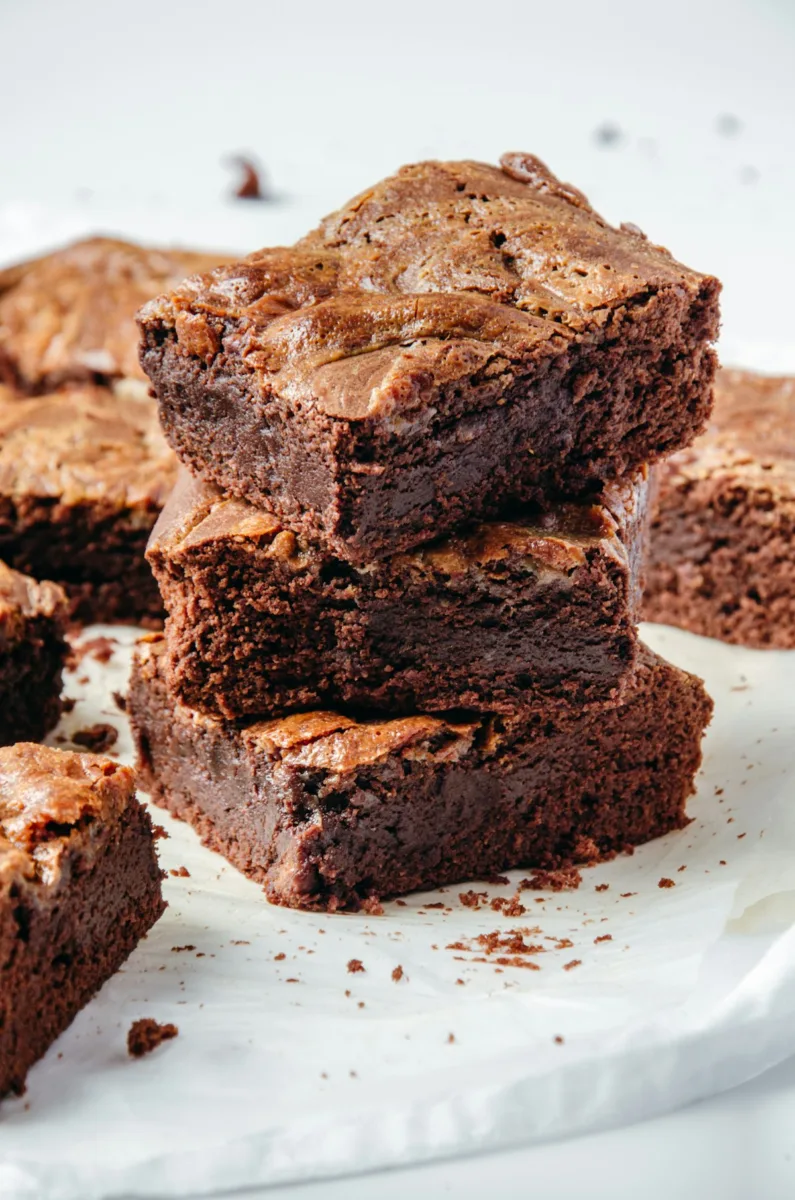
A brownie is a rich chocolate bar that sits halfway between a cake and a cookie. It is baked in a flat pan and cut into squares. Bakers argue over the ideal texture. Fudgy brownies have more butter and chocolate and less flour, which makes them dense and moist. Cakey brownies have more flour and a raising agent, which makes them lighter. Walnuts, chocolate chips, and a swirl of cheesecake are common additions.
Where it comes from: The United States, at the end of the 1800s. One well-known story credits the Palmer House Hotel in Chicago, which created them for the 1893 World’s Fair.
How it is served: Cut into squares, at room temperature or warm with a scoop of vanilla ice cream.
3. Apple Pie
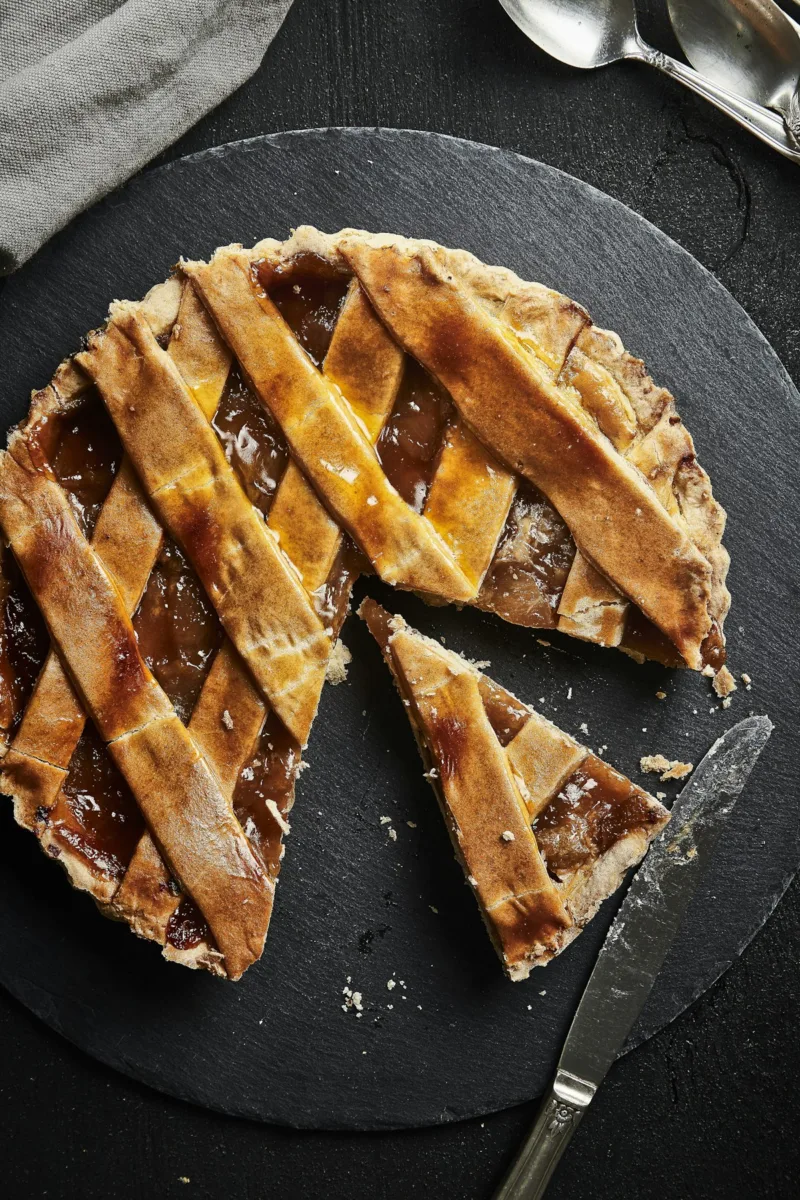
Apple pie is sliced apples baked with sugar and cinnamon inside a pastry crust. The top may be a solid sheet of pastry, a woven lattice, or a crumble. Firm, tart apples such as Granny Smith hold their shape best. Although the phrase “as American as apple pie” suggests otherwise, recipes for apple pie were written down in England as early as the 1300s, and settlers carried the dish across the Atlantic.
Where it comes from: England, and it later became a symbol of the United States.
How it is served: Warm, with vanilla ice cream, which is called “a la mode”, or with whipped cream. In parts of England and New England it is eaten with a slice of cheddar.
4. Donuts

A donut, also spelled doughnut, is a piece of sweet dough that is fried and then glazed, iced, or dusted with sugar. Yeast donuts are light and airy, and cake donuts are denser and crumbly. Ring donuts have a hole in the middle, which helps them cook evenly, while filled donuts are round and injected with jam, custard, or cream.
Where it comes from: Dutch settlers brought fried dough cakes called olykoeks to New York, and the ring shape became standard in the United States in the 1800s.
How it is served: Fresh, often with coffee, as a breakfast treat or snack.
5. Churros
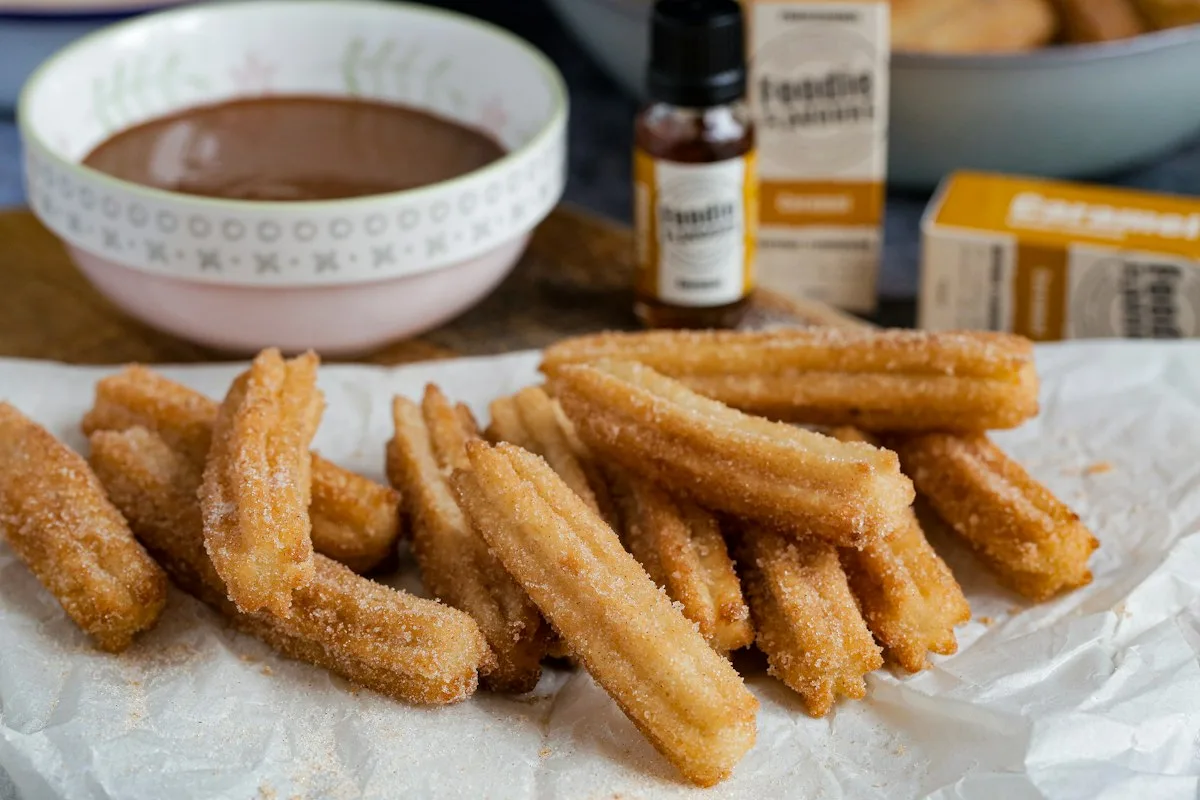
Churros are sticks of dough that are piped through a star-shaped nozzle straight into hot oil. The ridges give them a crisp surface, and the inside stays soft. In Spain they are plain or lightly sugared and are eaten at breakfast. In Mexico and Latin America they are rolled in cinnamon sugar and sometimes filled with caramel or chocolate.
Where it comes from: Spain and Portugal, from where they spread across Latin America.
How it is served: Hot from the fryer, with a cup of thick hot chocolate or dulce de leche for dipping.
6. Crème Brûlée
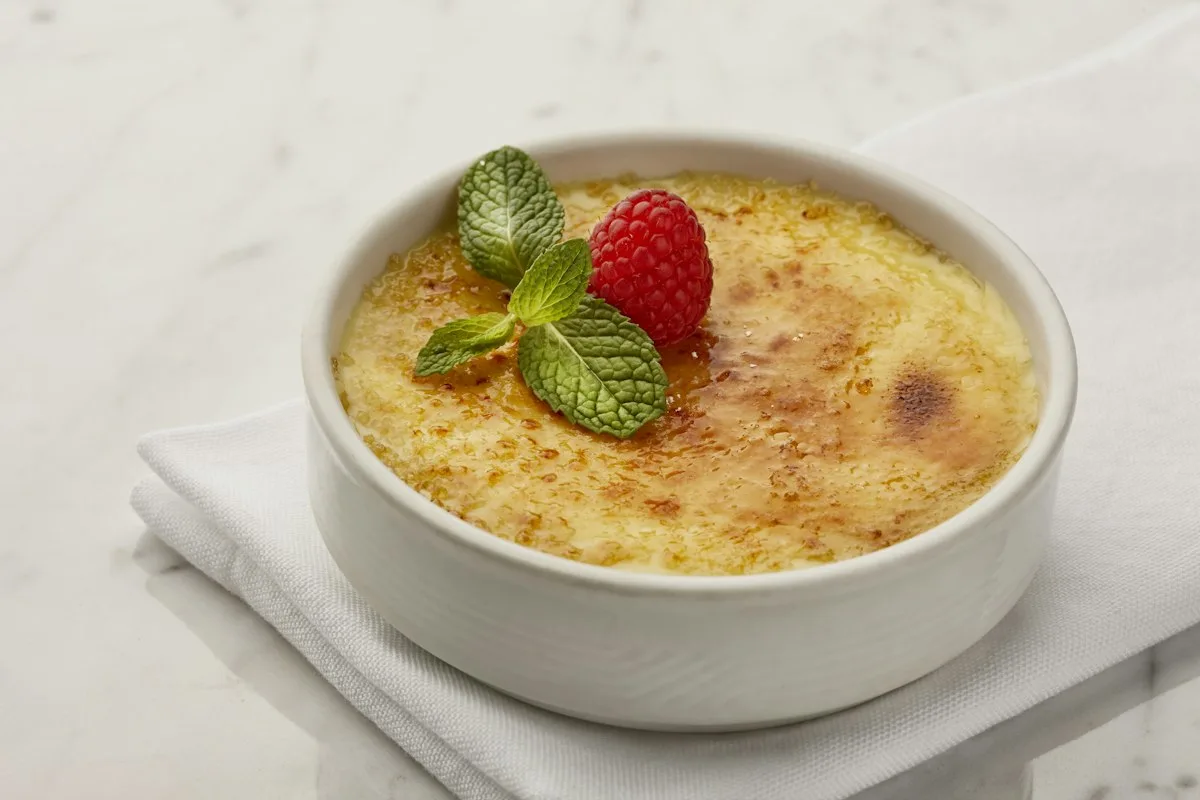
Crème brûlée means “burnt cream” in French. It is a rich custard of cream, egg yolks, sugar, and vanilla, baked gently in a shallow dish set in a water bath. Just before serving, a layer of sugar is sprinkled over the top and melted with a blowtorch or under a hot grill until it forms a thin, glassy sheet of caramel. Cracking through that sheet with a spoon is part of the pleasure.
Where it comes from: France, where a recipe was printed in 1691. Spain has a similar dessert called crema catalana, and England has Trinity cream.
How it is served: Chilled, in an individual ramekin, with the caramel top freshly torched.
7. Panna Cotta
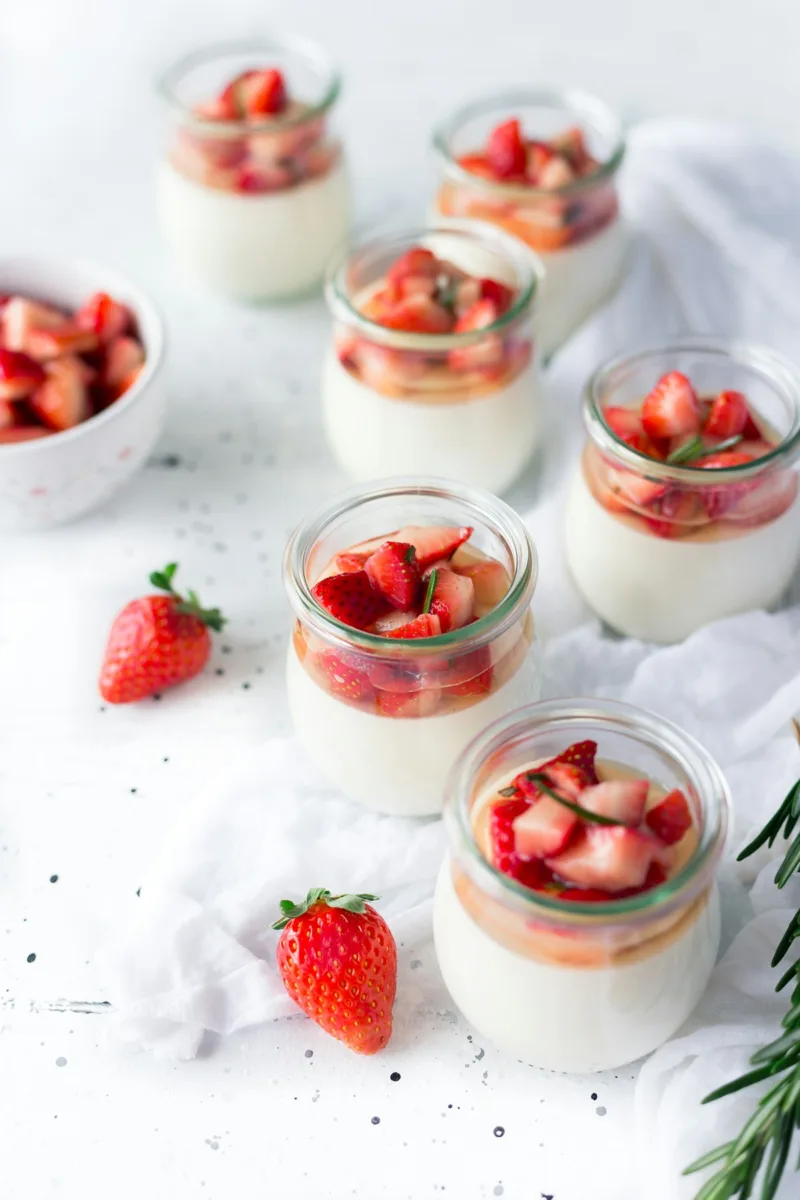
Panna cotta means “cooked cream” in Italian. Cream is warmed with sugar and vanilla, mixed with a little gelatin, and poured into molds to set in the refrigerator. There are no eggs, and it is not baked, which makes it one of the easiest restaurant-style desserts to make at home. A good panna cotta is just firm enough to hold its shape and wobbles when the plate is moved.
Where it comes from: The Piedmont region of northern Italy.
How it is served: Turned out onto a plate or left in a glass, topped with berries, fruit sauce, or caramel.
8. Macarons
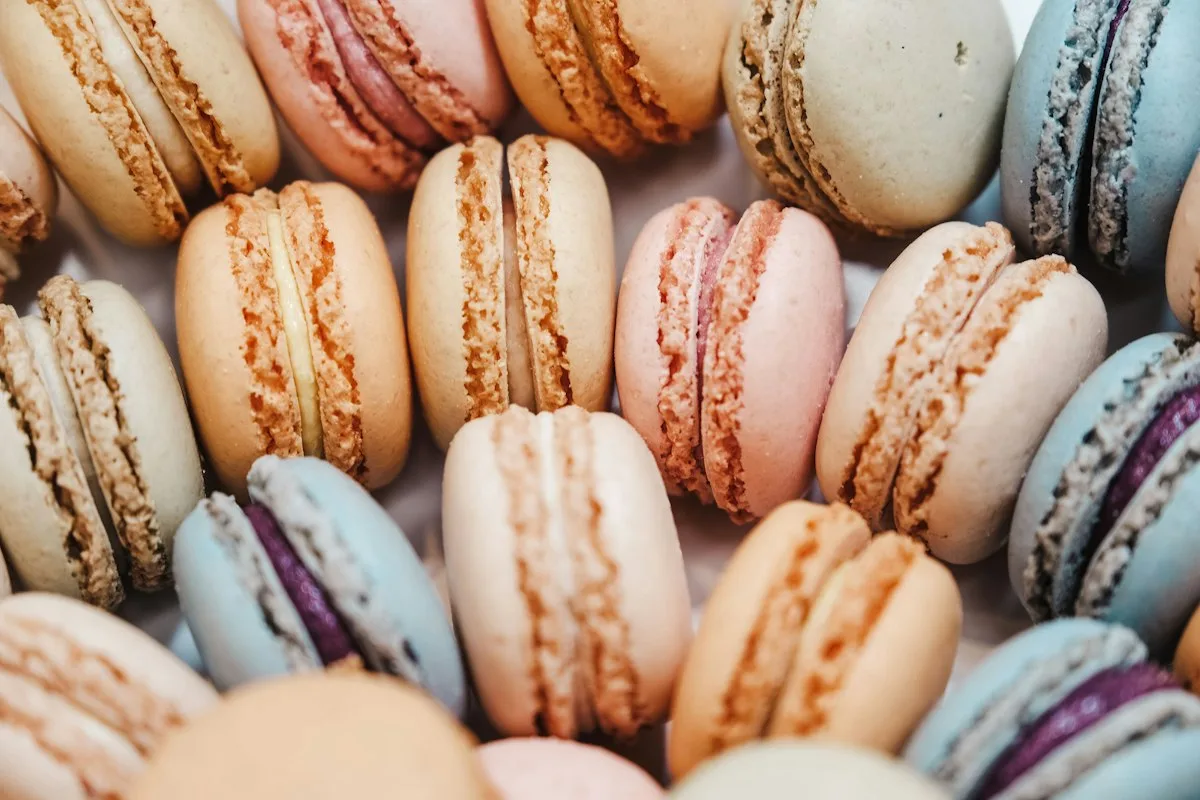
A macaron is a small sandwich made of two smooth, round almond meringue shells with a filling of ganache, buttercream, or jam. The shells have a thin, crisp surface and a soft, slightly chewy inside. They come in a wide range of colors, with flavors such as pistachio, raspberry, salted caramel, and rose. They should not be confused with macaroons, which are chewy mounds of shredded coconut.
Where it comes from: France. The filled, sandwich form sold today was developed by Parisian pastry shops in the early 1900s.
How it is served: At room temperature, with tea or coffee, and often boxed as a gift.
9. Chocolate Mousse
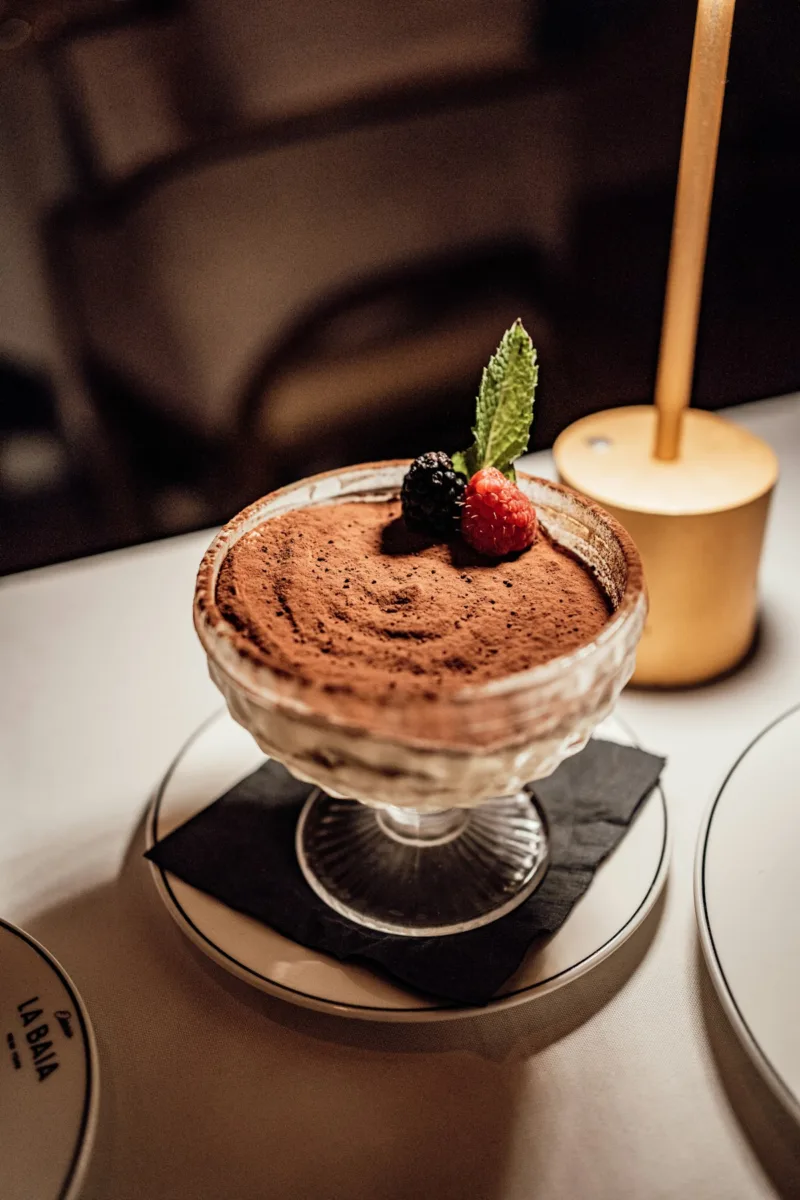
Mousse is the French word for foam. Chocolate mousse is made by folding melted chocolate into whipped egg whites, whipped cream, or both. The tiny air bubbles are what make it light and melt-in-the-mouth, even though it is very rich. A darker chocolate gives a more intense, less sweet mousse.
Where it comes from: France, where chocolate mousse recipes appeared in the 1700s.
How it is served: Chilled in a glass or small bowl, with whipped cream, berries, or chocolate shavings.
10. Pudding
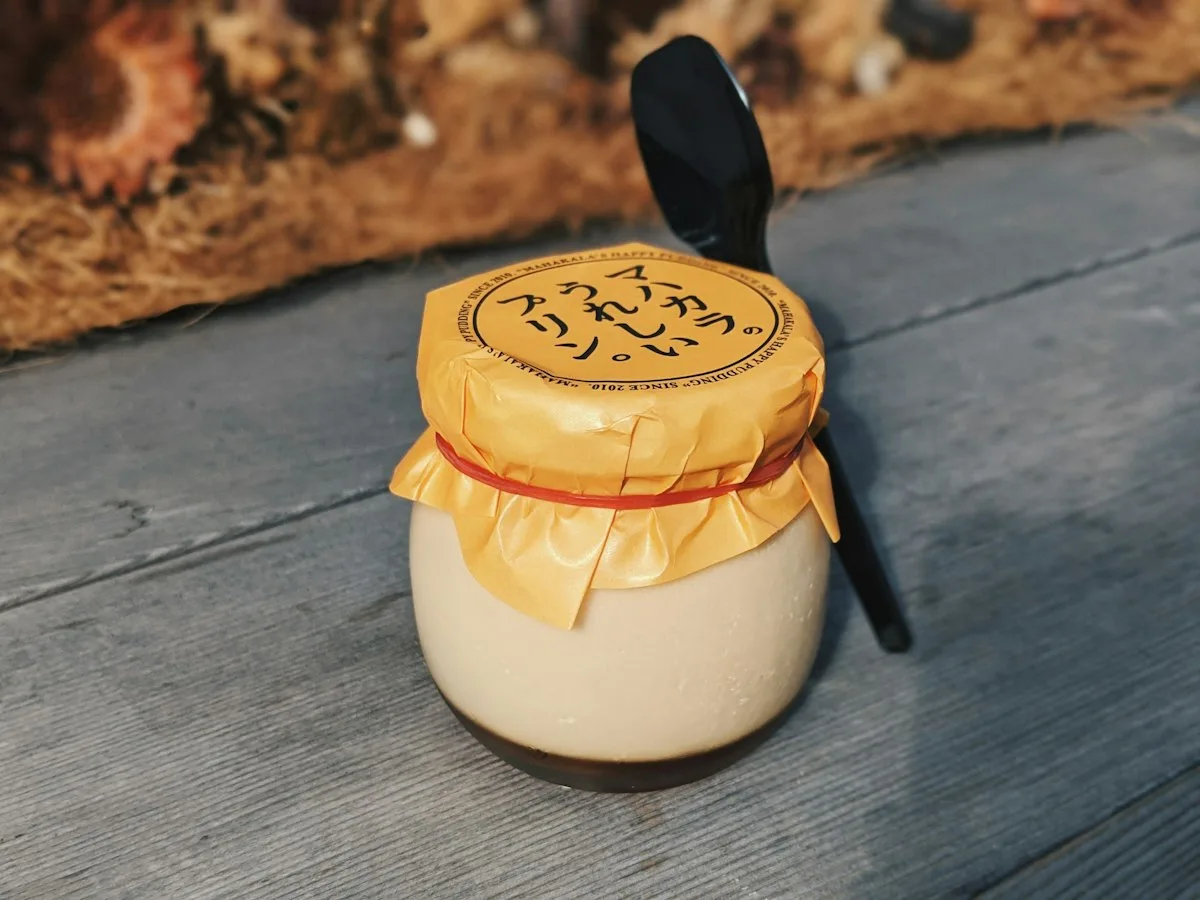
The word pudding means different things in different places. In the United States it is a soft, creamy dessert made from milk, sugar, and a thickener such as cornstarch, in flavors such as vanilla, chocolate, and butterscotch. In Britain, pudding can mean any dessert, and also a family of steamed or baked dishes such as sticky toffee pudding and bread and butter pudding. Caramel custard, also known as flan or purin, is a set custard pudding with a layer of soft caramel.
Where it comes from: Britain for steamed and baked puddings, and the United States for creamy milk puddings.
How it is served: Chilled in a cup or jar for creamy puddings, and warm with custard or cream for British baked and steamed puddings.
The Main Families of Dessert
- Cakes: sponge cakes, layer cakes, cheesecakes, and cupcakes.
- Pies and tarts: a pastry crust with a fruit, custard, or nut filling.
- Cookies and bars: cookies, biscuits, brownies, and blondies.
- Custards and puddings: crème brûlée, flan, panna cotta, and rice pudding.
- Frozen desserts: ice cream, gelato, sorbet, and frozen yogurt.
- Fried desserts: donuts, churros, fritters, and funnel cake.
- Pastries: eclairs, cream puffs, baklava, and croissants.
- Confections: candy, chocolate truffles, fudge, and macarons.
Frequently Asked Questions
What are the main types of dessert?
The main families are cakes, pies and tarts, cookies and bars, custards and puddings, frozen desserts, fried desserts, pastries, and confections.
What is the most popular dessert in the world?
Ice cream is generally regarded as the most widely eaten dessert in the world, with chocolate cake and cheesecake close behind.
What is the difference between ice cream and gelato?
Gelato is made with more milk and less cream, so it is lower in fat. It is also churned more slowly, which adds less air and gives a denser texture.
What is the difference between crème brûlée and panna cotta?
Crème brûlée is a baked custard thickened with egg yolks and topped with hard caramel. Panna cotta contains no eggs and is set with gelatin in the refrigerator.
What is the easiest dessert to make at home?
Brownies, chocolate mousse, and panna cotta all use only a few ingredients and need no special skill.