Magic means very different things to different people. For historians and anthropologists, it covers the rituals, charms, and beliefs that people in every culture have used to try to influence the world through hidden forces. For modern pagans and witches, it is a living spiritual practice. For readers and gamers, it is the engine of fantasy worlds, and for stage performers it is the art of illusion.
This guide sorts the subject into two parts: 20 types of magic, meaning the main traditions and practices, and 16 types of magic users, from witches and druids to the wizards and archmages of fiction. Beliefs about magic are a matter of faith and tradition, and none of these practices has been shown to work scientifically.
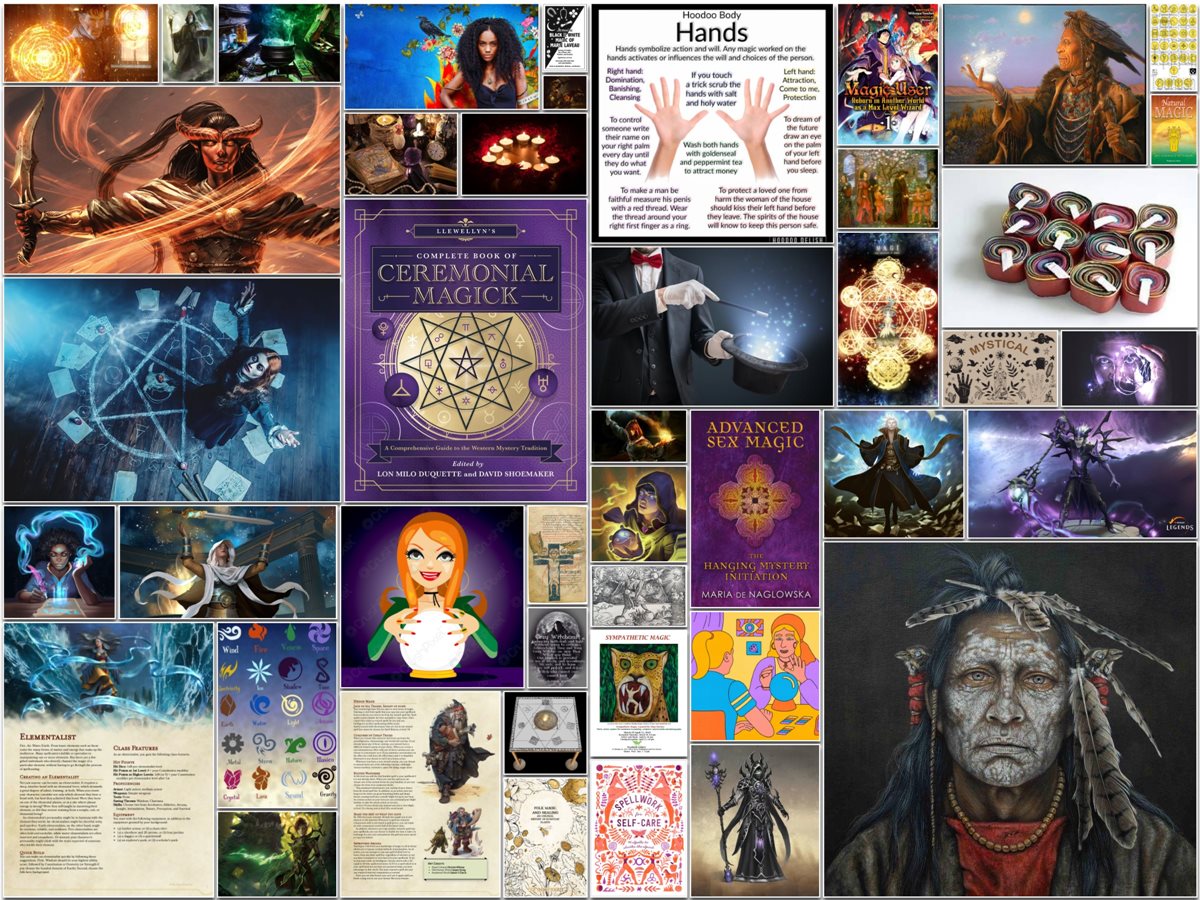
20 Types of Magic
1. Ceremonial Magic (High Magic)
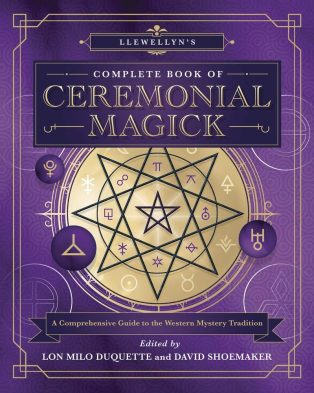
Ceremonial magic, often called high magic, is the formal, scholarly branch of Western magic. Its rituals follow written steps closely, using consecrated tools such as a wand, a chalice, a ritual knife, and a pentacle, along with precise words, symbols, and timing. Its roots lie in medieval and Renaissance grimoires, which were handbooks of spells and rites, and it was shaped in the late 1800s by the Hermetic Order of the Golden Dawn in England. Practitioners usually describe its aim as spiritual development and knowledge of the divine, not simply getting what they want.
2. Folk Magic (Low Magic)
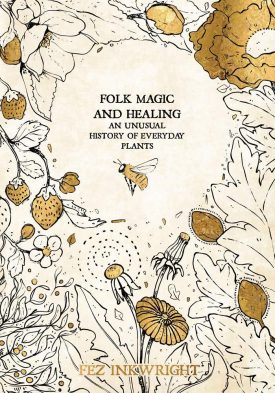
Folk magic is the everyday magic of ordinary people, handed down in families and villages instead of books. It deals with practical problems: protecting a home, curing warts, finding a lost object, bringing luck, or encouraging love. It uses whatever is close at hand, such as herbs, salt, iron nails, coins, candles, and spoken charms. Every culture has its own form, from Appalachian granny magic and Pennsylvania Dutch powwow to Mexican curanderismo and the cunning folk of England.
3. Witchcraft
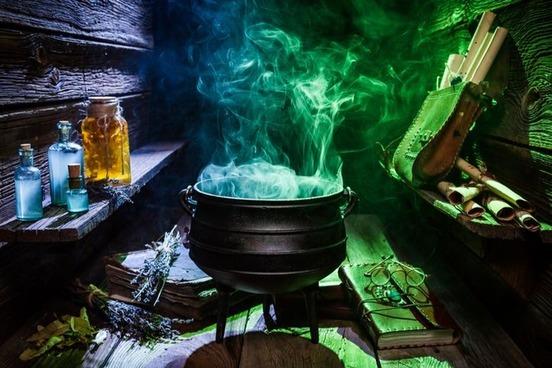
Witchcraft is the practice of magic by a witch. For most of history the word was an accusation, and tens of thousands of people, most of them women, were executed in the European and colonial American witch trials of the 1500s and 1600s. Today many people embrace the term. Modern witchcraft may be religious, as in Wicca, or entirely secular, and it often focuses on herbs, the moon, seasonal festivals, and personal spellwork. There are many paths, such as green, kitchen, and hedge witchcraft.
4. Sympathetic Magic
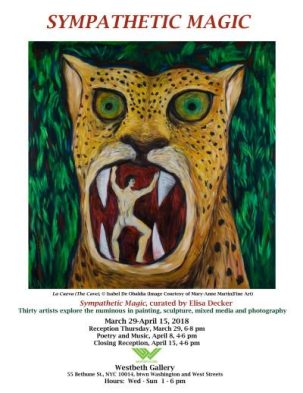
Sympathetic magic rests on the idea that things which resemble each other, or which were once in contact, stay connected. The anthropologist James Frazer described its two laws in The Golden Bough in 1890. The law of similarity says that like produces like, as when a doll stands for a person. The law of contagion says that things once joined keep a link, which is why hair, nail clippings, or a piece of clothing appear in so many traditional spells.
5. Elemental Magic
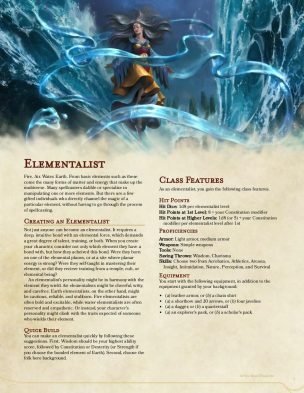
Elemental magic works with the classical elements of earth, air, fire, and water, and often a fifth element called spirit or aether. Each element is linked to a direction, a season, colors, and qualities. Earth stands for stability and money, air for thought and communication, fire for courage and change, and water for emotion and healing. In fantasy books and games, elemental magic is one of the most common magic systems, with characters who command flame, wind, or waves.
6. Natural Magic
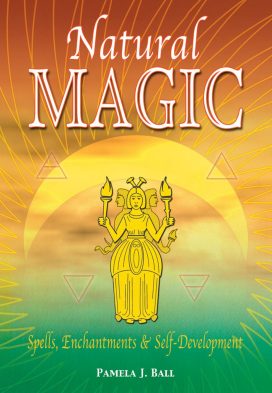
Natural magic was the Renaissance name for magic that used the hidden properties of natural things, such as plants, stones, metals, and the stars, instead of calling on spirits. Writers such as Giambattista della Porta, whose book Natural Magic appeared in 1558, mixed what we would now call early science with magical beliefs. Many of its experiments with magnets, lenses, and chemistry helped lead to modern science.
7. Earth Magic
Earth magic focuses on the land itself: soil, stones, crystals, trees, and the cycles of planting and harvest. Practitioners may bury charms, work with local plants, or hold rituals outdoors at sacred sites. It overlaps closely with green witchcraft and with many Indigenous and pagan traditions that treat the land as alive.
8. Candle Magic
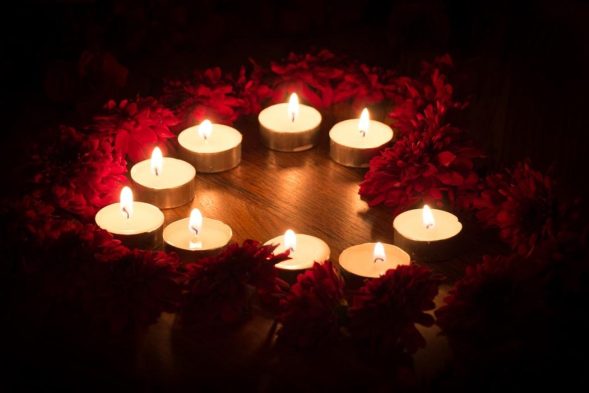
Candle magic is one of the simplest and most popular forms of modern spellwork. A candle is chosen for its color, sometimes carved with a name or symbol, rubbed with oil, and rolled in herbs. It is then lit while the practitioner focuses on a goal, and it is usually allowed to burn down completely. Never leave a burning candle unattended.
9. Color Magic
Color magic gives meaning to colors and uses them in candles, cloth, stones, and ink. Common associations are red for passion and courage, green for money and growth, blue for calm and healing, white for purity and protection, black for banishing, and yellow for clarity. The meanings differ between traditions, and practitioners are encouraged to use what feels right to them.
10. Spellwork and Spellcasting
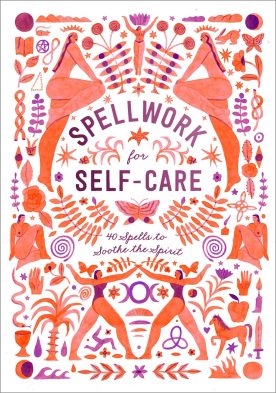
A spell is a deliberate act meant to bring about a change through magical means. Spellwork can be spoken, written, sung, or acted out, and it often combines words, gestures, and objects. A typical modern spell sets a clear intention, gathers materials that symbolize it, raises energy through chanting or concentration, and then releases it. Spells are found in every magical tradition, and in fiction they are the basic unit of every magic system.
11. Divination
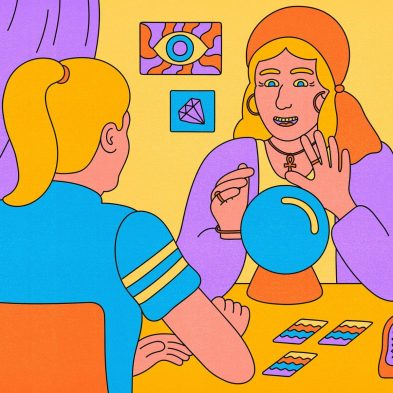
Divination is the practice of seeking knowledge about the future or hidden matters. Tarot cards, astrology, runes, palmistry, tea leaves, pendulums, and the I Ching are all forms of divination. Ancient Romans read the flight of birds and the organs of sacrificed animals. Many modern practitioners treat divination as a tool for reflection rather than fixed prediction.
12. Necromancy
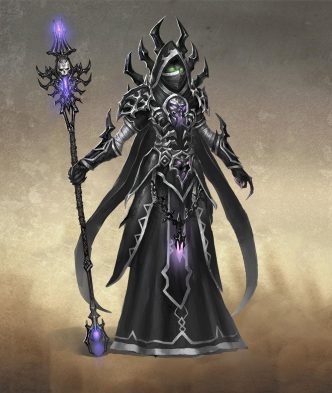
Necromancy is magic that involves the dead, most often calling up the spirits of the dead to ask them about the future. The word comes from Greek words meaning “dead” and “prophecy”. In the Odyssey, Odysseus summons the ghosts of the dead to question them. In fantasy fiction, necromancy usually means raising corpses and controlling the undead.
13. Black, White, and Gray Magic
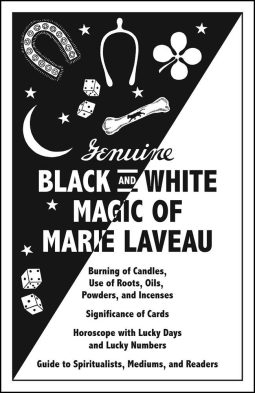
These labels sort magic by its purpose. White magic is used to help, heal, or protect. Black magic is used to harm, curse, or control others. Gray magic sits between the two, for example a spell to win a contest, which helps one person but not another. Many modern practitioners avoid the terms, both because they see intention as what matters and because linking black with evil and white with good has racist overtones.
14. Left-Hand and Right-Hand Paths
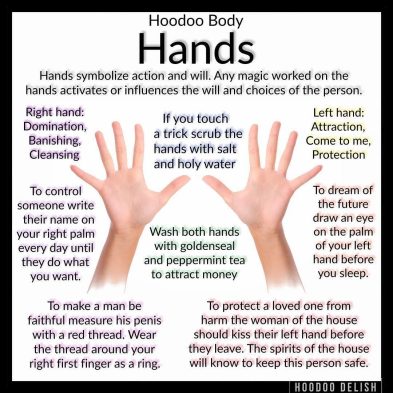
These terms come from Tantric traditions in India and were adopted by Western occultists in the 1800s. The right-hand path follows conventional moral and religious rules and seeks union with the divine. The left-hand path rejects those rules and seeks to strengthen and empower the individual self. Satanism and some forms of chaos magic describe themselves as left-hand paths.
15. Alchemy
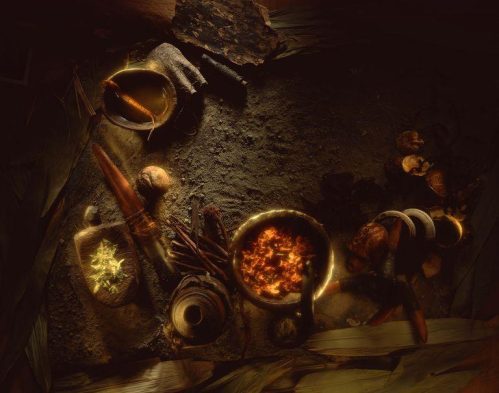
Alchemy was a mix of early chemistry, philosophy, and mysticism practiced in Egypt, China, the Islamic world, and Europe for more than 1,500 years. Alchemists tried to turn base metals such as lead into gold, to find the philosopher’s stone, and to make an elixir of life. They also saw their work as a spiritual journey of purification. Along the way they developed laboratory tools and techniques, such as distillation, that became the foundation of modern chemistry. Isaac Newton wrote more about alchemy than about physics.
16. Enochian Magic
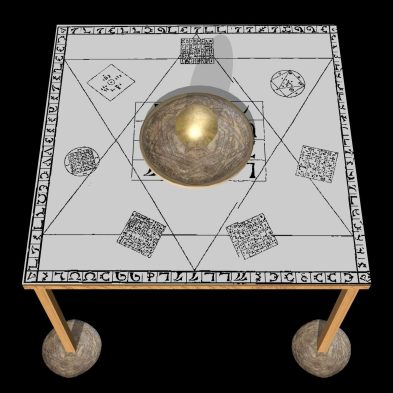
Enochian magic is a system of ceremonial magic based on the writings of John Dee, adviser to Queen Elizabeth I, and his partner Edward Kelley. In the 1580s they claimed that angels had taught them a special language, now called Enochian, along with tables of letters and calls for contacting angelic beings. It was later taken up by the Golden Dawn and remains part of Western ceremonial magic.
17. Renaissance Magic
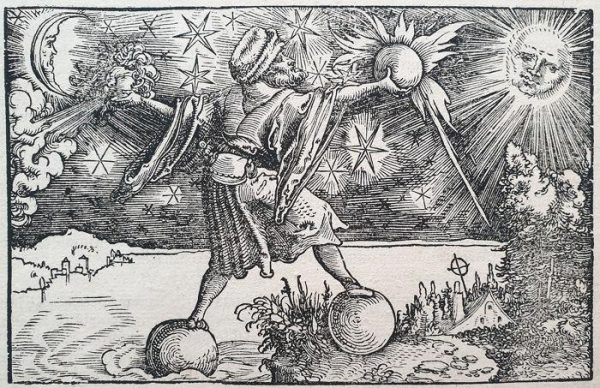
During the Renaissance, scholars rediscovered ancient Greek texts, including the Hermetic writings attributed to the legendary Hermes Trismegistus. Thinkers such as Marsilio Ficino, Pico della Mirandola, and Cornelius Agrippa built learned systems of magic that combined astrology, Kabbalah, and philosophy. Agrippa’s Three Books of Occult Philosophy, published in 1533, became one of the most influential magic books ever written.
18. Neoplatonic Magic (Theurgy)
Theurgy, meaning “divine work”, was the ritual magic of the late Neoplatonist philosophers of the ancient world, such as Iamblichus. They believed that rituals, chants, and sacred objects could help the soul rise toward the divine. It was religious more than practical, and it later influenced Renaissance and Western ceremonial magic.
19. Sex Magic
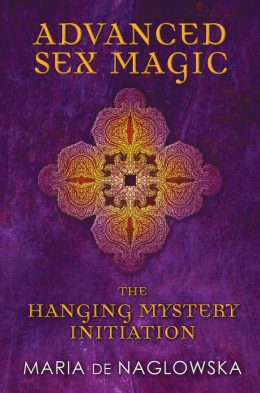
Sex magic uses sexual energy and acts in ritual, with the aim of focusing intention or reaching altered states of consciousness. Ideas of this kind appear in some Tantric traditions, and in the West it is most associated with the American occultist Paschal Beverly Randolph in the 1800s and with Aleister Crowley in the early 1900s.
20. Animal Magic
Animal magic works with the symbolism or spirit of animals. It includes totem and spirit animals, familiars, which in folklore are animal companions of witches, and the use of animal parts such as feathers and bones in charms. Many practitioners study the behavior of an animal to understand the qualities they want to draw on, such as the courage of a lion or the patience of a heron.
16 Types of Magic Users
21. Witch
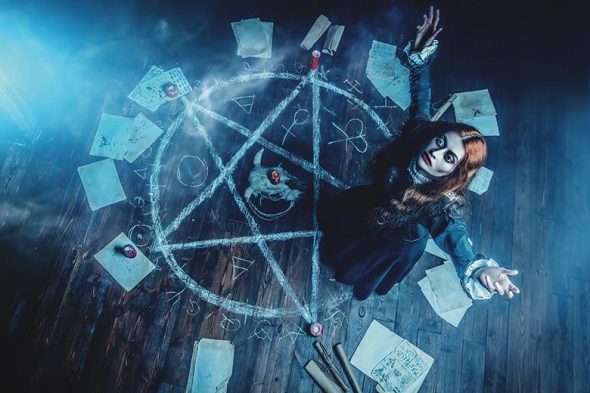
A witch is a person who practices witchcraft. In folklore the witch was usually a feared figure who flew at night and made pacts with the devil. Today the word is used with pride by many practitioners of all genders, especially in Wicca and modern pagan movements, and in popular culture witches range from the Wicked Witch of the West to Hermione Granger.
22. Wizard
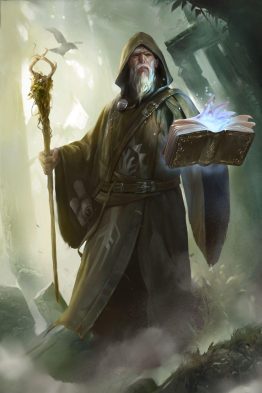
A wizard is a man who practices magic, especially in stories. The word comes from the Middle English “wys”, meaning wise, so a wizard was originally simply a wise man. Fantasy literature has made the wizard an iconic figure, usually old, bearded, robed, and carrying a staff, like Merlin, Gandalf, and Dumbledore.
23. Warlock
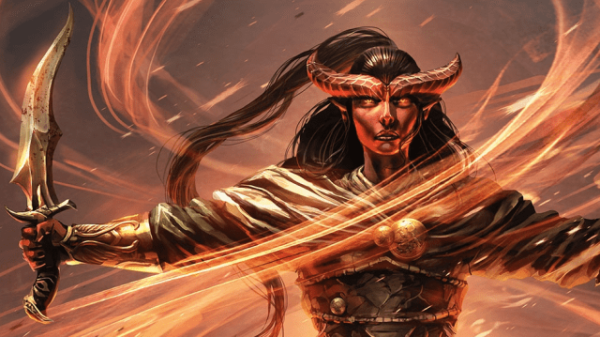
Warlock comes from an Old English word meaning “oath-breaker” or “deceiver”, and it was long used as an insult. Over time it came to mean a male witch, although many male witches dislike the term because of its origin. In fantasy games such as Dungeons & Dragons, a warlock is a magic user who gains power through a pact with a powerful being.
24. Sorcerer and Sorceress
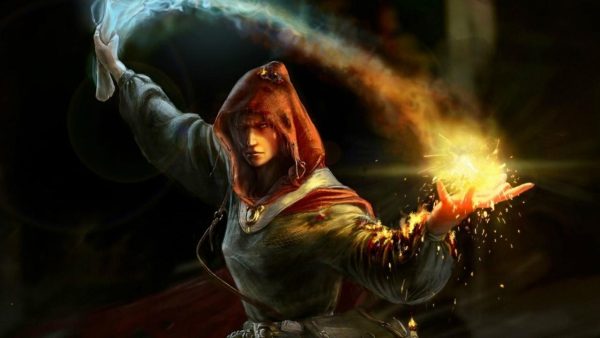
A sorcerer, or a sorceress if female, is someone who practices sorcery. In older usage this often meant magic used for harmful or selfish ends. In fantasy fiction, sorcerers are often born with natural magical power, as opposed to wizards who learn magic through study.
25. Mage and Magus
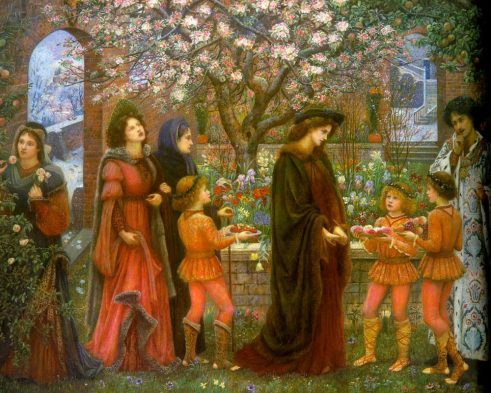
Mage and magus are general words for a magic user, from the Latin “magus” and the Old Persian “magush”. The original magi were Zoroastrian priests of ancient Persia, and the three wise men in the Christian nativity story are called the Magi. The words “magic” and “magician” come from the same root.
26. Druid
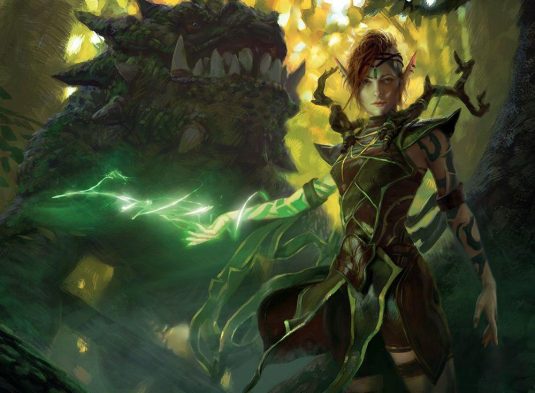
The druids were the learned priestly class of the ancient Celts in Gaul, Britain, and Ireland. They acted as priests, judges, teachers, and advisers to kings, and they memorized their knowledge instead of writing it down, so most of what we know comes from Roman and later Christian writers. Modern Druidry, which began in the 1700s, is a nature-based spiritual movement whose members gather at sites such as Stonehenge for the solstices.
27. Shaman
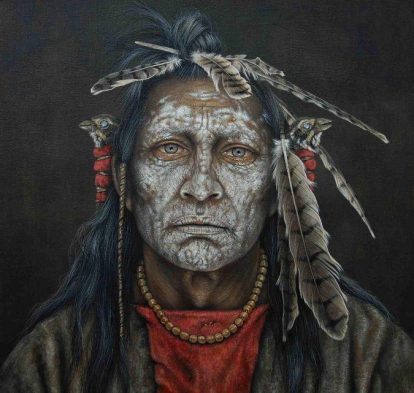
Shaman comes from the Evenki language of Siberia, where it described a spiritual healer who enters a trance to communicate with spirits on behalf of the community. The word is now used, sometimes loosely, for spiritual practitioners in many cultures around the world. Drumming, chanting, dancing, and fasting are common ways of entering the trance state.
28. Bruja and Brujo
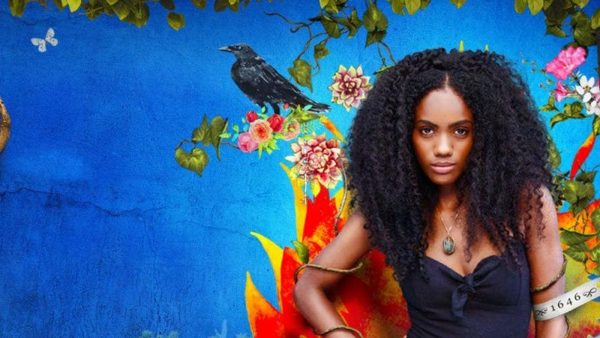
Bruja (female) and brujo (male) are the Spanish words for a witch. In Latin American and Latino traditions, brujería blends Indigenous, African, and Catholic practices, including healing, protection, and love work. A related figure, the curandero or curandera, is a folk healer who is generally seen as a positive force in the community.
29. Necromancer
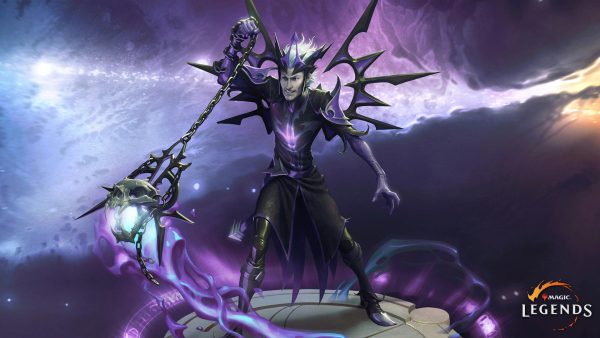
A necromancer is someone who practices necromancy, the art of communicating with or controlling the dead. Necromancers were feared and condemned in the Middle Ages. In fantasy fiction they are classic villains, raising armies of skeletons and zombies, as in many video games and novels.
30. Enchanter and Enchantress
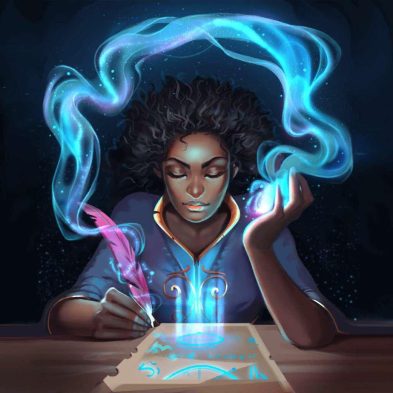
An enchanter, or enchantress, is a magic user who specializes in charms and spells that affect the mind, such as making someone fall asleep, fall in love, or forget. In Arthurian legend, Morgan le Fay and the Lady of the Lake are famous enchantresses, and Circe in Greek myth turns Odysseus’s men into pigs.
31. Exorcist
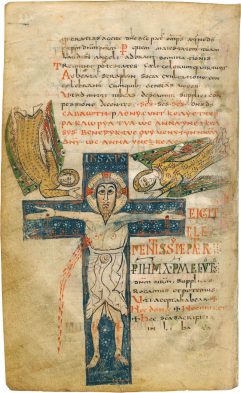
An exorcist is a person who tries to drive out evil spirits or demons from a person, place, or object. The Catholic Church still appoints trained priests as official exorcists, using a rite revised in 1999, and similar practices exist in many other religions. The 1973 film The Exorcist made the role famous worldwide.
32. Psychic, Seer, and Medium
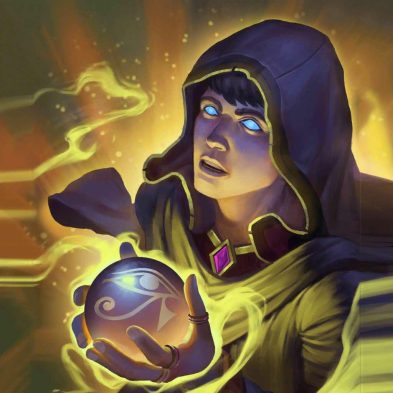
These are people who claim to perceive things beyond the ordinary senses. A seer foresees the future, a psychic claims to sense hidden information through extrasensory perception, and a medium claims to communicate with the spirits of the dead, a practice that became hugely popular during the Spiritualist movement of the late 1800s. Scientific tests have not shown these abilities to be real.
33. Mentalist

A mentalist is a stage performer who appears to read minds, predict choices, or influence thoughts. The effects are created with psychology, observation, suggestion, and clever methods, and most modern mentalists say openly that they have no supernatural powers. Derren Brown is one of the best-known mentalists working today.
34. Hedge Witch and Hedge Wizard
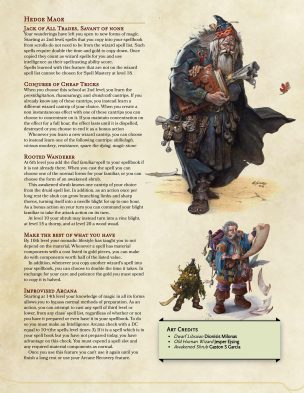
A hedge witch is a solitary practitioner who works outside any formal tradition or coven. The name refers to the hedge that once marked the edge of a village, standing for the boundary between the everyday world and the spirit world. Hedge witches often focus on herbalism, healing, and trance work.
35. Cleric
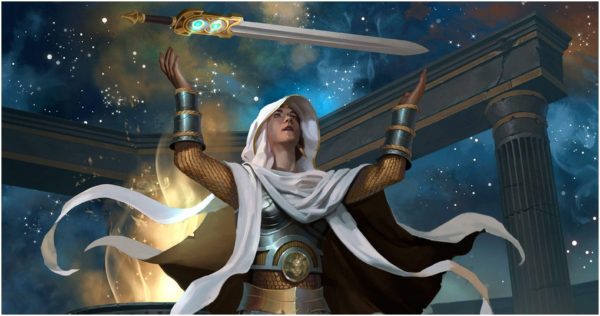
In fantasy role-playing games such as Dungeons & Dragons, a cleric is a magic user whose spells come from a god. Clerics usually specialize in healing, protection, and turning back the undead, and they often fight in armor. The word originally simply meant a member of the clergy.
36. Archmage
An archmage is a magic user of the highest rank, the master of all other mages. The title is used in fantasy fiction and games, such as the Earthsea novels of Ursula K. Le Guin, where Ged rises to become Archmage of the wizards’ school on Roke.
Magic as Belief, Magic as Performance
The word magic covers two very different things, and it helps to keep them apart.
- Magic as belief or practice is the idea that rituals, words, symbols, or natural objects can influence events. It appears in the folk traditions and religions of nearly every culture, and it is the subject of most of this list. Its effects are a matter of faith and tradition, not scientific evidence.
- Magic as performance is stage magic, or illusion. Magicians use sleight of hand, misdirection, and clever props to create effects that only seem impossible. Card tricks, mentalism, escapes, and grand illusions belong here.
- Magic in fiction borrows from both. Fantasy books, films, and games build detailed magic systems with their own rules, such as elemental magic or necromancy.
Frequently Asked Questions
What is the difference between high magic and low magic?
High magic, or ceremonial magic, uses formal, complex rituals and is aimed at spiritual development. Low magic, or folk magic, uses simple, practical methods for everyday concerns such as health, luck, and protection.
What is the difference between black magic and white magic?
In popular use, white magic is done to help or heal and black magic is done to harm or control. Many modern practitioners reject the labels and say that intention is what matters.
What are the four elements in magic?
Western traditions work with earth, air, fire, and water. Many add a fifth element called spirit or aether.
Is witchcraft the same as Wicca?
No. Witchcraft is a practice that people of many beliefs follow. Wicca is a specific modern pagan religion, founded in England in the mid-1900s, whose members often practice witchcraft.
What do stage magicians actually do?
They perform illusions using skill and psychology. Techniques include sleight of hand, misdirection, hidden mechanisms, and practiced showmanship.
Related Guides
- Types of Dragons
- Types of Art
- Types of Hindu Gods
- Types of Books and Genres
- Types of Figurative Language