The main types of pizza are Neapolitan, Margherita, pepperoni, New York-style, Sicilian, Hawaiian, veggie pizza, and the folded calzone, along with American regional styles such as Chicago deep dish and Detroit-style. Each one below has a picture and explains the crust, the toppings, and where it comes from.
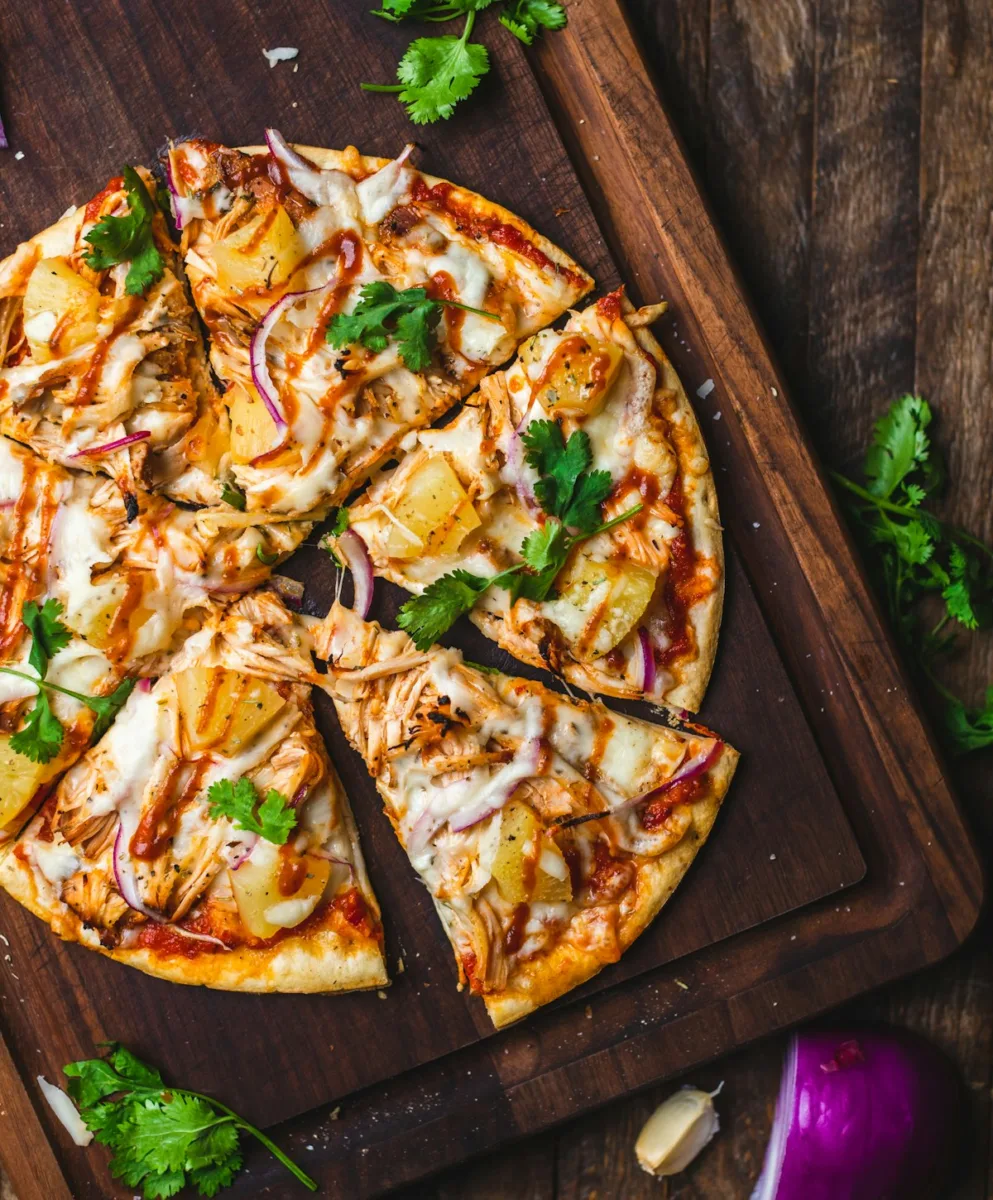
Types of Pizza at a Glance
| Pizza | Crust | Shape | Origin |
|---|---|---|---|
| Neapolitan | Thin, soft, puffy edge | Round | Naples, Italy |
| Margherita | Thin | Round | Naples, Italy |
| Pepperoni | Any | Round | United States |
| New York-style | Thin, foldable | Large round, sold by the slice | New York City |
| Sicilian | Thick, spongy | Rectangular | Sicily, Italy |
| Hawaiian | Any | Round | Canada |
| Veggie | Any | Round | Worldwide |
| Calzone | Folded dough | Half-moon | Naples, Italy |
| Chicago deep dish | Deep, buttery | Round, tall sides | Chicago |
| Detroit-style | Thick, crispy edges | Rectangular | Detroit |
Different Types of Pizza with Pictures
1. Neapolitan Pizza
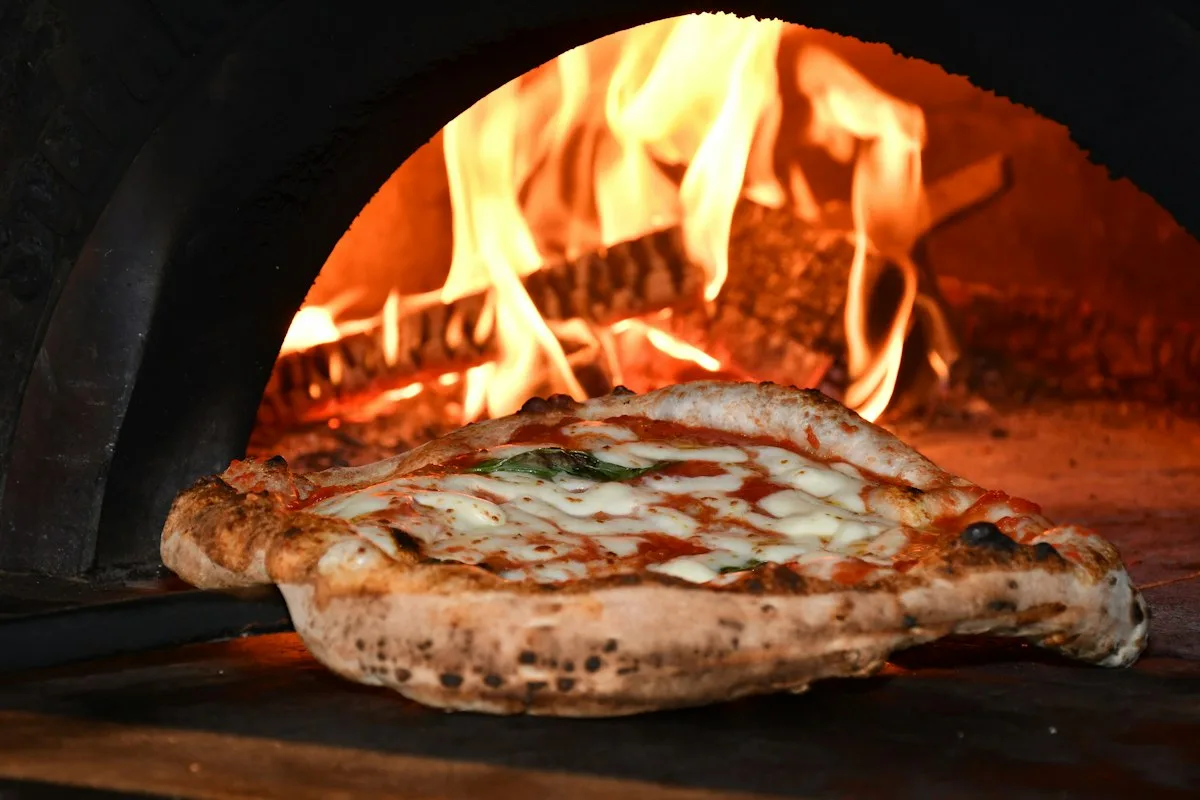
Neapolitan pizza is the original pizza from Naples, Italy. The dough is made from only flour, water, salt, and yeast, stretched by hand, and baked for 60 to 90 seconds in a wood-fired oven at around 900 degrees Fahrenheit. That extreme heat puffs the rim and leaves dark, blistered spots known as leopard spotting. Toppings are kept to a minimum: crushed San Marzano tomatoes, fresh mozzarella, basil, and olive oil. The center is soft and wet, so it is usually eaten with a knife and fork or folded.
The style is taken seriously enough to have its own rulebook. An association in Naples, the Associazione Verace Pizza Napoletana, certifies pizzerias around the world that follow the traditional method, and in 2017 UNESCO added the craft of the Neapolitan pizza maker to its list of intangible cultural heritage. If you want to taste dough, tomato, and cheese at their simplest, this is the one to order, and it is best eaten within minutes of leaving the oven.
2. Margherita Pizza
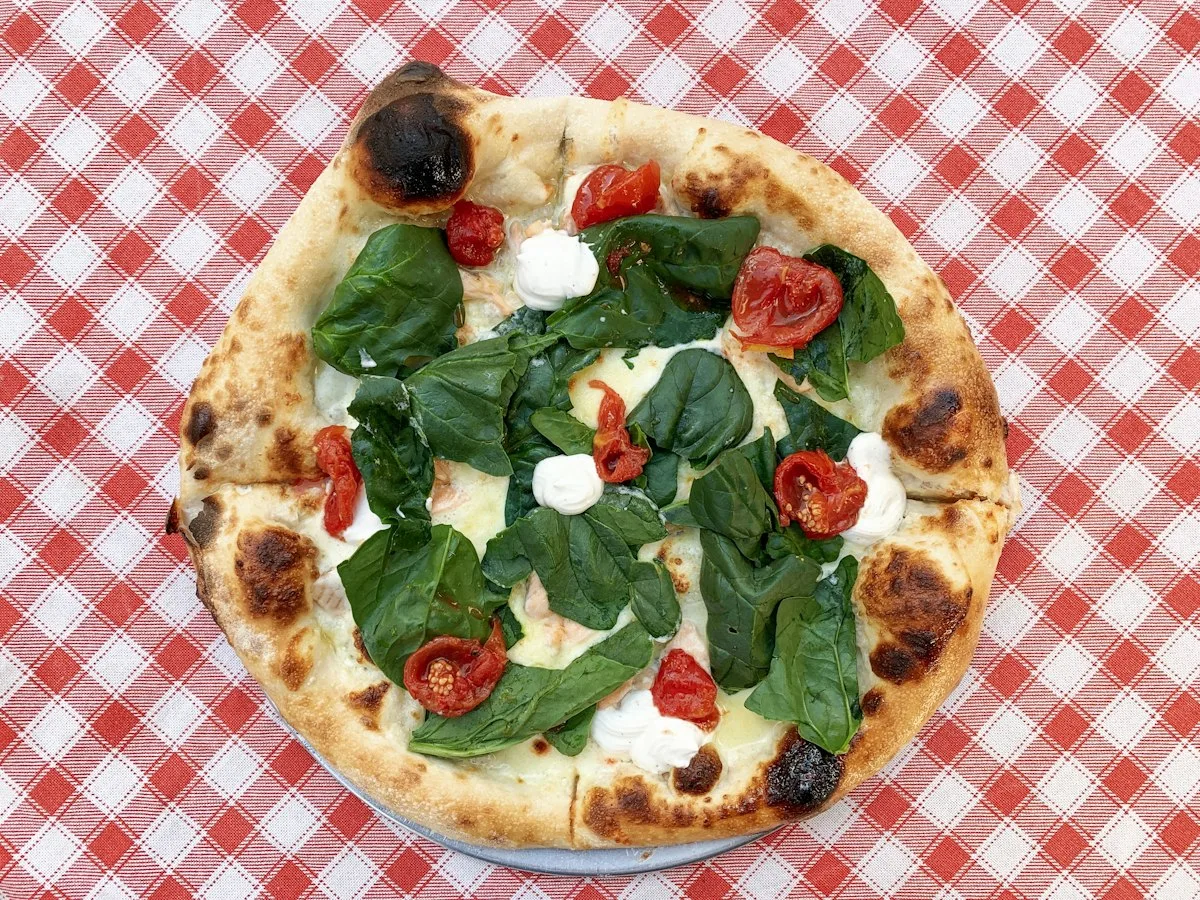
Margherita is the best-known Neapolitan pizza and is topped with just tomato sauce, fresh mozzarella, and basil leaves. The red, white, and green match the colors of the Italian flag. According to a popular story, it was named in 1889 for Queen Margherita of Savoy when she visited Naples. With so few ingredients, the quality of each one matters a great deal. The basil is often added after baking so it stays green and fragrant.
Pizza makers often say the Margherita is the truest test of a pizzeria, because there is nothing to hide behind. A good one has a bright, lightly cooked tomato sauce, milky pools of mozzarella, and a base that is thin in the middle with a puffy edge. It is the natural pick for vegetarians and for anyone trying a new pizza place for the first time.
3. Pepperoni Pizza
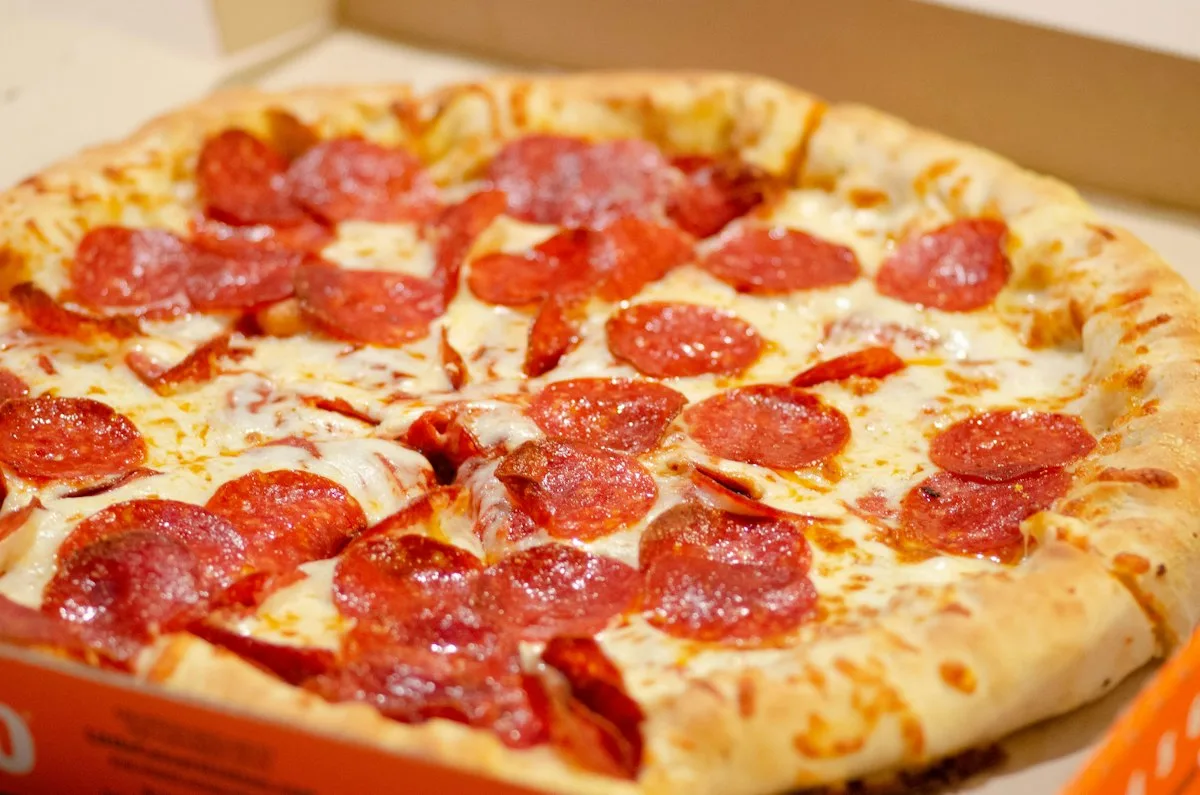
Pepperoni pizza is the most ordered pizza in the United States. Pepperoni is an American cured sausage made from pork and beef and seasoned with paprika and chili, and it is not found in traditional Italian cooking. In Italy, the similar word peperoni means bell peppers. As the pizza bakes, the thin slices release their spicy oil and the edges curl up and crisp. Small slices that curl into bowls are known as cup-and-char pepperoni.
Pepperoni works on almost any base, from a thin New York slice to a thick pan pizza, which is part of why it became the default American order. The salty, spicy meat and its orange oil balance the mild cheese, and the crisp edges add texture. It is the safe choice for parties and family dinners, though the spice may be too much for very young children.
4. New York-Style Pizza
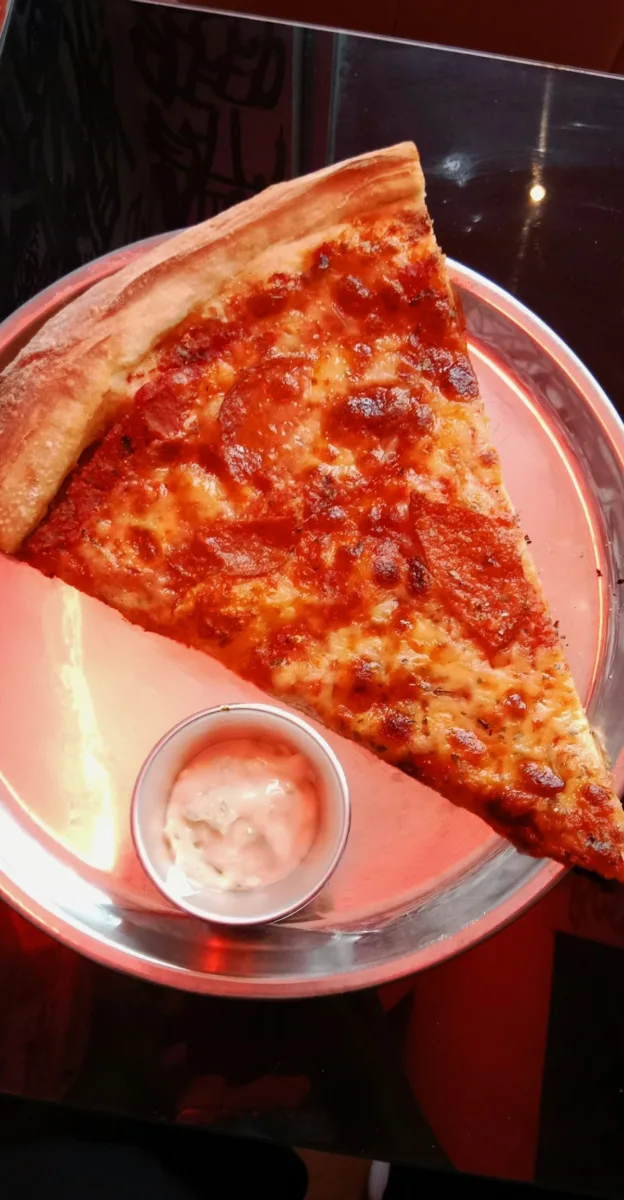
New York-style pizza grew out of the Neapolitan pizzas made by Italian immigrants in New York City in the early 1900s. The pies are very large, usually 18 inches or more across, and are sold whole or by the slice. The dough contains a little oil and sugar and is baked in a gas deck oven at a lower heat than a wood-fired oven, which gives a crust that is crisp underneath but still flexible. The classic way to eat a slice is to fold it in half lengthwise.
Much of the character comes from the crust: crisp on the underside, chewy at the rim, and thin enough to bend without breaking. Locals like to credit the city’s tap water for the flavor of the dough, although the high-gluten flour and long, cold fermentation probably matter more. A plain cheese slice is the classic order, and it is made for eating on the move.
5. Sicilian Pizza
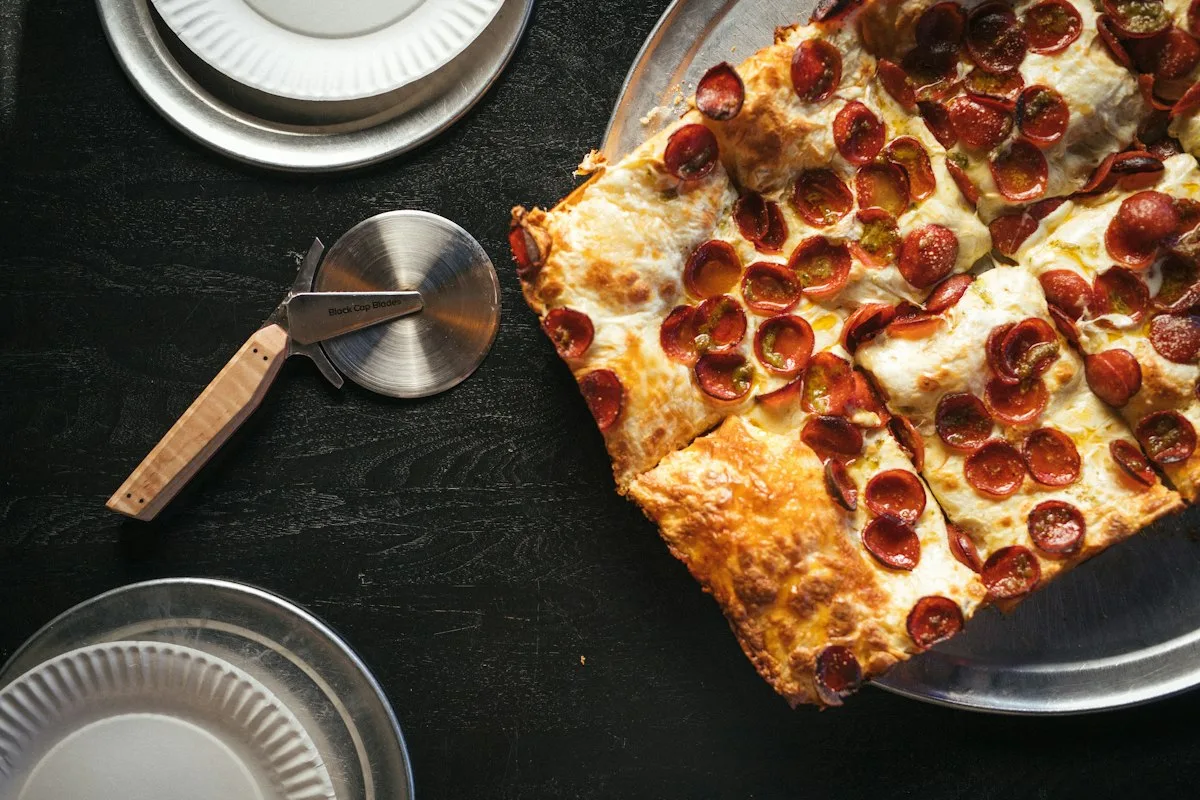
Sicilian pizza is thick, rectangular, and baked in an oiled pan. In Sicily the traditional version, called sfincione, has a soft, bread-like base topped with tomato, onions, anchovies, breadcrumbs, and a hard sheep’s milk cheese. The American version, developed by Sicilian immigrants, uses mozzarella and tomato sauce on a thick, airy crust. It is cut into squares, and the corner pieces have the crispiest edges.
What sets it apart is the amount of bread. The dough rises in the pan, so the inside is tall, soft, and full of air, like focaccia, while the olive oil underneath fries the bottom until it is crisp. In New York, the “grandma pie” is a thinner cousin baked in the same kind of pan. Sicilian is the one to choose when you are feeding a hungry group or prefer a thick base.
6. Hawaiian Pizza
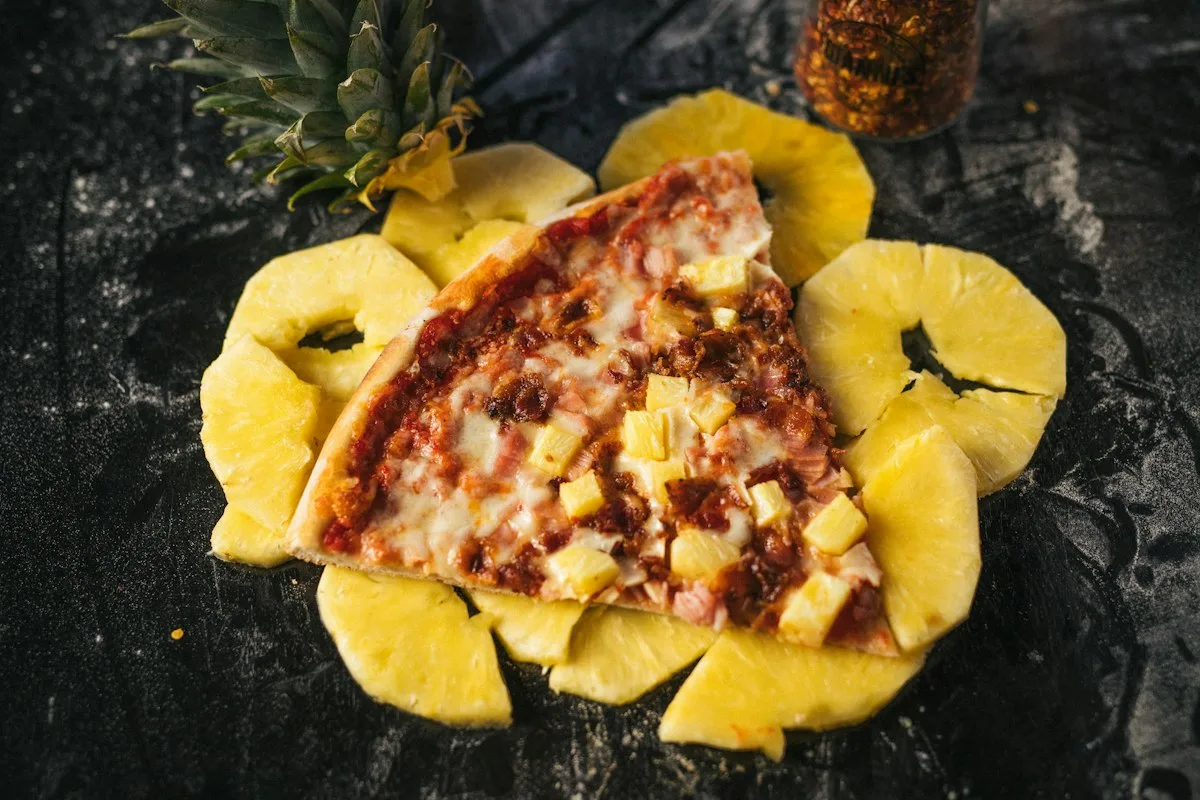
Hawaiian pizza is topped with tomato sauce, cheese, ham, and pineapple. It does not come from Hawaii. It was created in 1962 in Ontario, Canada, by Sam Panopoulos, a Greek-born restaurant owner who tried canned pineapple on a pizza out of curiosity. The name came from the brand of canned pineapple he used. It remains one of the most argued-about pizzas in the world, with people firmly for or against fruit on pizza.
The appeal is the contrast of sweet, juicy pineapple against salty ham and cheese. It usually sits on a medium-thick American crust, and using fresh pineapple or draining canned pineapple well keeps the base from going soggy. Bacon or jalapenos are common additions. If you like sweet and salty flavors together, it is worth ignoring the debate and trying a slice.
7. Veggie Pizza
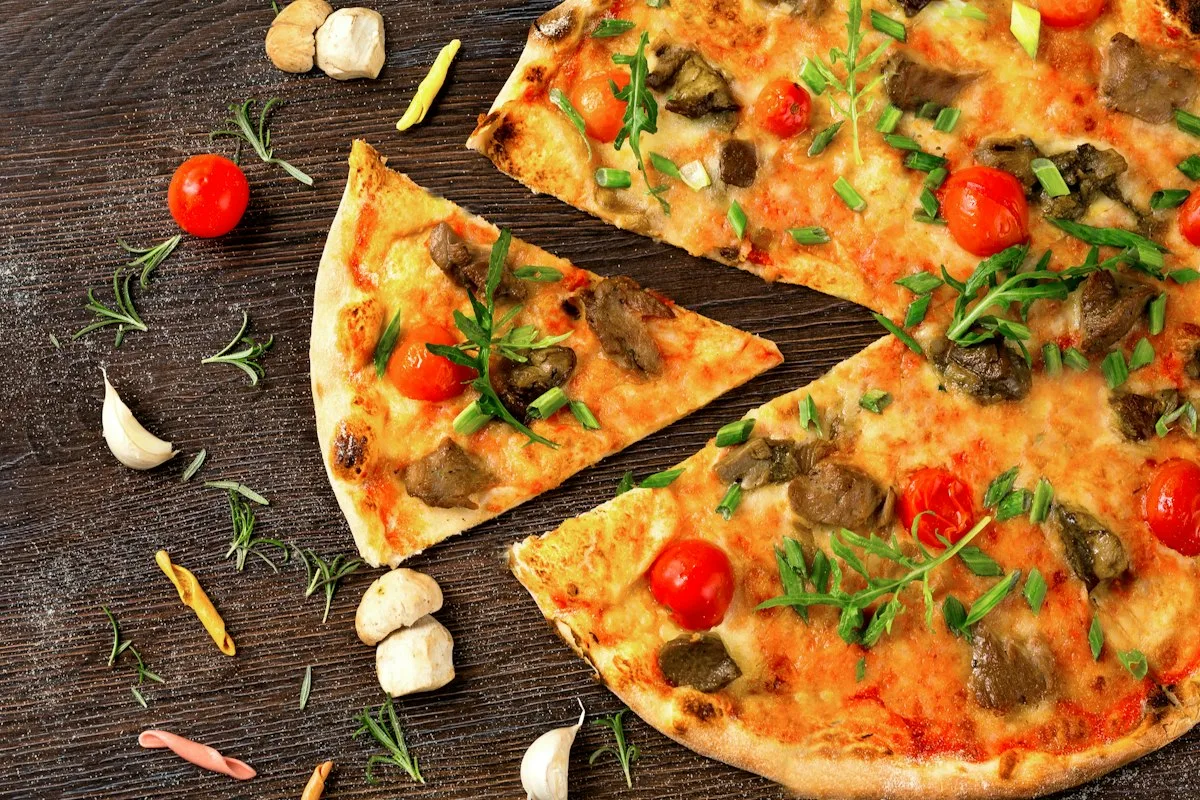
A veggie pizza is topped with vegetables instead of meat. Common choices are bell peppers, onions, mushrooms, black olives, tomatoes, spinach, and sweetcorn. Vegetables hold a lot of water, so watery ones such as mushrooms and spinach are best cooked or patted dry first to keep the base from turning soggy. Using vegan cheese, or leaving the cheese off, makes it suitable for vegans.
A thin, crisp base stands up best to the moisture in the toppings. Combinations worth trying include mushroom with spinach and garlic, roasted peppers with red onion and olives, or a white pizza with ricotta and zucchini in place of the tomato sauce. It is the obvious choice for vegetarians and a good way to make pizza feel like a lighter meal.
8. Calzone
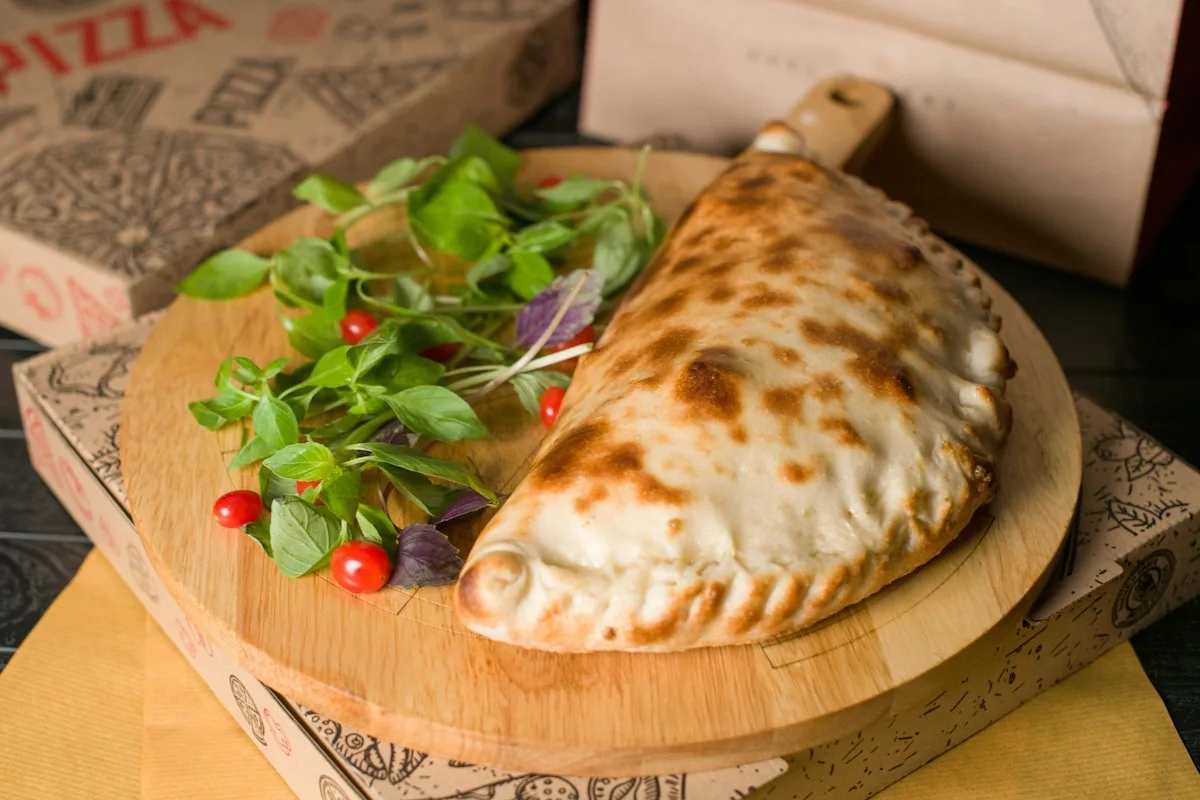
A calzone is a pizza folded in half and sealed along the edge to make a half-moon pocket, then baked. It began in Naples as a pizza that could be carried and eaten while walking. The usual filling is ricotta, mozzarella, and ham or salami, and the tomato sauce is often served on the side for dipping. A small slit in the top lets steam escape. It is different from a stromboli, which is rolled into a log and sliced.
Baked properly, the outside is golden and crisp and the inside is soft and steamy, so let it rest for a minute before cutting in. In Naples there is also a deep-fried version, called pizza fritta. A calzone is a full meal for one person and is easier to eat by hand than a slice with loose toppings.
More Types of Pizza
- Chicago deep dish: baked in a deep round pan, with the cheese on the bottom and chunky tomato sauce on top.
- Detroit-style: a thick rectangular pizza with crispy, caramelized cheese edges and stripes of sauce on top.
- Greek pizza: baked in an oiled pan, with a chewy crust and often feta, olives, and oregano.
- California-style: a thin crust with non-traditional toppings such as goat cheese, artichokes, or barbecue chicken.
- St. Louis-style: a cracker-thin crust with Provel cheese, cut into small squares.
- White pizza: made without tomato sauce, using olive oil, garlic, ricotta, and mozzarella.
For the cheese that goes on top, see our guide to types of cheese. For other Italian favorites, see types of pasta and types of bread, and for what to pour with it, types of wine.
Frequently Asked Questions
What is the most popular type of pizza?
Pepperoni is the most popular pizza in the United States. Worldwide, the Margherita is the best-known pizza.
What is the difference between Neapolitan and New York-style pizza?
Neapolitan pizza is small, soft, and baked very fast in a wood-fired oven. New York-style pizza is much larger, crisper, baked longer at a lower temperature, and sold by the slice.
What is the difference between a calzone and a stromboli?
A calzone is folded into a half-moon and usually contains ricotta. A stromboli is rolled into a log, sliced, and usually has sauce inside.
Where was Hawaiian pizza invented?
Hawaiian pizza was invented in Ontario, Canada, in 1962. It was named after the brand of canned pineapple that was used.
What is the original type of pizza?
Neapolitan pizza from Naples, Italy, is considered the original modern pizza. The Marinara and the Margherita are its two classic versions.