The most common types of berries are strawberries, blueberries, raspberries, blackberries, and cranberries, followed by gooseberries, mulberries, red and black currants, elderberries, and grapes. Each one below has a picture, what it tastes like, and how it is usually eaten. You will also see which ones are true berries in the botanical sense, because many of the fruits we call berries are not.
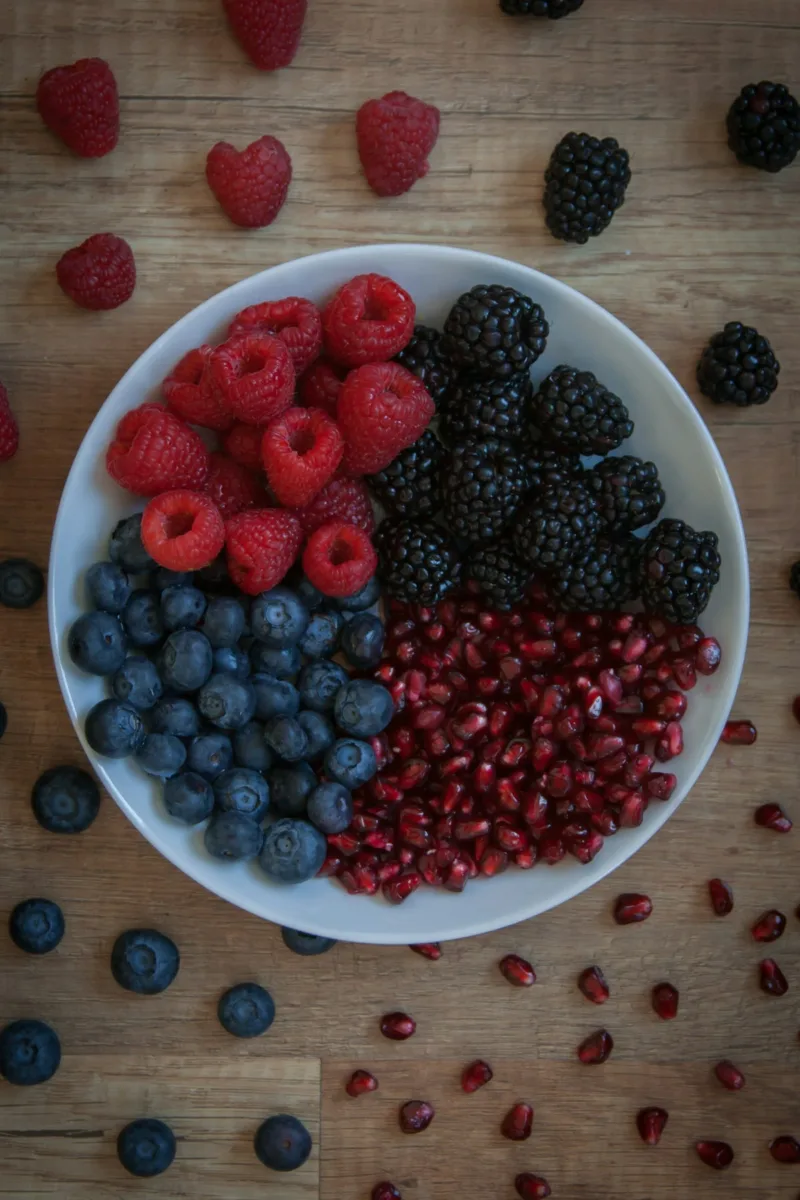
Types of Berries at a Glance
| Berry | Color | Taste | True berry? |
|---|---|---|---|
| Strawberry | Red | Sweet | No |
| Blueberry | Blue-purple | Sweet, mild | Yes |
| Raspberry | Red | Sweet-tart | No |
| Blackberry | Black-purple | Sweet-tart | No |
| Cranberry | Deep red | Very tart | Yes |
| Gooseberry | Green, red, or yellow | Tart | Yes |
| Mulberry | Black, red, or white | Sweet | No |
| Red currant | Bright red | Tart | Yes |
| Black currant | Black-purple | Tart, strong | Yes |
| Elderberry | Dark purple | Tart, earthy | No |
| Grape | Green, red, or purple | Sweet | Yes |
Different Types of Berries with Pictures
1. Strawberries
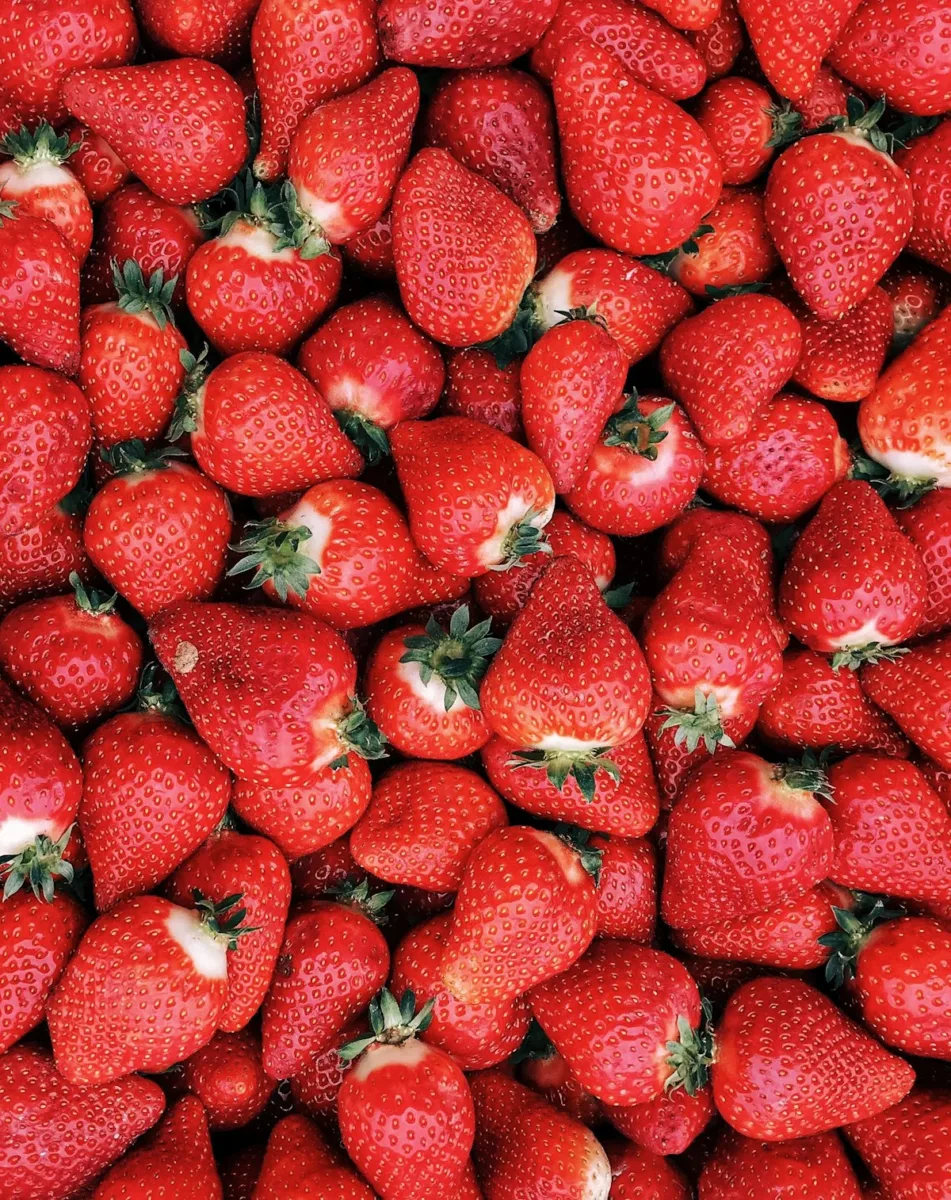
Strawberries are the most popular berry in the world. They are heart-shaped and bright red, with a green leafy cap and about 200 tiny seeds on the outside. Botanically the strawberry is not a true berry: the red flesh grows from the base of the flower, and each of those seeds is technically a separate fruit. They are at their best in late spring and early summer and do not ripen further after picking, so choose ones that are red all the way to the top.
Taste: Sweet and juicy, with a light tartness and a strong perfume.
Best used for: Eating fresh, strawberry shortcake, jam, smoothies, and dipping in chocolate.
2. Blueberries
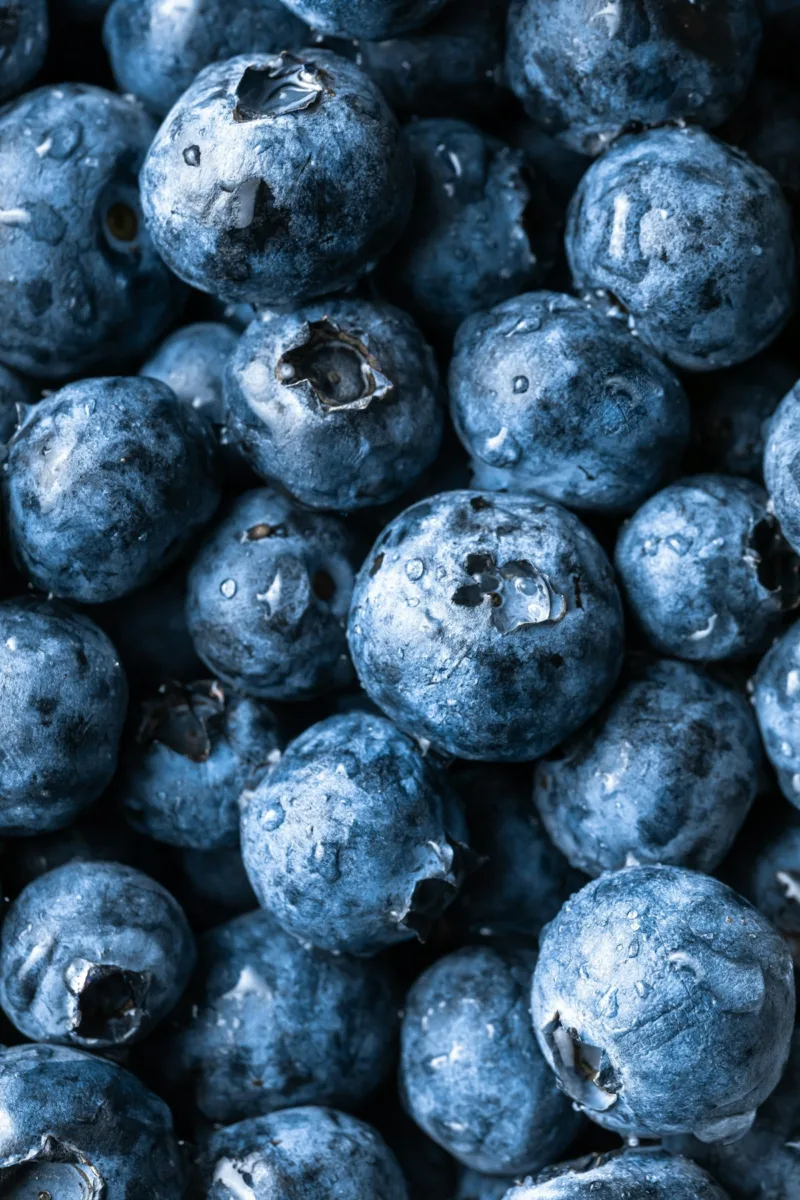
Blueberries are small, round, deep blue berries with a silvery coating called bloom, which is a natural wax that protects the fruit. They are true berries and are native to North America. Highbush blueberries are the large cultivated kind sold fresh in stores, and lowbush, or wild, blueberries are smaller and more intense in flavor. They freeze extremely well.
Taste: Sweet and mild, with a slight tang. Wild blueberries taste stronger.
Best used for: Muffins, pancakes, pies, smoothies, and breakfast bowls.
3. Raspberries
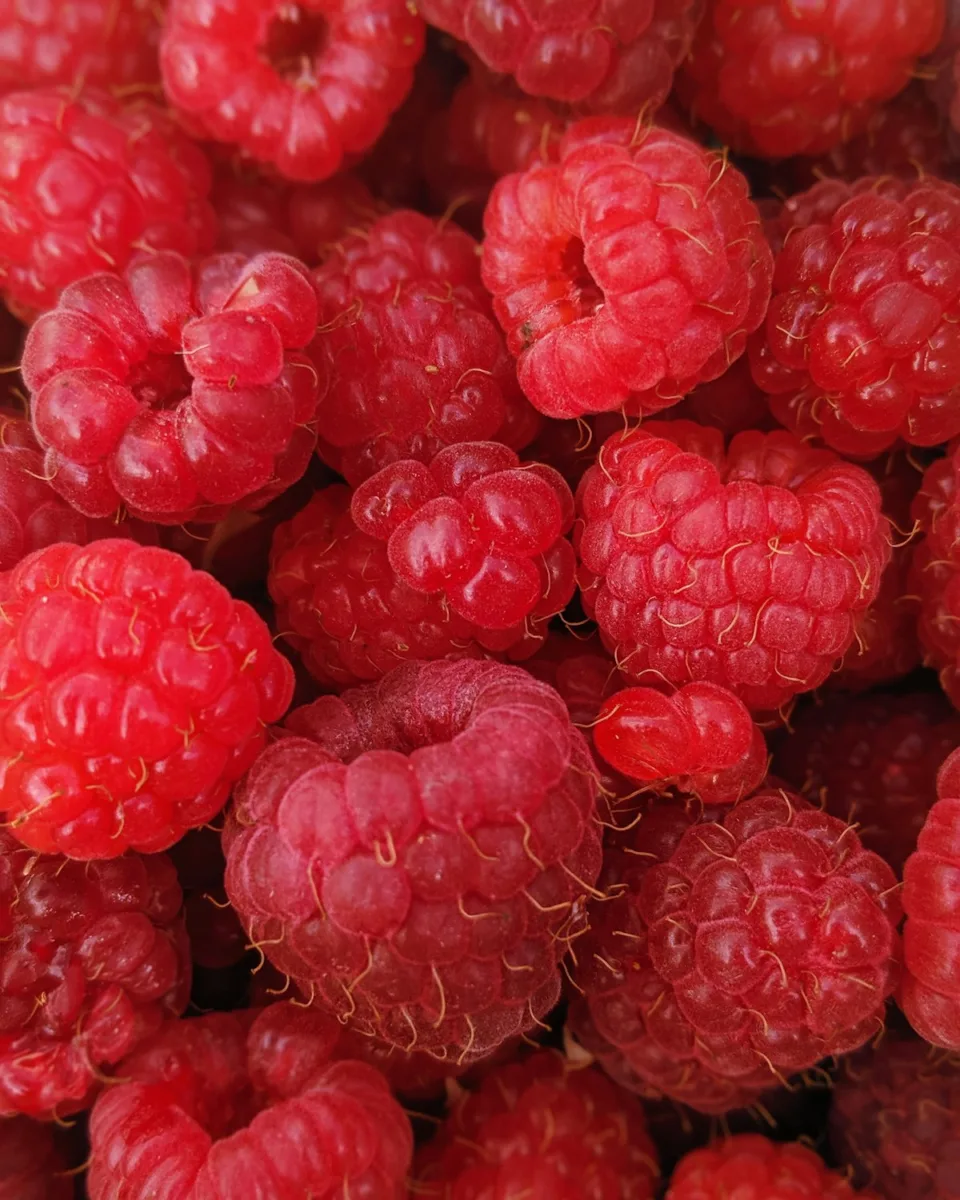
Raspberries are soft, delicate berries made up of many tiny juicy beads called drupelets, each with a small seed. When a raspberry is picked, the core stays on the plant, so the berry is hollow, like a thimble. Red is the most common color, but golden, purple, and black raspberries are grown as well. They are fragile and spoil quickly, so they are best eaten within a day or two.
Taste: Sweet and tart at once, with a floral aroma.
Best used for: Eating fresh, desserts, sauces, jam, and pairing with chocolate.
4. Blackberries
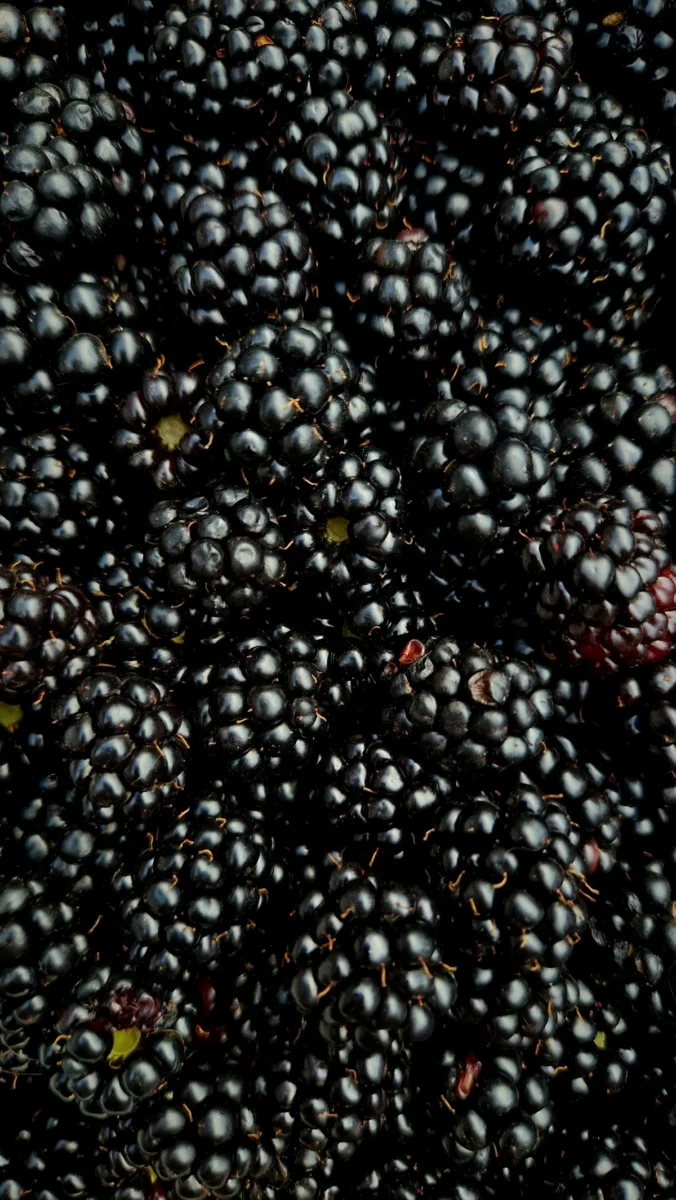
Blackberries look like large, dark raspberries, but there is a simple way to tell them apart: when a blackberry is picked, the pale core comes away with the fruit, so it is solid in the middle. They grow on thorny canes called brambles, both on farms and wild along hedges and paths. A fully ripe blackberry is dull black, not shiny, and comes off the plant with a gentle pull.
Taste: Sweet when fully ripe, and tart and slightly earthy when not.
Best used for: Pies, crumbles, cobblers, jam, and eating fresh with cream.
5. Cranberries
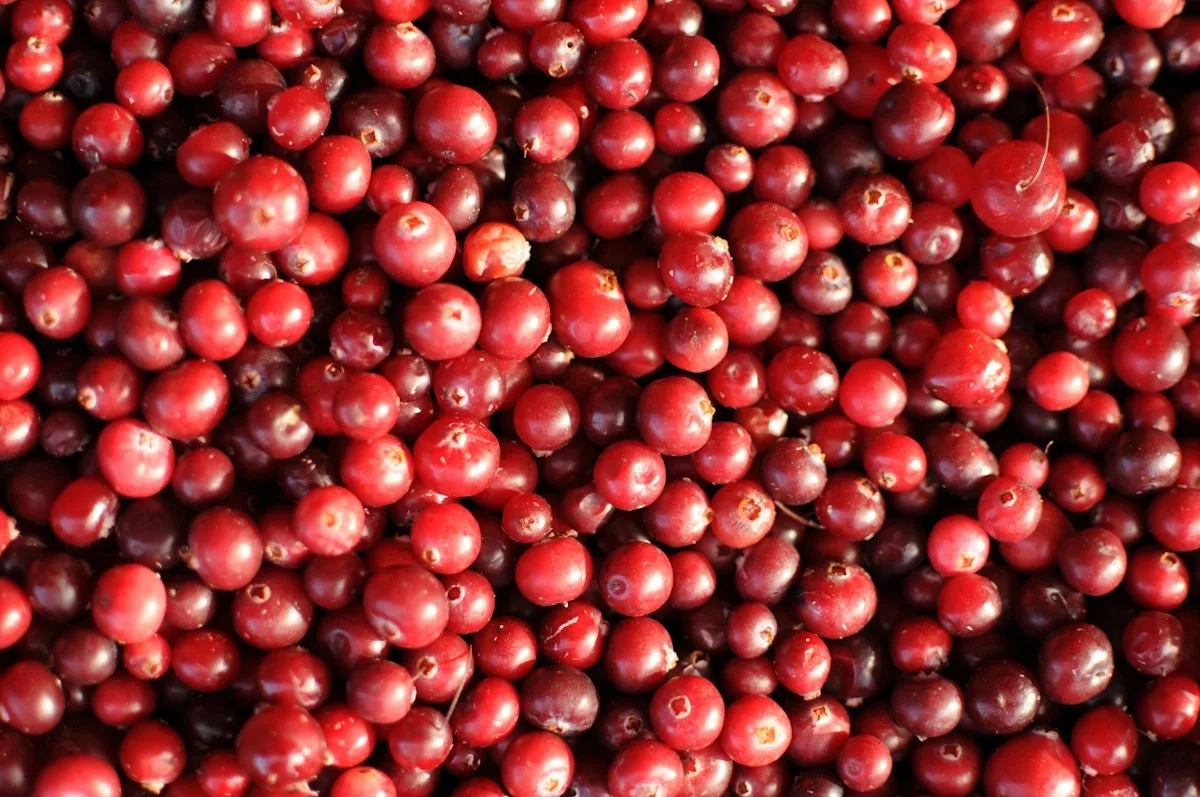
Cranberries are small, hard, deep red berries that grow on low, trailing vines in sandy bogs, mainly in the northern United States and Canada. They contain pockets of air, so they float, and many farms flood the bogs at harvest and gather the berries from the surface of the water. They are too sour for most people to eat raw, so almost the whole crop is turned into juice, sauce, and sweetened dried fruit.
Taste: Very tart and slightly bitter.
Best used for: Cranberry sauce, juice, baking, and dried in salads and trail mix.
6. Gooseberries
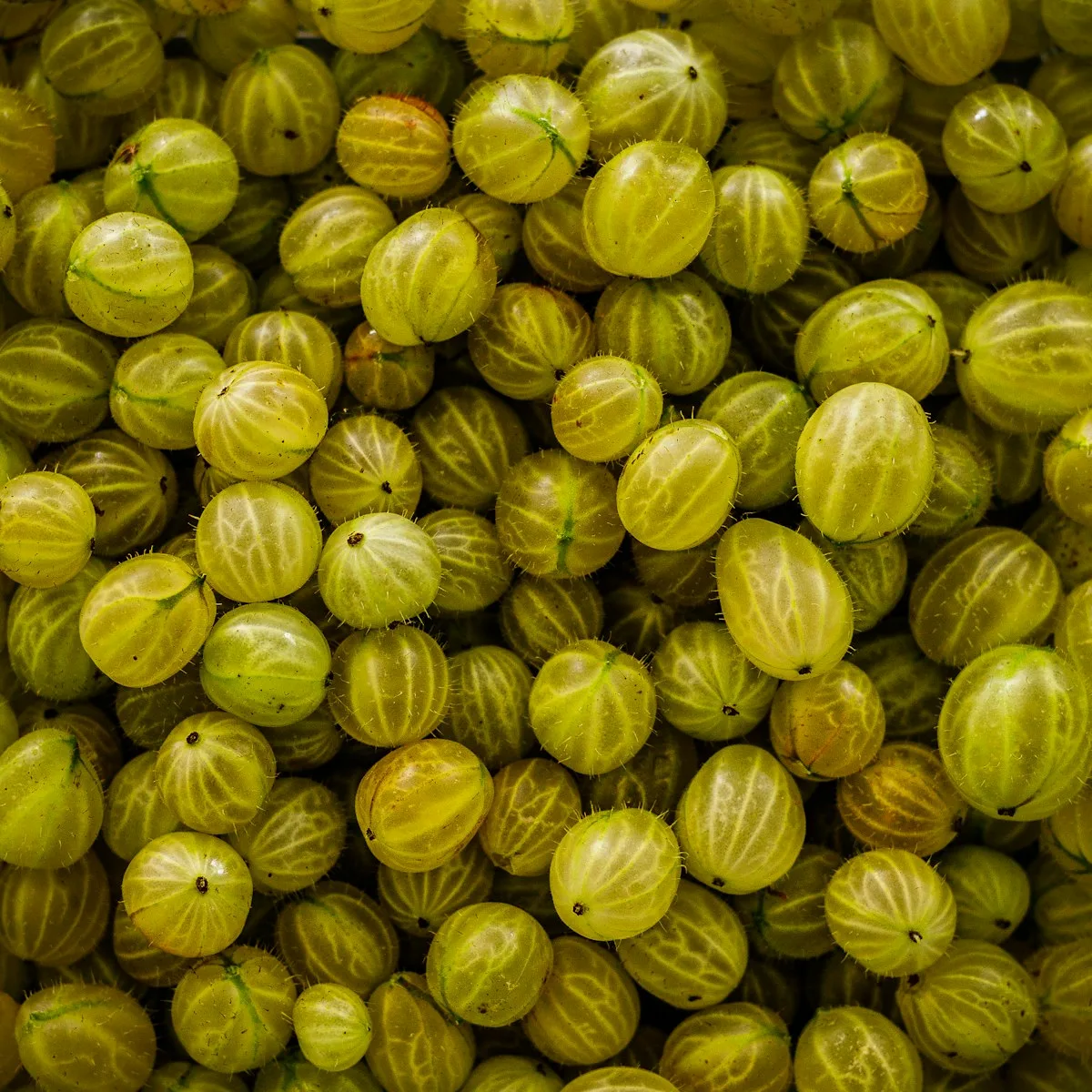
Gooseberries are round berries about the size of a grape, with thin, slightly see-through skin marked by pale stripes. They may be green, yellow, red, or purple, and some kinds are covered in fine hairs. They are much loved in Britain and northern Europe but are less common in the United States. Early green gooseberries are sour and are used for cooking, while fully ripe ones are sweet enough to eat fresh.
Taste: Tart, a little like a sour grape, turning sweeter as it ripens.
Best used for: Pies, crumbles, jam, chutney, and gooseberry fool, a dessert of fruit folded into cream.
7. Mulberries
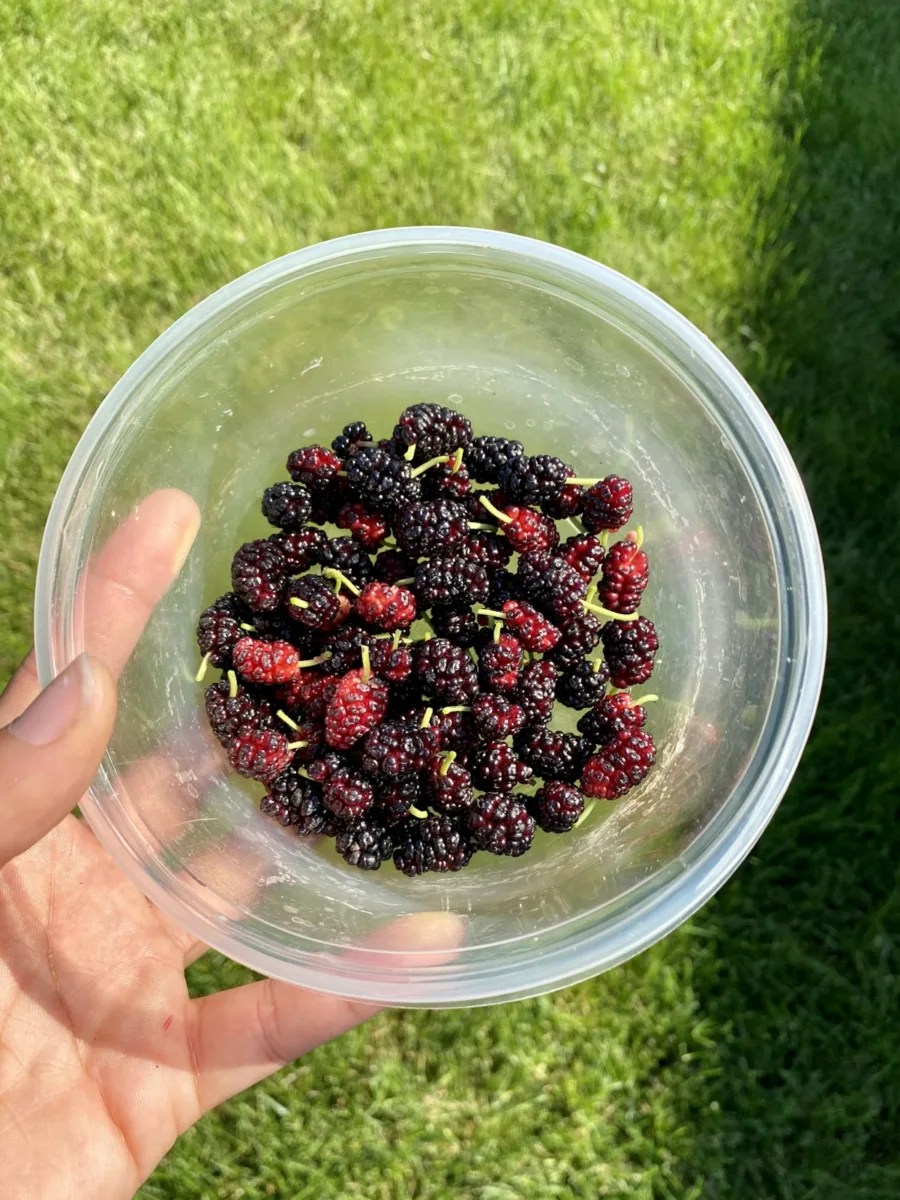
Mulberries grow on trees, not on bushes or canes, and they look like long, slim blackberries. The three main kinds are black, red, and white. The leaves of the white mulberry are the food of silkworms. Ripe mulberries are very sweet and very soft, they stain fingers and clothes deep purple, and they do not travel well, which is why they are far more often picked from a garden tree than bought in a store.
Taste: Very sweet, with a mild tartness in the black and red kinds.
Best used for: Eating fresh, jam, pies, syrup, and drying like raisins.
8. Red Currants
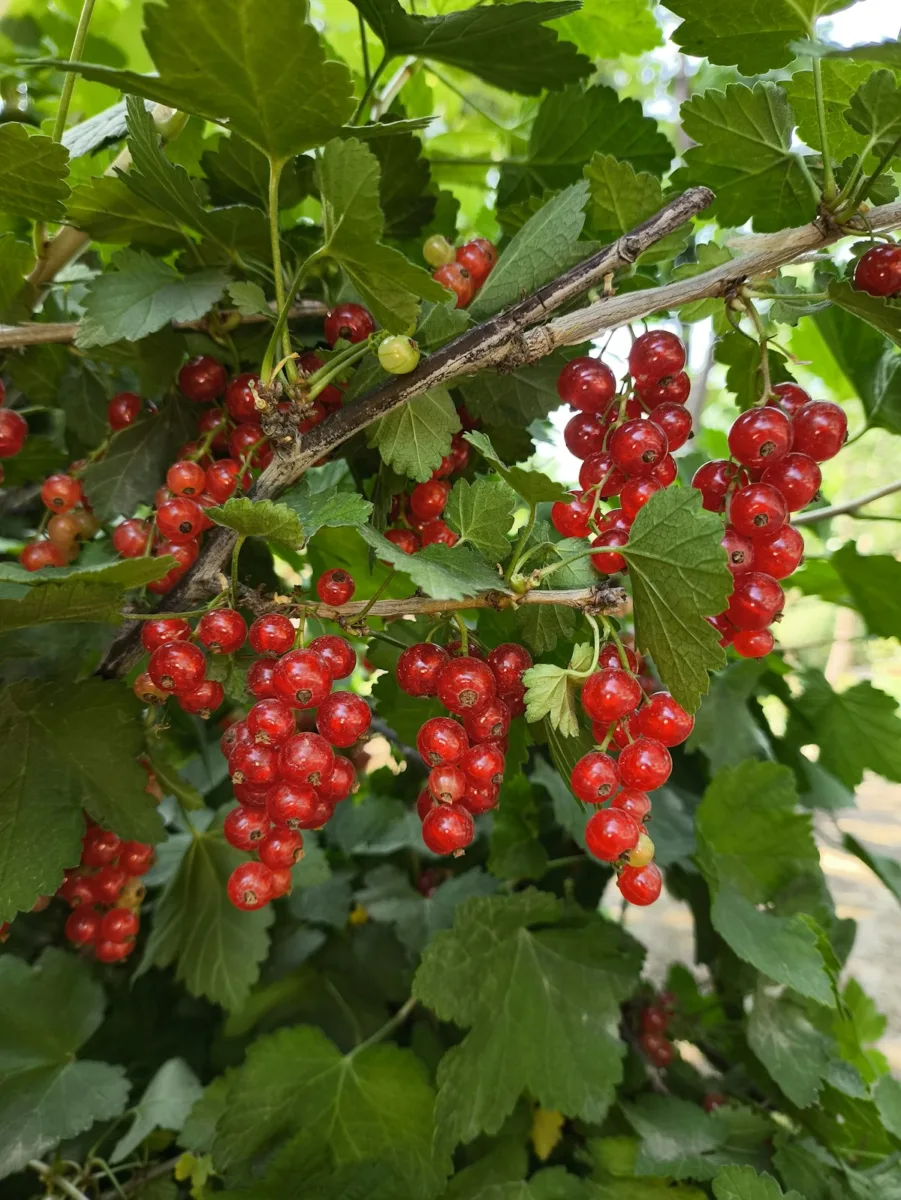
Red currants are small, shiny, bright red berries that hang in long clusters like tiny bunches of grapes. The skin is thin and almost transparent, and you can see the seeds inside. They are a classic fruit of northern European gardens. They are high in natural pectin, so they set into jelly very easily.
Taste: Sharp and tart, with a clean, bright flavor.
Best used for: Red currant jelly, sauces for meat, summer pudding, and decorating cakes and desserts.
9. Black Currants
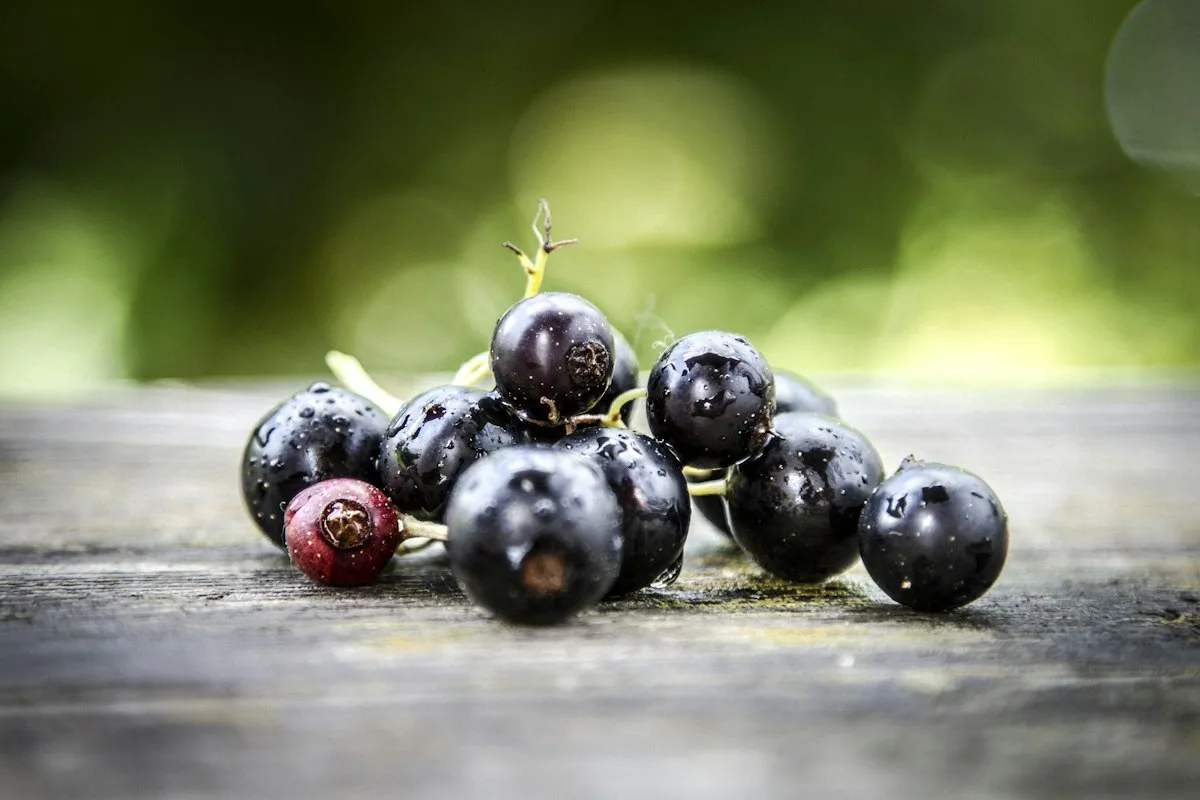
Black currants are small, dark purple-black berries with a strong, distinctive flavor. They are extremely rich in vitamin C. They are a favorite in Britain and Europe, where they flavor cordials, jams, sweets, and the French liqueur creme de cassis. They are less familiar in the United States, where growing them was banned for much of the 1900s because the plants can carry a disease that harms pine trees.
Taste: Deep, tart, and earthy, with a musky edge.
Best used for: Jam, cordial, syrup, pies, and liqueur. They are usually cooked and sweetened.
10. Elderberries
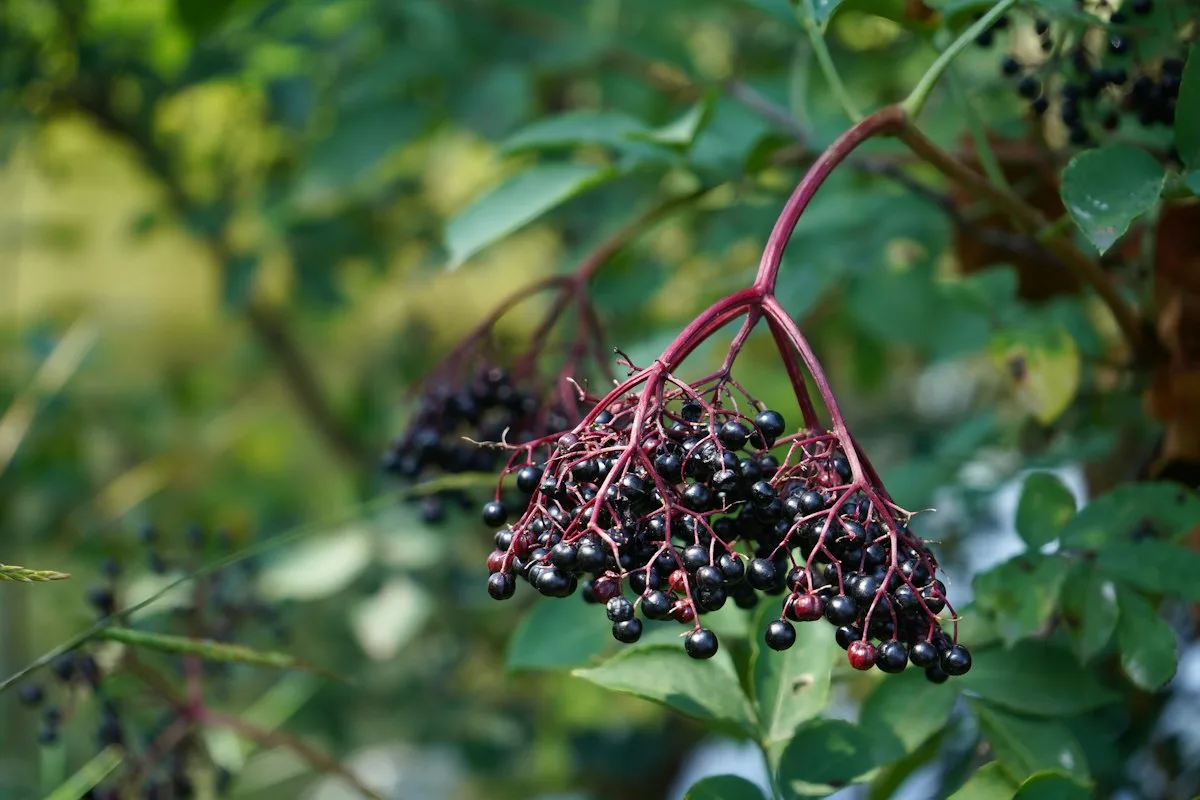
Elderberries are tiny, dark purple berries that grow in large, flat, drooping clusters on the elder tree. The creamy white flowers that come before them are used to make elderflower cordial. The berries must be cooked before eating, because raw elderberries, along with the stems and leaves, can cause nausea and stomach upset. Cooking makes them safe.
Taste: Tart and earthy when cooked, with a deep, wine-like flavor.
Best used for: Syrup, jam, jelly, pies, and homemade wine. Always cook them first.
11. Grapes
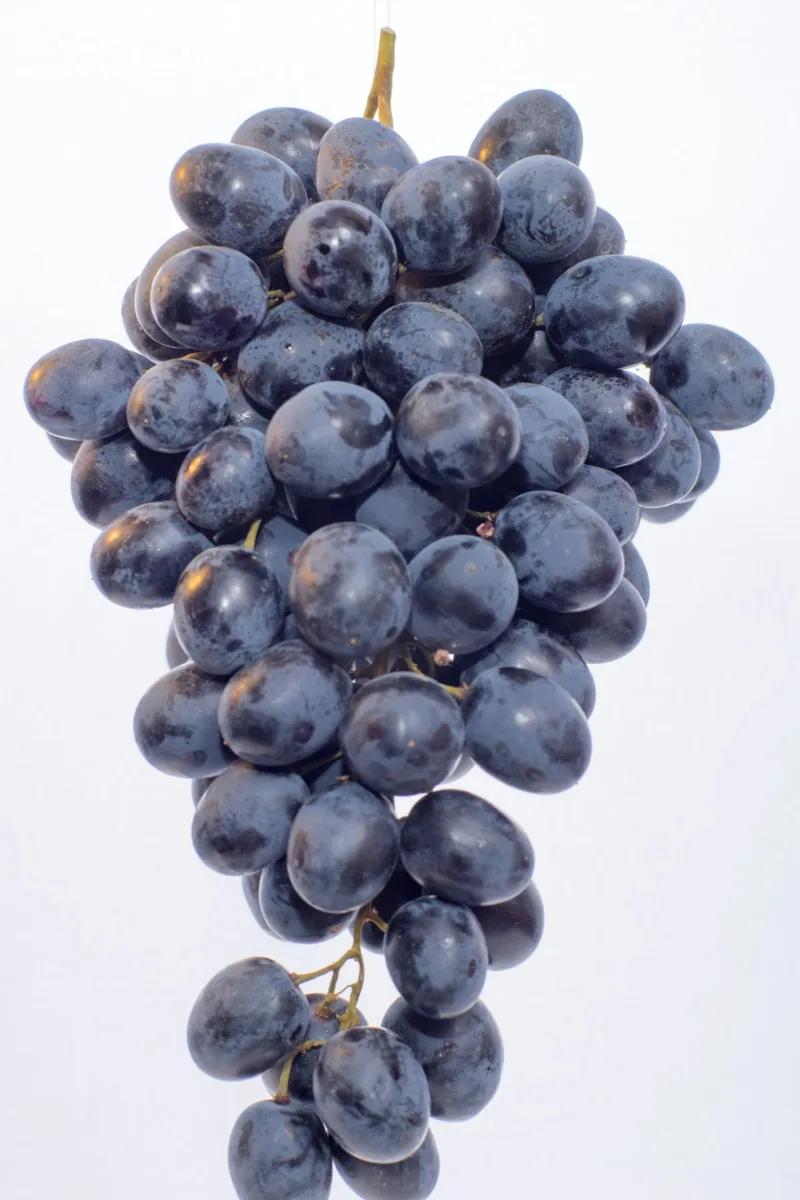
Grapes are true berries in the botanical sense: each one grows from a single flower and holds its seeds inside the flesh. They grow in bunches on woody vines and come in green, red, and purple-black, with or without seeds. They are one of the oldest cultivated fruits in the world. About seven out of ten grapes grown worldwide are used to make wine.
Taste: Sweet and juicy, from mild in green grapes to rich in dark ones.
Best used for: Eating fresh, drying into raisins, juice, jelly, and wine.
What Is a True Berry?
In botany, a berry is a fleshy fruit that grows from a single flower with one ovary and has its seeds inside the flesh. By that rule, blueberries, cranberries, currants, gooseberries, and grapes are true berries, and so are bananas and tomatoes. Strawberries, raspberries, and blackberries are not, because they form from flowers with many ovaries. In the kitchen, though, any small, soft, juicy fruit is called a berry.
How to Store Berries
Keep berries dry and cold. Store them unwashed in the refrigerator in a shallow container lined with a paper towel, and wash them just before eating. Most berries last three to seven days this way. To freeze them, spread them on a tray in a single layer, freeze until firm, then move them to a bag. For more fruit guides, see types of apples and types of mangoes.
Frequently Asked Questions
What are the most popular types of berries?
Strawberries, blueberries, raspberries, and blackberries are the four most popular berries, followed by cranberries.
Is a strawberry a berry?
Not in the botanical sense. A strawberry is an aggregate accessory fruit, and the small seeds on its surface are the actual fruits. In everyday use it is still called a berry.
Which berries are true berries?
Blueberries, cranberries, gooseberries, currants, and grapes are true berries. Bananas, tomatoes, and eggplants are also berries by the botanical definition.
Which berries should not be eaten raw?
Elderberries should always be cooked first. Cranberries are safe raw but very tart, so they are usually cooked or sweetened.
What is the difference between a blackberry and a raspberry?
When you pick a raspberry, the core stays on the plant and the berry is hollow. When you pick a blackberry, the core comes with it, so the berry is solid.