In modern witchcraft, the most common types of witches are the green witch, kitchen witch, sea witch, cosmic witch, crystal witch, hedge witch, divination witch, ceremonial witch, and eclectic witch. These names are labels that practitioners use to describe what their practice focuses on, and many people identify with more than one. Each type is explained below.
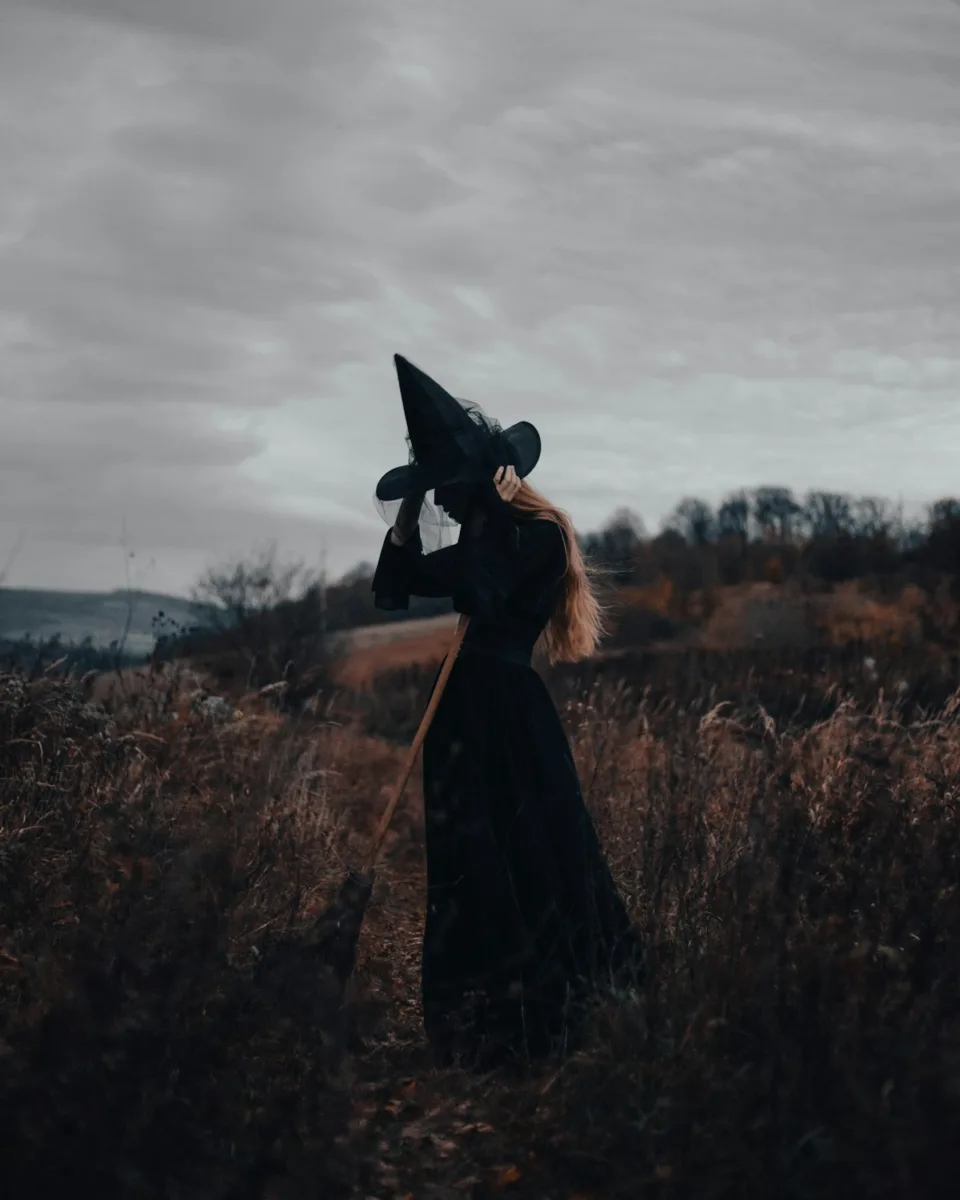
Types of Witches at a Glance
| Type | Main focus | Common tools |
|---|---|---|
| Green witch | Plants and nature | Herbs, flowers, garden |
| Kitchen witch | Home and cooking | Food, spices, hearth |
| Sea witch | Ocean and tides | Shells, salt, water |
| Cosmic witch | Stars and planets | Astrology, moon phases |
| Crystal witch | Stones and minerals | Crystals, grids |
| Hedge witch | Spirit world | Herbs, meditation, trance |
| Divination witch | Seeking insight | Tarot, runes, pendulum |
| Ceremonial witch | Formal ritual | Candles, symbols, written rites |
| Eclectic witch | A mix of paths | Whatever fits |
Different Types of Witches Explained
1. Green Witch
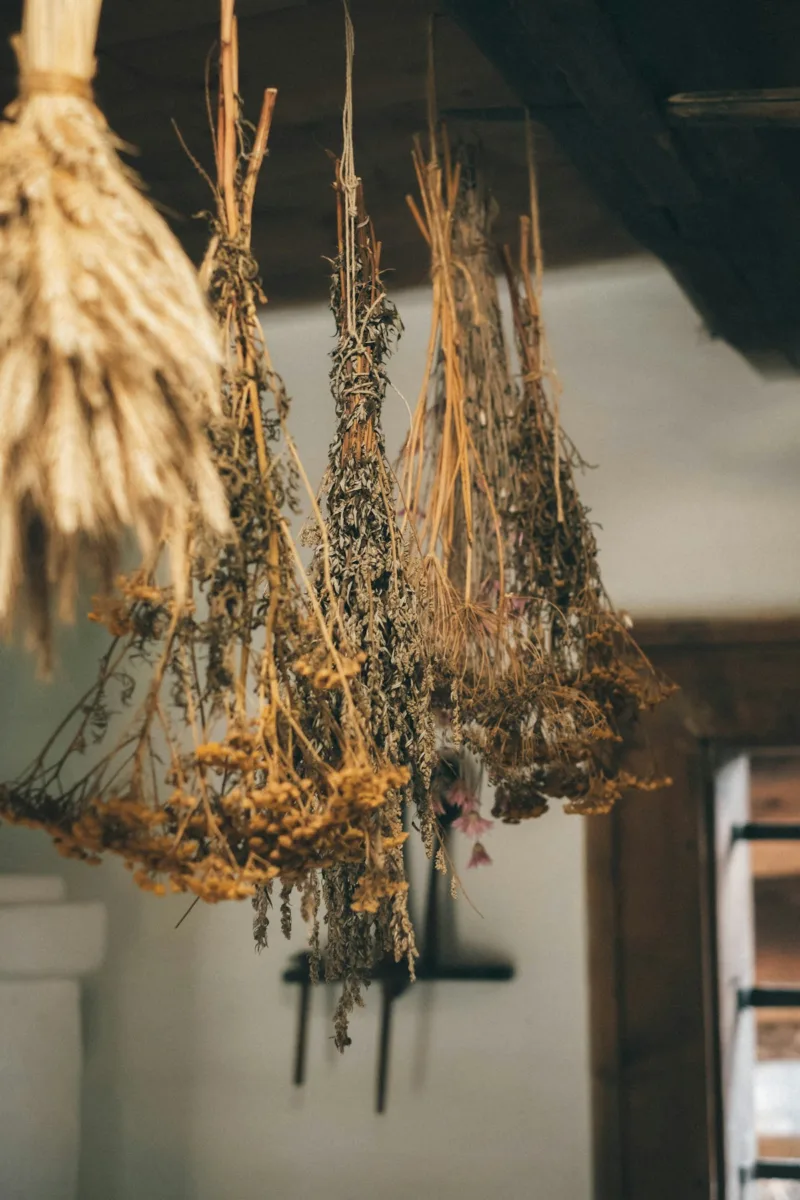
A green witch builds her practice around plants and the living world. She learns the names, seasons, and traditional uses of herbs, flowers, and trees, and she usually grows or forages what she uses. Daily practice looks a lot like gardening and herbalism: tending plants, drying herbs, blending teas and oils, and marking the changing seasons. For a green witch, being outdoors is the practice, and formal ritual matters much less than a close relationship with nature.
A green witch’s practice usually starts in the garden or on a walk outdoors. Herbs, flowers, seeds, and soil take the place of formal ritual tools, and much of the work is ordinary gardening done with intention: growing rosemary by the door, drying lavender, or learning the folk names and traditional uses of local plants. It is a path that tends to attract gardeners, foragers, and people who feel calmest outside.
2. Kitchen Witch
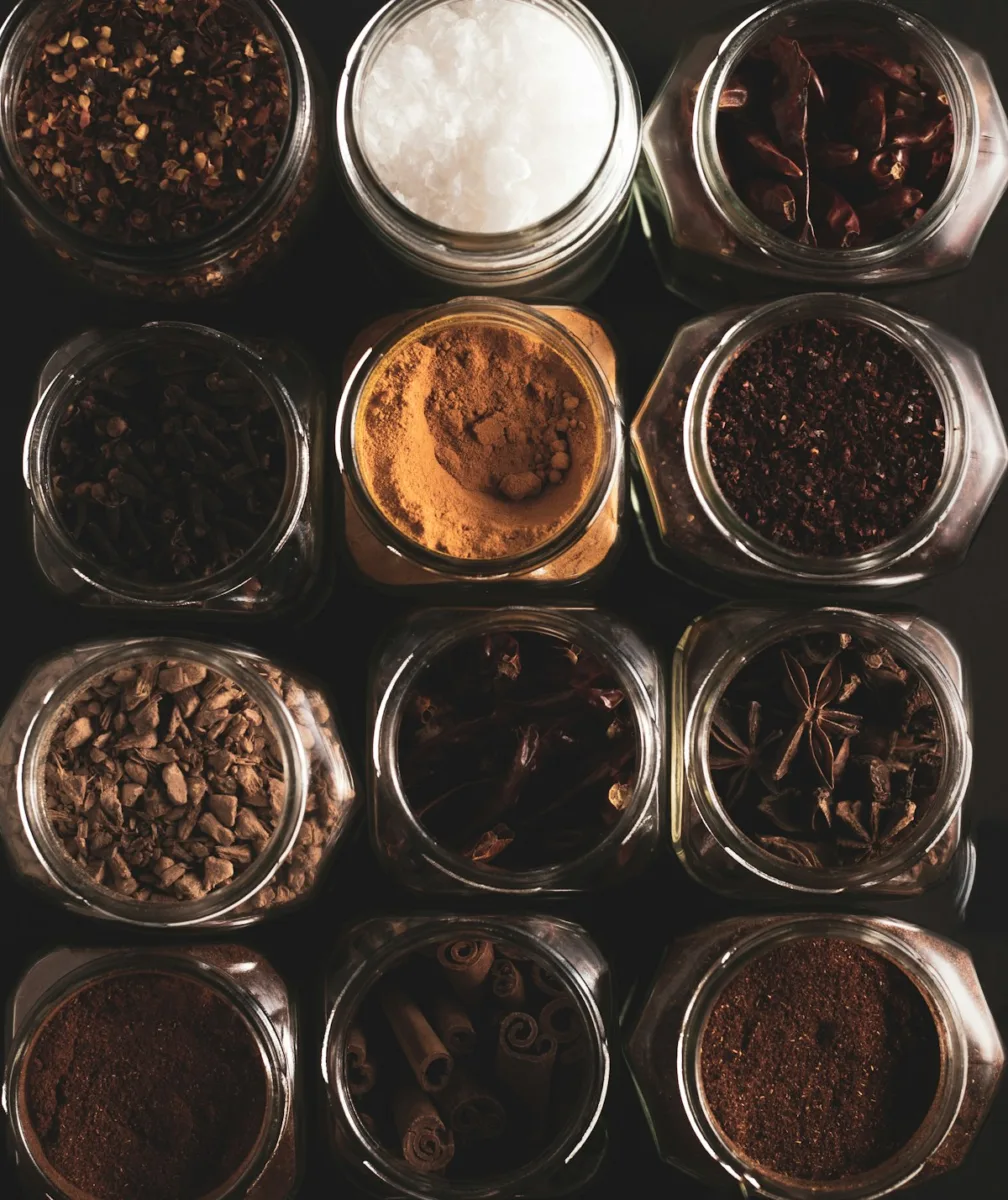
A kitchen witch treats the home, and above all the kitchen, as the center of her practice. Cooking and baking are done with intention: ingredients are chosen for their traditional meanings as well as their flavor, and a pot is stirred while thinking about the people who will eat from it. Family recipes, seasonal food, and shared meals are all part of it. This is one of the most practical paths, because it fits into things people already do every day.
Nothing special needs to be bought for this path. A wooden spoon, a well-used pot, and a spice rack are the working tools, and a pinch of cinnamon or a bay leaf is chosen for its traditional meaning as much as its flavor. Stirring clockwise to draw something in, or baking bread for a friend with a wish for their health, are typical small acts. It suits home cooks, bakers, and anyone who likes the idea that everyday chores can carry meaning.
3. Sea Witch

A sea witch draws on the ocean and everything connected to it: tides, storms, shorelines, and sea life. The phases of the moon are important because the moon moves the tides, so many sea witches plan their practice around high and low tide. Objects are usually collected by hand on beach walks. Living by the coast helps, but practitioners also work with lakes, rivers, rain, and even bath water.
Those who follow this path collect what the tide leaves behind: shells, driftwood, sea glass, sand, and jars of salt water. Many time their practice to the tides, working at high tide for drawing things in and at low tide for letting go, and the moon matters because it moves the sea. People who live near the coast are the obvious fit, though plenty of sea witches live inland and work with rivers, lakes, rain, or a bowl of salted water.
4. Cosmic Witch

A cosmic witch, sometimes called a star witch, looks to the sky. Her practice follows astrology and astronomy: the phases of the moon, the movement of the planets, eclipses, meteor showers, and the position of the stars at the time of a birth. Much of the work is study and timing, such as reading a birth chart or choosing a date according to the moon.
A birth chart, an astrology app, and a moon calendar matter more here than candles or herbs. A cosmic witch might plan around the new and full moon, take note of when a planet turns retrograde, or mark eclipses and meteor showers as significant dates. The path draws stargazers, astrology readers, and people who enjoy charts, cycles, and patterns.
5. Crystal Witch
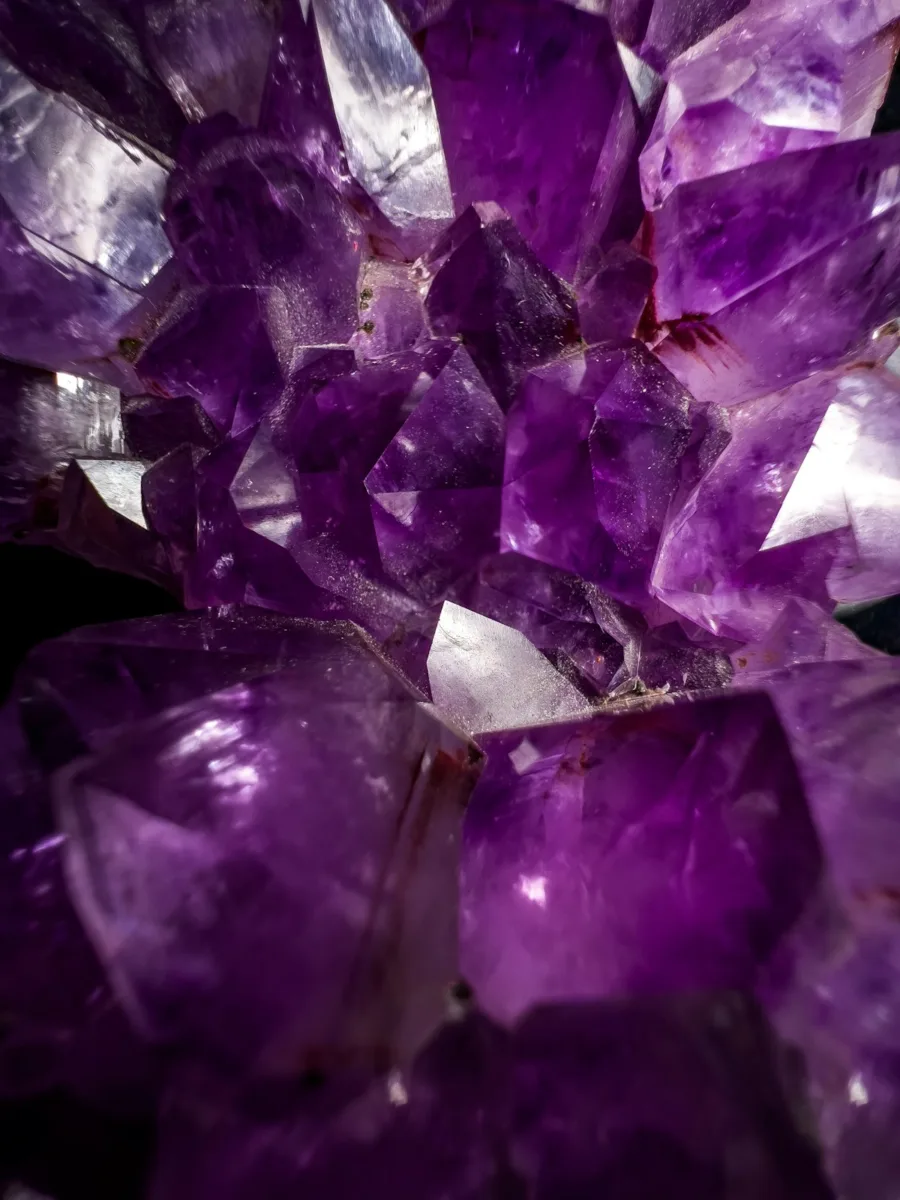
A crystal witch works mainly with stones, gems, and minerals. In crystal traditions each stone is linked with a quality: amethyst with calm, rose quartz with love, clear quartz with focus, and black tourmaline with protection. Stones are carried in a pocket, worn as jewelry, placed around the home, or laid out in patterns called grids. Collecting and learning about minerals is a large part of the appeal.
Collections tend to begin with a few common stones: clear quartz, amethyst, rose quartz, and black tourmaline. Each is linked by tradition to a quality such as calm, love, or protection, and stones are carried in a pocket, set on a windowsill, or arranged in patterns called grids. These meanings are matters of belief, not science. The practice appeals to collectors and to people who like having a physical object to focus on.
6. Hedge Witch
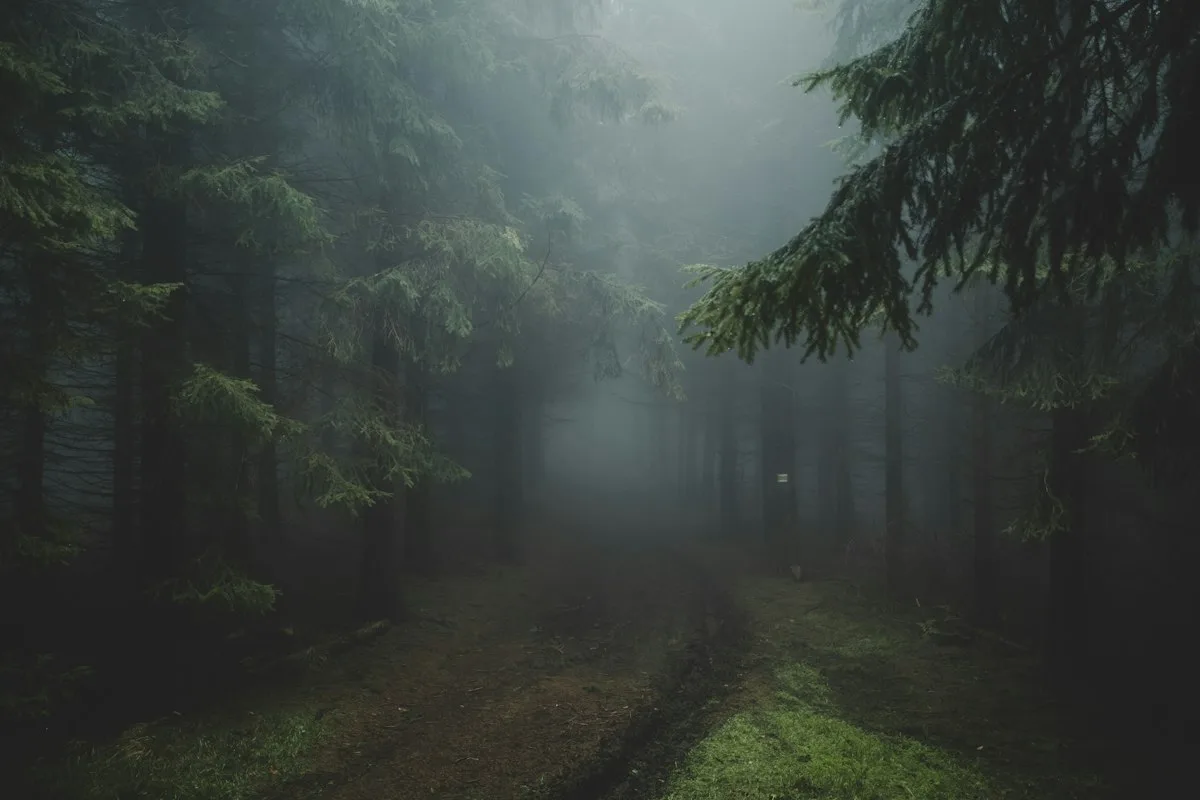
A hedge witch usually practices alone and is concerned with the boundary between the everyday world and the spirit world. The name comes from the hedges that once marked the edge of a village, with the wild beyond. Hedge witchcraft mixes practical herbal knowledge with inward work such as meditation, dream journals, and trance, which practitioners call hedge riding. It is often compared with the village healers and wise women of the past.
The hedge in the name is the old boundary between the village and the wild land beyond it, and it stands for the line between the everyday world and the spirit world. Hedge witches are usually solitary. Their practice leans on meditation, dream journals, trance work, and herbal knowledge, in the manner of the village healers of folklore. It suits independent people who would sooner read, walk, and practice alone than join a group.
7. Divination Witch
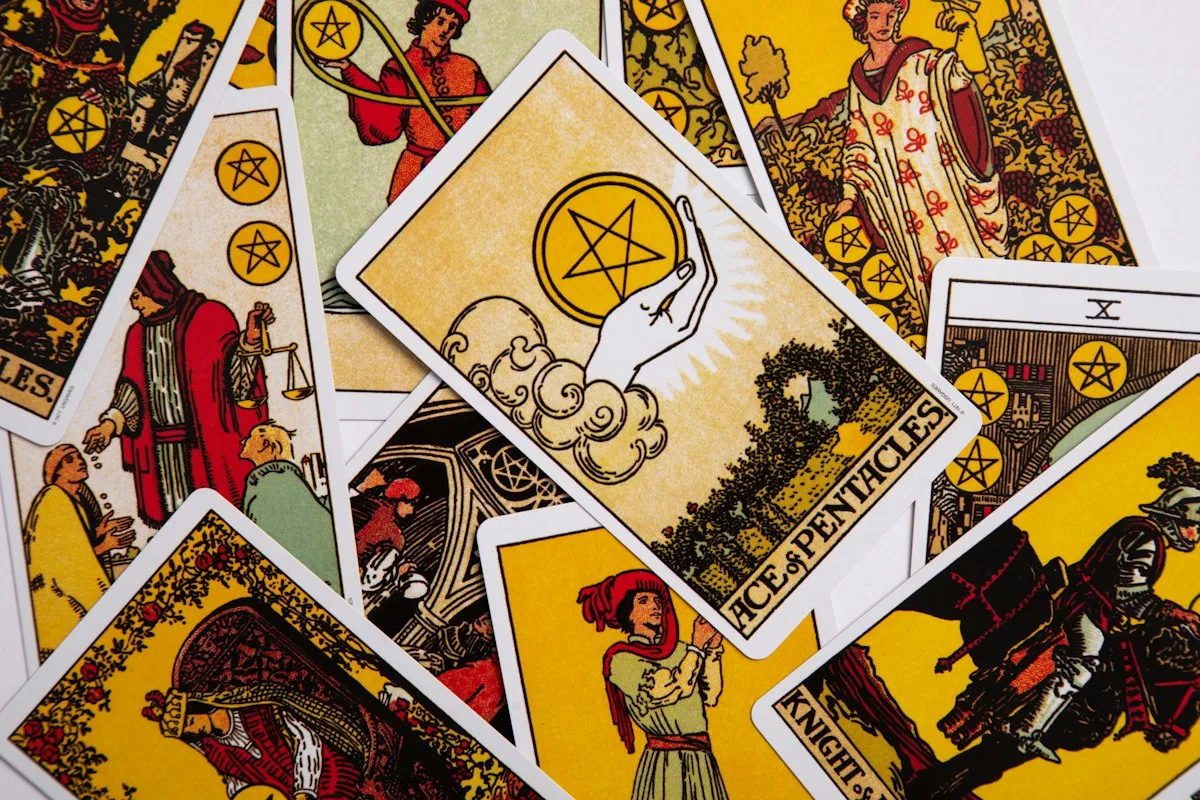
A divination witch specializes in looking for insight and guidance through symbolic tools. Tarot is the best known, but the same path includes oracle cards, runes, pendulums, tea leaf reading, palm reading, and scrying with a mirror or bowl of water. Learning the symbols takes time, and many practitioners keep a journal of their readings. Some read only for themselves, and others read for friends or clients.
Tarot cards are the best-known tool, but the list is long: oracle cards, runes, pendulums, tea leaves, and scrying, which means gazing into a mirror, a flame, or a bowl of water. Many people who use these methods describe them as prompts for reflection, a way to look at a question from a new angle, and not as fixed predictions. The path attracts intuitive, curious people and those who enjoy symbols and stories.
8. Ceremonial Witch
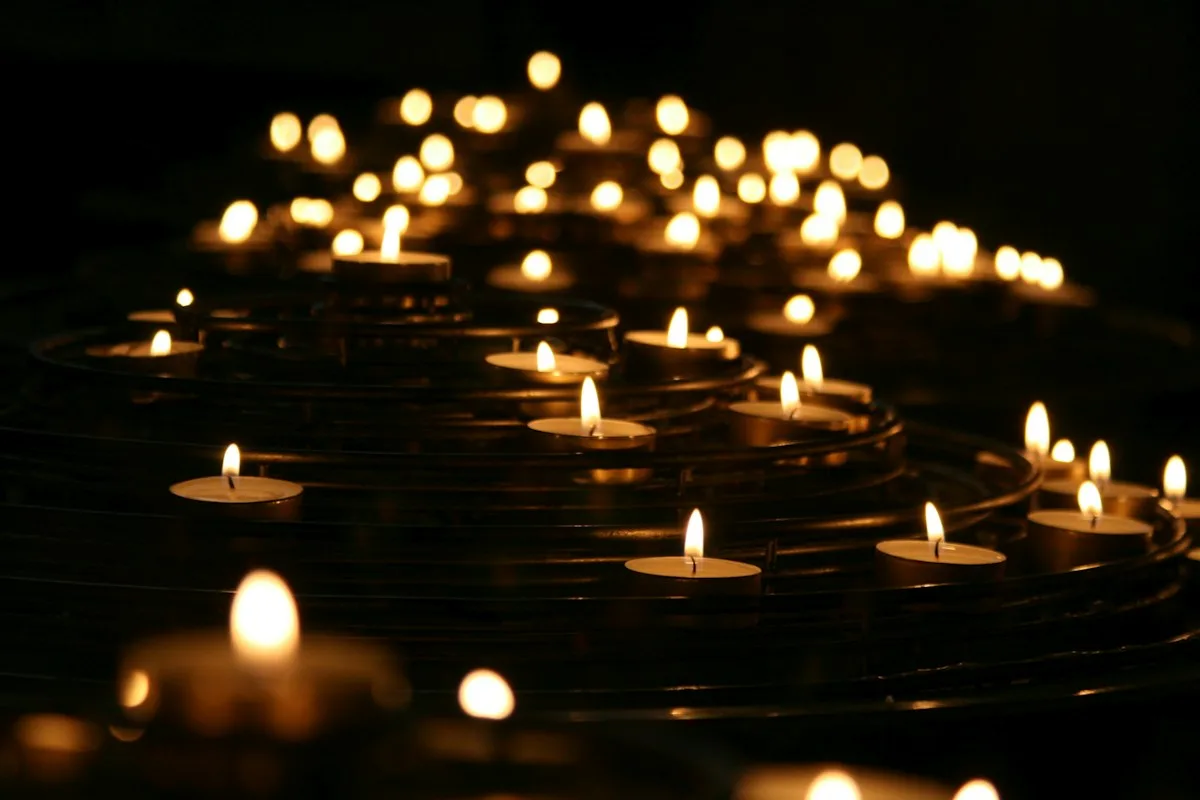
A ceremonial witch follows detailed, structured rituals, many of them taken from older written traditions of ceremonial magic. Everything has its place: the timing, the exact words, the symbols drawn, the tools laid out, and the order of each step. This path is sometimes called high magic. It demands a lot of reading and preparation, and practitioners often spend years studying before they feel confident.
Where most paths are loose and personal, this one is exact. Rituals follow written steps, with a cast circle, set words, particular tools such as a wand, chalice, and ritual knife, and careful attention to timing. Much of it is drawn from older Western occult traditions, including the Hermetic Order of the Golden Dawn of the late 1800s. It suits people who like study, structure, and doing things by the book.
9. Eclectic Witch
An eclectic witch does not follow a single tradition. She reads widely, tries different approaches, and keeps what works for her, so her practice might combine herbs from green witchcraft, tarot from divination, and moon phases from cosmic witchcraft. Most modern witches who learn from books and the internet and practice alone describe themselves this way. Thoughtful eclectic witches take care to learn where a practice comes from and to respect traditions that are closed to outsiders.
An eclectic witch may read tarot on Monday, plant herbs at the weekend, and keep crystals on a shelf, without belonging to any one tradition. This is the most common path today, especially among people who learn from books and online communities instead of a coven. Thoughtful practitioners take care to learn where each practice comes from and to avoid taking from closed traditions that are not open to outsiders. It is the natural choice for beginners who are still exploring.
More Types of Witches
- Hereditary witch: someone raised in a family that passes its practices down through the generations.
- Elemental witch: a witch whose work is built around earth, air, fire, and water.
- Solitary witch: anyone who practices alone, on any path.
- Coven witch: a member of a coven, which is a group that meets and practices together.
- Wiccan witch: a follower of Wicca, a modern pagan religion founded in England in the mid-1900s. Gardnerian and Alexandrian Wicca are its best-known traditions.
- Folk witch: a witch who keeps the charms, remedies, and customs of a particular region or culture.
Witches in History and Fiction
The types above describe modern practice. In history, “witch” was usually an accusation, and tens of thousands of people were tried for witchcraft in Europe and colonial America between the 1400s and 1700s. In stories and films, witches are often sorted in a different way, such as good and wicked witches, hags, and enchantresses. For the fictional side, see our guides to types of magic and types of dragons.
Frequently Asked Questions
How many types of witches are there?
There is no official number. The labels come from modern practitioners, not from a single authority, so different sources list anywhere from a handful to more than twenty types.
What is the difference between a witch and a Wiccan?
Wicca is a specific modern pagan religion. Witchcraft is a practice. Many Wiccans call themselves witches, but plenty of witches are not Wiccan and follow no religion at all.
Can someone be more than one type of witch?
Yes. The types describe interests, not fixed groups. Someone who works with herbs, cooks with intention, and reads tarot could use three of these labels or simply call themselves eclectic.
What is a green witch?
A green witch is someone whose practice is based on plants, herbs, gardening, and time spent in nature.
What is a group of witches called?
A group of witches that meets and practices together is called a coven.