Pumpkins fall into a few main types: carving pumpkins, pie pumpkins, white pumpkins, mini pumpkins, heirloom pumpkins, and giant pumpkins, plus close relatives such as turban squash, butternut squash, and decorative gourds. This guide shows each type with a picture and explains which ones are best for carving, cooking, and decorating.
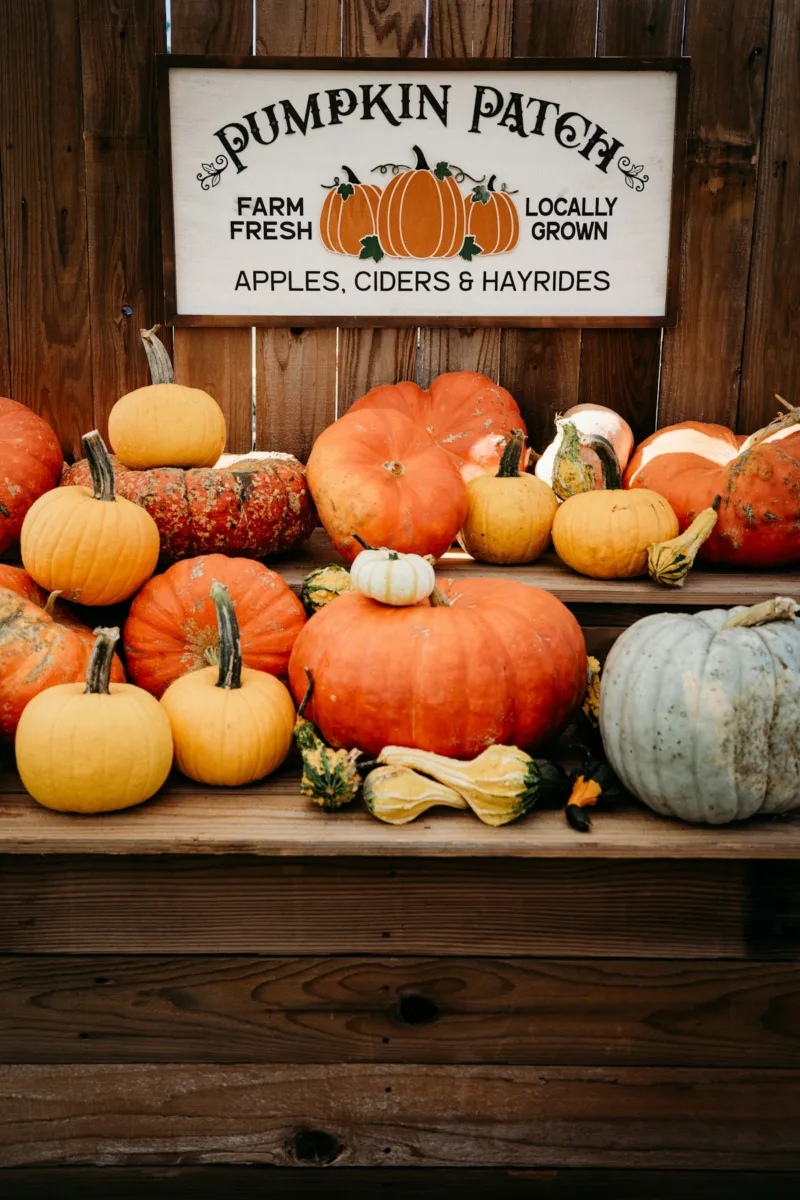
Types of Pumpkins at a Glance
| Type | Typical size | Best for |
|---|---|---|
| Carving pumpkins | 10 to 25 lb | Jack-o’-lanterns |
| Pie (sugar) pumpkins | 2 to 6 lb | Pies, soups, purees |
| White pumpkins | Under 1 lb to 15 lb | Decorating, painting, cooking |
| Mini pumpkins | Under 1 lb | Table decor, roasting whole |
| Heirloom pumpkins | 5 to 30 lb | Display and cooking |
| Giant pumpkins | 100 lb and up | Competitions |
| Turban squash | 3 to 6 lb | Decorating, roasting |
| Butternut squash | 2 to 5 lb | Cooking and baking |
| Decorative gourds | Under 1 lb | Decoration only |
Different Types of Pumpkins with Pictures
1. Carving Pumpkins (Jack-o’-Lantern)
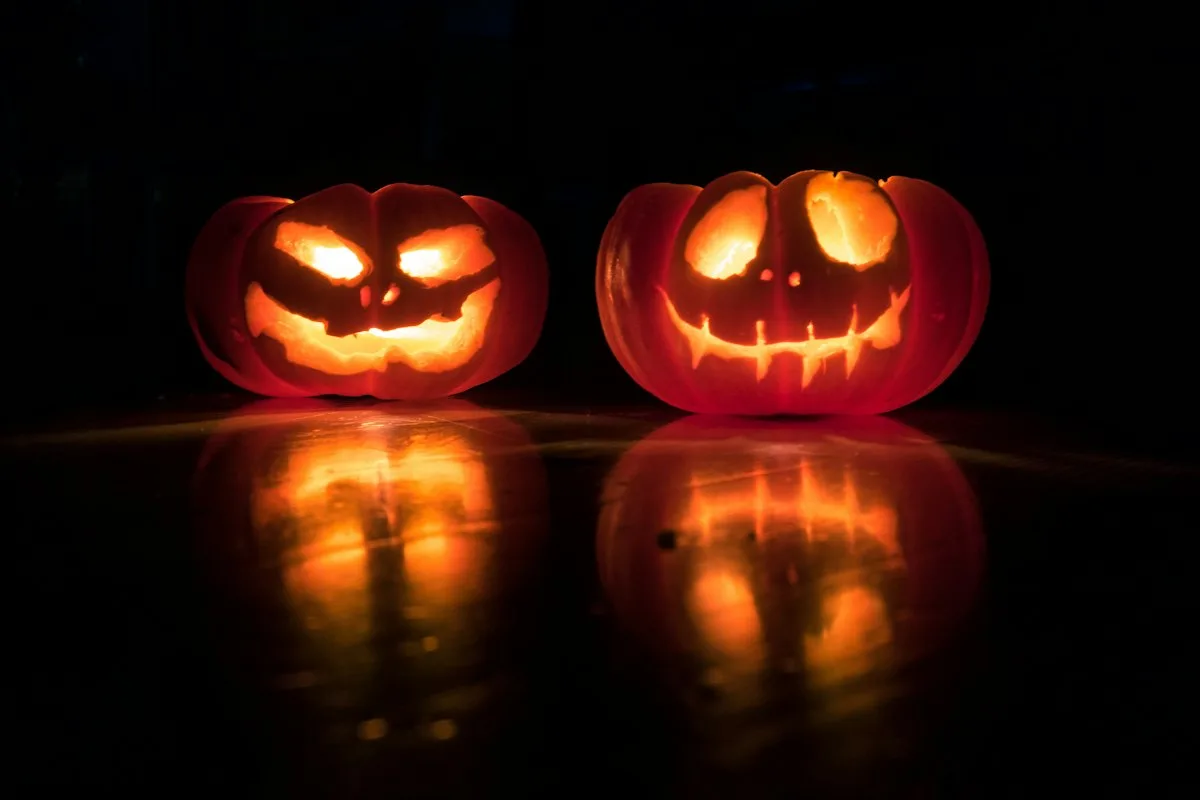
Carving pumpkins are the classic orange Halloween pumpkins. Varieties such as Howden and Connecticut Field were bred for their looks and for easy handling, not for eating. They have a smooth, upright shape, a flat bottom so they stand steady, a sturdy stem that works as a handle for the lid, and fairly thin walls that a knife passes through easily. Inside is a large hollow filled with seeds and stringy pulp, which makes them quick to scoop out. A typical carving pumpkin weighs between 10 and 25 pounds.
Taste and texture: Watery, stringy, and bland compared with cooking pumpkins. The seeds are the best part and roast very well.
Best for: Jack-o’-lanterns and porch displays. Pick one with no soft spots, and carve it only a few days before Halloween, because a cut pumpkin lasts less than a week.
2. Pie Pumpkins (Sugar Pumpkins)
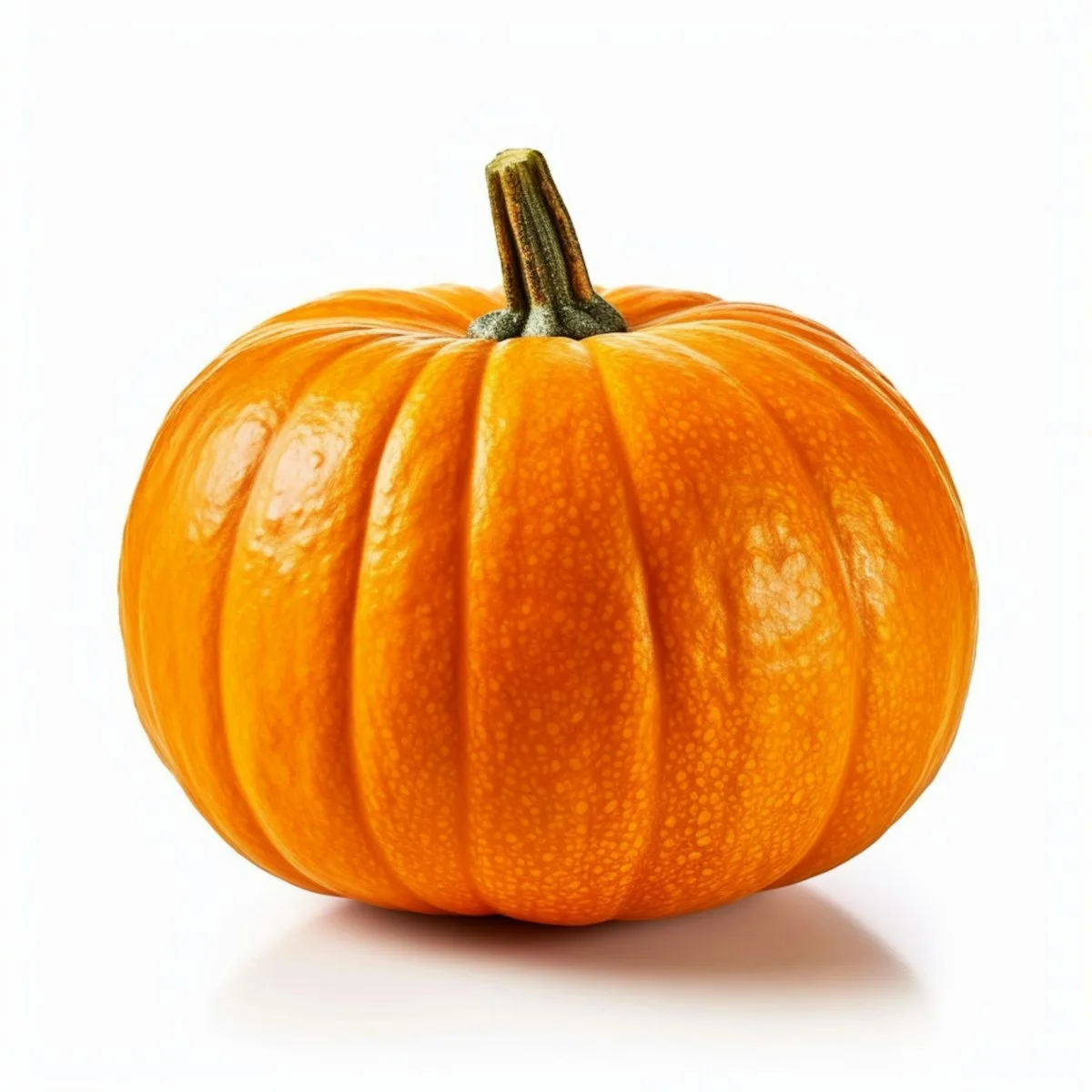
Pie pumpkins, also sold as sugar pumpkins, are small, round, and heavy for their size. They were bred for the kitchen: the flesh is thick and dense, with less water and more natural sugar than a carving pumpkin. Most weigh between two and six pounds, and one small pumpkin gives enough puree for a pie. Small Sugar, New England Pie, and Baby Pam are well-known varieties.
Taste and texture: Sweet, smooth, and fine-grained, with none of the stringiness of a carving pumpkin.
Best for: Pies, soups, breads, and homemade puree. Cut it in half, roast it cut-side down until soft, then scoop out the flesh and blend it.
3. White Pumpkins
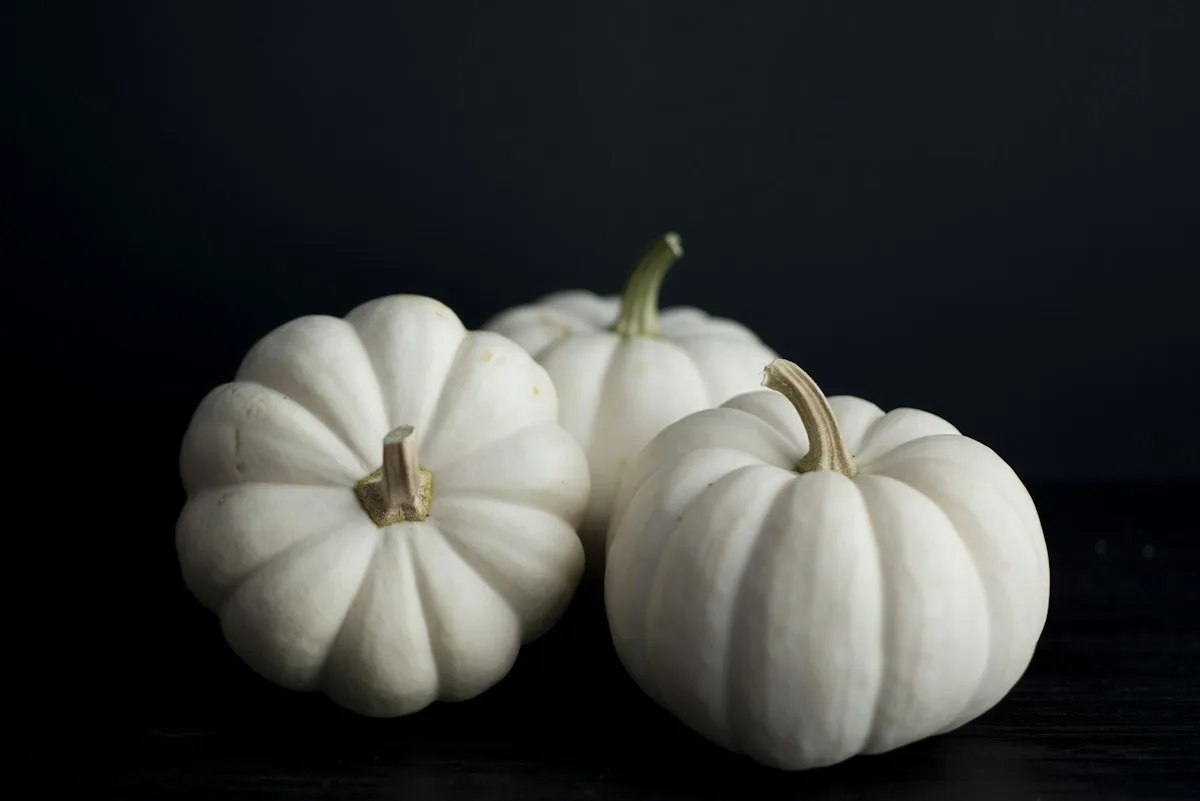
White pumpkins, often called ghost pumpkins, have ivory to pure white skin. Lumina and Casper are full-size varieties, Polar Bear is a very large one, and Baby Boo is a miniature. The white skin can turn yellow if the pumpkin sits in strong sun for too long, so they are best displayed in shade or indoors. Inside, the flesh is pale to orange and perfectly good to eat.
Taste and texture: Mild and slightly sweet, similar to an orange pumpkin of the same size.
Best for: Painting and drawing, because the pale skin works like a blank canvas, and for elegant fall, Halloween, and wedding decorations. They can also be cooked like any other pumpkin.
4. Mini Pumpkins
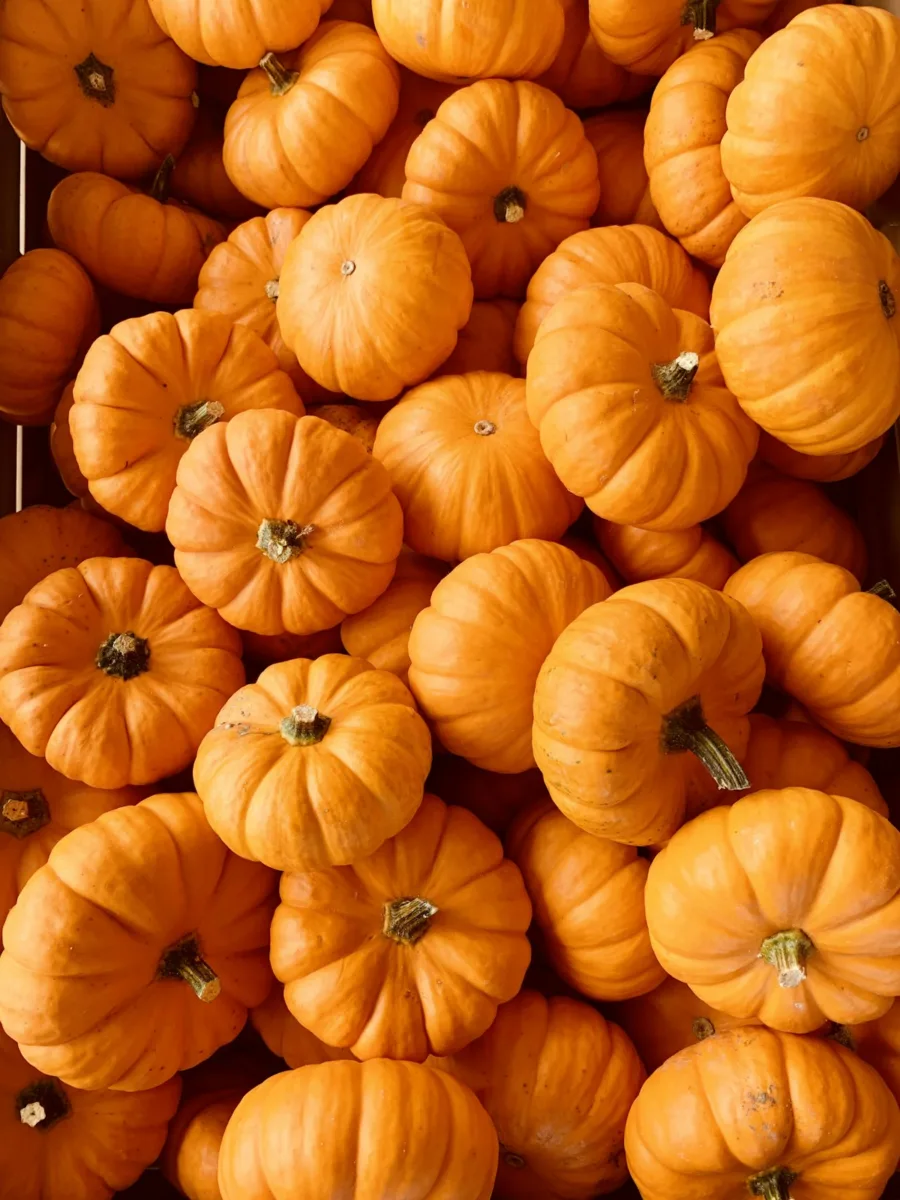
Mini pumpkins are fully grown pumpkins that stay just three to four inches wide and weigh less than a pound. Jack Be Little and Munchkin are the common orange varieties, Baby Boo is white, and striped kinds are sold as well. Their hard skin means they keep for months without any care, which is why they appear in almost every fall display.
Taste and texture: Sweet and dense when roasted whole, although there is not much flesh in each one.
Best for: Table settings, place cards, mantels, and children’s crafts. In the kitchen, hollow them out, fill them with soup, stuffing, or custard, and bake them as individual serving bowls.
5. Heirloom and Colored Pumpkins
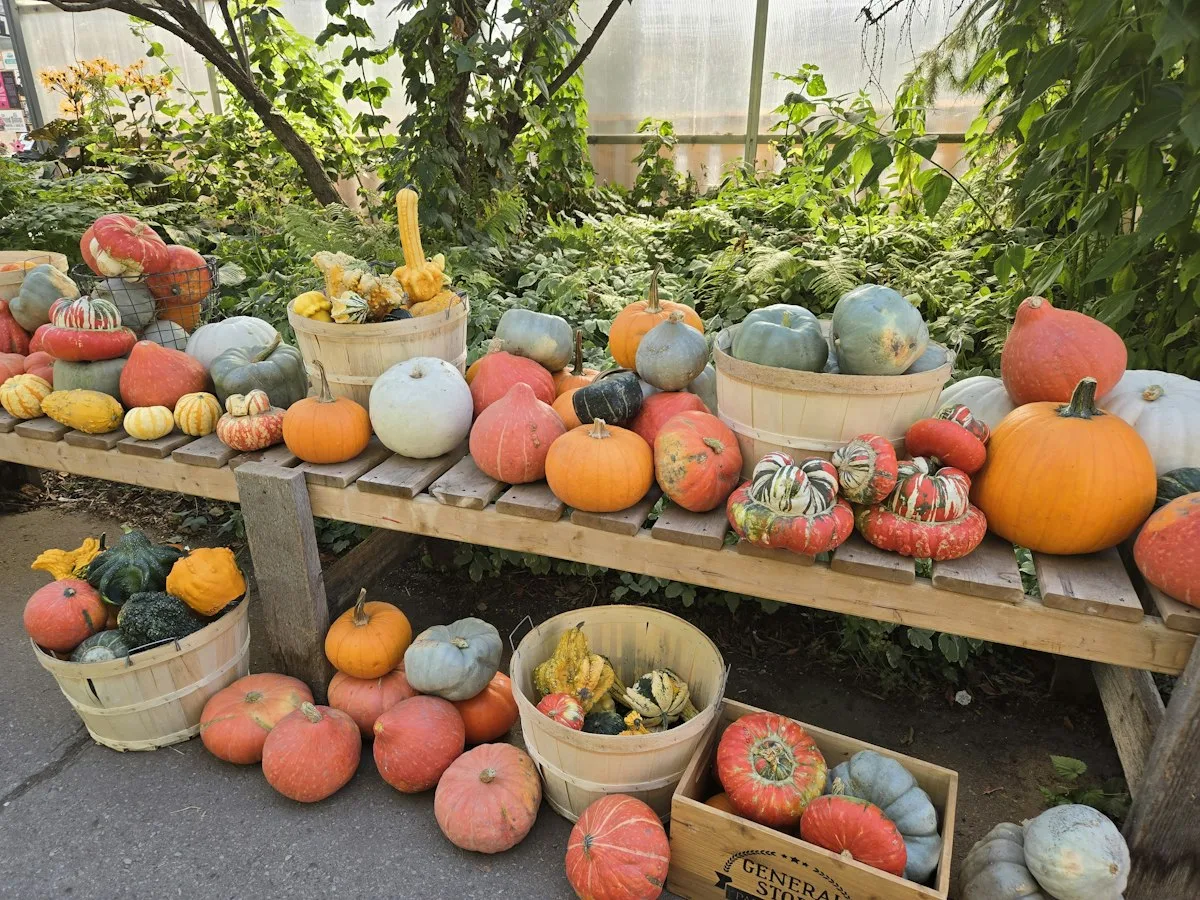
Heirloom pumpkins are old varieties that have been passed down for generations, and they come in shapes and colors that look nothing like a standard orange pumpkin. Cinderella, or Rouge Vif d’Etampes, is flat and deep red-orange. Fairytale, or Musquee de Provence, is deeply ribbed and turns from green to bronze. Jarrahdale from Australia is blue-grey, Porcelain Doll is pink, and Long Island Cheese is tan and shaped like a wheel of cheese.
Taste and texture: Often excellent. Many heirlooms have dense, sweet, deep orange flesh that is better for cooking than a carving pumpkin.
Best for: Stacked porch displays and centerpieces, and afterwards pies, soups, and roasting. They give you both decoration and dinner.
6. Giant Pumpkins
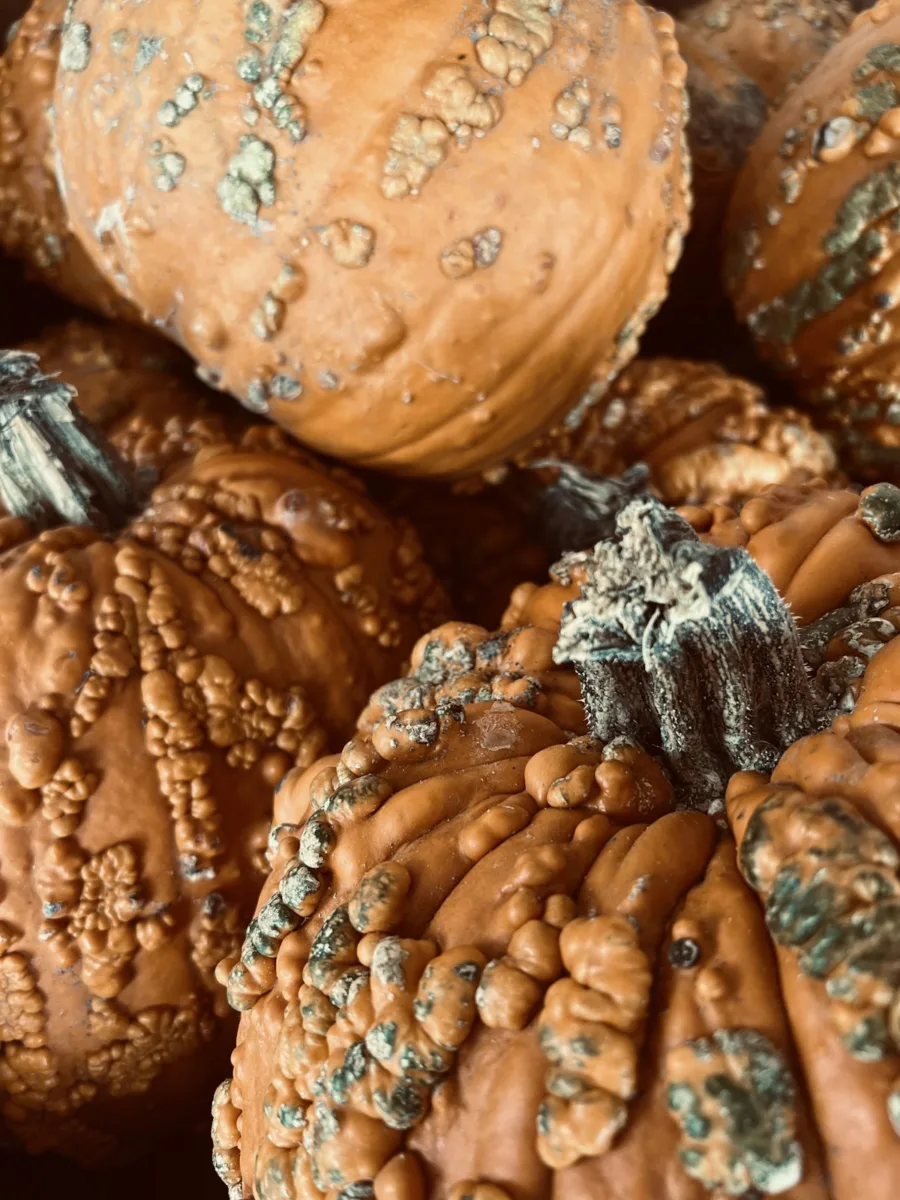
Giant pumpkins are grown for size alone. Nearly all record-breaking pumpkins come from one variety, Atlantic Giant, which was developed in Nova Scotia, Canada, and the heaviest examples now weigh more than 2,000 pounds. Home gardeners often grow Big Max, which is smaller but can still pass 100 pounds. Giant pumpkins tend to be pale orange and lumpy, and they flatten under their own weight.
Taste and texture: Watery and coarse. They are not grown for eating.
Best for: Weigh-off competitions, county fairs, and showpiece displays. They need a great deal of space, water, and a long growing season.
7. Turban Squash
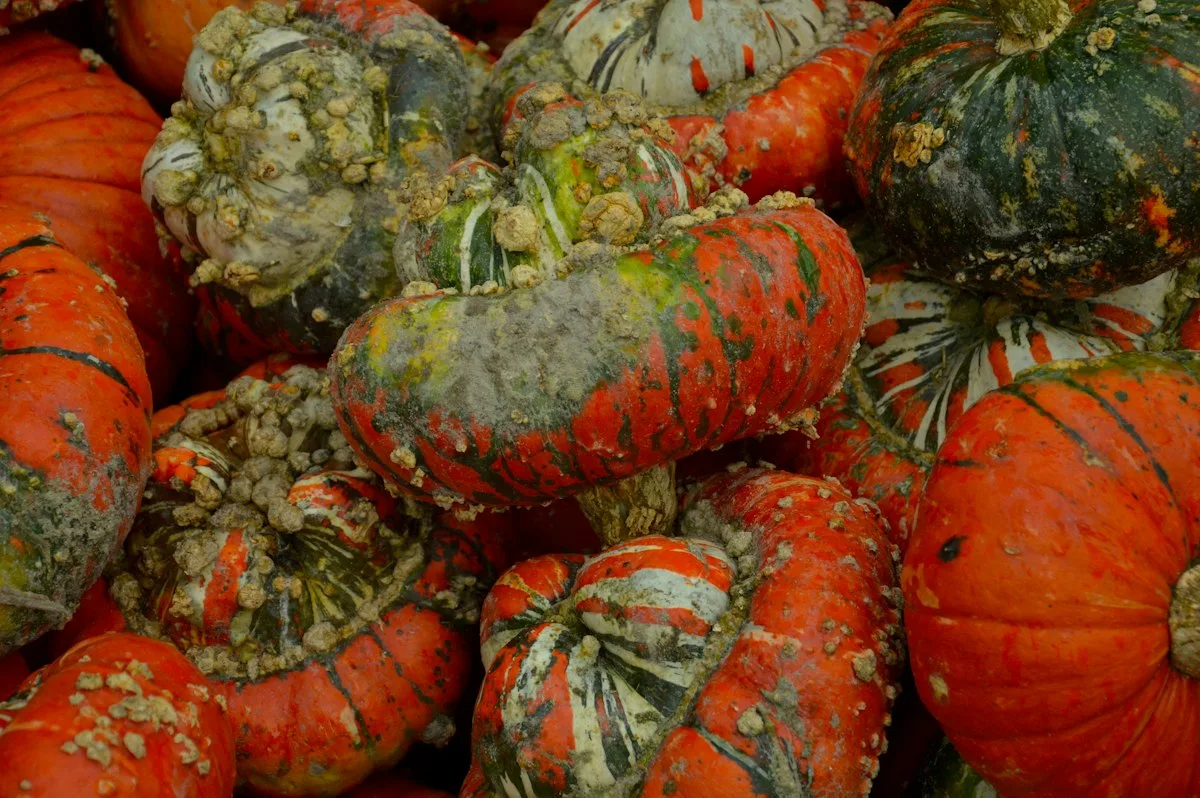
Turban squash is a winter squash with a striking shape: a round cap sits on top of a wider base, like a turban. The skin is striped and blotched in orange, red, green, and white. It belongs to the same species as many pumpkins and is sold beside them in the fall. Most weigh between three and six pounds.
Taste and texture: Mild and nutty, with flesh that is a little dry and floury compared with butternut.
Best for: Centerpieces and fall displays, where it keeps for weeks. It can also be roasted, or hollowed out and used as a serving bowl for soup.
8. Butternut Squash
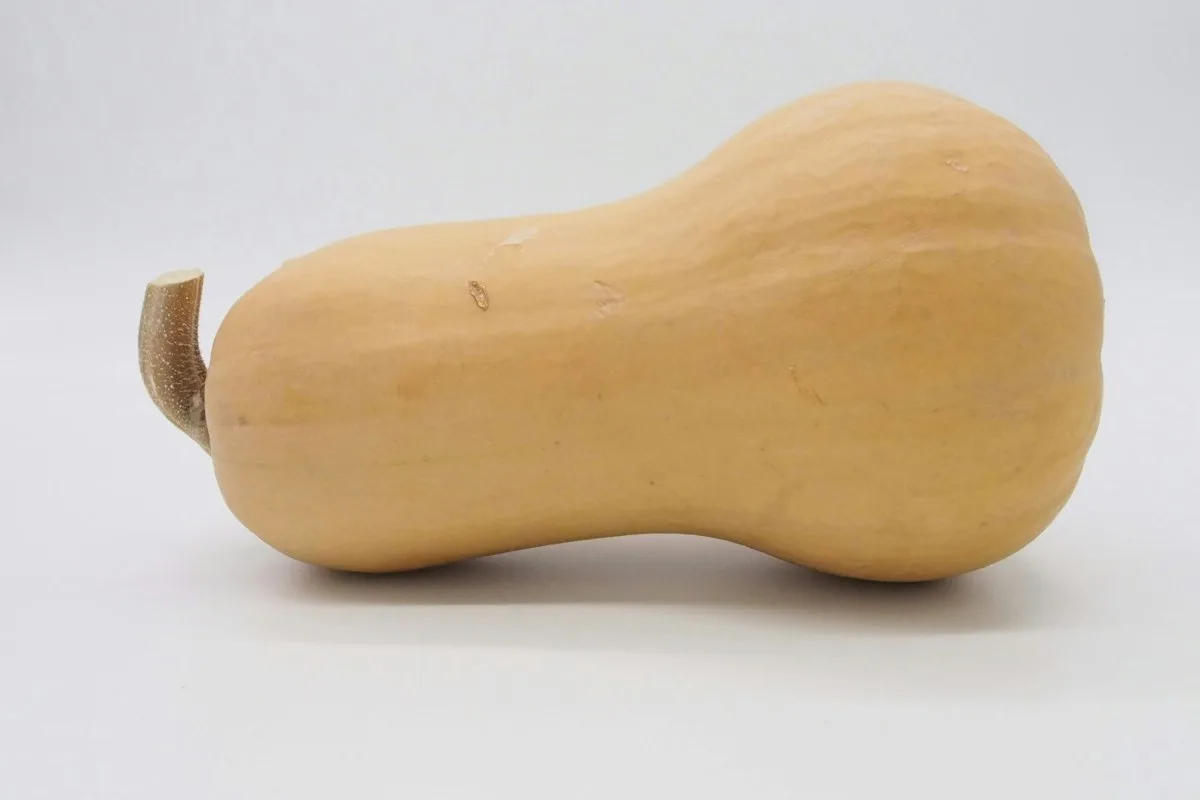
Butternut squash is tan and shaped like a bell, with a long solid neck and a small round bulb at the bottom that holds the seeds. The thin skin is easy to peel, and there is very little waste. It is a close relative of the pumpkin, and the variety used for most canned pumpkin, Dickinson, looks far more like a butternut than a jack-o’-lantern.
Taste and texture: Sweet, nutty, and very smooth, with no strings.
Best for: Soups, roasting, purees, risotto, and pies. It can replace pumpkin in almost any recipe, cup for cup.
9. Decorative Gourds
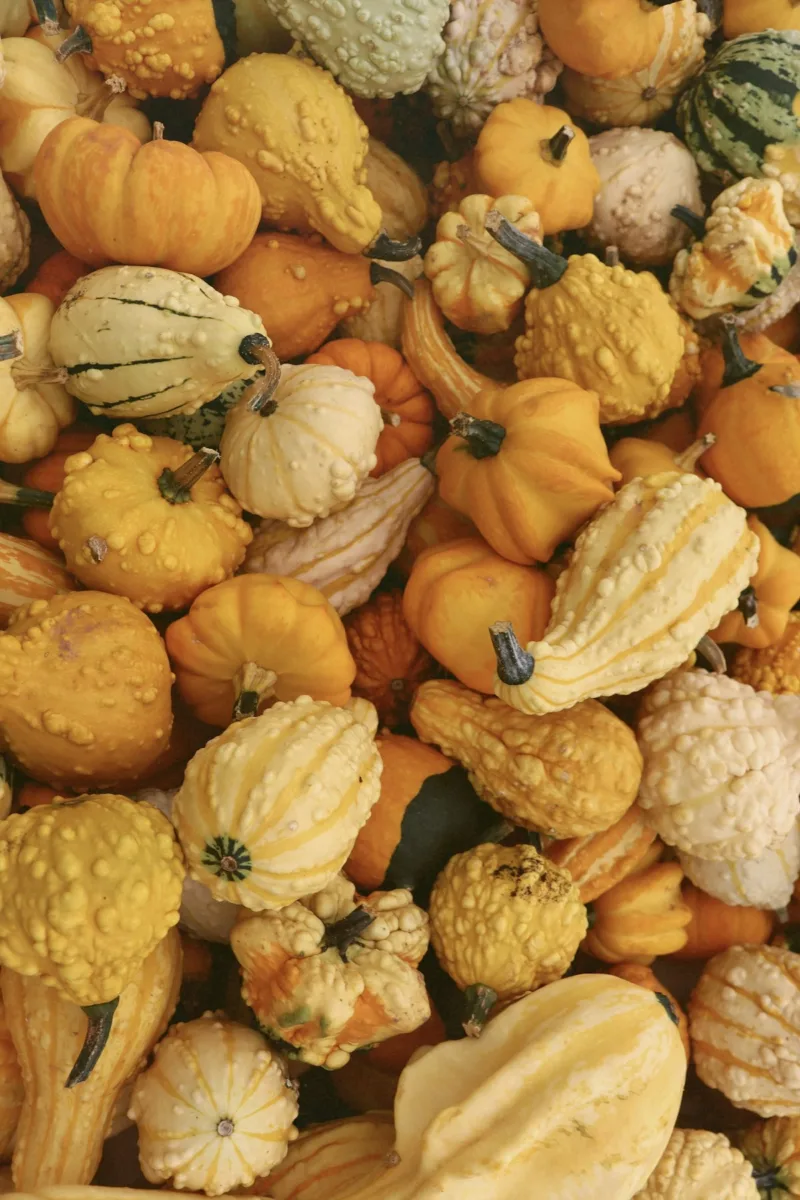
Decorative gourds are small, hard-shelled relatives of pumpkins and squash that are grown only for their looks. They come in an endless mix of shapes and patterns: warty, striped, two-toned, pear-shaped, curved like a spoon, or spiked like a crown. Their flesh is thin and bitter, so they are not eaten.
Taste and texture: Bitter and tough. They are not a food.
Best for: Bowls and baskets of fall decoration, wreaths, and table runners. If they are kept dry with good air flow, they harden and can last for months.
Pumpkin or Squash: What Is the Difference?
Every pumpkin is a type of winter squash. Both belong to the plant genus Cucurbita, and there is no strict botanical line between them. In everyday use, “pumpkin” usually means a round, orange squash with a hard rind, while “squash” covers the other shapes and colors.
How to Choose the Right Type of Pumpkin
For carving, pick a large pumpkin with a flat base, a firm green stem, and no soft spots. For cooking, pick a small, heavy pie pumpkin or use butternut squash. For decorating, mix white, mini, and heirloom pumpkins with gourds to get different colors and shapes. If you are planning the rest of your fall table, see our guides to types of apples and types of bread.
Frequently Asked Questions
Which type of pumpkin is best for pumpkin pie?
Small pie pumpkins, also called sugar pumpkins, are best for pie. Their flesh is sweeter, denser, and smoother than the flesh of a carving pumpkin.
Can you eat a carving pumpkin?
Yes, carving pumpkins are safe to eat, but the flesh is watery and stringy with little flavor. The seeds are the best part and are very good roasted.
How long do pumpkins last?
An uncut pumpkin kept in a cool, dry place can last two to three months. Once it is carved, it usually lasts only three to seven days before it starts to soften.
Are white pumpkins edible?
Yes. Most white pumpkins, including Lumina and Casper, can be cooked and eaten just like orange pumpkins.
Is a pumpkin a fruit or a vegetable?
Botanically, a pumpkin is a fruit because it grows from a flower and contains seeds. In the kitchen it is usually treated as a vegetable.