The main types of wedding dresses are A-line, ball gown, mermaid, trumpet, sheath, empire, fit-and-flare, princess, drop waist, tea-length, high-low, mini, slip dress, two-piece, boho and wedding jumpsuit. A silhouette is the overall shape of the dress, and it affects how you look, how you move and how the photos turn out. Below you will find a picture of each style, what it looks like, which body types it flatters and how to style it. Use it as a checklist before your first fitting.
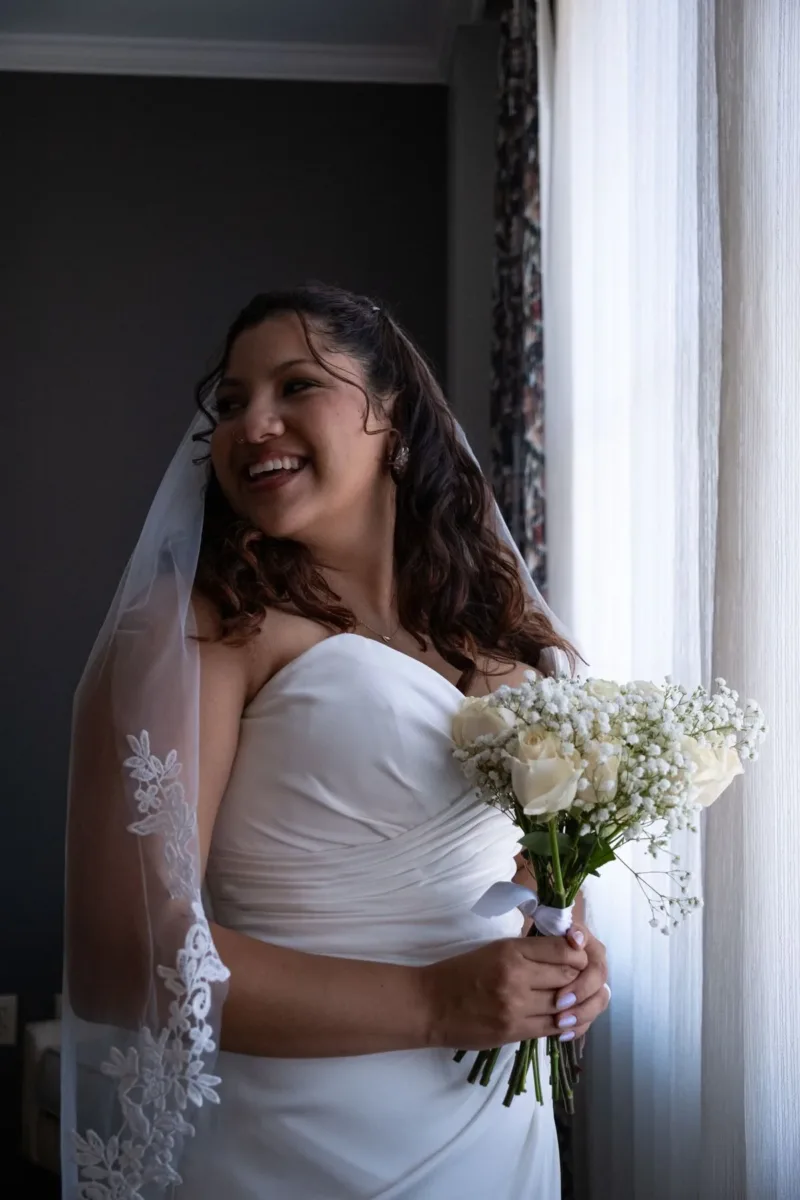
Types of Wedding Dresses at a Glance
| Style | Shape | Best for |
|---|---|---|
| A-Line | Soft A shape, widens from the waist | Almost every body type |
| Ball Gown | Fitted top, very full skirt | Hourglass |
| Mermaid | Fitted to the knee, then flares | Hourglass |
| Trumpet | Fitted to mid-thigh, gentle flare | Hourglass |
| Sheath | Straight and narrow | Slim |
| Empire | High waist under the bust | Pear shapes |
| Fit-and-Flare | Fitted, flares at the hip | Hourglass |
| Princess | Seamed, full skirt | Tall brides |
| Drop Waist | Waist at the hip | Tall |
| Tea-Length | Mid-calf length | Petite brides |
| High-Low | Short front, long back | Brides who want a modern look with comfort |
| Mini | Above the knee | Brides who love their legs |
| Slip Dress | Bias-cut satin | Slim |
| Two-Piece | Separate top and skirt | Brides who want a modern or fashion-forward style |
| Boho | Relaxed and flowing | Brides who want an easy |
| Wedding Jumpsuit | Pants with overlay | Brides who want a non-traditional or minimal look |
Different Types of Wedding Dresses with Pictures
1. A-Line
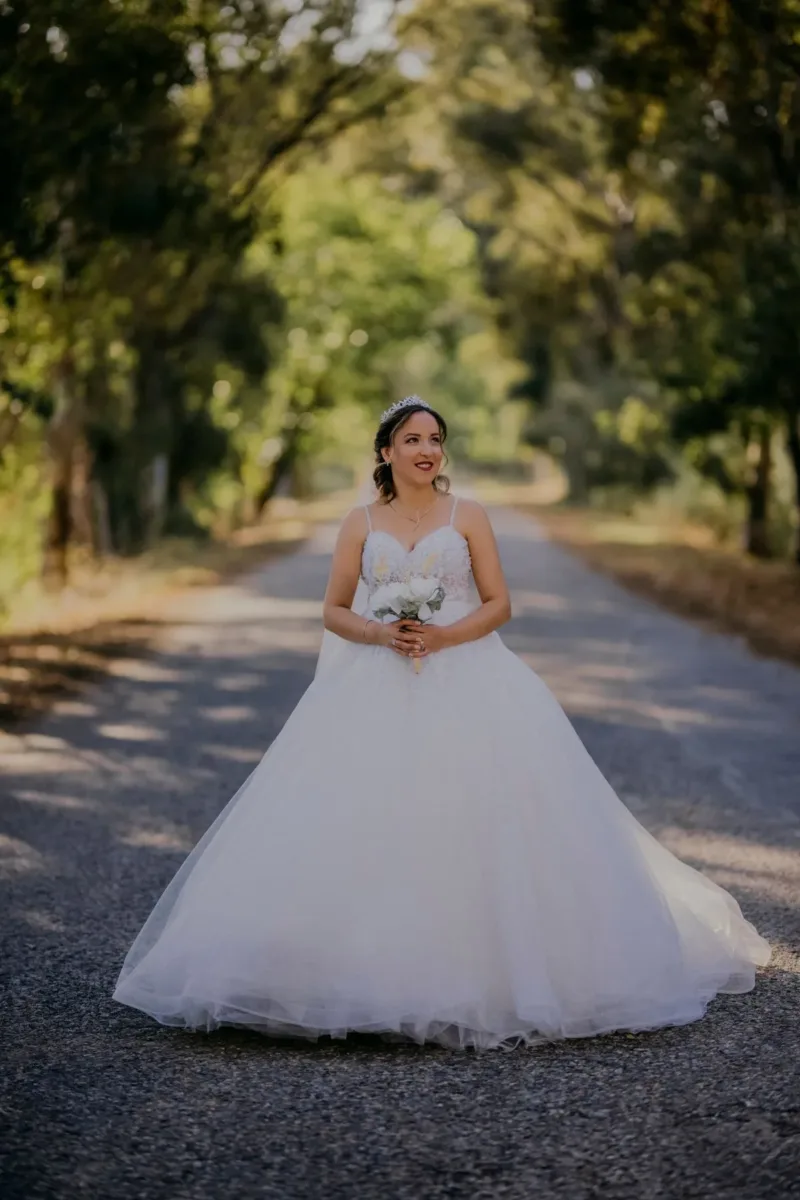
The a-line wedding dress is fitted at the bodice and gradually widening from the waist to the hem, forming a soft letter A. The most forgiving and popular silhouette. It skims the hips instead of clinging to them, moves easily and works in chiffon, satin, tulle or lace.
Who it suits: almost every body type, especially pear and apple shapes. How to style it: pair it with a simple veil and delicate jewelry; it also photographs well at outdoor and church weddings.
2. Ball Gown
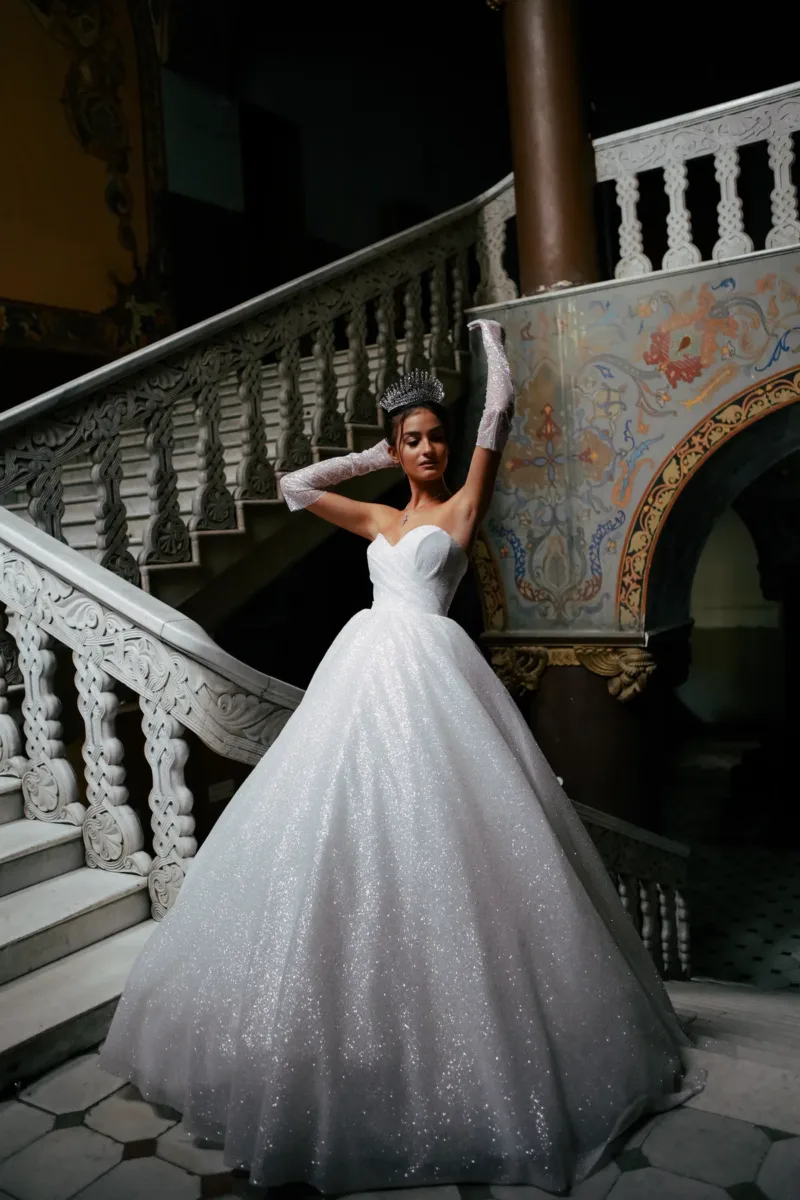
The ball gown wedding dress is a fitted bodice with a very full skirt that flares from the natural waist, often over layers of tulle. This is the classic fairy-tale dress. The skirt takes up a lot of space, so it suits large venues and long aisles.
Who it suits: hourglass, pear and rectangle shapes, since the skirt hides hips and thighs. How to style it: choose a structured strapless or sweetheart bodice and add a cathedral-length veil for a formal wedding.
3. Mermaid
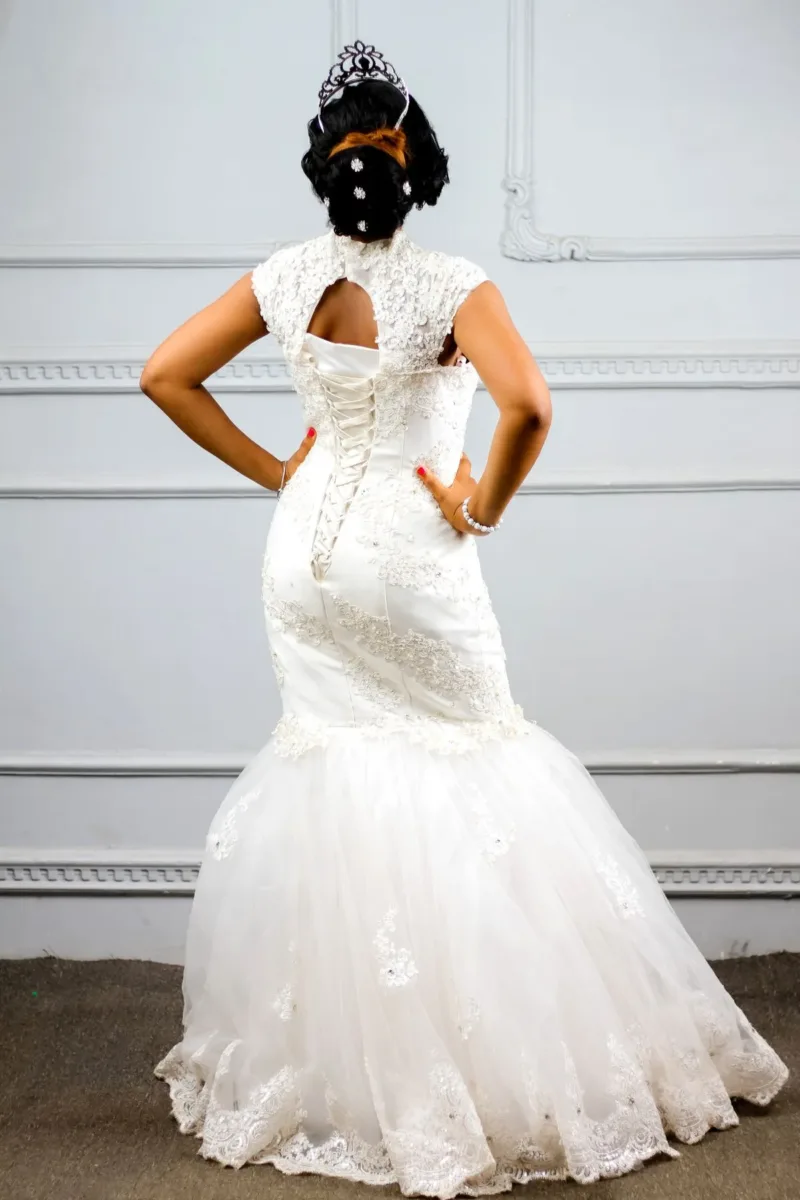
The mermaid wedding dress is fitted through the chest, waist, hips and thighs, then flaring out at or below the knee. It shows off every curve, so the fabric needs structure. Crepe, satin and lace over a firm lining all hold the shape well.
Who it suits: hourglass and slim figures who want to highlight their curves. How to style it: check that you can sit and walk comfortably; a detachable overskirt helps at the reception.
4. Trumpet
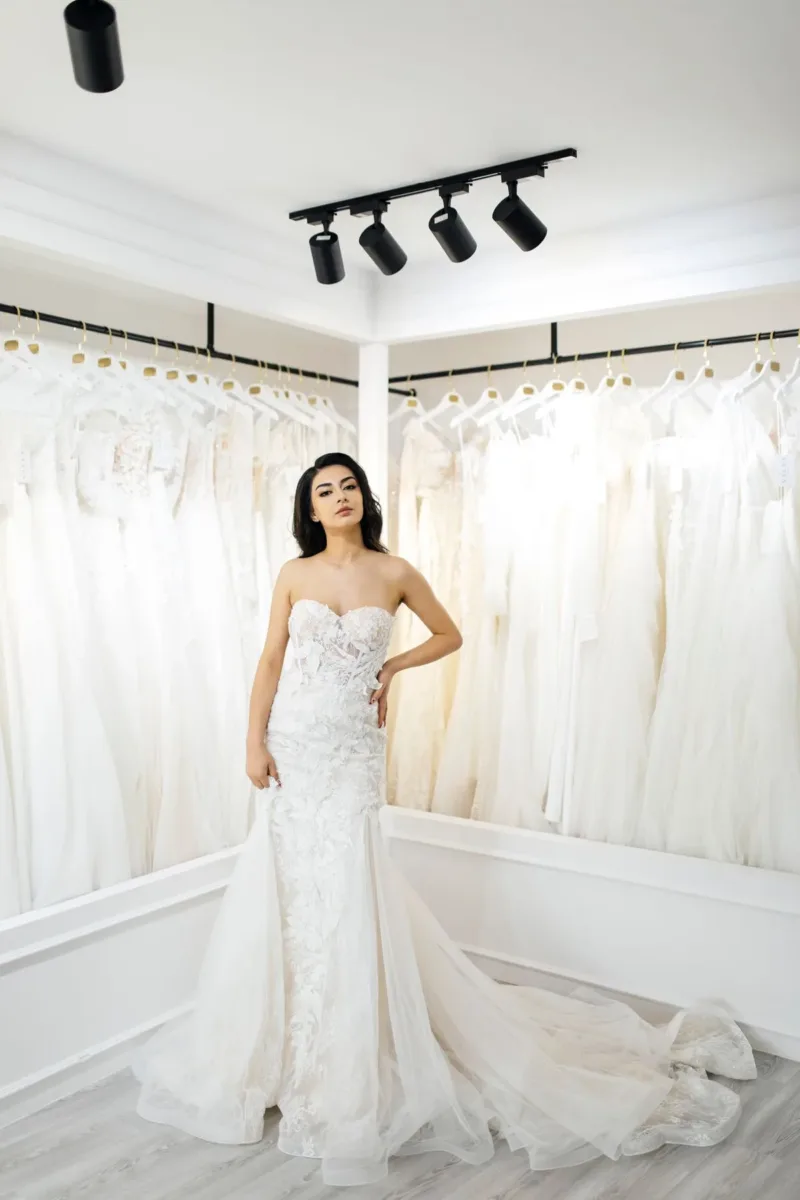
The trumpet wedding dress is fitted to mid-thigh and then flaring out, a softer version of the mermaid. The flare starts higher than on a mermaid and is gentler, so it is much easier to move in. Many brides who love the mermaid look end up choosing a trumpet.
Who it suits: hourglass, rectangle and petite brides. How to style it: keep accessories simple and let the fabric do the work.
5. Sheath
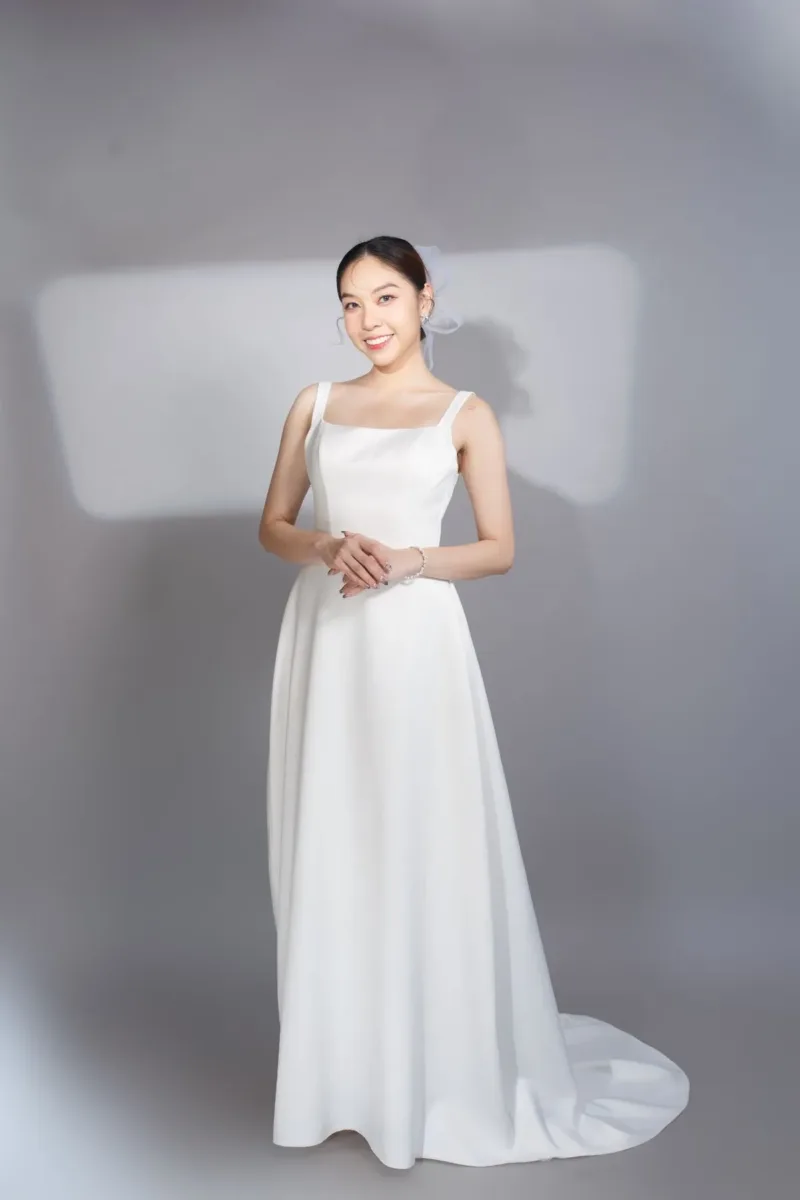
The sheath wedding dress is a narrow, straight dress that follows the body from shoulder to hem. A sleek, minimalist choice that works for city halls, beach weddings and modern ceremonies. It is usually light, so it suits hot weather.
Who it suits: slim, petite and athletic frames. How to style it: add a statement veil, a cape or bold earrings so it does not look plain.
6. Empire
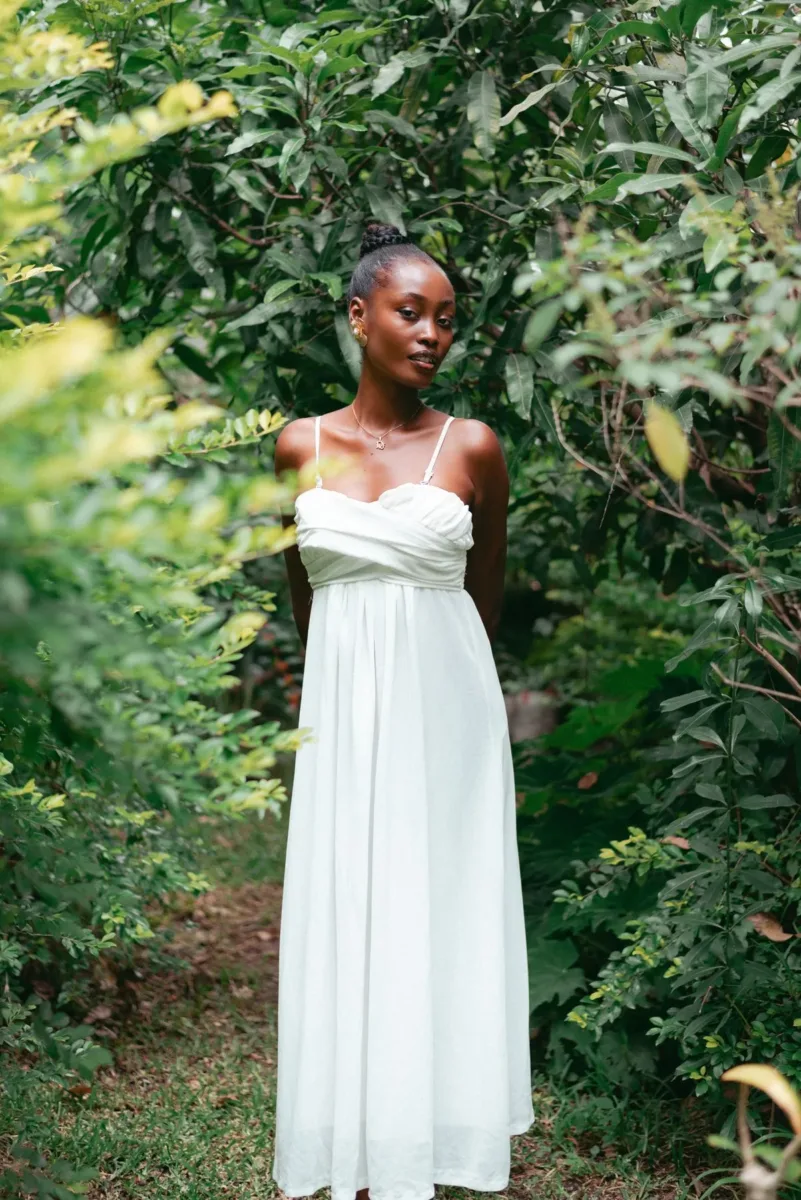
The empire wedding dress is a high waistline that sits just under the bust, with a skirt that falls softly to the floor. The empire waist gives a Grecian, romantic look and is very comfortable because it does not squeeze the waist. It is a favorite for maternity and outdoor weddings.
Who it suits: pear shapes, petite brides and anyone who wants room to eat and dance. How to style it: try flowing chiffon and a flower crown for a garden-party feel.
7. Fit-and-Flare
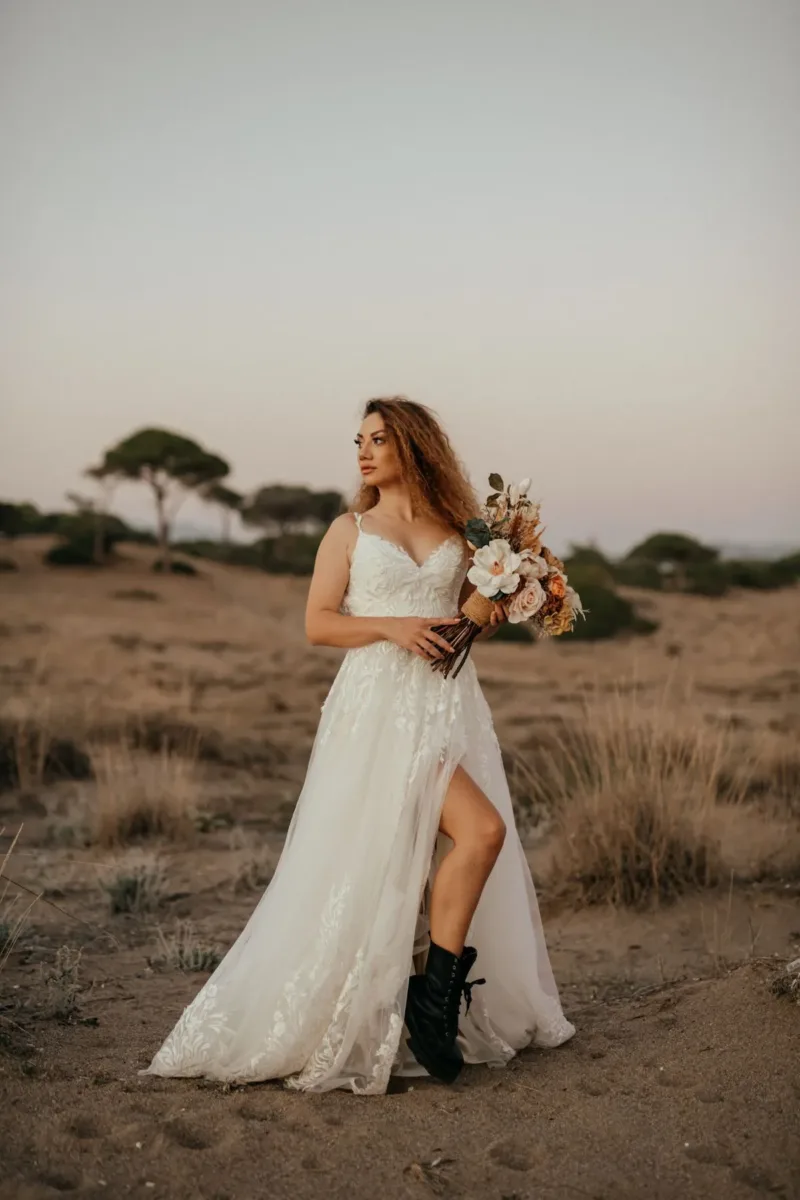
The fit-and-flare wedding dress is fitted from the chest to the hip and flaring below, usually around mid-thigh to the knee. It is similar to a mermaid or trumpet, but the flare often begins higher and the skirt is lighter and fuller. It keeps the figure visible while still letting you move.
Who it suits: hourglass and athletic shapes. How to style it: pick a V-neck or an illusion lace back for extra detail.
8. Princess
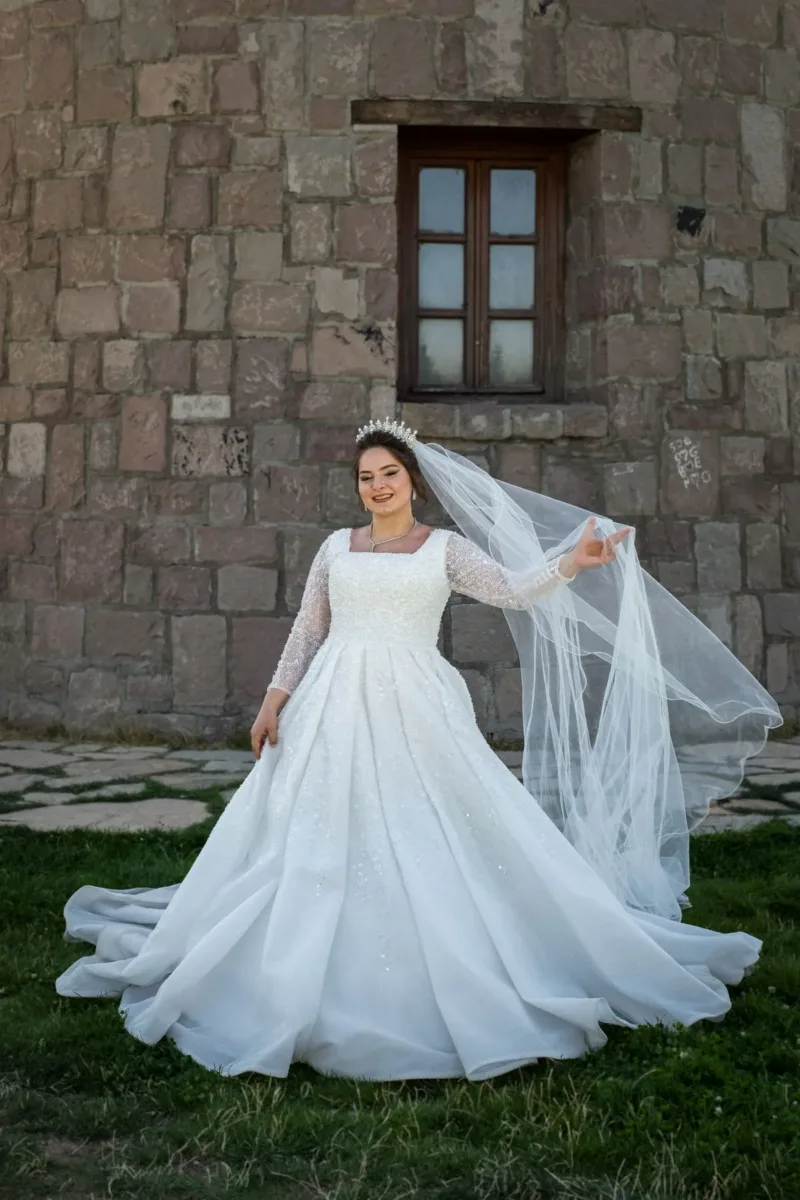
The princess wedding dress is a seamed, vertical cut with a fitted bodice and a full skirt but no waist seam. The long vertical seams create a smooth line from shoulder to hem. It looks like a ball gown but is slimmer and a little easier to wear.
Who it suits: tall brides and those who want a polished, structured look. How to style it: pair it with a long train and a simple tiara.
9. Drop Waist
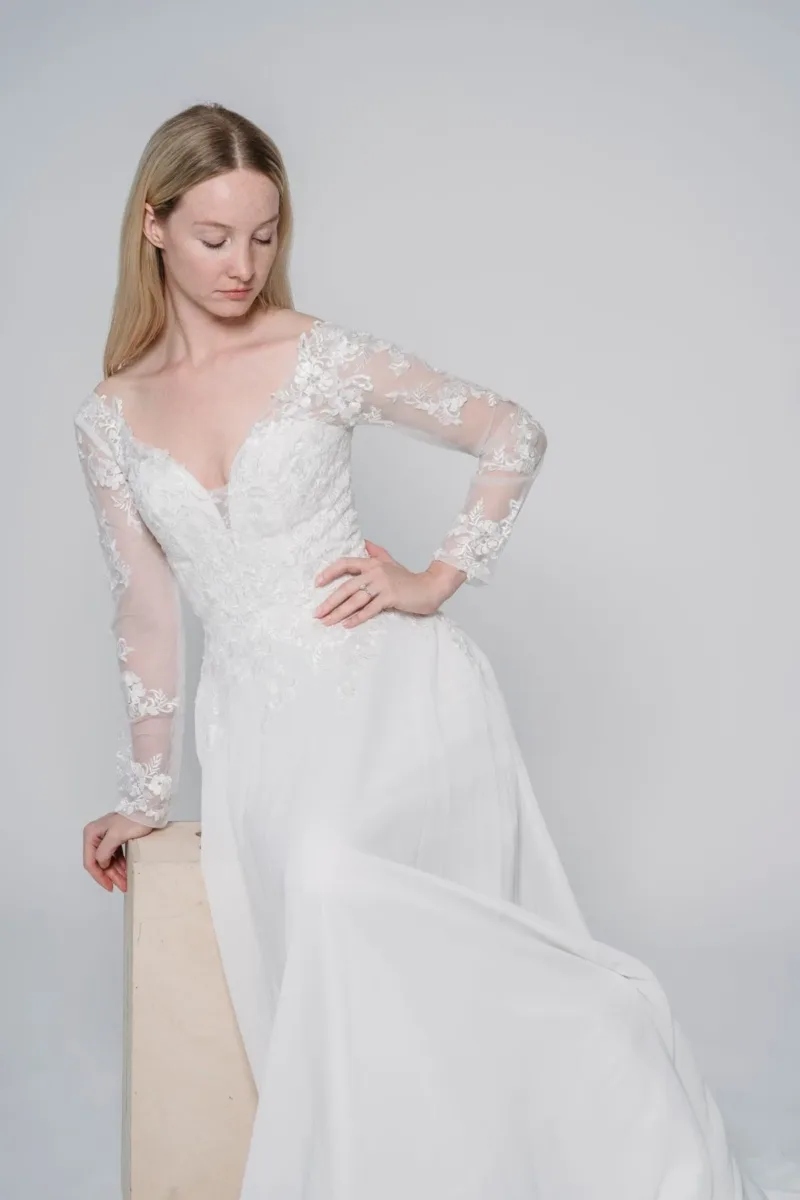
The drop waist wedding dress is a bodice that ends at the hips, with a flared skirt starting below the natural waist. The drop waist has a 1920s feel and elongates the torso. It is relaxed and flattering on long upper bodies.
Who it suits: tall, slim and straight figures. How to style it: vintage-style headpieces and pearl jewelry suit it well.
10. Tea-Length
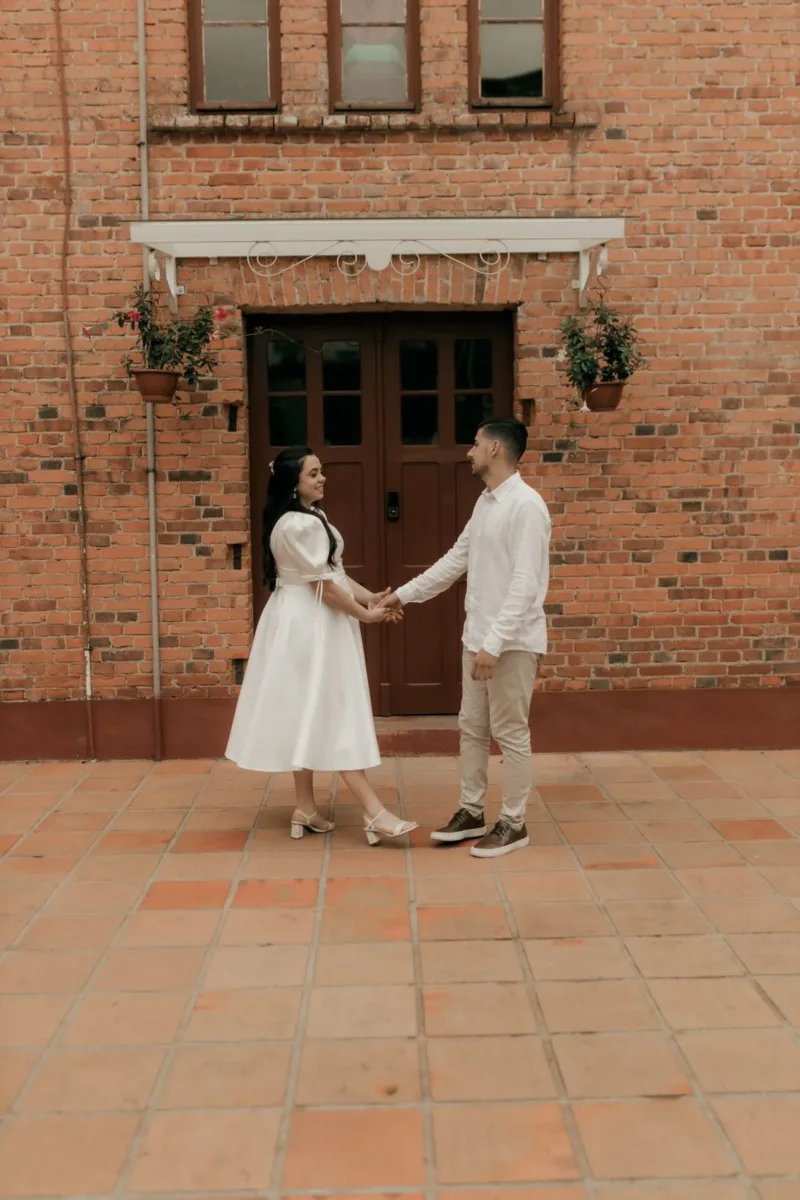
The tea-length wedding dress is a skirt that ends mid-calf, between the knee and the ankle. A retro, playful length that shows off your shoes and makes dancing easy. It is common for daytime, city hall and vow renewal ceremonies.
Who it suits: petite brides and anyone planning a casual or vintage wedding. How to style it: show off statement heels and wear a short birdcage veil.
11. High-Low
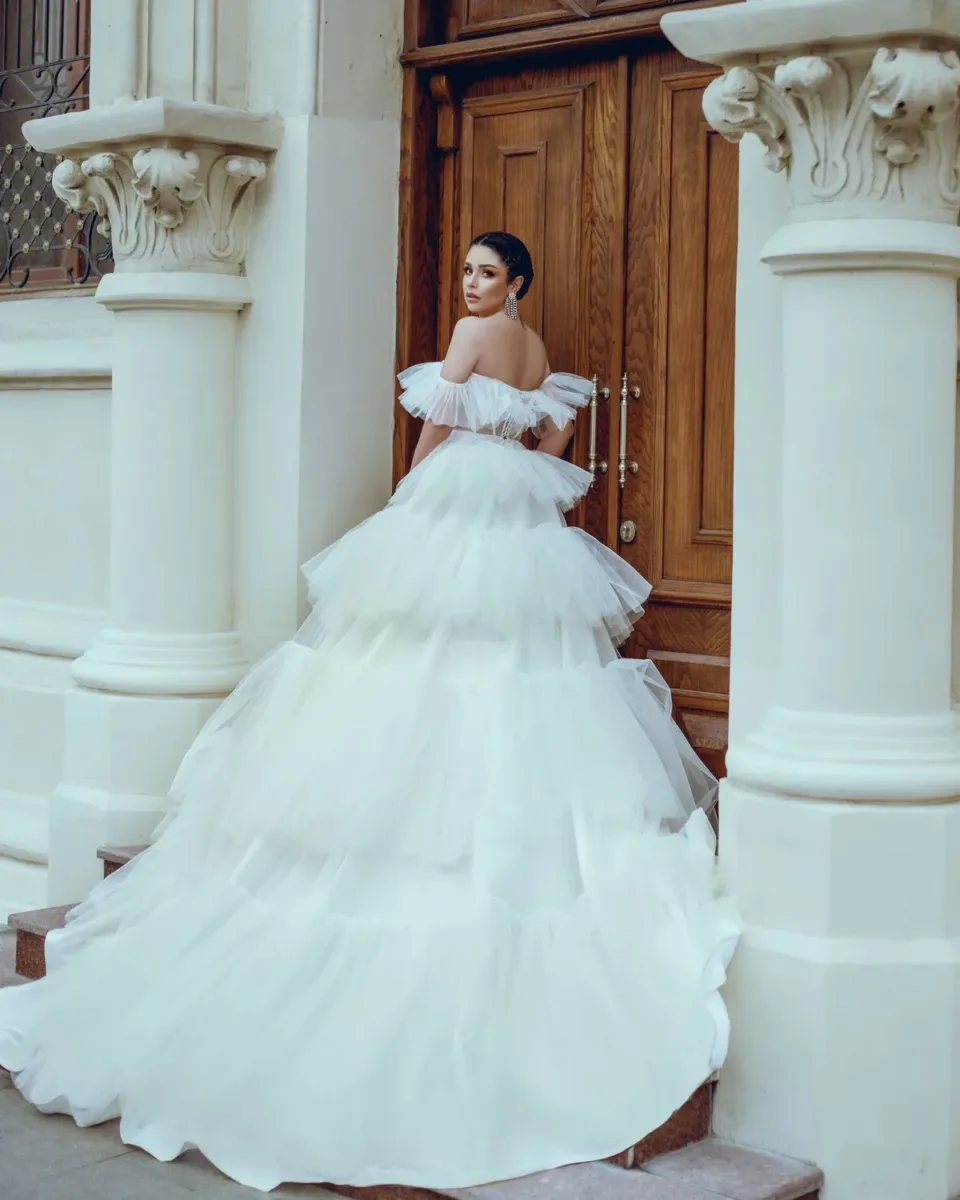
The high-low wedding dress is a dress with a hemline that is short in front and long at the back. It lets you show your shoes and still get a train for photos. It is also practical for walking on grass or sand.
Who it suits: brides who want a modern look with comfort. How to style it: keep the fabric light; chiffon and tulle drift nicely.
12. Mini
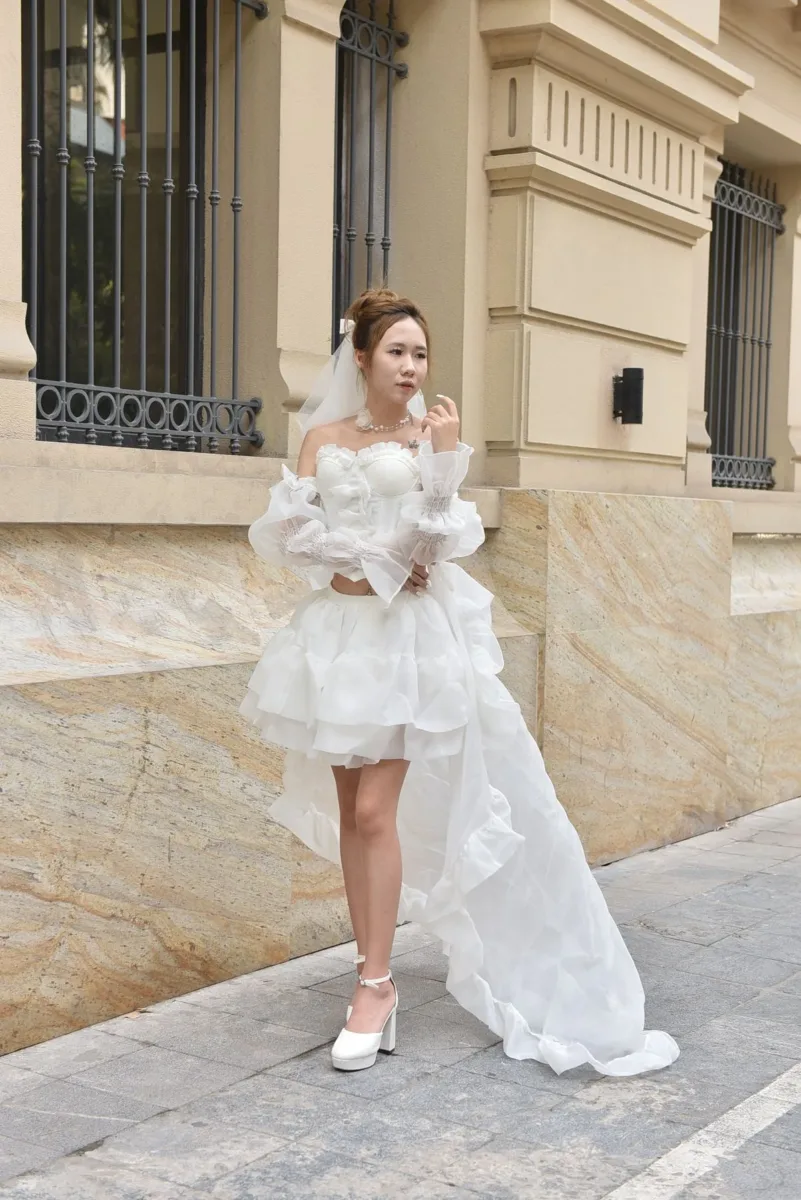
The mini wedding dress is a short dress that ends above the knee. Mini wedding dresses are popular for rehearsal dinners, bridal showers, civil ceremonies and second outfits at the reception.
Who it suits: brides who love their legs and want to dance all night. How to style it: add white boots, a blazer or a floor-length veil for contrast.
13. Slip Dress
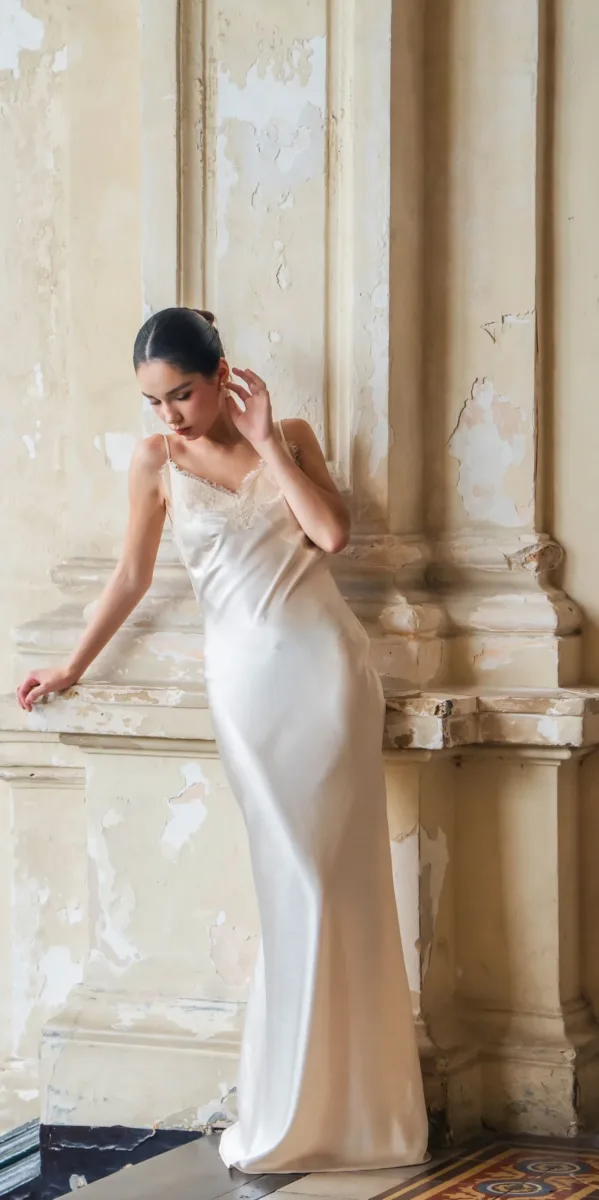
The slip dress wedding dress is a bias-cut satin gown with thin straps and a soft, liquid drape. The slip dress is minimal and sensual, with no beading or heavy structure. It suits modern, low-key weddings.
Who it suits: slim and straight figures; other shapes can wear it with good support underneath. How to style it: dress it up with a cape, long gloves or a dramatic veil.
14. Two-Piece
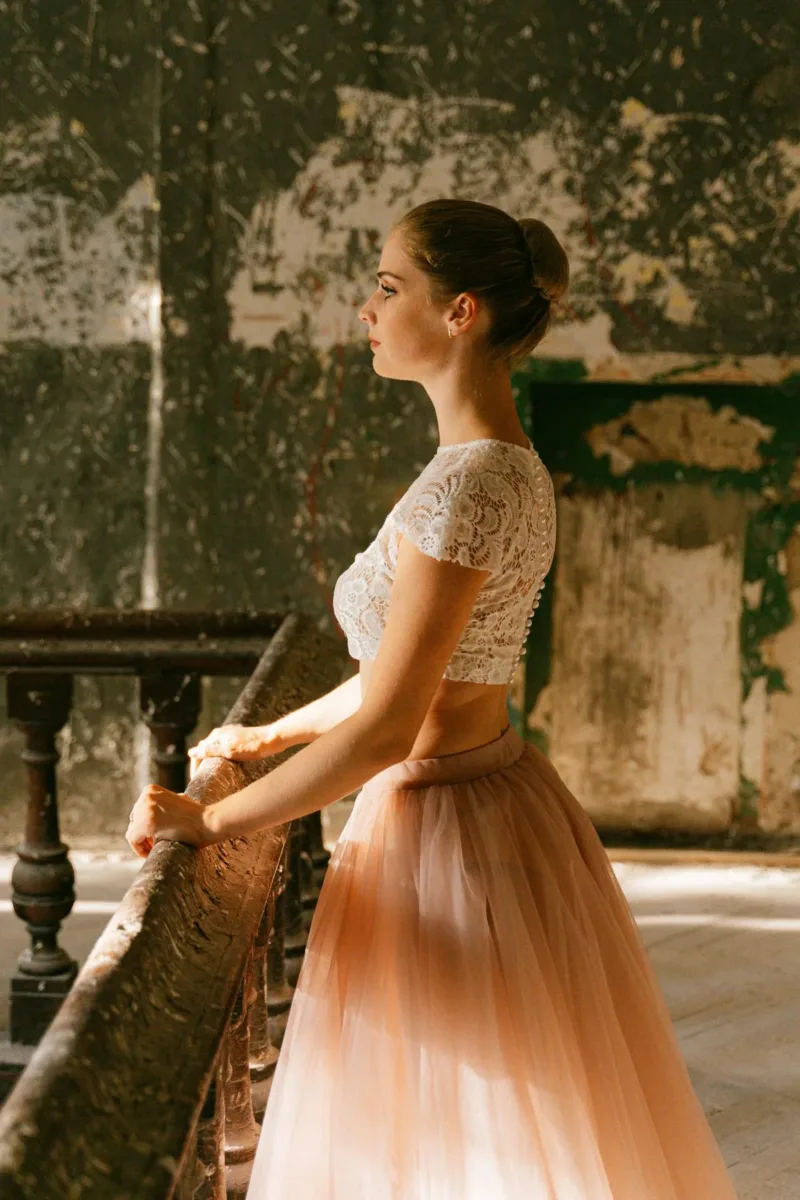
The two-piece wedding dress is a matching top and skirt (or pants) that give the look of a dress with a separate bodice. A crop top and skirt gives you a trendy look and extra comfort around the middle. You can re-wear the top and skirt separately after the wedding.
Who it suits: brides who want a modern or fashion-forward style. How to style it: pick a lace top with a satin skirt for a mix of textures.
15. Boho
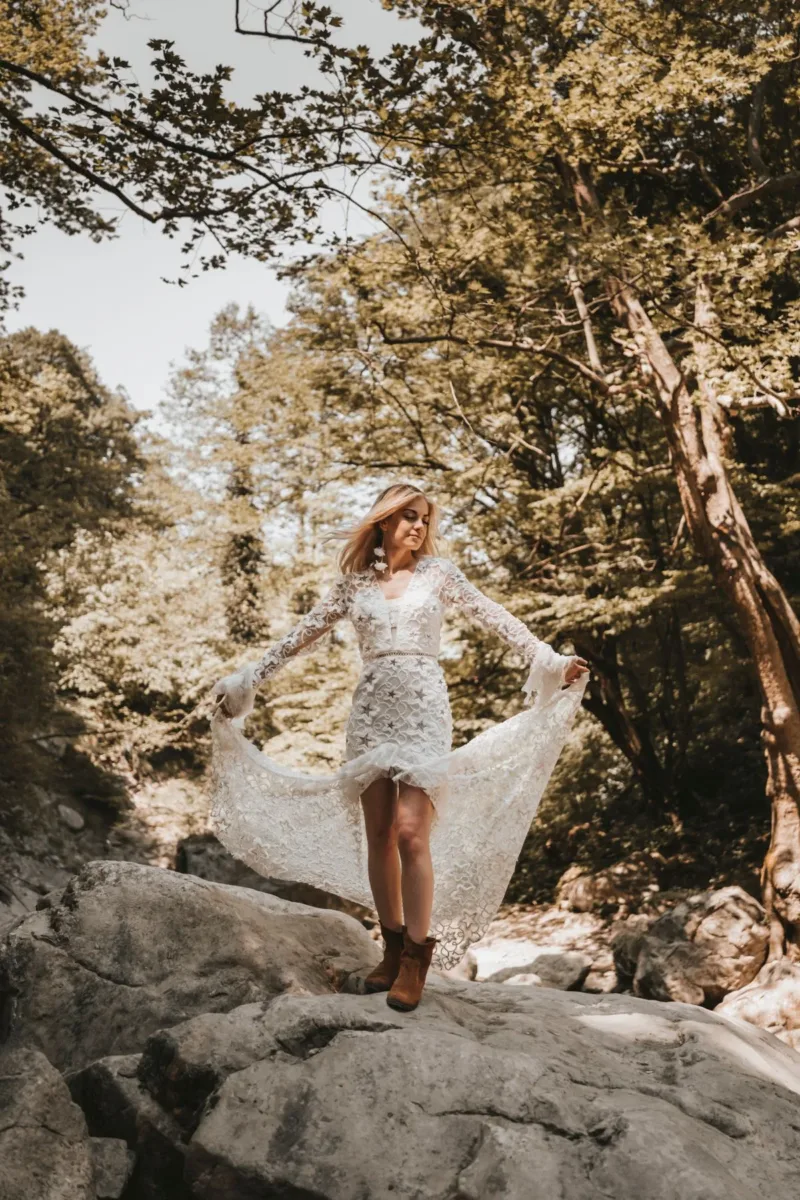
The boho wedding dress is a relaxed, flowing dress with lace, flutter sleeves and often a deep V or open back. The bohemian wedding dress is light and unstructured. It is ideal for beach, forest and farm weddings and is usually less expensive.
Who it suits: brides who want an easy, unfussy look. How to style it: wear loose waves, wildflowers and barefoot sandals.
16. Wedding Jumpsuit
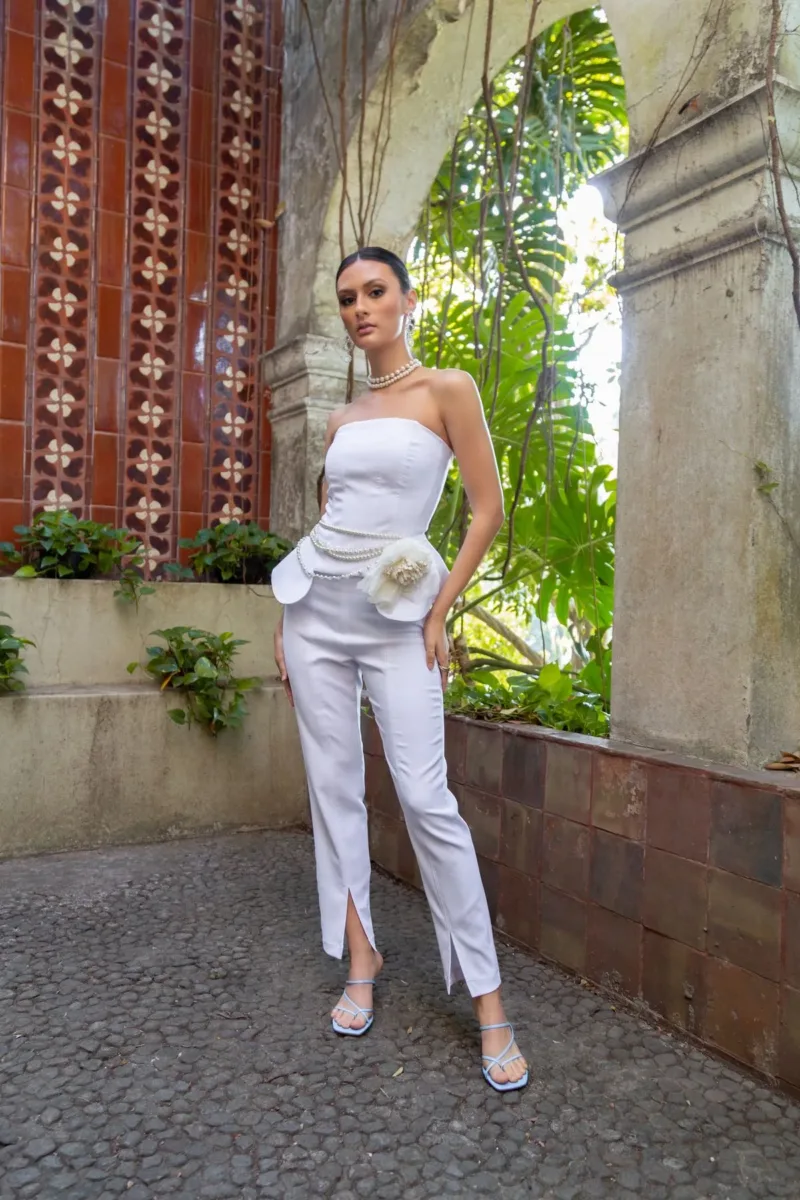
The wedding jumpsuit wedding dress is a one-piece outfit with wide-leg pants instead of a skirt, sometimes with a train or overlay. The jumpsuit is a modern choice for brides who prefer pants to a skirt. It is comfortable and easy to dance in, and a detachable overskirt gives a dress look for the ceremony.
Who it suits: brides who want a non-traditional or minimal look. How to style it: finish with a long veil and strappy heels.
How to Choose a Wedding Dress Silhouette
Start with the venue and the season. A beach wedding calls for something light like a sheath, slip or boho dress, while a church or hotel ballroom handles a ball gown or princess dress easily. Then think about how you want to feel: a structured dress feels formal and secure, a flowing one feels relaxed.
Next, try on three very different shapes at your first appointment, for example an A-line, a mermaid and a sheath. You will quickly see what you like. Pay attention to comfort when sitting, walking and hugging, not just standing still. Finally, set a budget that includes alterations, which often add 10 to 20 percent to the price, and order at least six to nine months before the wedding.
Frequently Asked Questions
What is the most popular wedding dress style?
The A-line is the most popular because it flatters almost every body type and is comfortable for the whole day.
What is the difference between a mermaid and a trumpet dress?
A mermaid dress is fitted through the knee and flares below it. A trumpet dress is fitted to mid-thigh and flares higher up, so it is easier to walk and sit in.
What wedding dress style is best for a curvy figure?
A-line, ball gown and fit-and-flare dresses with a defined waist usually work well. Pick a supportive bodice and fabric with some structure.
What wedding dress is best for a petite bride?
Sheath, empire, tea-length and fit-and-flare styles keep the line long. Very full ball gowns can overwhelm a small frame unless the skirt is light.
What is the cheapest type of wedding dress?
Simple sheath, slip and boho dresses cost less because they use less fabric and have little beading or structure. Tea-length and mini dresses also tend to be cheaper.