Eggs are one of the most flexible foods in the kitchen. The same ingredient can be soft and creamy, firm and sliceable, or crisp at the edges, depending only on how much heat it gets and for how long. This guide covers ten different ways of cooking eggs, with pictures, simple steps, and a cook time for each one.
Most of these methods take less than ten minutes and need nothing more than a pan or a pot.
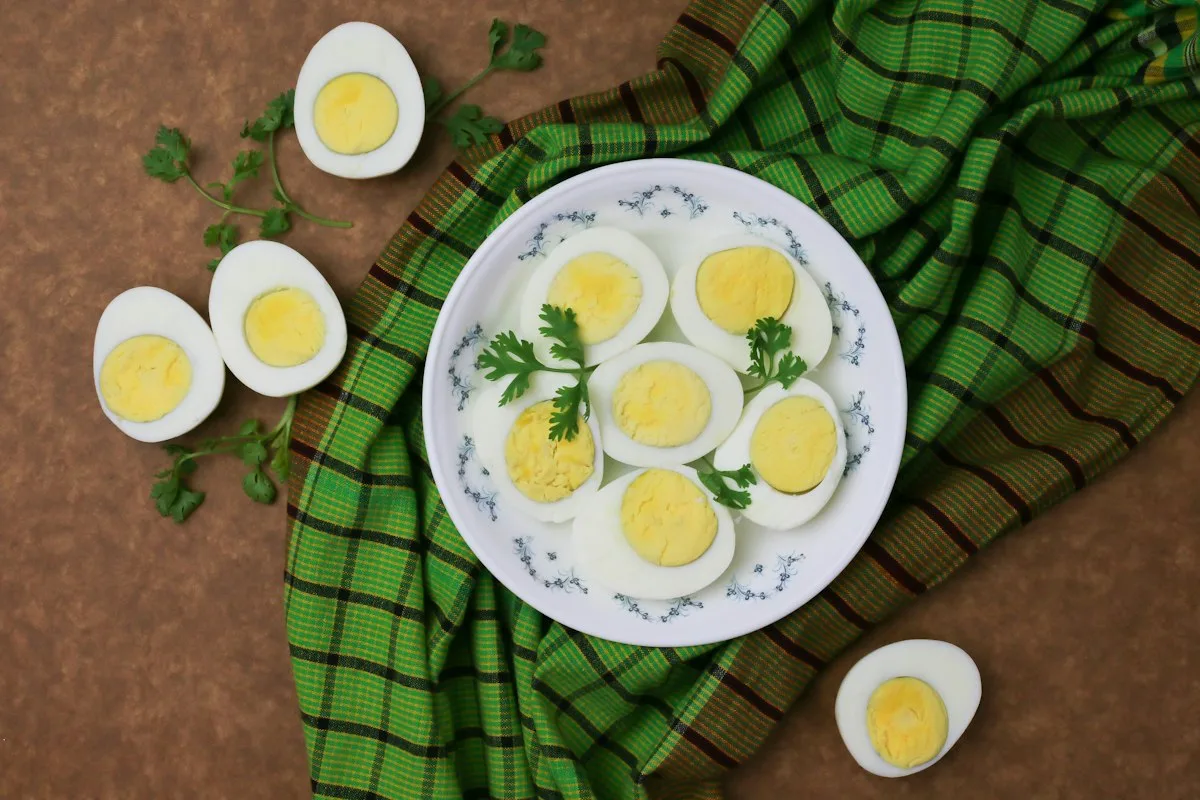
Ways to Cook Eggs at a Glance
| Method | Cook time | Yolk | Difficulty |
|---|---|---|---|
| Scrambled | 2 to 4 minutes | Mixed in, soft | Easy |
| Sunny-side up | 2 to 3 minutes | Runny | Easy |
| Poached | 3 to 4 minutes | Runny | Medium |
| Soft-boiled | 6 to 7 minutes | Runny to jammy | Easy |
| Hard-boiled | 10 to 12 minutes | Firm | Easy |
| Omelet | 2 to 3 minutes | Mixed in | Medium |
| Frittata | 15 to 20 minutes | Mixed in, set | Easy |
| Deviled | 12 minutes plus filling | Mashed and seasoned | Easy |
| Eggs Benedict | 15 minutes in total | Runny | Hard |
| Shakshuka | 20 to 25 minutes | Runny to jammy | Medium |
10 Different Ways to Cook Eggs with Pictures
1. Scrambled Eggs
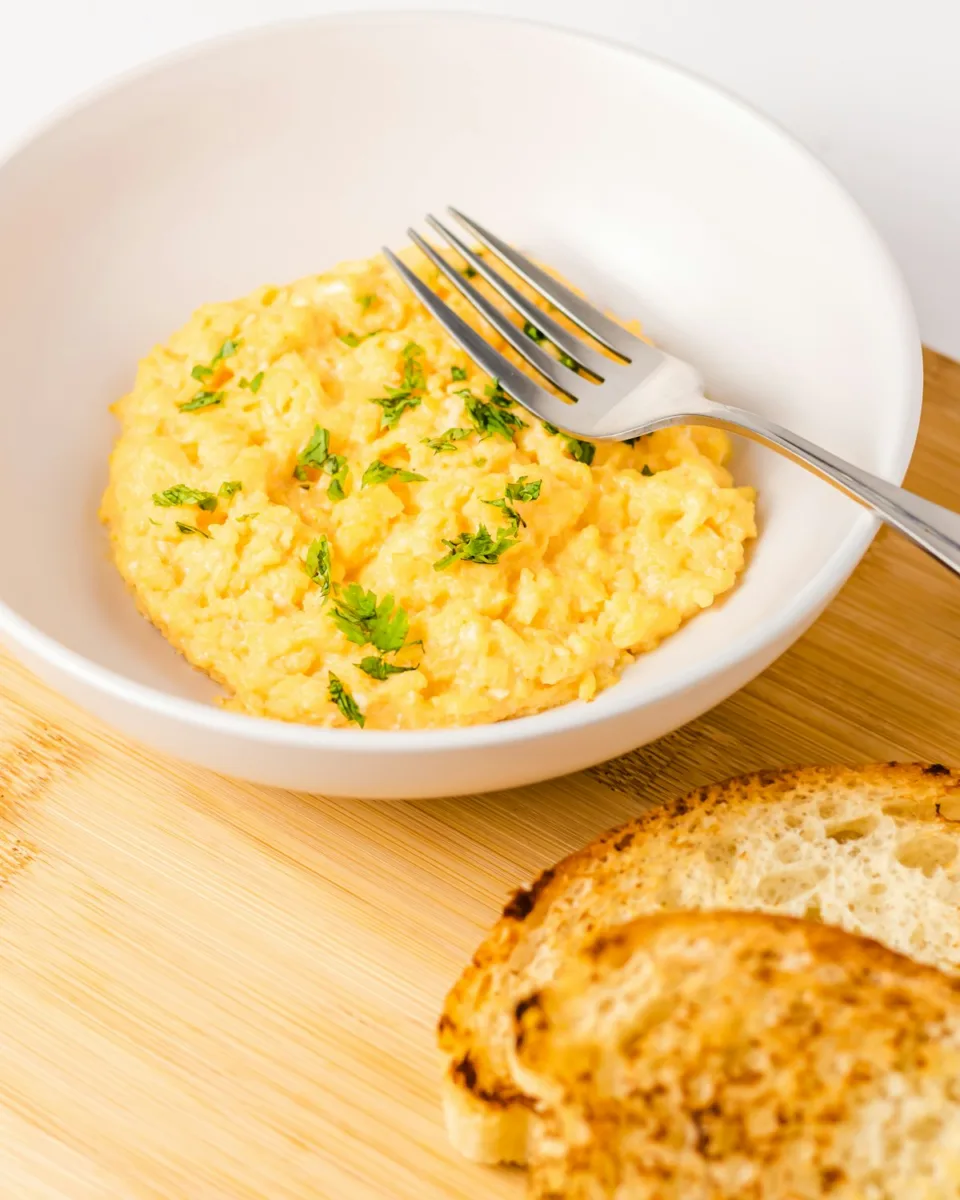
Scrambled eggs are eggs that are beaten and stirred in a pan until they form soft curds. The secret is low heat and patience. Cooked gently and stirred often, they turn out creamy and small-curded in the French style. Cooked a little hotter and folded less often, they form the large, fluffy curds common in American diners. Either way, take them off the heat while they still look slightly wet, because they keep cooking on the plate.
- Beat two or three eggs with a pinch of salt.
- Melt butter in a non-stick pan over medium-low heat.
- Pour in the eggs and stir slowly with a spatula, pushing the cooked egg from the edges to the center.
- Remove from the heat when the eggs are just set but still glossy.
Cook time: 2 to 4 minutes.
2. Sunny-Side Up Eggs
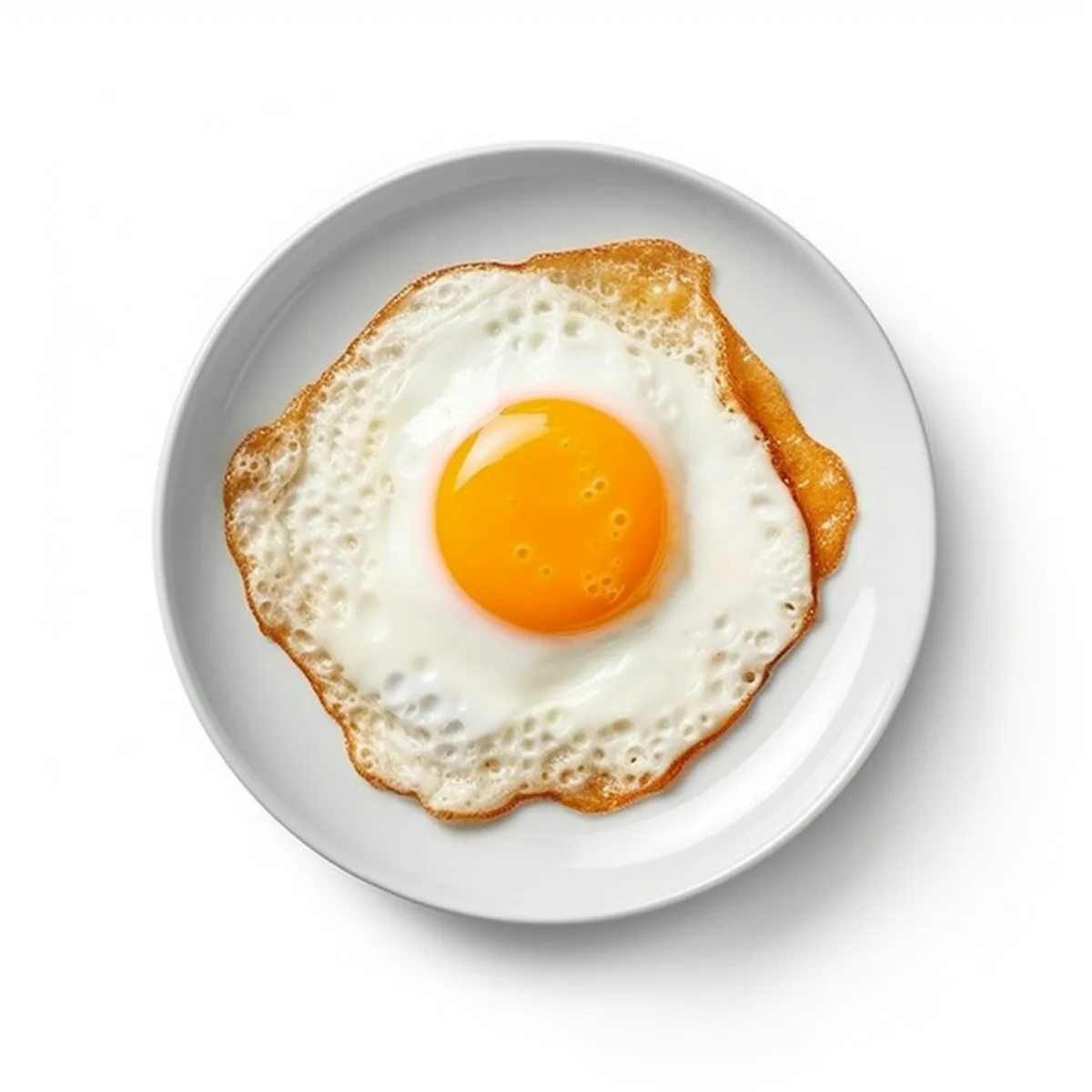
A sunny-side up egg is fried on one side only and never flipped, so the bright yellow yolk stays whole and runny on top of the set white. It is the classic fried egg for toast, burgers, rice bowls, and fried rice. If you flip the egg briefly, it becomes over easy, with a runny yolk under a thin cooked film. Cook the second side longer for over medium and over hard.
- Heat a little oil or butter in a pan over medium-low heat.
- Crack the egg into the pan and leave it alone.
- Cook until the white is fully set. Covering the pan for the last 30 seconds sets the top of the white.
- Season with salt and pepper and slide onto a plate.
Cook time: 2 to 3 minutes.
3. Poached Eggs
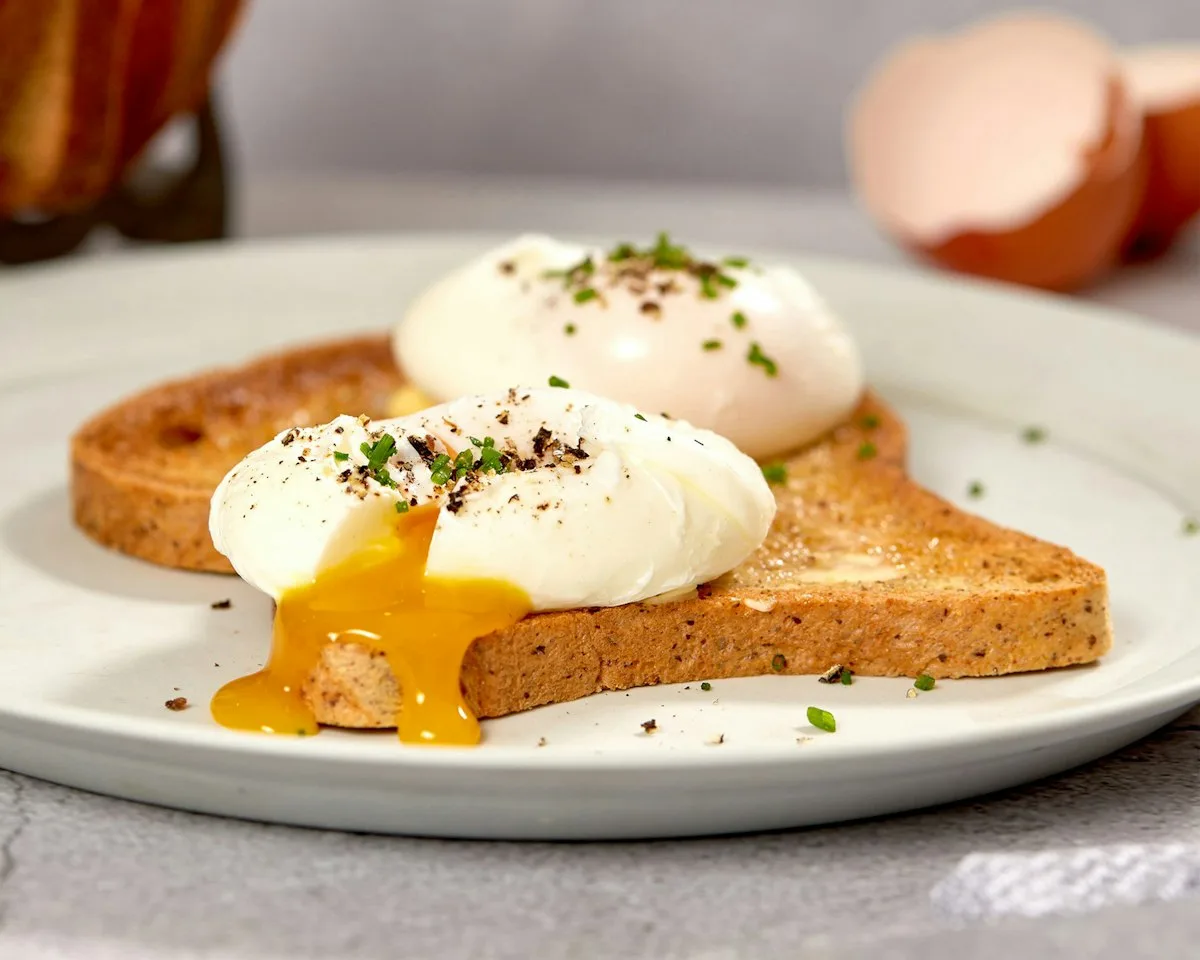
A poached egg is cooked without its shell in gently simmering water. There is no fat involved, and the result is a tender white wrapped around a warm, liquid yolk. Poached eggs are served on toast, on salads, on avocado, and in eggs Benedict. The fresher the egg, the better it holds together.
- Bring a pot of water to a bare simmer, with small bubbles and no rolling boil. A splash of vinegar helps the white to set.
- Crack the egg into a small cup.
- Stir the water gently and slide the egg into the center.
- Lift it out with a slotted spoon once the white is firm, and drain it on a paper towel.
Cook time: 3 to 4 minutes.
4. Soft-Boiled Eggs
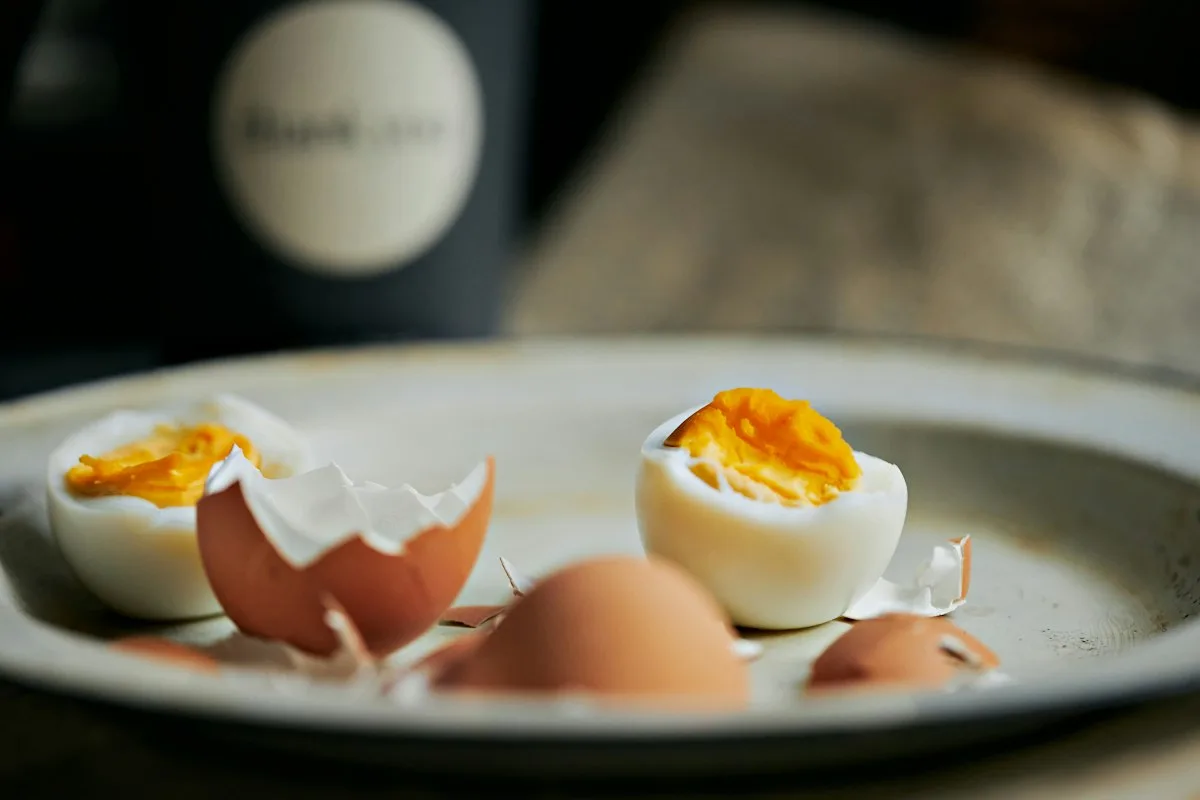
A soft-boiled egg is cooked in its shell just long enough to set the white while leaving the yolk runny or jammy. It is traditionally served in an egg cup with the top sliced off and strips of buttered toast, known in Britain as soldiers, for dipping. Halved soft-boiled eggs with a jammy center are also the standard topping for a bowl of ramen.
- Bring a pot of water to a boil.
- Lower the eggs in gently with a spoon.
- Boil for 6 minutes for a runny yolk or 7 minutes for a jammy one.
- Move the eggs to cold water for a minute to stop the cooking.
Cook time: 6 to 7 minutes.
5. Hard-Boiled Eggs
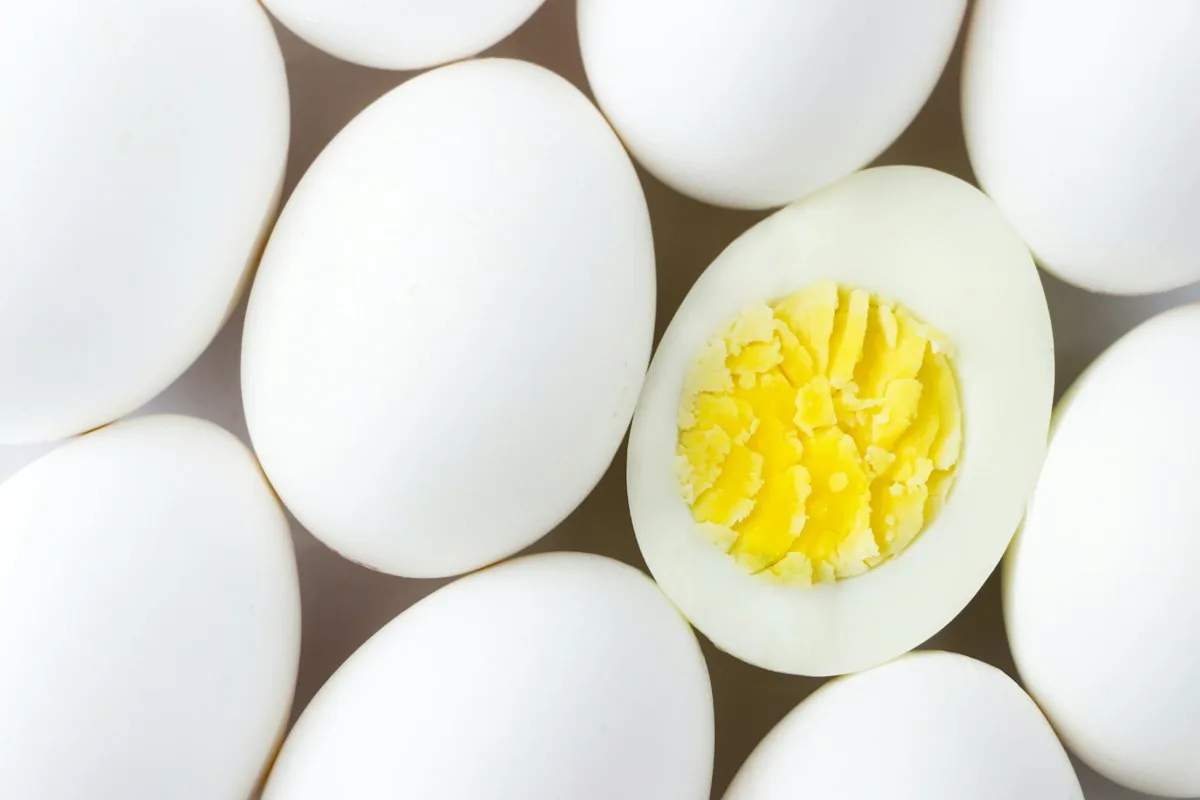
A hard-boiled egg is cooked in its shell until both the white and the yolk are firm. It can be peeled and eaten as it is, sliced into salads and sandwiches, or mashed into egg salad. A gray-green ring around the yolk means the egg was cooked too long. It is harmless but can taste sulfurous. Eggs that are a week or two old peel more easily than very fresh ones.
- Place the eggs in a pot and cover them with cold water.
- Bring to a boil, then turn off the heat and cover the pot.
- Leave the eggs in the hot water for 10 to 12 minutes.
- Cool them in ice water before peeling.
Cook time: 10 to 12 minutes.
6. Omelet
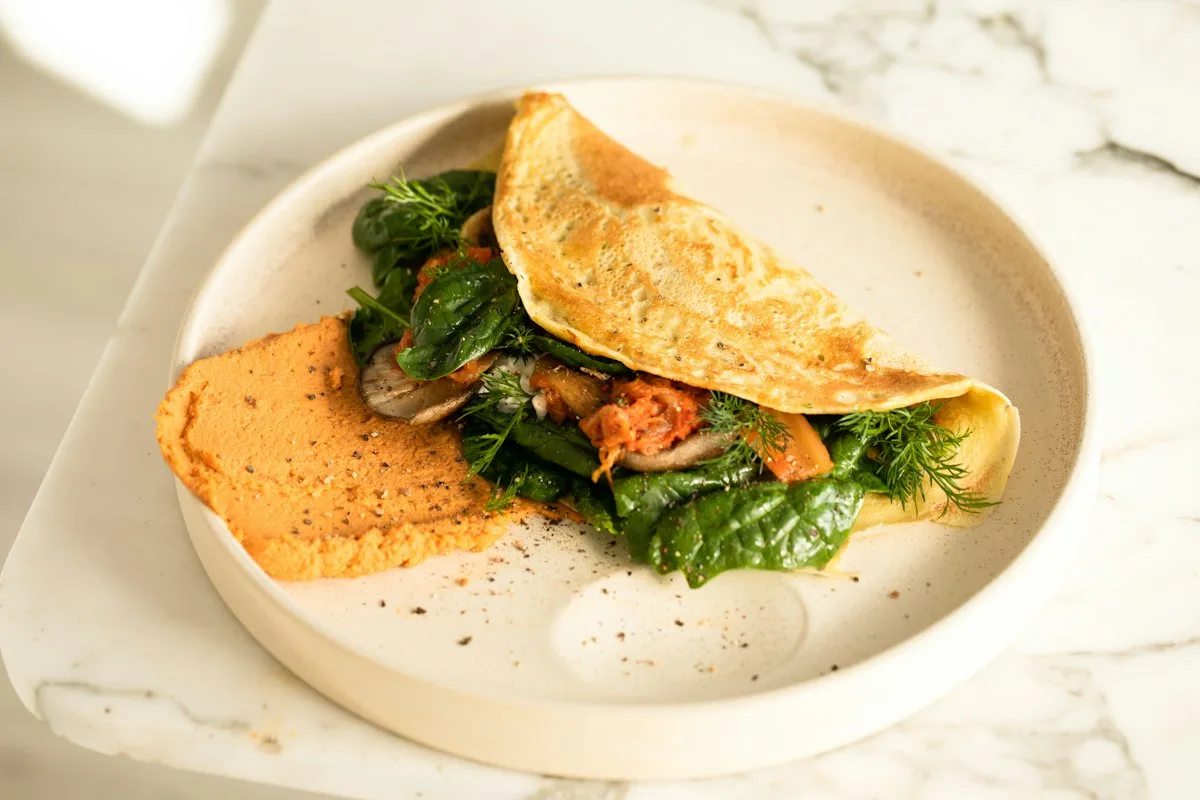
An omelet is made from beaten eggs cooked in a thin layer and folded over a filling. A classic French omelette is pale, smooth, and rolled, with a soft, creamy inside and no browning. An American omelet is cooked a little longer until lightly golden and folded in half over generous fillings such as cheese, ham, mushrooms, peppers, and spinach.
- Beat two or three eggs with a pinch of salt.
- Melt butter in a non-stick pan over medium heat and pour in the eggs.
- Stir briefly, then let the eggs set into an even layer.
- Add the filling to one half, fold the other half over, and slide onto a plate.
Cook time: 2 to 3 minutes.
7. Frittata
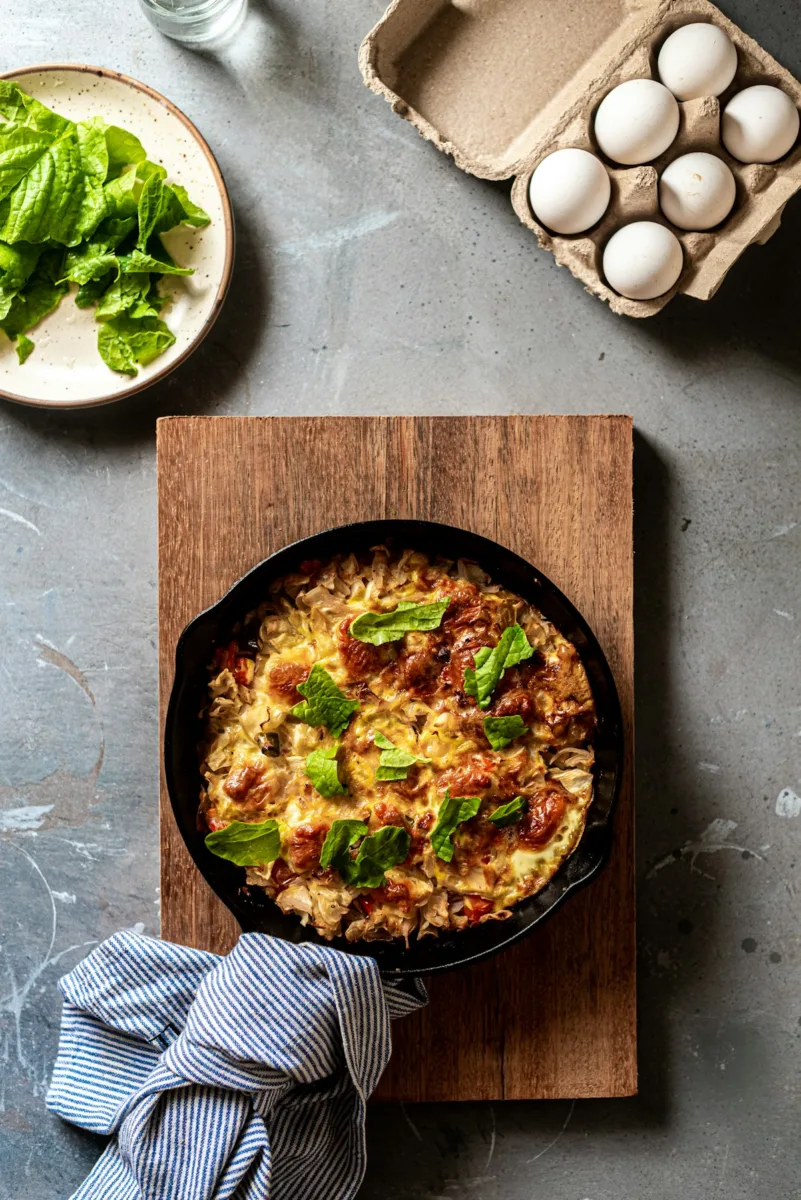
A frittata is an Italian open-faced omelet. The fillings, such as cooked vegetables, cheese, potatoes, or meat, are mixed into the beaten eggs, and the whole thing is cooked slowly in a skillet and finished in the oven. It is thick enough to cut into wedges and is good hot, warm, or cold. It is also one of the best ways to use up leftovers.
- Cook the fillings in an oven-safe skillet.
- Pour in six to eight beaten eggs mixed with cheese and seasoning.
- Cook on the stove over medium-low heat until the edges are set.
- Move the skillet to a 375 F oven until the center is firm.
Cook time: 15 to 20 minutes.
8. Deviled Eggs
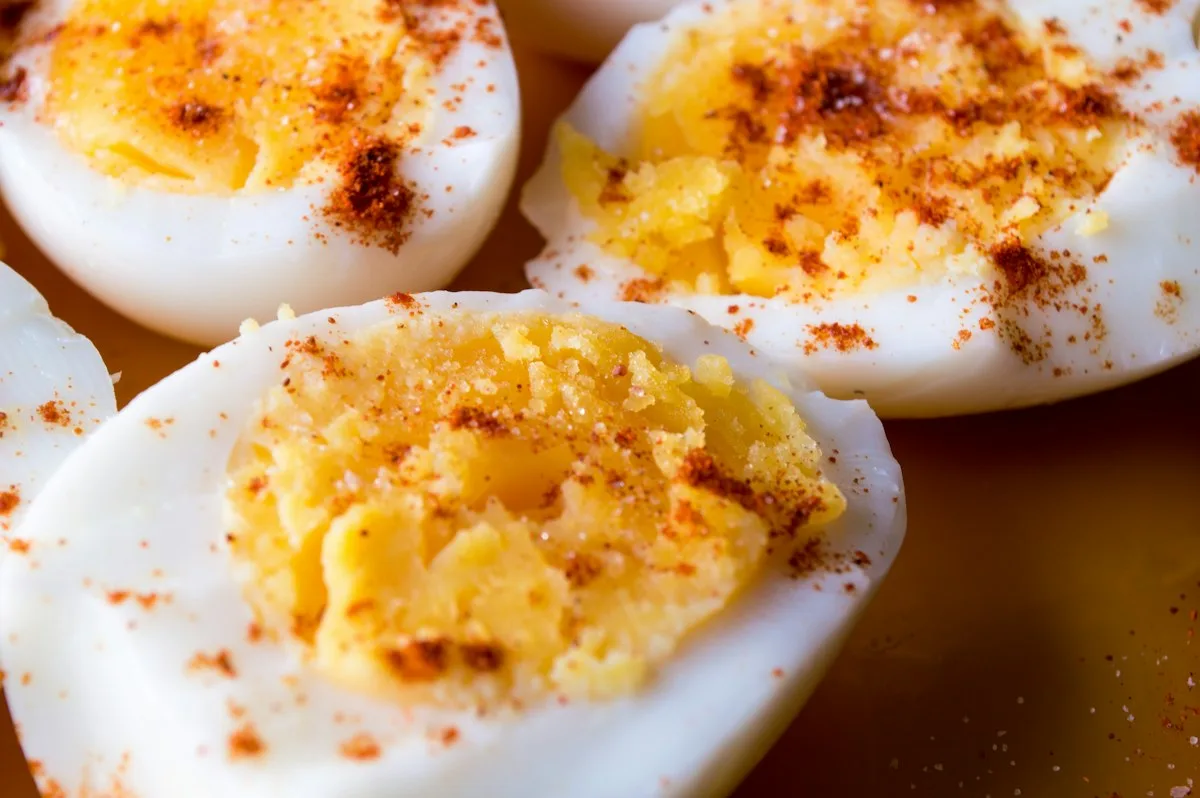
Deviled eggs are hard-boiled eggs cut in half and filled with their own yolks, which have been mashed with mayonnaise, mustard, and seasoning. They are finished with a dusting of paprika. The word “deviled” has been used since the 1700s for food made spicy or zesty. They are a fixture at American picnics, potlucks, and holiday tables.
- Hard-boil the eggs, cool, and peel them.
- Cut each egg in half lengthwise and remove the yolks.
- Mash the yolks with mayonnaise, mustard, salt, and pepper.
- Spoon or pipe the mixture back into the whites and sprinkle with paprika.
Cook time: 12 minutes for the eggs, plus about 10 minutes to fill them.
9. Eggs Benedict
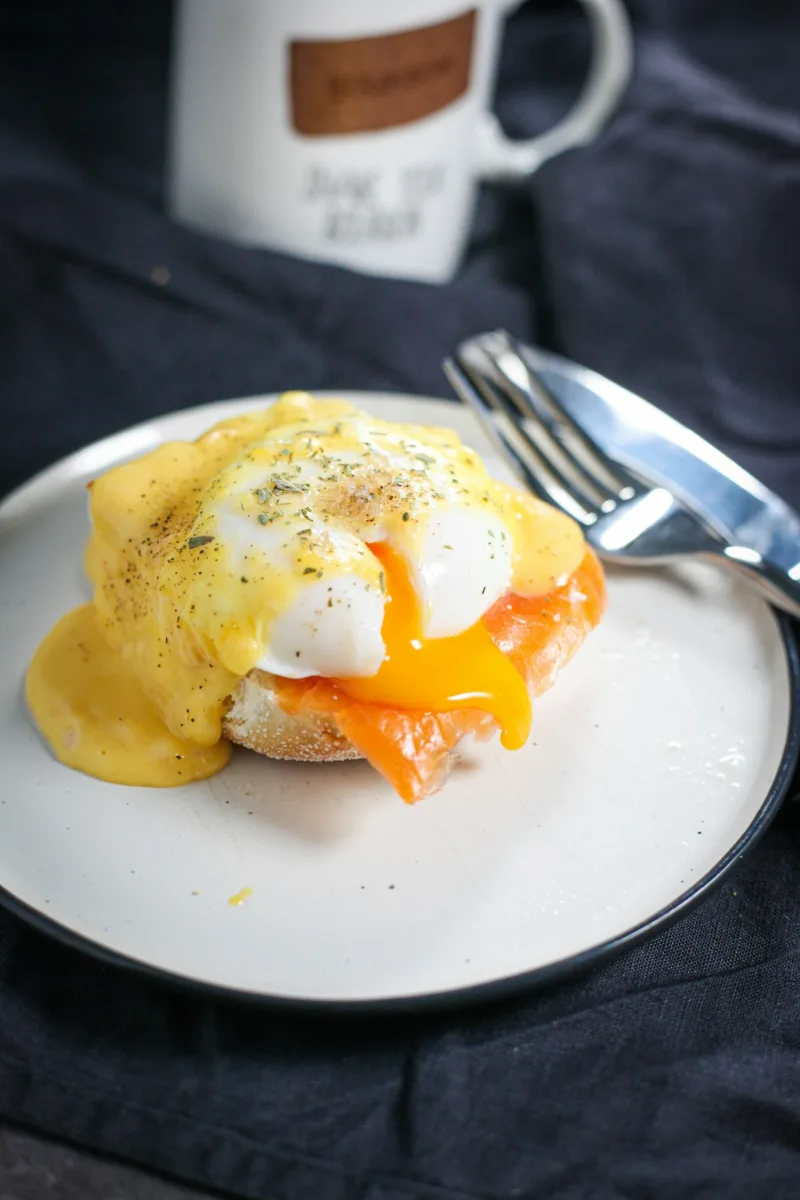
Eggs Benedict is the best-known brunch dish in America. A toasted English muffin is topped with Canadian bacon or ham, a poached egg, and hollandaise, a warm, rich sauce made of egg yolks, butter, and lemon juice. The dish is usually traced to New York City in the 1890s. Swapping the bacon for spinach makes eggs Florentine, and swapping it for smoked salmon makes eggs Royale.
- Make the hollandaise sauce and keep it warm.
- Toast the English muffins and warm the bacon or ham.
- Poach the eggs.
- Stack the muffin, bacon, and egg, and spoon the sauce over the top.
Cook time: About 15 minutes in total.
10. Shakshuka
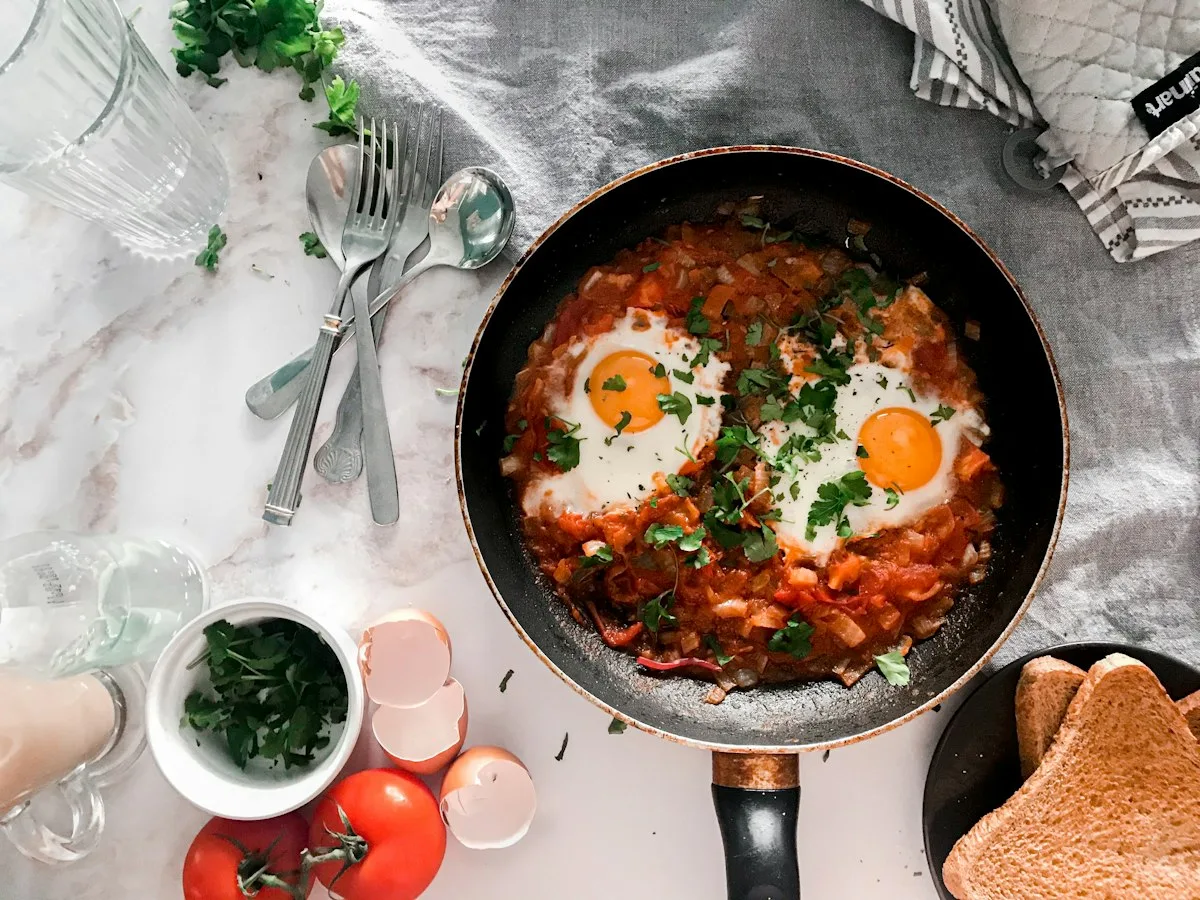
Shakshuka is a dish of eggs poached directly in a spiced sauce of tomatoes, peppers, onions, and garlic, flavored with cumin and paprika. It comes from North Africa and is hugely popular across the Middle East, especially in Israel, where it is eaten at any time of day. It is cooked and served in the same pan, with bread for scooping up the sauce.
- Cook onions and peppers in olive oil, then add garlic, cumin, and paprika.
- Add crushed tomatoes and simmer until the sauce thickens.
- Make small wells in the sauce and crack an egg into each.
- Cover and cook until the whites are set and the yolks are still soft.
Cook time: 20 to 25 minutes.
More Ways to Cook Eggs
- Over easy, over medium, and over hard: fried eggs that are flipped, with the yolk cooked a little, halfway, or all the way through.
- Basted eggs: fried eggs with hot butter or a little water spooned over the top so that the yolk films over without flipping.
- Baked or shirred eggs: eggs cracked into a small buttered dish and baked in the oven, often with cream.
- Steamed eggs: beaten eggs mixed with stock and steamed into a silky custard, as in Chinese steamed egg and Japanese chawanmushi.
- Scotch eggs: boiled eggs wrapped in sausage meat, coated in breadcrumbs, and fried or baked.
Egg Safety Tips
Store eggs in the refrigerator and use them by the date on the carton. Runny yolks are safe for most healthy adults, but food safety agencies advise cooking eggs until both the white and the yolk are firm for young children, pregnant women, older adults, and anyone with a weakened immune system. Pasteurized eggs are a safer choice for recipes that use raw or lightly cooked egg.
Frequently Asked Questions
What are the main ways to cook eggs?
The main ways are scrambling, frying, poaching, boiling, and baking. Omelets, frittatas, and dishes such as shakshuka are built on those basic methods.
What is the healthiest way to cook eggs?
Poaching and boiling add no fat, so they are the lowest in calories. Scrambling or frying in a small amount of olive oil is also a healthy choice.
What is the difference between sunny-side up and over easy?
A sunny-side up egg is never flipped. An over easy egg is flipped for a few seconds, which lightly cooks the top while the yolk stays runny.
How long should you boil an egg?
From the moment the water boils, allow 6 minutes for a runny yolk, 7 to 8 minutes for a jammy yolk, and 10 to 12 minutes for a fully firm yolk.
What is the difference between an omelet and a frittata?
An omelet is cooked quickly on the stove and folded around its filling. A frittata has the filling mixed into the eggs, is cooked slowly, finished in the oven, and served in wedges.