There are more than 300,000 species of flowering plants on Earth, and they range from tiny alpine blooms to sunflowers taller than a person. Flowers exist to attract pollinators such as bees, butterflies, birds, and bats, which is why they come in such a range of colors, shapes, and scents.
This guide covers twelve of the most popular types of flowers with pictures, when each one blooms, and the meaning traditionally given to it in the language of flowers.
Types of Flowers at a Glance
| Flower | Bloom season | Plant type | Sun |
|---|---|---|---|
| Rose | Late spring to autumn | Shrub | Full sun |
| Tulip | Spring | Bulb | Full sun |
| Sunflower | Summer | Annual | Full sun |
| Daisy | Spring to autumn | Perennial | Full sun |
| Orchid | Varies, often winter and spring indoors | Tropical perennial | Bright indirect light |
| Lavender | Summer | Shrub | Full sun |
| Peony | Late spring | Perennial | Full sun |
| Lily | Summer | Bulb | Full sun to part shade |
| Hydrangea | Summer | Shrub | Part shade |
| Dahlia | Summer to first frost | Tuber | Full sun |
| Marigold | Summer to autumn | Annual | Full sun |
| Lotus | Summer | Aquatic perennial | Full sun |
12 Different Types of Flowers with Pictures
1. Rose
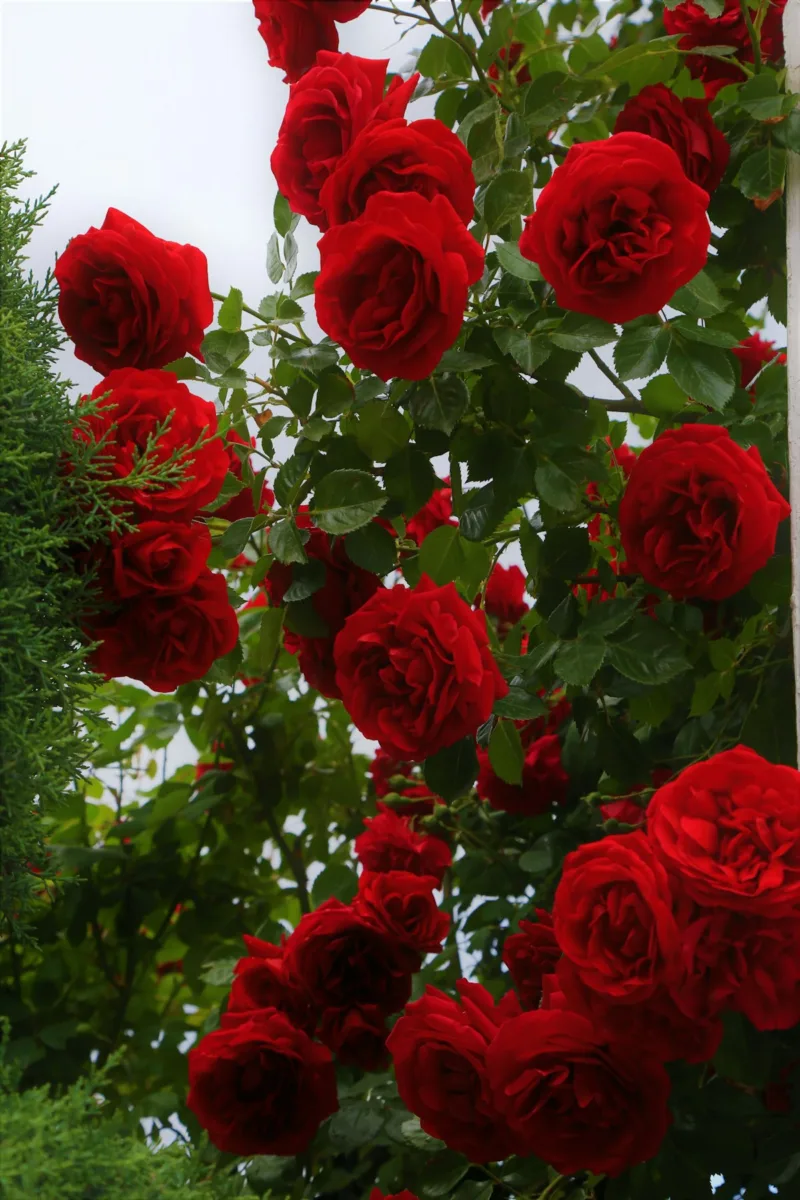
The rose is the world’s best-loved flower and the symbol of love. There are around 150 wild species and tens of thousands of cultivated varieties, grouped into types such as hybrid teas with single large blooms, clustered floribundas, climbers, and old garden roses prized for their scent. Roses have been grown for thousands of years in China, Persia, and the Mediterranean, and rose oil is still a valuable ingredient in perfume.
Blooms: Late spring to autumn, with repeat flowering in many modern varieties.
Traditional meaning: Red for love, pink for gratitude, white for purity, and yellow for friendship.
2. Tulip
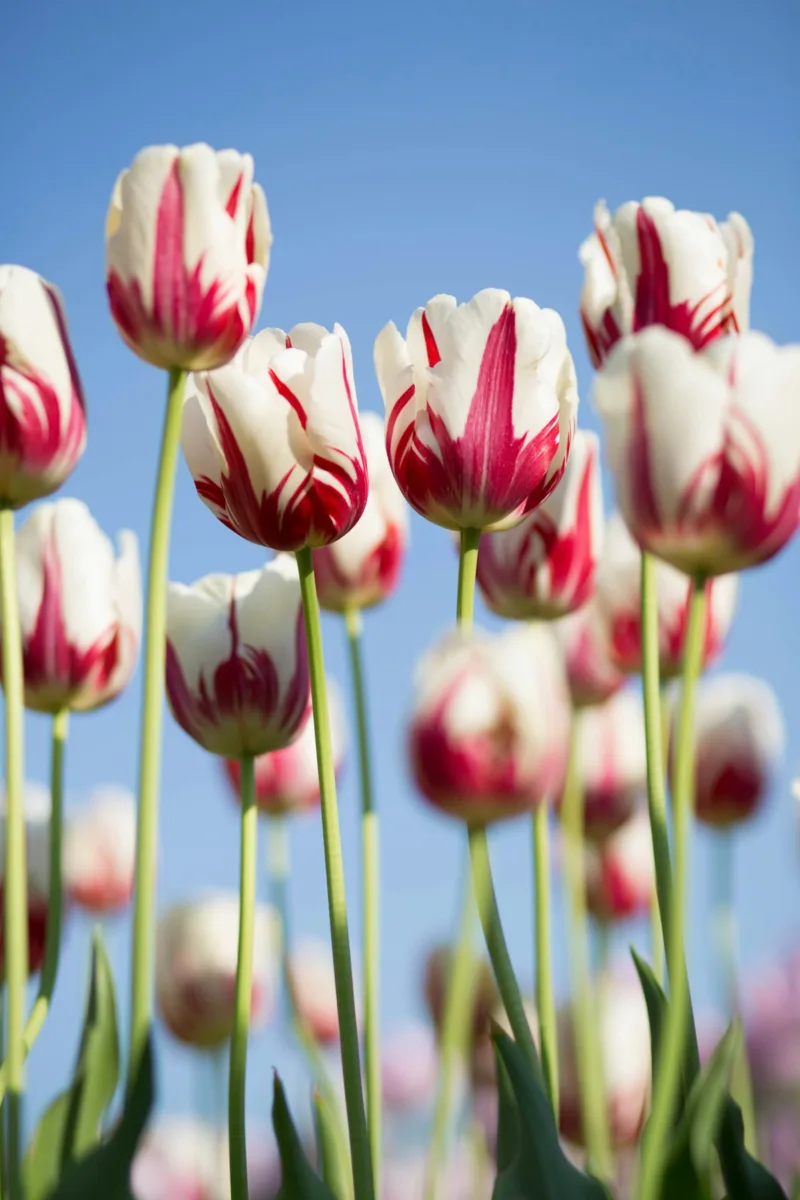
Tulips are spring bulbs with simple, cup-shaped flowers in nearly every color except true blue. They come from the mountains of Central Asia and were grown in the Ottoman Empire before reaching the Netherlands in the late 1500s. In the 1630s, the price of rare tulip bulbs rose so high during “tulip mania” that a single bulb could cost more than a house. The Netherlands still produces most of the world’s tulips.
Blooms: Early to late spring.
Traditional meaning: Red tulips stand for true love. Tulips in general mean perfect, deep love.
3. Sunflower
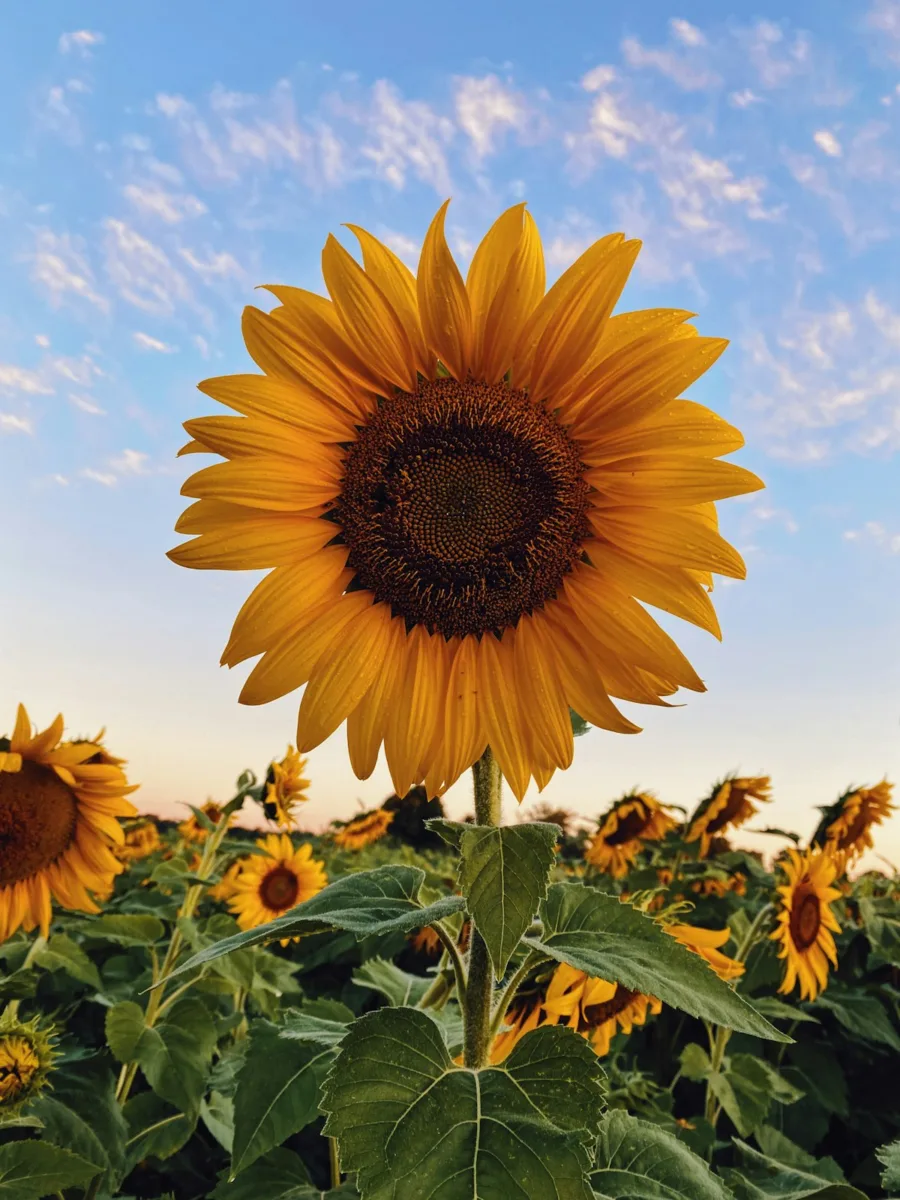
Sunflowers are tall annuals with huge yellow flower heads that can grow more than a foot across. Each head is made of hundreds or thousands of tiny flowers packed in a spiral pattern. Young sunflowers turn to follow the sun across the sky during the day, but mature flowers face east. They are native to North America and are grown worldwide for their seeds and oil.
Blooms: Summer to early autumn.
Traditional meaning: Adoration, loyalty, and long life.
4. Daisy
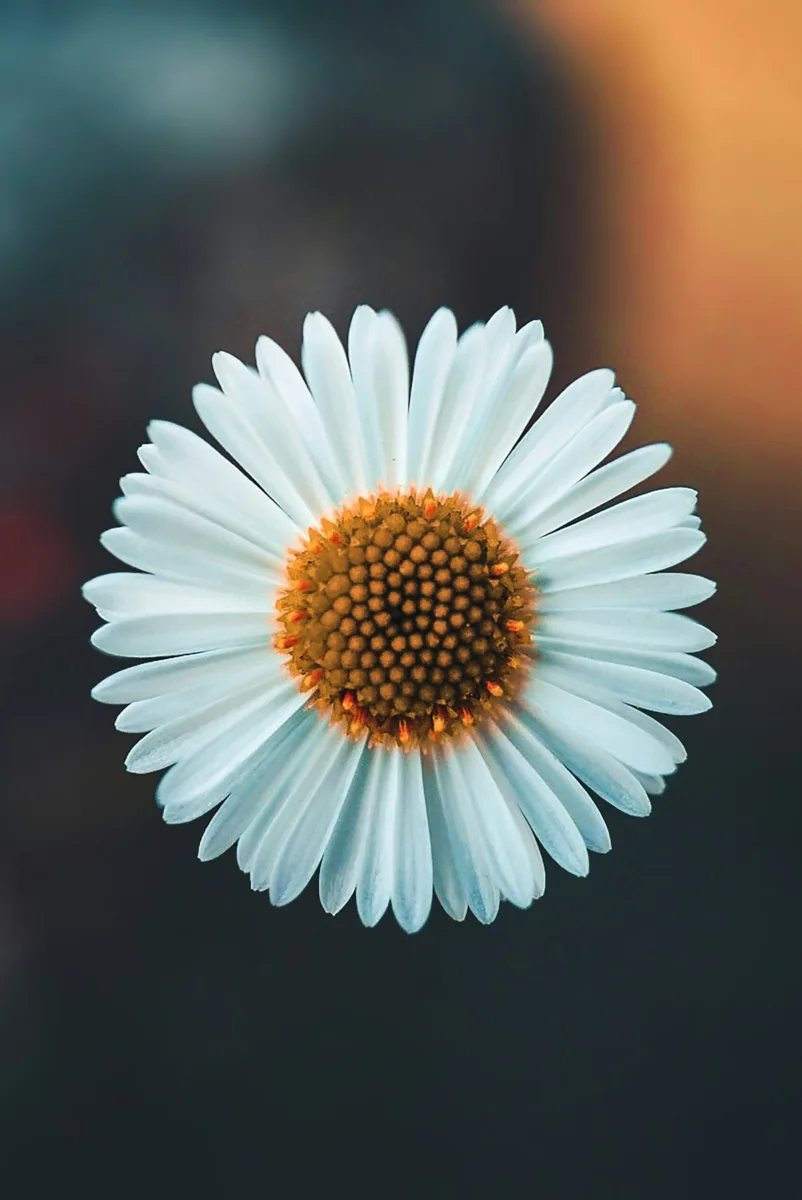
The daisy has a simple, cheerful flower with white petals around a yellow center. What looks like a single flower is really a cluster of many tiny flowers, a structure shared by the whole daisy family, which also includes sunflowers, asters, and chrysanthemums. The name comes from the Old English “day’s eye”, because the flowers open at dawn and close at night.
Blooms: Spring to autumn.
Traditional meaning: Innocence, purity, and new beginnings.
5. Orchid
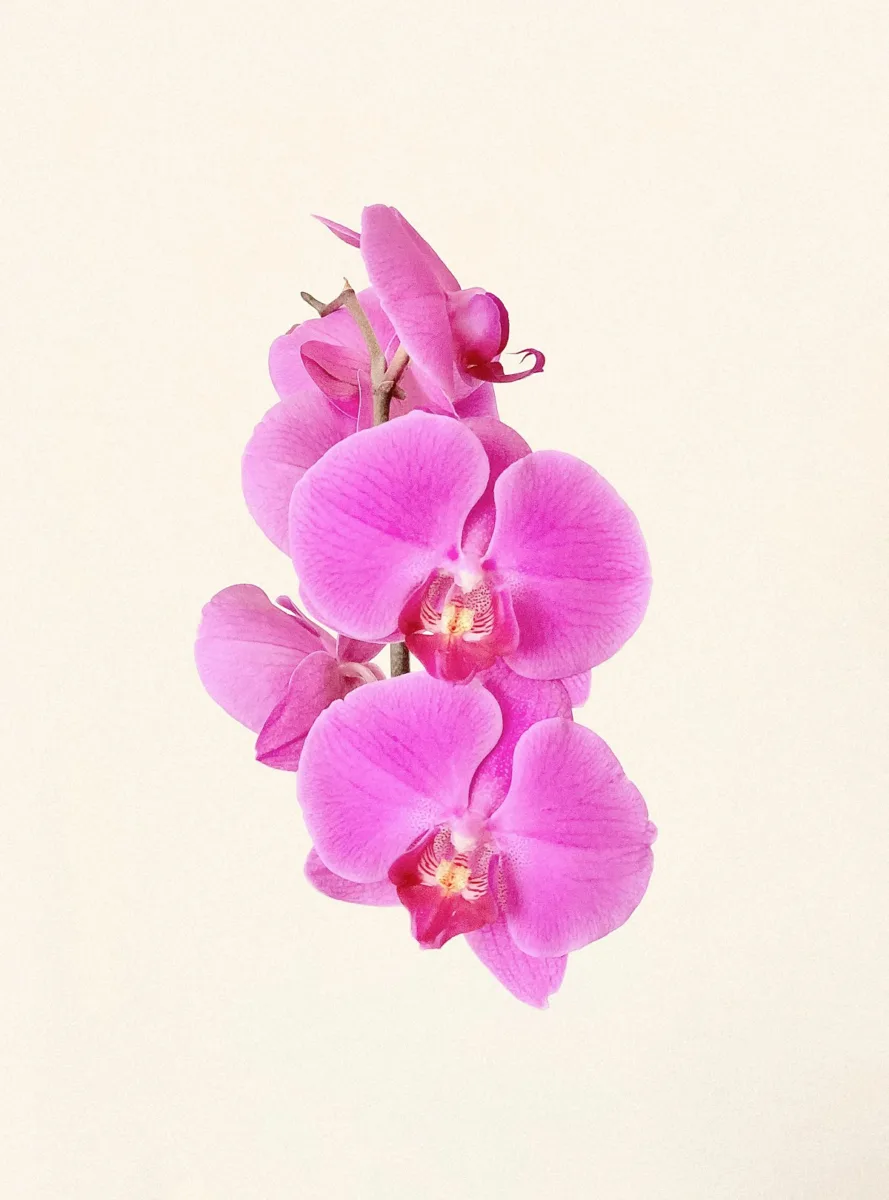
Orchids form one of the largest flowering plant families, with about 28,000 species. Many grow on trees in tropical forests, clinging to the bark with their roots. The moth orchid, or Phalaenopsis, is the most popular houseplant orchid because its flowers can last for months. The vanilla used in cooking comes from the seed pods of an orchid.
Blooms: Varies by species. Moth orchids often bloom in winter and spring.
Traditional meaning: Love, luxury, beauty, and strength.
6. Lavender
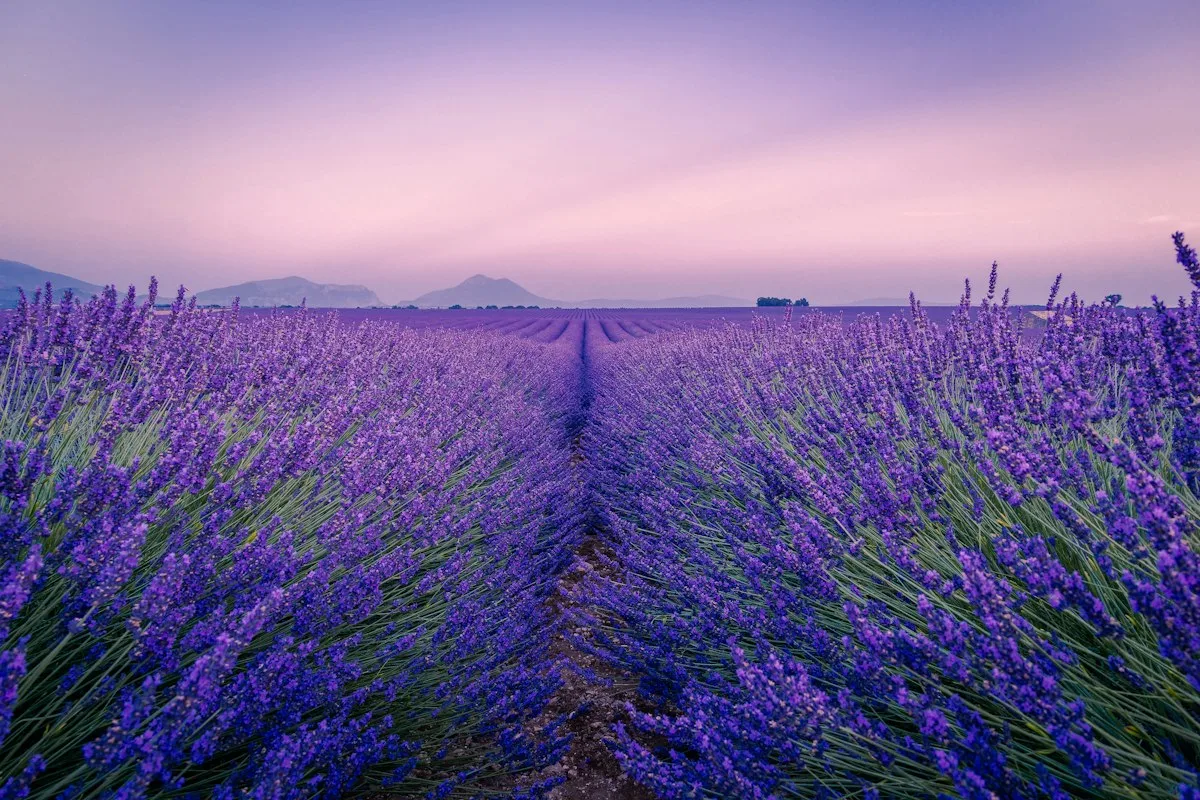
Lavender is a small, woody shrub with spikes of purple flowers and silvery leaves, prized for its calming scent. It comes from the Mediterranean and grows best in hot, dry, sunny places with poor soil. The famous lavender fields of Provence in southern France bloom in early summer. It is used in perfumes, soaps, teas, and baking.
Blooms: Early to late summer.
Traditional meaning: Devotion, serenity, and calm.
7. Peony
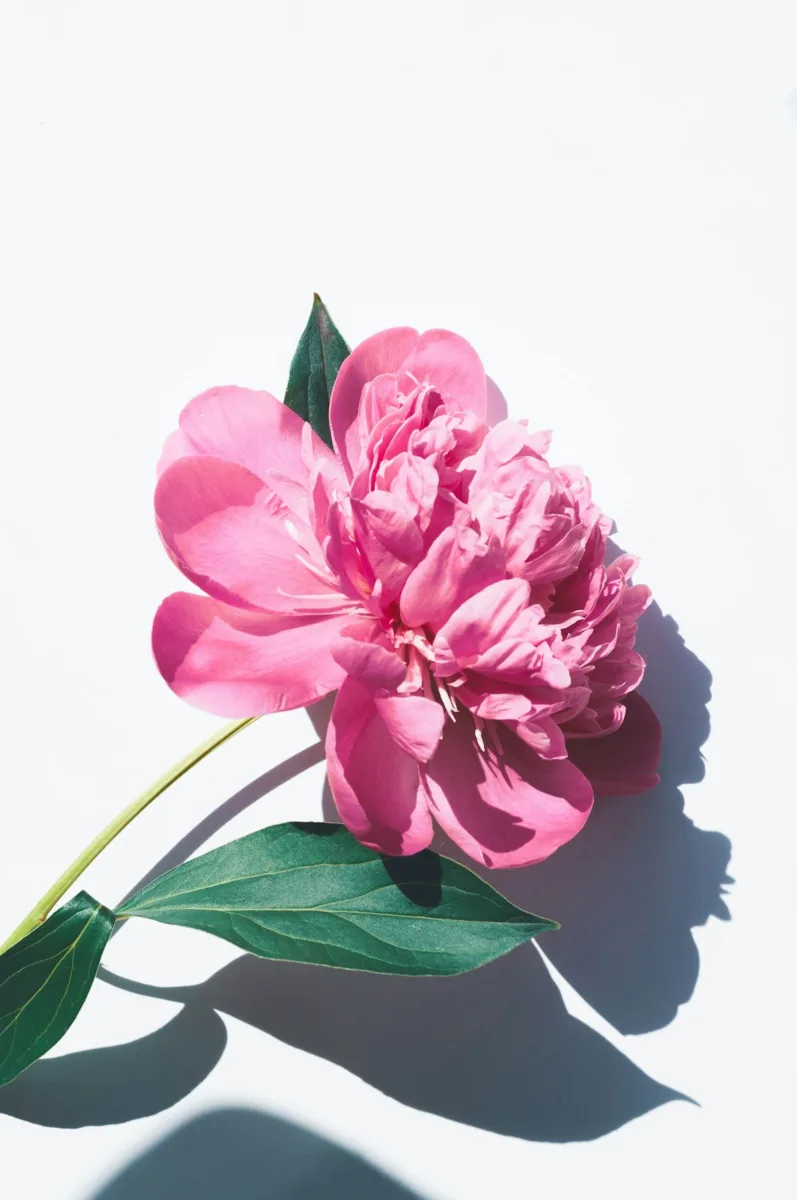
Peonies have huge, ruffled, often fragrant flowers in pink, white, red, and coral. Herbaceous peonies die back each winter and can live for over a century in the same spot. Tree peonies have woody stems. The peony has been honored in China for more than a thousand years as the “king of flowers” and is a popular choice for weddings.
Blooms: Late spring to early summer, for only a few weeks.
Traditional meaning: Prosperity, good fortune, and a happy marriage.
8. Lily
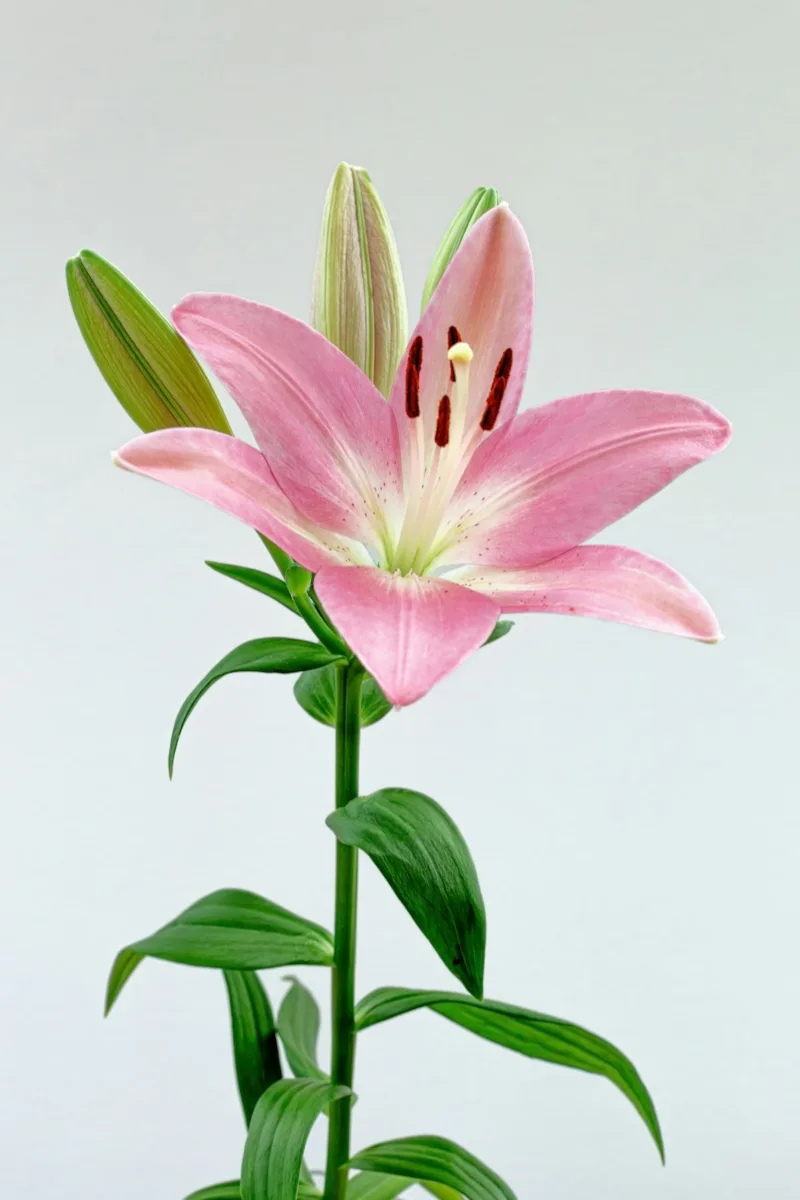
True lilies grow from bulbs and have large, trumpet- or star-shaped flowers with six petals and prominent stamens. Popular types include the fragrant Oriental lilies, colorful Asiatic lilies, and the white Easter lily. Many flowers called lilies, such as daylilies and calla lilies, belong to other plant families. All true lilies are extremely toxic to cats.
Blooms: Summer.
Traditional meaning: White lilies for purity and renewal. Lilies are also traditional at funerals.
9. Hydrangea
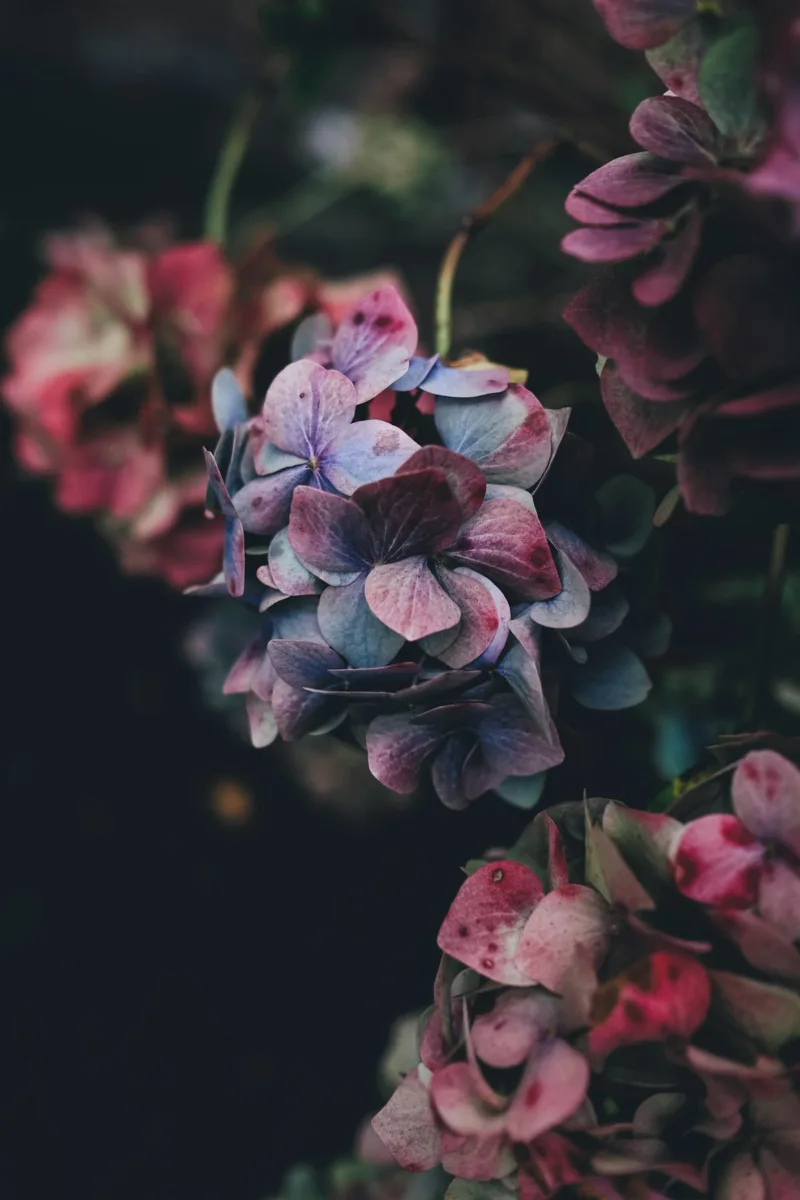
Hydrangeas are shrubs with large, rounded clusters of small flowers. In bigleaf hydrangeas, the soil changes the color: acidic soil turns the flowers blue, and alkaline soil turns them pink, because of how easily the plant can take up aluminum. They grow best in partial shade and moist soil.
Blooms: Summer to early autumn.
Traditional meaning: Gratitude, heartfelt emotion, and abundance.
10. Dahlia
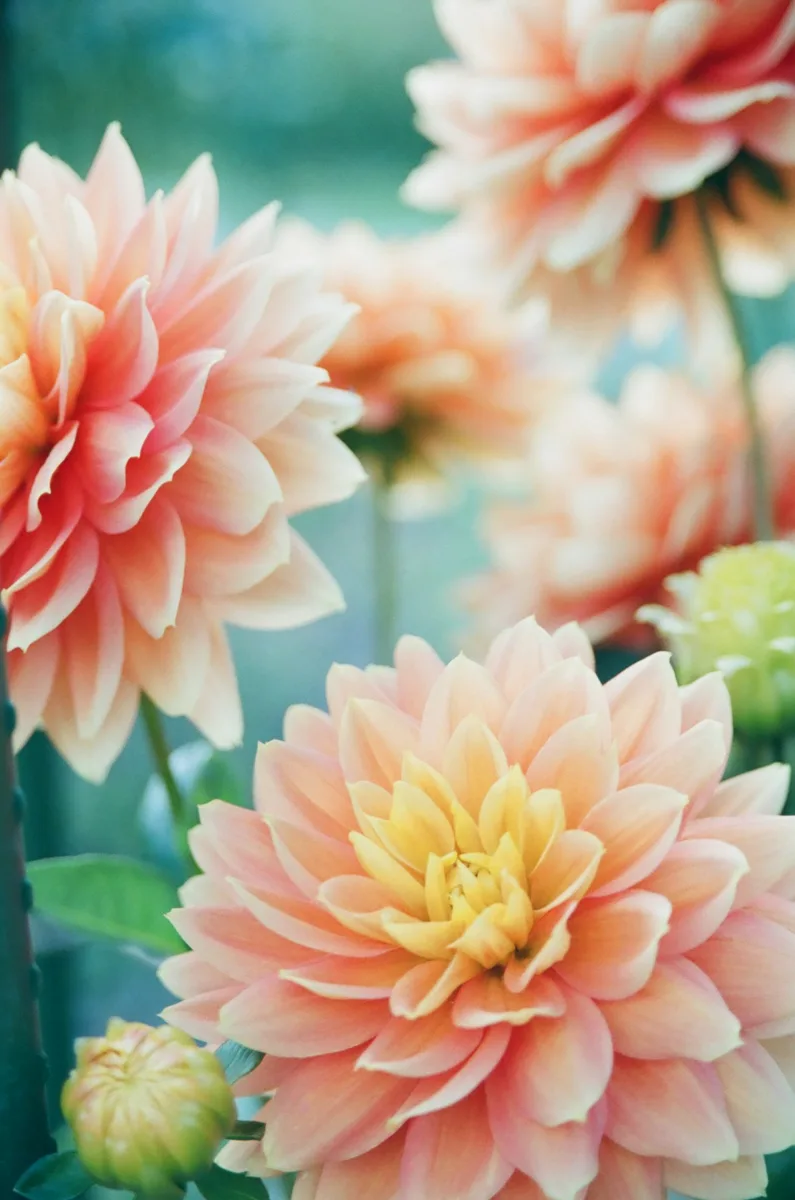
Dahlias grow from tubers and come in an extraordinary range of shapes and sizes, from small pompon balls to “dinnerplate” flowers almost a foot across. They come in every color except blue. Dahlias are native to Mexico, where they are the national flower, and the Aztecs grew them for food and medicine.
Blooms: Midsummer until the first frost.
Traditional meaning: Elegance, inner strength, and commitment.
11. Marigold
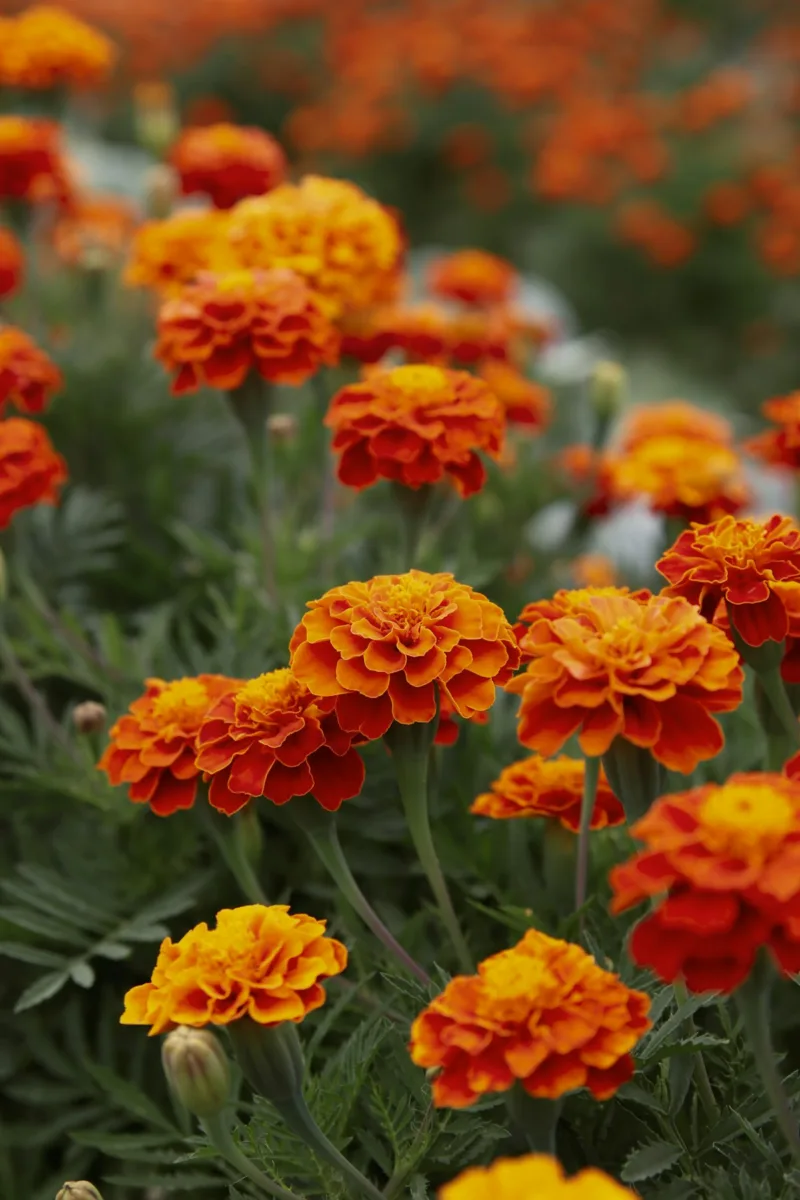
Marigolds are easy, sun-loving annuals with orange, gold, and yellow flowers and a strong scent. African and French marigolds both come from Mexico and Central America. They are central to Mexico’s Day of the Dead, when bright cempasúchil marigolds decorate altars and graves, and in India they are strung into garlands for weddings, festivals, and temples.
Blooms: Early summer to the first frost.
Traditional meaning: Warmth, creativity, and remembrance of the dead.
12. Lotus
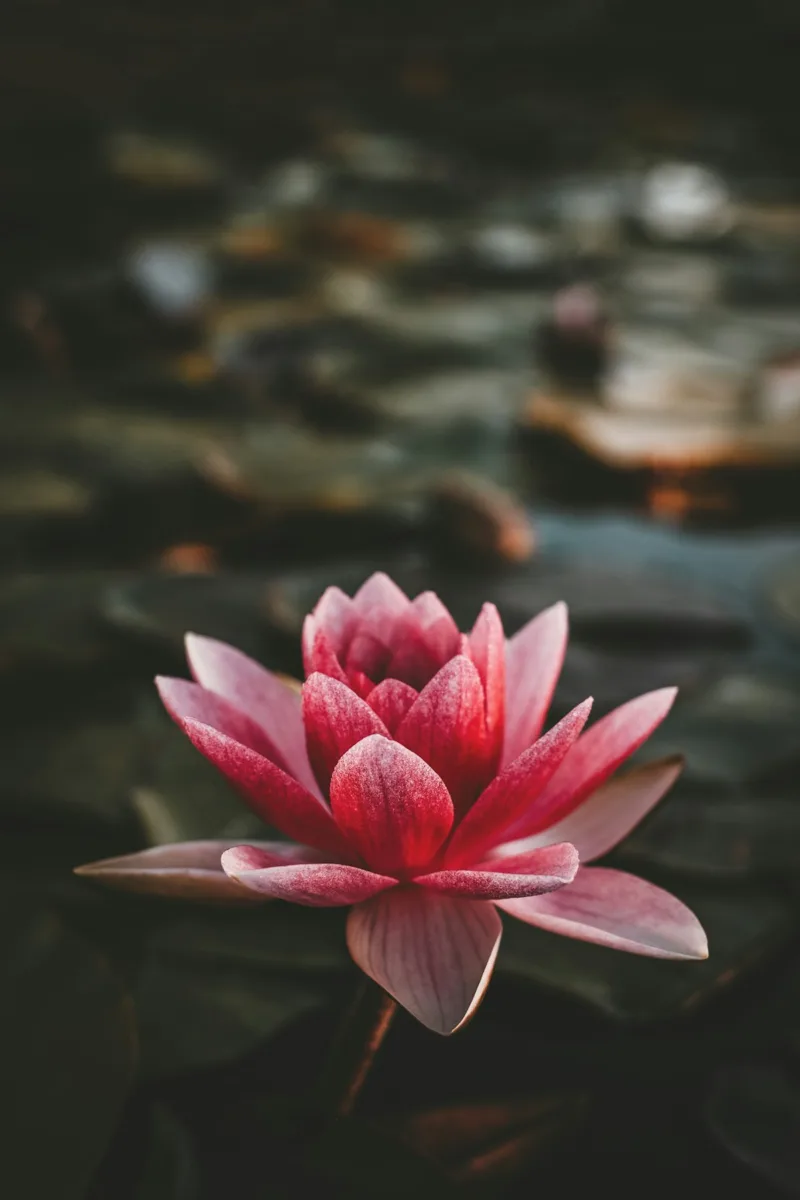
The lotus grows in muddy ponds and shallow water, with large round leaves and pink or white flowers that rise above the surface on tall stems. Its leaves repel water so well that droplets roll off, a property scientists call the lotus effect. It is the national flower of India and Vietnam and is deeply sacred in Hinduism and Buddhism.
Blooms: Summer.
Traditional meaning: Purity, rebirth, and enlightenment, because the flower rises clean from the mud.
Annuals, Perennials, Bulbs, and Shrubs
- Annuals grow, flower, set seed, and die in a single year. Sunflowers and marigolds are annuals, so they are sown again each spring.
- Perennials come back year after year from the same roots. Peonies and daisies are perennials.
- Bulbs and tubers store energy underground and send up flowers each season. Tulips, lilies, and dahlias grow from bulbs or tubers.
- Shrubs are woody plants that keep their stems through winter. Roses, hydrangeas, and lavender are flowering shrubs.
More Popular Flowers
Other favorites include carnations, chrysanthemums, iris, daffodils, poppies, hibiscus, gardenias, camellias, zinnias, cosmos, and forget-me-nots.
Frequently Asked Questions
What is the most popular flower in the world?
The rose is generally considered the most popular flower in the world, both for gardens and for cut flower bouquets.
How many types of flowers are there?
There are more than 300,000 known species of flowering plants, and many more cultivated varieties.
Which flowers are easiest to grow?
Marigolds, sunflowers, zinnias, and cosmos are among the easiest flowers to grow from seed, and daisies and lavender are easy, low-care perennials.
Which flowers are toxic to pets?
True lilies are extremely toxic to cats. Tulips, daffodils, hydrangeas, and azaleas can also make cats and dogs ill if eaten.
Which flowers bloom all summer?
Roses, dahlias, marigolds, zinnias, and many daisies keep flowering through summer, especially if faded blooms are removed regularly.