Long before electric lights, people brought green plants indoors in the darkest weeks of winter as a sign that life and spring would return. Many of those customs survive today as Christmas traditions, from kissing under the mistletoe to decking the halls with holly.
This guide covers five traditional Christmas plants with pictures, the stories behind them, how to care for them, and which ones are safe to keep around children and pets.
Christmas Plants at a Glance
| Plant | Color | Origin of the tradition | Care level |
|---|---|---|---|
| Poinsettia | Red, white, pink | Mexico, introduced to the United States in the 1820s | Easy |
| Holly | Glossy green leaves, red berries | Ancient Roman and Celtic winter customs | Easy outdoors |
| Mistletoe | Green leaves, white berries | Norse myth and English customs | Usually bought cut |
| Christmas cactus | Pink, red, white flowers | Brazil, popular houseplant since the 1800s | Easy |
| Christmas rose | White flowers | European folklore | Easy outdoors |
5 Traditional Christmas Plants
1. Poinsettia
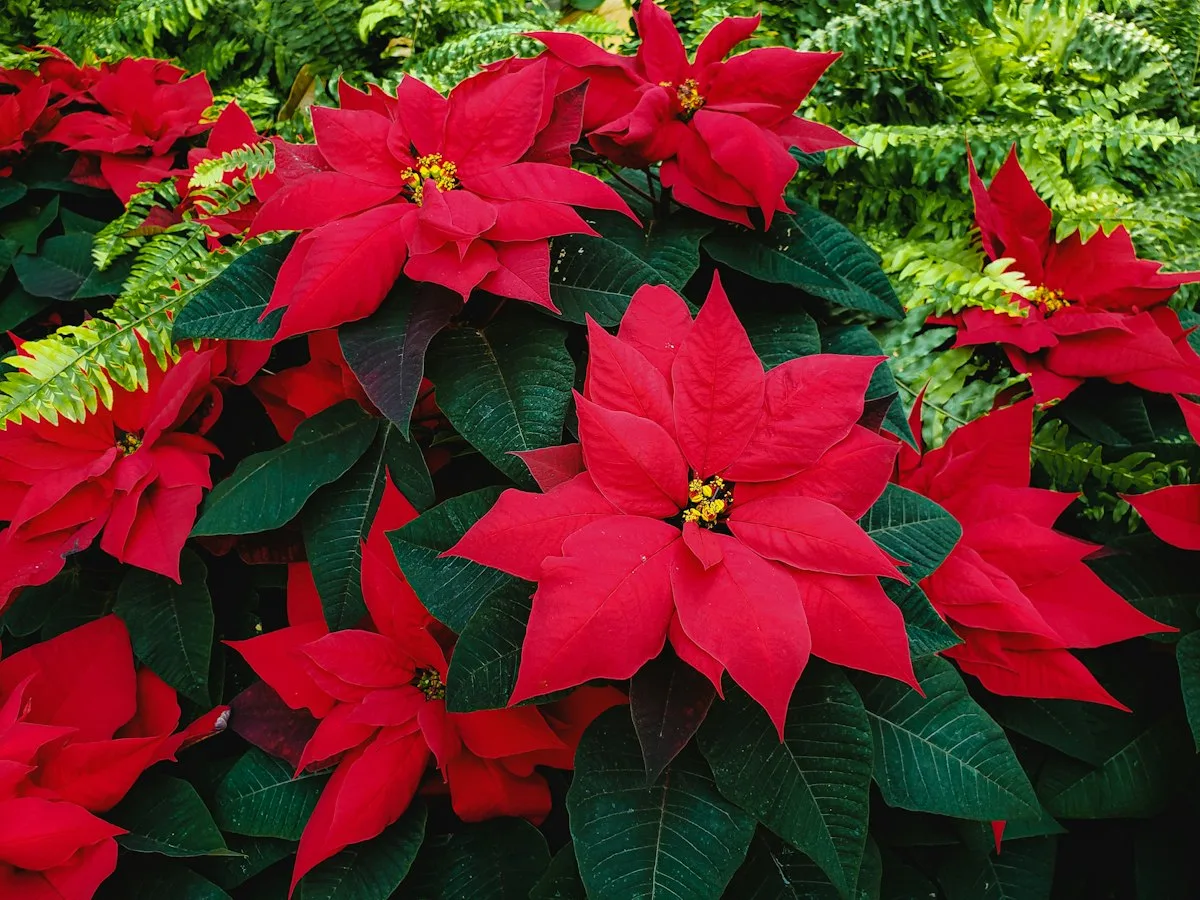
The poinsettia is the best-selling potted plant in the United States, with tens of millions sold every December. Its bright red “petals” are actually leaves called bracts, and the true flowers are the tiny yellow buds in the center. It is native to Mexico, where it is called flor de Nochebuena, the Christmas Eve flower. Joel Roberts Poinsett, the first US minister to Mexico, sent plants home in the 1820s, which is how it got its English name. December 12, the day he died, is National Poinsettia Day.
Care tip: Keep it in bright, indirect light away from drafts and heaters, and water only when the soil feels dry.
Safe for pets? It is far less toxic than its reputation suggests, but its sap can irritate the mouth and stomach of cats and dogs, so keep it out of reach.
2. Holly
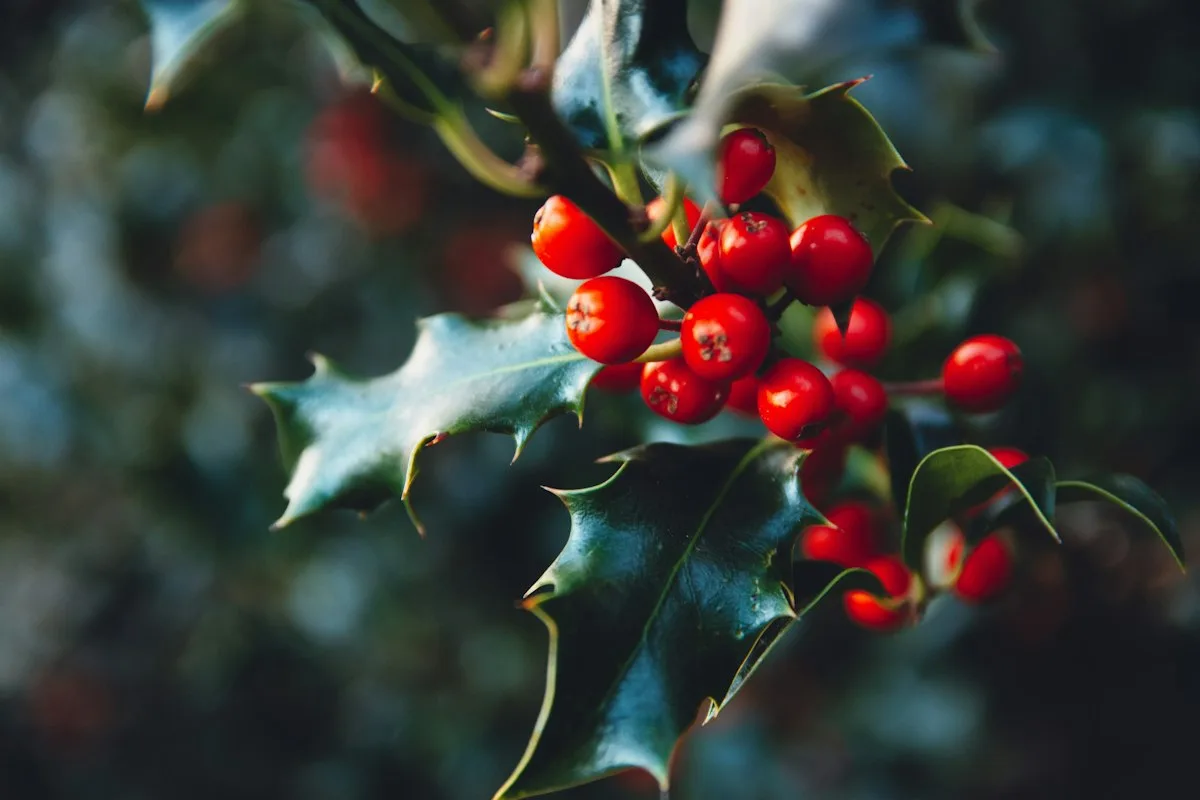
Holly, with its glossy, spiny leaves and bright red berries, was used to decorate homes during the Roman winter festival of Saturnalia and by the Celts and Druids, who saw evergreen plants as symbols of eternal life. Christians later linked the spiky leaves to Christ’s crown of thorns and the red berries to his blood. Only female holly plants produce berries, and they need a male plant nearby.
Care tip: Grow it outdoors in sun or part shade. Cut sprigs stay fresh indoors for about a week.
Safe for pets? No. The berries are toxic to children, cats, and dogs and can cause vomiting and diarrhea.
3. Mistletoe
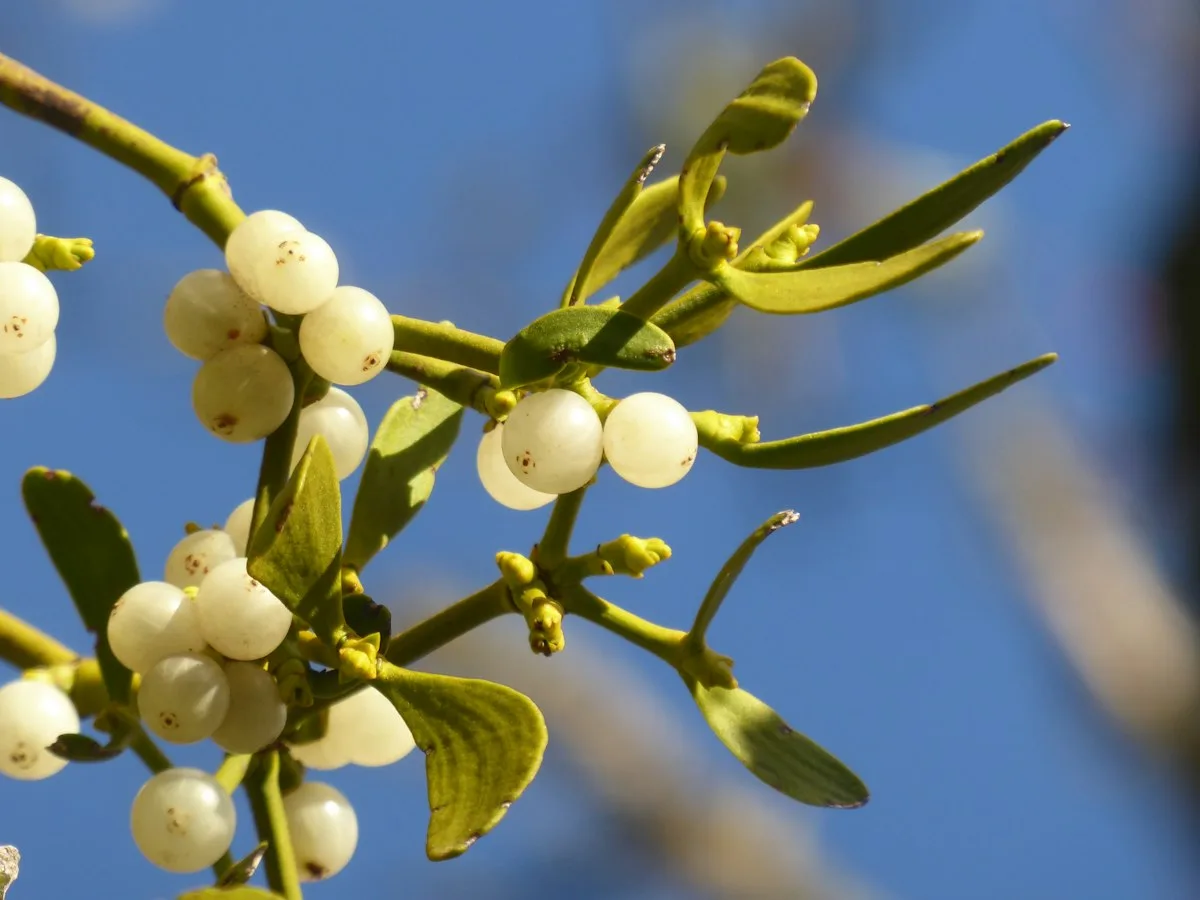
Mistletoe is a parasitic plant that grows on the branches of trees such as apple, oak, and poplar, drawing water and nutrients from its host. In Norse myth it was linked to the god Baldur and his mother Frigg, and the custom of kissing under a sprig of mistletoe at Christmas became popular in England in the 1700s. By tradition, a berry was removed after each kiss, and the kissing stopped when the berries ran out.
Care tip: It is almost always bought as cut sprigs. Hang it in a cool spot and replace it when the berries shrivel.
Safe for pets? No. The berries and leaves are toxic to people and pets, so hang it well out of reach.
4. Christmas Cactus
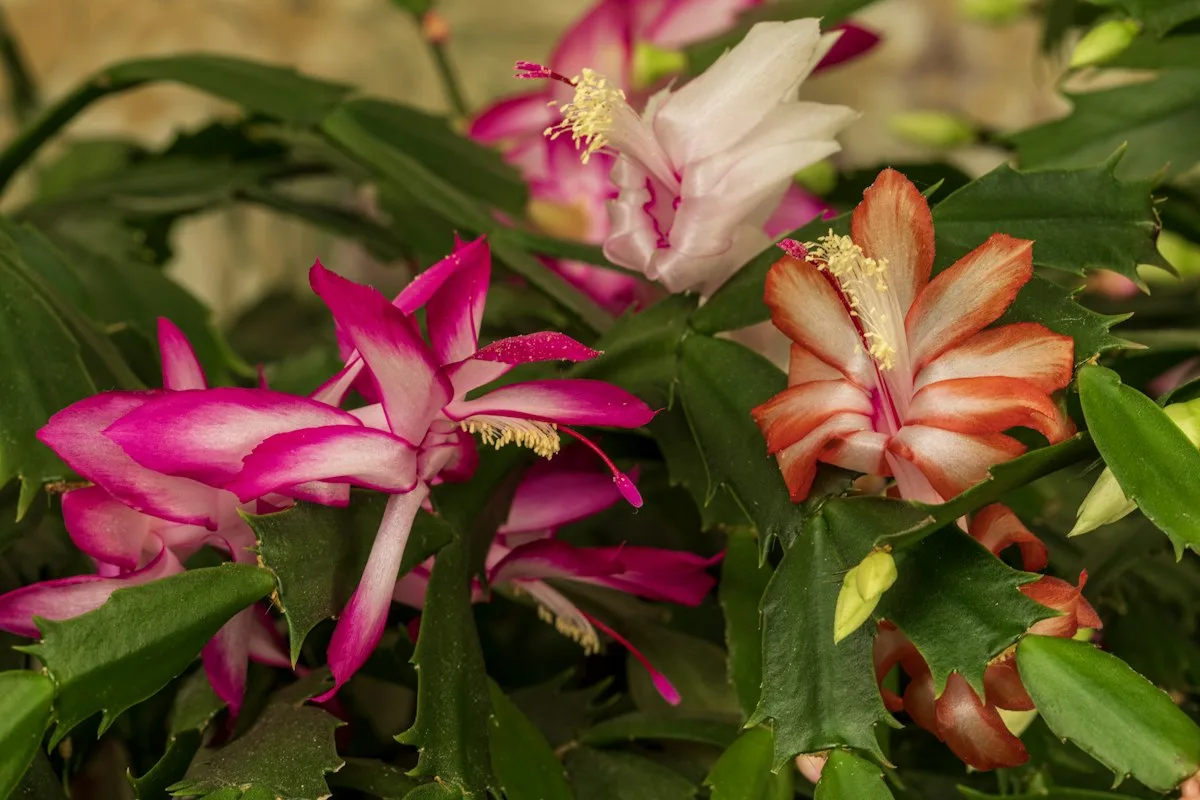
The Christmas cactus is not a desert cactus. It grows on trees in the rainforests of southeastern Brazil, and it flowers in winter when the nights grow long. Its flat, segmented stems end in bright pink, red, white, or purple flowers. Plants are easy to grow from cuttings, and many are passed down through families for decades. The similar Thanksgiving cactus has pointed edges on its stem segments and flowers a few weeks earlier.
Care tip: For flowers each year, give it about six weeks of cool nights and 12 to 14 hours of darkness in autumn, and water when the top inch of soil is dry.
Safe for pets? Yes. It is non-toxic to cats and dogs, though eating a lot of it can upset the stomach.
5. Christmas Rose (Hellebore)
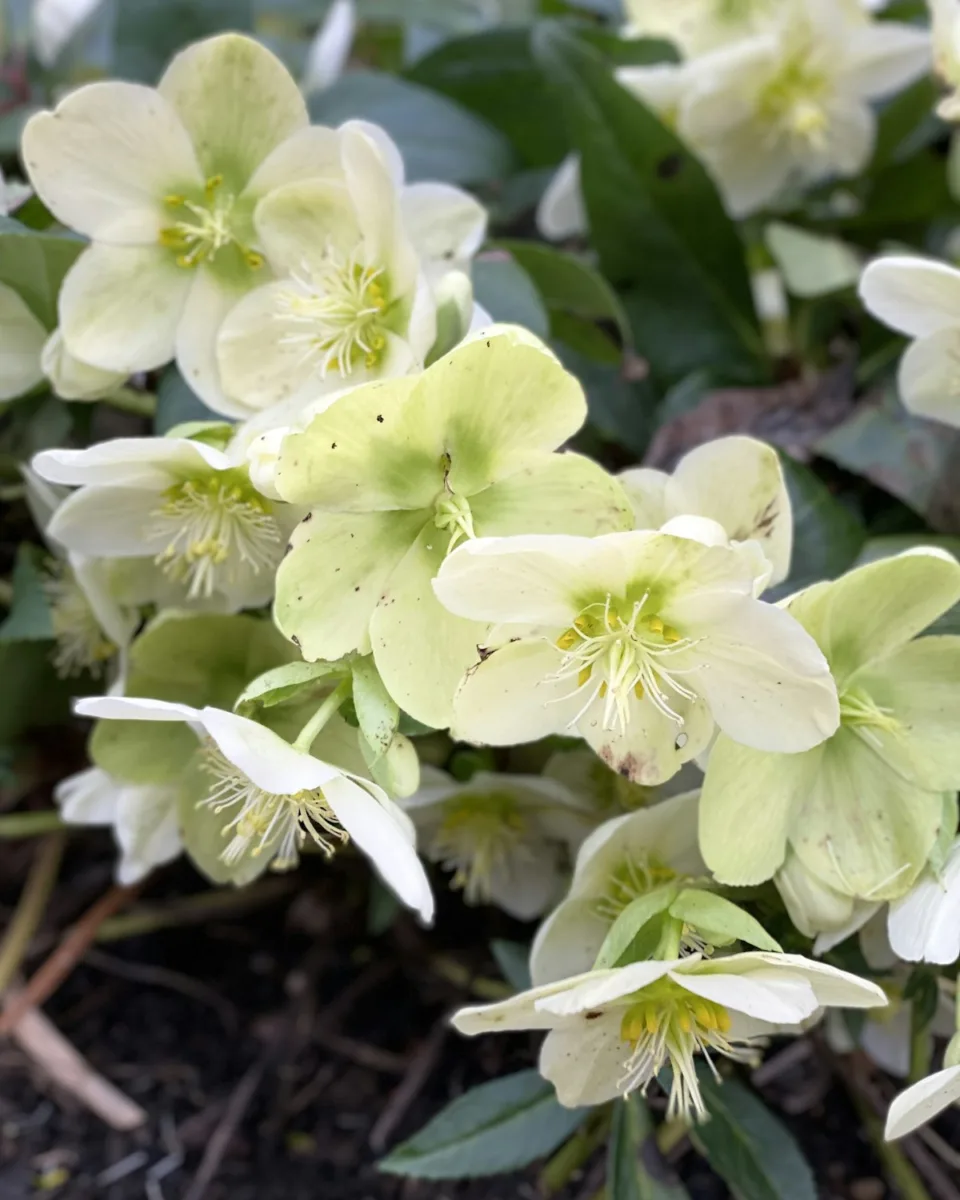
The Christmas rose is a hellebore, not a rose. It is a low evergreen perennial that opens white or cream flowers in the middle of winter, often pushing up through snow. A European legend tells of a poor shepherd girl who wept because she had no gift for the baby Jesus, and an angel made Christmas roses bloom where her tears fell. Other hellebores, called Lenten roses, flower later in late winter and early spring.
Care tip: Plant it outdoors in partial shade and rich, moist soil. It is very long-lived once established.
Safe for pets? No. All parts of the plant are toxic to people and pets if eaten.
More Christmas Plants
- Christmas tree: fir, spruce, and pine trees are the best-known Christmas plants of all. See our guide to the types of Christmas trees.
- Amaryllis: a bulb that produces huge red, white, or striped trumpet flowers on tall stems in about six to eight weeks, which makes it a popular holiday gift.
- Paperwhite narcissus: fragrant white flowers grown indoors from bulbs in a bowl of pebbles and water.
- Ivy: traditionally paired with holly in English carols and decorations.
- Rosemary: small potted rosemary plants clipped into cone shapes are sold as tabletop Christmas trees, and they can be used in cooking afterward.
Keeping Holiday Plants Safe
Several popular Christmas plants are toxic if eaten. Keep holly, mistletoe, Christmas roses, amaryllis, and lilies away from small children, cats, and dogs. If you think a pet has eaten a toxic plant, contact your veterinarian or a pet poison helpline right away.
Frequently Asked Questions
What are the traditional Christmas plants?
The most traditional Christmas plants are the Christmas tree, holly, ivy, mistletoe, and poinsettia. The Christmas cactus, Christmas rose, and amaryllis are also popular.
Why is the poinsettia a Christmas flower?
It blooms in December, its red and green colors match the season, and in Mexico it has been linked to Christmas Eve for centuries. It became popular in the United States in the 1800s.
Are poinsettias poisonous?
Poinsettias are only mildly toxic. Their milky sap can irritate the mouth and stomach of pets and children, but serious poisoning is rare.
Why do people kiss under the mistletoe?
The custom became popular in England in the 1700s. Mistletoe had long been a symbol of fertility and peace in European folklore, including Norse mythology.
How do you get a Christmas cactus to bloom?
Give it cool nights and about 12 to 14 hours of darkness each night for around six weeks in autumn, and reduce watering slightly.
Related Guides
- Types of Christmas Trees
- Types of Christmas Cookies
- Types of Flowers
- Types of Trees
- Types of Sweaters