There are more than 73,000 species of trees on Earth, according to a 2022 global estimate, and thousands of them have never been formally described. Trees fall into two broad groups. Broadleaf trees, or hardwoods, have flat leaves and most drop them in autumn. Conifers, or softwoods, have needles or scales, carry their seeds in cones, and most stay green all year.
This guide covers twelve well-known types of trees with pictures and the simplest clues for identifying each one.
Types of Trees at a Glance
| Tree | Group | Leaves | Notable for |
|---|---|---|---|
| Oak | Broadleaf, deciduous | Lobed leaves, acorns | Strength, long life |
| Maple | Broadleaf, deciduous | Hand-shaped leaves | Autumn color, maple syrup |
| Birch | Broadleaf, deciduous | Small, toothed, triangular leaves | Papery white bark |
| Willow | Broadleaf, deciduous | Long, narrow leaves | Drooping branches, near water |
| Cherry | Broadleaf, deciduous | Oval, toothed leaves | Spring blossom |
| Olive | Broadleaf, evergreen | Narrow, silvery leaves | Olives, very long life |
| Baobab | Broadleaf, deciduous | Hand-shaped leaflets | Huge, bottle-shaped trunk |
| Palm | Monocot, evergreen | Fan or feather-shaped fronds | Single trunk, tropics |
| Pine | Conifer, evergreen | Needles in bundles | Resin, long cones |
| Spruce | Conifer, evergreen | Single, square, sharp needles | Christmas trees |
| Giant sequoia | Conifer, evergreen | Scale-like needles | Largest tree by volume |
| Coast redwood | Conifer, evergreen | Flat needles | Tallest tree on Earth |
12 Different Types of Trees with Pictures
1. Oak
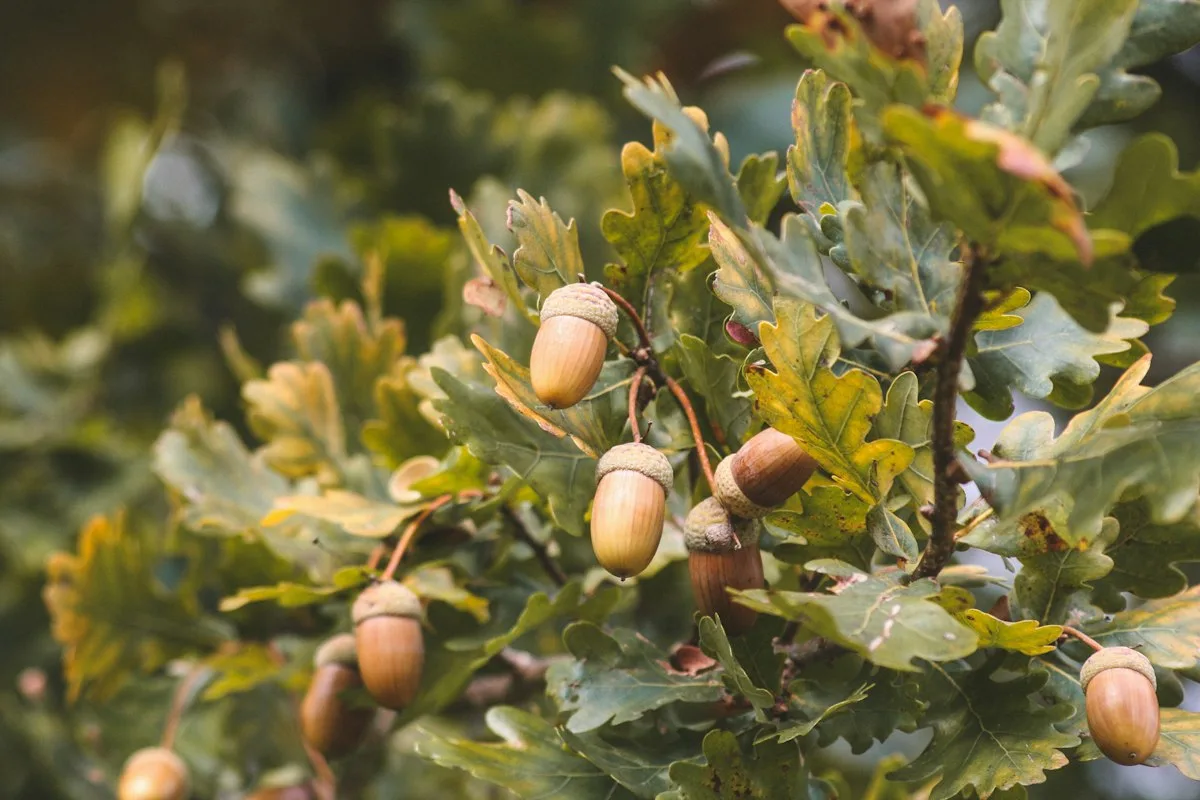
Oaks are among the most important trees in the Northern Hemisphere, with about 500 species. Their hard, strong wood was used for centuries to build ships, houses, and barrels for wine and whiskey. A single oak can support hundreds of species of insects, birds, and mammals, and some individual oaks have lived for more than a thousand years. The oak is the national tree of the United States, England, and Germany.
How to recognize it: Leaves with rounded or pointed lobes, and acorns, which are nuts sitting in a small scaly cup.
Where it grows: Across Europe, North America, and Asia.
2. Maple
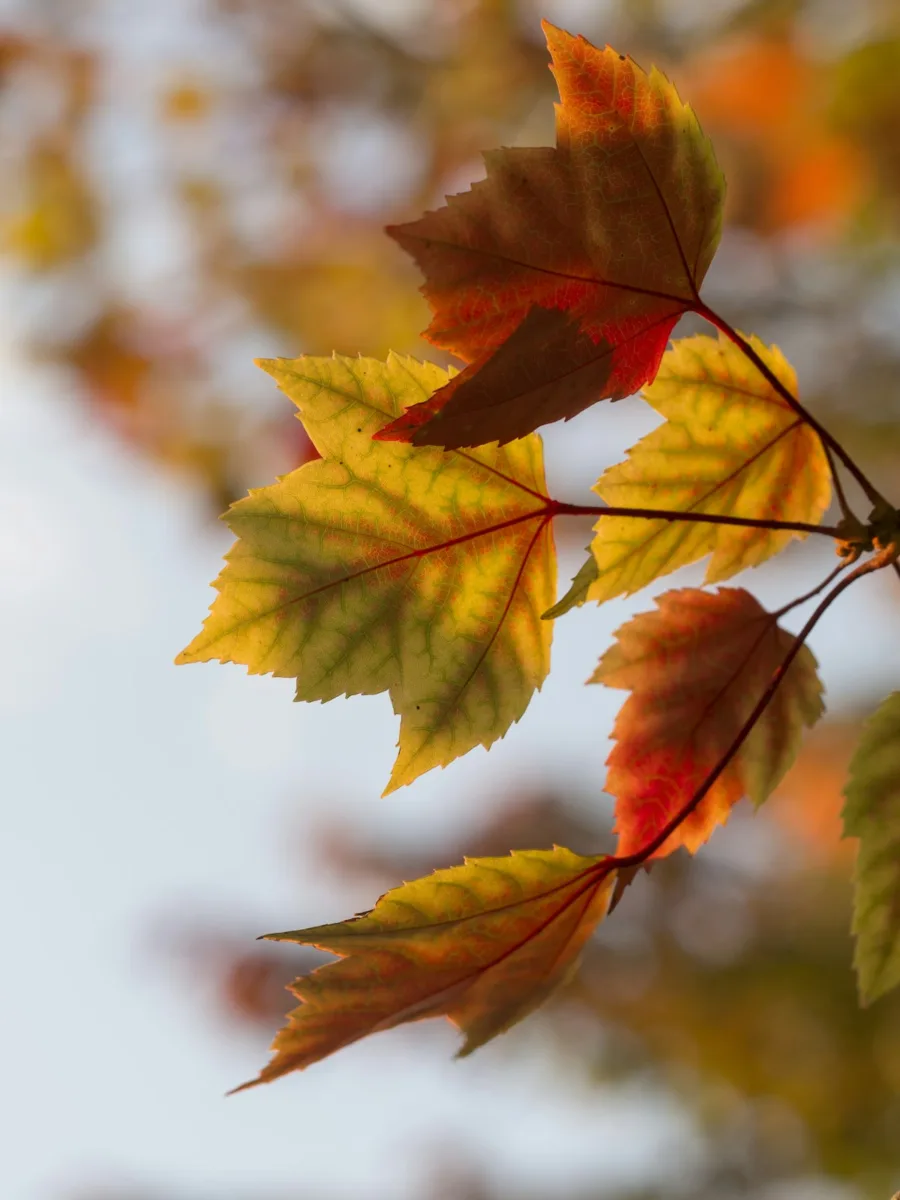
Maples are famous for their brilliant red, orange, and yellow autumn color. The sugar maple of eastern North America provides the sap that is boiled down into maple syrup, and it takes about 40 gallons of sap to make one gallon of syrup. The maple leaf appears on the flag of Canada. Maple seeds grow in winged pairs, called samaras, that spin like helicopters as they fall.
How to recognize it: Hand-shaped leaves with three to five pointed lobes, and paired winged seeds.
Where it grows: North America, Europe, and Asia, especially Japan, China, and Canada.
3. Pine
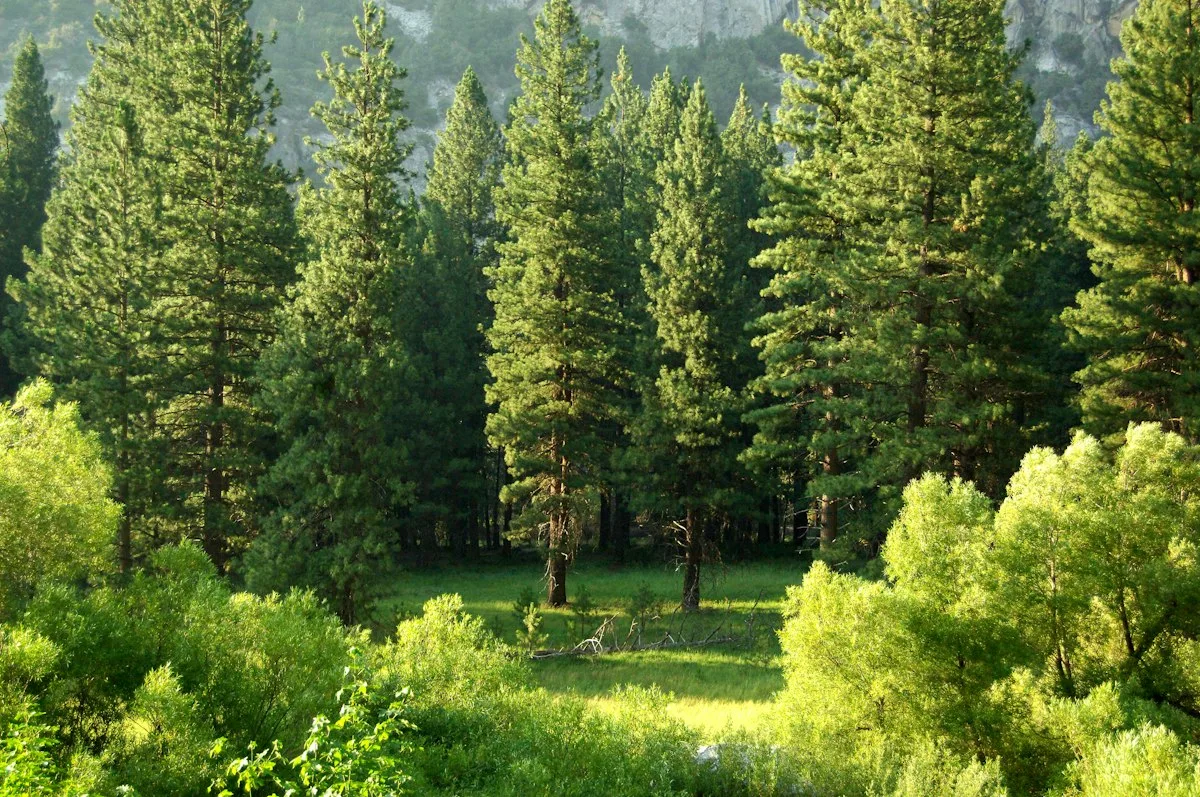
Pines are conifers with long needles and woody cones, and with more than 100 species they are the largest group of conifers. They grow fast and are the main source of softwood lumber and paper pulp. The Great Basin bristlecone pine of the western United States includes some of the oldest living things on Earth, with one tree more than 4,800 years old.
How to recognize it: Long needles that grow in bundles of two, three, or five, and woody, scaly cones.
Where it grows: Throughout the Northern Hemisphere, from boreal forests to mountains and sandy coasts.
4. Birch
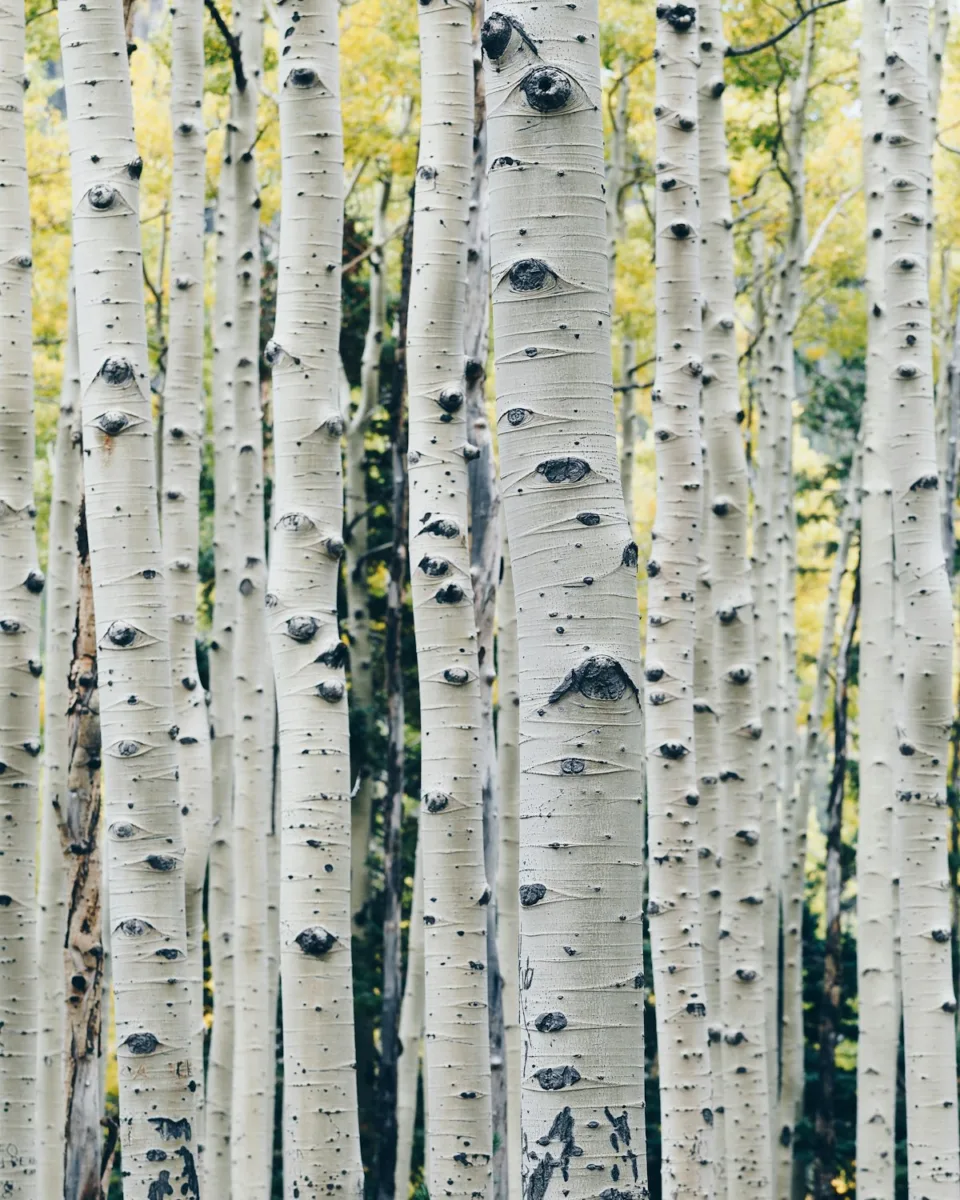
Birches are slender, fast-growing trees known for their pale, papery bark, which peels in thin sheets. Birch bark is waterproof and was used by Native Americans to build canoes and by many peoples to write on. Birch is often one of the first trees to grow back after a forest fire or clearing.
How to recognize it: White, silver, or papery bark with dark horizontal markings, and small triangular leaves with toothed edges.
Where it grows: Cool northern regions of North America, Europe, and Asia.
5. Palm
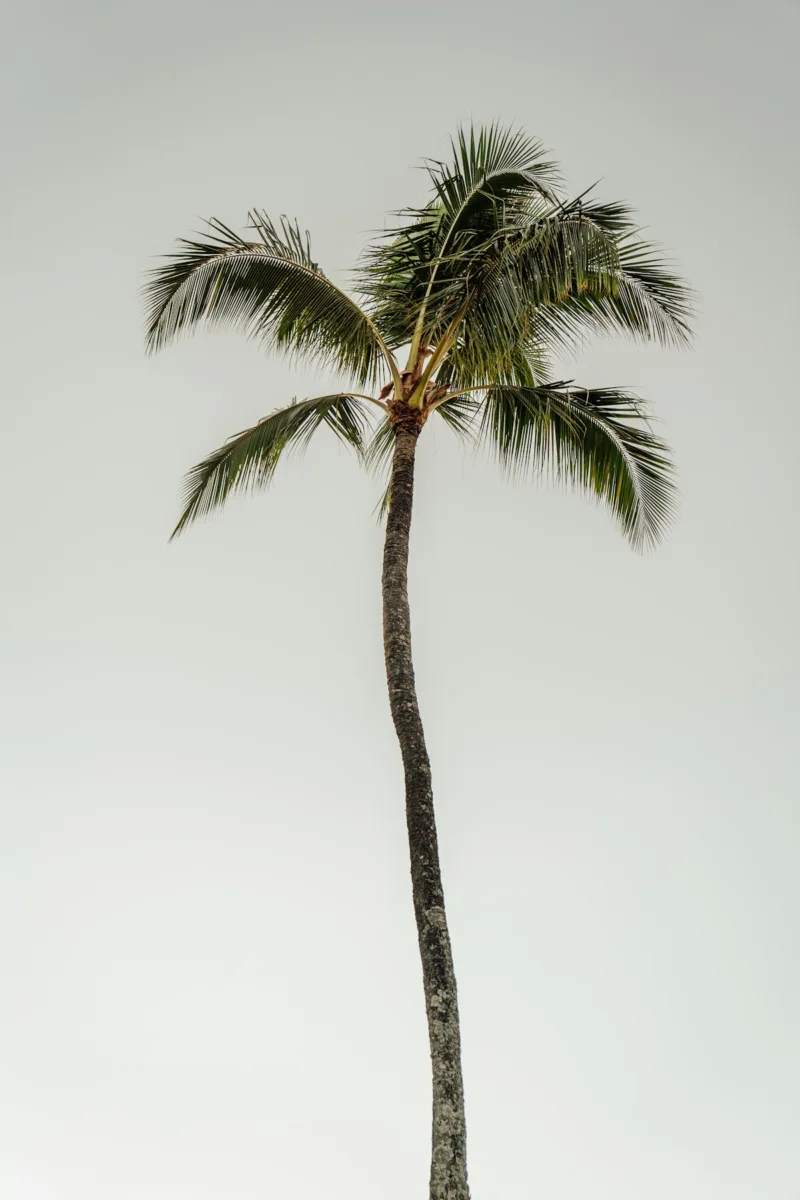
Palms are not true trees in the botanical sense. They are more closely related to grasses, and their trunks do not grow thicker each year or form growth rings. There are about 2,600 species, including the coconut palm and the date palm, which have fed people for thousands of years. Palms are symbols of tropical beaches, but some species tolerate frost.
How to recognize it: A single, unbranched trunk topped with a crown of large fan-shaped or feather-shaped fronds.
Where it grows: Tropical and subtropical regions around the world.
6. Weeping Willow
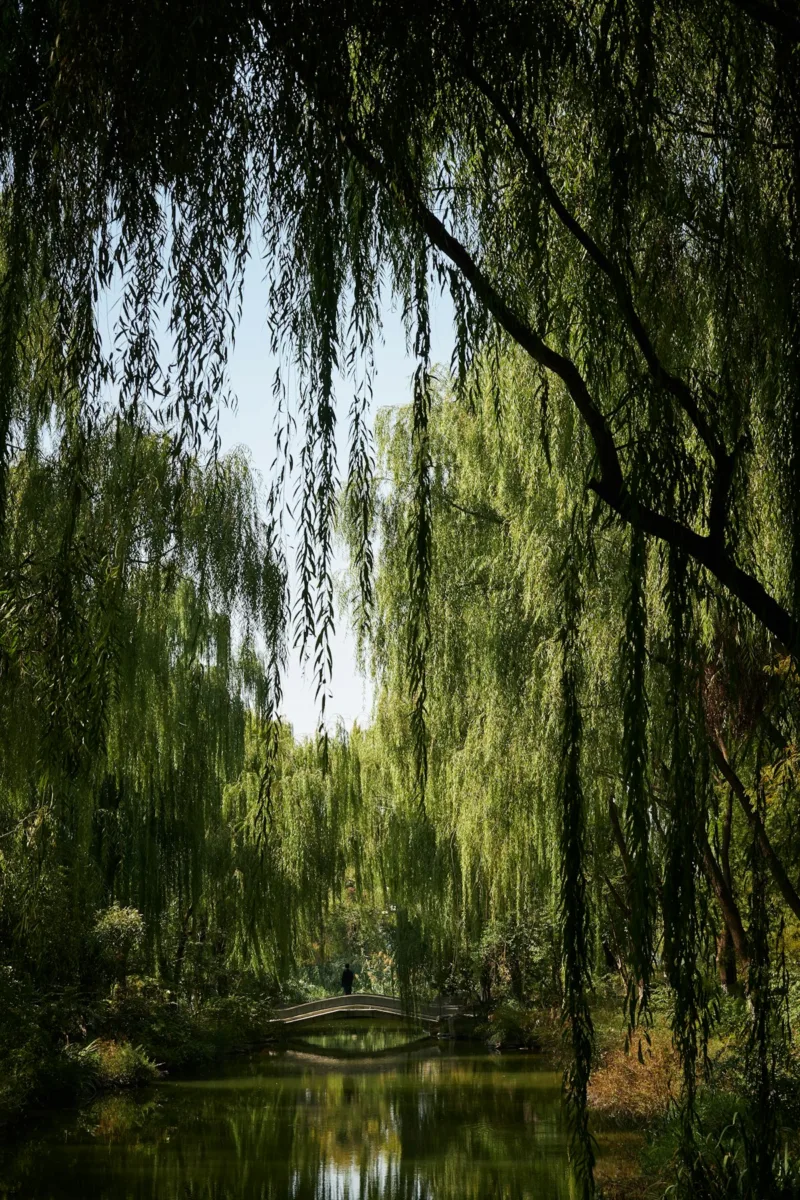
Willows are fast-growing trees that love water and are often found along rivers and lakes. The weeping willow, with its long, drooping branches that sweep the ground, came from China and was planted in gardens around the world. Willow bark contains salicin, a compound people chewed for pain relief for thousands of years and which led to the development of aspirin.
How to recognize it: Long, narrow leaves and flexible, often drooping branches.
Where it grows: Near water across Europe, Asia, and North America.
7. Cherry Blossom Tree
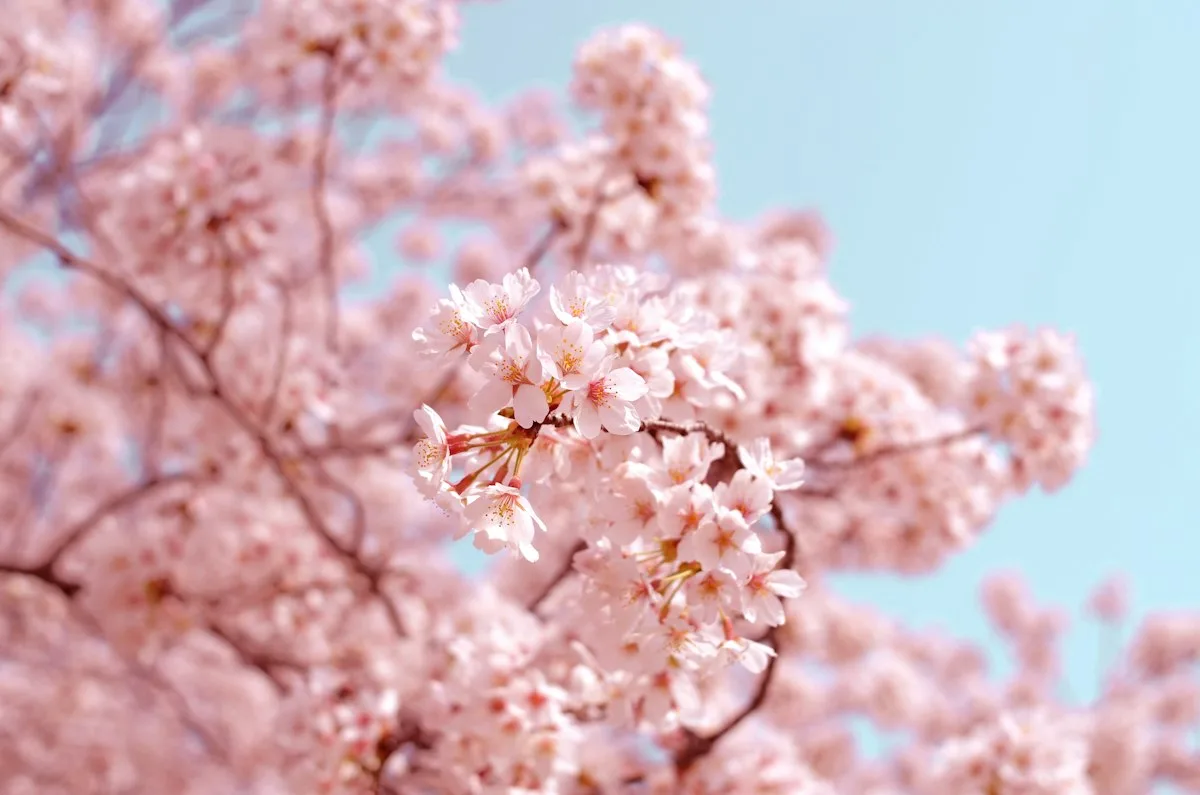
Ornamental cherry trees are grown for their clouds of pink and white blossoms, which appear for only a week or two each spring. In Japan the blossoms are called sakura, and the tradition of hanami, or flower viewing, draws crowds to parks every year. In 1912, Japan gave Washington, D.C., more than 3,000 cherry trees, which are now the center of the National Cherry Blossom Festival.
How to recognize it: Masses of pink or white blossoms in spring, oval leaves, and shiny, reddish bark marked with horizontal lines.
Where it grows: Native to Japan, Korea, and China, and planted in parks worldwide.
8. Baobab
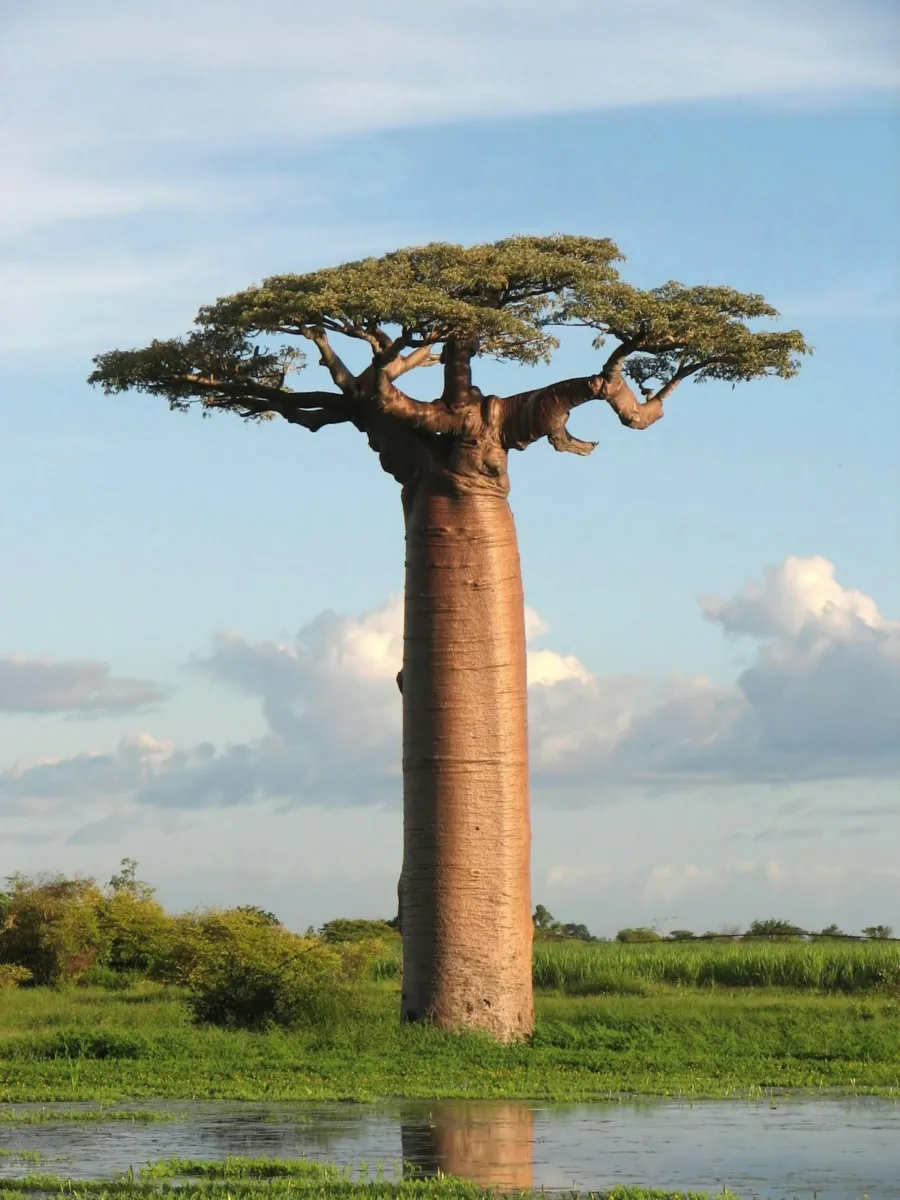
The baobab is one of the strangest-looking trees on Earth, with a massive, swollen trunk and short, root-like branches. Because it looks as if it had been planted upside down, it is often called the upside-down tree. Its trunk can store tens of thousands of gallons of water to survive long droughts, and some baobabs are thought to be more than 1,000 years old.
How to recognize it: An enormous, bottle-shaped trunk and bare branches for much of the year.
Where it grows: Dry regions of mainland Africa, Madagascar, and northern Australia.
9. Giant Sequoia
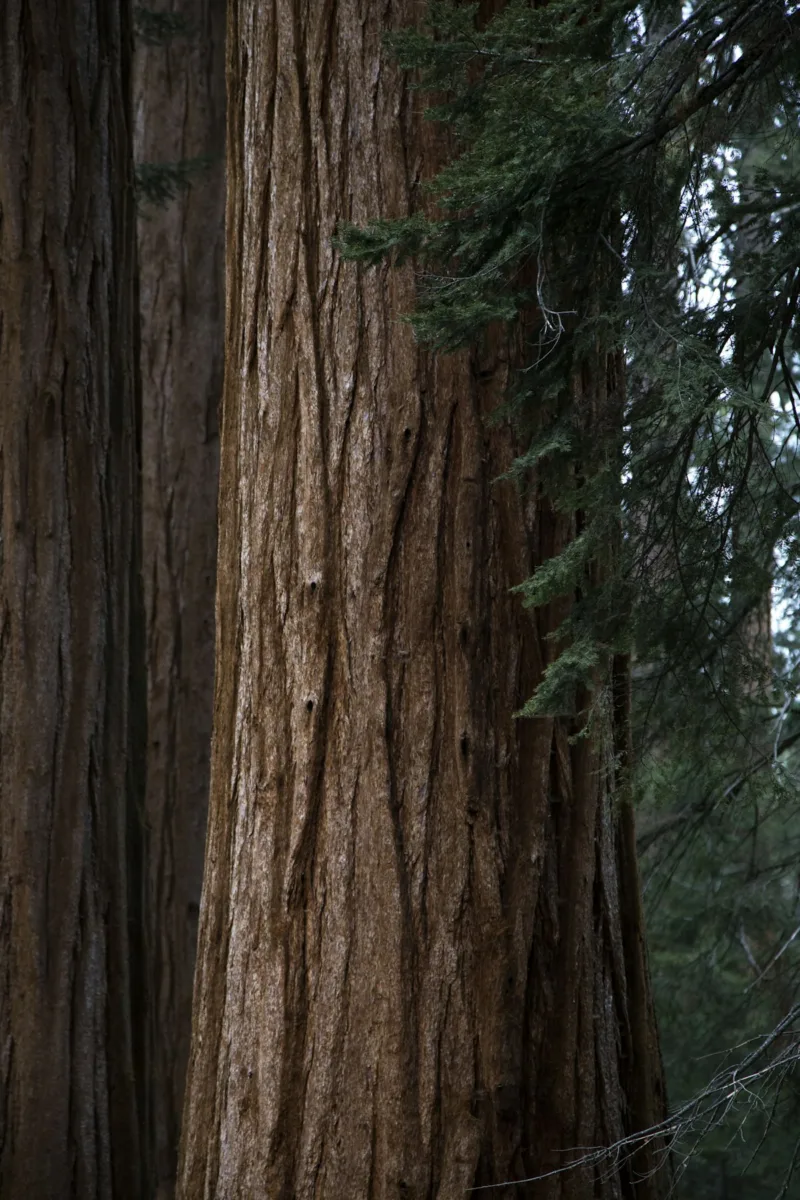
The giant sequoia is the largest tree in the world by volume. The biggest, called General Sherman, in Sequoia National Park in California, stands about 275 feet tall and has a trunk more than 36 feet across at the base. Giant sequoias can live for more than 3,000 years. Their thick, spongy, reddish bark protects them from fire, and their cones need heat to open and release seeds.
How to recognize it: A massive, reddish-brown, deeply furrowed trunk and small, scale-like needles.
Where it grows: Only on the western slopes of the Sierra Nevada mountains in California.
10. Spruce
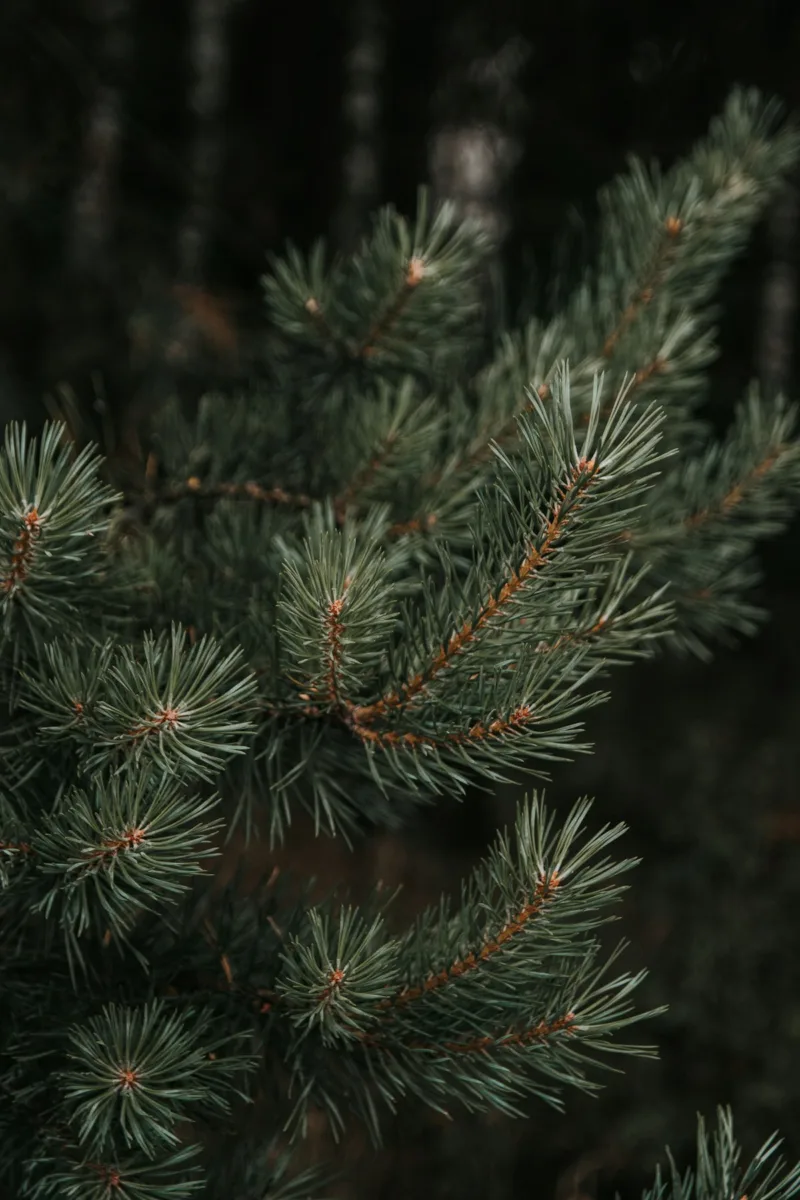
Spruces are conifers with a neat, cone-shaped outline and short, sharp needles. The Norway spruce is the traditional Christmas tree of Europe and the tree set up each year at Rockefeller Center in New York. Spruce wood is light and strong, and it is the preferred wood for the soundboards of violins, guitars, and pianos.
How to recognize it: Single, sharp, four-sided needles that roll easily between the fingers, and cones that hang downward.
Where it grows: Cool forests of the Northern Hemisphere, especially Canada, Scandinavia, and Russia.
11. Olive
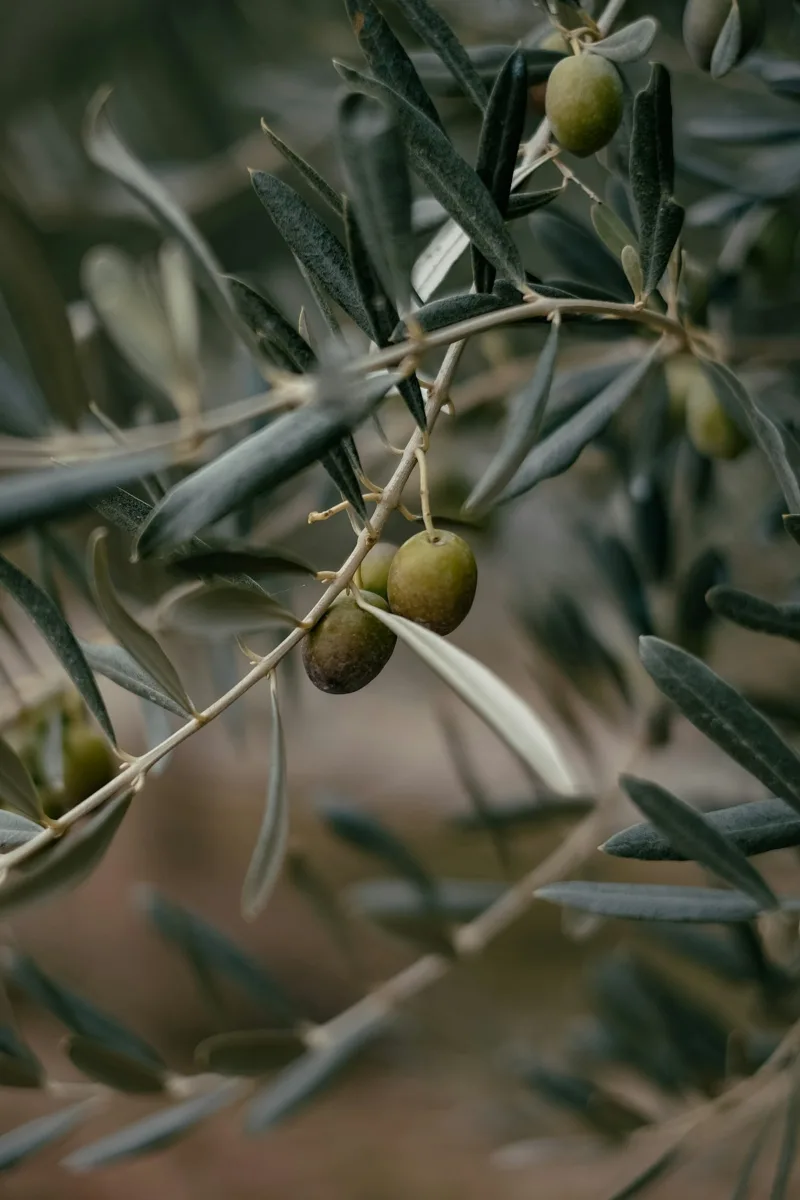
The olive tree has been cultivated in the Mediterranean for about 6,000 years for its fruit and oil. It grows slowly into a twisted, gnarled shape and can live for well over a thousand years. An olive branch has been a symbol of peace since ancient times, and winners at the ancient Olympic Games were crowned with olive wreaths.
How to recognize it: Narrow, leathery leaves that are gray-green on top and silvery underneath, and a twisted, gnarled trunk.
Where it grows: Mediterranean climates, including southern Europe, North Africa, the Middle East, and California.
12. Coast Redwood
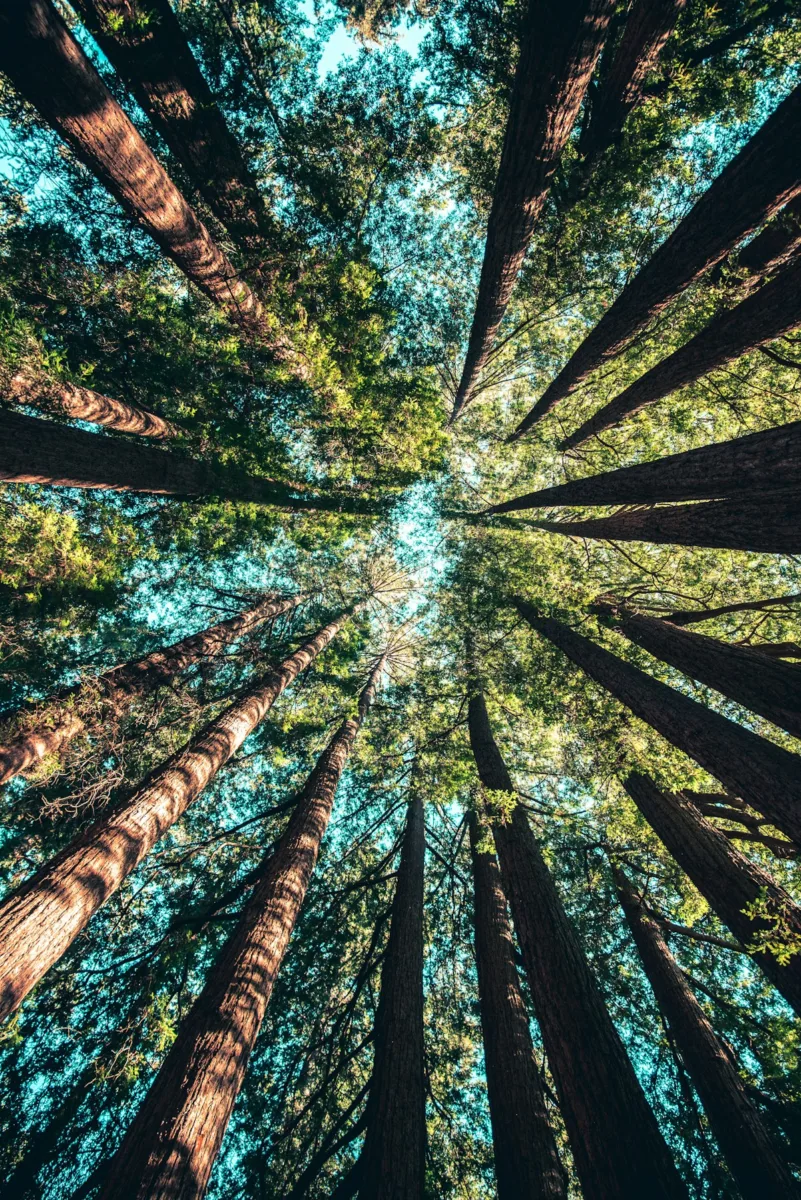
The coast redwood is the tallest tree on Earth. The tallest known individual, named Hyperion, stands about 380 feet high. Redwoods grow in the foggy coastal forests of northern California and southern Oregon, where they absorb moisture from fog through their needles. They are close relatives of the giant sequoia, which is wider but not as tall.
How to recognize it: Extremely tall, straight trunks with thick, fibrous, reddish bark and flat needles.
Where it grows: A narrow strip of the Pacific coast in northern California and southern Oregon.
Deciduous and Evergreen Trees
Deciduous trees, such as oaks, maples, and birches, drop their leaves each autumn and grow new ones in spring. The bright autumn colors appear when the green pigment chlorophyll breaks down, revealing yellow and orange pigments that were there all along, while red colors are produced fresh in autumn. Evergreen trees, such as pines, spruces, and most palms, keep their leaves through the year, replacing them gradually.
How to Identify a Tree
- Look at the leaves. Needles or scales point to a conifer. Flat leaves point to a broadleaf tree. Then note whether the leaves are simple or divided into leaflets, and whether the edges are smooth, toothed, or lobed.
- Check the leaf arrangement. Leaves that grow in pairs opposite each other narrow the list to a few groups, such as maples and ashes.
- Study the bark. Color, texture, and pattern, such as the white bark of birch or the shaggy bark of hickory, are often the best clues in winter.
- Look for fruit, nuts, cones, and flowers. Acorns, winged seeds, and cones identify many trees instantly.
- Note the overall shape. A cone-shaped outline, a spreading crown, or drooping branches all help.
Frequently Asked Questions
How many types of trees are there in the world?
A 2022 study estimated that there are about 73,000 tree species on Earth, including roughly 9,000 that scientists have not yet described.
What are the two main types of trees?
Broadleaf trees, also called hardwoods, with flat leaves, and conifers, also called softwoods, with needles or scales and cones.
What is the tallest type of tree?
The coast redwood is the tallest. The tallest known tree, Hyperion, is about 380 feet high.
What is the oldest type of tree?
The Great Basin bristlecone pine. One individual in California is more than 4,800 years old.
Is a palm tree really a tree?
Botanically, no. Palms are more closely related to grasses and do not produce true wood or growth rings, although they are commonly called trees.